
The most effective way to eliminate laundry room smells is to leave your washing machine door open between cycles to allow moisture to evaporate. This prevents mold and mildew from growing in the rubber door gasket, which is the most common cause of persistent odors. If your machine already has a strong smell, running a hot wash cycle with a cup of white vinegar or a dedicated machine cleaner usually resolves the issue.
Identifying causes of bad odors

Bad odors in a utility area often come from a combination of stagnant water and trapped debris. Modern high-efficiency machines use less water, which sometimes allows soap scum and fabric softener residue to build up inside the outer tub. This organic material provides a perfect food source for mold and bacteria.
You can verify if this is the cause by pulling back the rubber door seal; if you see dark spots or slime, the buildup is likely the source of the smell.
Another common cause is a clogged or improperly installed drain hose. If the hose is pushed too far into the standpipe, it can create a siphon effect that pulls sewer gas back into the room. You should check that your machine’s drain hose is secured with an air gap to prevent wastewater from backing up into the unit. If you smell sewage, it’s rarely the machine itself and usually points to a plumbing vent issue.
Clean the rubber seal
The rubber gasket around the door opening is a magnet for hair, lint, and water. You should wipe this area down with a damp cloth after every load to keep it dry. If the buildup is already thick, use a mixture of one part white vinegar and one part water to scrub the folds of the gasket until the residue is gone.
Once the area is clean, dry it thoroughly with a clean rag. If you have a front-load washer, the Environmental Protection Agency suggests that keeping moisture levels low is the primary way to stop mold growth. If the gasket is cracked or damaged, it won’t seal properly and may need to be replaced by a professional technician to stop odors from leaking out of the drum.
Run a maintenance cycle

A deep clean of the internal drum helps remove hidden buildup that you can’t reach by hand. Most modern machines have a specific “tub clean” cycle, but if yours does not, use the hottest water setting available with a long wash duration. Add two cups of white vinegar or a commercial washing machine cleaner directly into the empty drum.
If you have hard water, you might see white mineral deposits on the drum. These minerals trap soap scum, making the smell worse over time. If the smell persists after two cycles, check your filter. Most front-load washers have a small access door at the bottom front that hides a debris trap. Place a shallow pan underneath, open the trap, and remove any coins, buttons, or lint that may be decaying inside the pump filter.
Improve room ventilation
Sometimes the smell isn’t inside the machine but in the room itself. Laundry rooms are often small, windowless spaces that trap heat and humidity. If your room feels damp, you should install a small exhaust fan or keep the door open to promote airflow. For those who can’t install a fan, a small dehumidifier can effectively pull moisture from the air, which stops odors from clinging to the walls or laundry baskets.
This approach is best for people who do a high volume of laundry in a small space. It isn’t for people who have a dedicated laundry room with a window that can be left open during the day. If you notice the smell is strongest near the floor, ensure your floor drain isn’t dry. Pouring a quart of water into the floor drain trap can refill the water seal and block sewer gases from entering the room.
Myths about laundry room odors
Using extra detergent often backfires. While it feels like more soap should mean more cleaning power, excess suds trap soil and bacteria inside the machine’s internal plumbing. This residue creates a breeding ground for foul-smelling biofilms. If you see suds lingering after the rinse cycle, you’re using too much; dial back to two tablespoons per load to prevent this buildup.
Leaving wet clothes in the washer overnight is the fastest way to trigger mildew.
Bleach is another common trap. Using it in every load degrades the rubber seals and internal plastic components, creating microscopic cracks where bacteria hide. If your machine smells like a locker room, skip the bleach and run a hot cycle with white vinegar instead. Finally, stop relying on air fresheners. They only mask the scent, leaving the actual mold to thrive.
Preventing future laundry room smells
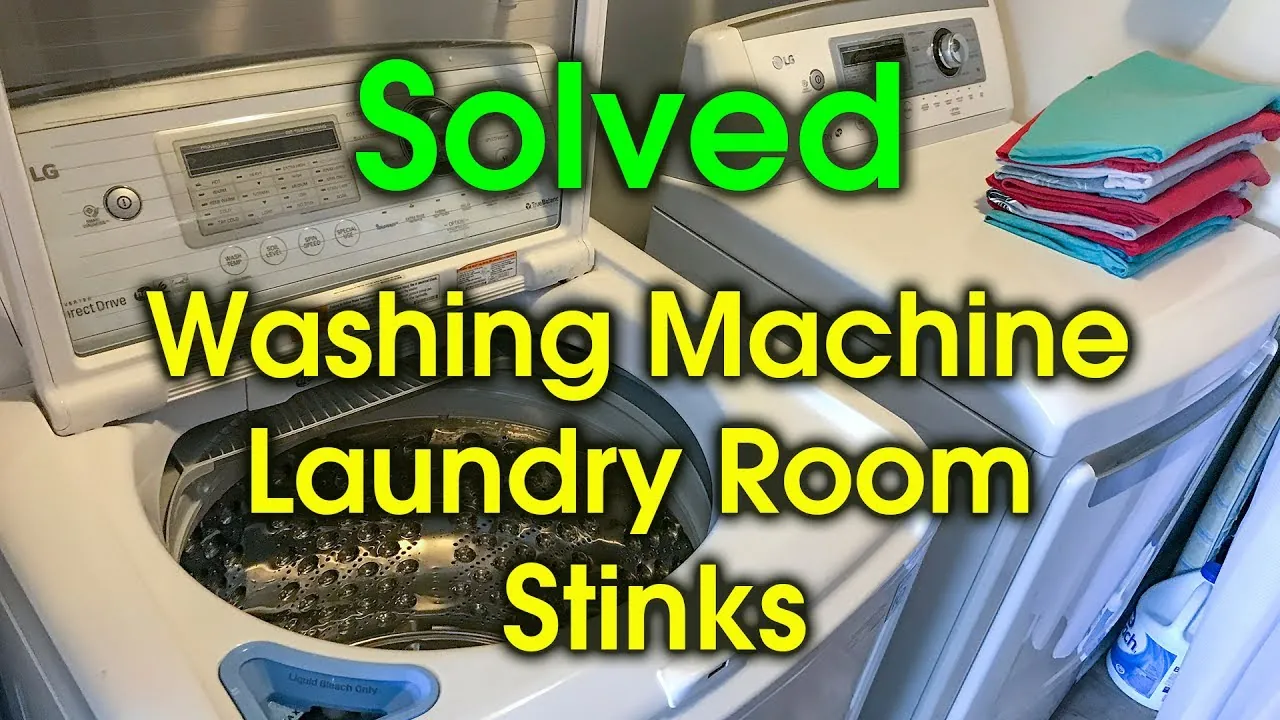
Maintaining a fresh environment requires a consistent routine that prevents debris and moisture from accumulating. If you find the smell returns quickly, your water temperature might be too low to dissolve detergent properly. Aim for at least one hot cycle per week to break down oils.
| If you’re doing this | Do this instead | Why |
|---|---|---|
| Closing the door | Leave the door ajar | Prevents mold in the gasket |
| Using liquid softener | Use white vinegar | Softener leaves waxy residue |
| Washing only in cold | Run a hot cycle weekly | Hot water kills bacteria |
| Storing wet towels | Hang them to dry | Moisture creates mildew |
Related guides
Frequently asked questions
How often should I clean my washing machine?
You should run a cleaning cycle once every month to prevent the buildup of soap scum and mildew. If you have a large family and do more than six loads per week, you may need to clean it every three weeks. This keeps the internal components free of debris that causes foul odors and ensures your clothes stay fresh.
Is it safe to use bleach in my washer?
Yes, you can use bleach to disinfect your machine, but only if your manufacturer’s manual allows it. Most brands recommend using no more than one-half cup of liquid chlorine bleach in the detergent dispenser for a tub clean cycle. Always run a rinse cycle afterward to remove any remaining chemical residue before washing your next load of laundry.
Why does my laundry smell like rotten eggs?
This usually indicates that sewer gas is entering your home through a dry floor drain or a blocked plumbing vent. If your laundry room has a floor drain, pour one quart of water into it to refill the trap. If the smell remains, you should contact a licensed plumber to inspect your home’s main sewer vent for blockages.
How do I get rid of mold in the rubber seal?
You can remove mold by scrubbing the seal with a mixture of vinegar and water or a mild bleach solution. Use a soft-bristled brush to reach deep into the folds of the gasket where black spots often hide. Once you have scrubbed the area, wipe it with a dry cloth and leave the door open to air-dry completely.
Can I use essential oils to stop the smell?
No, essential oils won’t stop the smell because they don’t kill the mold or remove the physical buildup causing it. They only mask the odor for a short time. You must physically clean the machine and reduce moisture levels to truly solve the problem. Relying on oils will only lead to more buildup inside your machine’s pipes.
How long does a washing machine odor last?
The odor will continue until you physically remove the source of the bacteria or mold, which usually takes about one hour of cleaning time. If you clean the gasket and run a hot cycle, the smell should disappear immediately after the machine dries out. If it persists, check the drain filter for trapped debris or foreign objects.
Conclusion
Proper maintenance of your appliances is the best way to keep your home smelling clean and fresh. By keeping the door open, cleaning the rubber seals, and running hot cycles regularly, you can keep your laundry room free of unwanted smells for years to come.