
You can fix the problem when your freezer smells bad by removing the spoiled food and deep cleaning the interior surfaces with a mild soap solution. Most odors occur because of trapped bacteria from rotting meat or fish that leaked into the shelf liners or the rubber door seal. Once the source is gone, the air circulation will eventually clear the remaining scent.
Why your freezer smells bad
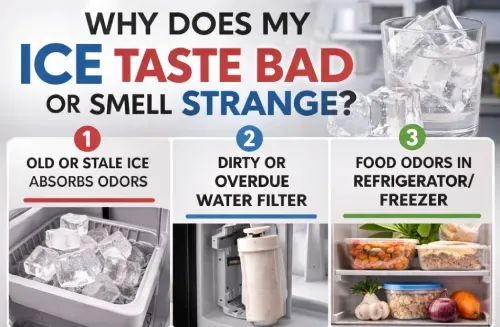
The primary cause of a lingering smell is organic matter trapped in hard-to-reach areas. When food thaws during a power outage or a door-left-ajar event, liquids seep into the plastic casing, the ventilation grates, or the underside of the shelves. If you don’t wipe these areas immediately, food particles may remain, which can release odors into the air.
Another common source is the drain hole located at the back of the interior wall. If this tube becomes clogged with debris or frost, standing water collects and begins to sour. Because the air in a freezer is constantly recirculating, even a tiny amount of spoiled residue can scent the entire contents of the unit.
According to the United States Department of Agriculture, you should discard any perishable food that has been held above 40°F for more than two hours, as it’s no longer safe to eat and is likely the source of your odor.
Clean the interior surfaces thoroughly
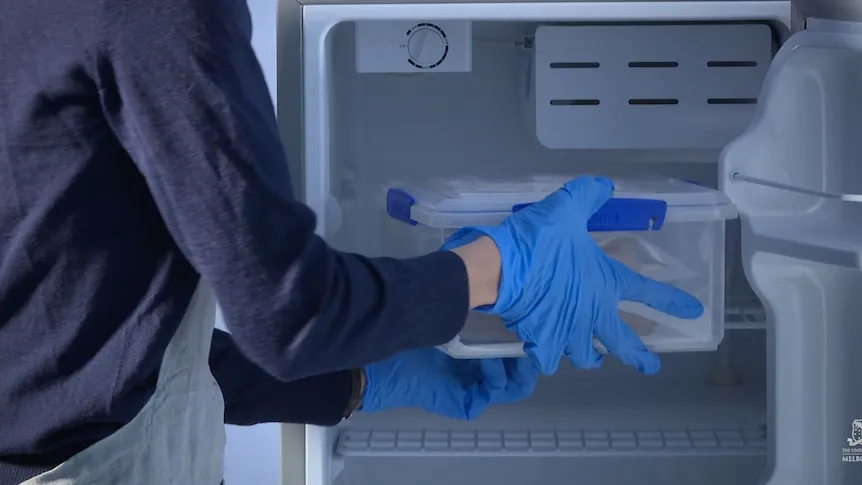
To begin, turn off the appliance and remove all frozen goods. Place them in a cooler with ice packs to maintain a safe temperature while you work. Take out all removable shelves, bins, and drawers. Wash these items in a sink using warm water and a mild dish detergent. Scrub any visible stains and rinse them completely before leaving them to air dry on a clean towel.
Wipe down the interior walls, ceiling, and floor of the unit with a cloth dampened in a solution of one tablespoon of baking soda per quart of water. Pay close attention to the corners and the grooves where shelves slide in, as these are common spots for spills to hide.
If you see mold or heavy grime, use a soft-bristled brush to reach into the crevices. Don’t use harsh chemicals like bleach, as the plastic can absorb the scent and potentially transfer it to your food later. Once clean, dry the entire interior with a soft cloth to prevent new ice buildup.
Sanitize the door seals and vents
The rubber door gasket is a major trap for crumbs and moisture. Over time, these particles decay and create a persistent, musty smell that’s hard to remove. Pull back the folds of the rubber seal and wipe it thoroughly with a damp cloth dipped in warm, soapy water. If you notice black spots or deep stains, use a cotton swab to reach inside the tightest parts of the seal.
After cleaning the gasket, inspect the air vents at the back of the freezer. Ensure they aren’t blocked by food packaging, which restricts airflow and prevents the unit from maintaining an even temperature. Use a vacuum attachment to gently pull any loose debris out of the vents.
If the vent covers are removable, take them off to clean the area behind them. If you can’t reach the inner cooling coils, stop and call a professional; poking sharp objects into the coils can cause a refrigerant leak that requires a costly repair.
Use odor-absorbing agents for remaining scents
If a faint smell remains after deep cleaning, you can use natural materials to pull the odor out of the air. Place an open box of baking soda on the middle shelf and leave it there for 24 hours. Baking soda is a base that reacts with acidic odor molecules to neutralize them. If the smell is very strong, use a shallow tray filled with fresh coffee grounds or activated charcoal instead of baking soda.
These materials are only effective if you have already removed the physical source of the smell. If you skip the cleaning steps, the odor-absorbing agents will become saturated within hours and stop working.
If you’re dealing with a recurring chemical or burning smell, this indicates a mechanical issue like a failing motor or a wiring problem. In such cases, stop using the unit immediately and contact the manufacturer or a certified technician, as electrical faults pose a fire risk and aren’t something you can fix by cleaning.
Mistakes that make the smell worse
- Using strong chemical cleaners: Products like bleach or heavy citrus sprays leave behind chemical residues that contaminate your food and may damage the freezer’s plastic lining.
- Leaving food in the unit: Trying to clean around food containers means you’ll likely miss the very spot where the spill happened, allowing the smell to persist.
- Ignoring the drain tube: If you only clean the shelves but leave the drain hole clogged, the smell will return as soon as the unit begins its next defrost cycle.
- Using scented candles or sprays: These only mask the odor temporarily and don’t kill the bacteria that cause the smell, meaning the problem will return the moment the scent fades.
How to stop it happening again
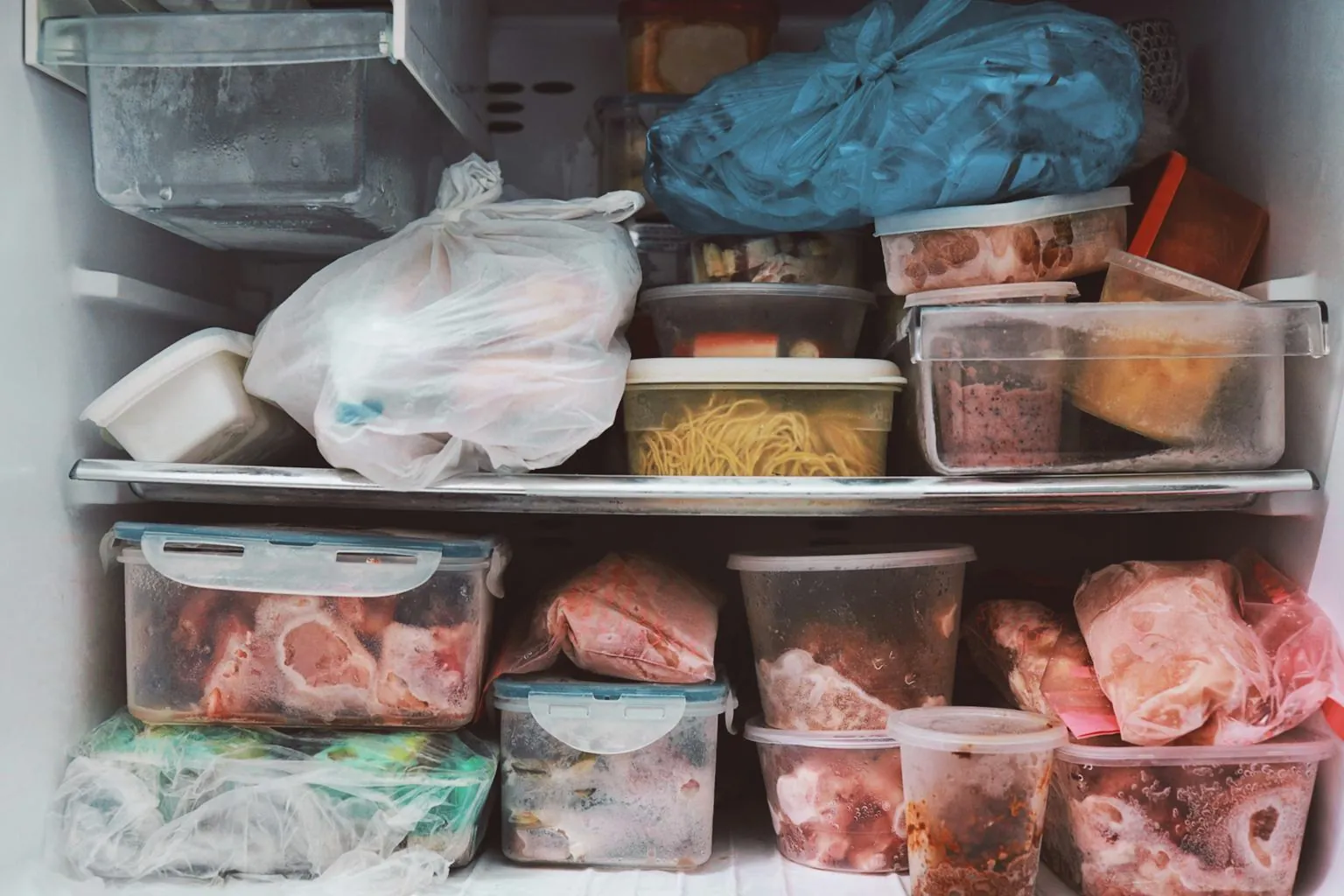
To keep your unit smelling fresh, you must manage how you store and organize your items. Regularly check for expired goods and wipe up spills as soon as they happen.
| If you’re doing this | Do this instead | Why |
|---|---|---|
| Storing open packages | Seal food in airtight bags | Prevents leaks and odor transfer |
| Overstuffing the unit | Leave space for air to flow | Ensures even cooling and prevents rot |
| Ignoring spills | Wipe with a damp cloth immediately | Stops bacteria from soaking into plastic |
| Keeping old leftovers | Label and date all containers | Helps you track what is past its prime |
| Relying on open boxes | Replace baking soda every 3 months | Keeps the absorption power active |
Related guides
- Dog Smells Like Fish From Back End: Causes and Solutions
- How to Get Spray Paint Off Wood Safely and Effectively in 2026
Frequently asked questions
Can I use vinegar to clean my freezer?
Yes, you can use a solution of half water and half white vinegar to clean the interior. Vinegar is a natural disinfectant that cuts through grime, though it leaves a temporary sharp smell that will vanish once the area is dry. If you dislike the smell of vinegar, stick to a mild dish soap and warm water, which is just as effective for removing food residue.
How long does it take for a freezer smell to go away?
It usually takes 24 to 48 hours for odors to fully dissipate after a deep cleaning. If the smell is still strong after two days, you likely missed a spill in the drain tube or a hidden crevice behind a drawer. Re-inspect these areas and replace your baking soda box with a fresh one to ensure the air is being properly filtered.
Is it safe to eat food that smells like the freezer?
No, you should discard any food that has absorbed a foul odor, as it indicates the food was exposed to bacteria or spoilage. While the cold temperature slows bacterial growth, it doesn’t kill the bacteria already present in rotting food. If the food’s texture, color, or smell has changed, it isn’t safe to consume and should be thrown away immediately.
Why does my freezer smell like burning plastic?
A burning plastic smell suggests an electrical component is overheating or a wire is melting. This isn’t caused by food and can’t be fixed by cleaning the interior. Unplug the unit immediately to prevent a fire hazard and contact a licensed appliance repair technician to inspect the motor, the wiring, and the control board for damage.
How often should I replace the baking soda?
You should replace the baking soda every three months to maintain its ability to absorb odors. If you store pungent foods like fish or onions, you may need to replace it more often.
Conclusion
Regular cleaning is the most effective way to prevent odors from taking hold. By keeping the interior dry and ensuring that food is always stored in sealed containers, you prevent the leaks and spills that lead to bacterial growth. If you ever notice a persistent, sharp, or chemical smell that persists after a thorough cleaning, treat it as a mechanical warning sign and seek professional help to ensure your unit remains safe to use.