
You can stop your feet smell bad by keeping your skin dry and changing your socks every single day. The most common cause is a buildup of bacteria that thrive in the dark, moist environment inside your shoes. When sweat gets trapped against your skin, these bacteria break down the organic compounds in the sweat and create the unpleasant odor that you notice at the end of the day.
Why feet smell
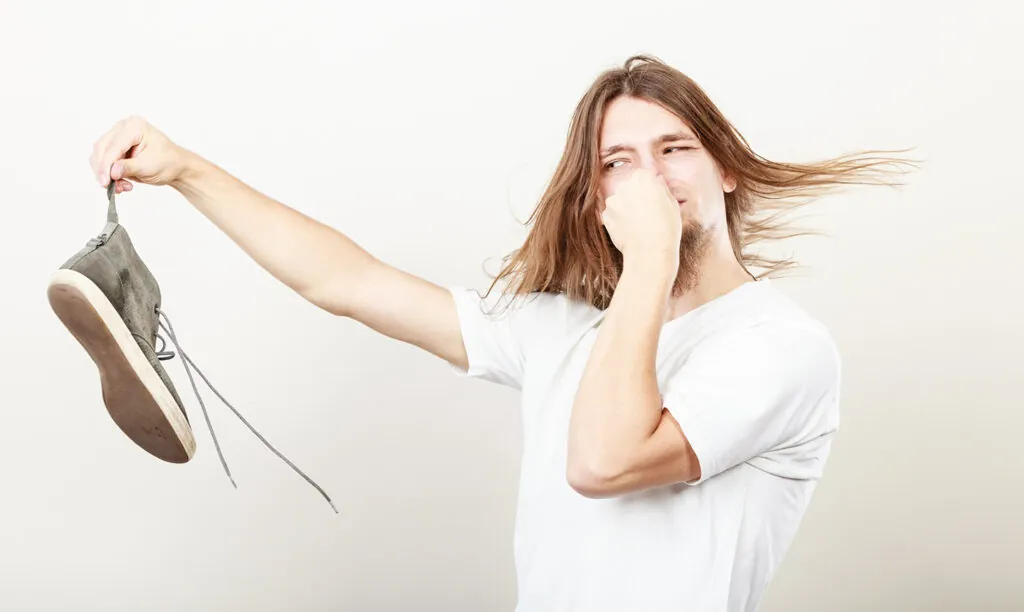
The primary reason for persistent foot odor is the interaction between sweat and bacteria. Your feet contain thousands of sweat glands, more than almost any other part of the human body. While sweat itself is mostly odorless, it provides the perfect damp environment for bacteria to multiply rapidly. As these microbes consume the nutrients in the sweat and dead skin cells on your feet, they release waste products that produce a foul smell.
Another factor is your choice of footwear and socks. If you wear shoes made from synthetic materials, they often lack the airflow needed to let sweat evaporate. When you wear the same pair of shoes two days in a row, they don’t have enough time to dry out completely.
This keeps the internal environment humid, which encourages bacterial growth. You should also check for medical conditions like athlete’s foot if the smell persists despite these changes, as fungal infections can also contribute to unwanted odors.
Wash and dry your feet daily
The most effective way to address the odor is to wash your feet thoroughly every day. Use a mild antibacterial soap and pay close attention to the spaces between your toes where bacteria tend to hide. After washing, you must dry your feet completely before putting on socks. If you leave your skin damp, you’re essentially giving bacteria a head start.
If you have very sweaty feet, consider using a foot powder or an antiperspirant spray before you put on your socks. You should apply these products to dry skin in the morning to help control moisture throughout the day.
If you notice your skin becoming too dry or cracking, stop using the powder for a few days and focus on keeping your socks clean. This method works for most people, but if you have open sores or a skin condition, talk to a doctor before applying any topical products.
Rotate and clean your footwear
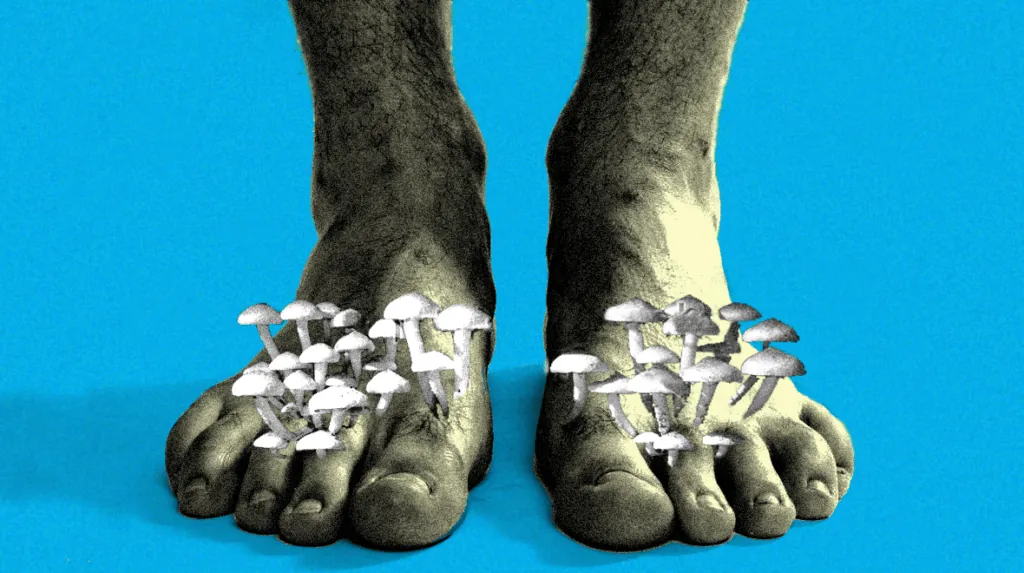
Wearing the same shoes every single day is a mistake that causes odor to linger. Shoes need at least 24 hours to air out and dry completely after a full day of wear. If you only have one pair, you’ll struggle to keep them smelling fresh. It’s better to have two pairs of shoes and switch between them daily.
When your shoes get dirty, clean the insoles or replace them if they’re removable. You can also use a shoe deodorizer spray to help neutralize smells inside the material. If the smell is very strong, place a small bag of activated charcoal or baking soda inside your shoes overnight to absorb the excess moisture and odors. If you’re using a commercial spray, follow the instructions on the label to avoid damaging the inner lining of your shoes.
Choose breathable socks and materials
You can change how much moisture stays near your skin by switching to the right type of socks. Avoid 100% cotton socks, as they tend to absorb sweat and stay wet for a long time. Instead, look for moisture-wicking synthetic blends or high-quality wool socks that pull moisture away from your feet. These materials allow the sweat to move to the outer layer of the sock where it can evaporate more easily.
This fix is ideal for people who work long shifts or exercise frequently. If you’re someone who spends all day in boots, you might need to carry an extra pair of socks to change into halfway through your day. If you find your feet are still damp after switching to moisture-wicking socks, check if your shoes are too tight. A shoe that’s too narrow restricts airflow, which makes it impossible for even the best socks to keep your feet dry.
Myths about foot odor
- Washing with only water: Water alone doesn’t remove the oily buildup or the bacteria living on your skin. You must use soap to break down these substances.
- Using heavy colognes: Spraying perfume or cologne on your feet will only mix with the existing odor. This creates a stronger, more complex smell rather than removing the source.
- Ignoring the insoles: Many people clean the outside of their shoes but forget the insoles. Bacteria live deep in the foam of the insole, so scrubbing or replacing them is necessary.
- Wearing shoes without socks: Going sockless causes sweat to soak directly into the shoe lining. This destroys the shoe material faster and makes the odor much harder to remove.
Managing moisture to stay fresh
If you’re currently wearing the same shoes every day, start rotating them immediately to allow for proper airflow. The following table shows how you can adjust your habits to prevent the buildup of odor-causing bacteria.
| If you’re doing this | Do this instead | Why |
|---|---|---|
| Wearing cotton socks | Wear moisture-wicking socks | Cotton traps moisture against your skin |
| Wearing the same shoes | Rotate your shoes daily | Shoes need 24 hours to dry out |
| Washing feet with water | Use antibacterial soap | Soap kills the bacteria causing the smell |
| Leaving shoes in a closet | Store shoes in a ventilated area | Airflow prevents bacterial growth |
Related guides
- How to Stop a Crack in Wood From Spreading With Stop Drilling in 2026
- How to Dry Out Sawdust: Simple Methods for Moisture Removal in 2026
- How Long Does Bondo Take to Dry: Accurate Cure Time Guide in 2026
Frequently asked questions
How long does it take for foot odor to go away?
Most people notice a significant improvement within 7 to 10 days of consistent daily washing and changing socks. If you follow the routine of rotating your shoes and using moisture-wicking fabrics, the bacteria population will decrease as the environment becomes less hospitable. If the smell doesn’t improve after two weeks, you should consult a doctor to rule out fungal infections.
Is it safe to use antiperspirant on my feet?
Yes, it’s generally safe to use an antiperspirant spray or roll-on on your feet if you have healthy skin. These products contain aluminum salts that temporarily block your sweat glands to reduce moisture. If you have sensitive skin or any cuts on your feet, avoid using these products until the skin has fully healed to prevent irritation.
Why do my shoes still smell after I clean them?
Your shoes may still smell because the bacteria have penetrated deep into the inner materials or the foam insoles. If washing the insoles doesn’t work, it’s time to buy new ones. In some cases, the smell is trapped in the fabric of the shoe itself, and you may need to use an enzyme-based shoe cleaner to break down the odor molecules.
How often should I replace my socks?
You should replace your socks every day, and also replace the entire pair once they lose their elasticity or start to thin out. Thinning fabric holds less moisture and provides less cushion, which can lead to more sweat and friction. If you notice a persistent smell even after washing your socks, it’s time to discard them and buy a fresh set.
What happens if I keep wearing damp shoes?
If you continue to wear damp shoes, you create a perfect breeding ground for bacteria and fungi. This can lead to persistent foot odor, skin irritation, and even infections like athlete’s foot. The moisture also breaks down the materials in your shoes faster, meaning you’ll have to replace your footwear more often than if you kept them dry.
How many pairs of shoes do I need to prevent smell?
You should have at least two pairs of shoes that you can rotate on a daily basis. This ensures that every pair has at least 24 hours to dry out completely before you wear it again. If you work in a job that requires you to be on your feet all day, you may benefit from having three pairs to extend the drying time.
Conclusion
If you’re still struggling with persistent odors, don’t hesitate to talk with a doctor or a foot specialist. They’ll help you rule out fungal infections or other issues that mightn’t respond to simple hygiene alone. Taking this proactive step ensures your feet stay healthy and comfortable for a long time.