
Owning a home is a dream for many, representing stability, investment, and a place to build memories. However, this significant asset also comes with responsibilities, chief among them being the constant vigilance required to maintain it. From the roof overhead to the foundation beneath, houses are complex systems susceptible to wear, tear, and the relentless forces of nature.
Ignoring common house problems can lead to escalating repair costs, diminished property value, and significant discomfort for occupants. Proactive identification and timely intervention are key to preserving your home’s integrity and ensuring a safe, comfortable living environment.
Understanding the typical issues homeowners face is the first step in effective home maintenance. These problems can range from minor annoyances like a leaky faucet to major structural concerns that demand immediate attention. By familiarizing yourself with these common culprits, you can develop a robust preventative maintenance schedule and be better prepared to tackle repairs when they inevitably arise.
This article will explore the most frequent house problems, their causes, signs, and recommended solutions, empowering you to protect your investment and enjoy your home for years to come.
Key Takeaways
- Roofing issues are prevalent, including leaks, damaged shingles, and clogged gutters, often caused by weather and age. Regular inspections and cleaning are crucial.
- Plumbing problems such as leaks, clogs, and low water pressure can lead to water damage and mold growth. Early detection and professional repair are vital.
- Electrical system faults like flickering lights, overloaded circuits, and outdated wiring pose fire hazards. Professional assessment and upgrades are recommended.
- HVAC system malfunctions can result in uneven temperatures, poor air quality, and high energy bills. Regular maintenance is essential for efficiency and longevity.
- Foundation and structural damage, including cracks and settling, are serious issues requiring expert evaluation and repair to prevent further deterioration.
- Pest infestations (insects, rodents) can compromise structural integrity and pose health risks. Prevention and professional extermination are key.
- Mold and mildew thrive in damp environments and can cause health problems and damage building materials. Identifying and addressing moisture sources is paramount.
- Window and door issues like drafts, sticking, and damaged seals affect energy efficiency and security. Repair or replacement can improve comfort and reduce costs.
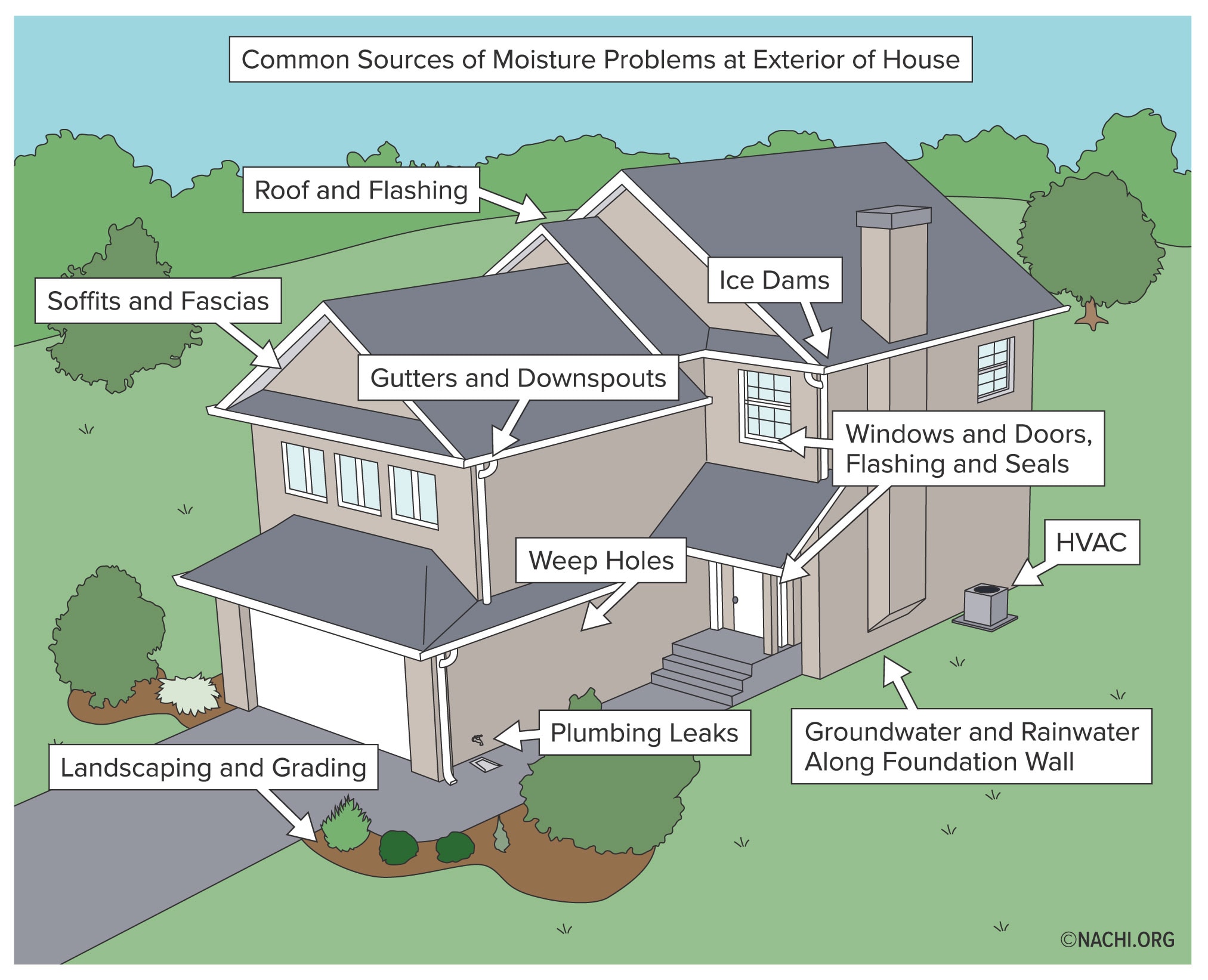
Credit: www.nachi.org
Common Roofing Problems And Solutions
The roof is your home’s first line of defense against the elements. When it fails, the consequences can be severe, impacting everything from your home’s interior to its structural integrity. Regular inspections and prompt repairs are non-negotiable for homeowners.
Leaky Roofs
Leaks are perhaps the most common and concerning roofing problem. They can manifest in various ways, from a small drip in the attic after a heavy rain to visible water stains on ceilings and walls. The source of a leak isn’t always directly above the interior damage; water can travel along rafters and insulation before becoming visible.
- Causes: Damaged or missing shingles, deteriorated flashing around chimneys, vents, and skylights, cracked or blocked gutters, and ice dams in colder climates are primary culprits. Age and wear-and-tear also play significant roles.
- Signs: Water stains on ceilings or walls, peeling paint near the roofline, drips from the ceiling, visible mold or mildew in the attic, and an unusually high water bill if the leak is constant.
- Solutions: Locating the exact source of the leak is the first step, often requiring a thorough inspection of the attic and the exterior roof. Damaged shingles need replacement. Damaged or corroded flashing should be repaired or replaced, ensuring a proper seal. Clogged gutters should be cleared, and if they are damaged, they should be repaired or replaced. In areas prone to ice dams, improving attic insulation and ventilation can help. For persistent or widespread leaks, a professional roof inspection is highly recommended.
Damaged Shingles
Shingles are designed to protect the underlying roof structure from moisture and UV rays. Over time, they can become brittle, cracked, curled, or even blow off entirely.
- Causes: High winds, hail storms, extreme temperature fluctuations, age, and improper installation can all lead to damaged shingles. Moss or algae growth can also degrade shingle material.
- Signs: Shingles that are cracked, curled, buckled, or missing. Granules found in gutters or at the base of downspouts indicate that the shingles are losing their protective layer.
- Solutions: Minor damage, like a few cracked shingles, can often be repaired by replacing individual shingles. However, if a significant portion of the roof shows signs of wear, curling, or is missing many shingles, a full roof replacement may be necessary. It’s important to match new shingles with existing ones as closely as possible for aesthetic and functional reasons.
Clogged Gutters And Downspouts
Gutters and downspouts are essential for diverting rainwater away from your home’s foundation. When they become clogged with leaves, twigs, and debris, water can back up and cause significant damage.
- Causes: Accumulation of leaves, pine needles, dirt, and other debris over time.
- Signs: Water overflowing from the gutters, visible debris in the gutters, sagging gutters, water pooling around the foundation, and stains on the exterior walls below the gutters.
- Solutions: Regular gutter cleaning is the most effective solution. This can be done manually or by hiring a professional. Installing gutter guards can help minimize the amount of debris that enters the gutters, reducing the frequency of cleaning needed. Ensure downspouts are clear and properly directed away from the foundation.

Credit: www.basichomeloan.com
Plumbing Problems That Cause Headaches
The intricate network of pipes, fixtures, and drains within a home is crucial for daily living. When plumbing systems falter, it can lead to inconvenience, water damage, and potential health hazards.
Leaky Pipes And Faucets
A persistent drip from a faucet or a hidden leak within walls can waste a significant amount of water and cause considerable damage over time.
- Causes: Worn-out washers or O-rings in faucets, corrosion in pipes (especially older galvanized steel pipes), loose pipe connections, and high water pressure can all lead to leaks. Freezing temperatures can also cause pipes to burst.
- Signs: Dripping faucets, water stains on walls or ceilings, the sound of running water when no fixtures are in use, mold or mildew growth, and an unexplained increase in water bills.
- Solutions: For dripping faucets, replacing worn washers or cartridges is often a simple DIY fix. For leaks within walls or floors, it’s crucial to call a plumber immediately to locate and repair the damaged pipe, minimizing water intrusion and potential structural damage. Insulating exposed pipes in unheated areas can prevent freezing.
Clogged Drains And Toilets
Clogged drains and toilets are a common nuisance that can quickly escalate from a minor inconvenience to a major problem, especially if multiple fixtures are affected.
- Causes: Hair, soap scum, grease, food particles, and foreign objects are the usual culprits. In toilets, excessive use of toilet paper or flushing non-flushable items can cause blockages. Older pipes with accumulated buildup are also more prone to clogs.
- Signs: Slow-draining sinks or tubs, gurgling sounds from drains, toilets that don’t flush properly or back up, and unpleasant odors emanating from drains.
- Solutions: For minor clogs, a plunger or a drain snake can often be effective. Pouring boiling water down drains can help dissolve grease. Avoid using harsh chemical drain cleaners, as they can damage pipes and are environmentally harmful. For persistent or severe clogs, especially in main sewer lines, a professional plumber with specialized equipment like a hydro-jetter is necessary.
Low Water Pressure
A sudden or gradual decrease in water pressure throughout the house can be frustrating and indicate an underlying issue.
- Causes: Clogged aerators on faucets, partially closed shut-off valves, leaks in the plumbing system, issues with the water heater, or problems with the municipal water supply can all cause low water pressure. Mineral buildup within pipes over time can also restrict flow.
- Signs: Weak flow from showerheads and faucets, difficulty filling tubs or flushing toilets, and inconsistent pressure between different fixtures.
- Solutions: Start by checking faucet aerators for mineral buildup and cleaning them. Ensure all shut-off valves are fully open. If the problem persists, inspect for obvious leaks. If only the hot water pressure is low, the water heater might be the issue. For widespread low pressure, a plumber can assess the main water line and check for internal pipe blockages or municipal supply issues.

Credit: www.drenergysaver.com
Electrical System Hazards
The electrical system powers our homes, but faulty wiring or overloaded circuits can pose significant fire risks and disrupt daily life. Regular checks and upgrades are essential for safety.
Flickering Lights And Outlets
Intermittent or persistent flickering lights and outlets that don’t consistently power devices can be more than just annoying; they often signal a deeper electrical problem.
- Causes: Loose electrical connections in outlets, switches, or the main electrical panel, overloaded circuits, faulty light bulbs or fixtures, or issues with the service entrance can all cause flickering.
- Signs: Lights dimming or flickering when appliances are turned on, outlets that intermittently lose power, and a buzzing sound from outlets or switches.
- Solutions: Ensure light bulbs are screwed in tightly. If flickering occurs when specific appliances are used, it might indicate an overloaded circuit. Loose connections are a serious safety concern and require a qualified electrician to diagnose and repair. Never attempt to fix faulty wiring yourself.
Overloaded Circuits
Modern homes use more electricity than ever before. Overloading circuits by plugging too many high-draw appliances into one circuit can lead to tripped breakers and potential fire hazards.
- Causes: Exceeding the amperage capacity of a circuit breaker or fuse by running too many appliances simultaneously, especially those with heating elements (like toasters, hair dryers, or space heaters).
- Signs: Circuit breakers that frequently trip, a burning smell coming from outlets or the electrical panel, and lights dimming or flickering.
- Solutions: Identify which appliances are on the overloaded circuit and redistribute them to different circuits. Avoid using high-wattage appliances simultaneously on the same circuit. If circuits trip regularly despite careful usage, it may be necessary to have an electrician upgrade your electrical panel or add new circuits to accommodate your power needs.
Outdated Wiring
Homes built before the 1970s may have outdated wiring systems, such as knob-and-tube wiring or aluminum wiring, which can be hazardous.
- Causes: Older wiring materials may not be able to handle the demands of modern appliances and electronics. Aluminum wiring, in particular, can become loose at connection points, leading to overheating and fire risks. Knob-and-tube wiring lacks grounding, which is a crucial safety feature.
- Signs: Frequent tripped breakers, flickering lights, shocks when touching appliances or outlets, discolored outlets, and the presence of knob-and-tube or aluminum wiring visible in the attic or basement.
- Solutions: If your home has outdated wiring, it is strongly recommended to have it inspected by a qualified electrician. Rewiring the house may be necessary to ensure safety and meet current electrical codes. This is a significant investment but crucial for the safety of your home and family.
Hvac System Issues
Your Heating, Ventilation, and Air Conditioning (HVAC) system is critical for maintaining comfort and indoor air quality. Malfunctions can lead to discomfort, increased energy costs, and potential health issues.
Inefficient Heating And Cooling
When your HVAC system isn’t working efficiently, you’ll notice it through uneven temperatures, higher energy bills, and a system that runs constantly without providing adequate comfort.
- Causes: Dirty air filters, clogged condensers or evaporator coils, low refrigerant levels, ductwork leaks, and aging system components can all reduce efficiency. Poor insulation and air leaks in the home also contribute.
- Signs: Rooms that are too hot or too cold, the system running constantly, high energy bills, strange noises from the unit, and dust buildup.
- Solutions: Regularly changing air filters is the simplest and most effective way to maintain efficiency. Ensure outdoor condenser units are kept clear of debris. Annual professional maintenance for your HVAC system, including cleaning coils and checking refrigerant levels, is highly recommended. Sealing air leaks in your home and improving insulation can also significantly boost HVAC efficiency.
Poor Indoor Air Quality
The air inside your home can be more polluted than the air outside, especially if your HVAC system isn’t functioning correctly or if there are sources of indoor pollutants.
- Causes: Dirty filters, mold and mildew growth within the HVAC system or ductwork, inadequate ventilation, and pollutants from cleaning products, cooking, or pets.
- Signs: Stale or musty odors, increased allergy or asthma symptoms, dust buildup, and visible mold or mildew.
- Solutions: Regular replacement of air filters is crucial. Consider using high-efficiency filters (MERV 11 or higher) for better particle capture. Professional cleaning of ductwork can remove accumulated dust and debris. Using air purifiers and ensuring proper ventilation, especially when cooking or cleaning, can also improve air quality. Addressing any sources of moisture that might lead to mold growth is also vital.
System Breakdowns
Unexpected HVAC system breakdowns can be particularly stressful, especially during extreme weather conditions.
- Causes: Lack of regular maintenance is the leading cause of premature system failure. Worn-out parts, electrical issues, refrigerant leaks, and mechanical failures can all lead to a complete breakdown.
- Signs: The system not turning on, unusual noises (grinding, squealing), strange smells, or complete lack of heating or cooling.
- Solutions: The best prevention is regular professional maintenance. If a breakdown occurs, turn off the system to prevent further damage and call a qualified HVAC technician for diagnosis and repair. In some cases, if the system is very old and prone to breakdowns, replacement might be more cost-effective in the long run.
Foundation And Structural Issues
The foundation is the bedrock of your home’s stability. Cracks, settling, or other structural problems can compromise the entire building and require expert attention.
Foundation Cracks
Cracks in the foundation walls or floor can be a sign of underlying issues with the soil or the foundation itself.
- Causes: Soil expansion and contraction due to moisture changes, improper soil compaction during construction, hydrostatic pressure from saturated soil, tree roots, and seismic activity can all cause foundation cracks.
- Signs: Visible cracks in concrete walls or floors (horizontal, vertical, or stair-step patterns), bowing walls, and water seepage through the foundation.
- Solutions: Small, hairline cracks might not be immediately concerning, but they should be monitored. Larger cracks, or those that are widening or accompanied by bowing walls, require immediate attention from a foundation repair specialist. Repair methods can include epoxy or polyurethane injections for smaller cracks, or more extensive solutions like carbon fiber reinforcement, wall anchors, or new footings for more severe damage.
Foundation Settling
All homes settle to some degree over time. However, excessive or uneven settling can lead to significant structural problems.
- Causes: Poor soil conditions, changes in soil moisture content (drought or excessive rain), inadequate foundation design, and nearby construction or excavation can all contribute to foundation settling.
- Signs: Uneven floors, doors and windows that stick or don’t close properly, cracks in walls or ceilings (often wider at the top), and a separation of the chimney from the house.
- Solutions: Identifying the cause of the settling is the first step. Solutions can range from improving drainage around the foundation to prevent moisture fluctuations, to installing underpinning systems like piers or piles to stabilize the foundation and transfer the load to more stable soil layers. A structural engineer or foundation specialist can assess the situation and recommend the appropriate remediation.
Moisture And Water Damage
Excessive moisture around or within the foundation can lead to serious structural damage and promote mold growth.
- Causes: Poor grading and drainage around the home, clogged gutters, leaks from plumbing, and high water tables.
- Signs: Damp basement or crawl space, musty odors, efflorescence (a white, powdery residue) on foundation walls, mold and mildew growth, and weakened concrete or wood structures.
- Solutions: Improving exterior grading to ensure water flows away from the foundation is crucial. Cleaning gutters and downspouts and ensuring downspouts extend sufficiently far from the house are also vital. Installing a sump pump and a
drain tile system can help manage groundwater. Addressing any interior plumbing leaks promptly is also important. Waterproofing the foundation walls from the interior or exterior can provide an additional layer of protection.
Pest Infestations
Pests, whether insects or rodents, are not just a nuisance; they can cause structural damage, contaminate food, and spread diseases.
Termite Damage
Termites are silent destroyers that can cause extensive damage to a home’s wooden structures before being detected.
- Causes: Termites feed on cellulose, found in wood, paper, and other organic materials. They build mud tubes to travel between their colonies and food sources.
- Signs: Mud tubes on foundation walls or wooden beams, discarded wings near windowsills, hollow-sounding wood, and visible damage to wooden structures.
- Solutions: Professional termite inspection is recommended, especially in areas prone to termites. Treatment options include liquid termiticides applied around the foundation or baiting systems. For existing damage, structural repairs may be necessary. Preventative measures include keeping wooden structures away from direct soil contact and addressing moisture issues.
Rodent Infestations
Rats and mice can chew through wires, insulation, and structural components, posing fire hazards and health risks.
- Causes: Rodents seek shelter and food. Gaps in the foundation, unscreened vents, and easy access to food sources (like improperly stored garbage) attract them.
- Signs: Droppings (small, dark pellets), gnaw marks on wood or wires, scratching or scurrying noises within walls, and visible nests made of insulation or shredded materials.
- Solutions: Sealing entry points is paramount. This includes repairing holes in the foundation, walls, and roof, and ensuring vents are properly screened. Proper food storage and waste management are also essential. Traps and rodenticides can be used for control, but professional pest control services are often the most effective solution for significant infestations.
Other Common Pests (ants, Cockroaches, Etc.)
Various other insects can invade homes, causing discomfort and potential damage.
- Causes: Ants are often attracted by food crumbs or water sources. Cockroaches thrive in warm, damp environments and are also attracted to food.
- Signs: Visible trails of ants, sightings of cockroaches, especially at night, and evidence of their presence (e.g., droppings, shed skins).
- Solutions: Maintaining a clean home is the best defense. Promptly clean up food spills, store food in airtight containers, and manage garbage effectively. For ant infestations, identifying and treating their trails and entry points is key. For cockroaches, thorough cleaning, sealing entry points, and using baits or traps are common solutions. Professional pest control may be necessary for persistent problems.
Mold And Mildew Growth
Mold and mildew are fungi that thrive in damp, humid conditions and can cause significant damage to building materials and pose health risks to occupants.
Causes Of Mold And Mildew
The primary cause is excess moisture. This can come from leaks (roof, plumbing, windows), condensation, high humidity, or flooding.
- Examples: A leaky pipe under a sink, condensation on poorly insulated windows, a damp basement, or water intrusion after a storm.
- Signs: Visible discoloration (black, green, white, or orange patches) on walls, ceilings, or fabrics; a persistent musty odor, especially in bathrooms, basements, or areas with poor ventilation; peeling paint or wallpaper; and warped drywall.
Health Risks Associated With Mold
Exposure to mold can trigger allergic reactions and respiratory problems, especially in sensitive individuals.
- Symptoms: Sneezing, runny nose, red eyes, skin rash, asthma attacks, and respiratory infections. Long-term exposure can lead to more severe health issues.
- Prevention: Controlling humidity levels (ideally between 30-50%), ensuring good ventilation, promptly fixing leaks, and cleaning up any water damage within 24-48 hours are critical preventive measures.
Remediation And Prevention
Addressing the source of moisture is the first and most crucial step in mold remediation.
- Solutions: For small areas of mold, cleaning with a mixture of water and detergent or a mild bleach solution may be effective, provided proper ventilation and protective gear are used. However, for larger or more widespread infestations, or if mold is suspected within walls or HVAC systems, professional mold remediation services are essential. These professionals have the expertise and equipment to safely remove mold and prevent its return. Ensuring ongoing ventilation and humidity control is key to long-term prevention.
Window And Door Problems
Windows and doors are essential for light, ventilation, and security, but they can develop issues that affect comfort and energy efficiency.
Drafts And Air Leaks
Drafty windows and doors are a common source of heat loss in winter and cool air loss in summer, significantly impacting energy bills.
- Causes: Gaps around the window frames or door jambs, worn-out or missing weatherstripping, damaged seals around glass panes, and improperly fitting windows or doors.
- Signs: Feeling a cool breeze near windows or doors,