
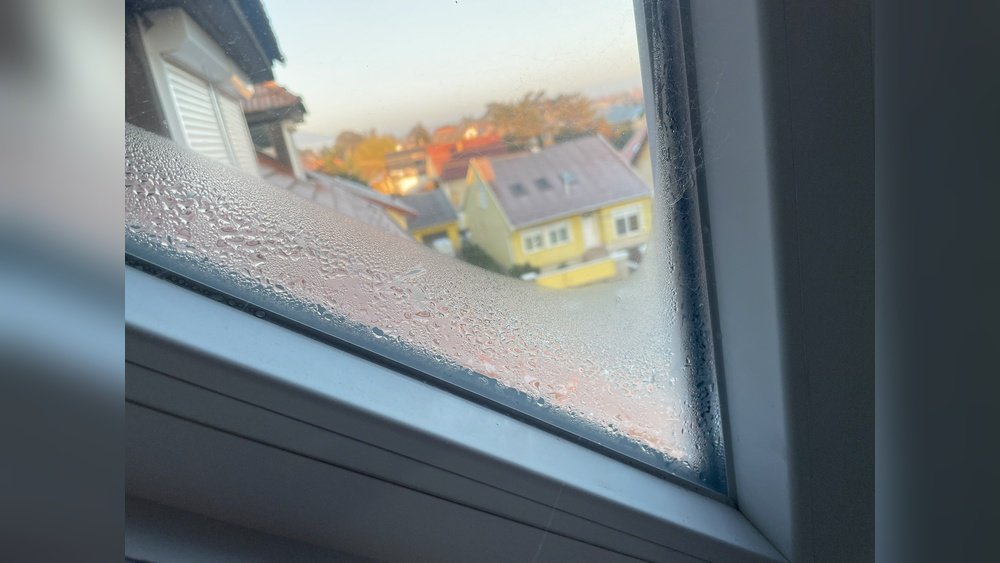
The sight of condensation on windows is a familiar one, particularly during the colder months. Droplets forming on the interior glass surfaces can seem like an unavoidable nuisance, often leading homeowners to wonder if this is a permanent fixture of their living space. As seasons change and temperatures rise, a common question emerges: does condensation on windows go away in summer? The answer is nuanced and depends heavily on the underlying causes of the condensation. While warmer weather can alleviate some moisture issues, persistent condensation often points to deeper problems that won’t simply vanish with the sun. Understanding the root causes is key to effectively managing and preventing this unwelcome phenomenon, ensuring a healthier and more comfortable home environment year-round.
Key Takeaways
- Condensation on windows is primarily caused by warm, moist indoor air coming into contact with cold glass surfaces. This is most prevalent in winter but can occur in summer under specific conditions.
- In summer, condensation typically disappears or significantly reduces as outdoor temperatures rise, warming the window panes and lowering the relative humidity indoors. However, it can persist if indoor humidity remains excessively high.
- High indoor humidity is the main culprit and can stem from various sources: Cooking, showering, breathing, indoor plants, unvented dryers, and poor ventilation.
- Older, single-pane windows are more prone to condensation because their interior surfaces get colder than those of modern, double or triple-paned windows.
- Persistent condensation in summer can indicate inadequate ventilation, which might require solutions like exhaust fans, dehumidifiers, or improved air circulation.
- Addressing the source of moisture and improving ventilation are crucial for long-term solutions, regardless of the season.

Credit: mycoastalwindows.com
Understanding Window Condensation
Window condensation, often referred to as foggy windows, is a physical phenomenon that occurs when warm, humid air comes into contact with a colder surface. The air’s capacity to hold moisture decreases as its temperature drops. When this warm, moist air touches the cooler glass of a window, it rapidly cools, causing the water vapor in the air to condense into liquid water droplets. This is essentially the same process that forms dew on grass or fog in the air.
The temperature at which condensation begins to form is known as the dew point. If the surface temperature of the window falls below the dew point of the indoor air, condensation will appear. The amount of condensation depends on the difference between the indoor air temperature, the indoor relative humidity, and the temperature of the window’s surface.
The Role Of Indoor Humidity
Indoor humidity is the invisible vapor within your home’s air, and it’s the primary ingredient for condensation. While we can’t see it, its presence significantly impacts comfort and can lead to moisture-related problems. Everyday activities contribute to indoor humidity levels:
- Breathing: Humans exhale moisture. A family of four can add several pints of water to the air each day.
- Cooking: Boiling water, steaming food, and even washing dishes release significant amounts of moisture.
- Showering and Bathing: Hot showers and baths create large plumes of steam.
- Drying Clothes: Unvented clothes dryers are major sources of indoor humidity.
- Houseplants: Plants release water vapor through a process called transpiration.
- Appliances: Humidifiers, aquariums, and even some cooking appliances can add moisture.
When indoor humidity levels are high, the dew point of the air is also higher. This means that even a moderately cool window surface can be enough to trigger condensation.
Why Windows Are Prime Condensation Spots
Windows are particularly susceptible to condensation for several reasons:
- Temperature Difference: Windows are typically the coldest surfaces in a room, especially during winter. Exterior walls are insulated, but windows often have less insulation, allowing indoor heat to escape more easily and exterior cold to penetrate.
- Surface Area: Windows present a large, flat surface area where moist air can come into contact with a cold pane.
- Material Properties: Glass is a relatively poor insulator compared to wall materials.
In summer, the dynamic shifts. The exterior air is warmer, and the sun can heat the windows. However, if indoor air conditioning is running intensely, the interior surfaces can still become cooler than the outdoor air, and if indoor humidity is high, condensation can still form, albeit less frequently and usually to a lesser extent than in winter.

Credit: blog.totalhomesupply.com
Condensation In Winter Vs. Summer
The seasonal pattern of window condensation is quite distinct, largely due to the dramatic difference in outdoor temperatures and humidity levels.
Winter Condensation: The Usual Suspect
In winter, the external environment is cold, and the internal environment is heated. This creates a significant temperature differential across the window. Homeowners typically crank up their heating systems, which warms the indoor air. This warm air, now carrying more moisture (due to higher temperatures, it can hold more water vapor), comes into contact with the cold glass of the windows. As the indoor air cools upon touching the glass, its moisture condenses. This is why window condensation is most common and severe during winter. The colder it is outside and the warmer and more humid it is inside, the more pronounced the condensation will be.
Factors exacerbating winter condensation include:
- Poorly insulated windows: Single-pane windows or older double-pane windows with failed seals allow more heat transfer, leading to colder interior glass surfaces.
- High indoor humidity: Activities like cooking, showering, and drying clothes without proper ventilation significantly increase indoor moisture.
- Reduced ventilation: In an effort to conserve heat, homeowners often seal up their homes, reducing natural air exchange and trapping moisture indoors.
Summer Condensation: An Uncommon But Possible Scenario
While less frequent, condensation can still occur on windows in the summer. This typically happens when there’s a significant difference between the indoor and outdoor temperatures and humidity levels, but in a reversed dynamic compared to winter.
The most common scenario for summer condensation involves:
- Aggressive Air Conditioning: When the indoor air is cooled significantly by an air conditioning system, the interior surfaces of the windows can become quite cold.
- High Outdoor Humidity: Humid summer days mean the outside air is laden with moisture.
- Warm Indoor Air Contact: If warm, humid outdoor air infiltrates the home, or if indoor activities generate a lot of moisture, this warm, moist air can come into contact with the cold window panes.
Example: Imagine a hot, humid summer day (90°F with 70% humidity). You’re running your air conditioner aggressively, cooling your home down to a chilly 70°F. The interior glass of your windows might drop to around 72-75°F. If a brief period of high indoor humidity occurs, perhaps from cooking a steamy meal or a sudden influx of humid air from opening doors, the dew point inside could rise. If this indoor dew point exceeds the window’s surface temperature, condensation will form.
Another, less common summer scenario involves condensation on the *outside* of windows. This happens when the outdoor air is very warm and humid, and the interior of the house is very cool due to air conditioning. In this case, the exterior glass surface cools below the dew point of the outdoor air, causing condensation to form on the outside. This is usually a sign of a well-sealed, efficiently cooled home.
Why Condensation Might Persist In Summer
If you notice condensation on your windows even as the weather warms up, it’s a strong signal that the issue isn’t solely dependent on the season but rather on persistent high indoor humidity and potentially poor ventilation.
Persistent High Indoor Humidity Sources
As mentioned earlier, many daily activities contribute to indoor moisture. In summer, some sources might even be more pronounced:
- Increased use of humidifiers: Some people use humidifiers in summer if they find the air too dry from excessive AC use, inadvertently raising humidity.
- Indoor plants: Many people have more houseplants, and their combined transpiration can add significant moisture.
- Moisture from the ground: In humid climates, moisture can seep up from basements or crawl spaces, especially if they are not properly sealed or dehumidified.
- Improperly Vented Appliances: A clothes dryer that vents *into* the house, or a bathroom/kitchen exhaust fan that is broken or not used, will continuously pump moisture into the living space.
Inadequate Ventilation
Ventilation is the process of exchanging stale indoor air with fresh outdoor air. In older homes, this might happen naturally through cracks and leaks. However, modern, energy-efficient homes are often built to be very airtight, which is great for energy savings but can trap moisture and pollutants indoors.
If your home lacks sufficient ventilation, moisture generated by daily activities has nowhere to go. This is particularly problematic in summer if you’re trying to cool a humid environment. Proper ventilation is crucial for controlling indoor humidity levels year-round. This can be achieved through:
- Exhaust Fans: Using kitchen and bathroom exhaust fans during and after activities that generate steam (cooking, showering) is vital. Ensure they are vented to the *outside* and not just into the attic.
- Whole-House Ventilation Systems: Heat Recovery Ventilators (HRVs) and Energy Recovery Ventilators (ERVs) provide continuous fresh air while minimizing energy loss.
- Opening Windows: On days when outdoor humidity is lower than indoor humidity, opening windows can help air out the house.
- Ceiling Fans and Air Circulation: While not true ventilation, improving air circulation can help prevent moisture from settling on surfaces.
Window Types And Condensation
The type of windows you have plays a significant role in their susceptibility to condensation.
- Single-Pane Windows: These are the least efficient. The interior glass surface gets very cold in winter and can still get cool enough in summer (if AC is used) to cause condensation if indoor humidity is high.
- Double-Pane (Insulated) Windows: These have two panes of glass separated by a gap filled with air or an inert gas (like argon or krypton). This gap acts as an insulator, keeping the interior glass warmer and reducing condensation. However, if the seal between the panes fails, the gas escapes, and moisture can enter the gap, leading to foggy windows between the panes, which is a different issue and indicates the window needs replacement.
- Triple-Pane Windows: These offer even better insulation with three panes of glass and two insulating gas-filled gaps. They are the most effective at preventing condensation caused by cold interior surfaces.
- Low-E Coatings and Gas Fills: Modern energy-efficient windows often have Low-E coatings (which reflect heat) and are filled with inert gases. These features further improve their insulating properties and reduce the likelihood of condensation.
In summer, older, less efficient windows are still more likely to develop condensation if indoor humidity is high, simply because their interior surfaces will become colder when the AC is running compared to newer, high-performance windows.
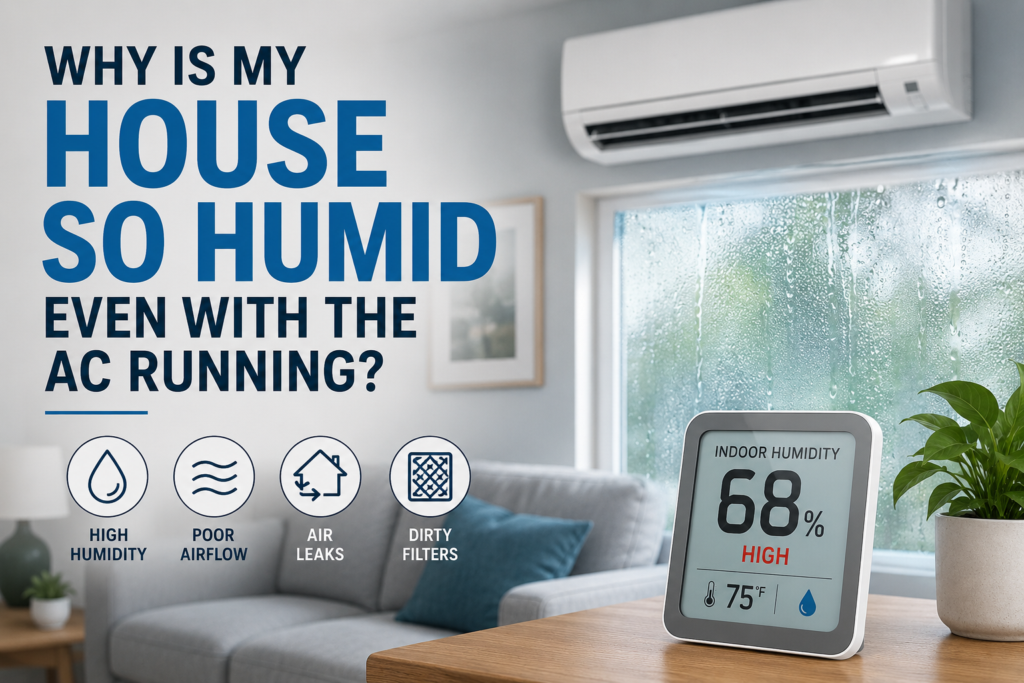
Credit: goendlessenergy.com
Solutions For Persistent Summer Condensation
If you’re experiencing condensation on your windows in the summer, it’s time to implement solutions focused on reducing indoor humidity and improving ventilation.
1. Reduce Indoor Moisture Sources
The most effective strategy is to tackle the moisture at its source.
- Ventilate During Moisture-Generating Activities:
- Kitchen: Always use your range hood exhaust fan when cooking, especially when boiling or steaming.
- Bathroom: Run the exhaust fan during and for at least 20-30 minutes after showering or bathing.
- Laundry: Ensure your clothes dryer is properly vented to the outside. If it’s venting indoors, this is a major humidity problem that needs immediate correction. Consider air-drying clothes when possible.
- Control Humidity from Plants and Aquariums: Group houseplants together to create a microclimate, or consider moving them outdoors if possible during humid periods. Cover aquariums when not in use.
- Check for Leaks: Inspect for any plumbing leaks, roof leaks, or issues with your foundation that could be introducing moisture into your home. Ensure proper drainage around your home’s foundation.
- Basement and Crawl Space Management: These areas are prone to moisture. Ensure they are properly sealed, insulated, and consider a dehumidifier if necessary. A vapor barrier on the ground can prevent moisture from rising.
2. Enhance Ventilation
Even after reducing sources, you need a way to remove any remaining moisture from the air.
- Use Exhaust Fans Consistently: Make using your kitchen and bathroom fans a habit. If they seem weak, they may need cleaning or repair.
- Consider a Whole-House Dehumidifier: If your HVAC system is equipped, a whole-house dehumidifier can automatically manage humidity levels throughout your home.
- Install or Upgrade Exhaust Fans: If your current fans are inadequate or non-existent, consider installing powerful, properly vented exhaust fans.
- Strategic Window Opening: On drier days (when outdoor humidity is lower than indoor humidity), open windows on opposite sides of the house to create cross-ventilation.
- Use Ceiling Fans: While not a substitute for ventilation, ceiling fans help circulate air, preventing stagnant pockets where moisture can accumulate.
3. Utilize Dehumidifiers
For targeted moisture control, portable or whole-house dehumidifiers are highly effective.
- Portable Dehumidifiers: These are ideal for specific problem areas like basements, bathrooms, or laundry rooms. They collect moisture in a tank that needs regular emptying, or they can be connected to a drain hose for continuous operation.
- Whole-House Dehumidifiers: These are integrated into your HVAC system and work automatically to maintain a set humidity level throughout your home. They are a more significant investment but offer comprehensive control.
Pro Tip: Aim for an indoor relative humidity level between 30% and 50% year-round. Many smart thermostats and dedicated hygrometers can monitor this for you.
4. Improve Air Circulation
Good air circulation helps prevent moisture from stagnating and condensing on cooler surfaces.
- Run Your HVAC Fan: Set your thermostat’s fan setting to “On” instead of “Auto.” This circulates air continuously through your home’s ductwork, even when the AC or heat isn’t running.
- Use Portable Fans: Place oscillating fans in rooms to keep air moving, especially in areas prone to dampness.
- Avoid Blocking Vents: Ensure furniture or curtains aren’t obstructing air vents, allowing conditioned air to circulate freely.
5. Consider Window Upgrades (long-term Solution)
If your condensation issues are persistent and linked to older, inefficient windows, an upgrade might be the most effective long-term solution.
- Replace Single-Pane Windows: Upgrading to double or triple-pane, energy-efficient windows with Low-E coatings and gas fills will significantly improve insulation. This raises the interior surface temperature of the glass, making it less likely to reach the dew point of your indoor air.
- Check Window Seals: For double-pane windows, if you see condensation *between* the panes, the seal has failed. This means the insulating gas has escaped, and the window has lost its effectiveness. Replacement of the insulated glass unit (IGU) or the entire window is necessary.
Case Studies: Real-world Examples
To illustrate how these principles apply, let’s look at a couple of hypothetical but realistic scenarios.
Case Study 1: The New Homeowner With Humid Summers
Scenario: Sarah recently purchased a well-sealed, modern home in a humid coastal region. She loves the energy efficiency but is dismayed to find condensation on her bedroom windows on muggy summer mornings, even with the air conditioning running.
Analysis: The home’s airtightness means that any moisture generated indoors has nowhere to escape. The aggressive air conditioning cools the interior surfaces, including the windows. Sarah realizes her daily routines are contributing: she waters several large houseplants in the bedroom, and her morning shower runs long.
Solutions Implemented:
- Ventilation: Sarah starts consistently using her bathroom exhaust fan during and after her shower, leaving it on for 30 minutes. She also ensures her kitchen fan is used when cooking.
- Dehumidifier: She places a portable dehumidifier in the bedroom, setting it to maintain 45% humidity. She empties the tank daily.
- Plant Management: She moves two of her largest plants to a more open, well-ventilated area of the house.
- Air Circulation: She uses a ceiling fan in the bedroom to keep air moving.
Outcome: Within a week, the condensation significantly reduced. By consistently managing humidity sources and using the dehumidifier, Sarah achieved comfortable humidity levels, and the summer window condensation disappeared.
Case Study 2: The Older Home With Basement Moisture
Scenario: Mark lives in an older home with original double-pane windows that are showing their age. He experiences condensation on his living room windows during humid summer days, particularly on the side of the house adjacent to his partially finished basement.
Analysis: Mark suspects the condensation is linked to moisture migrating from his basement. The older windows have less effective insulation, and the basement’s dampness is likely increasing the overall indoor humidity. The basement itself may not be adequately sealed or ventilated.
Solutions Implemented:
- Basement Sealing: Mark investigates his basement and finds some minor cracks in the foundation walls and around the rim joist. He seals these with appropriate caulk and spray foam.
- Vapor Barrier: He installs a heavy-duty vapor barrier over the dirt floor in the unfinished portion of his basement.
- Dehumidifier: He places a robust dehumidifier in the basement, set to maintain 50% humidity, and connects it to a drain hose.
- Window Maintenance: He checks the seals on his double-pane windows. While some condensation is between the panes on a few, indicating seal failure, he prioritizes the humidity control first. He notes that upgrading these windows will be a future project.
- Ventilation: He ensures his bathroom and kitchen fans are working correctly and vents them outside.
Outcome: By addressing the significant moisture source in the basement, Mark saw a dramatic reduction in overall indoor humidity. This, in turn, led to a significant decrease in window condensation. While the older windows might still show a hint of condensation on the most extreme days, the persistent problem was solved by tackling the root cause of excess moisture. The issue of condensation *between* the panes remains, highlighting the need for future window replacement.
Frequently Asked Questions
What Is The Ideal Humidity Level For My Home In Summer?
The ideal indoor relative humidity level for comfort and to prevent condensation is generally between 30% and 50%. During very hot and humid summer periods, maintaining levels closer to 50% might be challenging without robust dehumidification, but consistently exceeding 60% often indicates a problem that needs addressing.
Will Condensation Between Window Panes Go Away In Summer?
No, condensation that forms between the panes of a double or triple-glazed window is a sign that the seal has failed. This allows moist air to enter the insulating gap, and the water droplets or fogging will persist regardless of the season. This type of condensation indicates that the window’s insulating properties have been compromised, and the insulated glass unit (IGU) typically needs to be replaced.
Can I Just Wipe Away Condensation, Or Is It A Serious Problem?
Wiping away condensation is a temporary fix for the symptom, not the cause. While it removes the immediate water, it doesn’t address the underlying issue of high indoor humidity or cold window surfaces. Persistent condensation can lead to serious problems such as mold growth on window frames and sills, wood rot, peeling paint, and damage to drywall. It also indicates that your indoor air quality may be compromised.
How Do I Know If My Window Condensation Is Normal Or A Sign Of A Problem?
A light misting of condensation on windows during periods of extreme temperature difference (e.g., very cold winter days or very hot, humid summer days with aggressive AC use) might be considered normal, especially with older windows. However, if you see large water droplets, water pooling on the sills, persistent fogging that doesn’t clear, or condensation that occurs frequently even in moderate weather, it’s a strong indicator of a problem with high indoor humidity or inadequate ventilation. Condensation *between* the panes is always a problem.
What’s The Difference Between Condensation On The Inside Vs. The Outside Of My Windows In Summer?
Condensation on the inside of your windows in summer typically means your indoor air is too humid and/or your window surfaces are too cold due to aggressive air conditioning. The warm, moist indoor air is hitting the cold glass and condensing. Condensation on the outside of your windows occurs when the outdoor air is very warm and humid, and your air conditioning has made the exterior surface of the glass very cold. This is usually a sign of an efficient cooling system and well-insulated, well-sealed windows, and is generally not a cause for concern.
As the seasons turn and temperatures fluctuate, the presence and disappearance of window condensation offer valuable insights into your home’s indoor environment. While the warming trend of summer often naturally alleviates the condensation seen during colder months, its persistence can signal underlying issues with humidity control and ventilation.
Addressing these factors proactively, by reducing moisture sources, ensuring adequate airflow, and considering the performance of your windows, is key to maintaining a comfortable, healthy, and problem-free home throughout the year. By understanding the dynamics of condensation, you can take targeted steps to ensure your windows remain clear and your home remains free from the detrimental effects of excess moisture, regardless of the season.