Digital Camera Vs DSLR: Ultimate Guide to Choose the Best Camera

Digital Camera Vs Dslr

Are you confused about choosing between a digital camera and a DSLR? You’re not alone.

Picking the right camera can feel overwhelming with so many options out there. But what if you could quickly understand which one fits your needs better? Whether you want sharp photos, easy handling, or something that suits your budget, this guide will help you decide.

Keep reading to discover the key differences and find the perfect camera for your style.

Digital Camera Basics

Understanding digital cameras starts with the basics. These devices capture images electronically. They store photos on memory cards. Digital cameras vary widely in design and function. Knowing the basics helps you choose the right one for your needs.

Types Of Digital Cameras

There are several types of digital cameras. Compact cameras are small and easy to use. They fit in your pocket and suit casual shooting. Bridge cameras offer more zoom and control than compacts. Mirrorless cameras are lightweight with interchangeable lenses. DSLR cameras have a mirror system and offer high image quality. Each type serves different photography styles and budgets.

Key Features To Know

Image sensor size affects photo quality. Larger sensors capture more light for better images. Megapixels determine the resolution but are not the only quality factor. Zoom lets you get closer without moving. Optical zoom keeps image quality, digital zoom may reduce it. Autofocus helps keep subjects sharp and clear. Some cameras have built-in Wi-Fi for easy sharing. Battery life varies and affects shooting time. Understanding these features guides smart camera choices.

Dslr Essentials

DSLR cameras are popular among both beginners and experts. They offer better control over photos. Understanding DSLR essentials helps you choose the right camera. These cameras use special technology to capture sharp, clear images.

Many photographers prefer DSLRs for their performance and flexibility. Knowing how DSLRs work and their main advantages makes a big difference. This knowledge helps you take better pictures and enjoy photography more.

How Dslrs Work

DSLR stands for Digital Single-Lens Reflex. It uses a mirror inside the camera body. The mirror reflects light from the lens up to an optical viewfinder. This lets you see exactly what the lens sees.

When you press the shutter button, the mirror flips up. This lets light reach the image sensor. The sensor captures the photo in high detail. This process happens very fast, allowing quick shots.

Main Advantages Of Dslrs

DSLRs offer excellent image quality with large sensors. They perform well in low light conditions. You can change lenses to suit different photo styles. This makes DSLRs very versatile.

These cameras have fast autofocus systems. They also provide a wide range of manual settings. This gives you full control over exposure and focus. DSLRs often have longer battery life than digital cameras.

Image Quality Comparison

Image quality is a key factor when choosing between a digital camera and a DSLR. Both types capture photos but differ in how they handle light and detail. Understanding these differences helps pick the best option for your needs.

Sensor Size And Resolution

The sensor size directly affects image quality. DSLRs usually have larger sensors than digital cameras. Larger sensors capture more light and detail, producing clearer images. They also perform better in low light conditions.

Resolution means the number of pixels in an image. Higher resolution offers sharper pictures and more room for cropping. Both digital cameras and DSLRs come with various resolutions. DSLRs tend to have higher resolution options, but some digital cameras also provide excellent detail for everyday use.

Lens Quality And Flexibility

Lens quality greatly impacts how your photos look. DSLRs use interchangeable lenses, giving more control over focus and zoom. This flexibility allows you to choose lenses for different situations like portraits or landscapes.

Digital cameras usually have fixed lenses. They are convenient and easy to use but limit creative control. Some digital cameras offer good zoom and sharp lenses, but they can’t match the variety of DSLR lenses.

Performance And Speed

Performance and speed are key factors in choosing between a digital camera and a DSLR. These features affect how quickly and accurately you can capture moments. Speed matters in fast-moving scenes like sports or wildlife. Performance influences image quality and ease of use. Understanding these aspects helps you pick the right camera for your needs.

Autofocus And Shutter Speed

DSLRs often have faster and more precise autofocus systems. They use phase-detection autofocus, which tracks moving subjects well. Digital cameras usually rely on contrast-detection autofocus, which can be slower. Shutter speed controls how fast the camera captures an image. DSLRs offer faster shutter speeds, ideal for freezing motion. Digital cameras may have slower shutter speeds, causing motion blur in fast scenes.

Burst Mode And Frame Rate

Burst mode lets you take several photos in quick succession. DSLRs generally have higher frame rates, capturing more shots per second. This helps in action photography or capturing the perfect moment. Digital cameras might have lower burst speeds, which can miss fast events. Higher frame rates also improve video quality in DSLRs. Digital cameras may lag in this area, affecting smoothness in videos.

Portability And Design

Portability and design play a big role in choosing between a digital camera and a DSLR. These factors affect how easy it is to carry and use the camera. Both types serve different needs based on their size, weight, and build quality. Understanding these differences helps you pick the right camera for your lifestyle and shooting habits.

Size And Weight Differences

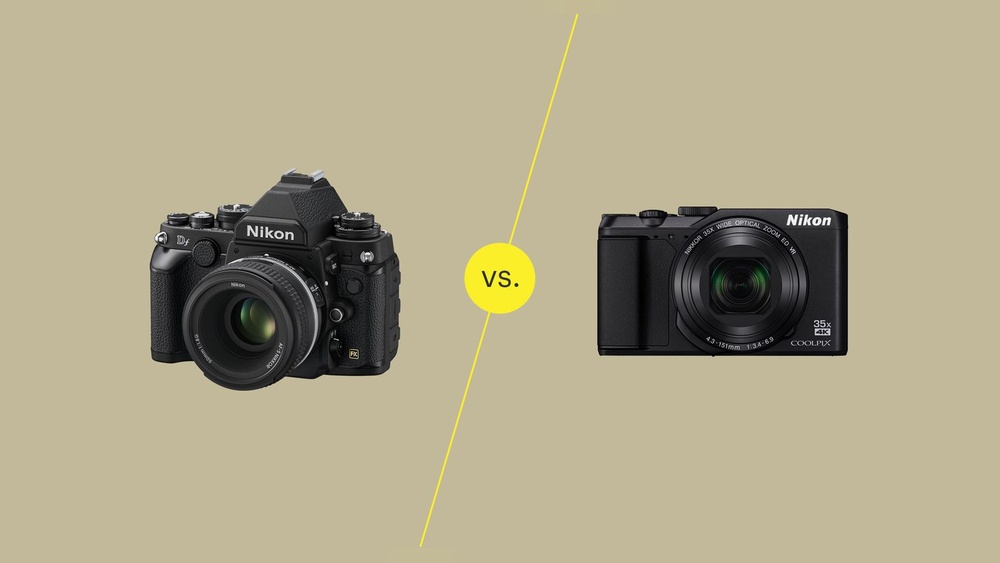
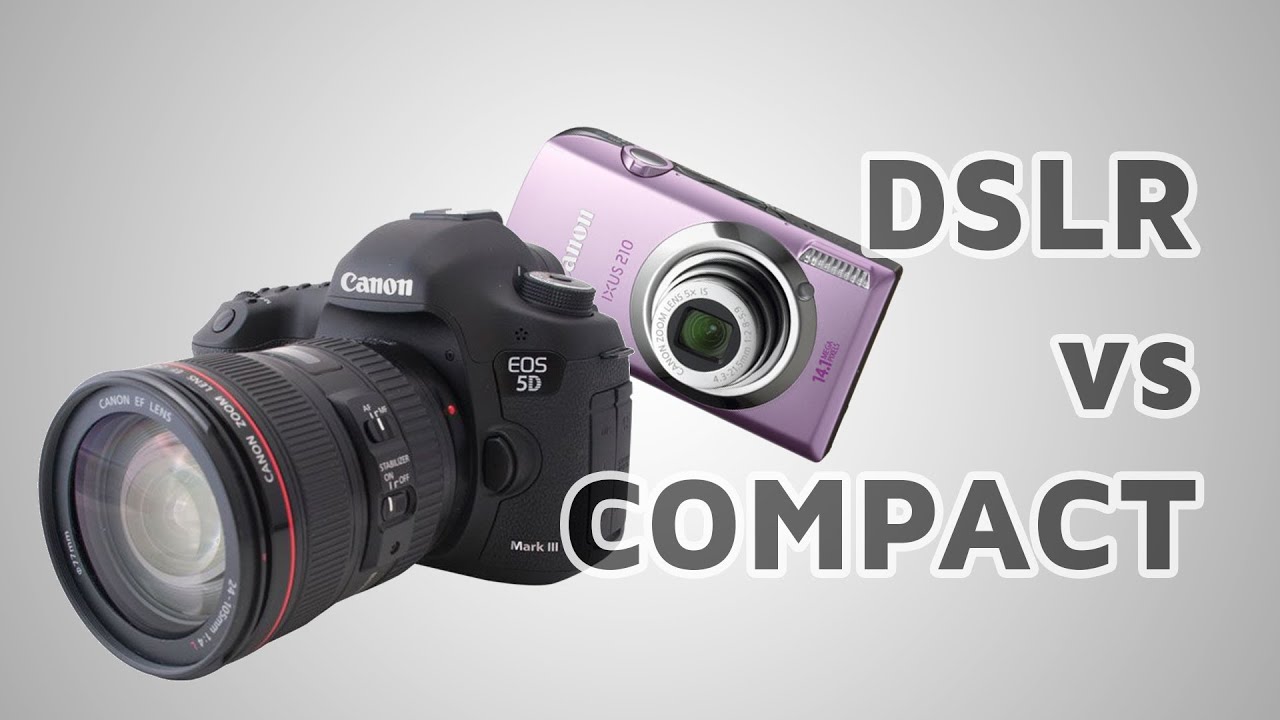
Digital cameras are usually smaller and lighter than DSLRs. They fit easily in a pocket or small bag. This makes them great for travel and casual photography. DSLRs are larger and heavier because of their complex parts. They need space for lenses and mirrors. Carrying a DSLR can be tiring over long periods. Yet, their size allows for better handling and more control during shooting.

Build Quality And Durability

DSLRs often have stronger bodies made from metal or tough plastic. They are built to handle rough use and tough weather. Many models have weather sealing to protect against dust and moisture. Digital cameras usually have simpler, lighter bodies. They may not last as long under harsh conditions. Still, some advanced digital cameras offer good durability for everyday use.

Digital Camera Vs DSLR: Ultimate Guide to Choose the Best Camera

Credit: www.youtube.com

User Experience

User experience plays a big role in choosing between a digital camera and a DSLR. It affects how comfortable and enjoyable it is to take photos. This section explores key parts of the user experience, such as ease of use and the viewfinder options.

Ease Of Use And Controls

Digital cameras often have simple menus and automatic settings. They are designed for quick shots without much effort. Beginners find them easy to handle. DSLR cameras offer more buttons and dials. These controls give more power but may seem complex at first. Users can change settings like shutter speed and aperture easily once familiar. Learning the controls takes time but adds flexibility.

Viewfinder And Screen Options

Digital cameras usually rely on an LCD screen to frame shots. The screen is bright and shows colors clearly. Some models have touchscreens for easy navigation. DSLRs have an optical viewfinder that shows the real scene. This helps see details even in bright light. Many DSLRs also include an LCD screen that can tilt or swivel. Both options allow clear viewing but offer different experiences.

Battery Life And Storage

Battery life and storage are key factors to think about when choosing between a digital camera and a DSLR. Both affect how long you can shoot and how many photos you can save. Understanding these differences helps you pick the right camera for your needs.

Battery Performance

Digital cameras usually have smaller batteries. This means they may need charging more often. They use less power because their screens and sensors are smaller.

DSLRs have bigger batteries. These last longer because they power bigger sensors and optical viewfinders. You can take more photos before recharging.

Still, battery life depends on how you use the camera. Using the flash or video mode drains batteries faster. Carrying extra batteries is a smart choice for both types.

Memory Card Compatibility

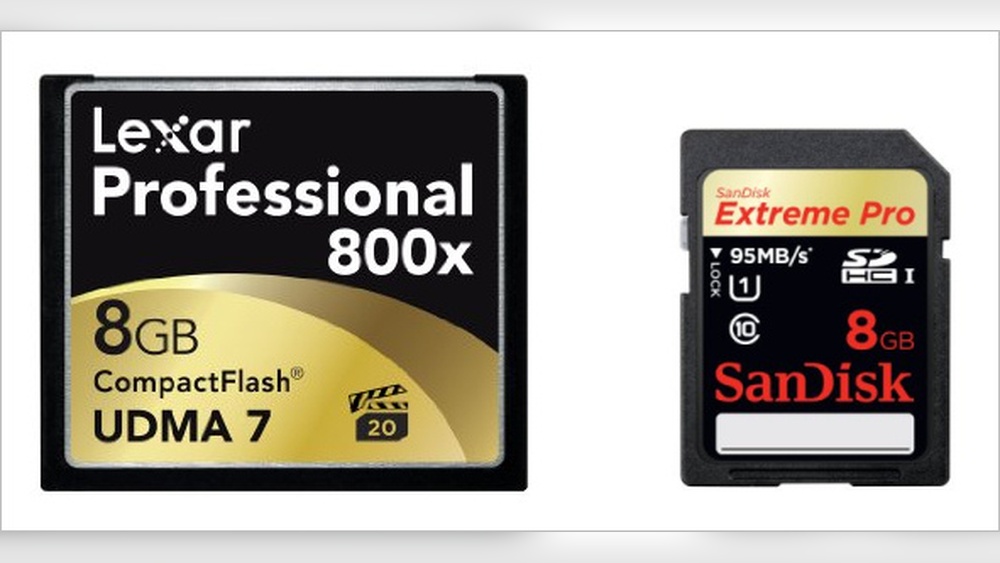
Digital cameras often support standard memory cards like SD or microSD. These cards are easy to find and affordable. Most digital cameras use a single memory card slot.

DSLRs usually support SD cards too, but some models accept faster cards like CFexpress. These cards save images quicker and handle large files better. Many DSLRs have dual card slots for backup or extra storage.

Choosing the right card depends on the camera and your shooting style. Faster cards help when taking many photos or shooting video.

Digital Camera Vs DSLR: Ultimate Guide to Choose the Best Camera

Credit: www.youtube.com

Price And Value

Price and value are key factors when choosing between a digital camera and a DSLR. Both options offer different benefits depending on your budget and needs. Understanding the cost and long-term value helps make a smart choice.

Cost Comparison

Digital cameras usually cost less than DSLRs. Basic models start at a low price, making them easy to buy. DSLRs have a higher starting price because of better features and quality parts. Accessories like lenses and flashes add extra cost to DSLRs. Digital cameras often include everything you need in one package. You pay more upfront for DSLRs but get better image quality and control.

Long-term Investment

DSLRs offer more flexibility for future upgrades. You can change lenses and add new accessories over time. This can improve your photography without buying a new camera. Digital cameras have limited upgrade options and may need replacement sooner. DSLRs often hold their value better for resale. Spending more on a DSLR can save money in the long run if you plan to grow your skills.

Best Uses For Each Camera

Choosing the right camera depends on your photography needs. Digital cameras and DSLRs serve different purposes. Each camera fits certain activities better. Understanding their best uses helps you pick the right one.

Casual And Travel Photography

Digital cameras are perfect for casual and travel shots. They are small and easy to carry. You can quickly capture moments without much setup. Their automatic settings handle different lighting well. Travelers enjoy the convenience and light weight. No need to change lenses or adjust many controls. Ideal for snapshots, family events, and sightseeing photos.

Professional And Creative Work

DSLRs suit professional and creative photography. They offer higher image quality and control. Photographers can change lenses for different effects. Manual settings allow precise adjustments to light and focus. Perfect for portraits, landscapes, and studio work. DSLRs work well with accessories like external flashes. They give more freedom to experiment and improve skills.

Digital Camera Vs DSLR: Ultimate Guide to Choose the Best Camera

Credit: www.iconasys.com

Choosing The Right Camera

Choosing the right camera can be a big decision. It depends on what you want to do with your photos. Both digital cameras and DSLRs have good points. Understanding your needs helps you pick the best one for you.

Assessing Your Needs

Think about why you need a camera. Is it for casual photos or serious photography? Digital cameras are simple and easy to use. DSLRs offer more control and better image quality. Consider how much time you want to spend learning your camera.

Budget Considerations

Set a clear budget before shopping. Digital cameras usually cost less. DSLRs can be expensive, especially with extra lenses. Don’t forget to budget for accessories like memory cards and bags. A higher price does not always mean better for your needs.

Future-proofing Your Choice

Plan for how long you want to use the camera. DSLRs can grow with your skills. You can change lenses and add accessories. Digital cameras may become outdated faster. Choose a camera that fits your goals for the next few years.

Frequently Asked Questions

What Is The Main Difference Between Digital Cameras And Dslrs?

Digital cameras are usually compact and simple, while DSLRs have larger bodies and interchangeable lenses. DSLRs offer better image quality and manual controls.

Which Camera Type Is Better For Beginners?

Digital cameras are easier to use and more portable, making them great for beginners. DSLRs require learning but offer more creative options.

Can Digital Cameras Match Dslr Photo Quality?

Digital cameras have improved but usually can’t match the sharpness and detail of DSLRs. DSLRs have bigger sensors that capture better images.

How Do Lenses Differ Between Digital Cameras And Dslrs?

Most digital cameras have fixed lenses, but DSLRs allow you to change lenses for different shots. This adds flexibility and better photo results.

Are Dslrs More Expensive Than Digital Cameras?

DSLRs tend to cost more due to advanced features and lens options. Digital cameras are generally cheaper and good for casual photography.

Conclusion

Choosing between a digital camera and a DSLR depends on your needs. Digital cameras are easy to carry and use. DSLRs offer better image quality and more control. Both can take great photos in different ways. Think about your budget, skill level, and photo goals.

This will help you pick the right camera. Enjoy capturing moments with the camera that suits you best. Happy shooting!

Film Photos Vs Digital: Ultimate Showdown for Timeless Quality

Film Photos Vs Digital

Have you ever wondered whether film photos or digital images are better for capturing your special moments? Choosing between these two can be tricky because each has its own unique charm and benefits.

But which one truly suits your style and needs? By the end of this article, you’ll have a clear understanding of how film and digital photography compare, helping you make the best choice for your next shoot. Let’s dive in and explore what makes each option stand out—so you can create photos you’ll love every time.

Film Photos Vs Digital: Ultimate Showdown for Timeless Quality

Credit: fstoppers.com

Film Photography Basics

Film photography uses physical film to capture images. It started over a century ago and still holds charm today. Many photographers enjoy its tactile feel and unique results. Understanding film basics helps appreciate its art and process.

Types Of Film

Film comes in various types based on color and speed. Color film captures images in full color. Black and white film records only shades of gray. Film speed, called ISO, affects light sensitivity. Low ISO films need more light but give finer detail. High ISO films work better in low light but can look grainy.

How Film Captures Images

Film has a light-sensitive layer with tiny silver halide crystals. When exposed to light, these crystals change chemically. The camera lens focuses light onto the film, creating a hidden image. This image is invisible until the film is developed in a darkroom or lab.

Processing And Development

Film processing turns the invisible image into a visible one. It involves a series of chemical baths. First, the film goes into a developer that makes the image appear. Then, a stop bath halts development. Finally, a fixer makes the image permanent. After washing and drying, the film is ready to print or scan.

Film Photos Vs Digital: Ultimate Showdown for Timeless Quality

Credit: www.infinibandta.org

Digital Photography Essentials

Digital photography changed the way people capture moments. It offers quick results and easy sharing. Understanding the basics helps you take better photos. Knowing how digital cameras work improves your skills.

Here are some key points about digital photography essentials. Learn about sensors, file types, and editing options. This knowledge helps you make the most of your camera.

Digital Sensors Explained

Digital cameras use sensors to capture light and create images. These sensors are made of millions of tiny pixels. Each pixel records light intensity and color. Larger sensors capture more detail and perform better in low light. Different sensor types affect image quality and camera size. Common sensors include CMOS and CCD.

Image Storage And Formats

Photos are stored as digital files on memory cards. Common formats include JPEG and RAW. JPEG files are smaller and easy to share. RAW files keep all image data for editing. Choosing the right format depends on your needs. More storage means you can take more photos without deleting.

Editing And Post-processing

Digital photos can be edited on a computer or phone. Editing adjusts brightness, contrast, colors, and sharpness. Post-processing helps correct mistakes and improve images. Simple edits can make photos look more professional. Many free and paid apps offer basic editing tools. Learning to edit helps you create better pictures.

Image Quality Comparison

Image quality plays a big role in choosing between film photos and digital images. Both have unique strengths and weaknesses. Understanding these differences helps photographers pick the right tool for their needs. This section compares key aspects of image quality in film and digital photography.

Resolution And Detail

Digital cameras capture images with pixels. More pixels mean higher resolution and sharper details. Modern digital cameras offer very high resolution, perfect for large prints.

Film captures images using tiny grains of silver or dye. These grains vary in size depending on the film type. Some fine-grain films deliver excellent detail, but they usually don’t match digital resolution.

Film may look less sharp but often shows a natural texture. Digital images can sometimes appear too perfect or artificial.

Color Reproduction

Digital cameras record colors based on sensors and software. They produce vibrant and accurate colors in most conditions. Color can be easily adjusted after taking the photo.

Film colors depend on the chemical composition of the film. Different films produce unique color tones and moods. Film often has a warm, nostalgic feel that many people enjoy.

Color shifts in film can add character but may not always be true to life.

Dynamic Range

Dynamic range means how well a camera captures details in bright and dark areas. Film usually has a wide dynamic range. It preserves details in both shadows and highlights better than many digital sensors.

Digital sensors have improved but can lose details in very bright or dark parts. Photographers must adjust settings carefully to avoid blown-out highlights or deep shadows.

Film handles harsh light softly, creating smooth transitions between tones.

Film Photos Vs Digital: Ultimate Showdown for Timeless Quality

Credit: www.youtube.com

Aesthetic Differences

The aesthetic differences between film photos and digital images shape how we see and feel the pictures. Each medium brings unique visual qualities that affect the overall look. These differences influence the style, texture, and emotion a photo can convey. Understanding these can help you choose the right tool for your creative vision.

Grain Vs Noise

Film photos show grain, a natural texture created by tiny silver particles. Grain adds a soft, organic feel to images. Digital photos have noise, which appears as random dots or specks. Noise often looks harsh or distracting. Grain can enhance the artistic look, while noise usually reduces image quality.

Tonal Characteristics

Film offers smooth and rich tones with gradual transitions. It captures colors and shades in a subtle way. Digital images may have sharper contrasts and more vivid colors. This can make photos look cleaner but less natural. Film’s tones create depth, while digital tones emphasize clarity.

Mood And Atmosphere

Film photos often feel nostalgic and timeless. They carry a warm, emotional mood that is hard to copy. Digital photos tend to feel modern and precise. They create a clear and accurate atmosphere. Film’s mood invites imagination. Digital’s mood shows reality as it is.

Longevity And Preservation

Longevity and preservation are key factors in choosing between film and digital photography. Both methods have unique strengths and weaknesses in keeping images safe over time. Understanding these differences helps decide which format suits your needs for storing memories.

Physical Durability Of Film

Film photos exist as physical prints or negatives. They can last for decades if stored properly. Film resists sudden loss from power failures or digital corruption. But film is fragile. Heat, moisture, and light can damage it. Scratches and tears may ruin images. Proper storage in cool, dark places extends film life. Archival sleeves and boxes protect film from physical harm. Film’s physical nature means it requires careful handling.

Digital File Maintenance

Digital photos need ongoing care to remain accessible. Files can be copied and backed up easily. They do not degrade with use like film. Digital images can be lost due to hardware failure or accidental deletion. Regular backups on different devices or cloud storage reduce risks. File formats may become outdated over time. Conversion to new formats helps keep files usable. Digital maintenance requires active attention and effort.

Archiving Challenges

Film archives demand space and careful environmental control. They need protection from dust, humidity, and temperature changes. Organizing physical files can be time-consuming. Digital archives require managing many files and folders. Metadata and proper naming systems aid in locating images. Digital storage devices have limited lifespans and need replacement. Both film and digital archives face risks. Planning and consistent care improve preservation chances.

Cost And Accessibility

Choosing between film and digital photography often depends on cost and accessibility. Both have unique expenses and learning paths. Understanding these helps pick the best fit for you.

Equipment And Supplies

Film cameras often cost less initially but require ongoing purchases. Film rolls, batteries, and lenses add up. Digital cameras have a higher upfront price but fewer extra costs. Memory cards and batteries are mostly reusable. Digital gear offers more options for different budgets.

Processing Expenses

Film photos need developing and printing, which costs money each time. Labs charge for chemicals and paper. Digital photos are free to view and edit on a computer. Printing digital images costs only when you want a physical copy. This makes digital cheaper over time.

Learning Curve

Film photography demands more patience and skill. You must understand manual settings and light exposure. Digital cameras often have automatic modes. This helps beginners learn faster. Editing digital photos is easier and quicker than fixing film mistakes.

Creative Control And Flexibility

Creative control and flexibility shape the way photographers capture images. Choosing between film and digital affects this control deeply. Each method offers unique tools for creativity. Understanding these differences helps photographers decide what suits their style.

Manual Settings In Film

Film cameras require manual adjustments for focus, exposure, and aperture. Photographers learn to control light and depth carefully. This hands-on approach encourages thoughtful composition and planning. Mistakes are costly since you cannot see results immediately. It builds skill and patience over time.

Instant Feedback In Digital

Digital cameras show photos instantly on a screen. Photographers check exposure, focus, and framing right away. This feature allows quick corrections and experimentation. It helps capture the perfect shot faster. Beginners find this feedback useful for learning camera settings.

Post-processing Options

Digital photos offer extensive editing options on a computer. Adjusting brightness, contrast, and color is easy and fast. Photographers can try different styles without risking the original image. Film photos require scanning to edit digitally, limiting some flexibility. Still, film has a unique look that editing cannot fully copy.

Environmental Impact

The environmental impact of film photos and digital photography differs greatly. Both methods affect the planet but in unique ways. Understanding these differences helps make smarter choices for the environment.

Chemical Use In Film

Film photography relies on chemicals to develop pictures. These chemicals include developers, fixers, and stabilizers. Many of these substances are harmful if not disposed of properly. They can pollute water and soil. Film labs must handle waste carefully to reduce damage. This process uses resources and creates toxic byproducts.

Energy Consumption Of Digital

Digital photography uses electricity for cameras, computers, and servers. Storing and sharing photos online requires large data centers. These centers consume huge amounts of energy. The production of digital devices also uses many raw materials. This leads to mining and manufacturing impacts. Energy use is ongoing with digital photography, not just a one-time event.

Sustainability Considerations

Film photography creates chemical waste, but digital devices need energy and rare materials. Recycling electronics helps reduce digital waste. Using renewable energy can lower digital photography’s footprint. Some photographers reuse film or choose eco-friendly labs. Both film and digital can be part of a sustainable practice. Awareness and careful choices make a big difference.

When To Choose Film

Choosing film over digital depends on the mood and style you want. Film offers a special look that digital can’t copy exactly. It suits projects where the feel and texture matter most. Some situations call for the classic charm of film photos.

Film can slow down the process. Each shot counts. This makes it perfect for thoughtful, creative work. The decision to use film often comes from wanting something unique and timeless.

Artistic Projects

Film is great for art and creative projects. It captures light and color in a rich, organic way. Artists love the unpredictability and texture of film photos. The slow pace helps focus on composition and detail. It pushes creativity beyond the usual digital sharpness. Film’s grain and tones add depth to images.

Nostalgic Appeal

Film carries a strong sense of nostalgia. It reminds people of old photos and memories. The look feels warm and personal. Many enjoy the soft colors and natural imperfections. Film photos seem to tell stories from the past. They evoke emotion that digital images often lack.

Unique Visual Effects

Film creates effects that digital can’t fully mimic. Light leaks, grain, and color shifts give images character. These effects happen naturally in film cameras. They add an artistic touch without extra editing. Using different film types changes the mood of photos. These unique traits make film a favorite for creative photographers.

When To Choose Digital

Choosing digital over film makes sense in many situations. Digital cameras offer features that save time and effort. They suit fast-paced shooting and varied environments. Understanding these benefits helps photographers pick the right tool for their needs.

Convenience And Speed

Digital cameras show images instantly on a screen. No need to wait for film development. This saves hours or even days. You can delete bad shots on the spot. No waste of film or money. Easy to share photos online right away. Perfect for events or quick projects.

High Volume Shooting

Digital cameras store thousands of photos on one memory card. No need to change film rolls often. Useful for sports, wildlife, or busy sessions. Keeps the camera ready for continuous shooting. No interruptions mean better chances to capture the moment. Also lowers cost compared to buying film constantly.

Versatility In Various Conditions

Digital cameras adapt well to different lighting and weather. Many have built-in features like autofocus and image stabilization. These help in low light or fast action. Easy to adjust settings on the fly. Works well indoors, outdoors, day, or night. Makes photography easier for beginners and pros alike.

Frequently Asked Questions

What Are The Main Differences Between Film And Digital Photos?

Film photos capture images on physical film, while digital photos use electronic sensors. Film offers a unique grain and color style. Digital photos are easier to edit and share instantly.

Which Is Better For Beginners: Film Or Digital Photography?

Digital photography is usually better for beginners. It allows instant feedback and easy corrections. Film requires more patience and knowledge about exposure and development.

How Does Image Quality Compare Between Film And Digital?

Film often has a softer, organic look with natural grain. Digital images are sharper and clearer with higher resolution. Each has its own charm depending on the style you want.

Are Film Photos More Expensive Than Digital Photos?

Film photography costs more due to buying film rolls and processing. Digital photography mainly requires a one-time camera purchase. Over time, digital is usually cheaper to maintain.

Can Film Photos Be Digitized For Online Use?

Yes, film photos can be scanned into digital files. This allows easy sharing and editing on computers. Many photographers use this to combine the best of both worlds.

Conclusion

Film photos offer a unique, classic feel many love. Digital photos provide quick, easy sharing and editing. Both have their strengths and suit different needs. Choosing depends on your style and purpose. Enjoy the process, experiment with both types. Photography is about capturing moments, no right or wrong.

Embrace what works best for you. Keep shooting, keep learning, and have fun.

Compact Flash Vs Secure Digital: Ultimate Storage Showdown

Compact Flash Vs Secure Digital

When it comes to choosing the right memory card for your camera or device, you might find yourself stuck between Compact Flash and Secure Digital cards. You want the best speed, storage, and reliability—but which one really fits your needs?

Understanding the key differences can save you time, money, and frustration. Keep reading, and by the end, you’ll know exactly which card to pick for your gear. Your photos and videos deserve the right storage—let’s find it together.

Compact Flash Vs Secure Digital: Ultimate Storage Showdown

Credit: www.delkin.com

Storage Formats At A Glance

Storage formats matter a lot for cameras, phones, and other devices. Choosing the right card affects speed, capacity, and device compatibility. Compact Flash and Secure Digital are two popular types. Each has its own history and features. Understanding their background helps in making the right choice.

Here is a quick look at both storage formats and how they developed over time.

History Of Compact Flash

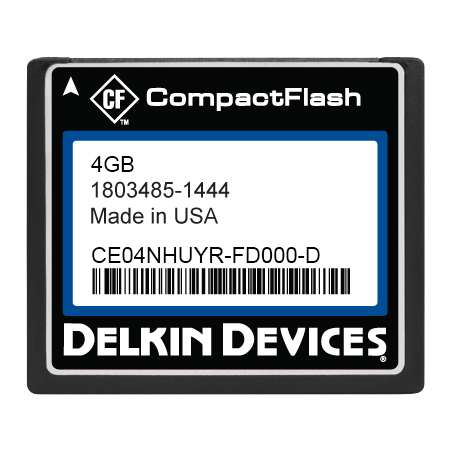
Compact Flash (CF) cards arrived in the mid-1990s. They were designed for professional cameras and devices needing fast data transfer. CF cards use a larger form factor than SD cards. Early models had storage of just a few megabytes. Over time, capacity grew to hundreds of gigabytes.

CF cards rely on a parallel interface. This made them fast for their time. They became popular in DSLRs and video equipment. Their size and speed kept them relevant for many years.

Evolution Of Secure Digital Cards

Secure Digital (SD) cards appeared in 1999. They were smaller and more compact than CF cards. Initially, SD cards had low storage capacity and speed. New versions improved these limits quickly. SDHC and SDXC formats now support high capacities and fast speeds.

SD cards use a serial interface. This helps reduce the size and power consumption. They became the standard for smartphones, tablets, and many cameras. Their small size and easy compatibility made them very popular.

Physical Design And Durability

Physical design and durability play a big role in choosing between Compact Flash and Secure Digital cards. These factors affect how well the cards perform and last. Both types have unique features in size, shape, and toughness. Understanding these differences helps pick the right card for different devices and conditions.

Size And Form Factor Comparison

Compact Flash cards are larger and thicker than Secure Digital cards. They measure about 43mm by 36mm and are 3.3mm thick. Secure Digital cards are smaller, roughly 32mm by 24mm and only 2.1mm thick. The smaller size of SD cards makes them ideal for compact devices. CF cards need more space, so they fit better in larger cameras or equipment.

Build Quality And Reliability

Compact Flash cards have a solid build and often include a metal shell. This metal casing protects against drops and rough use. Secure Digital cards are made mostly of plastic but still offer good durability. Both types resist shocks and vibrations, but CF cards tend to handle tough conditions better. SD cards focus on lightweight design while keeping decent strength for everyday use.

Performance And Speed

Performance and speed are key factors when choosing between Compact Flash and Secure Digital cards. These aspects affect how fast your device saves and loads data. They also influence the overall user experience, especially in cameras and other electronics.

Read And Write Speeds

Compact Flash cards often offer higher read and write speeds. This makes them suitable for tasks that need quick data transfer, like shooting high-resolution videos. Secure Digital cards vary widely in speed. Some are fast enough for everyday use, while others support 4K video recording and rapid photo capture. Speed classes and UHS ratings help identify the performance level of SD cards.

Impact On Device Performance

Faster memory cards help devices work smoothly without lag. Compact Flash cards with high speeds reduce the wait time during file transfers. This is useful for professional photographers who take many shots in a short time. Secure Digital cards improve smartphone and tablet responsiveness by speeding up app loading and file access. Slow cards can cause delays, buffering, or even errors in recording data.

Compatibility And Usage

Compatibility and usage play a big role in choosing between Compact Flash and Secure Digital cards. Each type fits different devices and tasks. Understanding where each works best helps pick the right card for your needs.

Supported Devices For Compact Flash

Compact Flash cards fit well in older cameras and professional gear. Many DSLR cameras used them before SD cards became common. They also work with some audio recorders and video equipment. Their large size means they need a bigger slot, so newer small gadgets rarely use them.

Secure Digital Card Applications

Secure Digital cards suit many modern devices. Smartphones, tablets, and digital cameras often use them. They are also common in laptops and game consoles. Their small size and wide range of storage options make them a flexible choice. Many devices support microSD cards, a tiny form of SD, for extra convenience.

Storage Capacity Options

Storage capacity is a key factor when choosing between Compact Flash and Secure Digital cards. Capacity affects how many photos, videos, or files you can store. Different devices need different storage sizes. Understanding the max capacity helps pick the right card.

Max Capacity For Compact Flash

Compact Flash cards offer large storage options. The max capacity can reach up to 512 GB. This size suits professionals who capture high-resolution photos or videos. These cards handle big files easily. They are ideal for cameras and devices needing fast data transfer.

Max Capacity For Secure Digital

Secure Digital cards vary widely in capacity. The max size is up to 1 TB for SDXC cards. This is twice the max size of most Compact Flash cards. SD cards fit well in many devices like smartphones, tablets, and cameras. They balance storage size and convenience for everyday use.

Compact Flash Vs Secure Digital: Ultimate Storage Showdown

Credit: www.photoreview.com.au

Price And Availability

Price and availability play a big role in choosing between Compact Flash and Secure Digital cards. These factors affect how easily you can buy them and how much you will pay. Understanding these aspects helps you make a smart choice.

Cost Comparison

Secure Digital cards usually cost less than Compact Flash cards. SD cards are made in larger quantities, which lowers their price. Compact Flash cards tend to be pricier because they are used less often.

The price difference grows with higher storage sizes. Large SD cards offer more space for less money. Compact Flash cards with the same storage size can cost double or more.

Market Availability And Trends

Secure Digital cards are widely available in stores and online. Most cameras and devices support SD cards, so they are easy to find. Compact Flash cards have become harder to find as newer devices use SD or other types.

Market trends show SD cards growing in popularity. Many manufacturers focus on SD cards for their devices. Compact Flash cards still serve some professional uses but are less common in everyday gadgets.

Future Of Storage Cards

Storage cards have evolved significantly over the years. Both Compact Flash (CF) and Secure Digital (SD) cards have served as essential tools for photographers, videographers, and tech users. The future of storage cards looks promising with new technologies emerging and changes in user needs. Understanding these trends helps us see which type of card will remain relevant.

Emerging Technologies

New storage technologies focus on speed, capacity, and durability. SD cards are adopting faster standards like UHS-II and UHS-III. These offer higher transfer rates suitable for 4K and 8K video. CF cards are also evolving, with CFast and CFexpress formats providing ultra-fast speeds. These newer formats target professional users with high data demands. Other innovations include improved error correction and better power efficiency. The goal is to support larger files and faster workflows.

Longevity And Market Demand

SD cards dominate consumer electronics such as smartphones and cameras. Their small size and affordability keep them popular. CF cards remain preferred in some professional fields due to durability. They handle heavy use and harsh conditions better. Market demand for SD cards grows faster than CF cards. This trend affects production and availability. Despite this, CF cards will stay relevant for niche uses. Both types will coexist but serve different user needs.

Compact Flash Vs Secure Digital: Ultimate Storage Showdown

Credit: www.photoreview.com.au

Frequently Asked Questions

What Is The Main Difference Between Compact Flash And Secure Digital?

Compact Flash cards are larger and use a different connection type than Secure Digital cards. SD cards are smaller and more common in everyday devices.

Which Card Type Is Faster For Data Transfer?

Compact Flash cards generally offer faster data transfer speeds than Secure Digital cards. This makes them better for high-speed photography and video.

Are Compact Flash Cards Compatible With All Devices?

No, Compact Flash cards fit only in devices designed for their size and connection. Secure Digital cards are more widely compatible with many gadgets.

Which Storage Card Is More Durable And Reliable?

Compact Flash cards tend to be more robust and last longer under tough conditions. Secure Digital cards are good but can be less durable.

Can Secure Digital Cards Replace Compact Flash Cards In Professional Use?

Secure Digital cards are increasingly used in professional gear due to improved speed and capacity. Still, some pros prefer Compact Flash for certain cameras.

Conclusion

Choosing between Compact Flash and Secure Digital depends on your device and needs. Compact Flash cards offer durability and speed for professional use. Secure Digital cards are smaller and widely compatible with everyday gadgets. Both have different sizes, speeds, and prices.

Think about what fits your camera or device best. Also, consider how much storage you require. Each card type serves a purpose. Your choice should match your specific situation and budget. Simple and clear.

Analog Vs Digital Clock: Ultimate Guide to Choosing Right

Analog Vs Digital Clock

Have you ever stopped to think about the clock you use every day? Whether it’s on your wall, your phone, or your wrist, the way time is shown can make a big difference in how you experience it.

Analog and digital clocks each have their own unique style and advantages. But which one suits you best? By the end of this article, you’ll discover how these two types of clocks impact your daily routine and why choosing the right one could actually change the way you manage your time.

Keep reading—you might be surprised by what you learn!

Analog Clock Basics

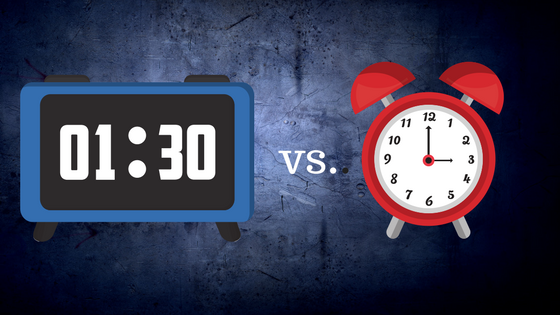
Analog clocks have been a part of daily life for centuries. They use moving hands to show time. The face of an analog clock usually has numbers from 1 to 12.

Understanding the basics of analog clocks helps to appreciate their design and function. These clocks are simple yet effective tools for telling time.

How Analog Clocks Work

Analog clocks use three hands: hour, minute, and sometimes second. The hour hand moves the slowest. The minute hand moves faster, completing one round in 60 minutes. The second hand moves quickly, making a full circle in 60 seconds. Inside, gears control the movement of these hands. A battery or a mechanical spring powers the clock.

Common Designs And Styles

Many analog clocks have round faces, but square and rectangular ones exist. Some clocks show all numbers, while others use dots or lines. The hands can be simple or decorative. Classic styles include wooden frames and Roman numerals. Modern designs often feature minimal faces and bright colors.

Advantages Of Analog Clocks

Analog clocks help improve time-reading skills. They show the passage of time visually. This makes it easier to understand concepts like quarter past or half past. They do not rely on digital displays, so they work during power outages. Analog clocks add charm and style to any room.

Digital Clock Features

Digital clocks have become common in homes, schools, and offices. They show the time with numbers, making it easy to read at a glance. These clocks often include extra features that add convenience to daily life. Understanding these features helps you choose the right clock for your needs.

How Digital Clocks Operate

Digital clocks use electronic circuits to keep time. A quartz crystal inside vibrates at a steady rate. The clock counts these vibrations to track seconds, minutes, and hours. The time is shown on an LED or LCD screen in numbers. This process keeps the display accurate and easy to read.

Popular Digital Clock Types

There are many types of digital clocks. Alarm clocks are common and help wake people up. Wall clocks with digital displays are easy to see from far away. Some digital clocks include radios or Bluetooth speakers. Smart clocks connect to Wi-Fi and show weather or reminders.

Benefits Of Digital Clocks

Digital clocks are simple to read, even from a distance. They often include alarms, timers, and backlights for nighttime use. Many models offer snooze buttons and multiple alarms. Digital clocks need less maintenance than analog ones. They keep accurate time and usually cost less.

Comparing Accuracy And Reliability

Choosing the right clock depends a lot on accuracy and reliability. Both analog and digital clocks offer different benefits in these areas. Understanding their strengths helps you pick the best option for your needs.

Timekeeping Precision

Digital clocks often keep time more precisely than analog ones. They use electronic signals that reduce errors. Analog clocks rely on mechanical parts, which can drift over time. This makes digital clocks better for exact timekeeping. Still, high-quality analog clocks can be quite accurate too.

Power Sources And Battery Life

Digital clocks usually need batteries or electricity to run. Battery life varies but often lasts several months. Analog clocks may use batteries or wind-up mechanisms. Wind-up clocks do not need batteries but require regular winding. Battery-powered analog clocks often last longer than digital ones.

Durability And Maintenance

Analog clocks tend to be more durable due to fewer electronic parts. Mechanical parts can wear out but are often easy to fix. Digital clocks have more delicate components that can fail. Maintenance for digital clocks mostly involves battery replacement. Analog clocks may need occasional cleaning and adjustments.

Analog Vs Digital Clock: Ultimate Guide to Choosing Right

Credit: www.premierclocks.com

User Experience And Readability

User experience and readability play a big role in choosing between analog and digital clocks. How easy it is to read the time affects daily use. Lighting and user needs also matter. Each type of clock offers different benefits for reading and viewing.

Ease Of Reading Time

Digital clocks show numbers directly. This makes reading the time quick and clear. No need to guess the position of hands. Analog clocks require interpreting the hands’ positions. Some people find this slower or confusing. Others enjoy the visual aspect of analog clocks. Learning to read analog clocks takes practice for some users.

Visibility In Different Lighting

Digital clocks often have backlights. This helps reading time in dark rooms. Some digital clocks use bright screens that work well in daylight. Analog clocks rely on contrast between hands and face. Good lighting is needed to see analog clocks clearly. Glow-in-the-dark hands or numbers improve visibility at night.

User Preferences And Accessibility

User habits influence clock choice. Older adults may prefer analog clocks for familiarity. Younger users often like digital clocks for speed. People with vision problems may find digital clocks easier to read. Analog clocks can be harder for those with low vision. Accessibility features like large digits or voice time help digital clock users.

Design And Aesthetics

Design and aesthetics play a big role in choosing between analog and digital clocks. The look of a clock can change a room’s feel. It can add charm, modernity, or a classic vibe.

Both types have unique designs that suit different tastes and spaces. Understanding these differences helps you pick a clock that fits your style perfectly.

Style Matching With Decor

Analog clocks often have a timeless, classic look. Their round faces and moving hands bring a warm, traditional feel. They work well in homes with vintage or rustic decor.

Digital clocks have a sleek, clean design. Their bright numbers and simple shapes fit modern and minimalist spaces. They blend well with contemporary furniture and gadgets.

Customization Options

Analog clocks come in many styles, from ornate to simple. You can find wood, metal, or plastic frames in various colors. Some have unique hands or numbers that add character.

Digital clocks often offer features like different display colors and brightness levels. Some let you change the time format or add alarms. These options help match your preferences easily.

Size And Portability

Analog clocks range from small bedside models to large wall pieces. Their size can make a strong style statement or fit discreetly in any spot. Many are lightweight and easy to move.

Digital clocks tend to be compact and light. They are perfect for desks, nightstands, or travel. Their size and shape make them highly portable and practical.

Additional Features And Functions

Clocks today do more than just show time. Both analog and digital clocks offer extra features that suit different needs. These features can make a clock more useful in daily life.

Alarm And Timer Capabilities

Digital clocks often include built-in alarms and timers. These can be set easily with buttons. Many allow multiple alarms for different times. Analog clocks may have alarms but usually only one. Timers are rare in analog models. Digital alarms are louder and more precise, helping you wake up on time.

Smart Features And Connectivity

Some digital clocks connect to Wi-Fi or Bluetooth. They sync time automatically and update for daylight savings. Smart clocks may show weather or news updates. You can control them with voice assistants. Analog clocks lack these smart functions. They focus on simple, classic timekeeping without technology.

Energy Efficiency

Analog clocks use less power and often run on one battery for months. Digital clocks use more energy because of displays and features. Some digital models have energy-saving modes. Solar-powered analog clocks save even more energy. Choosing the right clock depends on how much power you want to use.

Cost Considerations

Cost is a major factor when choosing between analog and digital clocks. Understanding the expenses helps you pick the best option for your budget.

Different types of clocks have different price points and upkeep needs. This section breaks down these costs.

Price Range Comparison

Analog clocks often start at lower prices. Simple models can cost very little. Designer or vintage analog clocks may be pricier. Digital clocks usually have a wider price range. Basic digital clocks are affordable. Advanced models with extra features cost more. Both types offer options for tight or flexible budgets.

Long-term Value

Analog clocks tend to last longer without upgrades. Their simple mechanism needs less power. Digital clocks may need battery or electricity replacements. Some digital models become outdated quickly. Analog clocks keep their charm and function for years. Digital clocks offer more functions but may not last as long.

Repair And Replacement Costs

Repairing analog clocks can be affordable if parts are available. Some vintage clocks might need expert care, which costs more. Digital clocks can be harder to fix. Their circuits and screens are often costly to replace. Sometimes replacing the whole digital clock is cheaper than repair. Consider these factors when thinking about long-term costs.

Analog Vs Digital Clock: Ultimate Guide to Choosing Right

Credit: www.premierclocks.com

Choosing The Right Clock For You

Choosing the right clock means picking one that fits your life and space well. A clock is more than just a timekeeper. It can add style, help with punctuality, and even boost focus. Understanding your needs and environment helps you choose wisely.

Assessing Your Needs

Think about how you use a clock daily. Do you prefer quick time checks or detailed readings? Some people like seeing the exact seconds. Others want a simple glance to know the hour. Consider your vision and how much detail you want.

Also, decide if you want a clock that makes noise. Some analog clocks tick, which can bother light sleepers. Digital clocks usually run silently. Your personal comfort matters a lot in this choice.

Matching Clock Type To Environment

Match the clock style to the room where it will hang. A kitchen might suit a digital clock for easy reading during cooking. A living room could benefit from an analog clock as a decorative piece. Offices often need clear, fast time checks, so digital clocks work well.

Consider lighting too. Digital clocks need power and light to display clearly. Analog clocks can be easier to see in dim light or without power. The environment shapes what type fits best.

Tips For Making The Final Decision

Test both types before buying. Notice which one feels natural to read. Check if the size fits your space. A large clock may suit a big wall but look odd in a small room.

Think about maintenance. Digital clocks may need battery changes or power sources. Analog clocks might need winding or battery changes less often. Choose the one that fits your lifestyle and routine.

Analog Vs Digital Clock: Ultimate Guide to Choosing Right

Credit: executivefunctioningsuccess.com

Frequently Asked Questions

What Is The Main Difference Between Analog And Digital Clocks?

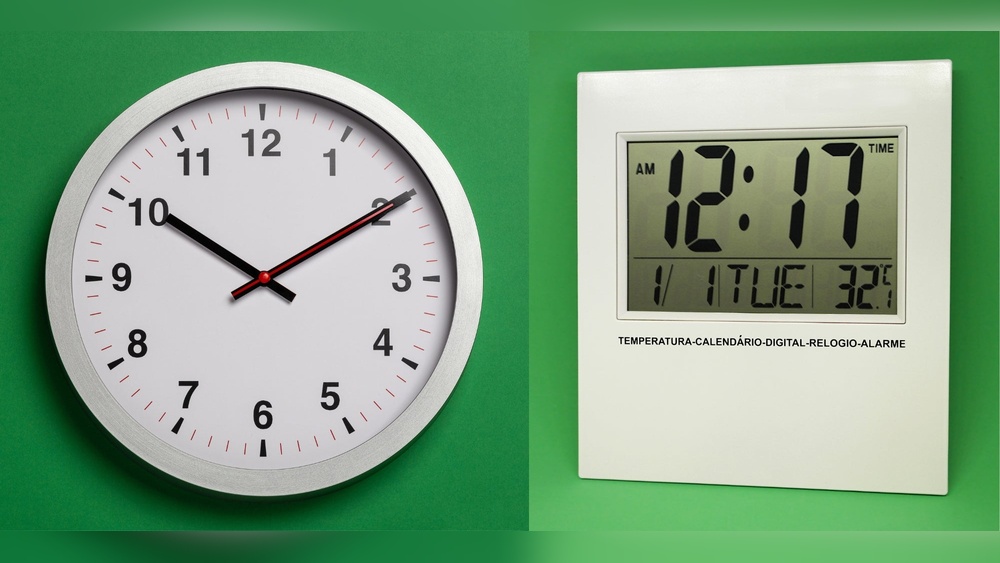
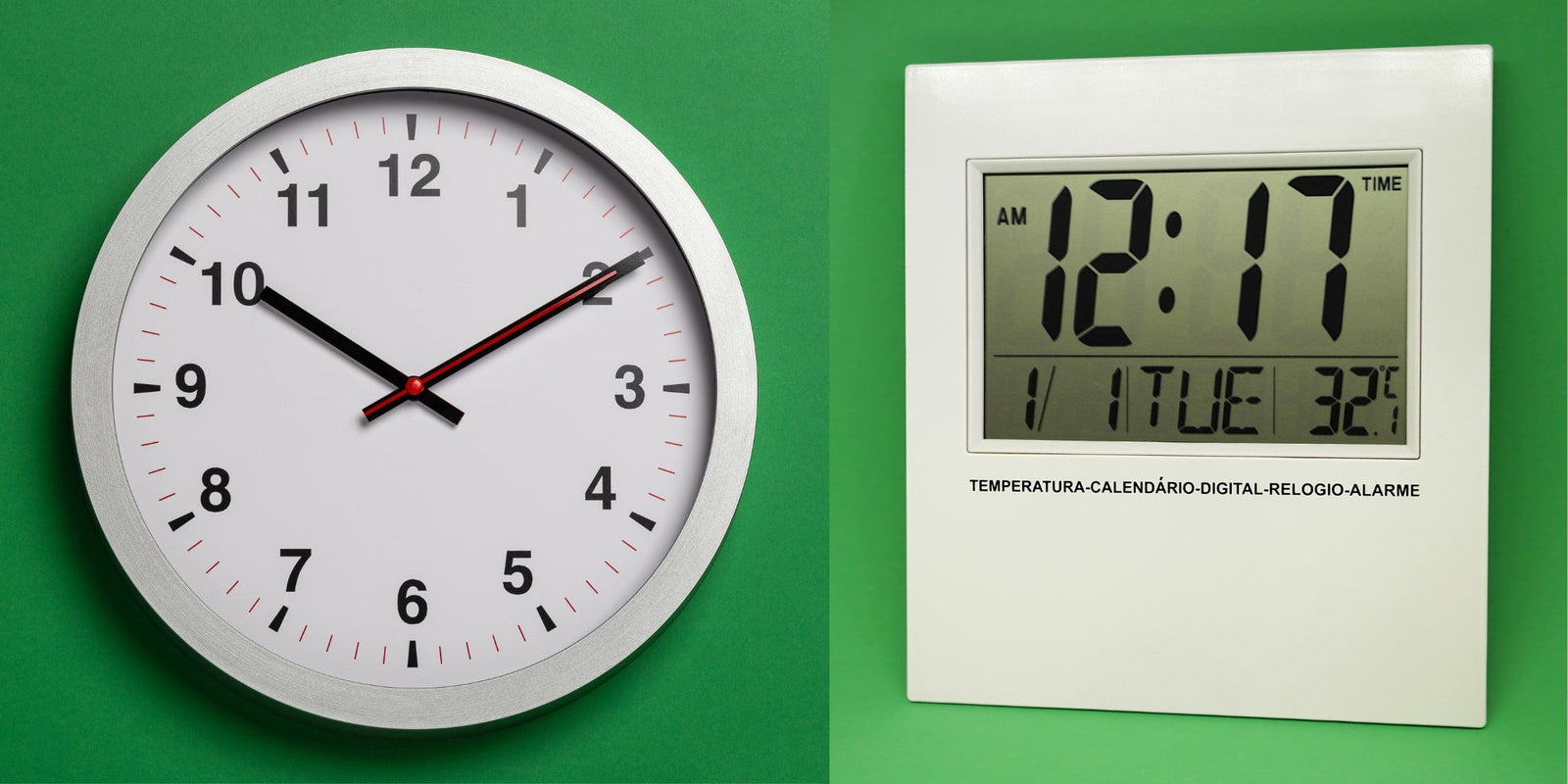
Analog clocks show time with hands on a dial. Digital clocks display time with numbers on a screen.

Which Clock Type Is Easier To Read For Kids?

Digital clocks are usually easier for kids to read because they show clear numbers. Analog clocks need learning to read the hands.

Do Analog Clocks Use More Power Than Digital Ones?

Analog clocks often use less power, especially if they are mechanical. Digital clocks usually need batteries or electricity.

Can Digital Clocks Show More Information Than Analog Clocks?

Yes, digital clocks can show date, temperature, and alarms. Analog clocks mainly show only the current time.

Which Clock Type Suits Modern Home Decor Better?

Digital clocks fit well in modern, minimalist spaces. Analog clocks offer a classic, traditional look that suits vintage styles.

Conclusion

Choosing between analog and digital clocks depends on your needs. Analog clocks show time with hands, which some find easier to read. Digital clocks display numbers and often include extra features. Both types serve their purpose well. Think about where and how you will use the clock.

Comfort and style matter too. Either way, you get a tool that helps you keep track of time every day. Simple, clear, and useful—choose what fits you best.

Hdmi Audio Vs Digital Optical: Ultimate Sound Showdown Explained

Hdmi Audio Vs Digital Optical

Are you confused about the difference between HDMI audio and digital optical connections? You’re not alone.

When setting up your home theater or sound system, choosing the right audio connection can feel overwhelming. But understanding how HDMI audio and digital optical work can make a huge difference in the sound quality you experience. You’ll discover which option suits your needs best and how to get the most out of your audio setup.

Keep reading, because the right choice could transform the way you enjoy movies, music, and games.

Hdmi Audio Basics

HDMI audio is a common way to send sound from one device to another. It carries audio and video signals through a single cable. This makes it simple and clean to connect devices like TVs, gaming consoles, and sound systems. Understanding how HDMI works helps you choose the right setup for your home entertainment.

Let’s explore the basics of HDMI audio and how it handles sound.

How Hdmi Transfers Sound

HDMI sends audio as digital data. This means the sound stays in its original form without losing quality. It uses high-speed signals to carry sound from the source to the output device. The cable supports multiple audio channels, allowing surround sound formats to work perfectly.

Supported Audio Formats

HDMI supports many audio formats. These include stereo sound, 5.1, and 7.1 surround sound. It also handles advanced formats like Dolby TrueHD and DTS-HD Master Audio. These formats offer clear and rich sound. The support for high-quality audio makes HDMI popular for home theaters.

Video And Audio Integration

One key benefit of HDMI is its ability to carry video and audio together. This removes the need for separate cables. It saves space and reduces cable clutter. The connection ensures audio and video stay in sync. This leads to a better viewing and listening experience.

Hdmi Audio Vs Digital Optical: Ultimate Sound Showdown Explained

Credit: www.amazon.com

Digital Optical Audio Basics

Digital optical audio is a popular method for transmitting sound. It uses light to carry audio signals. This method keeps sound clear and free from electrical noise. You often find optical audio in home theaters and soundbars. It connects devices like TVs, DVD players, and gaming consoles.

Understanding how digital optical audio works helps you choose the right audio connection. It also shows the type of sound quality you can expect.

How Optical Audio Works

Optical audio uses fiber optic cables. These cables carry light pulses representing audio data. The light travels through a thin glass or plastic fiber. A laser or LED sends the light signal. At the receiving end, a sensor converts light back to electrical audio signals.

This process reduces interference from other electronic devices. It ensures the sound stays clean and clear over longer distances.

Common Audio Formats

Optical audio supports many popular formats. It handles stereo sound and surround sound systems. Formats like Dolby Digital and DTS are common. These deliver multi-channel audio for a richer experience. The cable carries compressed audio to keep data size low. It suits most home audio setups and gaming systems.

Limitations And Strengths

Optical audio has clear strengths. It avoids electrical interference and signal loss. It works well for long cable runs. The cable is thin and flexible. Still, it has limits. It does not support high-definition audio formats like Dolby TrueHD. It also can’t carry video signals. For these, HDMI might be better. Optical audio remains a reliable and simple choice for good sound.

Audio Quality Comparison

Audio quality matters a lot when choosing between HDMI audio and digital optical cables. Both carry sound signals but differ in how they deliver sound. Understanding these differences helps pick the right cable for your setup. This section compares their sound quality in clear points.

Sound Fidelity And Clarity

HDMI supports uncompressed audio formats, keeping sound pure and clear. It can carry high-resolution audio like Dolby TrueHD and DTS-HD Master Audio. Digital optical cables send compressed audio, which may lose some details. The result is slightly less clear sound than HDMI. For critical listening, HDMI often provides better fidelity.

Channel Support And Surround Sound

HDMI handles multiple audio channels easily, supporting up to 8 channels or more. It works well with modern surround sound systems like 7.1 or Atmos. Optical cables usually support up to 5.1 channels but cannot handle newer formats. This limits the richness of sound in a home theater. HDMI is a better choice for full surround sound experience.

Latency And Signal Interference

HDMI cables tend to have lower latency, making audio sync smoother with video. Digital optical cables use light signals, which resist electrical interference well. This reduces noise but may introduce slight delays. Both cables offer good performance, but HDMI usually has an edge for fast, clear audio transmission without delay.

Hdmi Audio Vs Digital Optical: Ultimate Sound Showdown Explained

Credit: www.amazon.com

Compatibility And Setup

Understanding compatibility and setup helps you choose the right audio connection. Both HDMI and digital optical cables carry audio signals but work differently. Knowing device support, cable length, and installation ease makes setup smoother.

Device Support For Hdmi And Optical

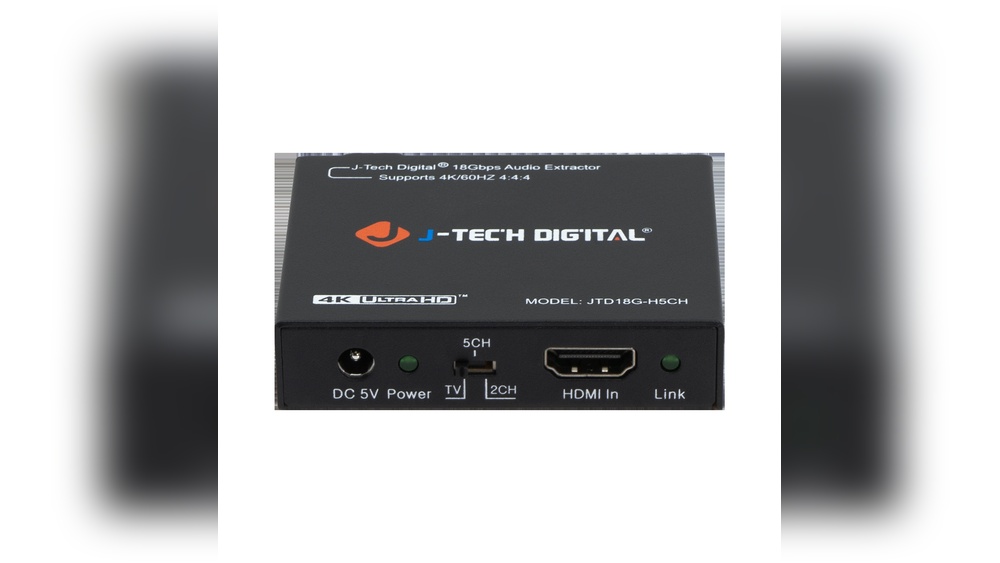
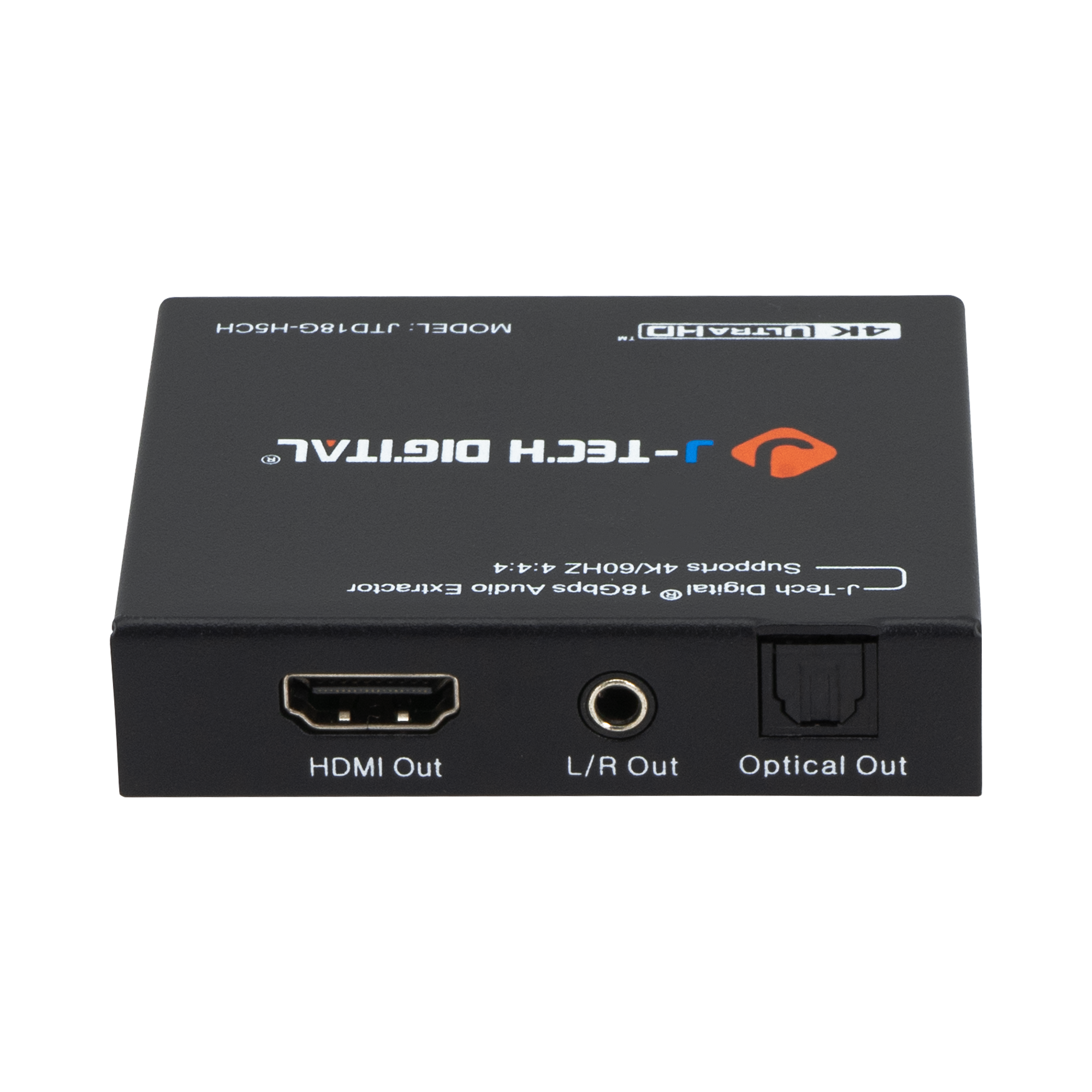
Most modern TVs, soundbars, and gaming consoles support HDMI. HDMI carries both audio and video signals in one cable. Digital optical ports appear on older devices and some newer ones. Optical only sends audio, so video needs a separate cable. Check your device ports before buying cables.

Cable Length And Durability

HDMI cables usually work well up to 50 feet. Longer cables may lose signal quality. Optical cables can run longer, sometimes over 100 feet, without signal loss. Optical cables use plastic or glass fibers inside, making them fragile. HDMI cables are thicker and more durable for daily use.

Ease Of Installation

HDMI cables plug in easily with a simple rectangular connector. One cable handles audio and video, reducing clutter. Optical cables have a small, square connector that fits only one way. They need careful handling to avoid damaging the fiber inside. Both cables are simple to connect but HDMI is more user-friendly.

Use Cases For Each Connection

Choosing between HDMI audio and digital optical depends on the devices you use. Each connection type fits different setups and needs. Understanding where each excels helps you pick the best option for your system. Let’s explore common use cases for both connections.

Home Theater Systems

HDMI is often best for home theaters. It carries both audio and video signals together. This means fewer cables and easier setup. HDMI supports high-quality sound formats like Dolby TrueHD and DTS-HD Master Audio. These formats enhance surround sound experience. Digital optical works well too but has limits. It does not support the latest high-definition audio formats. Optical is good for older systems without HDMI inputs.

Gaming Consoles And Pcs

HDMI is the preferred choice for gaming consoles and PCs. It delivers both clear video and audio through one cable. This reduces clutter around your setup. HDMI supports 5.1 and 7.1 surround sound for immersive gaming. Optical audio can still work for sound only. It may be used if your device has no HDMI audio output. But optical can limit audio quality in fast-paced games.

Streaming Devices And Tvs

Streaming devices and modern TVs usually support HDMI audio. It allows direct connection for both sound and picture. This makes streaming simple and clean. Digital optical is useful for TVs with limited HDMI ports. It sends good quality audio to soundbars or receivers. Optical is also handy for older streaming devices without HDMI audio output.

Cost And Availability

Choosing between HDMI audio and digital optical depends on cost and availability. These factors affect your budget and setup options. Understanding prices and equipment needs helps you pick the right connection. Also, thinking about future upgrades saves money later.

Cable Prices And Options

HDMI cables usually cost more than digital optical ones. Basic HDMI cables start around $5 to $10. Optical cables often cost less, starting near $3. Both types come in various lengths and qualities. You can find affordable options in most electronics stores. Quality matters for longer cables to avoid signal loss.

Equipment Requirements

HDMI needs devices with HDMI ports. Most TVs, soundbars, and receivers have them today. Optical cables require TOSLINK ports. These appear on many older audio devices and some new ones. Some devices have both, making switching easy. Check your gear before buying cables.

Future-proofing Your Setup

HDMI supports higher audio formats and video signals. This makes it better for future devices. Optical cables focus on audio only and do not carry video. If you plan to upgrade your system, HDMI offers more flexibility. Optical may suit simple audio setups well.

Hdmi Audio Vs Digital Optical: Ultimate Sound Showdown Explained

Credit: www.jtechdigital.com

Frequently Asked Questions

What Are The Main Differences Between Hdmi Audio And Digital Optical?

HDMI carries both audio and video signals, while digital optical only carries audio. HDMI supports higher audio quality and more channels. Optical is simpler but limited to audio only.

Can Digital Optical Support Surround Sound Like Hdmi?

Yes, digital optical supports surround sound but only up to 5. 1 channels. HDMI can handle more channels and better formats like Dolby Atmos. Optical is good for basic surround sound needs.

Which Is Better For Gaming: Hdmi Audio Or Digital Optical?

HDMI is better for gaming because it carries both sound and video. It also supports high-quality audio and low delay. Optical works but may miss some advanced sound features.

Is Digital Optical Compatible With All Sound Systems?

Most modern sound systems have digital optical inputs. It works well with older and some budget devices. HDMI is more common on newer, high-end systems.

Does Hdmi Audio Provide Better Sound Quality Than Digital Optical?

HDMI can deliver better sound quality with support for high-definition audio formats. Optical audio is limited to standard formats like Dolby Digital. For rich, clear sound, HDMI is preferred.

Conclusion

Choosing between HDMI audio and digital optical depends on your needs. HDMI carries both sound and video in one cable. Digital optical sends only sound but has less interference. HDMI supports more advanced sound formats. Optical works well with older devices.

Both options provide clear audio quality. Think about your setup and device compatibility. Either way, you get great sound for movies and music. Simple and effective.

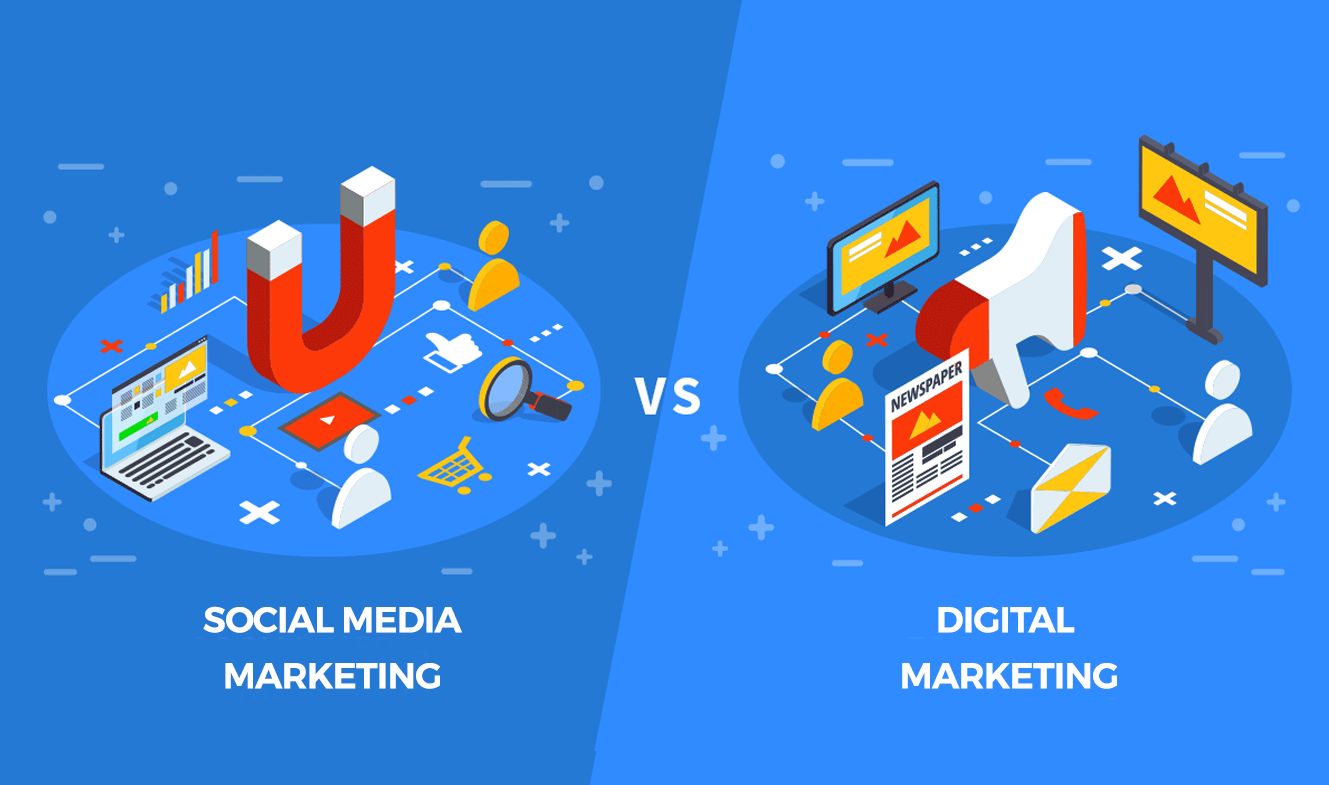
Digital Marketing Vs Social Media Marketing: Key Differences Revealed

Digital Marketing Vs Social Media Marketing

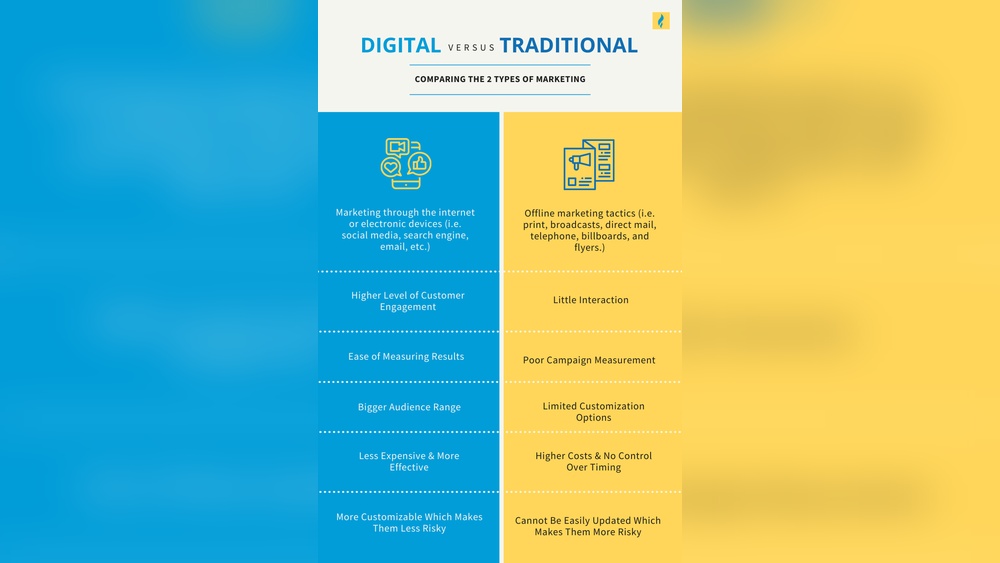
Are you wondering how to boost your business and reach more customers online? You’ve probably heard about digital marketing and social media marketing, but do you know the real difference between the two?

Understanding these can change the way you promote your brand and spend your budget. This article will clear up the confusion and help you decide which strategy fits your goals best. Keep reading to discover what works for you and how to get the most out of your marketing efforts.

Digital Marketing Vs Social Media Marketing: Key Differences Revealed

Credit: peppermintcreate.com

Scope Of Digital Marketing

Digital marketing covers a wide range of activities beyond social media. It uses many channels to reach customers online. This broad scope allows businesses to connect with different audiences in various ways.

Understanding these channels helps clarify how digital marketing differs from just social media marketing. The wide reach and flexibility make digital marketing a powerful tool for businesses.

Channels Beyond Social Media

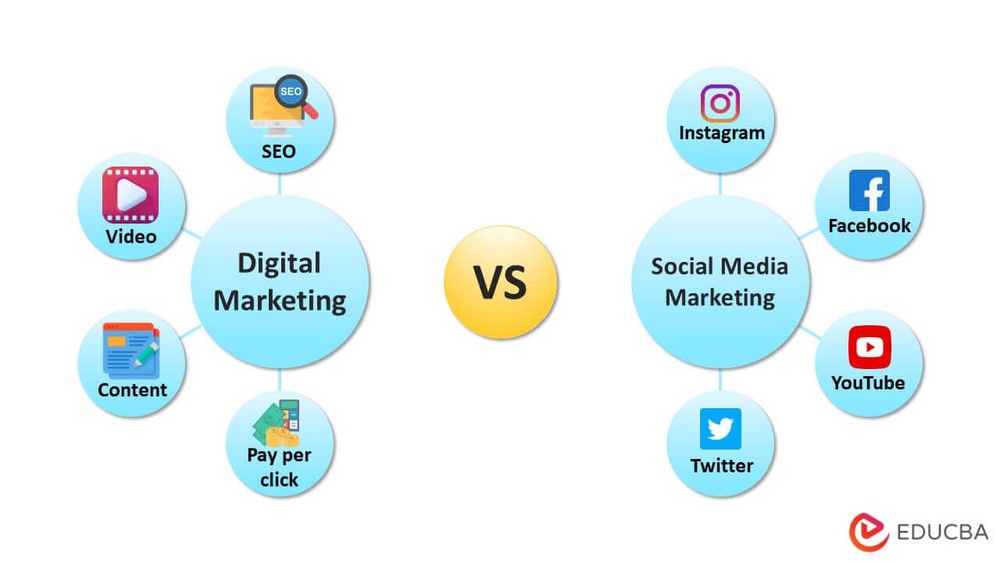
Digital marketing includes search engines, email, websites, and online ads. Search engine optimization (SEO) helps websites rank higher on Google. Email marketing sends messages directly to customers’ inboxes. Pay-per-click ads appear on search results or websites. Content marketing shares useful articles, videos, or blogs. These channels work together to attract and engage customers.

Integration With Traditional Marketing

Digital marketing often connects with traditional marketing methods. TV, radio, and print ads can support online campaigns. Using both online and offline channels builds stronger brand awareness. This mix helps reach people who prefer different types of media. Combining digital and traditional marketing creates a balanced approach.

Focus Areas Of Social Media Marketing

Social media marketing focuses on connecting with audiences through online platforms. It targets specific groups to build relationships and promote brands. Understanding key areas helps businesses use social media effectively.

Popular Social Platforms

Social media marketing uses platforms where people spend time daily. Facebook remains a top choice for wide reach and diverse audiences. Instagram attracts younger users with visual content like photos and videos. Twitter works well for quick updates and real-time conversations. LinkedIn targets professionals, ideal for business networking and B2B marketing. TikTok grows fast with short, creative videos that engage younger users. Choosing the right platform depends on where the audience is active.

Content Types And Engagement

Content drives social media success. Posts include images, videos, text, and stories. Videos capture attention quickly and often get more shares. Images create instant interest and help messages stand out. Stories offer short, temporary content that feels personal and urgent. Engagement happens through likes, comments, and shares. Responding to comments builds trust and encourages more interaction. Polls and questions invite users to join conversations. Good content keeps followers interested and loyal.

Target Audience And Reach

Understanding the target audience and reach is key in digital marketing and social media marketing. Both strategies aim to connect with people but use different methods. Knowing the difference helps businesses spend their budget wisely and get better results.

Broad Vs. Niche Targeting

Digital marketing often targets a broad audience using search engines, websites, and emails. It casts a wide net to attract many potential customers. Social media marketing usually focuses on niche groups with specific interests or demographics. Platforms like Facebook and Instagram allow precise targeting by age, location, and hobbies. This helps brands reach people who are more likely to be interested in their products.

Organic And Paid Strategies

Both digital and social media marketing use organic and paid methods. Organic strategies include content creation and search engine optimization. These methods build trust over time without direct costs. Paid strategies involve ads and sponsored posts. Digital marketing ads appear on search results and websites. Social media ads show up in users’ feeds and stories. Paid ads offer quick reach and precise targeting, while organic methods take longer but create lasting engagement.

Digital Marketing Vs Social Media Marketing: Key Differences Revealed

Credit: www.springboard.com

Tools And Techniques

Tools and techniques are essential in both digital marketing and social media marketing. They help businesses reach the right audience and measure success. These tools make tasks easier and more efficient. Each marketing approach uses specific tools to achieve its goals.

Analytics And Metrics

Analytics track user behavior and campaign performance. Digital marketing tools analyze website traffic, conversion rates, and user engagement. Social media marketing focuses on likes, shares, comments, and follower growth. Both types of analytics help marketers understand what works and what needs improvement. Data guides future marketing strategies and budget allocation.

Automation And Scheduling

Automation tools save time by handling repetitive tasks. Digital marketing uses email automation and customer relationship management (CRM) systems. Social media marketing relies on scheduling tools to plan posts ahead. These tools ensure consistent communication with the audience. Automation also improves efficiency and reduces human errors.

Budget Considerations

Budget plays a big role in choosing between digital marketing and social media marketing. Knowing the costs helps businesses plan better. It also allows them to use funds wisely for the best results.

Understanding how much each option costs is key. A clear idea of expenses helps avoid surprises. Budget limits often decide which marketing method suits a business.

Cost Variations

Digital marketing costs vary widely. It includes many channels like email, SEO, and pay-per-click ads. Each channel has its own price range.

Social media marketing usually costs less upfront. It focuses on platforms like Facebook, Instagram, or Twitter. Spending depends on ad type and audience size.

Small businesses may find social media marketing cheaper to start. Digital marketing can require larger budgets for full campaigns. Costs also change based on goals and tools used.

Return On Investment

Return on investment (ROI) measures how much profit comes from marketing spend. Digital marketing often shows clear ROI through tracking tools. Businesses can see which campaigns work best.

Social media marketing ROI can be harder to measure. Engagement and brand awareness may grow without immediate sales. Still, it builds customer trust over time.

Both methods can deliver strong ROI. Success depends on strategy, budget, and consistent effort. Wise spending leads to better returns in either case.

Campaign Goals And Objectives

Campaign goals and objectives guide every marketing effort. They define what a business wants to achieve. Digital marketing and social media marketing share some goals but differ in focus and approach. Understanding these differences helps choose the right strategy.

Brand Awareness

Brand awareness means making people recognize a brand. Digital marketing uses many channels like websites, email, and ads. It reaches a broad audience across the internet.

Social media marketing focuses on building brand presence on platforms like Facebook and Instagram. It engages users with posts, stories, and comments. This creates a more personal connection.

Lead Generation And Sales

Lead generation is about attracting potential customers. Digital marketing uses targeted ads, SEO, and email campaigns to collect leads. It tracks data to find the best prospects.

Social media marketing also generates leads through interactive content and direct messages. It can drive quick sales by promoting offers to active users. Both methods support sales but use different tools.

Challenges And Limitations

Digital marketing and social media marketing face various challenges. These hurdles can limit success and affect results. Understanding these issues helps businesses adapt and improve strategies.

Algorithm Changes

Algorithms control what content users see online. Platforms like Google and Facebook often change these rules. Marketers must constantly adjust their tactics. These changes can reduce visibility and reach. It becomes harder to keep audiences engaged. Staying updated with algorithm shifts is a constant task.

Audience Saturation

Many brands compete for attention on the same platforms. This leads to audience saturation. Users see too many ads and posts daily. It makes standing out difficult for marketers. Audiences may ignore or block repetitive content. Marketers need fresh ideas to stay noticed. Overcoming saturation requires creativity and persistence.

Future Trends

The future of digital marketing and social media marketing will change quickly. New tools and habits will shape how brands reach people. Staying updated will help marketers stay effective and relevant.

Emerging Technologies

Artificial intelligence will play a bigger role in marketing. It helps create personalized ads and content fast. Virtual reality and augmented reality will offer new ways to engage customers. Chatbots will improve customer service on social media. Voice search will change how people find information online. Marketers must learn to use these tools well.

Evolving Consumer Behavior

People want more authentic and honest brand messages. They prefer short, clear, and visual content. Mobile use will keep growing, so marketing must be mobile-friendly. Privacy concerns will make consumers cautious about their data. Social media users expect quick responses from brands. Trust and transparency will become key to winning customers.

Digital Marketing Vs Social Media Marketing: Key Differences Revealed

Credit: www.reliablesoft.net

Frequently Asked Questions

What Is The Main Difference Between Digital Marketing And Social Media Marketing?

Digital marketing covers all online marketing channels. Social media marketing focuses only on social platforms like Facebook or Instagram.

Can Social Media Marketing Work Without Digital Marketing?

Social media marketing can work alone but digital marketing helps reach more people. They often work best together.

Which Is Better For Small Businesses: Digital Or Social Media Marketing?

Social media marketing is often cheaper and easier for small businesses. Digital marketing offers a wider reach but may cost more.

How Do Digital Marketing And Social Media Marketing Measure Success?

Digital marketing tracks website visits, clicks, and sales. Social media marketing focuses on likes, shares, comments, and followers.

Does Social Media Marketing Include Paid Advertising?

Yes, social media marketing uses paid ads on platforms. Digital marketing also includes paid ads on search engines and websites.

Conclusion

Digital marketing covers many online methods to reach customers. Social media marketing focuses on platforms like Facebook and Instagram. Both help businesses grow but serve different purposes. Choosing the right one depends on your goals and audience. Use digital marketing for broad reach and data tracking.

Use social media marketing to build relationships and engage users. Combining both can create a strong online presence. Think about what fits your business best. Start small, test, and learn as you go. Success comes from using tools that work for you.

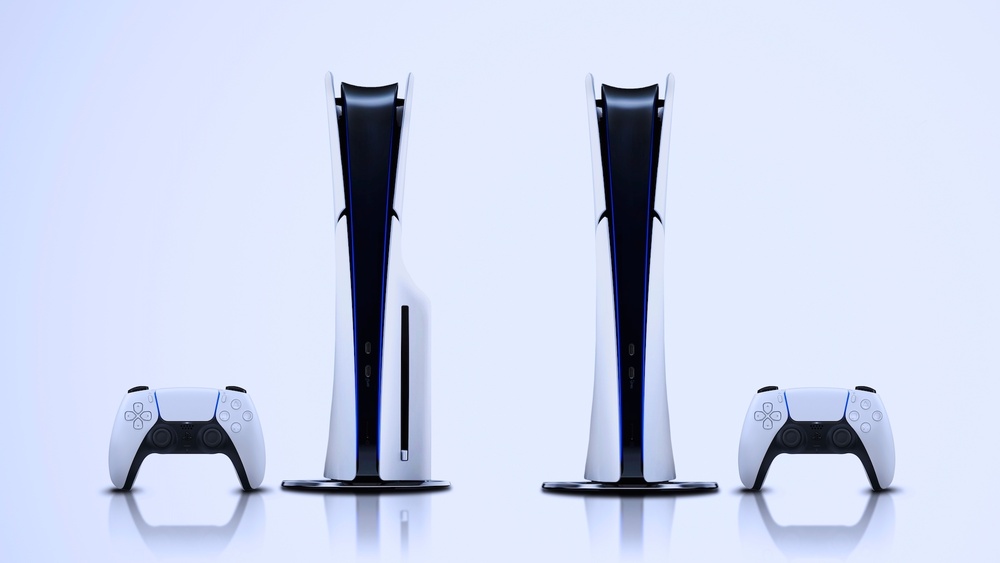
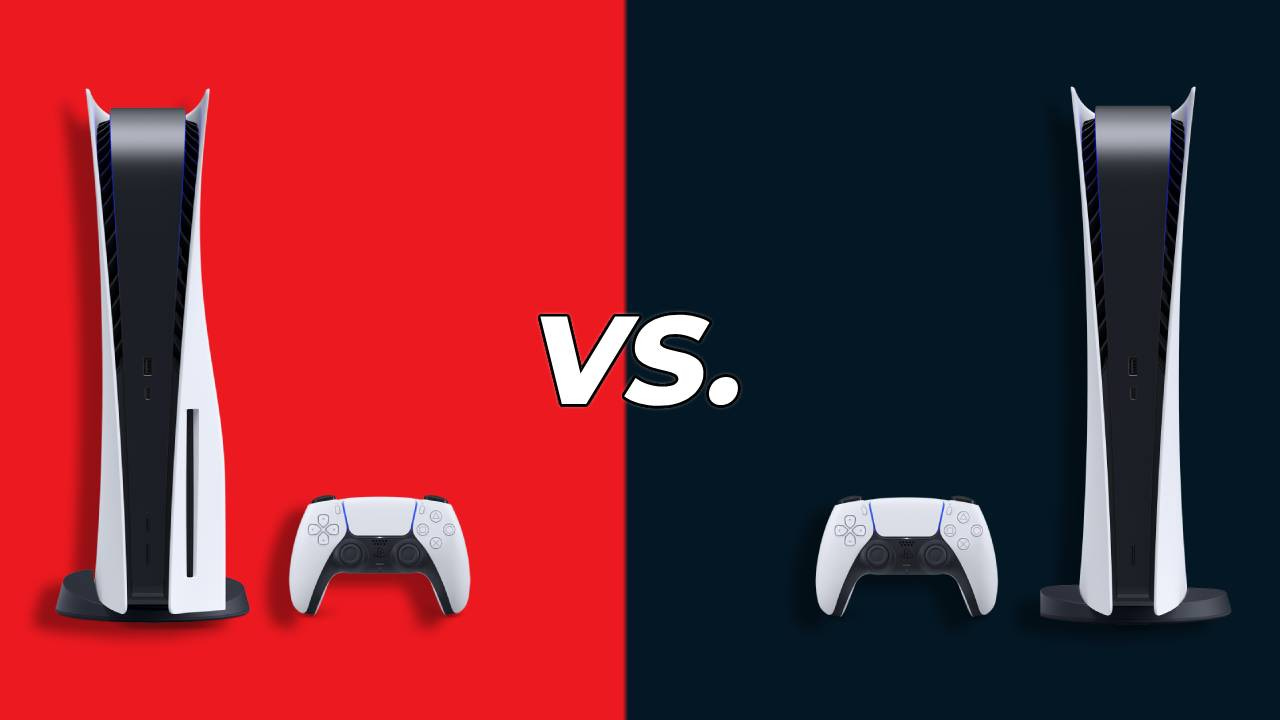
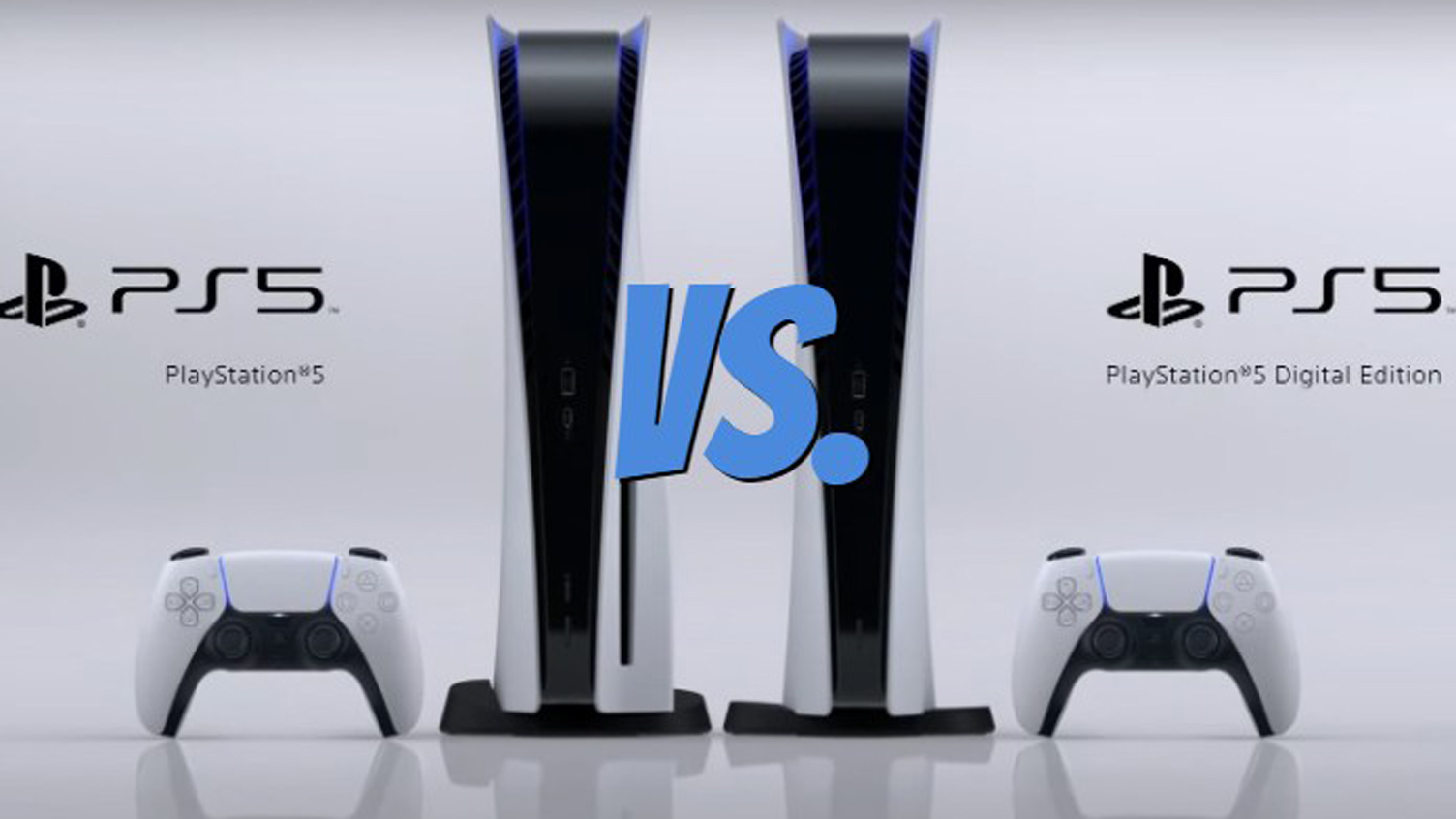
Digital Vs Disc PS5: Ultimate Comparison for Gamers 2026

Digital Vs Disc Ps5

Are you torn between choosing the Digital or Disc version of the PS5? This decision can shape your entire gaming experience, from how you buy games to how you enjoy them at home.

Understanding the key differences can save you money, hassle, and frustration. You’ll discover what sets these two versions apart and which one fits your lifestyle best. Keep reading to make the smartest choice for your gaming setup.

Digital Vs Disc PS5: Ultimate Comparison for Gamers 2026

Credit: lifehacker.com

Design And Build

The design and build of the PS5 play a big role in choosing between the Digital and Disc editions. Both models share a similar look but have some important differences. These differences affect their size, weight, and ports. Understanding these can help you decide which PS5 fits your needs better.

Size And Weight Differences

The Disc PS5 is larger and heavier than the Digital edition. This is because it has a built-in disc drive. The Digital PS5 is slimmer and lighter, making it easier to place in tight spaces. The size difference might affect where you keep the console in your room.

Aesthetic Variations

The Digital PS5 has a smooth, clean look without the disc slot. The Disc PS5 has a visible disc drive on one side. Both have the same white and black color scheme with blue LED lights. The difference is subtle but noticeable once you compare them side by side.

Port And Connectivity Options

Both models offer similar ports, including USB and HDMI connections. The Disc PS5 has an extra slot for the disc drive. Both support Wi-Fi and Bluetooth for wireless devices. The Digital edition lacks a disc drive but includes all the same ports for controllers and accessories.

Performance And Hardware

The performance and hardware of the PS5 Digital and Disc editions are very similar. Both versions offer powerful features that deliver smooth gaming experiences. This section explores the key hardware differences and similarities between the two models.

Processor And Gpu Specs

Both PS5 versions use the same processor and graphics unit. The CPU is a custom AMD Ryzen Zen 2 with eight cores. It runs at 3.5 GHz, providing fast and efficient processing. The GPU is based on AMD’s RDNA 2 architecture. It offers 10.28 teraflops of power. This setup supports ray tracing and high frame rates. Players get crisp visuals and smooth gameplay in both editions.

Storage Capacity And Expansion

Each PS5 comes with an 825 GB custom SSD. This storage allows quick loading times and fast data transfer. The Digital Edition has no disc drive, so all games must install digitally. The Disc Edition supports physical discs and digital downloads. Both models support M.2 SSD expansion. This lets players add more storage space for games and apps. Storage options are flexible to fit different needs.

Cooling Systems And Noise Levels

The cooling systems in both PS5 versions are nearly identical. Each uses a large fan and a heat sink to keep temperatures low. This setup ensures the console runs quietly under normal use. Noise levels remain minimal during gameplay. The cooling design prevents overheating and maintains performance. Gamers can enjoy long sessions without distraction from loud fans.

Game Library And Compatibility

The game library and compatibility are key parts of choosing between the Digital and Disc PS5. This affects what games you can play and how you access them. Each version offers different options for owning and playing games. Understanding these differences helps you pick the right PS5 for your needs.

Physical Vs Digital Game Access

The Disc PS5 lets you buy physical game discs from stores. You can trade, lend, or sell these discs later. The Digital PS5 only supports games bought online from the PlayStation Store. It does not have a disc drive. Digital games download directly to your console. This means no physical discs to handle or store.

Backward Compatibility

Both PS5 versions support many PS4 games. You can play most PS4 discs on the Disc PS5. The Digital PS5 can play PS4 games downloaded from your library. Some older PS3 or PS2 games may work through digital downloads or remasters. Check game support before buying older titles.

Exclusive Titles Availability

Exclusive games are available on both PS5 versions. These titles come from Sony’s studios and cannot be played elsewhere. The Disc PS5 has no advantage for exclusives. Digital and physical versions of these games are sold. Your choice does not limit access to exclusive PS5 games.

Digital Vs Disc PS5: Ultimate Comparison for Gamers 2026

Credit: www.theshortcut.com

User Experience

The user experience on the PS5 varies slightly between the Digital Edition and the Disc Edition. Both consoles offer powerful performance and smooth gameplay. Yet, the way players interact with games and features can feel different. This section explores the key differences in user experience.

Loading Times And Game Installation

Both PS5 versions load games quickly thanks to the fast SSD. The Digital PS5 downloads and installs games directly from the PlayStation Store. This process takes time depending on internet speed. The Disc PS5 requires inserting the game disc. It installs part of the game to the SSD but needs the disc to play. Loading times during gameplay are nearly the same on both models.

Interface And Features

The user interface is identical on both PS5 versions. Players navigate menus smoothly with the same layout and options. The Digital PS5 has no disc drive, so the interface does not show disc-related options. Both consoles support features like 3D audio, ray tracing, and the Control Center. Users can enjoy seamless updates and access to digital libraries on both models.

Controller Differences

The PS5 DualSense controller is the same for both versions. It offers haptic feedback and adaptive triggers. This adds a tactile feel to gameplay. There is no difference in controller performance or design between the Digital and Disc PS5. Players can use any DualSense controller on either console without issues.

Cost And Value

Choosing between the Digital and Disc PS5 models often comes down to cost and value. Understanding the price differences helps buyers make a smart choice. Both models offer great gaming experiences but vary in how much you pay upfront and over time.

Initial Purchase Price

The Digital PS5 costs less at the start. It has no disc drive, which lowers production costs. The Disc PS5 is more expensive because it includes a Blu-ray drive. This price gap makes the Digital version attractive for budget-conscious buyers. Still, the Disc model offers more flexibility with physical games.

Long-term Savings And Expenses

The Digital PS5 saves money by avoiding physical game purchases. Digital games often have sales and discounts. The Disc PS5 allows buying used or discounted physical copies, which can be cheaper. Both models may require spending on extra storage. Consider how often you buy new games to estimate long-term costs.

Resale And Trade-in Options

The Disc PS5 has an advantage in resale value. Physical copies can be sold or traded in for cash or credit. The Digital PS5 relies only on digital licenses, which cannot be resold. This limits options for recovering some purchase cost. Selling the Disc PS5 itself is similar to the Digital version, but game resale adds extra value.

Connectivity And Online Services

The PlayStation 5 offers strong connectivity and online services. Both Digital and Disc versions connect to the internet for a smooth gaming experience. These features affect how players access games, multiplayer modes, and online content.

Playstation Network Integration

Both PS5 models link to the PlayStation Network (PSN). PSN allows players to access friends, messages, and trophies. It also supports cloud saves, which helps keep game progress safe. This integration is key for social and gaming features.

Digital Storefront And Downloads

The Digital PS5 relies fully on the PlayStation Store for games. Players download all titles directly to the console. The Disc PS5 can also download games but uses physical discs too. Download speed depends on the internet connection for both models.

Multiplayer And Subscription Services

Online multiplayer requires a PS Plus subscription on both PS5 versions. PS Plus offers free monthly games and exclusive discounts. Both models access streaming services like Netflix and Spotify. Subscription services work equally well on Digital and Disc PS5s.

Future-proofing And Upgrades

Choosing between the Digital and Disc PS5 models involves thinking about future-proofing and upgrades. Both versions offer strong performance now, but how they handle updates and new games matters for the long term. Understanding software support, hardware life, and game compatibility helps make a better decision.

Software Updates And Support

Sony provides regular software updates for both PS5 models. These updates improve system stability and add new features. The updates are the same for Digital and Disc versions. Both receive security patches and performance improvements simultaneously. This means users get the latest software benefits regardless of the model chosen.

Hardware Longevity

Hardware inside both PS5 versions is nearly identical. The main difference is the disc drive in the Disc model. This extra part may face wear over time. The Digital model has fewer moving parts, which may reduce hardware issues. Both consoles come with built-in cooling and robust components to extend lifespan. Proper care can help either model last many years.

Compatibility With Upcoming Titles

Both PS5 models run all new PS5 games. Most new titles also support backward compatibility with PS4 games. However, physical disc games require the Disc version. Digital only users must buy games from the PlayStation Store. Some collectors or gamers who prefer physical copies might choose the Disc model. Otherwise, both consoles support the full library of new and upcoming games.

Digital Vs Disc PS5: Ultimate Comparison for Gamers 2026

Credit: www.laptopmag.com

Which Model Fits Your Gaming Style

Choosing between the Digital and Disc PS5 models depends on how you play games. Each version offers unique benefits for different gaming styles. Understanding your habits helps you pick the right fit.

Think about how often you play, what types of games you prefer, and how you like to own your games. These points guide your choice.

Casual Vs Hardcore Gaming

Casual gamers play less often and enjoy easy access to games. The Digital PS5 works well here, offering quick downloads and no need for discs. It saves time and space.

Hardcore gamers prefer a wide game collection and physical copies. The Disc PS5 suits them, allowing use of used games and sharing discs. It supports a large library.

Physical Collectors Vs Digital Enthusiasts

Collectors value game cases and physical artwork. They like to build shelves of games. The Disc PS5 lets them keep and show off these items.

Digital enthusiasts want convenience and instant access. They buy games online and avoid clutter. The Digital PS5 fits this lifestyle perfectly.

Space And Setup Considerations

The Digital PS5 is slightly slimmer and lighter. It fits well in smaller spaces and simple setups.

The Disc PS5 needs more room due to its drive. It works best with larger entertainment centers.

Think about your room size and setup before choosing a model.

Frequently Asked Questions

What Are The Main Differences Between Digital And Disc Ps5?

Digital PS5 only plays downloaded games, while Disc PS5 uses physical discs. Disc version can play used or borrowed games; Digital cannot.

Which Ps5 Version Is Better For Game Collection?

Disc PS5 allows collecting physical games and sharing with friends. Digital PS5 saves space but needs internet to download games.

Can Digital Ps5 Play Games Offline?

Yes, but only after games are fully downloaded and activated. Some features may need internet, but most single-player games work offline.

Is The Digital Ps5 Cheaper Than The Disc Version?

Digital PS5 has a lower upfront price but no disc drive. Game prices may be higher online, which could add up over time.

How Do Game Updates Work On Digital Vs Disc Ps5?

Both versions require internet to download updates and patches. Updates install automatically when connected to the internet on either PS5.

Conclusion

Choosing between Digital and Disc PS5 depends on your needs. The Digital PS5 offers a sleek design and easy access to games online. The Disc PS5 lets you play physical games and share discs with friends. Both versions deliver great performance and amazing graphics.

Think about your budget, game preferences, and internet speed. Each option has its own benefits. Make a choice that fits your gaming style and enjoy the PlayStation experience. Simple, clear, and ready to play.

Analog Vs Digital Clock: Ultimate Guide to Choose the Best Timekeeper

Analog Vs Digital Clock

Have you ever stopped to think about the clock you rely on every day? Whether it’s hanging on your wall or sitting on your desk, the choice between an analog and a digital clock might seem simple.

But which one truly fits your lifestyle and helps you keep track of time better? You’ll discover the surprising differences between analog and digital clocks. By the end, you’ll know exactly which type suits your needs—and why it matters more than you might think.

Keep reading to find out which clock will make your time management easier and more effective.

Analog Clock Basics

Analog clocks have been a part of daily life for centuries. They show time using hands that move around a dial. These clocks are simple yet effective tools for telling time.

Understanding the basics of analog clocks helps appreciate their design and function. Let’s explore how they work and what makes them popular.

Design And Components

Analog clocks usually have three main parts: the face, the hands, and the movement. The face displays numbers or marks. The hands point to hours, minutes, and sometimes seconds. The movement powers the hands to move smoothly or tick.

Materials vary from wood and metal to plastic. The design can be classic or modern, depending on style and purpose.

How Analog Clocks Work

Inside, gears connect the hands to a power source. This source can be a battery or a spring. The gears control the speed of each hand. The hour hand moves slowly, and the minute hand moves faster. The second hand, if present, moves in small steps or smoothly.

This mechanical system keeps time accurate and easy to read.

Common Styles And Features

Analog clocks come in many styles. Wall clocks are large and easy to see. Desk clocks are small and portable. Some clocks have loud ticking sounds, while others are silent.

Features can include glow-in-the-dark hands, alarms, or decorative elements. These options make analog clocks suitable for homes, offices, and schools.

Digital Clock Essentials

Digital clocks are a common part of daily life. They show time using numbers instead of hands. Understanding their key features helps choose the right clock for any space. Digital clocks come in many forms, with different displays and functions. Their design also varies to fit personal taste and needs.

Display Types And Technology

Most digital clocks use LED or LCD screens. LED displays are bright and easy to read in dark rooms. LCD screens save energy and work well in daylight. Some clocks have backlit screens that adjust to light levels. High-tech models show time, date, and temperature clearly. The numbers can be large or small, depending on the design.

Functionality And Features

Digital clocks offer many functions beyond telling time. Alarm settings help wake up on schedule. Some include snooze buttons for a few extra minutes of sleep. Other features show the date and day of the week. Certain models connect to the internet for automatic time updates. Some even have timers and stopwatches for extra use.

Popular Designs

Digital clocks come in styles from simple to modern. Minimalist designs focus on clear number displays. Others use colorful lights or unique shapes for decoration. Travel clocks are small and easy to carry. Wall-mounted digital clocks often feature large digits for easy viewing. Some designs blend with home décor while staying practical.

Accuracy And Reliability

Accuracy and reliability are key factors in choosing a clock. People want clocks that show the correct time and work well over time. Both analog and digital clocks have strengths and weaknesses in these areas. Understanding these differences helps pick the right clock for your needs.

Timekeeping Precision

Digital clocks usually offer better timekeeping precision. They use quartz crystals to keep time. Quartz crystals vibrate at a constant rate, which helps keep digital clocks accurate. Analog clocks also use quartz movements but can lose or gain a few seconds daily. Mechanical analog clocks may be less precise due to their moving parts. Digital clocks often display exact seconds, making them easier to read for precise timing.

Power Sources And Battery Life

Digital clocks often use batteries or electricity. Battery life varies depending on the model and features like backlighting or alarms. Some digital clocks need frequent battery changes. Analog clocks mostly use small batteries that last longer because they have fewer features. Mechanical analog clocks work without batteries but need winding. Power interruptions can affect digital clocks, causing time resets, while analog clocks usually keep running without power.

Durability Factors

Analog clocks are typically more durable due to their simple design. They have fewer electronic parts that can fail. Mechanical analog clocks can last decades with proper care. Digital clocks have more electronic components that may break or become outdated. They can be sensitive to moisture and impact. Some digital clocks use plastic cases that wear out faster. Overall, analog clocks tend to be more reliable in tough conditions.

Analog Vs Digital Clock: Ultimate Guide to Choose the Best Timekeeper

Credit: www.premierclocks.com

Ease Of Use

Ease of use is a key factor when choosing between analog and digital clocks. It affects how quickly and comfortably you can tell the time. It also influences how simple it is to set or adjust the clock. Let’s examine these aspects closely.

Reading The Time

Analog clocks show time with hour and minute hands on a dial. Some people find this visual and natural. It helps them see how much time has passed or is left.

Digital clocks display numbers directly, such as 3:45. This is straightforward and fast to read. It leaves little room for confusion, especially for young learners or those with vision issues.

Setting And Adjusting

Setting an analog clock means moving the hands manually. It can take a moment to turn the dial to the exact time. Some find this less precise but more tactile.

Digital clocks often have buttons for setting hours and minutes. This can be quicker and more exact. Some models even reset automatically, reducing user effort.

User Accessibility

Analog clocks might be harder for people with poor eyesight or cognitive difficulties. The hands and numbers can blur together.

Digital clocks offer clear, large digits. They can also include features like backlighting or voice announcements. These help users with different needs access time easily.

Aesthetic Appeal

The look of a clock can change a room’s feel. Aesthetic appeal matters for many buyers. Both analog and digital clocks offer unique visual styles. This section explores how each type fits with decor, customization, and trends.

Decor And Style Compatibility

Analog clocks often bring a classic or vintage vibe. They fit well in traditional and cozy rooms. Their round faces and hands add charm and warmth.

Digital clocks have a modern, sleek look. They suit minimalistic and tech-inspired spaces. Sharp numbers and clean lines create a futuristic feel.

Choosing a clock depends on the room’s style. Analog clocks blend with wood and soft textures. Digital clocks pair well with metal and glass.

Customization Options

Analog clocks come in many shapes, sizes, and colors. You can find ornate frames or simple designs. Some even have unique hand shapes or vintage faces.

Digital clocks offer features like color-changing displays. Some allow you to adjust brightness or show extra info. Custom text or alarm sounds add a personal touch.

Customization helps clocks match personal taste and room mood. Both types offer choices, but in different ways.

Trends And Preferences

Analog clocks remain popular for their timeless appeal. People like their nostalgic and artistic look. They often become focal points in rooms.

Digital clocks grow in popularity for convenience and style. Younger users prefer their clean displays and smart features. They suit busy, modern lifestyles.

Trends shift with time, but both clock types hold value. Personal preference guides the final decision.

Cost And Maintenance

Cost and maintenance play a big role in choosing between analog and digital clocks. Both types have different price points and upkeep needs. Understanding these differences helps you pick the best clock for your budget and lifestyle.

Price Range Comparison

Analog clocks often cost less than digital ones. Simple models start at a very low price. Fancy designs or brands may cost more. Digital clocks can be cheap but often cost more due to extra features. Bright displays and alarms add to the price. Overall, analog clocks fit smaller budgets better.

Upkeep And Repairs

Analog clocks need occasional battery changes and cleaning. Their moving parts may wear out over time. Repairs might require a clock specialist. Digital clocks usually need battery changes too. They have fewer moving parts, so repairs are rare. But fixing electronics can be costly if broken. Digital clocks need less daily care.

Long-term Investment

Analog clocks can last many years with proper care. Their timeless style can stay in fashion longer. Digital clocks offer more functions but may become outdated fast. Technology changes quickly, making some models obsolete. Choose analog for durability and classic looks. Pick digital for features and modern design.

Suitability For Different Settings

Choosing between an analog and digital clock depends on where you want to use it. Each type has features that fit certain places better. Understanding which clock suits a setting helps in picking the right one. This section looks at how analog and digital clocks work in homes, offices, and outdoor travel.

Home Use

Analog clocks add a classic touch to home decor. Their round faces and moving hands bring warmth to rooms. People often find analog clocks easier to read at a glance in living rooms or kitchens. Digital clocks are great for bedrooms. They show clear numbers, which help with waking up on time. Some digital clocks come with alarms and night lights, making them practical for home use.

Office And Workspaces

Digital clocks fit well in modern offices. They display exact time, including seconds, which helps with punctuality. Employees can check the time quickly without guessing. Analog clocks work well in creative spaces or meeting rooms. They create a relaxed atmosphere and help manage time visually. Both types support productivity but serve different moods and needs.

Outdoor And Travel

Digital clocks are very useful for travel. They often include extra features like timers and world time zones. Their bright displays are easy to see in the dark or bright sunlight. Analog clocks can be less practical outdoors. They may be harder to read quickly and lack extra functions. Yet, some people prefer analog watches for style and simplicity when traveling.

Special Features And Innovations

Special features and innovations have transformed both analog and digital clocks. These changes make clocks more useful and interesting. They go beyond just telling time.

Advances in technology add new functions. These features improve user experience. They also help clocks fit better into modern homes and lifestyles.

Smart Clocks And Connectivity

Smart clocks connect to Wi-Fi and other devices. They show weather updates, news, and reminders. Voice control lets users set alarms and check time hands-free.

Some smart clocks sync with phones and calendars. This keeps schedules organized and easy to access. Analog clocks rarely offer this type of connectivity.

Alarms And Additional Functions

Digital clocks often include multiple alarms and snooze options. They may have built-in radios or music players. Some models even track sleep patterns or play soothing sounds.

Analog clocks usually have simple alarm features. Their bells or buzzers are loud but less customizable. Digital clocks provide more control and variety in alarms.

Energy Efficiency

Many digital clocks use LED or LCD screens that save energy. Battery life varies, but some last for months on one set. Solar-powered analog clocks use natural light to stay running.

Energy-efficient clocks reduce costs and environmental impact. Both types have models designed to be eco-friendly. Choosing the right clock can help save power at home.

Choosing The Right Clock

Choosing the right clock is important for your space and daily routine. The right clock can help you keep track of time easily. It also adds to the look of your room. Picking between an analog and digital clock depends on your needs and style.

Assessing Your Needs

Think about how you use a clock daily. Do you prefer seeing hands move or numbers change? Analog clocks show time with hands on a dial. Digital clocks show time in numbers. Consider if you need a clear view from far away. Also, decide if you want an alarm or other features.

Matching Style With Function

Choose a clock that fits your room’s design. Analog clocks often look classic or vintage. Digital clocks usually appear modern and simple. Match the clock to your furniture and walls. The clock should feel like part of the room. Function and style must work together.

Making The Final Decision

Weigh your needs and style choices. Think about which clock fits your daily habits. Consider where you will place the clock. Check the size and brightness of the display. Pick the clock that feels right for you. Trust your choice and enjoy better timekeeping.

Analog Vs Digital Clock: Ultimate Guide to Choose the Best Timekeeper

Credit: www.premierclocks.com

Analog Vs Digital Clock: Ultimate Guide to Choose the Best Timekeeper

Credit: executivefunctioningsuccess.com

Frequently Asked Questions

What Is The Main Difference Between Analog And Digital Clocks?

Analog clocks show time with hands on a dial. Digital clocks display time with numbers.

Which Clock Type Is Easier To Read For Children?

Digital clocks are often easier for children to read because numbers are clear. Analog clocks require learning how to read the hands.

How Do Power Sources Differ For Analog And Digital Clocks?

Analog clocks often use batteries or mechanical winding. Digital clocks usually run on batteries or electricity.

Which Clock Type Is More Accurate For Timekeeping?

Digital clocks tend to be more accurate because they use electronic timekeeping. Analog clocks may lose or gain time slowly.

Can Analog Clocks Work Without Electricity?

Yes, many analog clocks work without electricity using mechanical parts. Digital clocks generally need batteries or power to function.

Conclusion

Choosing between analog and digital clocks depends on your needs and style. Analog clocks offer a classic look and help with learning time. Digital clocks show time clearly and often include extra features. Both types serve their purpose well in different settings.

Consider what fits your space and daily routine best. Timekeeping can be simple or detailed, based on your choice. Either way, both clocks help you stay on track throughout the day.

Analog Mixer Vs Digital Mixer: Ultimate Comparison for Sound Pros

Analog Mixer Vs Digital Mixer

Are you trying to decide between an analog mixer and a digital mixer for your audio setup? Choosing the right mixer can make a huge difference in the sound quality and ease of use.

You might feel overwhelmed by all the technical terms and options out there. But don’t worry—this guide will help you understand the key differences in a simple way. By the end, you’ll know exactly which mixer fits your needs and how it can improve your music or recording experience.

Keep reading to make the best choice for your sound.

Analog Mixer Basics

Analog mixers have been a key tool in audio production for decades. They work by combining multiple audio signals into one or more outputs. Their design is straightforward, making them popular for live sound and studio use. Understanding the basics helps to see why many still choose analog mixers over digital ones.

Core Components

Analog mixers have several important parts. Each input channel includes a preamp to boost the signal. Equalizers adjust the tone by cutting or boosting frequencies. Faders control the volume of each channel. Pan knobs move sound between left and right speakers. Lastly, auxiliary sends allow effects or monitors to be added.

Signal Flow

Signal flow in an analog mixer is simple and linear. Audio enters through inputs, passes through preamps and EQ, then moves to the faders. From there, the sound mixes in the main bus and outputs to speakers or recording devices. This clear path lets users hear changes immediately without delay.

Typical Use Cases

Analog mixers suit live performances and small studios best. Musicians like their tactile controls during concerts. Podcasters use them for easy sound adjustments on the fly. They are also common in radio stations. Their reliability and simple operation make them a favorite choice for many audio tasks.

Analog Mixer Vs Digital Mixer: Ultimate Comparison for Sound Pros

Credit: www.theproductionacademy.com

Digital Mixer Fundamentals

Digital mixers convert sound into digital signals for processing. They offer precise control over audio with less noise. These mixers store settings, making setups repeatable and fast.

They use software to manage sound, unlike analog mixers that use physical circuits. Digital mixers often include effects and equalizers inside the unit. This feature reduces the need for extra equipment.

Key Features

Digital mixers have many built-in tools. You can save and recall scenes easily. They provide strong noise reduction for clean sound. Many models include touchscreen displays for quick edits. They support multiple input and output channels. USB and network connectivity allow for remote control and recording.

User Interface

The user interface is usually a touchscreen or computer software. It shows all settings clearly on one screen. Sliders and knobs can be virtual or physical. Menus are easy to navigate with clear labels. Visual feedback helps users understand sound changes quickly. Some mixers offer customizable layouts for personal preferences.

Common Applications

Digital mixers suit live concerts, studios, and broadcast settings. They work well in places needing fast setup changes. Churches and schools use them for flexibility and ease. Recording engineers prefer digital mixers for editing and mixing tracks. They fit small venues and large events alike. Their compact size makes transport easier for touring bands.

Sound Quality Differences

Sound quality is a key factor in choosing between an analog mixer and a digital mixer. Both types offer unique audio experiences. These differences come from how each mixer processes sound. Understanding these aspects helps you pick the best option for your needs.

Warmth And Character

Analog mixers add a natural warmth to the sound. They use physical components like tubes and transformers. These parts give audio a rich, full feel. Digital mixers produce cleaner sound but can feel colder. Some users find digital sound less natural. Analog’s warmth suits music styles that need a vintage touch.

Noise And Clarity

Digital mixers provide very low noise levels. They use precise digital processing to keep sound clear. Analog mixers can introduce slight noise or hum. This happens because of their electronic parts. Yet, some prefer analog’s subtle noise for its charm. Clarity depends on the mixer’s quality and setup.

Dynamic Range

Dynamic range means the difference between the loudest and quietest sound. Digital mixers usually offer a wider dynamic range. They can handle extreme volume changes without distortion. Analog mixers have a more limited dynamic range. But they can compress sound naturally, adding warmth. The choice depends on the type of sound you want.

Flexibility And Control

Flexibility and control are key factors in choosing between analog and digital mixers. These aspects affect how easily you shape your sound and manage your audio setup. Both mixer types offer unique ways to handle sound, but their approaches differ greatly. Understanding these differences helps in selecting the right tool for your needs.

Channel Processing

Analog mixers offer hands-on control with physical knobs and sliders. Each channel has dedicated controls for volume, EQ, and panning. This allows quick, tactile adjustments during live performances.

Digital mixers process channels through software. They provide customizable channel settings and advanced routing options. Users can save presets and recall them instantly. This flexibility suits complex audio setups.

Effects Integration

Analog mixers often require external effects units. Users connect pedals or processors for reverb, delay, or compression. This setup can be simple but needs extra gear.

Digital mixers include built-in effects with many choices. Effects are easy to apply and adjust on each channel. This integration saves space and simplifies the workflow.

Automation Capabilities

Analog mixers lack automation features. Every change must be made manually in real time. This can be challenging during busy sessions.

Digital mixers support automation for volume, panning, and effects. Changes can be programmed and replayed exactly. This precision improves mixing consistency.

Connectivity Options

Connectivity options are crucial for both analog and digital mixers. They determine how easily you can connect your devices. Different mixers offer various input and output choices. These options affect your setup and workflow. Understanding these differences helps you choose the right mixer for your needs.

Input And Output Types

Analog mixers usually have XLR and 1/4-inch inputs. These allow connection of microphones and instruments. Outputs are often balanced XLR or 1/4-inch jacks. Digital mixers offer more variety. They may include USB, AES/EBU, or even Ethernet ports. This allows direct connection to computers or networks. Digital mixers often support multi-track recording through USB. Analog mixers focus on simple, straightforward connections.

Expansion Possibilities

Analog mixers have limited expansion options. You can add external effects or processors but must use extra cables. Digital mixers often allow easy expansion. You can add digital stage boxes through network cables. This increases the number of inputs and outputs without extra bulky gear. Some digital mixers support wireless control via apps. This adds flexibility during live shows or studio work.

Compatibility With Other Gear

Analog mixers work well with classic audio equipment. They connect easily to older microphones, amps, and effects. Digital mixers are compatible with modern digital devices. They support software integration for recording and mixing. Some digital mixers support popular control surfaces and plugins. This offers a seamless workflow in digital audio environments. Analog mixers may need adapters to connect with digital gear.

Analog Mixer Vs Digital Mixer: Ultimate Comparison for Sound Pros

Credit: www.youtube.com

Portability And Size

Portability and size are important for choosing between an analog and digital mixer. Musicians and sound engineers often need gear that fits their space and moves easily. The size and weight of mixers affect how quickly setup and transport happen. This section compares analog and digital mixers in these areas.

Physical Footprint

Analog mixers usually have a larger footprint. They need space for many knobs, faders, and inputs. Digital mixers tend to be more compact. They use digital screens and fewer physical controls. This reduces the space they take on a table or rack.

Weight Considerations

Analog mixers are often heavier. Their construction includes many metal parts and large circuit boards. Digital mixers use lighter materials and compact designs. This makes them easier to carry for long distances or travel.

Setup And Transport

Setting up analog mixers takes more time. More cables and connections are involved. Digital mixers often have simpler setups. Many settings can be saved and recalled instantly. Transporting digital mixers is less tiring due to smaller size and lighter weight.

Cost And Maintenance

Cost and maintenance play a big role in choosing between analog and digital mixers. Both types have different expenses at the start and over time. Knowing these differences helps you pick the right mixer for your budget and needs.

Initial Investment

Analog mixers usually cost less at first. They have simpler parts and fewer features. Digital mixers often need a bigger upfront payment. They include many built-in effects and digital controls. The price depends on the number of channels and features too.

Upkeep And Repairs

Analog mixers need more regular care. Their physical knobs and faders can wear out. Repairs can be needed if parts break or get dirty. Digital mixers require less physical maintenance. But software updates are important to keep them working well.

Long-term Value

Analog mixers can last for many years with good care. They keep working even if parts are old. Digital mixers may become outdated as new software comes out. Still, they offer more features and flexibility over time. Think about your future needs and budget.

User Experience

User experience plays a big role in choosing between analog and digital mixers. It affects how quickly users adapt and how smoothly they work during sessions. Both types offer unique experiences that suit different needs and skills.

Learning Curve

Analog mixers have a straightforward design with knobs and sliders. Beginners often find them easier to understand. You can see and touch everything directly. Digital mixers can seem complex at first. They have menus and screens that require more study. Users may need time to learn all the features.

Ease Of Use

Analog mixers allow quick adjustments without navigating screens. This makes them ideal for live settings. Digital mixers offer more tools but need button presses and menu changes. This can slow down fast work. Some digital mixers have touchscreens and presets that simplify tasks.

Customization

Digital mixers excel in customization. Users can save settings and recall them instantly. They can also add effects and route signals in many ways. Analog mixers offer limited customization. Changes happen manually and cannot be saved. This suits users who prefer a hands-on approach.

Choosing The Right Mixer

Choosing the right mixer is important for good sound control. The choice depends on your needs and where you will use it. Both analog and digital mixers have their strengths. Understanding your setup helps you pick the best option.

Studio Vs Live Settings

In a studio, precision and sound quality matter most. Analog mixers offer warm, natural sound. Digital mixers provide many effects and easy recall of settings. For live shows, quick changes and durability are key. Digital mixers are more flexible for live use. Analog mixers are simple and reliable on stage.

Budget Considerations

Analog mixers often cost less upfront. They suit small budgets and basic setups. Digital mixers have higher initial costs. They include extra features that save money later. Think about long-term use and upgrades too. Choose what fits your budget now and ahead.

Future-proofing Needs

Technology changes fast. Digital mixers often get software updates with new features. They connect easily with computers and other devices. Analog mixers do not update but last long with few parts. Consider how your needs may change. Pick a mixer that grows with your setup.

Analog Mixer Vs Digital Mixer: Ultimate Comparison for Sound Pros

Credit: www.tecnare.com

Frequently Asked Questions

What Are The Main Differences Between Analog And Digital Mixers?

Analog mixers use physical knobs and circuits for sound control. Digital mixers use software and digital processing for sound adjustments. Each offers a unique way to manage audio signals.

Which Mixer Is Better For Live Sound Applications?

Analog mixers are simple and fast for live shows. Digital mixers offer more features but need time to learn. Choice depends on your event needs and skill level.

How Does Sound Quality Compare In Analog Vs Digital Mixers?

Analog mixers give warm, natural sound due to physical circuits. Digital mixers provide clear, precise sound with less noise. Preferences vary depending on music style and use.

Can Digital Mixers Save And Recall Settings Easily?

Yes, digital mixers store user settings for quick recall. Analog mixers require manual reset for each session. This feature helps save time and keeps sound consistent.

Are Analog Mixers Easier To Use For Beginners?

Analog mixers have straightforward controls, making them beginner-friendly. Digital mixers may overwhelm new users with many options. Learning curve is steeper for digital mixers.

What About The Cost Difference Between Analog And Digital Mixers?

Analog mixers usually cost less upfront but lack advanced features. Digital mixers can be pricier but offer more flexibility and effects. Budget and needs guide the best choice.

Do Digital Mixers Need More Maintenance Than Analog Mixers?

Digital mixers require software updates and occasional troubleshooting. Analog mixers have simpler hardware but can wear out over time. Maintenance depends on usage and environment.

Conclusion

Choosing between an analog mixer and a digital mixer depends on your needs. Analog mixers offer simple controls and warm sound. Digital mixers provide more features and flexibility. Both types have strengths and weaknesses. Think about your budget, space, and skill level.

Testing each mixer can help you decide. The right mixer makes your sound better and your work easier. Choose wisely to enjoy your music or recordings.

Analog Vs Digital Signal: Key Differences You Must Know

Analog Vs Digital Signal

Have you ever wondered why your old vinyl records sound different from your favorite streaming playlist? It all comes down to one simple choice: analog vs digital signal.

Understanding the difference between these two can change how you experience music, movies, and even how your devices work. By the end of this article, you’ll see why this matters to you and how it can impact your everyday life.

Ready to uncover the truth behind these signals? Let’s dive in.

Analog Vs Digital Signal: Key Differences You Must Know

Credit: www.youtube.com

Signal Basics

Signals carry information from one place to another. They form the base of communication systems. Understanding signal basics helps us grasp how devices talk to each other. Two main types of signals exist: analog and digital. Each type has unique features and uses.

What Is An Analog Signal

An analog signal changes continuously over time. It represents data with smooth and varying waves. The signal can take any value within a range. Examples include sound waves and light intensity. Analog signals are natural and easy to understand.

They often face noise, which can distort the signal. This makes analog signals less precise. Devices like old radios and telephones use analog signals. They work well for simple, real-world information.

What Is A Digital Signal

A digital signal uses discrete values to represent data. It switches between fixed levels, often called 0s and 1s. Digital signals are clear and less affected by noise. They provide accurate and reliable communication.

Most modern devices like computers and smartphones use digital signals. These signals allow fast and complex data processing. Digital signals are easy to store and copy without loss.

Waveform Characteristics

Waveform characteristics define how signals behave and transmit information. Understanding these traits helps us see the key differences between analog and digital signals. This knowledge is essential for many areas like electronics, communication, and audio processing.

Continuous Vs Discrete Signals

Analog signals are continuous. They change smoothly over time without breaks. This means the signal can take any value at any moment. The waveform looks like a flowing curve.

Digital signals are discrete. They only have specific values, usually two levels: high or low. These signals look like square waves with clear steps. The signal jumps from one value to another, without values in between.

Amplitude And Frequency Differences

Amplitude in analog signals varies continuously. It can represent subtle changes, like sound volume or light intensity. Frequency also changes smoothly and affects the tone or color.

In digital signals, amplitude is fixed at certain levels. Frequency relates to how fast the signal switches between levels. These changes happen in steps, not smoothly. This makes digital signals less prone to noise.

Transmission Methods

Transmission methods define how information moves from one place to another. Both analog and digital signals use unique ways to send data. Understanding these methods helps us see their strengths and weaknesses.

Analog Signal Transmission

Analog signals carry information as continuous waves. These waves change smoothly over time. This method mimics real-world sounds and images closely.

Transmission happens through cables, radio waves, or fiber optics. Noise and interference can distort the signal easily. Signal quality may drop with distance.

Amplifiers boost the signal but also increase noise. Analog transmission suits voice and music but has limits in clarity.

Digital Signal Transmission

Digital signals send data as binary code: ones and zeros. This code represents information in small, clear steps.

Transmission uses electrical pulses or light signals in cables and fibers. Digital signals resist noise better than analog.

Repeaters regenerate the signal perfectly, keeping quality high. Digital methods allow error checking and data compression.

This transmission is ideal for computers, video, and fast communication systems.

Advantages And Disadvantages

Understanding the advantages and disadvantages of analog and digital signals helps in choosing the right option. Both signal types have unique features that suit different needs. The strengths and limitations affect their use in communication and technology.

Strengths Of Analog Signals

Analog signals show smooth and continuous data changes. They capture natural sounds well, like human voices or music. These signals work well in simple devices without complex parts. Analog systems often cost less to build and maintain. They provide real-time information without needing conversion.

Limitations Of Analog Signals

Analog signals lose quality over distance. Noise and interference can distort the signal easily. It is hard to store analog data without losing clarity. Signal degradation happens with every copy or transfer. Repairing or improving analog signals requires extra equipment.

Strengths Of Digital Signals

Digital signals offer clear and accurate data transmission. They resist noise and interference better than analog signals. Digital data is easy to store, copy, and share without quality loss. Modern devices use digital signals for faster and secure communication. Digital systems support complex processing and encryption.

Limitations Of Digital Signals

Digital signals need conversion from analog sources like sound or light. This conversion can cause slight delays. Devices handling digital signals are often more complex and costly. Digital signals may lose details in low-quality conversions. Power consumption is higher compared to analog systems.

Applications In Real Life

Signals are all around us. They carry information from one place to another. Both analog and digital signals have many real-life uses. Each type serves different purposes based on its strengths.

Understanding where these signals are used helps us see their value. It also shows why technology often mixes both types for best results.

Common Uses Of Analog Signals

Analog signals are continuous waves. They vary smoothly over time. These signals work well with natural information.

Sound from a microphone is a common analog signal. It captures voice and music with natural tones. Older radios and televisions use analog signals to send audio and video.

Temperature sensors in homes often use analog signals. They provide real-time temperature changes. Analog signals also appear in older telephone lines and vinyl records.

Common Uses Of Digital Signals

Digital signals use discrete values, usually zeros and ones. They are less affected by noise and interference.

Computers and smartphones depend on digital signals. They store data and send messages in digital form. Digital television and radio provide clearer picture and sound.

Digital signals are key in internet communication and digital cameras. They allow fast, accurate data transfer. Modern audio devices like MP3 players also use digital signals.

Analog Vs Digital Signal: Key Differences You Must Know

Credit: crossroadenergy.com

Signal Processing Techniques

Signal processing techniques shape how signals are handled and improved. These methods affect clarity, accuracy, and usability of information. Different types of signals require different processing methods.

Analog Signal Processing

Analog signal processing works directly with continuous signals. It uses components like resistors, capacitors, and amplifiers to modify signals. Tasks include filtering noise, amplifying weak signals, and mixing multiple signals. The process happens in real time without converting the signal.

This method suits audio, radio, and other natural signals. Analog processing can be sensitive to noise and distortion. It needs careful design to maintain signal quality. Despite limits, it remains important in many devices.

Digital Signal Processing

Digital signal processing (DSP) converts signals into numbers. It uses algorithms to analyze and change these numbers. This method allows complex operations like compression, error correction, and pattern recognition. DSP provides high precision and flexibility.

Signals are easier to store and transmit digitally. DSP works well with computers and modern electronics. It reduces noise effects and improves signal quality. Many communication and multimedia systems rely on digital processing.

Impact On Modern Technology

The impact of analog and digital signals shapes much of today’s technology. These signals affect how devices work and communicate. Understanding their role helps explain many modern tools and services.

Analog signals are continuous waves that carry information. Digital signals use binary code, representing data with ones and zeros. Each has strengths and limits that influence technology’s design and use.

Role In Communication Systems

Communication depends heavily on signal type. Analog signals transmit voice and music in a smooth flow. Digital signals provide clearer, faster data transfer. Phones and internet services mainly use digital signals now. They reduce noise and improve connection quality. This shift supports high-speed communication and better reliability.

Influence On Media And Entertainment

Media has changed with digital signals. Digital formats offer sharp images and clear sound. Streaming platforms rely on digital signals for smooth playback. Analog signals are still found in some broadcasting but are fading. Digital technology allows more content in smaller files. This change enhances user experience and access to media.

Analog Vs Digital Signal: Key Differences You Must Know

Credit: controlbyte.tech

Frequently Asked Questions

What Is The Main Difference Between Analog And Digital Signals?

Analog signals are continuous and vary smoothly over time. Digital signals use discrete values, usually 0s and 1s, to represent data.

Why Are Digital Signals Preferred Over Analog?

Digital signals are less affected by noise and interference. They provide clearer and more reliable communication.

Can Analog Signals Be Converted To Digital?

Yes, analog signals can be converted using an analog-to-digital converter. This process helps in digital processing and storage.

Which Signal Type Is Better For Audio Quality?

Analog signals can capture more natural sound waves. Digital signals allow easy editing and noise reduction.

How Do Noise And Distortion Affect Analog And Digital Signals?

Noise distorts analog signals more because they are continuous. Digital signals resist noise better due to discrete data levels.

Conclusion

Both analog and digital signals have clear strengths and weaknesses. Analog signals carry continuous information but can lose quality over distance. Digital signals use numbers, making them easier to store and less prone to noise. Choosing between the two depends on the task and equipment you use.

Understanding these basics helps you make smarter decisions in technology and communication. The world of signals is vast, but knowing this difference is a great start.