
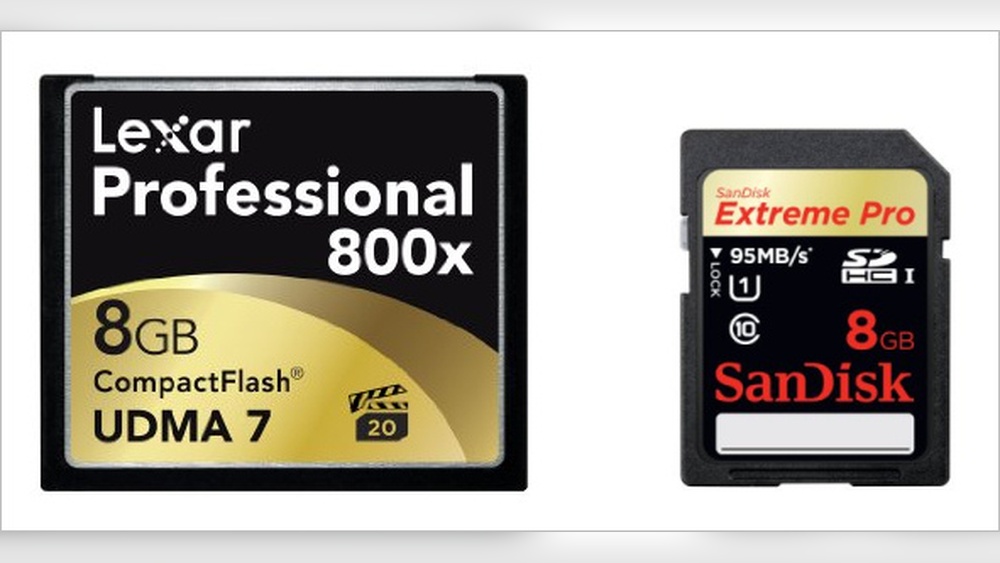
When it comes to choosing the right memory card for your camera or device, you might find yourself stuck between Compact Flash and Secure Digital cards. You want the best speed, storage, and reliability—but which one really fits your needs?
Understanding the key differences can save you time, money, and frustration. Keep reading, and by the end, you’ll know exactly which card to pick for your gear. Your photos and videos deserve the right storage—let’s find it together.
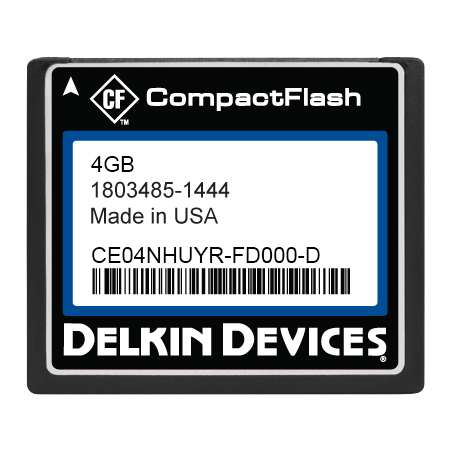
Credit: www.delkin.com
Storage Formats At A Glance
Storage formats matter a lot for cameras, phones, and other devices. Choosing the right card affects speed, capacity, and device compatibility. Compact Flash and Secure Digital are two popular types. Each has its own history and features. Understanding their background helps in making the right choice.
Here is a quick look at both storage formats and how they developed over time.
History Of Compact Flash
Compact Flash (CF) cards arrived in the mid-1990s. They were designed for professional cameras and devices needing fast data transfer. CF cards use a larger form factor than SD cards. Early models had storage of just a few megabytes. Over time, capacity grew to hundreds of gigabytes.
CF cards rely on a parallel interface. This made them fast for their time. They became popular in DSLRs and video equipment. Their size and speed kept them relevant for many years.
Evolution Of Secure Digital Cards
Secure Digital (SD) cards appeared in 1999. They were smaller and more compact than CF cards. Initially, SD cards had low storage capacity and speed. New versions improved these limits quickly. SDHC and SDXC formats now support high capacities and fast speeds.
SD cards use a serial interface. This helps reduce the size and power consumption. They became the standard for smartphones, tablets, and many cameras. Their small size and easy compatibility made them very popular.
Physical Design And Durability
Physical design and durability play a big role in choosing between Compact Flash and Secure Digital cards. These factors affect how well the cards perform and last. Both types have unique features in size, shape, and toughness. Understanding these differences helps pick the right card for different devices and conditions.
Size And Form Factor Comparison
Compact Flash cards are larger and thicker than Secure Digital cards. They measure about 43mm by 36mm and are 3.3mm thick. Secure Digital cards are smaller, roughly 32mm by 24mm and only 2.1mm thick. The smaller size of SD cards makes them ideal for compact devices. CF cards need more space, so they fit better in larger cameras or equipment.
Build Quality And Reliability
Compact Flash cards have a solid build and often include a metal shell. This metal casing protects against drops and rough use. Secure Digital cards are made mostly of plastic but still offer good durability. Both types resist shocks and vibrations, but CF cards tend to handle tough conditions better. SD cards focus on lightweight design while keeping decent strength for everyday use.
Performance And Speed
Performance and speed are key factors when choosing between Compact Flash and Secure Digital cards. These aspects affect how fast your device saves and loads data. They also influence the overall user experience, especially in cameras and other electronics.
Read And Write Speeds
Compact Flash cards often offer higher read and write speeds. This makes them suitable for tasks that need quick data transfer, like shooting high-resolution videos. Secure Digital cards vary widely in speed. Some are fast enough for everyday use, while others support 4K video recording and rapid photo capture. Speed classes and UHS ratings help identify the performance level of SD cards.
Impact On Device Performance
Faster memory cards help devices work smoothly without lag. Compact Flash cards with high speeds reduce the wait time during file transfers. This is useful for professional photographers who take many shots in a short time. Secure Digital cards improve smartphone and tablet responsiveness by speeding up app loading and file access. Slow cards can cause delays, buffering, or even errors in recording data.
Compatibility And Usage
Compatibility and usage play a big role in choosing between Compact Flash and Secure Digital cards. Each type fits different devices and tasks. Understanding where each works best helps pick the right card for your needs.
Supported Devices For Compact Flash
Compact Flash cards fit well in older cameras and professional gear. Many DSLR cameras used them before SD cards became common. They also work with some audio recorders and video equipment. Their large size means they need a bigger slot, so newer small gadgets rarely use them.
Secure Digital Card Applications
Secure Digital cards suit many modern devices. Smartphones, tablets, and digital cameras often use them. They are also common in laptops and game consoles. Their small size and wide range of storage options make them a flexible choice. Many devices support microSD cards, a tiny form of SD, for extra convenience.
Storage Capacity Options
Storage capacity is a key factor when choosing between Compact Flash and Secure Digital cards. Capacity affects how many photos, videos, or files you can store. Different devices need different storage sizes. Understanding the max capacity helps pick the right card.
Max Capacity For Compact Flash
Compact Flash cards offer large storage options. The max capacity can reach up to 512 GB. This size suits professionals who capture high-resolution photos or videos. These cards handle big files easily. They are ideal for cameras and devices needing fast data transfer.
Max Capacity For Secure Digital
Secure Digital cards vary widely in capacity. The max size is up to 1 TB for SDXC cards. This is twice the max size of most Compact Flash cards. SD cards fit well in many devices like smartphones, tablets, and cameras. They balance storage size and convenience for everyday use.

Credit: www.photoreview.com.au
Price And Availability
Price and availability play a big role in choosing between Compact Flash and Secure Digital cards. These factors affect how easily you can buy them and how much you will pay. Understanding these aspects helps you make a smart choice.
Cost Comparison
Secure Digital cards usually cost less than Compact Flash cards. SD cards are made in larger quantities, which lowers their price. Compact Flash cards tend to be pricier because they are used less often.
The price difference grows with higher storage sizes. Large SD cards offer more space for less money. Compact Flash cards with the same storage size can cost double or more.
Market Availability And Trends
Secure Digital cards are widely available in stores and online. Most cameras and devices support SD cards, so they are easy to find. Compact Flash cards have become harder to find as newer devices use SD or other types.
Market trends show SD cards growing in popularity. Many manufacturers focus on SD cards for their devices. Compact Flash cards still serve some professional uses but are less common in everyday gadgets.
Future Of Storage Cards
Storage cards have evolved significantly over the years. Both Compact Flash (CF) and Secure Digital (SD) cards have served as essential tools for photographers, videographers, and tech users. The future of storage cards looks promising with new technologies emerging and changes in user needs. Understanding these trends helps us see which type of card will remain relevant.
Emerging Technologies
New storage technologies focus on speed, capacity, and durability. SD cards are adopting faster standards like UHS-II and UHS-III. These offer higher transfer rates suitable for 4K and 8K video. CF cards are also evolving, with CFast and CFexpress formats providing ultra-fast speeds. These newer formats target professional users with high data demands. Other innovations include improved error correction and better power efficiency. The goal is to support larger files and faster workflows.
Longevity And Market Demand
SD cards dominate consumer electronics such as smartphones and cameras. Their small size and affordability keep them popular. CF cards remain preferred in some professional fields due to durability. They handle heavy use and harsh conditions better. Market demand for SD cards grows faster than CF cards. This trend affects production and availability. Despite this, CF cards will stay relevant for niche uses. Both types will coexist but serve different user needs.

Credit: www.photoreview.com.au
Frequently Asked Questions
What Is The Main Difference Between Compact Flash And Secure Digital?
Compact Flash cards are larger and use a different connection type than Secure Digital cards. SD cards are smaller and more common in everyday devices.
Which Card Type Is Faster For Data Transfer?
Compact Flash cards generally offer faster data transfer speeds than Secure Digital cards. This makes them better for high-speed photography and video.
Are Compact Flash Cards Compatible With All Devices?
No, Compact Flash cards fit only in devices designed for their size and connection. Secure Digital cards are more widely compatible with many gadgets.
Which Storage Card Is More Durable And Reliable?
Compact Flash cards tend to be more robust and last longer under tough conditions. Secure Digital cards are good but can be less durable.
Can Secure Digital Cards Replace Compact Flash Cards In Professional Use?
Secure Digital cards are increasingly used in professional gear due to improved speed and capacity. Still, some pros prefer Compact Flash for certain cameras.
Conclusion
Choosing between Compact Flash and Secure Digital depends on your device and needs. Compact Flash cards offer durability and speed for professional use. Secure Digital cards are smaller and widely compatible with everyday gadgets. Both have different sizes, speeds, and prices.
Think about what fits your camera or device best. Also, consider how much storage you require. Each card type serves a purpose. Your choice should match your specific situation and budget. Simple and clear.