Nintendo Switch Digital Vs Physical: Ultimate Guide to Choose Right

Nintendo Switch Digital Vs Physical

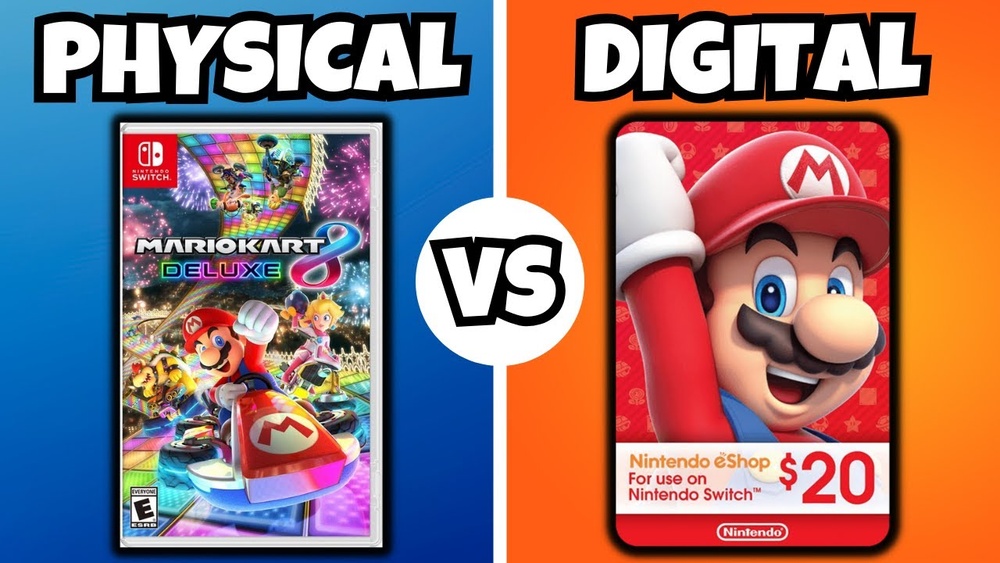
Are you wondering whether to choose Nintendo Switch digital games or physical copies? This decision might seem simple, but it can impact how you play, store, and even save money.

You want the best gaming experience without any hassle or regrets. You’ll discover the real differences between digital and physical Nintendo Switch games. By the end, you’ll know exactly which option fits your gaming style and needs. Keep reading to make a choice you won’t second-guess.

Digital Games On Nintendo Switch

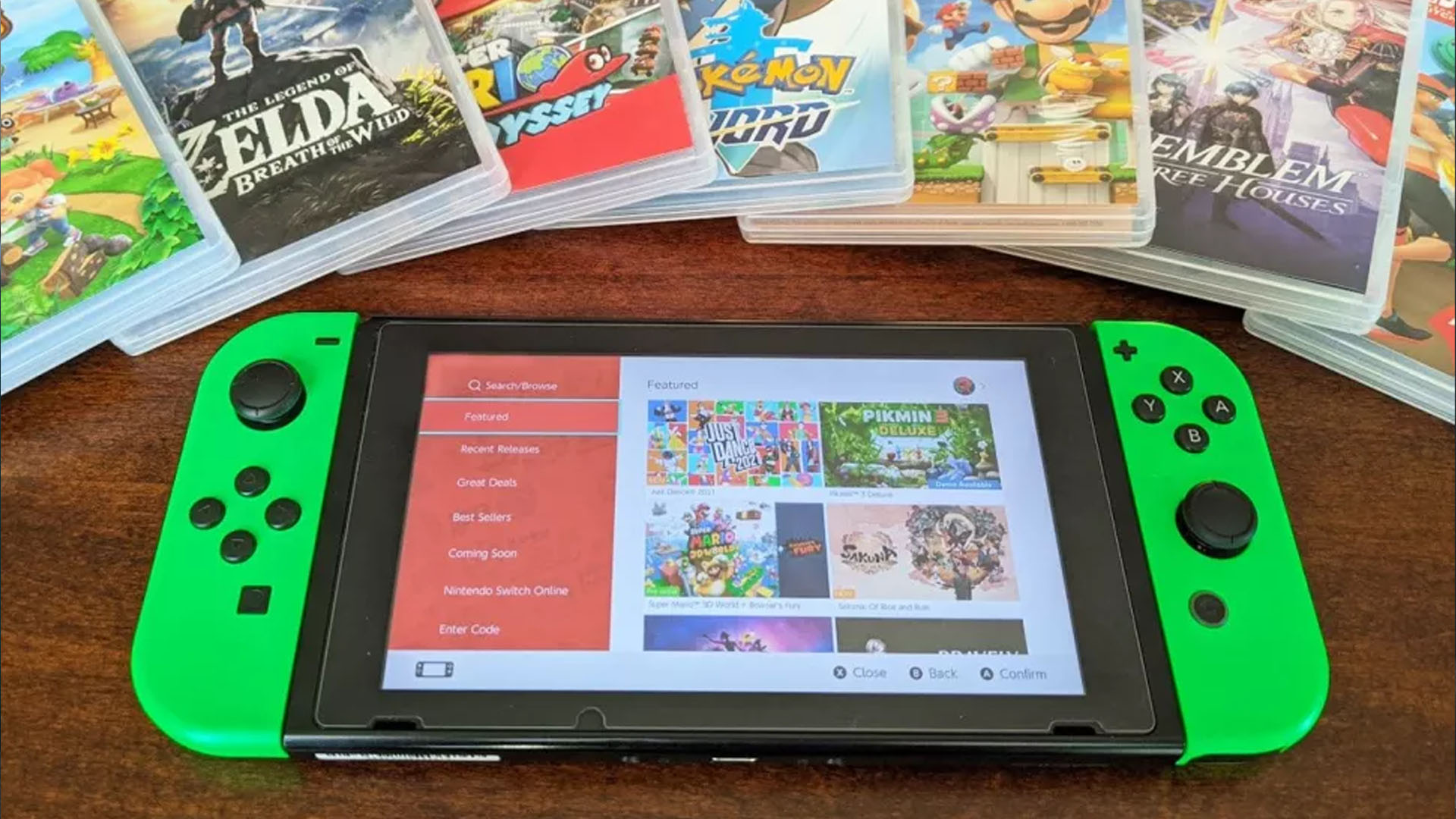
Digital games on the Nintendo Switch offer a different experience than physical copies. These games download directly to your console. You do not need to carry game cards or swap discs. This option suits players who prefer quick access and less clutter.

Many players enjoy the ease of browsing and buying games online. The Nintendo eShop provides a vast library of titles. You can start playing soon after purchase, without waiting for shipping or trips to the store.

Convenience And Accessibility

Digital games are easy to buy anytime and anywhere. Your Switch connects to the internet for instant downloads. No need to visit a store or wait for delivery. Games remain in your library, ready to play whenever you want.

You can switch between games without changing physical cards. This feature saves time and effort. It makes gaming more flexible, especially for people who travel or move often.

Storage Requirements

Digital games take up space on your Switch’s internal memory or SD card. Some games need several gigabytes. You may need to manage storage to keep your favorite titles. Deleting old games and re-downloading later is common.

Physical games do not use storage for the game itself. Still, updates and patches will take space. Careful storage management helps keep your system running smoothly.

Exclusive Digital Deals

Nintendo often offers special discounts on digital games. These deals appear only in the eShop. Sales, bundles, and limited-time offers provide savings. Players who buy digitally can benefit from these exclusive promotions.

Physical games rarely have these kinds of discounts. Digital-only games also appear first online. This option gives players early access to new titles and indie games.

Instant Updates And Patches

Digital games receive updates automatically when connected to the internet. This process fixes bugs and adds content without delay. You do not need to buy new discs or wait for physical updates.

Updates happen quietly in the background. Your game stays current and runs smoothly. This feature improves the overall gaming experience for digital players.
Nintendo Switch Digital Vs Physical: Ultimate Guide to Choose Right

Credit: www.imore.com

Physical Games On Nintendo Switch

Physical games on the Nintendo Switch offer a classic way to enjoy titles. Many players prefer holding a game cartridge in their hands. It creates a sense of ownership that digital files cannot match. Physical copies also come with box art and manuals, adding to the experience.

These games do not rely on internet downloads. Players can start gaming right after popping the cartridge in. This can save time and avoid storage problems on the Switch console. Collectors and casual gamers alike find value in physical editions.

Collectibility And Resale Value

Physical games can become collectibles over time. Rare or limited editions often increase in value. This makes physical copies interesting for collectors. Selling a physical game after playing is easy. Many stores and online platforms accept used games.

No Storage Limitations

Cartridges do not take up digital storage space. This is a big plus for Switch users with limited memory. Players can own many physical games without worrying about storage limits. It also helps keep the console running smoothly.

Sharing And Lending Games

Physical games allow easy sharing with friends and family. Lending a cartridge is simple and does not need extra setup. Players can swap games without digital restrictions. This flexibility encourages social gaming experiences.

Durability And Longevity

Cartridges are sturdy and last for years if cared for. They are less vulnerable to data corruption than digital files. Players can keep physical copies for a long time. This ensures games remain playable even after many years.

Cost Comparison

Choosing between Nintendo Switch digital and physical games often comes down to cost. Understanding the price differences and other factors helps make a smart choice. This section breaks down key points about costs and savings.

Price Differences

Physical games usually cost more upfront. Stores sell them with packaging and shipping costs. Digital games often have lower prices on the Nintendo eShop. Some digital titles launch at full price, but discounts appear faster. Physical copies can be resold or shared, adding value over time.

Sales And Discounts

Digital games get frequent sales on the eShop. Nintendo and third-party sellers offer special discounts regularly. Physical games rely on store sales and clearance events. Digital sales happen year-round, while physical discounts are less common. Sales on digital titles can save significant money.

Subscription Services Impact

Nintendo Switch Online offers free games monthly. These games add value for digital users. Subscribers can access classic games digitally without buying them. Physical game owners do not benefit from this service as much. Subscription perks can reduce the overall cost of digital gaming.

Performance And Usability

Performance and usability are key factors when choosing between Nintendo Switch digital and physical games. Both options offer unique experiences that impact how you play and enjoy your games. Understanding these differences helps pick the right format for your needs.

Loading Times

Physical games usually require the cartridge to load data. This can slow down the start time slightly compared to digital games. Digital games load directly from the internal memory or microSD card, making them faster in many cases. Still, the difference is often small during actual gameplay.

Game Installation Process

Physical games need no installation beyond inserting the cartridge. You can start playing quickly without waiting. Digital games require downloading and installing before playing. This can take time depending on your internet speed. Updates for digital games install automatically, while physical games need updates after inserting the cartridge.

Travel And Offline Play

Physical cartridges work offline with no internet needed. They are easy to carry and swap between Switch systems. Digital games require the console to be linked to your account. Offline play is possible, but some checks may need internet access. Physical games offer more freedom for travel and playing without Wi-Fi.

Space And Portability

Space and portability play a big role in choosing between digital and physical Nintendo Switch games. The way you store and carry your games affects your gaming experience. Each option has its own benefits and challenges in this area.

Physical Game Storage

Physical game cartridges are small and easy to carry. You can keep them in a case or box. This means less space is needed on your Switch console. No need to worry about storage limits on the device. You can swap cartridges anytime without deleting files.

However, carrying many cartridges can become bulky. Losing or damaging a cartridge means losing the game. Physical copies take up space in your bag or pocket. Still, many gamers like the feel of holding a game in their hands.

Digital Library Management

Digital games store directly on the Switch’s internal memory or SD card. This saves physical space and reduces clutter. You can carry hundreds of games without extra weight or bulk. Easy to download and launch games anywhere with Wi-Fi.

Storage size can limit how many digital games you keep. You may need to delete games to free up space. Managing downloads and updates requires some attention. Yet, digital libraries offer quick access to your full collection anytime.

Nintendo Switch Digital Vs Physical: Ultimate Guide to Choose Right

Credit: www.reddit.com

Multiplayer And Sharing Options

Multiplayer and sharing options are key to enjoying the Nintendo Switch. Choosing between digital and physical games affects how you play with others and share games. Both formats offer ways to connect and play together. Understanding these differences helps you pick the best option for your gaming style.

Playing with family and friends is more fun with the right sharing features and multiplayer options. Let’s explore how digital and physical games handle these aspects.

Family Sharing Features

Digital games support family sharing through one main account. This account holds the purchased games. Other users on the same console can access these games. Sharing is easy but limited to one console at a time. Physical games don’t need an account to share. You just swap the game cartridge between players. This works on any Switch console. Digital sharing saves space but requires internet. Physical games offer more freedom for sharing but need the cartridge.

Local Multiplayer Benefits

Physical games shine in local multiplayer. Each player can use their own Switch with a cartridge. No downloads or accounts needed. This makes quick setups easy. Digital games allow local multiplayer too. But some require downloads or extra steps. Physical copies are better if you want fast, hassle-free play with friends in one place. Both types support multiplayer, but physical games offer a simple, direct way to share and play locally.

Choosing Based On Gaming Habits

Choosing between digital and physical Nintendo Switch games depends a lot on your gaming habits. Different types of players have unique needs. Understanding these needs helps you pick the right format.

Your gaming style, collection interest, and internet access all play a role in this choice.

Casual Vs. Hardcore Gamers

Casual gamers often prefer digital games. They want quick access and no need to swap cartridges. Digital downloads let them start playing fast.

Hardcore gamers might lean toward physical copies. They like owning discs and trading games. Physical copies can also be resold or shared.

Collector Preferences

Collectors usually choose physical games. They enjoy the feel of game cases and artwork. Collecting physical copies adds value and nostalgia.

Digital games lack physical presence. They do not offer a tangible collection. Digital libraries only exist on the console.

Internet Connectivity Considerations

Good internet makes digital gaming easy. Downloading and updating games happens smoothly. No need to visit a store.

Poor or limited internet favors physical games. You can play without downloads or waiting. Physical games work offline right away.

Nintendo Switch Digital Vs Physical: Ultimate Guide to Choose Right

Credit: www.youtube.com

Frequently Asked Questions

What Are The Main Differences Between Digital And Physical Switch Games?

Digital games download directly to your console, no disc needed. Physical games come on cartridges you insert into the Switch.

Is Digital Or Physical Better For Saving Space On Switch?

Digital games need internal or SD card storage space. Physical cartridges take no storage but may need updates.

Can I Share Physical And Digital Switch Games With Friends?

Physical games can be lent or shared easily. Digital games are tied to your account and cannot be shared.

Do Digital Switch Games Offer Better Discounts Than Physical Copies?

Digital stores often have sales and discounts. Physical games can be found cheaper in stores or secondhand.

Which Option Is Safer From Loss Or Damage, Digital Or Physical?

Digital games are safe from physical damage but need account access. Physical games can be lost or damaged but don’t rely on accounts.

Conclusion

Choosing between Nintendo Switch digital and physical games depends on your needs. Digital games save space and offer quick access. Physical games can be shared and resold easily. Some players prefer collecting physical copies for their shelves. Others like the convenience of digital downloads.

Both options have clear benefits and small drawbacks. Think about how you play and store games. Your choice should match your habits and budget. Either way, Nintendo Switch offers fun and flexibility. Enjoy your gaming experience the way you want.
Offset Vs Digital Printing: Ultimate Guide to Choosing Right

Offset Vs Digital Printing

When it comes to bringing your ideas to life on paper, choosing the right printing method can make all the difference. You might have heard about offset and digital printing, but which one is truly best for your project?

Understanding the key differences between these two can save you time, money, and frustration. You’ll discover exactly how offset and digital printing work, what makes each unique, and which option suits your needs perfectly. Stick with me, and by the end, you’ll feel confident making the smart choice for your next print job.

Offset Vs Digital Printing: Ultimate Guide to Choosing Right

Credit: printingpressdelhi.com

Printing Basics

Printing plays a key role in sharing information and creating visual materials. Two main printing methods are offset and digital printing. Both have unique ways to put images and text on paper. Understanding these basics helps you choose the right method for your needs.

Each printing type uses different technology and steps. Knowing how they work can save time and money. It also ensures the best quality for your project.

How Offset Printing Works

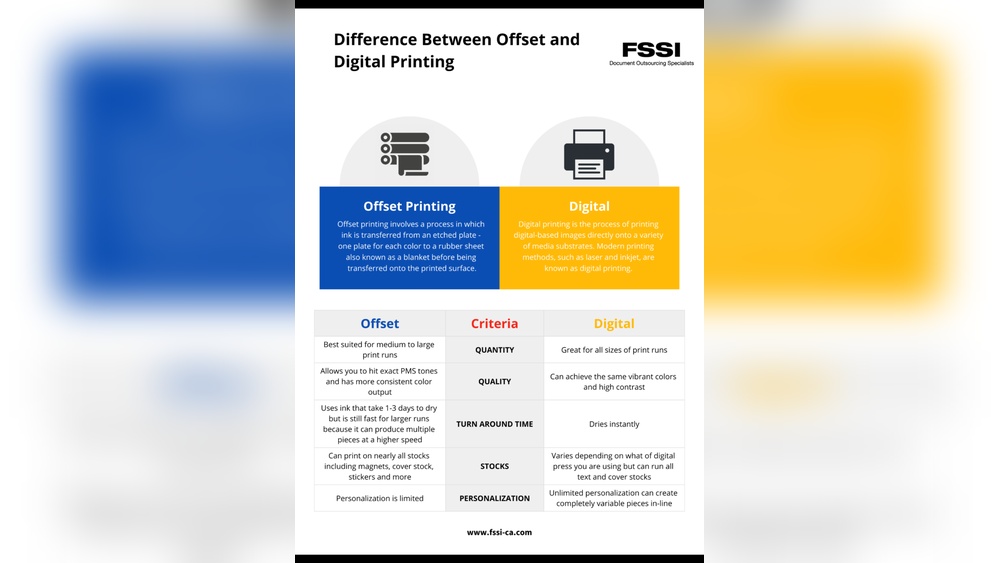
Offset printing uses plates to transfer images. The plates are metal sheets with your design. Ink sticks only to the image areas on the plates. Then, the ink moves from the plate to a rubber blanket. Finally, the blanket presses the ink onto paper.

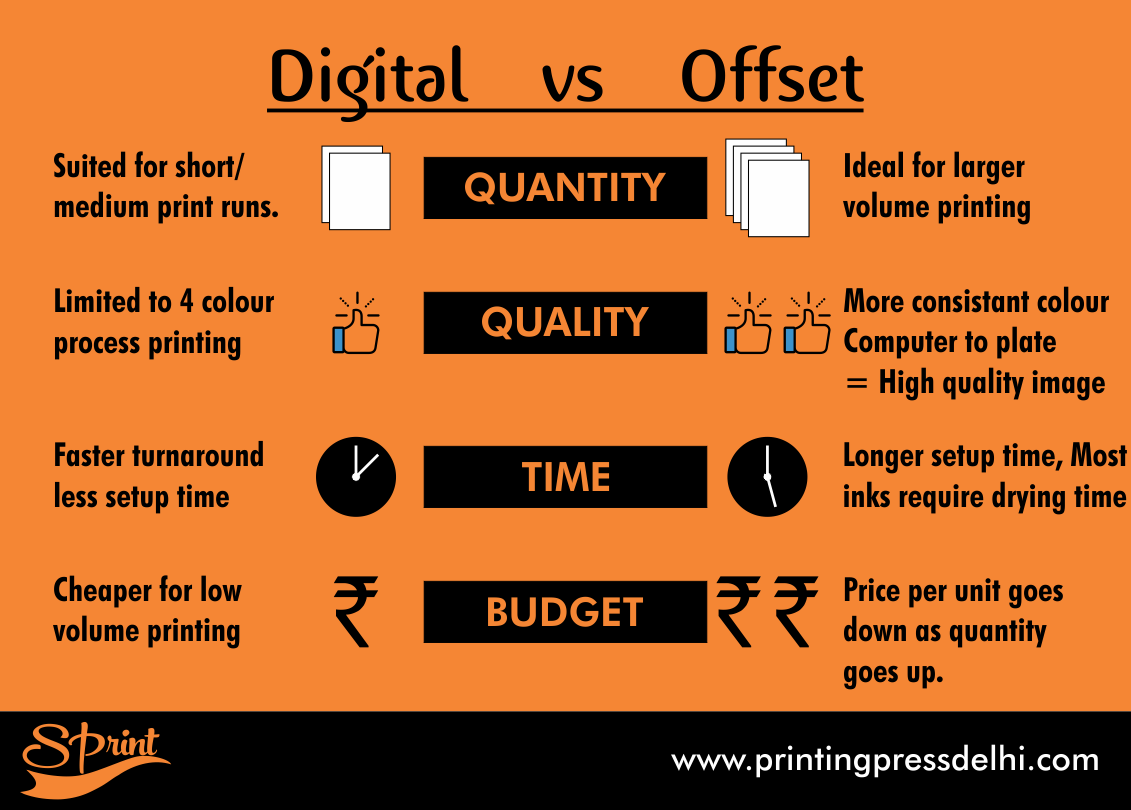
This method works well for large print runs. It creates sharp, clear images and consistent colors. Setup takes time, but cost per piece drops with volume. Offset printing suits books, magazines, and packaging.

How Digital Printing Works

Digital printing skips the plates. It uses digital files sent directly to the printer. The printer sprays tiny droplets of ink or toner onto paper. This process is fast and flexible.

Digital printing fits small or quick jobs. It allows easy changes between prints. Colors may vary slightly from offset printing. This method suits flyers, business cards, and short runs.

Offset Vs Digital Printing: Ultimate Guide to Choosing Right

Credit: www.jukeboxprint.com

Cost Comparison

Cost plays a big role in choosing between offset and digital printing. Each method has different expenses that can affect your budget. Understanding these costs helps you pick the best option for your project.

Setup Costs

Offset printing has high setup costs. Plates need to be made before printing starts. This process takes time and money.

Digital printing setup is quick and cheap. It does not need plates. You just send the file and print.

Per-unit Costs

Offset printing becomes cheaper per unit as you print more. The initial cost spreads out over many copies.

Digital printing has a steady per-unit cost. Each copy costs about the same, no matter the amount.

Cost Efficiency By Volume

Offset printing works best for large print runs. The more you print, the less each item costs.

Digital printing suits small or medium runs. It is cost-effective for fewer copies and quick jobs.

Quality And Detail

Quality and detail are key factors in choosing between offset and digital printing. Both methods offer unique strengths that affect the final look of printed materials. Understanding these differences helps pick the right printing style for your needs.

Image Sharpness

Offset printing produces very sharp images with fine lines and clear details. It uses metal plates that transfer ink precisely onto paper. This method suits projects needing crisp and professional visuals.

Digital printing is good for sharp images but can sometimes miss small details. It uses toner or inkjet technology, which may blur tiny lines slightly. Still, it works well for most everyday prints.

Color Accuracy

Offset printing offers excellent color accuracy and consistency. It uses CMYK inks mixed exactly to match specific colors. This makes it ideal for brand logos and color-sensitive designs.

Digital printing colors can vary slightly between prints. It relies on pre-set color profiles that might not match perfectly every time. For casual prints, this is usually not a big issue.

Material Compatibility

Offset printing works well on many types of paper and materials. It can print on thick cardstock, glossy paper, and textured surfaces without losing quality.

Digital printing is best on standard papers and some coated stocks. It may struggle with very thick or unusual materials. Still, it offers quick printing on common media types.

Offset Vs Digital Printing: Ultimate Guide to Choosing Right

Credit: www.sunprinting.com

Turnaround Time

Turnaround time is a key factor in choosing between offset and digital printing. It affects how fast you get your printed materials ready. Each printing method has unique timing features. Understanding these can help you make the right choice for your project.

Setup Time Differences

Offset printing needs more setup time. Plates must be made for each color. This process takes several hours or even days. Digital printing needs little to no setup. It prints directly from the computer file. This saves a lot of time for small jobs.

Print Speed

Offset printing is very fast once setup is done. It can produce thousands of copies quickly. Digital printing is slower per copy but faster for short runs. It prints one page at a time. Speed depends on the printer model and job size.

Rush Job Feasibility

Digital printing suits rush jobs best. It starts printing immediately. No plate making means no waiting. Offset printing struggles with tight deadlines. Setup time delays the start of printing. Digital offers more flexibility for last-minute orders.

Customization And Flexibility

Customization and flexibility are key factors when choosing between offset and digital printing. Both methods offer unique strengths in handling different printing needs. Understanding these can help you decide which is best for your project.

Variable Data Printing

Digital printing excels in variable data printing. It allows changing text and images for each printed piece. This is great for personalized marketing materials. Offset printing cannot easily change content once the plates are made. Digital printing saves time and money for customized jobs.

Design Changes

Design changes are easier with digital printing. You can update your file quickly before printing. Offset printing requires new plates for any design change. This makes it less flexible and more costly for adjustments. Digital printing suits projects needing frequent updates or edits.

Short Runs And Prototyping

Short runs and prototyping work well with digital printing. It does not require setup costs like offset printing. This makes it cheaper and faster for small batches. Offset printing is better for large runs due to its lower cost per unit. Digital printing helps test designs before mass production.

Environmental Impact

Digital printing often uses less water and creates less waste than offset printing. This makes it a greener choice for small print runs. Offset printing, however, may be better for large jobs but can have a bigger environmental footprint.

Ink And Chemical Use

Offset printing uses oil-based inks and many chemicals. These can harm the environment if not handled well. Digital printing uses water-based or UV inks that are less toxic. It needs fewer chemicals overall. This makes digital printing a cleaner choice for the planet.

Waste Production

Offset printing creates more waste. Plates, paper, and ink leftovers add up quickly. Digital printing produces less waste because it prints on demand. There is no need for plates or long setup processes. This reduces paper waste and energy use significantly.

Sustainability Practices

Many printers now use recycled paper and eco-friendly inks. Digital printing supports these practices better due to small print runs. Offset printing still needs large runs, which can lead to excess stock. Digital printing offers more control, helping reduce environmental impact.

Choosing By Project Type

Choosing between offset and digital printing depends on the type of project. Each method suits different needs and results. Understanding these differences helps pick the best option for your work.

Marketing Materials

Digital printing works well for small batches of flyers, brochures, and posters. It offers quick turnaround and easy changes. Offset printing suits large runs, providing consistent quality and lower cost per piece.

Books And Magazines

Offset printing is ideal for long runs of books and magazines. It produces sharp images and clear text at a lower cost. Digital printing is best for short runs or print-on-demand copies, avoiding excess stock.

Packaging And Labels

Offset printing delivers vibrant colors and sharp details for packaging and labels. It handles large volumes efficiently. Digital printing allows for customization and variable data on smaller batches, perfect for unique designs.

Future Trends

The printing industry is evolving fast. Both offset and digital printing face changes that affect how businesses use them. Understanding future trends helps companies choose the best method. This section explores key shifts shaping printing.

Technological Advances

New machines print faster and with better quality. Digital printers now match offset for color accuracy. Software improvements allow easier design adjustments. Automation reduces human errors and saves time. These advances cut costs and boost efficiency.

Hybrid Printing Solutions

Hybrid printing blends offset and digital methods. It uses the speed of offset for large runs. Digital printing handles short runs and variable data. This mix offers flexibility and lower waste. Businesses get the best of both worlds.

Industry Shifts

Demand grows for eco-friendly and sustainable printing. Companies seek inks and papers with less impact. Digital printing supports on-demand jobs, reducing excess stock. Offset printing adapts by using greener materials. The market moves toward responsible production practices.

Frequently Asked Questions

What Is The Main Difference Between Offset And Digital Printing?

Offset printing uses plates to transfer ink, while digital printing uses digital files directly. Offset suits large runs; digital is best for short runs and quick jobs.

Which Printing Method Is Cheaper For Small Print Runs?

Digital printing is cheaper for small print jobs because it has lower setup costs. Offset printing requires costly setup, so it is better for large quantities.

How Does Print Quality Compare Between Offset And Digital Printing?

Offset printing generally offers higher image quality and color accuracy. Digital printing quality has improved but may not match offset for fine details.

Can Offset Printing Handle Complex Color Designs?

Yes, offset printing manages complex color designs well with precise color matching. It uses CMYK and spot colors for vibrant, consistent results.

Is Digital Printing Faster Than Offset Printing?

Digital printing is faster since it skips plate creation and setup. Offset printing takes longer but is efficient for high-volume projects.

Which Printing Method Is More Eco-friendly?

Digital printing is usually more eco-friendly due to less waste and fewer chemicals. Offset printing uses more resources and creates more waste.

When Should I Choose Offset Printing Over Digital Printing?

Choose offset printing for large orders needing high quality and consistent colors. Digital printing is better for quick, small, or personalized jobs.

Conclusion

Choosing between offset and digital printing depends on your needs. Offset printing suits large orders with consistent quality. Digital printing works best for small runs and quick jobs. Cost, speed, and print volume all matter in your decision. Each method has clear strengths for different projects.

Knowing these differences helps you pick the right option. This way, your prints will look great and meet your goals. Keep your budget and timeline in mind too. Now, you can make a smart choice for your printing needs.

Digital Piano Vs Keyboard: Ultimate Guide to Choose the Best

Digital Piano Vs Keyboard

Are you torn between choosing a digital piano or a keyboard? You’re not alone.

Both offer great ways to enjoy music, but they serve different needs and styles. Understanding their key differences can save you time, money, and frustration. You’ll discover which option fits your goals, skill level, and budget. Keep reading to find out how to make the best choice for your musical journey.

Key Differences Between Digital Pianos And Keyboards

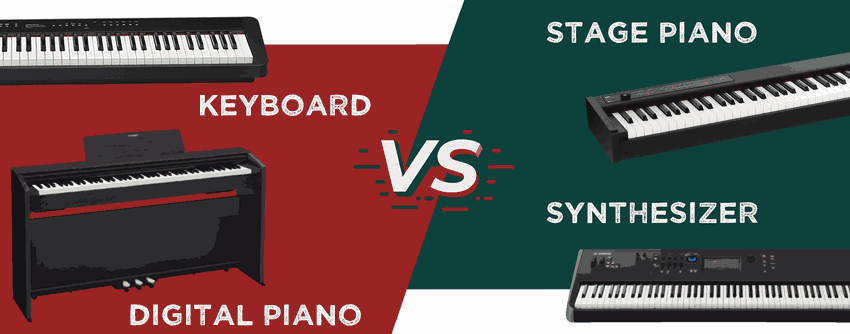
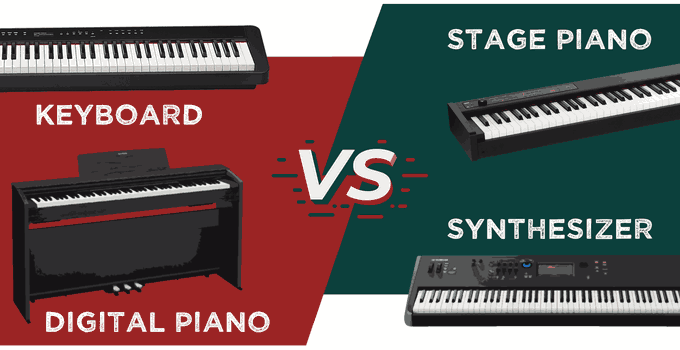
Digital pianos and keyboards both serve musicians but differ in many ways. These differences affect how they sound, feel, and function. Knowing these can help you choose the best instrument for your needs.

Sound Quality And Tone

Digital pianos focus on producing a rich, natural piano sound. They use high-quality samples from real acoustic pianos. Keyboards offer various sounds, not just piano tones. These include strings, drums, and synth effects. The sound quality on keyboards varies widely.

Keyboard Action And Feel

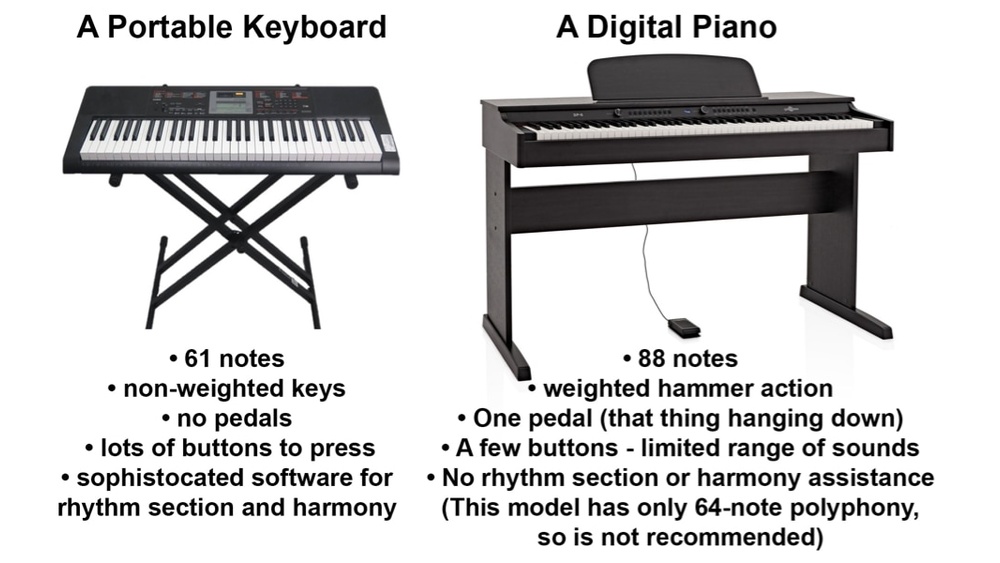
Digital pianos have weighted keys that mimic an acoustic piano’s feel. This helps with finger strength and playing technique. Keyboards often have lighter, unweighted keys. They are easier to press and better for beginners or quick playing.

Portability And Size

Keyboards are usually smaller and lighter. This makes them easy to carry and store. Digital pianos tend to be larger and heavier. They often look like traditional pianos and require more space.

Features And Functions

Keyboards come with many built-in features. These include rhythms, recording options, and learning tools. Digital pianos focus on replicating a real piano experience. They have fewer extra sounds and functions.

Price Range

Digital pianos generally cost more due to their realistic sound and feel. Keyboards are available in a wide price range. Budget models are affordable, while advanced ones can be expensive.

Choosing Based On Skill Level

Choosing between a digital piano and a keyboard depends a lot on skill level. Each type suits different players. Understanding your level helps pick the right instrument. This choice can improve practice and enjoyment.

Beginners And Learning

Beginners need simple tools to start well. Digital pianos offer weighted keys that feel like real pianos. This helps build finger strength and good habits. Keyboards are lighter and often cheaper. They have many sounds and rhythms, which can make learning fun. For true beginners, a keyboard may be enough to explore music.

Intermediate Players

Intermediate players want more features and better sound quality. Digital pianos provide realistic piano tones and touch response. This supports skill growth and playing accuracy. Keyboards offer variety and portability, which suit different styles. Players at this level benefit from an instrument that encourages daily practice and skill improvement.

Advanced Musicians

Advanced musicians need high-quality sound and feel. Digital pianos often have graded hammer action keys that mimic acoustic pianos. They include detailed sound samples for expressive play. Keyboards at this level focus on versatility and extra functions like recording. Professionals choose based on style and performance needs. A good instrument helps refine technique and expression.

Sound And Speaker Systems

Sound and speaker systems are key factors when choosing between a digital piano and a keyboard. They affect how the music sounds and the overall playing experience. Understanding the differences helps you pick the best option for your needs.

Built-in Speakers

Digital pianos usually have strong built-in speakers. They create rich, clear sounds that mimic an acoustic piano. Keyboards often have smaller speakers. These may not deliver as deep or natural sound as digital pianos. Built-in speakers are handy for practice and small rooms.

External Amplification

Both digital pianos and keyboards can connect to external amps or speakers. This boosts volume for bigger spaces or performances. Keyboards often need external amplification for better sound. Digital pianos may not require it due to better built-in speakers. External amplification adds flexibility for different settings.

Sound Customization

Keyboards offer many sound options, from pianos to synths and drums. Players can adjust tones and effects easily. Digital pianos focus on authentic piano sounds, with fewer customization choices. They aim for a true piano feel. Sound customization is great for creative players and various music styles.

Digital Piano Vs Keyboard: Ultimate Guide to Choose the Best

Credit: www.pianodreamers.com

Portability And Space Considerations

Choosing between a digital piano and a keyboard often depends on space and how easy it is to move the instrument. Both have unique features that fit different needs.

Portability and space are key factors for many players. Some need an instrument for home use only. Others want something they can take on the road. Storage also matters in small rooms or apartments.

Home Use

Digital pianos usually look and feel like traditional pianos. They often take up more room. They need a sturdy stand or furniture. This suits players with enough space at home.

Keyboards are lighter and smaller. They fit on tables or special stands. They are perfect for limited space or simple setups. Many models have built-in speakers, so no extra gear is needed.

Travel And Gigging

Keyboards win for travel and gigs. They weigh less and come with carry bags. Setting up is quick and easy. Many have battery power for places without plugs.

Digital pianos are heavier and bulkier. Moving them requires extra care and helpers. Some portable models exist but still weigh more than keyboards.

Storage Options

Keyboards fold down or slide into small spaces. They fit under beds or in closets. Digital pianos need dedicated space and often stay in one spot.

Choosing the right instrument saves room and hassle. Think about where you will use and keep your instrument.

Additional Features To Consider

Choosing between a digital piano and a keyboard involves more than just sound and feel. Extra features can greatly affect your playing experience. These features help with practice, creativity, and connection to other devices. Consider these options carefully to find the right fit for you.

Recording And Connectivity

Many digital pianos and keyboards come with recording options. You can capture your playing and listen back to improve. Some models allow multi-track recording for layering sounds.

Connectivity matters too. USB and MIDI ports link your instrument to computers or apps. Bluetooth support makes wireless connections possible. This helps share music or use digital tools easily.

Built-in Rhythms And Voices

Keyboards often include many rhythms and instrument voices. This lets you play with backing tracks and different sounds. Digital pianos usually have fewer voices but focus on piano tones.

Rhythms can help you keep time and add fun to practice. Voices let you explore other music styles without extra gear.

Learning Tools And Apps

Some instruments come with built-in lessons or apps for learning. Light-up keys and metronomes guide your practice. These tools support beginners and help track progress.

Apps can offer sheet music, tutorials, and interactive games. They make learning simple and engaging. Check if the instrument supports popular learning apps.

Digital Piano Vs Keyboard: Ultimate Guide to Choose the Best

Credit: www.pianodreamers.com

Maintenance And Durability

Maintenance and durability are key factors when choosing between a digital piano and a keyboard. Both require care to stay in good shape. Their build quality and how you look after them affect how long they last.

Understanding these points helps you make a smart choice. It also saves money on repairs or replacements later.

Build Quality

Digital pianos usually have heavier, solid parts. They often mimic traditional pianos with sturdy keys and frames. Keyboards tend to be lighter and made with plastic. This makes them easy to carry but less tough.

Strong build quality means less chance of damage. Digital pianos can handle regular use better. Keyboards are good for beginners or casual players who move their instrument often.

Care Tips

Keep both instruments away from dust and moisture. Use a soft cloth to clean the surface. Avoid liquids near the keys to prevent damage. Store them in a safe place when not used.

Regularly check cables and connections. Loose parts can cause problems over time. Cover your digital piano or keyboard with a dust cover. This simple step extends the life of the instrument.

Longevity

Digital pianos tend to last longer due to their sturdy build. They can serve players for many years with proper care. Keyboards may wear out faster, especially if moved often.

Some keyboards have replaceable parts, which helps extend their life. Choosing a model with good reviews on durability is smart. Proper maintenance boosts the lifespan of either instrument.

Popular Models And Brands

Choosing between a digital piano and a keyboard means understanding the best models and brands. Popular options vary by features, sound quality, and price. Some brands focus on authentic piano feel. Others offer versatile keyboards with many sounds and functions.

This section highlights top digital pianos, keyboards, and budget-friendly choices. Each category includes trusted brands known for quality and reliability. These picks help buyers make smart decisions based on needs and budgets.

Top Digital Pianos

Yamaha is a leading name in digital pianos. Their P-Series offers realistic key action and great sound. Roland is another top brand with models like the FP series. These pianos mimic acoustic piano touch well. Casio also makes popular digital pianos, such as the Privia line. They balance price and performance effectively.

Top Keyboards

Korg and Yamaha dominate the keyboard market. Korg’s B2 and Korg EK-50 provide many voices and rhythms. Yamaha’s PSR series offers user-friendly features for beginners. Casio’s CT and WK series include portable, versatile keyboards. They suit players wanting variety in sounds and styles.

Budget-friendly Options

Alesis and Donner produce affordable digital pianos and keyboards. Alesis Recital is popular for its weighted keys and sound quality. Donner’s DEP series gives good value with basic piano features. Yamaha and Casio also have entry-level models priced for beginners. These options suit learners who want quality without a high cost.

Digital Piano Vs Keyboard: Ultimate Guide to Choose the Best

Credit: www.youtube.com

Making The Final Choice

Choosing between a digital piano and a keyboard can feel tricky. Both have unique features that fit different players. Understanding your needs and testing options helps make a clear choice. Also, knowing where to buy is important for a smooth purchase.

Assessing Your Needs

Think about your skill level and goals. Beginners may want a keyboard with simple functions. More serious players might prefer a digital piano with weighted keys. Consider space and budget too. Decide if portability is important or if you need a full piano feel.

Testing Before Buying

Try both instruments in a store. Play different sounds and check the key feel. Notice how the keys respond to touch. Listen to the sound quality carefully. Testing helps you find what feels right for your style and comfort.

Where To Purchase

Buy from a reliable music store or a trusted online retailer. Music stores let you try instruments and get expert advice. Online shops offer more options and often better prices. Look for stores with good return policies and customer support.

Frequently Asked Questions

What Is The Main Difference Between Digital Piano And Keyboard?

A digital piano mimics an acoustic piano’s sound and feel. A keyboard offers more sounds and features but less realistic keys.

Which Is Better For Beginners, Digital Piano Or Keyboard?

Keyboards are usually better for beginners due to lighter keys and more learning features. Digital pianos help build strong piano technique.

Can Digital Pianos Be Used For Live Performances?

Yes, digital pianos can be used live, especially models with good speakers or output jacks. They offer authentic piano sound on stage.

Do Keyboards Offer More Sound Options Than Digital Pianos?

Yes, keyboards provide a wide range of sounds, including drums, strings, and synths. Digital pianos focus mainly on piano tones.

Is Portability A Factor Between Digital Pianos And Keyboards?

Keyboards are generally lighter and easier to carry. Digital pianos tend to be heavier because of weighted keys and larger frames.

Conclusion

Choosing between a digital piano and a keyboard depends on your needs. Digital pianos offer a feel closer to real pianos. Keyboards provide more sounds and features for variety. Think about your skill level and budget before deciding. Both instruments can help you enjoy music and improve skills.

Play around with each to find what suits you best. Keep practicing, and most of all, have fun making music!