
Are you confused about the difference between digital input and analog input? You’re not alone.
Understanding these two types of signals is key to working with electronics, sensors, and everyday devices. Knowing how they work can help you make smarter choices in your projects or even improve your tech skills. Keep reading, and you’ll discover clear, simple explanations that make these concepts easy to grasp—plus practical tips you can start using right away.
Don’t miss out on unlocking the power behind your devices!
Credit: www.wellpcb.com
Digital Input Basics
Digital inputs are a key part of many electronic systems. They allow devices to understand simple signals. These signals have only two states. This makes digital inputs easy to read and use in many applications.
Understanding digital input basics helps in choosing the right input type. It also helps in designing better electronic systems. Below are the main points about digital inputs.
Definition And Examples
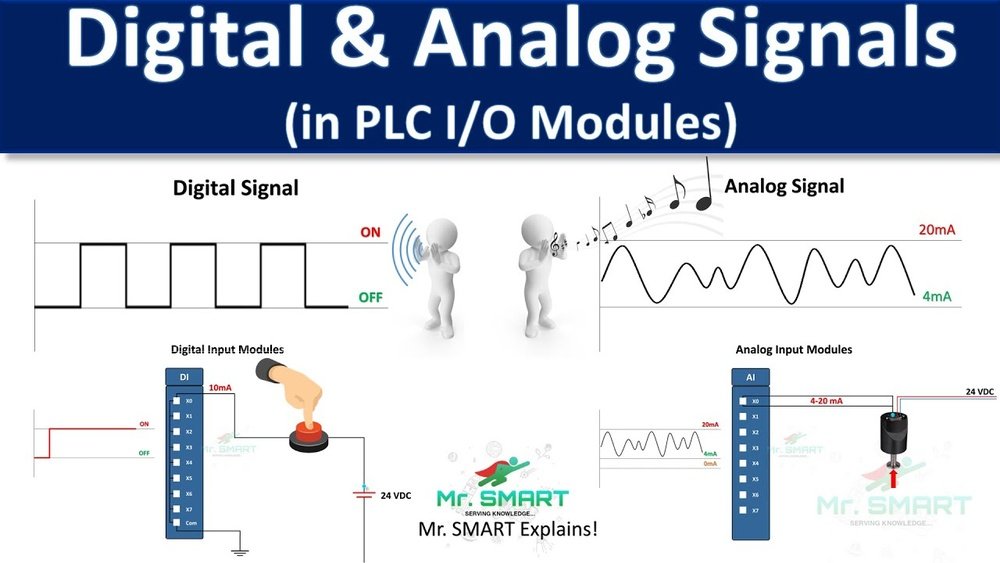
A digital input reads signals that have two states: ON or OFF. These states are often called HIGH or LOW. The signal is either 1 (high) or 0 (low).
Examples include a light switch, a button press, or a sensor output. A door sensor that shows open or closed is a digital input. The signal does not have values in between.
Signal Characteristics
Digital input signals are simple and clear. They use specific voltage levels to show ON or OFF. For example, 5 volts may mean ON, and 0 volts means OFF.
The signal changes quickly between these two states. There is no middle value or range. This makes digital signals easy to process and less prone to noise.
Common Applications
Digital inputs are common in many devices. They are used in computers, home appliances, and security systems. A keyboard key press is a digital input.
They also work in industrial machines to detect switches or buttons. Digital inputs help control systems decide what action to take. They are reliable and simple to use.

Credit: www.industrialautomationco.com
Analog Input Basics
Analog input plays a key role in how devices sense the world around them. It captures real-world data as continuous signals. These signals change smoothly and carry detailed information. Understanding analog input basics helps in many technology fields.
Definition And Examples
Analog input means a signal that varies over time. Unlike digital signals, it is not limited to just two states. For example, a microphone picks up sound waves as analog input. A temperature sensor also sends analog signals based on heat levels.
Signal Characteristics
Analog signals have infinite values within a range. They change smoothly and continuously. This allows precise measurement of real-world events. The signal can be voltage, current, or another physical quantity. Noise and distortion can affect analog signals.
Common Applications
Analog inputs are used in many devices. Thermostats measure temperature using analog data. Medical equipment monitors heartbeats through analog signals. Audio equipment captures sound with analog inputs. They help machines understand and respond to the environment.
Signal Processing Differences
Signal processing differs greatly between digital and analog inputs. These differences affect how devices read and interpret data. Understanding these variations helps in choosing the right input type for your project.
Data Representation
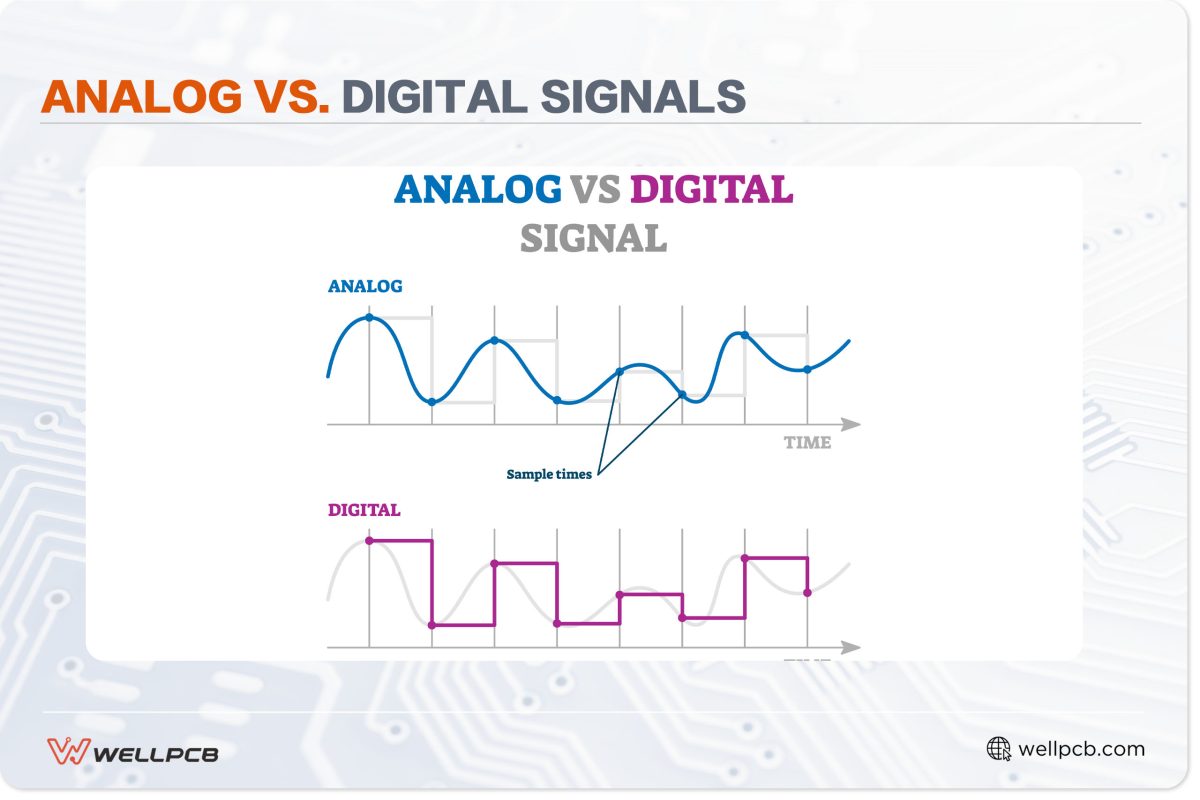
Analog inputs represent data as continuous signals. These signals vary smoothly over time. Digital inputs use discrete values, usually zeros and ones. This binary format is easier for computers to process and store.
Noise And Accuracy
Analog signals are prone to noise from the environment. This noise can distort the signal and reduce accuracy. Digital signals are less affected by noise because they use clear, distinct values. This makes digital inputs more reliable for precise data.
Conversion Methods
Analog signals require conversion to digital form for processing. This is done using an Analog-to-Digital Converter (ADC). The ADC samples the analog signal at intervals and converts it into digital data. Digital inputs do not need this conversion step, as they are already in a digital format.

Credit: www.youtube.com
Hardware Requirements
Hardware requirements differ between digital and analog inputs. These needs affect what sensors and devices you use, the input interfaces required, and system compatibility. Understanding these factors helps in choosing the right hardware for your project.
Sensors And Devices
Digital inputs require sensors that output clear on/off signals. Examples include push buttons, switches, and digital temperature sensors. These sensors send signals as either 0 or 1, representing off or on states.
Analog inputs use sensors that output a range of values. Common devices include potentiometers, light sensors, and thermistors. They provide varying voltages or currents depending on the measurement.
Input Interfaces
Digital inputs connect directly to microcontroller pins configured for digital reading. These interfaces are simple and need less processing power. They read high or low voltage levels without extra conversion.
Analog inputs require analog-to-digital converters (ADCs). ADCs transform continuous signals into digital values for the processor. Many microcontrollers have built-in ADCs, but external ones may be necessary for higher precision.
Compatibility Considerations
Check if your microcontroller supports the input type. Some devices handle only digital signals, while others support both analog and digital. Matching sensor output with the input type avoids damage and errors.
Voltage levels must match between sensors and input pins. Digital inputs often use 3.3V or 5V logic levels. Analog sensors must operate within the ADC’s voltage range to provide accurate readings.
Performance And Reliability
Performance and reliability are key factors in choosing between digital and analog inputs. These aspects affect how well a system functions and how long it lasts. Understanding the differences helps in making the right choice for your project or device.
Response Time
Digital inputs typically offer faster response times. They switch clearly between on and off states. This quick change reduces delay in signal processing. Analog inputs take longer because they measure a range of values. This measurement needs extra time to convert signals into usable data.
Signal Integrity
Digital signals maintain high integrity over long distances. They resist noise and interference better than analog. Analog signals are more prone to distortion. Noise can alter the signal, leading to errors. Proper shielding and cables can improve analog signal quality.
Environmental Impact
Digital inputs handle harsh environments well. They are less affected by temperature and humidity changes. Analog inputs can drift or degrade under extreme conditions. This can cause inaccurate readings and system failures. Choosing the right input type depends on the environment where it operates.
Choosing Between Digital And Analog
Choosing between digital and analog inputs depends on several important factors. Both types have unique strengths that suit different projects. Understanding these differences helps select the right input for your needs.
Application Needs
Digital inputs read simple on/off signals. They work well for switches and sensors that give clear yes or no answers. Analog inputs measure a range of values. They are best for sensors that detect temperature, pressure, or light levels. Pick digital for clear, simple signals. Choose analog for detailed, variable data.
Cost Factors
Digital input systems often cost less. They require simpler components and less processing power. Analog systems can be more expensive. They need precise converters and more complex circuits. Consider your budget and the value of detailed data before deciding.
Scalability And Flexibility
Digital inputs are easy to expand. Adding more on/off sensors is simple and cheap. Analog inputs offer more flexibility. They provide richer data but need careful calibration. Choose based on how much you want to grow or change your system later.
Future Trends
The future of digital and analog inputs is full of exciting changes. Technology keeps improving. This will affect how devices read and use data. Understanding these trends helps us prepare for smarter systems. Both digital and analog inputs will evolve to meet new needs.
Advancements In Input Technologies
Sensors are getting smaller and more accurate. New materials improve sensitivity and durability. Signal processing is faster and more efficient. This means devices can handle complex tasks better. Both digital and analog inputs will benefit from these changes. More precise inputs lead to better control and feedback in machines.
Integration With Iot
Internet of Things (IoT) connects many devices to the internet. Digital and analog inputs play a key role here. They collect data from the environment and send it to the cloud. This allows real-time monitoring and decision-making. Devices can work together smoothly using shared data. IoT will push input systems to become smarter and more responsive.
Emerging Use Cases
New applications require advanced input methods. Smart homes use inputs to control lighting and temperature. Health devices monitor vital signs with precise analog sensors. Industrial machines rely on digital inputs for safety and efficiency. Robotics combine both input types to perform complex tasks. These use cases show how inputs shape future technology.
Frequently Asked Questions
What Is The Main Difference Between Digital And Analog Input?
Digital input uses only two states: ON or OFF. Analog input reads a range of values, like temperature or light intensity.
How Do Digital Inputs Work In Electronic Devices?
Digital inputs detect signals as either 0 or 1. This helps devices understand simple ON/OFF commands quickly.
Why Are Analog Inputs Important For Sensors?
Analog inputs capture changing values from sensors. This helps measure real-world data like speed or pressure smoothly.
Can Digital And Analog Inputs Be Used Together?
Yes, many systems combine both inputs. This allows precise control and simple on/off actions in one device.
Which Input Type Is Better For Accuracy, Digital Or Analog?
Analog inputs offer more precise data over a range. Digital inputs are more reliable for simple, clear signals.
Conclusion
Digital and analog inputs serve different roles in electronics. Digital inputs handle simple on/off signals. Analog inputs measure a range of values, like temperature or light. Choosing the right input type depends on your project’s needs. Both have strengths and limits to consider.
Understanding these differences helps you design better systems. Keep these points in mind for clearer, more accurate data. This knowledge makes working with sensors and devices easier. Your electronics projects will benefit from the right input choice.