
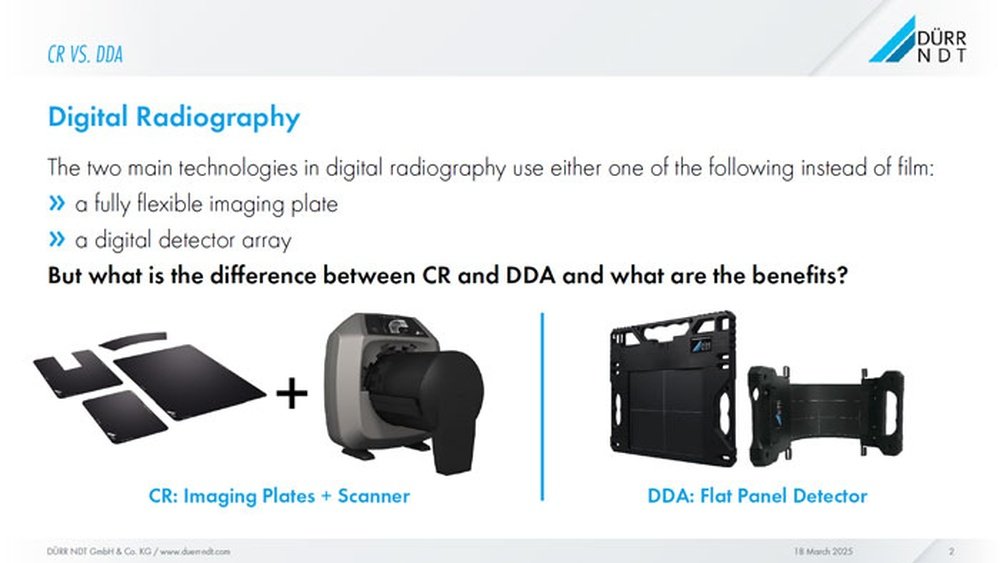
Are you confused about the difference between Computed Radiography and Digital Radiography? You’re not alone.
Choosing the right imaging method can feel overwhelming, especially when both sound so similar. But understanding how each works can make a big difference for your health, your time, and even your wallet. This article will clear up the confusion and help you know exactly what to expect from each option.
Keep reading—you’ll discover key facts that could change how you view medical imaging forever.

Credit: www.youtube.com
Basics Of Computed Radiography
Computed Radiography (CR) is a medical imaging method that uses special technology to create X-ray images. It is a step between traditional film X-rays and fully digital systems. CR captures images on plates instead of film. These plates store the image data and then transfer it to a computer. This process helps doctors see inside the body without surgery.
CR is widely used in hospitals and clinics. It improves image handling and reduces the need for chemicals used in film processing. Understanding how CR works helps to see its role in medical imaging today.
How Computed Radiography Works
CR uses a special plate coated with photostimulable phosphor. When X-rays hit the plate, it stores the energy from the rays. The plate is then scanned with a laser beam. This laser releases the stored energy as light. A sensor captures this light and converts it into an electronic signal. The signal creates a digital image on a computer screen. Doctors can then analyze the image to diagnose problems.
Equipment Used In Computed Radiography
The main equipment includes the CR plate, a laser scanner, and a computer system. The CR plate replaces traditional X-ray film. The laser scanner reads the plate after exposure. It sends image data to the computer. The computer processes and displays the image. Other tools like image storage systems help manage patient records. This setup makes CR flexible and easy to use in many settings.
Image Quality In Computed Radiography
CR images have good quality but vary by system and technique. The digital images can be adjusted for brightness and contrast. This helps improve the view of bones and tissues. CR images have less detail than some digital systems. Still, they are clear enough for many diagnoses. The ability to enhance images helps doctors find issues faster. CR provides a reliable way to see internal body structures.
Basics Of Digital Radiography
Digital radiography is a modern method of taking X-ray images. It uses digital sensors instead of traditional film. This technology helps doctors see inside the body quickly and clearly. Digital radiography has many benefits, such as faster image processing and easier storage.
Understanding the basics helps to see why it is widely used in medical fields today. It improves patient care by providing sharper images and reducing radiation exposure.
How Digital Radiography Works
Digital radiography captures X-ray images using digital sensors. These sensors convert X-rays into electronic signals. The signals then create a digital image on a computer screen. This process happens almost instantly. No need to develop film in a darkroom.
The images can be adjusted for better clarity. Doctors can zoom in or change contrast. This flexibility helps in diagnosing problems more accurately.
Equipment Used In Digital Radiography
The main equipment includes a digital sensor or detector. It replaces traditional X-ray film. A computer system processes and displays images. Sometimes, a flat panel detector is used. This device is thin and lightweight.
A typical digital radiography setup also has an X-ray tube. It produces the X-rays needed for imaging. The entire system is designed for quick image capture and easy handling.
Image Quality In Digital Radiography
Digital radiography provides clear and detailed images. It can show small differences in tissue density. This makes it easier to spot issues like fractures or infections.
Images are sharp and can be enhanced using software. This helps doctors make better decisions. The quality reduces the need for retakes, saving time and radiation dose.
Comparing Image Acquisition
Comparing image acquisition in computed radiography (CR) and digital radiography (DR) reveals key differences. These differences affect how quickly images are captured, stored, and processed. Understanding these aspects helps medical staff choose the right technology for their needs.
Speed And Efficiency
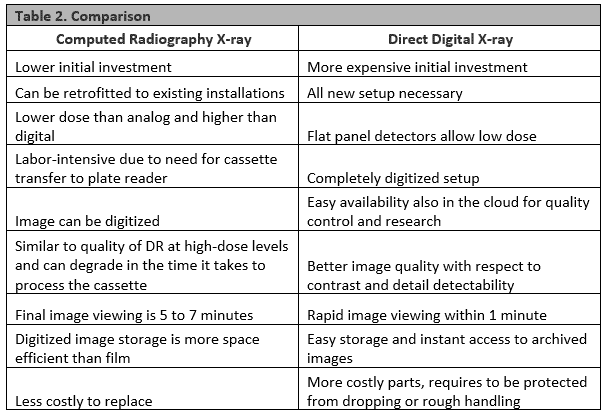
Digital radiography captures images instantly. The sensor converts X-rays directly into digital images. This reduces the wait time for results. Computed radiography uses a cassette with a special plate. The plate must be scanned after exposure, which takes more time. DR offers faster workflows and quicker patient care.
Image Storage And Retrieval
Digital radiography stores images directly in a computer system. Images can be accessed immediately from any workstation. Computed radiography requires manual transfer of images from the scanner to storage. This adds extra steps and delays. DR simplifies image management and helps avoid lost files.
Image Processing Techniques
Both CR and DR allow image enhancement using software. DR images often have higher resolution and better contrast. This helps in clearer diagnosis. CR images need more processing to improve quality. DR’s advanced processing tools provide sharper and more detailed images quickly.

Credit: ndtblog-us.fujifilm.com
Radiation Exposure Differences
Radiation exposure is a key concern in both Computed Radiography (CR) and Digital Radiography (DR). It affects patient safety and image quality. Understanding the differences in radiation doses helps in choosing the right technology for medical imaging.
Dose Levels In Computed Radiography
Computed Radiography uses a special plate to capture X-ray images. This process often requires a higher radiation dose than digital methods. The imaging plates need enough exposure to produce clear pictures. Sometimes, this means patients receive more radiation during CR scans.
Higher dose levels in CR can affect patient safety, especially in repeated exams. Medical staff must monitor and control exposure carefully. Despite this, CR remains useful in many settings due to its cost and flexibility.
Dose Levels In Digital Radiography
Digital Radiography captures images directly with a digital sensor. This method usually needs less radiation than CR. The sensors are more sensitive, allowing clear images at lower doses. Patients benefit from reduced radiation exposure during DR exams.
Lower dose levels in DR help reduce risks linked to radiation. The fast processing also improves workflow and patient comfort. DR technology is becoming more common in hospitals and clinics for these reasons.
Safety Considerations
Both CR and DR require strict safety protocols to protect patients and staff. Limiting radiation dose is a top priority in imaging centers. Protective equipment and proper training support safe use of both technologies.
Regular equipment checks ensure accurate dose delivery. Staff should follow guidelines to minimize unnecessary exposure. Choosing the right radiography method depends on balancing image quality and radiation safety.
Cost And Maintenance Factors
Cost and maintenance play a big role in choosing between computed radiography (CR) and digital radiography (DR). These factors affect the budget and daily work of clinics and hospitals. Understanding the costs and upkeep helps make a smart decision.
Initial Investment
Computed radiography systems usually cost less at the start. They use special plates to capture images, which are cheaper than digital sensors. Digital radiography requires a higher upfront cost because of advanced technology. The digital sensors and software raise the initial price. Smaller clinics might prefer CR because of lower startup costs.
Operational Costs
Operational costs include running the equipment and supplies. CR needs plates that wear out and must be replaced regularly. This adds to ongoing expenses. DR systems cut costs by creating images instantly without extra materials. Power use is similar for both, but DR often saves time, reducing staff costs. Over time, DR may be cheaper to operate.
Maintenance Requirements
CR machines need regular cleaning and plate care to avoid image errors. Plates can get scratched or damaged and need replacement. DR systems require less frequent maintenance but need software updates. Sensor repairs can be costly if damaged. Both systems need trained staff for upkeep. Keeping machines in good shape ensures clear images and reliable service.
Clinical Applications And Suitability
Clinical applications of Computed Radiography (CR) and Digital Radiography (DR) vary based on their technology. Each suits different medical environments and patient needs. Understanding these differences helps in choosing the right tool for better diagnosis and treatment.
Best Uses For Computed Radiography
Computed Radiography is ideal for clinics with limited budgets. It works well in settings that already use traditional X-ray equipment. CR is flexible because it uses imaging plates that can be reused. It suits general radiology tasks like chest X-rays and bone imaging. CR also performs well in mobile units and remote areas. It provides decent image quality for many routine exams. The process is slower than DR but still effective for many uses.
Best Uses For Digital Radiography
Digital Radiography offers faster image capture and viewing. It is perfect for busy hospitals needing quick results. DR provides higher image resolution, which helps in detailed diagnostics. It is great for emergency rooms, dental clinics, and orthopedics. DR reduces radiation exposure compared to CR. It supports advanced image processing for better clarity. The system allows instant sharing of images for consultations. DR is excellent for frequent imaging and high patient volume.
Choosing The Right Technology
Selecting between CR and DR depends on clinical needs and budget. Consider patient volume and required image quality. Facilities with high throughput benefit more from DR’s speed. Smaller clinics may find CR more affordable and flexible. Think about future upgrades and technology support. Training staff on new systems is also important. The right choice improves workflow and patient care.
Future Trends In Radiography
The future of radiography is changing fast. New tools and ideas are shaping how we capture and use images. These changes affect both Computed Radiography (CR) and Digital Radiography (DR). The field is moving toward clearer, faster, and smarter imaging. This improves patient care and helps doctors make better decisions.
Technological Advancements
Radiography machines are becoming more powerful and compact. Sensors now capture images with higher clarity and less radiation. Portable devices allow imaging outside traditional clinics. These advancements help reach more patients in remote areas. Equipment also gets easier to use. This means quicker exams and less waiting time.
Integration With Ai And Software
Artificial intelligence is changing how radiographs are read. AI can spot problems that humans might miss. Software helps enhance image quality automatically. It also organizes large amounts of data efficiently. This saves time for radiologists and reduces errors. AI tools support faster diagnosis and treatment plans.
Impact On Healthcare Practices
Hospitals and clinics use radiography in new ways. Imaging becomes part of routine checkups and emergency care. Faster results lead to quicker treatment decisions. This reduces patient stress and hospital stays. Telemedicine benefits as images can be shared instantly. Radiography helps doctors collaborate worldwide for better care.
Credit: www.jucm.com
Frequently Asked Questions
What Is The Main Difference Between Computed And Digital Radiography?
Computed radiography uses a special cassette to capture images, while digital radiography uses a direct digital detector. Digital radiography offers faster image processing and better image quality.
Which Radiography Method Is Faster For Image Processing?
Digital radiography provides images instantly on a computer screen. Computed radiography requires extra steps to scan and process the image.
Are Computed And Digital Radiography Equally Safe For Patients?
Both methods use low doses of X-rays and are safe for patients. The radiation exposure levels are similar in both techniques.
Which Radiography Type Is More Cost-effective For Clinics?
Computed radiography has lower initial costs but higher ongoing expenses. Digital radiography costs more upfront but saves money over time with less maintenance.
Can Digital Radiography Improve Diagnosis Accuracy Compared To Computed?
Yes, digital radiography offers clearer images with better detail. This helps doctors make quicker and more accurate diagnoses.
Conclusion
Choosing between computed radiography and digital radiography depends on needs. Computed radiography offers lower costs and easy integration. Digital radiography provides faster results and better image quality. Both methods have unique benefits for medical imaging. Understanding these differences helps make smarter decisions.
Think about budget, speed, and clarity when choosing. Each option suits different situations and preferences. Clear images improve diagnosis and patient care. Consider what fits your facility best. The right choice supports effective and efficient health services.