
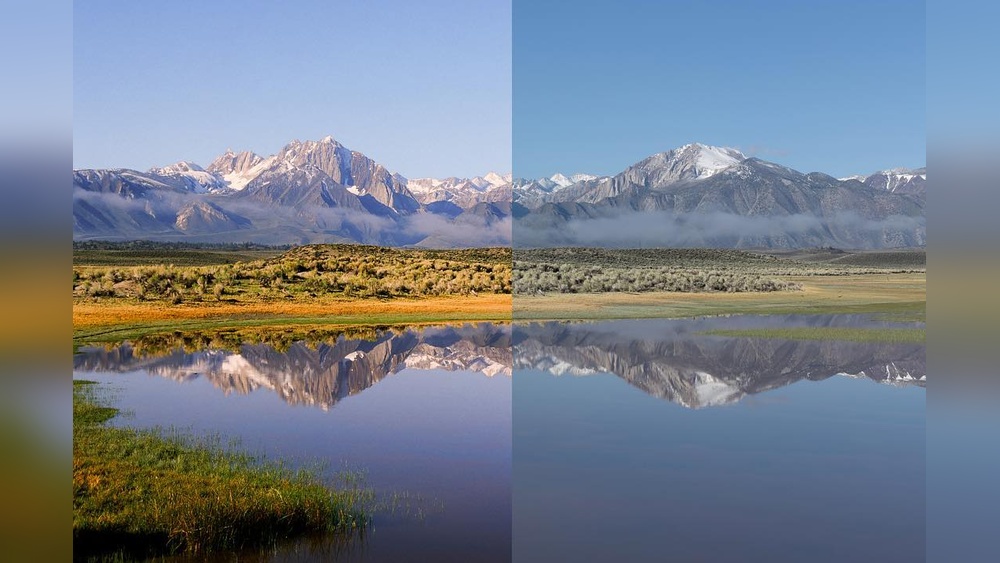
Have you ever wondered whether film photos or digital images are better for capturing your special moments? Choosing between these two can be tricky because each has its own unique charm and benefits.
But which one truly suits your style and needs? By the end of this article, you’ll have a clear understanding of how film and digital photography compare, helping you make the best choice for your next shoot. Let’s dive in and explore what makes each option stand out—so you can create photos you’ll love every time.

Credit: fstoppers.com
Film Photography Basics
Film photography uses physical film to capture images. It started over a century ago and still holds charm today. Many photographers enjoy its tactile feel and unique results. Understanding film basics helps appreciate its art and process.
Types Of Film
Film comes in various types based on color and speed. Color film captures images in full color. Black and white film records only shades of gray. Film speed, called ISO, affects light sensitivity. Low ISO films need more light but give finer detail. High ISO films work better in low light but can look grainy.
How Film Captures Images
Film has a light-sensitive layer with tiny silver halide crystals. When exposed to light, these crystals change chemically. The camera lens focuses light onto the film, creating a hidden image. This image is invisible until the film is developed in a darkroom or lab.
Processing And Development
Film processing turns the invisible image into a visible one. It involves a series of chemical baths. First, the film goes into a developer that makes the image appear. Then, a stop bath halts development. Finally, a fixer makes the image permanent. After washing and drying, the film is ready to print or scan.

Credit: www.infinibandta.org
Digital Photography Essentials
Digital photography changed the way people capture moments. It offers quick results and easy sharing. Understanding the basics helps you take better photos. Knowing how digital cameras work improves your skills.
Here are some key points about digital photography essentials. Learn about sensors, file types, and editing options. This knowledge helps you make the most of your camera.
Digital Sensors Explained
Digital cameras use sensors to capture light and create images. These sensors are made of millions of tiny pixels. Each pixel records light intensity and color. Larger sensors capture more detail and perform better in low light. Different sensor types affect image quality and camera size. Common sensors include CMOS and CCD.
Image Storage And Formats
Photos are stored as digital files on memory cards. Common formats include JPEG and RAW. JPEG files are smaller and easy to share. RAW files keep all image data for editing. Choosing the right format depends on your needs. More storage means you can take more photos without deleting.
Editing And Post-processing
Digital photos can be edited on a computer or phone. Editing adjusts brightness, contrast, colors, and sharpness. Post-processing helps correct mistakes and improve images. Simple edits can make photos look more professional. Many free and paid apps offer basic editing tools. Learning to edit helps you create better pictures.
Image Quality Comparison
Image quality plays a big role in choosing between film photos and digital images. Both have unique strengths and weaknesses. Understanding these differences helps photographers pick the right tool for their needs. This section compares key aspects of image quality in film and digital photography.
Resolution And Detail
Digital cameras capture images with pixels. More pixels mean higher resolution and sharper details. Modern digital cameras offer very high resolution, perfect for large prints.
Film captures images using tiny grains of silver or dye. These grains vary in size depending on the film type. Some fine-grain films deliver excellent detail, but they usually don’t match digital resolution.
Film may look less sharp but often shows a natural texture. Digital images can sometimes appear too perfect or artificial.
Color Reproduction
Digital cameras record colors based on sensors and software. They produce vibrant and accurate colors in most conditions. Color can be easily adjusted after taking the photo.
Film colors depend on the chemical composition of the film. Different films produce unique color tones and moods. Film often has a warm, nostalgic feel that many people enjoy.
Color shifts in film can add character but may not always be true to life.
Dynamic Range
Dynamic range means how well a camera captures details in bright and dark areas. Film usually has a wide dynamic range. It preserves details in both shadows and highlights better than many digital sensors.
Digital sensors have improved but can lose details in very bright or dark parts. Photographers must adjust settings carefully to avoid blown-out highlights or deep shadows.
Film handles harsh light softly, creating smooth transitions between tones.

Credit: www.youtube.com
Aesthetic Differences
The aesthetic differences between film photos and digital images shape how we see and feel the pictures. Each medium brings unique visual qualities that affect the overall look. These differences influence the style, texture, and emotion a photo can convey. Understanding these can help you choose the right tool for your creative vision.
Grain Vs Noise
Film photos show grain, a natural texture created by tiny silver particles. Grain adds a soft, organic feel to images. Digital photos have noise, which appears as random dots or specks. Noise often looks harsh or distracting. Grain can enhance the artistic look, while noise usually reduces image quality.
Tonal Characteristics
Film offers smooth and rich tones with gradual transitions. It captures colors and shades in a subtle way. Digital images may have sharper contrasts and more vivid colors. This can make photos look cleaner but less natural. Film’s tones create depth, while digital tones emphasize clarity.
Mood And Atmosphere
Film photos often feel nostalgic and timeless. They carry a warm, emotional mood that is hard to copy. Digital photos tend to feel modern and precise. They create a clear and accurate atmosphere. Film’s mood invites imagination. Digital’s mood shows reality as it is.
Longevity And Preservation
Longevity and preservation are key factors in choosing between film and digital photography. Both methods have unique strengths and weaknesses in keeping images safe over time. Understanding these differences helps decide which format suits your needs for storing memories.
Physical Durability Of Film
Film photos exist as physical prints or negatives. They can last for decades if stored properly. Film resists sudden loss from power failures or digital corruption. But film is fragile. Heat, moisture, and light can damage it. Scratches and tears may ruin images. Proper storage in cool, dark places extends film life. Archival sleeves and boxes protect film from physical harm. Film’s physical nature means it requires careful handling.
Digital File Maintenance
Digital photos need ongoing care to remain accessible. Files can be copied and backed up easily. They do not degrade with use like film. Digital images can be lost due to hardware failure or accidental deletion. Regular backups on different devices or cloud storage reduce risks. File formats may become outdated over time. Conversion to new formats helps keep files usable. Digital maintenance requires active attention and effort.
Archiving Challenges
Film archives demand space and careful environmental control. They need protection from dust, humidity, and temperature changes. Organizing physical files can be time-consuming. Digital archives require managing many files and folders. Metadata and proper naming systems aid in locating images. Digital storage devices have limited lifespans and need replacement. Both film and digital archives face risks. Planning and consistent care improve preservation chances.
Cost And Accessibility
Choosing between film and digital photography often depends on cost and accessibility. Both have unique expenses and learning paths. Understanding these helps pick the best fit for you.
Equipment And Supplies
Film cameras often cost less initially but require ongoing purchases. Film rolls, batteries, and lenses add up. Digital cameras have a higher upfront price but fewer extra costs. Memory cards and batteries are mostly reusable. Digital gear offers more options for different budgets.
Processing Expenses
Film photos need developing and printing, which costs money each time. Labs charge for chemicals and paper. Digital photos are free to view and edit on a computer. Printing digital images costs only when you want a physical copy. This makes digital cheaper over time.
Learning Curve
Film photography demands more patience and skill. You must understand manual settings and light exposure. Digital cameras often have automatic modes. This helps beginners learn faster. Editing digital photos is easier and quicker than fixing film mistakes.
Creative Control And Flexibility
Creative control and flexibility shape the way photographers capture images. Choosing between film and digital affects this control deeply. Each method offers unique tools for creativity. Understanding these differences helps photographers decide what suits their style.
Manual Settings In Film
Film cameras require manual adjustments for focus, exposure, and aperture. Photographers learn to control light and depth carefully. This hands-on approach encourages thoughtful composition and planning. Mistakes are costly since you cannot see results immediately. It builds skill and patience over time.
Instant Feedback In Digital
Digital cameras show photos instantly on a screen. Photographers check exposure, focus, and framing right away. This feature allows quick corrections and experimentation. It helps capture the perfect shot faster. Beginners find this feedback useful for learning camera settings.
Post-processing Options
Digital photos offer extensive editing options on a computer. Adjusting brightness, contrast, and color is easy and fast. Photographers can try different styles without risking the original image. Film photos require scanning to edit digitally, limiting some flexibility. Still, film has a unique look that editing cannot fully copy.
Environmental Impact
The environmental impact of film photos and digital photography differs greatly. Both methods affect the planet but in unique ways. Understanding these differences helps make smarter choices for the environment.
Chemical Use In Film
Film photography relies on chemicals to develop pictures. These chemicals include developers, fixers, and stabilizers. Many of these substances are harmful if not disposed of properly. They can pollute water and soil. Film labs must handle waste carefully to reduce damage. This process uses resources and creates toxic byproducts.
Energy Consumption Of Digital
Digital photography uses electricity for cameras, computers, and servers. Storing and sharing photos online requires large data centers. These centers consume huge amounts of energy. The production of digital devices also uses many raw materials. This leads to mining and manufacturing impacts. Energy use is ongoing with digital photography, not just a one-time event.
Sustainability Considerations
Film photography creates chemical waste, but digital devices need energy and rare materials. Recycling electronics helps reduce digital waste. Using renewable energy can lower digital photography’s footprint. Some photographers reuse film or choose eco-friendly labs. Both film and digital can be part of a sustainable practice. Awareness and careful choices make a big difference.
When To Choose Film
Choosing film over digital depends on the mood and style you want. Film offers a special look that digital can’t copy exactly. It suits projects where the feel and texture matter most. Some situations call for the classic charm of film photos.
Film can slow down the process. Each shot counts. This makes it perfect for thoughtful, creative work. The decision to use film often comes from wanting something unique and timeless.
Artistic Projects
Film is great for art and creative projects. It captures light and color in a rich, organic way. Artists love the unpredictability and texture of film photos. The slow pace helps focus on composition and detail. It pushes creativity beyond the usual digital sharpness. Film’s grain and tones add depth to images.
Nostalgic Appeal
Film carries a strong sense of nostalgia. It reminds people of old photos and memories. The look feels warm and personal. Many enjoy the soft colors and natural imperfections. Film photos seem to tell stories from the past. They evoke emotion that digital images often lack.
Unique Visual Effects
Film creates effects that digital can’t fully mimic. Light leaks, grain, and color shifts give images character. These effects happen naturally in film cameras. They add an artistic touch without extra editing. Using different film types changes the mood of photos. These unique traits make film a favorite for creative photographers.
When To Choose Digital
Choosing digital over film makes sense in many situations. Digital cameras offer features that save time and effort. They suit fast-paced shooting and varied environments. Understanding these benefits helps photographers pick the right tool for their needs.
Convenience And Speed
Digital cameras show images instantly on a screen. No need to wait for film development. This saves hours or even days. You can delete bad shots on the spot. No waste of film or money. Easy to share photos online right away. Perfect for events or quick projects.
High Volume Shooting
Digital cameras store thousands of photos on one memory card. No need to change film rolls often. Useful for sports, wildlife, or busy sessions. Keeps the camera ready for continuous shooting. No interruptions mean better chances to capture the moment. Also lowers cost compared to buying film constantly.
Versatility In Various Conditions
Digital cameras adapt well to different lighting and weather. Many have built-in features like autofocus and image stabilization. These help in low light or fast action. Easy to adjust settings on the fly. Works well indoors, outdoors, day, or night. Makes photography easier for beginners and pros alike.
Frequently Asked Questions
What Are The Main Differences Between Film And Digital Photos?
Film photos capture images on physical film, while digital photos use electronic sensors. Film offers a unique grain and color style. Digital photos are easier to edit and share instantly.
Which Is Better For Beginners: Film Or Digital Photography?
Digital photography is usually better for beginners. It allows instant feedback and easy corrections. Film requires more patience and knowledge about exposure and development.
How Does Image Quality Compare Between Film And Digital?
Film often has a softer, organic look with natural grain. Digital images are sharper and clearer with higher resolution. Each has its own charm depending on the style you want.
Are Film Photos More Expensive Than Digital Photos?
Film photography costs more due to buying film rolls and processing. Digital photography mainly requires a one-time camera purchase. Over time, digital is usually cheaper to maintain.
Can Film Photos Be Digitized For Online Use?
Yes, film photos can be scanned into digital files. This allows easy sharing and editing on computers. Many photographers use this to combine the best of both worlds.
Conclusion
Film photos offer a unique, classic feel many love. Digital photos provide quick, easy sharing and editing. Both have their strengths and suit different needs. Choosing depends on your style and purpose. Enjoy the process, experiment with both types. Photography is about capturing moments, no right or wrong.
Embrace what works best for you. Keep shooting, keep learning, and have fun.