
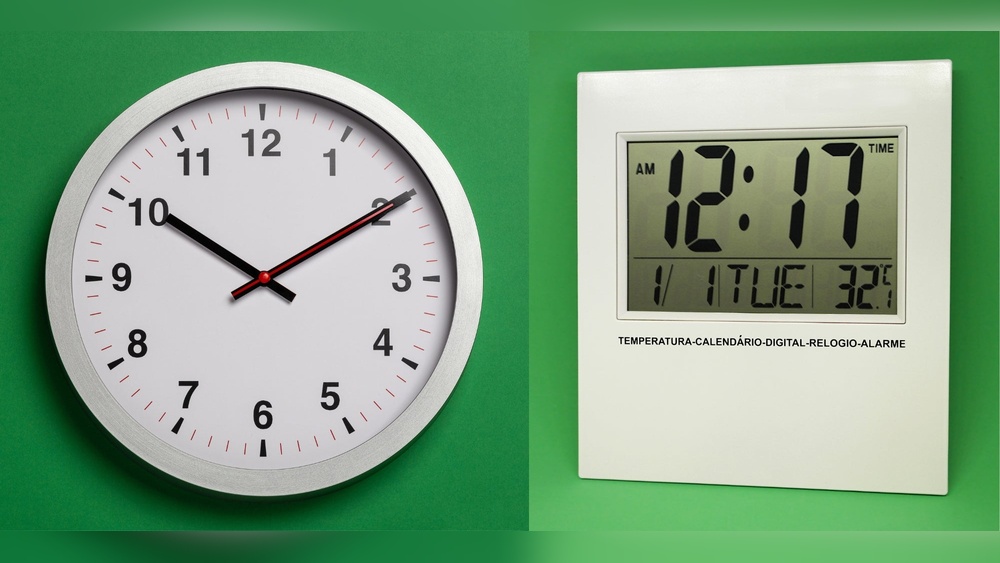
Have you ever stopped to think about the clock you use every day? Whether it’s on your wall, your phone, or your wrist, the way time is shown can make a big difference in how you experience it.
Analog and digital clocks each have their own unique style and advantages. But which one suits you best? By the end of this article, you’ll discover how these two types of clocks impact your daily routine and why choosing the right one could actually change the way you manage your time.
Keep reading—you might be surprised by what you learn!
Analog Clock Basics
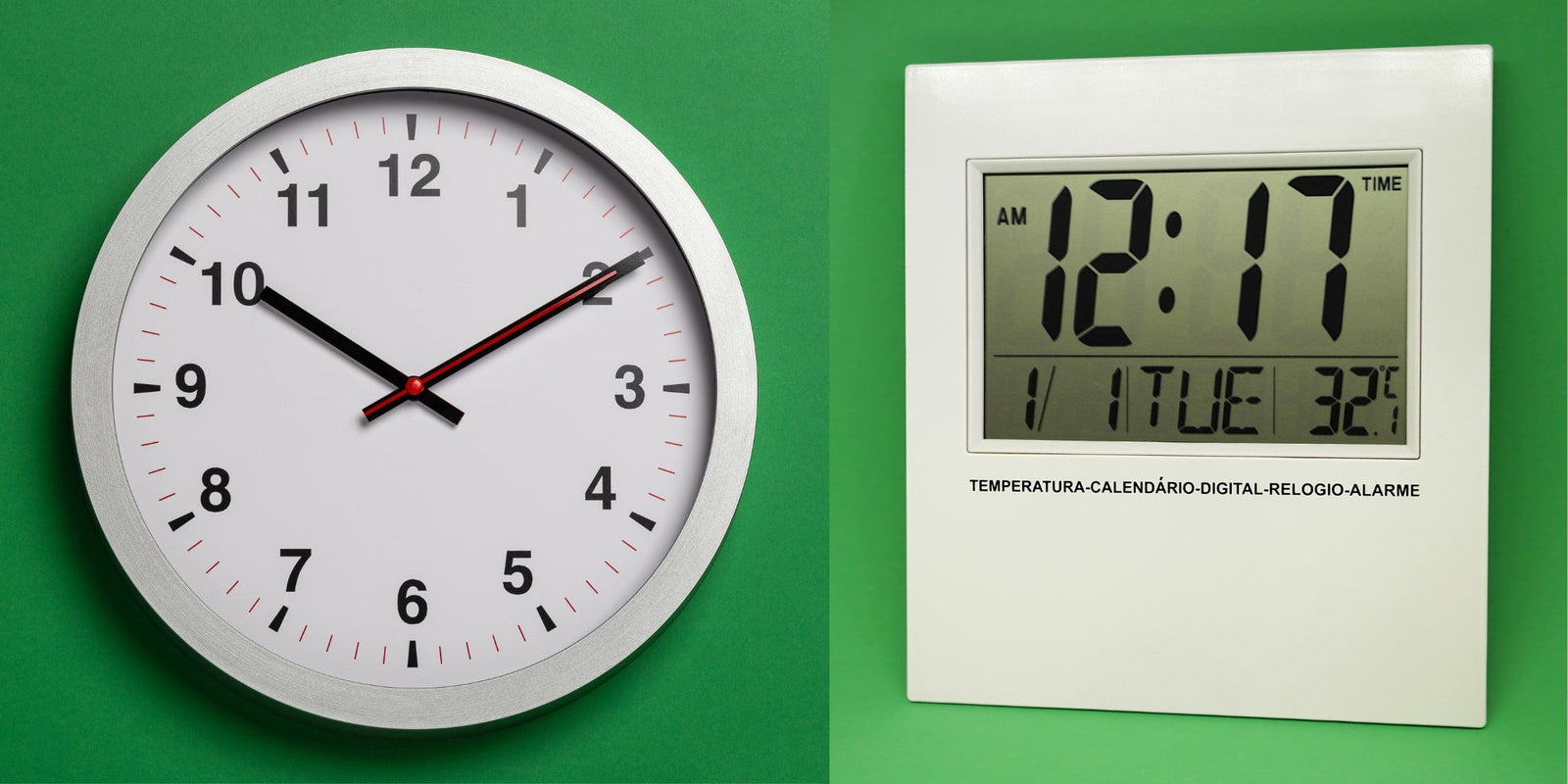
Analog clocks have been a part of daily life for centuries. They use moving hands to show time. The face of an analog clock usually has numbers from 1 to 12.
Understanding the basics of analog clocks helps to appreciate their design and function. These clocks are simple yet effective tools for telling time.
How Analog Clocks Work
Analog clocks use three hands: hour, minute, and sometimes second. The hour hand moves the slowest. The minute hand moves faster, completing one round in 60 minutes. The second hand moves quickly, making a full circle in 60 seconds. Inside, gears control the movement of these hands. A battery or a mechanical spring powers the clock.
Common Designs And Styles
Many analog clocks have round faces, but square and rectangular ones exist. Some clocks show all numbers, while others use dots or lines. The hands can be simple or decorative. Classic styles include wooden frames and Roman numerals. Modern designs often feature minimal faces and bright colors.
Advantages Of Analog Clocks
Analog clocks help improve time-reading skills. They show the passage of time visually. This makes it easier to understand concepts like quarter past or half past. They do not rely on digital displays, so they work during power outages. Analog clocks add charm and style to any room.
Digital Clock Features
Digital clocks have become common in homes, schools, and offices. They show the time with numbers, making it easy to read at a glance. These clocks often include extra features that add convenience to daily life. Understanding these features helps you choose the right clock for your needs.
How Digital Clocks Operate
Digital clocks use electronic circuits to keep time. A quartz crystal inside vibrates at a steady rate. The clock counts these vibrations to track seconds, minutes, and hours. The time is shown on an LED or LCD screen in numbers. This process keeps the display accurate and easy to read.
Popular Digital Clock Types
There are many types of digital clocks. Alarm clocks are common and help wake people up. Wall clocks with digital displays are easy to see from far away. Some digital clocks include radios or Bluetooth speakers. Smart clocks connect to Wi-Fi and show weather or reminders.
Benefits Of Digital Clocks
Digital clocks are simple to read, even from a distance. They often include alarms, timers, and backlights for nighttime use. Many models offer snooze buttons and multiple alarms. Digital clocks need less maintenance than analog ones. They keep accurate time and usually cost less.
Comparing Accuracy And Reliability
Choosing the right clock depends a lot on accuracy and reliability. Both analog and digital clocks offer different benefits in these areas. Understanding their strengths helps you pick the best option for your needs.
Timekeeping Precision
Digital clocks often keep time more precisely than analog ones. They use electronic signals that reduce errors. Analog clocks rely on mechanical parts, which can drift over time. This makes digital clocks better for exact timekeeping. Still, high-quality analog clocks can be quite accurate too.
Power Sources And Battery Life
Digital clocks usually need batteries or electricity to run. Battery life varies but often lasts several months. Analog clocks may use batteries or wind-up mechanisms. Wind-up clocks do not need batteries but require regular winding. Battery-powered analog clocks often last longer than digital ones.
Durability And Maintenance
Analog clocks tend to be more durable due to fewer electronic parts. Mechanical parts can wear out but are often easy to fix. Digital clocks have more delicate components that can fail. Maintenance for digital clocks mostly involves battery replacement. Analog clocks may need occasional cleaning and adjustments.

Credit: www.premierclocks.com
User Experience And Readability
User experience and readability play a big role in choosing between analog and digital clocks. How easy it is to read the time affects daily use. Lighting and user needs also matter. Each type of clock offers different benefits for reading and viewing.
Ease Of Reading Time
Digital clocks show numbers directly. This makes reading the time quick and clear. No need to guess the position of hands. Analog clocks require interpreting the hands’ positions. Some people find this slower or confusing. Others enjoy the visual aspect of analog clocks. Learning to read analog clocks takes practice for some users.
Visibility In Different Lighting
Digital clocks often have backlights. This helps reading time in dark rooms. Some digital clocks use bright screens that work well in daylight. Analog clocks rely on contrast between hands and face. Good lighting is needed to see analog clocks clearly. Glow-in-the-dark hands or numbers improve visibility at night.
User Preferences And Accessibility
User habits influence clock choice. Older adults may prefer analog clocks for familiarity. Younger users often like digital clocks for speed. People with vision problems may find digital clocks easier to read. Analog clocks can be harder for those with low vision. Accessibility features like large digits or voice time help digital clock users.
Design And Aesthetics
Design and aesthetics play a big role in choosing between analog and digital clocks. The look of a clock can change a room’s feel. It can add charm, modernity, or a classic vibe.
Both types have unique designs that suit different tastes and spaces. Understanding these differences helps you pick a clock that fits your style perfectly.
Style Matching With Decor
Analog clocks often have a timeless, classic look. Their round faces and moving hands bring a warm, traditional feel. They work well in homes with vintage or rustic decor.
Digital clocks have a sleek, clean design. Their bright numbers and simple shapes fit modern and minimalist spaces. They blend well with contemporary furniture and gadgets.
Customization Options
Analog clocks come in many styles, from ornate to simple. You can find wood, metal, or plastic frames in various colors. Some have unique hands or numbers that add character.
Digital clocks often offer features like different display colors and brightness levels. Some let you change the time format or add alarms. These options help match your preferences easily.
Size And Portability
Analog clocks range from small bedside models to large wall pieces. Their size can make a strong style statement or fit discreetly in any spot. Many are lightweight and easy to move.
Digital clocks tend to be compact and light. They are perfect for desks, nightstands, or travel. Their size and shape make them highly portable and practical.
Additional Features And Functions
Clocks today do more than just show time. Both analog and digital clocks offer extra features that suit different needs. These features can make a clock more useful in daily life.
Alarm And Timer Capabilities
Digital clocks often include built-in alarms and timers. These can be set easily with buttons. Many allow multiple alarms for different times. Analog clocks may have alarms but usually only one. Timers are rare in analog models. Digital alarms are louder and more precise, helping you wake up on time.
Smart Features And Connectivity
Some digital clocks connect to Wi-Fi or Bluetooth. They sync time automatically and update for daylight savings. Smart clocks may show weather or news updates. You can control them with voice assistants. Analog clocks lack these smart functions. They focus on simple, classic timekeeping without technology.
Energy Efficiency
Analog clocks use less power and often run on one battery for months. Digital clocks use more energy because of displays and features. Some digital models have energy-saving modes. Solar-powered analog clocks save even more energy. Choosing the right clock depends on how much power you want to use.
Cost Considerations
Cost is a major factor when choosing between analog and digital clocks. Understanding the expenses helps you pick the best option for your budget.
Different types of clocks have different price points and upkeep needs. This section breaks down these costs.
Price Range Comparison
Analog clocks often start at lower prices. Simple models can cost very little. Designer or vintage analog clocks may be pricier. Digital clocks usually have a wider price range. Basic digital clocks are affordable. Advanced models with extra features cost more. Both types offer options for tight or flexible budgets.
Long-term Value
Analog clocks tend to last longer without upgrades. Their simple mechanism needs less power. Digital clocks may need battery or electricity replacements. Some digital models become outdated quickly. Analog clocks keep their charm and function for years. Digital clocks offer more functions but may not last as long.
Repair And Replacement Costs
Repairing analog clocks can be affordable if parts are available. Some vintage clocks might need expert care, which costs more. Digital clocks can be harder to fix. Their circuits and screens are often costly to replace. Sometimes replacing the whole digital clock is cheaper than repair. Consider these factors when thinking about long-term costs.
Credit: www.premierclocks.com
Choosing The Right Clock For You
Choosing the right clock means picking one that fits your life and space well. A clock is more than just a timekeeper. It can add style, help with punctuality, and even boost focus. Understanding your needs and environment helps you choose wisely.
Assessing Your Needs
Think about how you use a clock daily. Do you prefer quick time checks or detailed readings? Some people like seeing the exact seconds. Others want a simple glance to know the hour. Consider your vision and how much detail you want.
Also, decide if you want a clock that makes noise. Some analog clocks tick, which can bother light sleepers. Digital clocks usually run silently. Your personal comfort matters a lot in this choice.
Matching Clock Type To Environment
Match the clock style to the room where it will hang. A kitchen might suit a digital clock for easy reading during cooking. A living room could benefit from an analog clock as a decorative piece. Offices often need clear, fast time checks, so digital clocks work well.
Consider lighting too. Digital clocks need power and light to display clearly. Analog clocks can be easier to see in dim light or without power. The environment shapes what type fits best.
Tips For Making The Final Decision
Test both types before buying. Notice which one feels natural to read. Check if the size fits your space. A large clock may suit a big wall but look odd in a small room.
Think about maintenance. Digital clocks may need battery changes or power sources. Analog clocks might need winding or battery changes less often. Choose the one that fits your lifestyle and routine.
Credit: executivefunctioningsuccess.com
Frequently Asked Questions
What Is The Main Difference Between Analog And Digital Clocks?
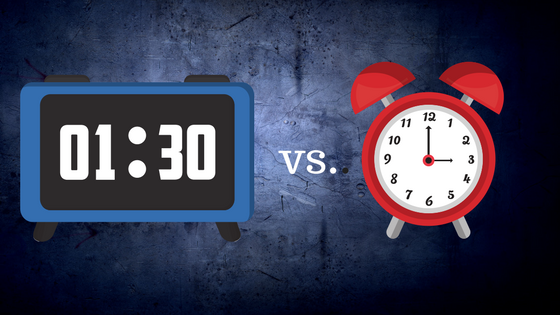
Analog clocks show time with hands on a dial. Digital clocks display time with numbers on a screen.
Which Clock Type Is Easier To Read For Kids?
Digital clocks are usually easier for kids to read because they show clear numbers. Analog clocks need learning to read the hands.
Do Analog Clocks Use More Power Than Digital Ones?
Analog clocks often use less power, especially if they are mechanical. Digital clocks usually need batteries or electricity.
Can Digital Clocks Show More Information Than Analog Clocks?
Yes, digital clocks can show date, temperature, and alarms. Analog clocks mainly show only the current time.
Which Clock Type Suits Modern Home Decor Better?
Digital clocks fit well in modern, minimalist spaces. Analog clocks offer a classic, traditional look that suits vintage styles.
Conclusion
Choosing between analog and digital clocks depends on your needs. Analog clocks show time with hands, which some find easier to read. Digital clocks display numbers and often include extra features. Both types serve their purpose well. Think about where and how you will use the clock.
Comfort and style matter too. Either way, you get a tool that helps you keep track of time every day. Simple, clear, and useful—choose what fits you best.