Are you wondering whether digital marketing or traditional methods will give your business the best boost? Choosing the right path can make a huge difference in how fast you grow and how many customers you reach.
This article will help you understand the key differences between digital marketing and traditional marketing. By the time you finish reading, you’ll know which approach suits your goals, budget, and audience. Let’s dive in and find the perfect strategy for your success.

Credit: www.wsiworld.com
Digital Marketing Basics
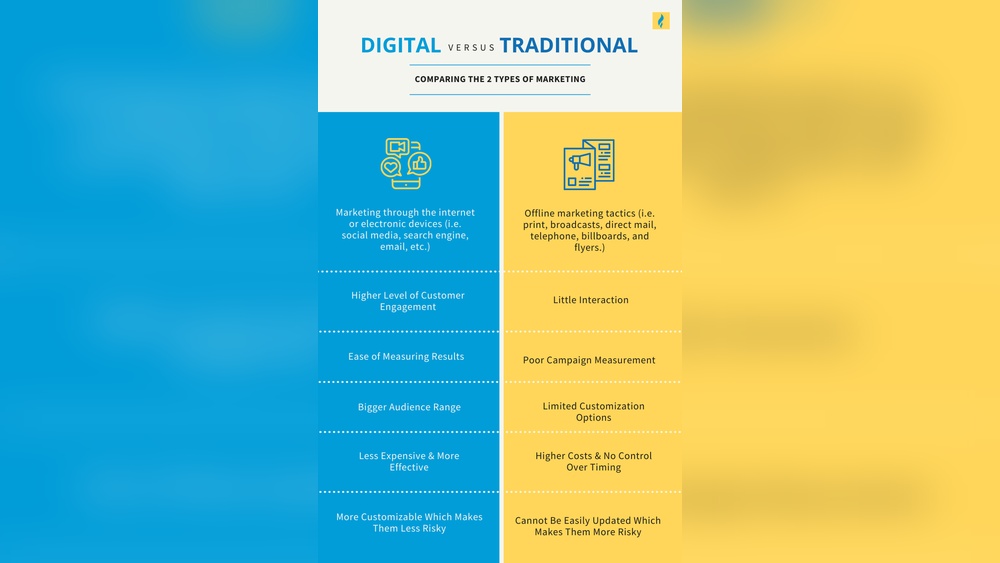
Digital marketing uses the internet and electronic devices to promote products or services. It is different from traditional marketing, which relies on print, TV, and radio ads. Digital marketing offers many ways to connect with people quickly and directly. It also allows businesses to track results and adjust their campaigns easily.
Channels And Tools
Digital marketing uses many channels and tools. Social media platforms like Facebook, Instagram, and Twitter help businesses share content and engage users. Search engines like Google allow companies to show ads based on what people search for. Email marketing sends messages directly to customers. Tools like Google Analytics track website visits and user behavior. These channels make it easier to reach people online.
Target Audience Reach
Digital marketing can reach a specific group of people. Ads can target users by age, location, interests, and behavior. This helps businesses show their message to the right audience. Traditional marketing often reaches a broad group, not always interested. Digital marketing allows for better focus and higher chances of success.
Cost Considerations
Digital marketing is often cheaper than traditional methods. Running ads online usually costs less than TV or print ads. Many platforms let businesses set budgets and choose how much to spend. This makes digital marketing affordable for small and large companies. It also helps avoid wasting money on ads that do not work.
Traditional Marketing Essentials
Traditional marketing uses print, TV, and radio to reach people. It relies on physical ads and direct contact with customers. This approach differs from digital marketing’s online methods.
Common Mediums
Traditional marketing uses several well-known channels. Print ads appear in newspapers and magazines. Billboards catch attention on busy streets. Television commercials reach a broad audience. Radio ads target local listeners. Direct mail delivers flyers and coupons to homes. These mediums have been trusted for decades. Businesses rely on them to create brand awareness.
Audience Engagement
Traditional marketing often engages audiences in a passive way. People see ads but do not respond immediately. It builds recognition over time through repeated exposure. Face-to-face events like trade shows create personal connections. Flyers and posters inform but rarely invite dialogue. Interaction is limited compared to digital marketing. Still, it can build trust and familiarity.
Budget Factors
Traditional marketing can be costly. Print and TV ads require significant investment. Production costs add to the expense. Buying space or airtime often means paying upfront. Small businesses may find budgets too tight. Planning campaigns carefully helps control spending. Some methods, like flyers, remain affordable for local reach. Budget size influences the scope and frequency of campaigns.
Comparing Reach And Accessibility
Reach and accessibility are key factors in any marketing strategy. They determine how many people see your message and how easy it is for them to engage. Traditional and digital marketing differ greatly in these areas. Understanding these differences helps businesses choose the right approach.
Global Vs Local Impact
Traditional marketing usually targets local audiences. Billboards, flyers, and local TV ads focus on specific areas. Digital marketing can reach people worldwide. Online ads, social media, and email campaigns connect with global audiences instantly. Businesses can expand beyond borders without extra cost.
24/7 Availability
Traditional marketing runs on fixed schedules. Ads appear during set times or events. Digital marketing works nonstop. Websites, social media, and email campaigns are always live. Customers can access information anytime. This constant presence increases chances of engagement.
Personalization
Traditional marketing often sends one message to many people. Digital marketing allows tailored messages. Data helps target specific interests and needs. Personalized ads appear based on user behavior. This creates a stronger connection with customers and improves results.
Measuring Success
Measuring success is vital in both digital marketing and traditional marketing. It shows how well your efforts work. You can see which methods bring results and which need change. Understanding success helps spend money wisely and get better outcomes.
Tracking And Analytics
Digital marketing uses tools to track actions online. These tools show clicks, views, and sales. You can see real-time data. Traditional marketing tracks success by surveys or sales increases. It is harder to get exact numbers. Digital tracking gives clear, quick feedback.
Return On Investment
ROI shows how much profit comes from marketing spend. Digital marketing measures ROI by comparing costs to online sales. It can calculate exact numbers. Traditional marketing ROI is harder to measure. It often relies on estimating customer response. Digital methods give more accurate ROI figures.
Adjusting Strategies
Digital marketing allows fast changes based on data. If a campaign does not work, you can change it quickly. Traditional marketing takes longer to adjust. Print ads or TV commercials cannot be changed once released. Digital marketing is more flexible and responsive to results.
Speed And Flexibility
Speed and flexibility are key in marketing today. Businesses need to move fast and adapt quickly. Digital marketing offers clear advantages in these areas. Traditional marketing often requires more time and effort to change course.
Campaign Launch Times
Digital campaigns can start almost immediately. A few clicks and your ads are live online. Traditional campaigns need weeks or months to launch. Printing, mailing, and booking media take time. Quick starts allow digital marketers to reach audiences faster.
Real-time Adjustments
Digital marketing lets you change campaigns on the fly. You can pause ads, change budgets, or try new strategies instantly. Traditional marketing is less flexible. Once materials are printed or aired, changes are costly or impossible. Real-time updates keep campaigns relevant and efficient.
Content Updates
Content in digital marketing can be updated anytime. You can add new offers, fix errors, or improve messages quickly. Traditional content like billboards or flyers cannot be updated easily. This flexibility saves money and keeps marketing fresh.
Consumer Interaction
Consumer interaction plays a key role in marketing. It shapes how brands connect with their audience. Both digital and traditional marketing offer ways to interact. Yet, the methods and effects vary greatly.
Understanding these differences helps businesses choose the right approach. This section explores how each marketing type handles consumer interaction.
Two-way Communication
Digital marketing allows real-time two-way communication. Customers can ask questions and get instant replies. Social media platforms and chatbots make this possible. This creates a dynamic conversation between brands and consumers.
Traditional marketing mostly uses one-way communication. TV ads, billboards, and flyers deliver messages without immediate feedback. The interaction is limited and slower. Consumers receive the message but cannot respond quickly.
Building Relationships
Digital marketing helps build strong, ongoing relationships. Personalized emails and social media posts keep customers engaged. Brands can tailor messages to individual needs and preferences. This fosters trust and loyalty over time.
Traditional marketing focuses more on broad reach than personal connection. It builds brand awareness but often lacks deep engagement. Relationships develop slowly, if at all, since contact is less frequent.
Feedback Mechanisms
Digital channels offer fast and direct feedback. Customers leave reviews, comments, and ratings online. This feedback guides businesses to improve products and services. It also shows customers their opinions matter.
Traditional marketing gathers feedback through surveys or focus groups. These methods take more time and effort. The process is less immediate and less frequent. Collecting and analyzing feedback can be slower and costlier.
Branding And Trust
Branding and trust are key to business success. They help customers recognize and believe in a company. Both digital marketing and traditional methods build these elements but in different ways. Understanding these differences can guide your marketing choices.
Long-term Presence
Traditional marketing builds long-term presence through repeated exposure. Billboards, magazines, and TV ads stay visible over time. People see these messages often, which strengthens brand memory. Digital marketing can also create lasting presence. Websites, social media profiles, and email lists keep your brand accessible. Regular updates keep the connection alive.
Visual Identity
Visual identity is how a brand looks to the audience. Traditional marketing uses logos, colors, and print design to create this identity. Physical materials make the brand tangible. Digital marketing expands visual identity with videos, animations, and interactive content. It allows quick changes to suit trends and audience feedback. Strong visuals help customers spot your brand anywhere.
Credibility Factors
Trust grows from credibility. Traditional marketing often relies on trusted media channels and physical presence. Being in a known magazine or a popular TV show adds trust. Digital marketing builds credibility through reviews, testimonials, and social proof. Responding to customer questions online also boosts trust. Both methods need consistency to maintain credibility.

Credit: www.somsdigital.co.za
Choosing The Right Approach
Choosing the right marketing approach is key for business success. Digital marketing and traditional marketing both have strengths. Understanding which fits your needs helps reach goals faster. Think about your industry, audience, and budget. Each factor affects the best choice for your marketing strategy.
Careful planning avoids wasted effort and money. Your approach should match your company’s unique situation. This makes your message clear and effective.
Industry Considerations
Different industries respond better to different marketing styles. Tech companies often gain more from digital marketing. Local businesses may benefit more from traditional methods like flyers or radio ads. Some sectors require trust and face-to-face contact. Others thrive on online engagement and quick updates. Knowing your industry’s habits guides your decision.
Target Demographics
Your audience’s habits shape your marketing choices. Younger people spend more time online. Digital ads, social media, and email suits them well. Older customers may prefer newspapers, TV, or direct mail. Consider language skills and internet access too. Reach your audience where they pay attention.
Budget Allocation
Money matters a lot in marketing. Digital marketing often costs less and allows precise spending. You can track results and adjust quickly. Traditional marketing can be expensive and harder to measure. Large budgets can support billboards or TV spots. Smaller budgets may fit better with online ads or social posts. Spend wisely to get the best return.

Credit: www.reddit.com
Frequently Asked Questions
What Are The Main Differences Between Digital And Traditional Marketing?
Digital marketing uses online channels, while traditional marketing relies on offline media. Digital allows real-time tracking; traditional focuses on broad reach.
Which Marketing Type Is More Cost-effective For Small Businesses?
Digital marketing is usually cheaper and offers flexible budgets. Traditional marketing often requires larger upfront costs for ads and print.
How Do Digital And Traditional Marketing Reach Different Audiences?
Digital marketing targets specific groups using data and online behavior. Traditional marketing reaches local or broad audiences through TV, radio, or print.
Can Traditional Marketing Still Work In A Digital World?
Yes, traditional marketing builds trust through physical presence. It works well combined with digital for stronger brand impact.
How Quickly Can Results Be Seen In Digital Vs Traditional Marketing?
Digital marketing shows results fast through clicks and views. Traditional marketing takes longer as it depends on customer response.
Conclusion
Digital marketing and traditional marketing both have clear strengths. Digital marketing offers fast results and wide reach. Traditional marketing builds strong local connections and trust. Choosing the right approach depends on your goals and audience. Many businesses blend both methods for best impact.
Testing and learning help find what works best. Marketing success comes from understanding your customers well. Keep your message simple and consistent across all channels. Stay open to change as markets and technology evolve.