

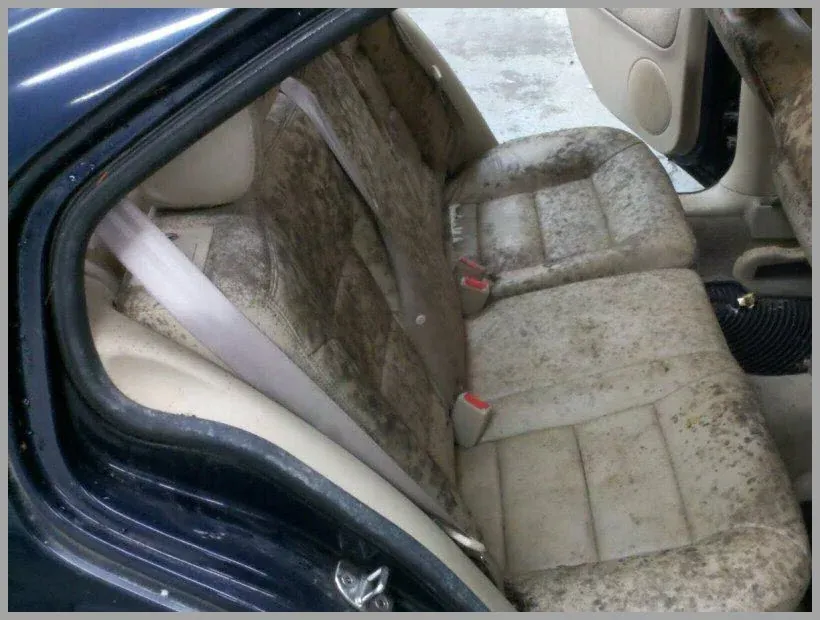
A car smells like mold because moisture has become trapped in the ventilation system or the vehicle cabin, allowing fungi to grow on damp surfaces. You’ll notice this scent most often when you first turn on the air conditioner or after the vehicle has sat in the rain. Common culprits include clogged drainage tubes, a dirty cabin air filter, or water leaks entering through damaged seals around the windows or door frames.
Identifying why your car smells like mold
This table helps you match the smell to the most likely problem area. Check these locations to narrow down where the moisture is hiding.
| Source | Best for checking | Example |
|---|---|---|
| Cabin air filter | Air flow quality | Filter behind glove box |
| AC evaporator core | Hidden moisture buildup | Cooling system drain line |
| Floor carpets | Surface water leaks | Wet spots under mats |
| Door seals | Exterior water entry | Rubber trim around doors |
| Trunk area | Hidden water collection | Spare tire storage well |
Cabin air filter
The cabin air filter is the most common place for debris to collect and trap moisture. When leaves and dirt build up against the filter, they create a damp environment where mold spores thrive. If you notice the smell gets stronger when you switch on the fan, the filter is likely the primary issue.
You can check this by removing the filter from its housing; if it looks gray, black, or feels damp to the touch, it needs to be replaced. Most manufacturers recommend replacing this filter every 15,000 miles, though you should check your owner’s manual for the specific interval for your vehicle model.
- Removes trapped organic debris from the intake.
- Prevents spores from circulating through the vents.
- Improves overall air quality inside the cabin.
You can easily inspect this by opening your glove box and looking for the plastic cover behind it, which typically slides off without needing any heavy tools.
AC evaporator core
The evaporator core sits deep within your dashboard and is designed to pull heat from the air, which naturally creates condensation. If the drain tube that carries this water away becomes blocked by dirt or spider webs, the water pools inside the housing. This standing water creates a perfect home for bacteria and mold.
If you see water dripping under your car after parking, the drain is likely clear; if the ground is dry while the AC has been running, the drain may be clogged.
- Drains condensation away from the cooling unit.
- Prevents stale water from sitting in the dash.
- Stops mildew growth on the cooling fins.
This requires professional attention if you can’t find the drain tube under the chassis to clear it with a simple blast of compressed air.
Damp floor carpets

Water can enter the cabin through faulty weather stripping around doors or windows during heavy rain. Once the carpet padding underneath the floor mats becomes soaked, it can take days to dry out completely. If you press your hand into the carpet and it feels spongy or leaves a damp mark, you have found the source.
If the floor is wet, you must dry it immediately using a wet-dry vacuum and a dehumidifier. If you leave the moisture, the mold will spread into the seat foam and dashboard insulation, which is much harder to clean.
- Identifies leaks in door or window seals.
- Prevents long-term damage to the floor pan.
- Stops rust from forming under the carpet.
You can test for leaks by running a garden hose over the windows while someone sits inside to watch for water dripping down the door panels.
Sunroof and trunk seals
Sunroofs have small drainage channels in the corners that often get plugged with pine needles or dirt. When these channels fail, water spills into the headliner or down the pillars and collects in the trunk or under the floor mats.
If you see water stains on your ceiling fabric, the sunroof drains are almost certainly the cause. You should also check the spare tire well in your trunk for standing water. If the spare tire area is dry, focus on the door seals instead.
- Clears blockages in the roof drain system.
- Prevents water damage to the headliner fabric.
- Stops accumulation in the trunk storage area.
If you find water in the trunk, check the rubber seal around the trunk lid for cracks or gaps where water might be bypassing the drainage path.
Other potential problem areas
- Wet upholstery: If you spilled a drink or left a window cracked during a storm, the seat foam may still be holding moisture deep inside the fabric.
- Debris in cowl: Leaves and twigs gathered at the base of the windshield can block water flow, forcing rain into the fresh air intake vents.
- Leaking heater core: If you smell a sweet, syrupy scent along with the mold, your heater core may be leaking coolant, which attracts moisture and dirt.
How to decide on a fix

If the smell is light and only happens when you turn on the AC, start by replacing your cabin air filter. If the smell persists, check the AC drain tube for a blockage. If you find wet carpets or stains on the headliner, you’re dealing with a water leak that requires you to inspect or replace the rubber seals around your windows, doors, or sunroof.
If you see mold growing on the seats or deep in the carpet, you may need a professional detailer to perform a deep steam clean and ozone treatment. Replacing a filter is a simple task you can do yourself in minutes, but fixing a water leak or cleaning deep-seated mold often requires specialized tools or a professional service to ensure the moisture is fully removed.
Related guides
- Dog Smells Like Fish From Back End: Causes and Solutions
- How to Remove Mold From Wood Furniture: A Step-by-Step Guide in 2026
Frequently asked questions
Can I just use a spray to kill the mold?
No, a spray will only mask the smell for a short time if the source of the moisture remains. You must stop the leak or clear the blocked drain first, or the mold will return within a few days regardless of how much cleaner you use.
How long does it take to dry out a wet car?
A wet car usually takes 24 to 48 hours to dry completely if you use a wet-dry vacuum and leave the windows open in a dry, sunny area. If the padding is soaked, you may need a commercial dehumidifier left inside the vehicle for two full days to draw out the deep moisture.
Is it safe to drive if my car smells like mold?
Driving is generally safe if you aren’t experiencing allergic reactions, but the mold may trigger asthma or respiratory issues in sensitive people. If you feel dizzy, have watery eyes, or struggle to breathe while driving, stop using the car and have a professional clean the ventilation system immediately.
Why does the smell get worse when I turn on the heat?
The smell gets worse because the heat increases the evaporation rate of the moisture trapped in your vents or carpet. As the warm air passes over the moldy surfaces, it picks up the fungal spores and blows them directly into the cabin, making the odor much more intense.
Will changing the cabin air filter fix the smell?
Changing the filter will fix the smell only if the mold is growing directly on the dirty filter itself. If the mold is inside the AC evaporator core or in the carpet, a new filter won’t stop the odor because the source of the moisture is still active.
How do I know if I have a water leak?
You have a water leak if you find damp spots on the floor, wet seat belts, or water stains on the roof liner after it rains. If the car smells like mold even when the AC has been off for a long time, the moisture is coming from an exterior leak.
Conclusion
Start by checking your cabin air filter and the drainage tubes under your car. If they’re clean and dry, inspect the floor carpets for signs of water entry after the next rainstorm. If you find standing water that you can’t remove with a vacuum, take the vehicle to a professional body shop to locate and seal the leak before it causes permanent interior damage.