

Moisture trapped in your cabin air filter or ventilation ducts is why a car smells like mildew, as these dark, damp environments encourage mold and bacteria growth. This issue usually starts when organic debris like leaves or pollen clogs the drainage pathways, preventing condensation from exiting the vehicle properly. If you notice a musty scent, checking your cabin air filter and the AC evaporator drain is the most effective way to identify the source.
Identifying why your car smells like mildew
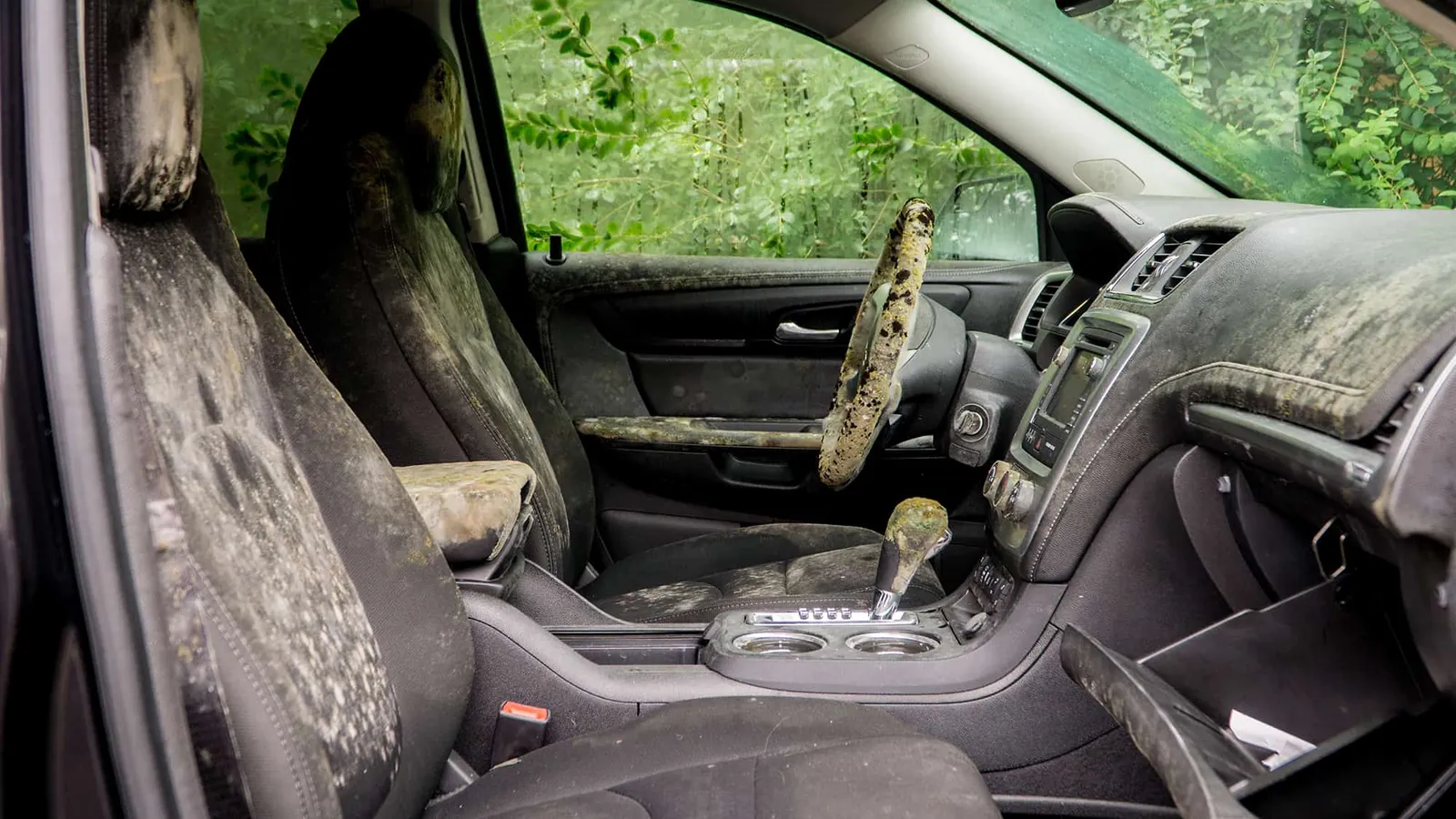
The following table summarizes the most likely areas where moisture gathers and causes odors in your vehicle. If you find water pooling in these locations, you have likely identified the root cause of the smell.
| Location | Why it smells | Common sign |
|---|---|---|
| Cabin air filter | Trapped organic debris | Visible leaves or dirt |
| AC evaporator | Standing condensation | Damp floor mats |
| Sunroof drains | Clogged drainage tubes | Wet headliner or pillars |
| Door seals | Water leakage | Foggy interior windows |
Cabin air filter issues
A dirty cabin air filter is the most common cause of interior odors because it traps moisture alongside organic matter like leaves and road dust. This environment creates a breeding ground for mold spores that circulate through your vents whenever you turn on the fan. If you live in a humid climate, check this filter every 6 months, as high humidity speeds up the decay of trapped debris.
- Reduced airflow through the dashboard vents even on high settings.
- Visible mold or thick layers of debris on the filter pleats.
- Musty odors that intensify immediately after starting the engine.
If you open the glove box and find the filter housing is damp to the touch, you need to replace the filter immediately. This assumes you’re using a standard paper or charcoal-activated filter; for high-efficiency HEPA filters, you may need to replace them more frequently if you drive in dusty areas.
AC evaporator condensation
The AC evaporator is a cooling component located behind your dashboard that naturally collects condensation during normal operation. If the drain tube leading outside becomes blocked by mud or debris, water sits in the housing instead of dripping onto the ground. The Environmental Protection Agency notes that moisture control is the primary way to prevent mold growth in indoor environments, which applies directly to your vehicle’s ventilation system.
- Water dripping onto the passenger side floor carpet after driving.
- Foggy windows that appear oily or take a long time to clear.
- A persistent, heavy mildew smell that doesn’t go away after driving.
If you see standing water on the floor, the drain tube is likely clogged. You can often clear this by locating the drain outlet under the car and gently using a soft, non-metallic tool to remove the blockage. If the carpet is already soaked, you must dry it completely to prevent permanent damage to the floor pan.
Sunroof drainage blockages

Sunroofs have small drainage channels in the corners that carry rainwater down through the A-pillars to the ground. When these tubes become blocked by pine needles or dirt, water overflows into the headliner or drips down the inside of your door frames. If your car smells like mildew only after it rains, this is the most likely culprit.
- Water stains appearing on the ceiling fabric near the sunroof.
- Wet seat belts or damp spots on the door armrests.
- Puddles forming in the floorboard after heavy storms.
If you suspect a leak, pour a small amount of water into the sunroof track and watch for it to drain behind the front wheels. If it doesn’t drain, the tube is blocked. This is a delicate repair; if you can’t clear the blockage with a soft wire, you should visit a professional mechanic to avoid damaging the interior trim or headliner.
Door and window seal leaks
Worn or cracked rubber seals around your doors allow rainwater to seep into the door panels and carpet padding. This trapped moisture stays hidden for weeks, eventually creating a stagnant, mildewed odor that’s difficult to remove without professional extraction. If you notice your windows fogging up overnight, your seals are no longer keeping the interior dry.
- Cracked or brittle rubber around the door frames.
- Visible water droplets on the inside of the windows after rain.
- A damp, heavy smell that’s strongest near the bottom of the doors.
If you find a leak, clean the rubber seals with a damp cloth to remove grit that prevents a tight fit. If the rubber is torn, you must replace the seal. This assumes you’re working with standard factory seals; if you have aftermarket modifications, check with the installer for the correct replacement parts.
Other potential odor culprits
- Spilled liquids: Sugary drinks spilled under seats or in center consoles can ferment, creating a smell that mimics mildew. Clean the area thoroughly with an enzymatic cleaner.
- Wet upholstery: If you drive with windows down during rain, the seat foam can absorb water. Use a wet-dry vacuum to pull as much moisture out as possible.
- Trunk leaks: Water often pools in the spare tire well due to faulty taillight gaskets. Lift your trunk liner to check for standing water or rust.
How to choose the right fix
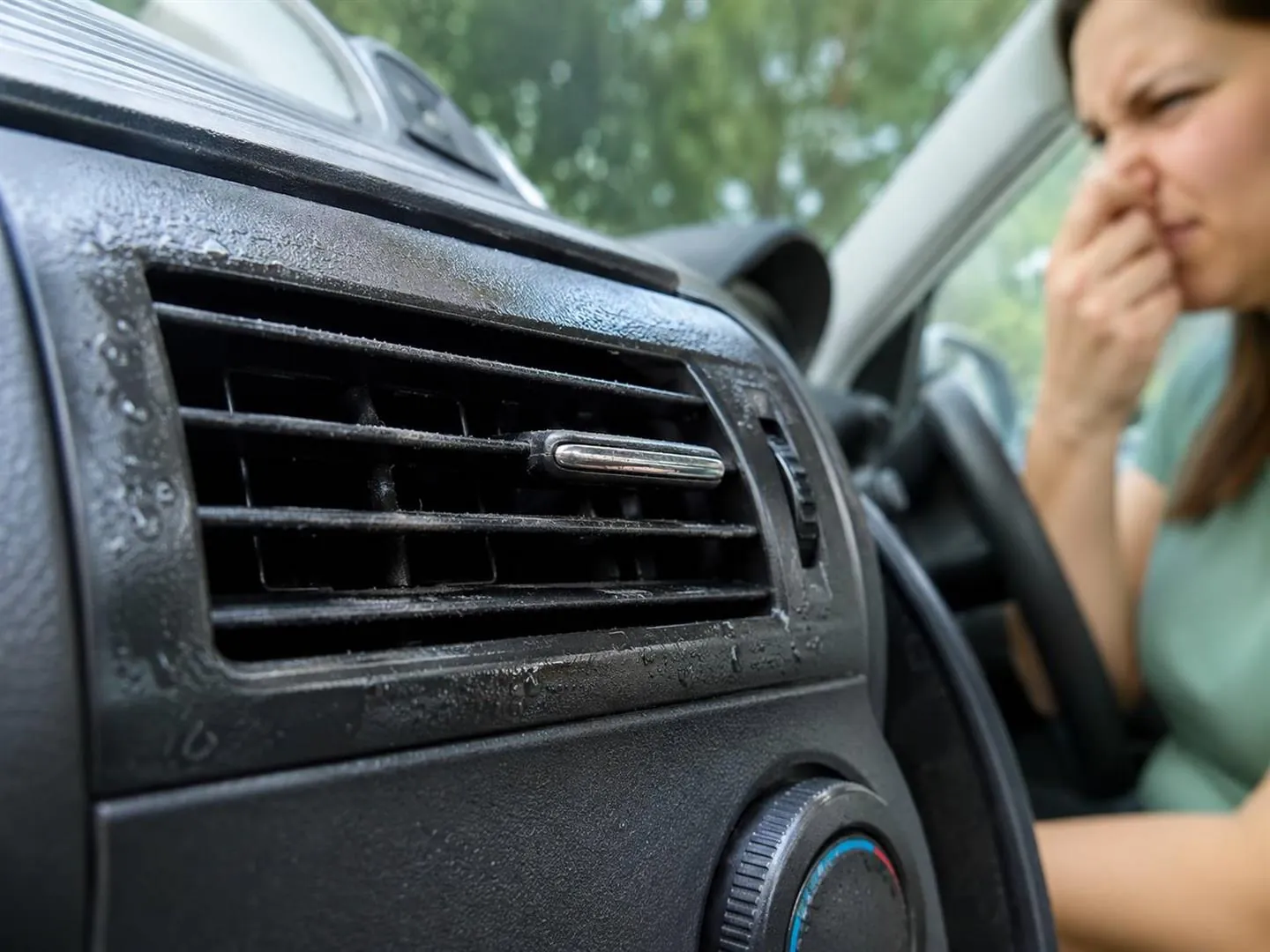
Your choice of action depends on where the moisture is located and how long the smell has been present. If the odor is only coming from the vents, start by replacing the cabin air filter. If the floor is wet, your issue is likely a blocked AC drain or a leaking seal, which requires drying the carpets before the mold spreads to the foam padding.
If you have already replaced the filter and the smell persists, the mold is likely inside the evaporator housing. This is a sign that you need a professional technician to perform a deep system cleaning, as reaching the evaporator safely requires specialized equipment and mechanical knowledge.
Related guides
Frequently asked questions
Can I use a spray to kill the mildew smell?
Deodorizing sprays only mask the odor temporarily and don’t solve the underlying moisture issue. You must remove the source of the dampness, such as a clogged drain or a dirty filter, to permanently stop the mold growth. Using a spray on a wet carpet will often make the smell worse by trapping moisture.
How long does it take for mold to grow in a car?
Mold can begin to grow within 24 to 48 hours if the interior remains damp and the temperature is warm. Once the spores take hold in porous materials like seat foam or carpet padding, the smell becomes very difficult to remove without professional steam cleaning or component replacement.
Is it safe to drive my car if it smells like mildew?
Driving the car is generally safe, but breathing in mold spores can irritate your respiratory system, especially if you have asthma or allergies. If you notice the smell, try to keep the windows cracked to improve airflow until you can locate and dry the source of the moisture.
Why does my car smell like mildew only when the AC is on?
The AC system is the primary path for air to enter your cabin, and it naturally accumulates moisture on the evaporator core. If this moisture isn’t draining properly, the fan blows air over the damp, moldy surface and directly into your face. This confirms your AC drain tube is likely blocked.
Does it matter if I ignore the smell?
Ignoring the smell will eventually cause permanent damage to your interior, such as rusted floor pans and ruined electronics. Mold also spreads quickly through porous materials like seat foam, making the repair much more expensive and labor-intensive the longer you wait to address the root cause.
How do I know if the AC drain is blocked?
You can verify a blocked drain by looking for water dripping under the car on the passenger side while the AC is running. If the AC is on but you see no water on the ground, the drain is obstructed and the moisture is likely pooling inside your dashboard.
Conclusion
Start by checking your cabin air filter, as it’s the easiest part to inspect and often the main cause of the odor. If the filter is clean and dry, check your floor mats for dampness to confirm if a leak or drain issue exists. If you see water pooling under the dashboard or notice mold on the seats, visit a professional detailer or mechanic immediately.