Laser Vs Digital Drive in Printing: Ultimate Performance Showdown

Are you trying to decide between laser and digital drive technology but feel overwhelmed by the technical details? You’re not alone.

Choosing the right option can impact your device’s speed, reliability, and overall performance. This article will break down the differences in a clear, simple way, so you can make the best choice for your needs. Keep reading to discover which technology suits you best and why it matters more than you might think.

Laser Vs Digital Drive in Printing: Ultimate Performance Showdown

Credit: www.etsy.com

Laser Printing Basics

Understanding laser printing basics helps you grasp the core of this popular technology. Laser printers use light and toner to create sharp, clear prints quickly and efficiently. They are common in offices and homes for tasks needing crisp text and graphics.

How Laser Printers Work

Laser printers use a laser beam to draw an image on a drum inside the printer. The drum is coated with a special material that holds an electrical charge. The laser changes the charge on the drum where it hits, creating an invisible image. Toner, which is a fine powder, sticks to the charged parts. Paper passes over the drum, and the toner transfers to the paper. Finally, heat fuses the toner to the paper, making the print permanent.

Common Uses Of Laser Printing

Laser printers are popular for printing documents, reports, and letters. They handle large print jobs fast and produce sharp text. Many businesses use them for invoices and contracts. Schools and offices appreciate their speed and low cost per page. They work well for black-and-white and color printing, although color laser printers cost more.

Key Features Of Laser Printers

Laser printers offer fast printing speeds and high-quality output. They provide sharp text and smooth graphics. Toner cartridges last longer than ink cartridges, reducing replacement frequency. Laser printers handle large volumes without losing print quality. They are reliable and cost-effective for heavy use. Many models include duplex printing to save paper.

Laser Vs Digital Drive in Printing: Ultimate Performance Showdown

Credit: perfect-laser.en.made-in-china.com

Digital Drive Printing Essentials

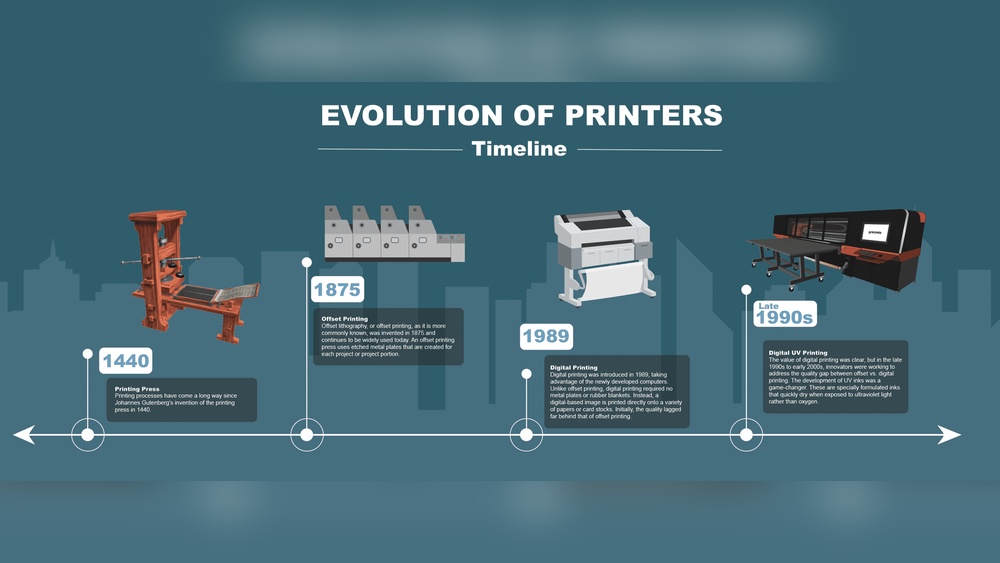
Digital drive printing is a key part of modern print technology. It uses digital data to control the print process. This method changes how printers work, making them faster and more flexible. Digital drive printing is important for many industries. Understanding its basics helps you see why it matters.

Mechanics Of Digital Drive Printing

Digital drive printing works by sending digital signals to the print heads. These signals tell the printer exactly where and how to apply ink. The print heads move quickly and precisely over the paper. This process reduces errors and waste. It uses software to convert images into print commands. This ensures sharp and clear prints every time.

Applications In Modern Printing

Many businesses use digital drive printing today. It prints books, brochures, labels, and packaging. It suits small to large print runs well. This technology also supports custom prints with variable data. That means each print can be different. It fits industries like advertising, publishing, and manufacturing.

Core Advantages Of Digital Drive Technology

Digital drive printing offers several key benefits. It speeds up the printing process significantly. It lowers setup costs since no plates are needed. It allows quick changes in design or text. The prints come out with consistent quality. It also reduces waste by printing only what is needed. This makes it both cost-effective and eco-friendly.

Print Quality Comparison

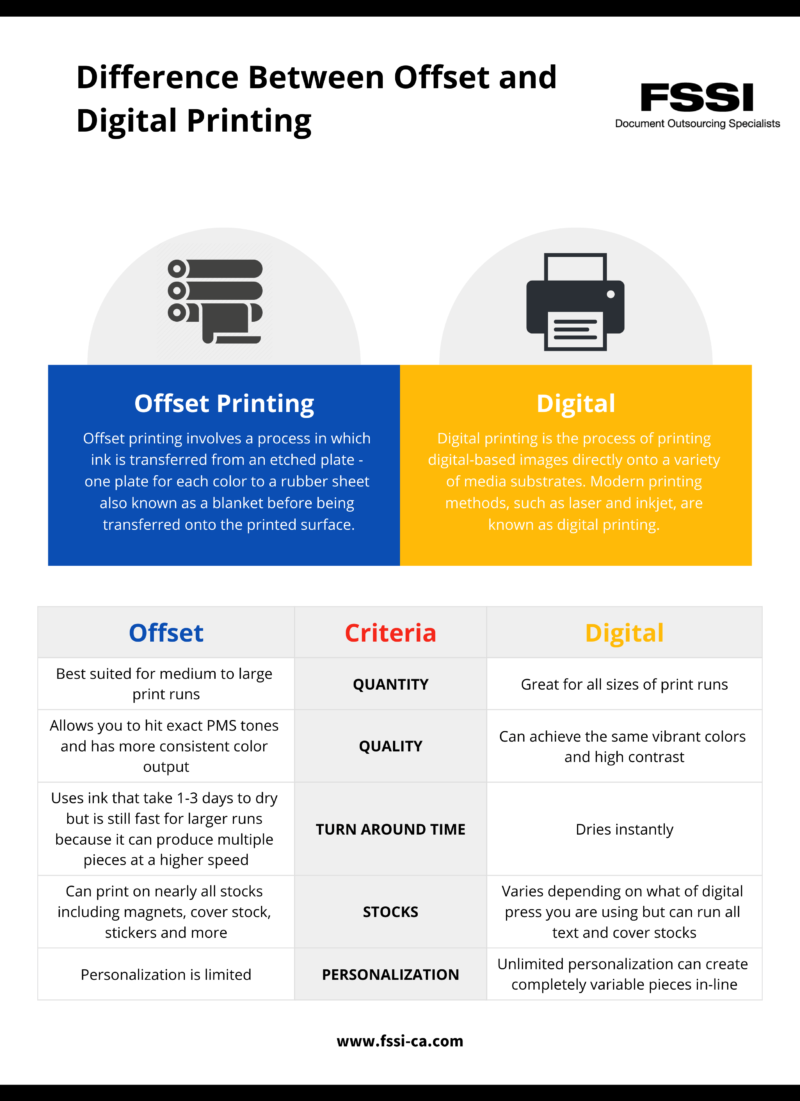
Print quality is a key factor when choosing between laser and digital drive printers. It determines how sharp, clear, and vibrant your printed images and texts will appear. Understanding the differences in print quality helps you pick the right printer for your needs.

Resolution And Detail

Resolution measures how many dots per inch (DPI) a printer can produce. Laser printers usually offer high DPI, creating sharp and detailed prints. Digital drive printers can vary in resolution but often match laser quality for most uses. Fine details like small fonts and thin lines appear clearer with higher resolution printers.

Color Accuracy

Color accuracy means how close printed colors match the original design. Laser printers use toner, which can produce vibrant and consistent colors. Digital drive printers often use advanced inkjet technology, giving better color blending and smoother gradients. Both types perform well, but digital drives may edge out in photo prints.

Consistency And Sharpness

Consistency means the printer produces the same quality every time. Laser printers excel here, offering sharp text and images without fading. Digital drive printers can sometimes vary in sharpness, especially with different paper types. For documents needing crisp lines, laser printers hold a steady advantage.

Speed And Efficiency

Speed and efficiency play a big role in choosing between laser and digital drive printers. These factors affect how quickly you get prints and how much energy the machine uses. Both types have their strengths in different areas.

Print Speed Differences

Laser printers usually print faster than digital drives. They use a laser beam to draw images on a drum, then transfer toner to paper quickly. Digital drives print slower because they process each image digitally before printing.

For simple text or black-and-white documents, laser printers can be much quicker. Digital drives may slow down with complex images or colors. This speed gap matters in offices or shops that print many pages daily.

Handling High Volume Jobs

Laser printers handle large print jobs better. Their fast printing and larger paper trays reduce wait times. They can run for longer periods without overheating or needing breaks.

Digital drives suit smaller jobs or tasks needing high detail. They can struggle with heavy workloads, causing slower print times. Choosing the right printer depends on your typical job size and frequency.

Energy Consumption

Laser printers tend to use more energy. Their heating elements and fast motors consume power even when idle. Digital drives use less energy, especially in standby mode.

Energy use impacts running costs and environmental footprint. For long printing hours, digital drives can save money and reduce power waste. This factor is key for businesses aiming to cut expenses.

Cost Factors

Cost factors play a major role in choosing between Laser and Digital Drive technologies. Understanding these costs helps businesses decide which option fits their budget and needs. This section breaks down the main cost components involved.

Initial Investment

Laser printers often require a higher upfront cost. The technology inside is complex and precise. Digital Drive systems usually cost less initially. They use simpler mechanics and electronics. This lower entry price can attract smaller businesses or startups.

Maintenance Expenses

Laser printers need regular maintenance to keep quality high. Toner cartridges and drum units must be replaced often. Digital Drive devices have fewer moving parts. This reduces the chance of mechanical failures. Their maintenance costs tend to be lower over time.

Cost Per Page

Laser printers usually offer a lower cost per page. Toner cartridges can print thousands of pages before replacement. Digital Drive systems might have a higher cost per page. This cost depends on the ink or media used. Calculating this helps predict long-term expenses.

Durability And Reliability

Durability and reliability matter a lot for Laser and Digital Drive systems. These features affect how long the device works well without breaking down. Users want devices that last long and perform consistently.

Both Laser and Digital Drive have parts that wear out over time. Understanding their strength helps choose the right technology for daily use.

Longevity Of Components

Laser drives use moving parts like motors and lenses. These parts can wear down after years of use.

Digital drives have fewer moving parts, which often means less wear. Solid-state components tend to last longer.

Laser parts may need replacement after 3 to 5 years. Digital drives often last 5 to 7 years or more.

Common Issues And Repairs

Laser drives often face laser lens failure or motor problems. Dust and dirt can cause read errors.

Digital drives may suffer from software glitches or memory errors. Physical damage is less common.

Laser repairs can be costly and take time. Digital drive repairs usually cost less and are quicker.

Performance Over Time

Laser drives can slow down as lenses get dirty or worn. Performance drops after heavy use.

Digital drives maintain steady performance for longer periods. No moving parts mean fewer mechanical failures.

Overall, digital drives deliver more reliable performance over time. Laser drives may need more maintenance.

Environmental Impact

Understanding the environmental impact of Laser and Digital Drive technology helps choose a greener option. Both have different effects on energy, waste, and sustainability. This section breaks down these key areas.

Energy Usage

Laser technology often consumes more energy during operation. It requires strong power for precise cutting or engraving. Digital Drive systems tend to use less energy overall. They operate efficiently with lower power needs. Choosing a low-energy option reduces carbon footprint.

Waste And Recycling

Laser devices may produce more waste from used parts and materials. Some components are hard to recycle properly. Digital Drive equipment usually creates less waste in daily use. Many parts are designed for easy recycling or reuse. Proper disposal helps lessen environmental harm.

Sustainability Considerations

Sustainability depends on materials and device lifespan. Laser machines can have shorter lifespans due to heavy use. Digital Drive tools often last longer with less maintenance. Using sustainable materials and repairable parts supports eco-friendly practices. Choosing durable equipment reduces the need for frequent replacement.

Best Use Cases

Choosing between laser and digital drive printers depends on the task. Each technology fits certain needs better. Understanding the best use cases helps pick the right option.

Office Environments

Laser printers excel in offices with high print volumes. They deliver sharp text quickly and handle large jobs without slowing down. Digital drive printers may lag behind for heavy office tasks. Laser models save time and reduce waiting.

Creative And Graphic Design

Digital drive printers offer better color accuracy and detail. Designers need vibrant and precise prints. They handle complex images and gradients well. Laser printers struggle with deep color tones. For artwork and photos, digital drives provide richer results.

Industrial And Specialized Printing

Laser printers suit industrial uses needing fast, reliable output. They work well for barcodes, labels, and text-based prints. Digital drive printers adapt to niche tasks, like textile or 3D printing. Each has strengths depending on material and finish requirements.

Future Trends In Printing

The printing industry is changing fast. Advances in technology shape how we print. Both laser and digital drives evolve to meet new needs. Printing becomes faster, smarter, and more efficient. These trends affect businesses and personal use alike.

Technological Innovations

New tech improves print quality and speed. Laser printers get better with finer lasers. Digital drives offer higher resolution and color depth. Sensors and AI help detect errors early. Machines adapt to different materials easily. This reduces waste and saves money. Innovations make printing smoother and more reliable.

Integration With Digital Workflows

Printing connects closely with digital systems. Files go from computer to printer without delay. Cloud printing grows in popularity. Remote printing allows work from anywhere. Software controls multiple printers at once. This integration speeds up the printing process. It helps businesses manage large print jobs easily.

Emerging Market Demands

Customers want faster and cheaper prints. Customization and short runs increase. Small businesses need flexible printing solutions. Eco-friendly printing gains importance. Printers use less energy and safer materials. Demand for mobile printing rises as well. These market needs shape future printer designs.

Laser Vs Digital Drive in Printing: Ultimate Performance Showdown

Credit: www.technocnc.com

Frequently Asked Questions

What Is The Main Difference Between Laser And Digital Drive?

Laser drive uses a physical laser to read data, while digital drive processes data electronically. This makes digital drives faster and less prone to wear.

Which Drive Offers Better Speed: Laser Or Digital?

Digital drives generally provide faster data access than laser drives. This speed helps improve overall device performance.

Are Laser Drives More Durable Than Digital Drives?

Laser drives have moving parts that can wear out over time. Digital drives have fewer moving parts, making them more durable.

Can Digital Drives Replace Laser Drives Completely?

Digital drives are becoming more common, but some devices still use laser drives. Both have unique uses depending on the technology needed.

Which Drive Is Better For Data Accuracy, Laser Or Digital?

Digital drives often have better data accuracy due to advanced error correction. Laser drives can be less accurate if the laser or disc is damaged.

Conclusion

Choosing between laser and digital drives depends on your needs. Laser drives offer precise cutting and engraving for detailed work. Digital drives provide faster processing and easier adjustments. Both have unique strengths that suit different projects. Think about what matters most: accuracy or speed.

This will guide your choice clearly. Understanding their differences helps you get better results. Keep your project goals in mind to pick the best option. Simple and smart decisions make your work easier and more effective.
Content Marketing Vs Digital Marketing: Key Differences Explained

Content Marketing Vs Digital Marketing

Are you confused about the difference between content marketing and digital marketing? You’re not alone.

Many people use these terms interchangeably, but they actually mean different things—and knowing the difference can make a big impact on your business. Imagine having a clear strategy that helps you reach your audience more effectively and grow your brand faster.

Keep reading, because understanding how content marketing and digital marketing work together will give you the edge you need to stand out and succeed.

Content Marketing Basics

Content marketing is a key part of digital marketing. It focuses on creating and sharing useful information. This helps attract and keep a clear group of people. The goal is to build trust and interest in a brand or product. Understanding the basics of content marketing is important to use it well.

Content marketing is not about selling directly. It is about providing value through stories, tips, or advice. This way, people feel connected and want to learn more.

Purpose And Goals

The main goal of content marketing is to engage people. It aims to solve problems or answer questions. This builds trust and loyalty over time. Another goal is to increase brand awareness. Content helps people remember a brand or product. It also supports other marketing efforts, like SEO and social media.

Common Content Types

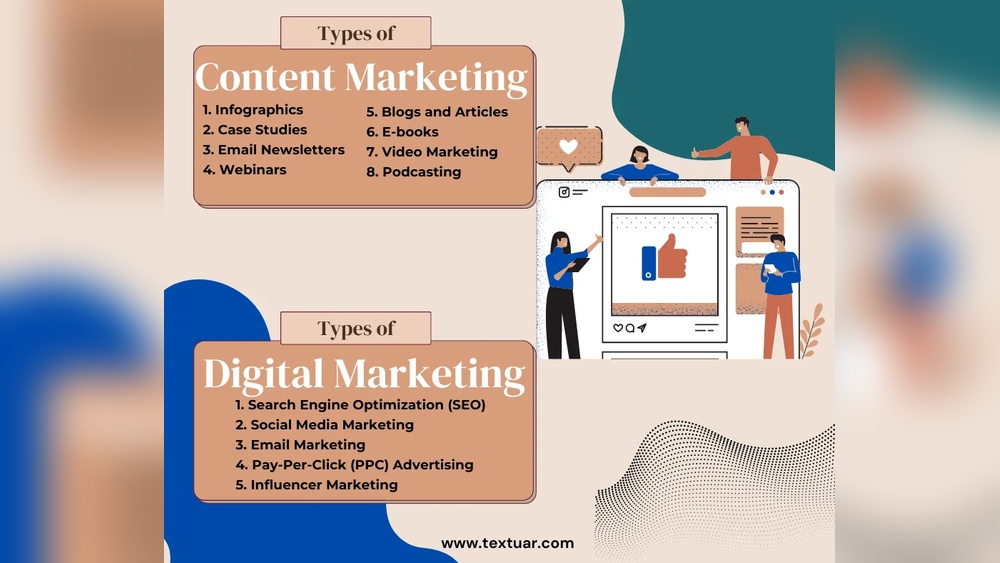
Content marketing uses many forms of content. Blogs and articles are popular for sharing detailed info. Videos explain concepts quickly and keep viewers interested. Infographics show data in a simple and visual way. Social media posts help reach a wider audience fast. Email newsletters keep regular contact with interested people.

Target Audience Focus

Content marketing always starts with the target audience. It is important to know their needs and interests. Content must speak directly to them and their challenges. This makes the content more useful and engaging. Understanding the audience helps create the right tone and style. It also guides where and how to share the content.

Content Marketing Vs Digital Marketing: Key Differences Explained

Credit: sparktoro.com

Digital Marketing Essentials

Digital marketing is a broad field that uses the internet and electronic devices. It helps businesses connect with customers in many ways. Understanding the essentials of digital marketing is key to using it well.

This section explains the main parts of digital marketing. It shows how it works and why it matters for any business.

Scope And Channels

Digital marketing covers many areas. It includes websites, social media, email, and search engines. Each channel offers different ways to reach people. Businesses can choose channels that fit their goals and audience.

Popular channels include Facebook, Instagram, Google, and YouTube. Websites and mobile apps also play a big role. These channels help brands stay visible and connect with customers anytime.

Techniques And Tools

Various techniques help digital marketing succeed. Search engine optimization (SEO) improves website ranking. Pay-per-click (PPC) ads bring quick traffic. Content marketing shares useful information to attract users.

Tools like Google Analytics track results. Email marketing software sends personalized messages. Social media management tools schedule posts and monitor engagement. These tools make campaigns easier and more effective.
Audience Reach And Targeting

Digital marketing reaches a global audience. Businesses can target people by age, location, interests, and behavior. This precise targeting saves money and improves results.

Custom audiences receive messages that fit their needs. Retargeting shows ads to people who visited a site before. This keeps brands in mind and encourages actions like buying or signing up.

Core Differences

The core differences between content marketing and digital marketing lie in their focus and methods. Both aim to attract customers but use different strategies. Understanding these differences helps businesses choose the best approach for their goals.

Content marketing centers on creating useful and relevant material. Digital marketing covers a wider range of activities, including ads, emails, and social media.

Strategic Approach

Content marketing builds trust by sharing helpful information. It focuses on educating and engaging the audience over time. Digital marketing uses multiple channels to reach potential customers quickly. It often aims for fast results through targeted campaigns.

Content Vs Promotion

Content marketing creates valuable articles, videos, and guides. The goal is to provide answers and solve problems. Digital marketing promotes products through ads, emails, and social posts. It pushes messages to encourage immediate action.

Short-term Vs Long-term Impact

Content marketing grows audience loyalty and brand reputation slowly. Its effects last longer as people keep returning for useful content. Digital marketing delivers fast visibility and sales boosts. Its impact may fade once the campaign ends.

Integration Opportunities

Content marketing and digital marketing offer many ways to work together. Combining both can create stronger campaigns. Integration helps reach more people and build trust. It also makes marketing efforts clearer and more focused.

Using content in digital ads, social media, and emails connects with audiences better. This blend increases engagement and keeps messages consistent. Marketers can use data from digital tools to improve content quality. The result is a smarter, more effective marketing approach.

Combining Strategies

Content marketing feeds digital marketing with valuable material. Blogs, videos, and infographics support ads and social posts. Digital channels spread content quickly and widely. This combination keeps the audience interested and engaged. Marketers can plan campaigns that use both methods together. It saves time and resources while increasing impact.

Maximizing Roi

Integrated campaigns show better returns on investment. Digital tools track user behavior and content performance. Marketers see what works and adjust strategies fast. This reduces wasted budget and increases sales chances. Using content and digital marketing together helps focus spending. It creates more leads, conversions, and loyal customers.

Case Studies

Many brands succeed by mixing content and digital marketing. A company used blog posts with paid ads to boost traffic. Another brand combined social media content with email marketing. Both saw higher engagement and sales growth. These examples prove integration improves marketing results. It helps brands connect with audiences in many ways.

Choosing The Right Strategy

Choosing the right marketing strategy is key to business success. Each method serves different purposes and targets various audiences. Understanding your needs will help pick the best approach. Content marketing and digital marketing often overlap but have unique strengths. Evaluating your goals, budget, and how you measure success guides your choice.

Business Goals Alignment

Align your marketing strategy with clear business goals. Content marketing suits brands aiming to educate and build trust. Digital marketing fits companies wanting quick reach and engagement. Define what you want to achieve first. Grow your audience, increase sales, or boost brand awareness. The strategy should match these aims closely.

Budget Considerations

Budget plays a major role in choosing a strategy. Content marketing often requires time and effort but costs less in ads. Digital marketing may need higher spending on paid campaigns. Decide how much you can invest regularly. Balance cost with expected return on investment. Small budgets might favor content marketing for steady growth.

Measuring Success

Tracking results helps refine your marketing efforts. Content marketing success shows in engagement, shares, and website visits. Digital marketing success is measured by clicks, conversions, and ad performance. Use clear metrics that reflect your goals. Regularly analyze data and adjust your strategy accordingly. This keeps your marketing effective and efficient.

Content Marketing Vs Digital Marketing: Key Differences Explained

Credit: umbrex.com

Content Marketing Vs Digital Marketing: Key Differences Explained

Credit: www.theknowledgeacademy.com

Frequently Asked Questions

What Is The Main Difference Between Content Marketing And Digital Marketing?

Content marketing focuses on creating and sharing useful content to attract an audience. Digital marketing uses online tools and channels to promote products or services broadly.

How Does Content Marketing Fit Into Digital Marketing Strategies?

Content marketing is a key part of digital marketing. It helps build trust and engage customers through blogs, videos, and social media posts.

Can Digital Marketing Succeed Without Content Marketing?

Digital marketing can work without content marketing, but results may be weaker. Quality content helps attract and keep customers interested.

Which Marketing Type Is Better For Small Businesses?

Content marketing is often better for small businesses with limited budgets. It builds brand awareness slowly and creates loyal customers over time.

How Do Content Marketing And Digital Marketing Measure Success?

Content marketing measures success by engagement, shares, and leads. Digital marketing tracks clicks, conversions, sales, and overall online traffic.

Conclusion

Content marketing and digital marketing work closely but serve different purposes. Content marketing focuses on creating helpful and valuable materials. Digital marketing uses various online tools to reach wider audiences. Both are important for growing a business in today’s world.

Choosing the right mix depends on your goals and needs. A strong strategy often blends both approaches. This way, you can attract and keep customers effectively. Understanding their differences helps you plan smarter and achieve better results.

Dolby Digital Vs Dts: Ultimate Sound Showdown Explained

Dolby Digital Vs Dts

When it comes to creating an amazing home theater or upgrading your sound system, you might find yourself stuck between two big names: Dolby Digital and DTS. Both promise crystal-clear audio and immersive experiences, but which one truly gives you the best bang for your buck?

Understanding the differences can transform how you enjoy movies, games, and music. Keep reading, and you’ll discover which sound format suits your setup perfectly—so you never miss a beat or a whisper again.

Dolby Digital Basics

Dolby Digital is a popular audio format used in movies, TV shows, and home theaters. It delivers clear and immersive sound. Understanding its basics helps you appreciate your audio experience.

This section explains Dolby Digital’s history, technical details, and common uses.

History And Development

Dolby Digital started in the early 1990s. Dolby Laboratories created it to improve sound quality. It first appeared in cinemas for surround sound. Later, it moved to DVDs, TVs, and streaming services. This format became a standard for digital audio.

Technical Specifications

Dolby Digital uses a compression method to reduce file size. It supports up to 5.1 channels of sound. That means five speakers plus one subwoofer. The audio quality is clear and balanced. It works well with many devices and formats.

Common Uses And Devices

Dolby Digital is common in movies and TV broadcasts. Many Blu-ray discs use this format. It is also in gaming consoles and streaming platforms. Home theater systems often support Dolby Digital. It ensures good sound on many devices.

Dolby Digital Vs Dts: Ultimate Sound Showdown Explained

Credit: www.youtube.com

Dts Essentials

DTS Essentials is a streamlined version of the DTS audio format. It offers clear, high-quality sound with less data. This makes it perfect for smaller devices and basic home theaters. DTS Essentials balances good audio with simple setup and lower bandwidth needs. It helps bring surround sound to more users without complex equipment.

Origins And Evolution

DTS Essentials began as a lighter form of the full DTS system. The goal was to spread DTS audio to devices that cannot handle large files. It started in the early 2000s with a focus on DVD players and TVs. Over time, DTS Essentials improved to support more channels and better sound clarity. The format continues to adapt as new audio technology develops.

Technical Features

DTS Essentials supports up to 5.1 surround sound channels. It uses less data than standard DTS but keeps clear sound quality. The format compresses audio efficiently to save space. It also allows easy decoding on various devices. DTS Essentials works well with both stereo and surround sound setups.

Where Dts Is Used

DTS Essentials is common in DVD players and Blu-ray discs. Many TVs and soundbars also support this format. It appears in streaming services for lower bandwidth streams. Game consoles and some mobile devices use DTS Essentials too. The format suits places where full DTS is too large or complex.

Sound Quality Comparison

Comparing the sound quality of Dolby Digital and DTS helps understand their performance. Both technologies deliver surround sound for movies and music. Each has unique features that affect how audio sounds to the listener.

Bitrate And Compression

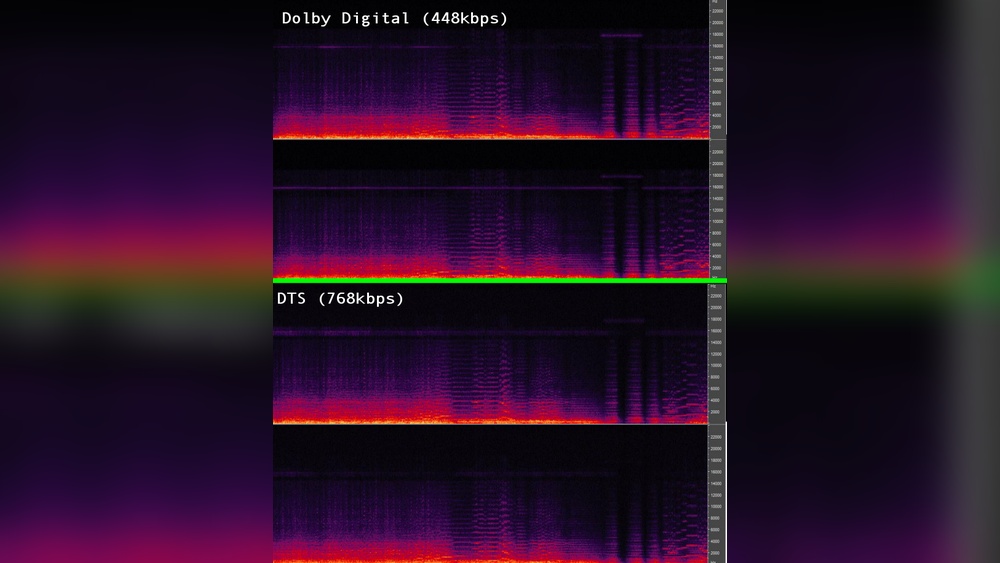
Bitrate affects how much data is used for audio. DTS often uses a higher bitrate than Dolby Digital. This means DTS can carry more audio information. Dolby Digital uses stronger compression to save space. Higher compression may reduce some sound details.

Channel Configuration

Dolby Digital supports up to 5.1 channels. This includes five speakers and one subwoofer. DTS also supports 5.1 but can handle more channels in some versions. More channels mean a richer and more immersive sound experience. Both formats work well with home theater systems.

Audio Clarity And Dynamics

DTS usually offers clearer sound with better dynamics. It can reproduce louder and softer sounds with more detail. Dolby Digital provides good clarity but may sound slightly compressed. Many listeners find DTS better for music and action scenes. Sound clarity depends on the system and source quality.

Dolby Digital Vs Dts: Ultimate Sound Showdown Explained

Credit: www.garvanacoustic.com

Compatibility And Support

Compatibility and support define how well Dolby Digital and DTS work with devices and services. Both technologies aim to provide clear, rich sound. Yet, their acceptance varies by platform and equipment. Understanding their compatibility helps you choose the best option for your setup.

Home Theater Systems

Most home theater systems support Dolby Digital. It is a standard for many soundbars and AV receivers. DTS is also common but may appear in higher-end models. Both can deliver surround sound. Check your system’s manual to see which formats it supports.

Streaming Platforms

Dolby Digital is widely used on streaming services like Netflix and Amazon Prime. It works well on many devices, ensuring good sound quality. DTS support is less common on streaming platforms. Some services offer DTS but only on select titles or devices.

Gaming Consoles And Blu-ray

Gaming consoles like PlayStation and Xbox support both Dolby Digital and DTS. Blu-ray discs often include both audio tracks. This gives users a choice for better sound. DTS may offer higher bitrates, but Dolby Digital is more universal on games and movies.

Licensing And Cost Factors

Choosing between Dolby Digital and DTS involves more than sound quality. Licensing and cost play a big role. These factors affect manufacturers and buyers alike. Understanding licensing models helps explain price differences. Costs tied to licensing shape the final product price.

Licensing Models

Dolby Digital uses a strict licensing system. Manufacturers pay fees to use its technology. These fees vary based on product type and volume. DTS also requires licensing but offers more flexible terms. Some DTS licenses cost less upfront but include royalties. Both systems protect their technology through licenses.

Impact On Manufacturers

High licensing fees may limit product options. Manufacturers might avoid expensive codecs to save money. Dolby’s fees can increase production costs. DTS’s flexible model can attract budget-focused makers. These costs influence which audio systems appear in devices. Choices affect sound features and overall device price.

Consumer Pricing Implications

Licensing costs pass down to consumers. Products with Dolby Digital may cost more. DTS-based devices can be more affordable. Price differences often reflect licensing expenses. Consumers get varied audio experiences at different price points. Understanding this helps buyers decide based on budget and quality.

Dolby Digital Vs Dts: Ultimate Sound Showdown Explained

Credit: www.youtube.com

Future Trends In Audio Tech

Audio technology keeps growing fast. Dolby Digital and DTS continue to evolve. New trends aim to create deeper and clearer sound experiences. These changes will affect how we enjoy movies, games, and music.

Sound systems will become smarter and more natural. Audio will feel like it surrounds you from every angle. Let’s explore the future trends shaping audio tech.

Advancements In Surround Sound

Surround sound is getting more detailed. Systems now support more speakers and channels. This means sound moves more smoothly around the listener. New tech focuses on better clarity and separation of sounds. Quiet moments and loud effects will both sound clear and rich.

Dolby Digital and DTS are pushing boundaries to improve surround sound. They aim to make audio more lifelike and immersive. The goal is to bring you closer to the action or music.

Integration With Immersive Formats

Immersive audio formats like Dolby Atmos and DTS:X are growing popular. These formats add height channels for a 3D sound space. Sound can come from above and all around. This creates a feeling of being inside the scene.

Future audio tech will blend traditional formats with these immersive ones. This helps create richer experiences across devices. Whether using headphones or home theaters, sound will feel more natural and enveloping.

Potential Innovations

New ideas are shaping the next audio wave. Artificial intelligence may help customize sound to each listener. Systems could adjust audio based on the room’s shape and size. Wireless and smart speakers will become more advanced.

Dolby Digital and DTS might introduce better compression techniques. This keeps sound quality high while using less data. Such improvements will make high-quality audio more accessible on all devices.

Choosing The Right Audio Format

Choosing the right audio format matters a lot for your listening experience. Different formats work better in different setups. Picking the correct one helps you enjoy clear sound and deep bass. You can focus on what suits your needs best. Let’s explore how to decide between Dolby Digital and DTS.

Based On Listening Environment

Your room size and shape affect sound quality a lot. Dolby Digital works well in small to medium rooms. It balances sound nicely and keeps voices clear. DTS often shines in larger rooms. It provides richer, more detailed audio that fills space well. Think about your room before choosing a format.

Device Compatibility

Not all devices support every audio format. Most TVs, gaming consoles, and Blu-ray players play Dolby Digital easily. DTS support is common but not universal. Check your device specs to avoid playback issues. Using a format your device supports ensures smooth sound without errors.

Personal Preferences

Sound taste varies from person to person. Some prefer Dolby Digital for its clear dialogue and balanced sound. Others like DTS for its stronger bass and immersive feel. Try both formats if possible. Choose the one that sounds better to your ears and fits your style.

Frequently Asked Questions

What Is The Main Difference Between Dolby Digital And Dts?

Dolby Digital uses a lower bit rate than DTS, affecting sound quality. DTS typically offers higher bit rates, resulting in clearer audio.

Which Sound Format Is Better For Home Theaters?

DTS often provides richer sound detail, preferred by many home theater users. Dolby Digital is more common and works well on most devices.

Do All Devices Support Both Dolby Digital And Dts?

Most modern devices support Dolby Digital widely. DTS support is common but less universal than Dolby Digital.

How Does Audio Compression Affect Dolby Digital And Dts?

Dolby Digital uses more compression, which can reduce audio size but lower quality. DTS uses less compression, keeping better sound clarity.

Can I Use Dolby Digital And Dts Together In One System?

Most systems switch between formats but don’t play both at once. You choose the format based on your content and device compatibility.

Conclusion

Both Dolby Digital and DTS offer strong sound quality for movies and music. Dolby Digital is common and works well with many devices. DTS often provides richer sound with higher bit rates. Your choice depends on your equipment and listening needs.

Either option can improve your audio experience. Pick the one that fits your setup best. Enjoy clear and immersive sound with both technologies.

Film Photos Vs Digital: Ultimate Showdown for Timeless Quality

Film Photos Vs Digital

Are you torn between choosing film photos or digital for your next shoot? You’re not alone.

Both have their unique charm, but which one truly fits your style and needs? Imagine holding a tangible photo with rich textures or instantly seeing your shot on a screen—each offers a very different experience. By the end of this article, you’ll have a clear understanding of the real differences, helping you make the best choice for your photography.

Keep reading to discover what works for you.

Film Photos: Classic Appeal

Film photos hold a timeless charm that digital images often lack. They bring a sense of nostalgia and warmth that many photographers appreciate. The look and feel of film photos connect us to a different era of photography. Each frame has its own story, shaped by the unique qualities of film.

Grain And Texture

Film grain adds character to photos. It creates a soft, organic texture that digital photos struggle to replicate. Grain varies depending on the film type and shooting conditions. This texture can enhance the mood and depth of an image. It gives photos a handcrafted, artistic vibe.

Color Rendition

Film delivers colors in a way that feels natural and rich. The hues often appear warmer and more subtle than digital colors. Each film brand has its own color signature, adding variety to photos. This unique color palette makes film photos stand out. It captures the atmosphere of the scene beautifully.

Dynamic Range

Film can capture a wide range of light and shadow. It handles highlights and shadows smoothly, preserving details. This dynamic range helps create balanced, lifelike images. Film images often show more depth in bright and dark areas. This quality adds to the classic look of film photos.

Tactile Experience

Handling film is a physical, hands-on experience. Loading a roll, winding the film, and developing it connects you to the process. The anticipation of waiting for prints adds excitement. Holding a printed photo feels special and personal. This tactile aspect makes film photography more engaging and memorable.

Film Photos Vs Digital: Ultimate Showdown for Timeless Quality

Credit: www.youtube.com

Digital Photos: Modern Precision

Digital photos offer clear and sharp images with high precision. They capture moments exactly as they appear. This modern technology allows photographers to control many aspects of the image. It helps create pictures that are both detailed and vibrant.

The ease of use and speed make digital photography popular for many users. Every click can be checked instantly. Adjustments can be made on the spot. This level of control and accuracy makes digital photos a preferred choice today.

Resolution And Sharpness

Digital cameras capture images with high resolution. More pixels mean more detail in the photo. This sharpness helps in printing large pictures without losing quality. Fine textures and small objects appear clear and crisp. The result is a clean, polished image every time.

Color Accuracy

Digital sensors record colors very precisely. They can reproduce true-to-life shades. This accuracy ensures that photos look natural and vibrant. White balance settings help avoid unwanted color tints. The colors in digital photos closely match the real scene.

Low-light Performance

Digital cameras perform well in low light. Higher ISO settings brighten photos without much noise. This feature allows shooting in dim places without flash. Night scenes and indoor photos come out clear and detailed. It helps capture moments that film might miss.

Instant Feedback

Digital photography provides immediate image review. Photographers can check each shot on the camera screen. Mistakes can be fixed right away by retaking the photo. This instant feedback saves time and film costs. It also helps learn and improve photography skills quickly.

Comparing Image Quality

Image quality is a key factor in choosing between film and digital photography. Both have strengths and weaknesses that affect the final picture. Understanding these differences helps you pick the right tool for your style and needs.

Detail And Clarity

Film captures details differently than digital sensors. Film can show fine grain and texture, which adds character. Digital photos often have sharper lines and clearer edges. High-resolution digital cameras can reveal tiny details that film might miss. However, the organic look of film grain appeals to many photographers.

Color Depth And Tone

Film offers rich color depth with smooth tonal transitions. It naturally blends colors in a way that feels warm and soft. Digital cameras capture vibrant colors with high accuracy. They allow easy adjustments to color tone after shooting. Film’s color tends to be more subtle, while digital colors are often brighter and more precise.

Contrast And Exposure

Film handles contrast with gentle shifts between light and shadow. It can preserve details in bright and dark areas better than some digital sensors. Digital cameras give more control over exposure settings. They produce images with higher contrast and clearer highlights. Film’s exposure latitude creates a classic look that many find appealing.

Longevity And Preservation

Film negatives can last for decades if stored properly. They do not degrade quickly and can be reprinted many times. Digital files rely on storage devices that may fail or become outdated. Backing up digital photos is essential to avoid loss. Film offers a physical archive, while digital requires constant maintenance for preservation.

Film Photos Vs Digital: Ultimate Showdown for Timeless Quality

Credit: www.infinibandta.org

Workflow And Convenience

Choosing between film photos and digital affects how you work and how easy the process feels. Each method has a unique way of handling shooting, editing, storing, and sharing images. Understanding these differences helps in picking the right tool for your needs.

Shooting Process

Film cameras require careful setup before taking a shot. You need to load film and plan each picture. Digital cameras show images immediately on a screen. This helps you adjust settings quickly. Digital shooting allows many photos without extra cost. Film photography demands patience and thinking before pressing the button.

Editing Flexibility

Digital photos can be edited easily with software. You can change colors, crop, and fix mistakes fast. Film photos need scanning to edit digitally. Some photographers prefer darkroom editing, but it takes time. Digital editing offers more control and quick results. Film editing is slower and less flexible.

Storage And Sharing

Digital images save on memory cards or computers. You can back them up and share online instantly. Film photos must be developed before sharing. Physical photos take space and can fade over time. Digital storage is easy and takes less room. Sharing digital photos is fast and simple.

Cost And Accessibility

Film photography costs more for film rolls and developing. Cameras can be cheaper but ongoing costs add up. Digital cameras have higher upfront prices but no film costs. Editing software may require payment. Digital photography is more accessible for many people. Film offers a unique feel but at extra cost.

Emotional And Artistic Impact

The emotional and artistic impact of film photos versus digital images shapes how we see and feel about pictures. Each method offers a different experience that affects mood, creativity, and storytelling. These differences influence the connection between the viewer and the image.

Nostalgia And Mood

Film photos often bring a sense of nostalgia. The soft tones and grain create a vintage feel. This mood can evoke memories and emotions from the past. Digital photos tend to be sharper and clearer. They capture moments as they are, offering a more modern and crisp look.

Creative Limitations

Film photography has limits like fixed frames and no instant review. These limits push photographers to think carefully before shooting. Digital photography offers freedom with unlimited shots and instant feedback. This can encourage experimentation but may reduce thoughtful planning.

Unique Imperfections

Film images show small flaws like grain, light leaks, and color shifts. These imperfections add character and charm. Digital photos are usually perfect and clean. Sometimes, this perfection can feel less personal or less artistic.

Visual Storytelling

Film photos tell stories through texture and tone. Each frame feels crafted and deliberate. Digital images tell stories with clarity and detail. They allow quick sharing and editing to enhance the narrative. Both forms create powerful visual stories in their own way.

Film Photos Vs Digital: Ultimate Showdown for Timeless Quality

Credit: fstoppers.com

Choosing The Right Medium

Choosing between film photos and digital photography depends on many factors. Each medium offers unique advantages and challenges. Understanding these can help you pick the right tool for your needs.

Purpose And Style

Film photos have a classic, timeless feel. They add warmth and texture to images. Digital photos are sharp and versatile. They work well for editing and fast sharing. Your style and project type influence the best choice. Portraits or artistic shots might suit film. Events or commercial work often favor digital.

Budget Considerations

Film photography requires buying rolls of film and paying for development. Costs can add up quickly over time. Digital cameras need a larger initial investment. After that, taking photos costs very little. Think about how often you shoot. Choose the option that fits your budget best.

Skill Level

Film cameras teach patience and careful planning. You see results only after developing the film. Digital cameras show images instantly. They allow quick learning and easy corrections. Beginners might prefer digital for practice. More experienced photographers may enjoy film’s challenge.

Future Trends

Digital photography dominates today’s market. New technology improves image quality and speed. Film has a niche but steady interest. Some artists and collectors value its uniqueness. Both mediums can coexist. Watch how innovations shape photography’s future.

Frequently Asked Questions

What Are The Main Differences Between Film Photos And Digital?

Film photos capture images on physical film, while digital photos use electronic sensors. Film offers a classic, grainy look; digital provides sharp, clear images instantly.

Which Is Cheaper: Shooting With Film Or Digital Cameras?

Digital cameras are cheaper over time because you don’t buy film or pay for developing. Film costs add up with each roll and processing.

How Does Image Quality Compare Between Film And Digital?

Film photos have a unique texture and color depth. Digital images are usually sharper and easier to edit or share online.

Can Film Photos Be Edited Like Digital Ones?

Film photos can be scanned and edited on a computer, but editing is less flexible than with digital files. Digital images allow easy, quick adjustments.

Why Do Some Photographers Still Prefer Film Over Digital?

Film offers a nostalgic feel and a slower, thoughtful shooting process. Many enjoy its artistic qualities and the surprise of developing photos later.

Conclusion

Both film and digital photography offer unique benefits. Film gives a classic, artistic feel with rich textures. Digital provides quick results and easy editing options. Choosing depends on your style and needs. Some enjoy the slow, thoughtful process of film.

Others prefer the speed and flexibility of digital. Either way, both can capture beautiful moments. Try both to see what fits you best. Photography is about creativity and enjoyment. Keep exploring and have fun with your photos.

Imax Vs Digital: Ultimate Showdown for Movie Lovers

Imax Vs Digital

When it comes to watching movies, you want the best experience possible. But how do you choose between IMAX and digital?

Both promise clear pictures and great sound, but there’s more to it than just that. You might wonder which one makes you feel like you’re actually inside the story or which offers sharper details and brighter colors. You’ll discover the real differences that affect what you see and hear.

By the end, you’ll know exactly which option suits your movie nights best. So, keep reading to make your next trip to the theater truly unforgettable.

Imax Vs Digital: Ultimate Showdown for Movie Lovers

Credit: www.reddit.com

Imax Experience

The IMAX experience offers more than just watching a movie. It creates a deep connection with the story through powerful visuals and sound. Every detail aims to pull you inside the film. From the moment the movie starts, you feel part of the action.

Screen Size And Format

IMAX screens are much larger than regular digital screens. They stretch from wall to wall and floor to ceiling. The shape is taller and wider, filling your entire field of vision. This size makes images feel bigger and closer. The special format keeps the picture sharp across the whole screen.

Sound Quality

IMAX uses advanced sound systems designed to surround the audience. Speakers are placed all around the theater, even above and below. This setup makes sounds come from every direction. The sound is clear and loud without distortion. It helps create a realistic atmosphere that matches the visuals.

Visual Clarity And Resolution

IMAX projectors show images with very high resolution. The picture is sharper and more detailed than regular digital theaters. Colors look richer and more vibrant. The brightness is also higher, making dark scenes easier to see. This clarity helps the audience catch every small detail on screen.

Immersive Seating Design

IMAX theaters arrange seats to enhance immersion. The seats are steeply angled, so everyone faces the screen directly. This design avoids neck strain and keeps focus on the movie. The space between rows is larger, allowing freedom of movement. This setup makes viewers feel like they are inside the story.

Imax Vs Digital: Ultimate Showdown for Movie Lovers

Credit: www.youtube.com

Digital Cinema Features

Digital cinema has become a popular choice for movie theaters worldwide. It offers many features that make movie watching enjoyable and flexible. These features affect how you see and hear films. Understanding them helps you choose the right cinema experience.

Flexible Screen Options

Digital cinemas can use many screen sizes and shapes. They fit small, medium, or large theaters. Screens can be flat or curved. This flexibility allows theaters to show movies in different ways. It suits different audience sizes and room shapes.

Sound Systems Variety

Digital cinemas support many sound systems. From simple stereo to complex surround sound, options vary. Some theaters use Dolby Atmos or DTS:X for 3D sound effects. Good sound systems make movies feel more real and exciting.

Image Quality And Technology

Digital projectors use bright lights and sharp lenses. They show clear and colorful pictures. The technology supports high resolution, like 4K or even 8K. This makes images crisp and detailed. Digital cinema also avoids scratches or damage common with film reels.

Accessibility And Availability

Digital films are easier to distribute than physical reels. Theaters receive movies via internet or hard drives quickly. This means new movies reach many places fast. Digital cinemas are common worldwide, making them easy to find. They often offer subtitles and audio options for diverse audiences.

Comparing Picture Quality

Picture quality plays a big role in how we enjoy movies. IMAX and digital screens offer different experiences. Each has strengths that affect brightness, color, 3D effects, and resolution. Understanding these differences helps you choose the best option for your movie night.

Brightness And Contrast

IMAX screens use special projectors that create very bright images. This brightness helps details stand out, even in dark scenes. Contrast is strong, making blacks deep and whites clear. Digital screens vary more in brightness. Some are bright, but often not as vivid as IMAX. Contrast on digital screens can appear less sharp, especially in larger theaters.

Color Accuracy

IMAX films use precise color calibration. Colors appear rich and true to life. This accuracy makes scenes feel more natural and immersive. Digital projectors can show many colors too, but some colors might look less vibrant. Color accuracy depends on the projector quality and screen type. IMAX generally offers more consistent color quality across different theaters.

3d Capabilities

IMAX 3D uses advanced technology for clearer and brighter 3D images. The glasses reduce glare and improve depth perception. This creates a more comfortable and realistic 3D experience. Digital 3D can work well but often suffers from dimmer images and ghosting effects. IMAX 3D is better for long viewing times and intense visual effects.

Resolution Differences

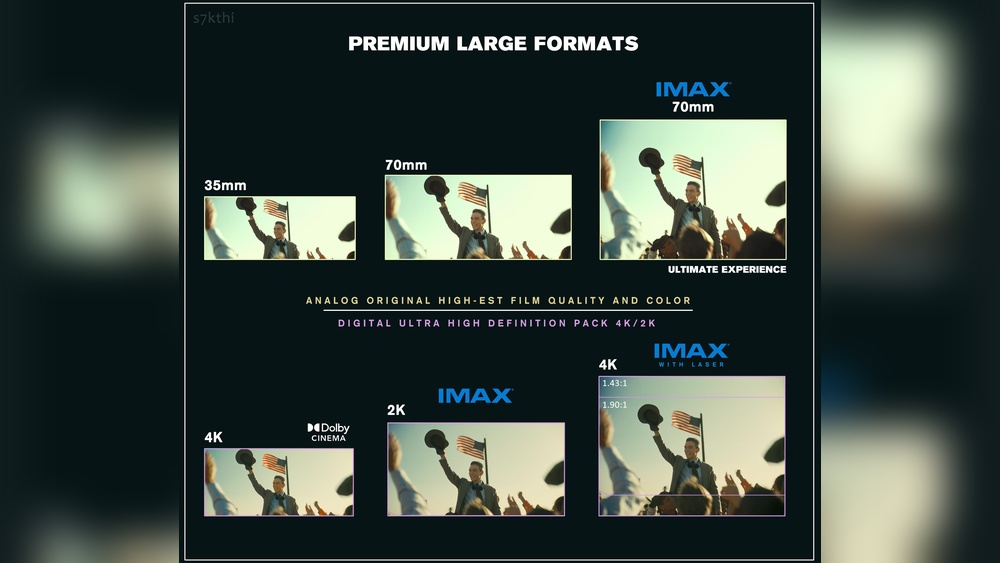
IMAX uses specially designed 70mm film or high-resolution digital projectors. This results in sharper images with fine details. Digital theaters vary widely in resolution. Some use 4K projectors, but many still rely on 2K resolution. IMAX’s larger screen size and resolution create a more detailed picture. This clarity enhances the overall viewing experience, especially for epic scenes.

Sound Comparison

Sound plays a big role in movie experience. It pulls you into the story and makes scenes feel real. Both IMAX and digital theaters offer different sound qualities. Understanding these differences helps you choose the best option for your visit.

Sound systems vary in technology and setup. This affects how you hear every whisper, explosion, or music note. Let’s explore the key aspects of sound in IMAX and digital theaters.

Speaker Technology

IMAX uses custom-designed speakers made for clear and powerful sound. These speakers cover a wide range of frequencies. Digital theaters rely on standard speaker setups. They can still sound good but lack the special tuning of IMAX.

Surround Sound Effects

IMAX provides advanced surround sound with speakers placed all around the theater. This creates an immersive audio bubble. Digital theaters offer surround sound too, but it may not fill the space as evenly. IMAX’s setup helps you catch subtle sounds from all directions.

Audio Clarity

IMAX audio is known for its crisp and clear sound. Dialogue and effects stand out without distortion. Digital sound can sometimes feel less sharp. Background noise may blur important audio details in digital theaters.

Volume And Impact

IMAX systems deliver louder, more impactful sound without losing quality. Explosions and music hit harder, making scenes exciting. Digital theaters also offer good volume but might not reach the same intensity. IMAX’s sound feels bigger and more powerful.

Ticket Pricing And Value

Ticket pricing and value matter a lot when choosing between IMAX and digital movies. Prices vary based on the format, location, and theater chain. Understanding the cost and what you get helps you decide where to spend your money.

Cost Differences

IMAX tickets usually cost more than digital movie tickets. The extra cost covers special screens and better sound. Digital movies are cheaper but offer standard visuals and sound. The price gap varies by city and theater.

Membership And Discounts

Many theaters offer membership programs with discounts. These can lower ticket prices for both IMAX and digital shows. Students, seniors, and military members often get extra discounts. Checking for deals can save money on your movie outing.

Experience Worth The Price

IMAX offers bigger screens and clearer images. The sound quality is also richer and more immersive. Digital movies provide a good experience at a lower cost. If you want the best visuals and sound, IMAX is worth the extra price.

Movie Selection And Availability

Choosing between IMAX and digital theaters often depends on the movies you want to see. Each format offers different titles and availability. This affects your viewing options and overall experience.

Blockbuster Releases

IMAX screens usually show the biggest blockbuster movies. These films have large budgets and special effects. IMAX gives these movies a bigger, clearer picture. Digital theaters also show blockbusters but may have more screens and times available.

Independent Films

Digital theaters often feature more independent and smaller films. These movies may not have wide releases in IMAX. If you enjoy unique stories or art films, digital theaters offer a wider choice. IMAX tends to focus on films made for large audiences.

Special Screenings

IMAX sometimes hosts special screenings like documentaries or 3D events. These are rare and attract specific fans. Digital theaters offer more frequent special events like classic movies or festivals. Both formats have unique options that cater to different interests.

Comfort And Atmosphere

Comfort and atmosphere play a big role in choosing between IMAX and digital theaters. The way you feel sitting in the seat and the environment around you shape your movie experience. Both formats offer unique settings. These can affect how much you enjoy the film.

Seating Comfort

IMAX theaters often have larger seats with more legroom. This gives you space to relax for long movies. The seats are designed to face the big screen directly. Digital theaters may have smaller seats. They can be less cushioned but still cozy. Some digital cinemas offer reclining seats too. Comfort depends on the theater chain and location.

Theater Ambiance

IMAX theaters create a special atmosphere with massive screens. The picture fills your view and sound surrounds you. The lighting is dimmed perfectly to focus attention on the screen. Digital theaters vary in size and setup. They usually have smaller screens but still good sound. The room lighting and design differ a lot. This can change how immersive the film feels.

Crowd Experience

IMAX screenings often attract movie lovers who want a premium experience. The crowd can be quieter and more respectful. Digital theaters may have a wider mix of viewers. Some showings are busy and noisy. The energy in the room can affect your focus. Both formats depend on the audience and time of the day.

Choosing The Best Option

Choosing the best option between IMAX and digital depends on several factors. Each offers a different experience. Understanding what matters most can help you decide.

Personal Preferences

Some people love the big screen and deep sound of IMAX. Others prefer the clarity and comfort of digital theaters. Think about what makes you enjoy movies more. Do you like feeling surrounded by the action? Or do you prefer a clear, crisp image? Your taste plays a big role.

Type Of Movie

Action and adventure films often shine in IMAX. The large screen and powerful sound make scenes more exciting. For dramas or comedies, digital screens work well. They show details and colors clearly. Choose based on the movie’s style to get the best experience.

Location And Convenience

IMAX theaters are not in every city. Sometimes, digital theaters are easier to find. Check which theaters are near you. Consider travel time and ticket prices. Convenience can influence your choice as much as the technology itself.

Imax Vs Digital: Ultimate Showdown for Movie Lovers

Credit: www.reddit.com

Frequently Asked Questions

What Is The Main Difference Between Imax And Digital Movies?

IMAX uses larger film and screens for sharper, clearer images. Digital movies use digital projectors with standard screens. IMAX offers a more immersive viewing experience.

Does Imax Provide Better Sound Quality Than Digital?

Yes, IMAX theaters have custom sound systems for rich, deep audio. Digital theaters use standard speakers, which may not be as powerful. Sound in IMAX matches the larger screen experience.

Are Imax Tickets More Expensive Than Digital Movie Tickets?

IMAX tickets usually cost more because of the premium experience. Digital movie tickets are generally cheaper and more common. The price difference depends on the theater and location.

Can I Watch All Movies In Imax Format?

Not all movies are available in IMAX; only select films are formatted for it. Digital format covers almost all movies. Check listings to see if your movie offers an IMAX version.

Is The Imax Screen Size Always Bigger Than Digital Screens?

IMAX screens are typically larger, curved, and taller than digital screens. Digital screens vary but are usually smaller and flat. Bigger screens enhance the overall movie experience.

Conclusion

Choosing between IMAX and digital depends on your movie experience needs. IMAX offers bigger screens and sharper images. Digital theaters provide convenience and good picture quality. Both have sound systems that bring films to life. Think about the movie type and your preferences.

Some enjoy the immersive feel of IMAX. Others prefer the ease of digital showings. Either way, watching on the big screen beats home viewing. Your choice will shape how you enjoy the story. Consider what matters most for your next trip to the movies.

Ps5 Digital Edition Vs Disc: Ultimate Showdown for Gamers

Ps5 Digital Edition Vs Disc

Are you torn between choosing the PS5 Digital Edition or the Disc version? You’re not alone.

Both have their perks, but which one truly fits your gaming style and budget? This guide will help you understand the key differences, so you can make the best choice for your setup. Keep reading to discover which PS5 will bring you the most value and enjoyment.

Ps5 Digital Edition Vs Disc: Ultimate Showdown for Gamers

Credit: www.youtube.com

Design And Build

The design and build of the PS5 Digital Edition and the PS5 Disc Edition show clear differences. These differences affect how each console looks and feels. Understanding these details helps you choose the right model for your space and style.

Both versions share the same core design language. Yet, subtle changes make each unique. The design reflects Sony’s modern and bold vision for the future of gaming.

Physical Differences

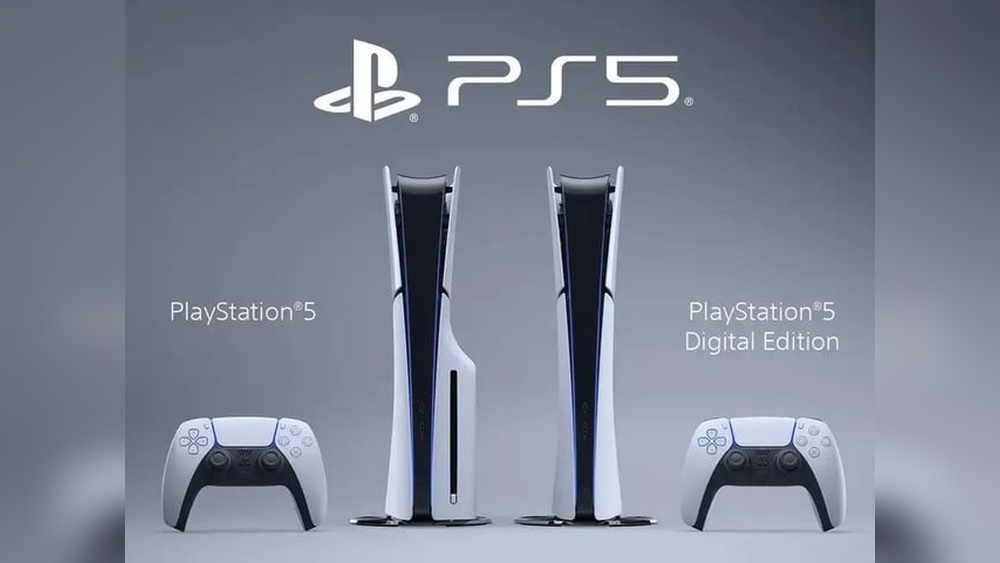
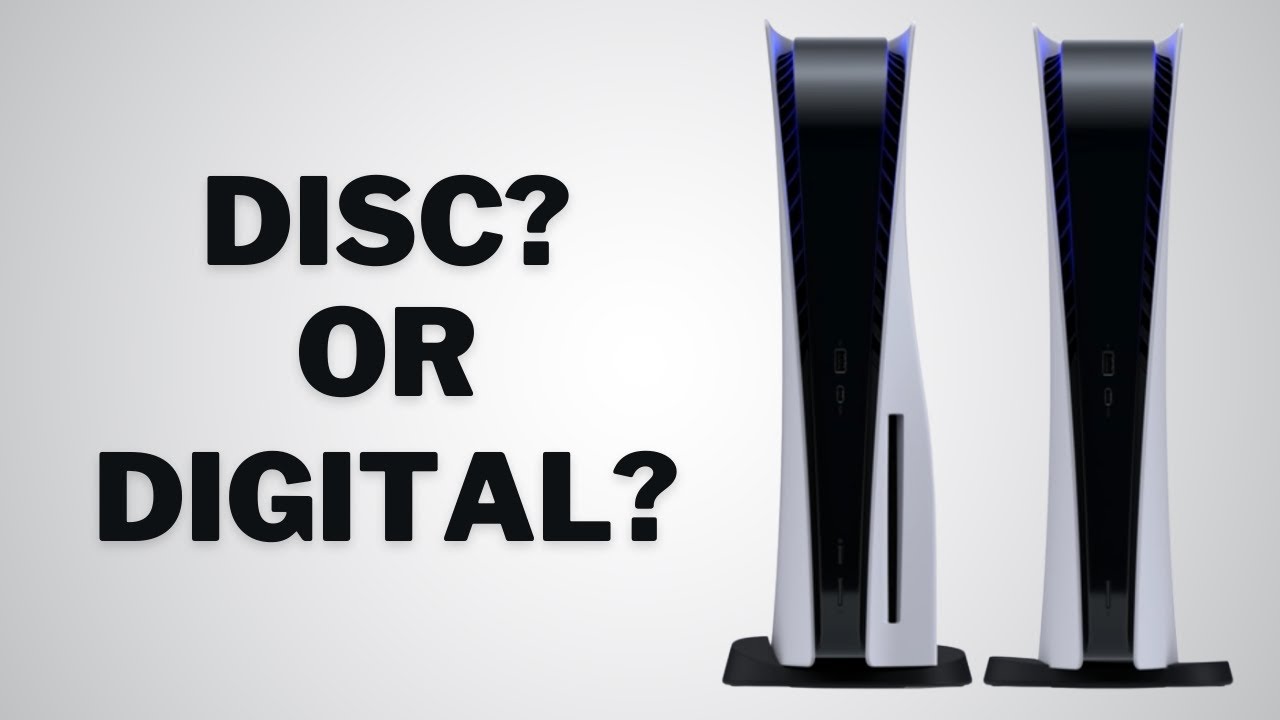
The PS5 Disc Edition has a disc drive on its right side. This slot lets you play physical game discs and Blu-ray movies. The Digital Edition removes this slot entirely. Its body looks cleaner and more streamlined. The lack of a disc drive is the main physical change.

Weight And Size Comparison

The Digital Edition weighs less than the Disc Edition. It is about 300 grams lighter. The Disc Edition measures slightly thicker. The Digital Edition’s slimmer profile fits better in small spaces. Both consoles are tall and wide, designed for standing or laying flat.

Aesthetic Appeal

The Digital Edition has a smooth, symmetrical look. It feels sleek and modern without the disc slot. The Disc Edition offers a more complex shape with its drive. Some find the Digital Edition’s simplicity more attractive. Others prefer the Disc Edition’s functional design.

Performance And Hardware

The performance and hardware of the PS5 Digital Edition and the PS5 Disc Edition are nearly identical. Both consoles share the same core technology and deliver powerful gaming experiences. The main differences lie in the presence or absence of the disc drive. This section explores the key hardware features that affect gameplay and system speed.

Processor And Gpu Specs

Both PS5 models use the same custom AMD Ryzen CPU with eight cores. This processor runs at a boost speed of up to 3.5 GHz. The GPU is also identical, based on AMD’s RDNA 2 architecture. It offers 10.28 teraflops of power. This setup ensures smooth graphics and fast processing across both versions.

Storage Options And Expansion

Each PS5 has an ultra-fast 825GB SSD for storage. This helps load games quickly and reduces wait times. Both consoles support NVMe SSD expansion slots. Gamers can add extra storage with compatible drives. The only difference is the disc drive in the standard PS5, which allows physical game discs and Blu-ray playback.

Loading Speeds And Efficiency

The SSD in both PS5 models cuts loading times significantly. Games start and resume faster than on previous consoles. Efficiency is also improved with better cooling systems in both versions. This keeps the console running smoothly without overheating. The lack of a disc drive in the Digital Edition means fewer moving parts, which may reduce noise slightly.

Game Library And Compatibility

The game library and compatibility are key factors when choosing between the PS5 Digital Edition and the PS5 with Disc. Both versions offer access to a wide range of games. Still, how you access and use these games differs. Understanding these differences helps you pick the best option for your gaming needs.

Digital Vs Physical Game Access

The PS5 Digital Edition only plays games downloaded from the PlayStation Store. You cannot use physical discs. This means you need a stable internet connection to download games. The PS5 with Disc allows both downloaded and disc-based games. You can buy games in stores or online on discs. Physical discs can be shared or sold. Digital games stay on your account and cannot be traded.

Backward Compatibility Features

Both PS5 models support most PS4 games. You can play your old favorites without extra cost. The PS5 with Disc can also play PS4 discs directly. The Digital Edition requires downloading the PS4 game versions. Neither PS5 supports PS3, PS2, or PS1 discs. Some classic games are available through digital stores or subscriptions instead.

Exclusive Titles And Offers

Both versions receive the same exclusive PS5 games. No game is limited to one version only. Digital Edition users often get early access or discounts on digital sales. Disc users can buy used games or trade discs. Some special editions come with physical copies only. Each version has unique perks depending on how you prefer to buy games.

User Experience

The user experience on the PS5 Digital Edition and the PS5 with Disc varies in several ways. Both consoles offer smooth gameplay and quick loading times. Yet, the way players interact with games and features can differ. This affects daily use and enjoyment.

Understanding these differences helps decide which console fits best. The focus here is on interface, game installation, and online play.

Interface And Navigation

The PS5 interface is clean and simple on both models. Menus load fast, and switching between apps is smooth. The Digital Edition skips disc drive options, so the interface shows only downloaded content. This means fewer steps to access games.

The Disc version includes a media tab for physical discs. This can feel a bit more crowded but offers more options. Both systems support voice commands and quick access to settings. Overall, navigation is intuitive and user-friendly.

Game Installation And Updates

On the Digital Edition, all games install directly from the PlayStation Store. Download times depend on internet speed. There is no need to swap discs, which makes switching games easier. Updates download automatically and install in the background.

The Disc version requires a disc to install a game. Some games need disc verification to play. Updates also download automatically, but the disc must be inserted. This adds a small step but does not slow down the update process.

Multiplayer And Online Features

Both consoles provide the same online multiplayer experience. Players can join friends, use voice chat, and access the PlayStation Network. The Digital Edition relies fully on digital purchases for multiplayer games. This can simplify joining online communities.

The Disc version supports all online features but needs the disc for physical games. Both systems offer free and paid online services. Online gameplay runs smoothly with minimal lag on either console.

Cost And Value

Choosing between the PS5 Digital Edition and the PS5 with a disc drive often comes down to cost and value. Both have different price points and spending patterns. Understanding these differences helps make a smart buying decision. Let’s look closely at the costs involved and what value each offers over time.

Initial Purchase Price

The PS5 Digital Edition costs less upfront. It has no disc drive, which lowers the price. The PS5 with a disc drive is more expensive because of the extra hardware. This difference affects your budget right away. Choose the version that fits your current spending plan.

Game Pricing And Sales

Digital games often have different prices than physical copies. Sometimes digital games go on sale, but physical stores offer discounts too. Used games cannot be played on the Digital Edition. The disc version allows buying used or borrowed games, saving money. Sales and deals vary by platform and store.

Long-term Savings

Owning the disc version can save money over years. You can trade or sell physical games after playing. The Digital Edition locks you into full price for games. No trading or sharing with friends is possible. Think about how you buy games to decide which saves more money later.

Ps5 Digital Edition Vs Disc: Ultimate Showdown for Gamers

Credit: www.kid-sounds.com

Connectivity And Accessories

Connectivity and accessories play a key role in the PS5 Digital Edition and Disc Edition. Both models offer strong support for various devices. This section explains their controller compatibility, VR and peripheral support, and network features. These points matter for an immersive gaming experience.

Controller Compatibility

Both PS5 versions support the same DualSense controllers. You can use PlayStation 4 controllers too. Wireless and wired connections work well. Extra controllers connect easily for multiplayer games. The Digital Edition has no limits here compared to the Disc Edition.

Vr And Peripheral Support

PS5 supports PlayStation VR on both editions. VR headset setup and play are the same. Other peripherals like headsets, cameras, and racing wheels also work. No difference exists in accessory compatibility between the two consoles. The choice does not affect VR or peripheral use.

Network And Streaming Capabilities

Both PS5 models have built-in Wi-Fi 6 and Ethernet ports. Online gaming and downloads run smoothly on either. Streaming apps like Netflix and YouTube perform identically. The Digital Edition relies on internet for game downloads. The Disc Edition can install games from physical discs but streams just as well.

Pros And Cons

Choosing between the PS5 Digital Edition and the Disc Edition depends on many factors. Each has its strengths and weaknesses. Understanding these can help you pick the right one for your needs.

Advantages Of Digital Edition

The Digital Edition is usually cheaper than the Disc Edition. It has a sleek design without a disc drive. You can buy and download games directly from the PlayStation Store. This means no need to swap discs or carry physical copies. It saves space on your shelf and reduces clutter.

Games update automatically, so you always have the latest version. The Digital Edition is quieter since it lacks a disc drive. It also uses less power, which can save electricity. You can access your entire library anytime without needing the discs.

Advantages Of Disc Edition

The Disc Edition lets you play physical game discs. This means you can buy used games or trade them with friends. It supports 4K Blu-ray movies, making it a good choice for movie lovers. You can resell your games when you finish playing.

Physical copies often come with special editions or extras. You do not need to wait for games to download. The disc drive allows playing older PS4 discs, which adds to your game options. This edition can offer more flexibility in how you manage your games.

Potential Drawbacks

The Digital Edition depends entirely on internet access. Slow or unstable connections can delay downloads and updates. You cannot share or resell digital games easily. Storage space on the console can fill up quickly with many games.

The Disc Edition is larger and heavier due to the disc drive. It makes more noise during gameplay when the disc spins. You need to keep discs safe and clean to avoid damage. Buying physical games can be more expensive and less convenient.

Ps5 Digital Edition Vs Disc: Ultimate Showdown for Gamers

Credit: lifehacker.com

Which One Fits Your Style

Choosing between the PS5 Digital Edition and the PS5 with Disc depends on how you like to play. Both consoles offer great experiences but suit different styles. Understanding your gaming habits helps pick the right one.

Consider what matters most: convenience, collection, or cost. Each type of player finds unique benefits in either version.

Casual Gamers

Casual gamers enjoy simple, quick play. The PS5 Digital Edition fits well here. It lets you download games fast and skip disc swapping. No need to carry physical copies. This version saves space and reduces clutter.

Playing online and trying new games feels easier. Digital sales often offer good discounts. This option suits players who game for fun, not for collecting.

Collectors And Physical Media Fans

Collectors treasure physical game copies and special editions. The PS5 with Disc supports these fans perfectly. It plays discs and stores physical collections safely.

Used games and trading become possible. Owning a disc also means no internet needed for some games. This console fits those who value tangible items and game libraries.

Budget-conscious Players

Budget players watch every dollar spent. The PS5 Digital Edition costs less upfront. But digital games can be pricier over time.

Disc versions allow buying used games and sharing discs. This lowers long-term costs. Think about how you spend on games before deciding. The best choice matches your money plan and play style.

Frequently Asked Questions

What Is The Main Difference Between Ps5 Digital And Disc Edition?

The Digital Edition only plays games downloaded online. The Disc Edition can play physical game discs and digital downloads.

Can Ps5 Digital Edition Play Disc-based Games?

No, the Digital Edition cannot read or play physical discs. It requires all games to be downloaded.

Which Ps5 Version Is Cheaper To Buy?

The Digital Edition usually costs less than the Disc Edition. This is because it lacks a disc drive.

Does Ps5 Disc Edition Support Backward Compatibility?

Yes, it can play many PS4 disc games. The Digital Edition can only play downloaded backward-compatible games.

Is Internet Connection Required For Ps5 Digital Edition?

Yes, the Digital Edition needs internet to buy and download games. The Disc Edition can play games offline after installation.

Conclusion

Choosing between the PS5 Digital Edition and the Disc version depends on your needs. The Digital Edition suits those who prefer downloading games. The Disc version works well for collectors and those who buy used games. Both offer the same powerful gaming experience.

Think about how you like to play and buy games. Your choice will shape your gaming style and convenience. Either way, the PS5 offers great fun and performance. Pick what fits your lifestyle best. Enjoy your gaming journey!

Pcm Vs Dolby Digital: Ultimate Audio Showdown Explained

Pcm Vs Dolby Digital

When it comes to choosing the best sound quality for your movies, games, or music, you might have come across two popular terms: PCM and Dolby Digital. But which one truly makes your listening experience better?

You probably want clear, immersive audio without any confusion about what’s behind the scenes. This article will help you understand the key differences between PCM and Dolby Digital, so you can make the right choice for your setup. Keep reading to discover how each format affects your sound and which one suits your needs best.

Basics Of Pcm Audio

Understanding the basics of PCM audio helps clarify how sound is stored and played. PCM stands for Pulse Code Modulation. It is a method used to convert analog sound into digital form. This process is crucial for digital audio in many devices.

PCM audio is widely used because it preserves sound quality well. It acts as the foundation for many audio formats. Knowing how PCM works can help you choose the right audio system or format.

What Is Pcm

PCM means Pulse Code Modulation. It changes sound waves into digital signals. This process uses numbers to represent the sound’s loudness at each moment. PCM does not compress the audio, so it keeps the original quality.

How Pcm Works

PCM captures sound by sampling the wave at fixed times. Each sample gets a number that shows its amplitude. These numbers are then stored as digital data. The faster the sampling, the better the sound quality.

During playback, the digital numbers convert back to sound waves. This conversion helps speakers produce clear audio. PCM is simple yet effective in keeping sound accurate.

Common Uses Of Pcm

PCM is found in CDs, DVDs, and Blu-ray discs. It is also used in professional audio recording. Many streaming services use PCM for high-quality sound. Devices like TVs and gaming consoles rely on PCM for clear audio output.

Pcm Vs Dolby Digital: Ultimate Audio Showdown Explained

Credit: www.jakelectronics.com

Essentials Of Dolby Digital

Dolby Digital is a popular sound technology. It improves the way we hear audio. Many devices and media use it for clear, rich sound. Understanding its basics helps to see why it is so common.

This section explains what Dolby Digital is, how it works, and where it is used. The goal is to give a simple and clear idea about this audio format.

What Is Dolby Digital

Dolby Digital is a type of audio coding. It compresses sound to save space. At the same time, it keeps good sound quality. It supports multiple audio channels for surround sound. This means sound can come from many directions. It creates a more real and immersive experience.

How Dolby Digital Works

Dolby Digital uses compression to reduce audio size. It removes sounds that are less important to human ears. This saves data without big quality loss. It supports up to 5.1 channels, including a subwoofer channel. This helps produce deep bass sounds. The technology decodes audio signals and sends them to speakers. The result is clear sound with a sense of space.

Common Uses Of Dolby Digital

Dolby Digital is widely used in movies and TV shows. It is common in DVDs and Blu-ray discs. Streaming platforms also use it for better audio quality. Many home theater systems support Dolby Digital. It is also found in video games and cinemas. This technology brings realistic and engaging sound to many devices.

Audio Quality Comparison

Audio quality plays a key role in choosing between PCM and Dolby Digital. Both formats deliver sound differently. Understanding their strengths helps pick the best for your needs. This section breaks down their audio quality side by side.

Sound Clarity And Fidelity

PCM offers raw, uncompressed sound. It keeps every detail intact. This means clearer and more natural audio. Dolby Digital compresses sound to save space. This can cause slight loss in clarity. Still, Dolby Digital sounds good on most systems. PCM shines in setups focused on pure sound quality.

Channel Support And Surround Sound

Dolby Digital supports up to 5.1 channels. It creates a rich surround sound experience. You hear sounds from multiple directions. PCM can support many channels too. But it usually carries stereo or simple surround sound. For home theaters, Dolby Digital often gives a better immersive feel.

Bitrate And Compression Effects

PCM uses high bitrate with no compression. This means larger file sizes but higher quality. Dolby Digital uses compression to reduce bitrate. This saves storage and bandwidth. Compression may add slight audio artifacts. Most people do not notice these in casual listening. PCM is ideal when quality is the top priority.

Pcm Vs Dolby Digital: Ultimate Audio Showdown Explained

Credit: recoverit.wondershare.com

File Size And Storage

File size and storage play a big role when choosing between PCM and Dolby Digital audio formats. The amount of space an audio file takes affects how many files you can store. It also impacts how fast you can move or stream the files. Understanding these differences helps you decide the best option for your needs.

Uncompressed Vs Compressed Audio

PCM is an uncompressed audio format. It stores raw sound data exactly as it is recorded. This results in very large file sizes. Dolby Digital compresses audio, reducing file size by removing some data. Compression keeps good sound quality but uses much less space.

Impact On Storage Space

PCM files need more storage space because they hold full data. A single minute of PCM audio can be hundreds of megabytes. Dolby Digital files are smaller and fit easily on devices with limited space. Choosing Dolby Digital saves storage and allows more audio files.

Streaming And Bandwidth Considerations

PCM’s large file size requires more bandwidth to stream smoothly. This can cause buffering or slow loading on slower internet. Dolby Digital’s smaller files use less bandwidth, making streaming easier. It is better for online videos, movies, and music streaming.

Compatibility And Device Support

Compatibility and device support are key factors when choosing between PCM and Dolby Digital audio formats. Different devices handle these formats in unique ways. This affects sound quality, playback options, and ease of use.

Understanding hardware needs and software support helps make the best choice. It also ensures a smooth experience across various platforms and devices.

Hardware Requirements

PCM audio is uncompressed and needs more storage space. It demands more from your hardware to process large files. Devices with advanced audio chips handle PCM well.

Dolby Digital compresses audio to reduce file size. It requires less power and works on many basic devices. Most TVs, soundbars, and receivers support Dolby Digital natively.

Software And Media Player Support

PCM is widely supported by media players and software. It plays well on PCs, mobile devices, and streaming apps. Its simplicity makes it easy to decode.

Dolby Digital needs specific decoders built into players. Many media players include Dolby Digital support. It works smoothly with DVDs, Blu-rays, and streaming services.

Home Theater And Gaming Systems

Home theater systems often prefer Dolby Digital for surround sound. It delivers immersive audio with less data. Most gaming consoles use Dolby Digital for in-game sound.

PCM is common in high-end home audio setups. Audiophiles like it for its pure, uncompressed sound. Some gaming setups support PCM for better stereo quality.

Use Cases For Pcm And Dolby Digital

PCM and Dolby Digital serve different roles in audio technology. Understanding their use cases helps choose the right format for each need. Both formats have strengths suited to specific settings and devices.

Professional Audio And Studio Settings

PCM is the preferred choice in studios. It offers pure, uncompressed sound quality. Producers and engineers rely on PCM for mixing and mastering tracks. The format captures every audio detail without loss. Dolby Digital is less common here, due to its compression and data loss.

Home Entertainment Systems

Dolby Digital shines in home theaters. It provides surround sound with fewer data requirements. This format enhances movies and TV shows with rich audio effects. PCM is still used but mostly for stereo audio. Dolby Digital supports multiple channels, creating a more immersive experience.

Broadcast And Streaming Platforms

Streaming services often use Dolby Digital. It balances sound quality and file size for faster delivery. TV broadcasts rely on Dolby Digital for clear audio on limited bandwidth. PCM appears in high-quality streams but requires more data. Dolby Digital adapts better to varied internet speeds and devices.

Pros And Cons Summary

Understanding the pros and cons of PCM and Dolby Digital helps you pick the right audio format. Each format has its strengths and weaknesses. These affect sound quality, file size, and device compatibility.

Below is a clear summary of the advantages and limitations of both formats. This will guide you in choosing the best option for your needs.

Advantages Of Pcm

PCM offers uncompressed audio, giving the purest sound quality. It captures every detail without losing data. This makes it ideal for music lovers and professionals.

It works well with most devices and software. PCM is simple and widely supported, so playback issues are rare.

The format is easy to edit and process in audio production. This flexibility benefits content creators and sound engineers.

Advantages Of Dolby Digital

Dolby Digital compresses audio to save space without major quality loss. This helps when storage is limited, like on DVDs or streaming.

It supports surround sound, creating an immersive listening experience. This is great for movies, games, and home theaters.

The format is compatible with many modern devices and systems. It allows easy playback on TVs, consoles, and soundbars.

Limitations Of Each Format

PCM files are large due to no compression. This can use much storage and bandwidth.

It lacks built-in support for surround sound channels. PCM is mainly stereo or simple multi-channel audio.

Dolby Digital compresses audio, which may reduce sound quality slightly. Audiophiles might notice this difference.

Compression can cause artifacts or sound distortion in complex audio scenes.

Some older or basic devices may not support Dolby Digital playback.

Pcm Vs Dolby Digital: Ultimate Audio Showdown Explained

Credit: community.firecore.com

Choosing The Right Format

Choosing the right audio format matters for the best sound experience. Both PCM and Dolby Digital have strengths. Your choice depends on several factors. Understanding these helps pick the right format for your needs.

Factors To Consider

Sound quality is key. PCM offers uncompressed, clear audio. Dolby Digital compresses audio but keeps good quality. Device compatibility matters. Some devices support only one format. Storage space is another point. PCM files are larger. Dolby Digital saves space with compression. Consider your setup and use case. This guides your format choice.

Future Trends In Audio Technology

Audio tech evolves fast. Formats like Dolby Digital improve with new features. Surround sound and immersive audio grow popular. PCM remains a standard for high quality. Streaming services often use compressed formats. Expect better compression with less quality loss soon. Staying updated helps keep your audio current.

Recommendations For Different Users

For audiophiles, PCM is best for pure sound. Those with limited storage may prefer Dolby Digital. Home theaters benefit from Dolby’s surround sound. Casual listeners find little difference in daily use. Gamers should check their console’s supported formats. Match format to your device and needs for best results.

Frequently Asked Questions

What Is The Difference Between Pcm And Dolby Digital?

PCM is uncompressed audio, while Dolby Digital is compressed. PCM offers higher sound quality but needs more space. Dolby Digital saves space with slight quality loss.

Which Audio Format Is Better For Movies, Pcm Or Dolby Digital?

Dolby Digital is better for movies due to surround sound support. PCM works well for stereo but lacks advanced surround features. Dolby Digital enhances the movie-watching experience.

Can Pcm And Dolby Digital Be Used Together?

Yes, some devices can switch between PCM and Dolby Digital. The choice depends on the audio source and playback equipment. Users select the best format for their setup.

Does Pcm Require More Storage Than Dolby Digital?

PCM uses more storage because it is uncompressed audio. Dolby Digital compresses audio, reducing file size significantly. This makes Dolby Digital ideal for limited storage.

Is Dolby Digital Compatible With All Home Theater Systems?

Most modern home theaters support Dolby Digital playback. Older systems may only support PCM or stereo formats. Check your device specs to confirm compatibility.

Conclusion

Choosing between PCM and Dolby Digital depends on your needs. PCM offers uncompressed, high-quality sound. Dolby Digital compresses audio but saves space. If sound clarity is key, PCM works well. For smaller file sizes and surround sound, Dolby Digital fits better.

Both formats have strengths for different uses. Think about your device and listening style. This helps you pick the right audio format easily.

Digital Press Vs Offset Press: Ultimate Comparison for Smart Printing Choices

Digital Press Vs Offset Press

When it comes to printing, you might be wondering which method suits your needs best: digital press or offset press. Choosing the right option can save you time, money, and frustration.

Whether you’re printing a few flyers or a large batch of brochures, understanding the differences can help you make a smart decision. You’ll discover how each press works, their pros and cons, and which one fits your project perfectly. Keep reading to find out which printing method will give you the best results every time.

Digital Press Basics

Digital press technology has changed how printing works. It uses digital files to print images directly onto paper or other materials. This method skips the need for printing plates. It allows for faster setup and quicker prints. Digital presses suit short runs and fast turnaround jobs.

Understanding digital press basics helps to see its benefits and limits. These presses work differently from traditional offset presses. They offer flexibility and customization that many businesses prefer.

How Digital Press Works

Digital presses print images by sending data directly from a computer. They use toner or liquid ink to create the image on paper. The process is similar to a home inkjet or laser printer but on a larger scale. No plates are made, which reduces setup time. The press prints each page one at a time. This allows for easy changes between prints.

Key Features Of Digital Press

Digital presses provide quick print starts and low setup costs. They can print variable data, meaning each page can be different. Color accuracy is good but can vary by machine. They support a wide range of paper types and weights. Digital presses need less space and maintenance than offset presses.

Common Uses For Digital Printing

Short print runs like brochures and flyers often use digital printing. Personalized marketing materials benefit from digital’s variable data capabilities. Proofs and samples print quickly and cheaply. Small businesses use digital presses for business cards and postcards. Event programs and menus also commonly use this method.

Digital Press Vs Offset Press: Ultimate Comparison for Smart Printing Choices

Credit: polysmarts.com

Offset Press Basics

Offset printing has been a popular method for many years. It produces sharp, high-quality prints. This method suits large print runs well. It uses plates to transfer images onto paper. The process is reliable and efficient.

Understanding how offset presses work helps to see their strengths. Here are the basics you need to know.

How Offset Press Works

Offset printing uses metal plates. The image to print is etched on these plates. Ink sticks only to the image areas. The plates transfer the ink to a rubber blanket. This blanket then presses the image onto paper. This indirect method protects the plates. It also gives a smooth print finish.

Key Features Of Offset Press

Offset presses can print thousands of copies quickly. They offer consistent color quality. The machines handle many paper types and sizes. They work well with thick or thin paper. The setup time is longer than digital printing. But the cost per page drops with volume. This makes offset printing cost-effective for large jobs.

Common Uses For Offset Printing

Offset printing is common in producing books and magazines. It is also used for brochures and flyers. Businesses use it for business cards and stationery. Packaging materials often use offset printing too. It is the choice for jobs needing sharp images. Large volume jobs benefit the most from offset presses.

Cost Differences

Cost differences play a big role in choosing between digital and offset printing. Each method has unique expenses that affect the total price. Understanding these costs helps decide the best option for a project.

Below, we explore the setup and production costs, compare the cost per print, and explain when each method saves money.

Setup And Production Costs

Offset printing requires creating plates for each color. This setup takes time and money. The initial cost is higher because of plate making and machine setup.

Digital printing skips the plate process. It uses digital files directly, which lowers setup costs. Setup is faster and cheaper, especially for small runs.

Cost Per Print Comparison

Offset printing has a low cost per print as the quantity grows. The more prints made, the cheaper each one becomes.

Digital printing costs stay steady regardless of quantity. Each print costs about the same, making it less cost-effective for large runs.

When Each Method Saves Money

Digital printing saves money on small orders and quick jobs. It suits short runs and variable data printing well.

Offset printing is better for large orders. It cuts costs when printing thousands of copies. Bulk jobs make offset printing cheaper overall.

Print Quality Comparison

Print quality is a key factor when choosing between digital and offset printing. Both methods have their strengths and suit different needs. Comparing print quality helps you pick the right option for your project.

This section breaks down the differences in color accuracy, detail, and surface finish options. These details show how each press handles the final look of your print.

Color Accuracy And Consistency

Offset printing offers excellent color accuracy. It uses plates that apply ink uniformly. This results in consistent colors across large print runs.

Digital printing uses toner or inkjet technology. Colors may vary slightly from print to print. It suits shorter runs or projects needing quick changes.

Detail And Resolution

Offset printing produces sharp and clear images. It handles fine details well, especially on textured paper. This makes it ideal for high-resolution images.

Digital presses have improved detail over time. They work well for most images but may lose some sharpness on very fine lines. Good for everyday printing needs.

Surface And Finish Options

Offset printing supports many surface options. You can use glossy, matte, or specialty papers easily. It also allows for coatings like UV or varnish.

Digital printing offers fewer surface choices. It works best on standard papers. Some digital presses now support special finishes but options remain limited.

Turnaround Time

Turnaround time is a key factor in choosing between digital press and offset press. It affects how quickly you get your printed materials. Fast turnaround can save money and meet tight deadlines.

Speed Of Digital Press

Digital presses print directly from a digital file. They need little setup time. Printing can start almost immediately after sending the file. This makes digital press ideal for small jobs or urgent prints. You can often get prints the same day or next day.

Offset Press Production Time

Offset presses need plates and setup for each job. This setup can take several hours or more. Once set, the press runs very fast for large jobs. Offset printing suits big orders but takes longer to start. Expect a delay before printing begins.

Impact On Deadlines

Digital press helps meet tight deadlines easily. It allows quick changes and reprints without extra cost. Offset press works best when there is enough time for setup. It saves money on large runs but risks delays. Choose based on your project timeline and size.

Digital Press Vs Offset Press: Ultimate Comparison for Smart Printing Choices

Credit: blog.gotprint.com

Customization And Flexibility

Customization and flexibility are key factors in choosing between digital and offset printing. Both methods offer unique benefits that suit different project needs. Understanding these aspects helps select the right printing process.

Variable Data Printing

Digital printing allows variable data printing with ease. Each printed piece can have unique text or images. This is ideal for personalized marketing materials or invitations. Offset printing does not support this without extra costs. Digital printing saves time and money for customized runs.

Short Runs Vs Long Runs

Digital presses handle short print runs efficiently. They require minimal setup and quick turnaround times. Offset presses excel with long runs because setup costs spread over many copies. For large quantities, offset printing becomes more cost-effective. Print volume is a major factor in choosing the method.

Design Adjustments On The Fly

Digital printing offers fast design changes. It allows quick edits even during the print job. This flexibility suits projects needing frequent updates or corrections. Offset printing needs new plates for design changes. This process takes more time and increases costs.

Environmental Impact

Printing affects the environment in many ways. Choosing between digital and offset printing means considering how each method impacts nature. The focus lies on waste, energy use, and sustainability efforts. Understanding these factors helps make greener choices.

Waste And Resource Use

Offset printing creates more waste during setup. It needs plates, chemicals, and large paper sheets. Digital printing uses less paper and produces less waste. It prints only what is needed without extra materials.

Energy Consumption

Offset presses use a lot of energy in preparation and operation. Digital presses consume less power overall. They work faster and require less time to print. This leads to lower energy use per print job.

Sustainability Practices

Both methods are adopting eco-friendly steps. Offset printers use recycled paper and vegetable-based inks. Digital printing supports on-demand printing, reducing leftovers. Choosing presses that follow green standards supports the planet.

Digital Press Vs Offset Press: Ultimate Comparison for Smart Printing Choices

Credit: www.fssi-ca.com

Maintenance And Setup

Maintenance and setup play a big role in printing quality and cost. Both digital and offset presses need care to work well. Their maintenance and setup needs vary a lot. Understanding these differences helps choose the right press for your needs.

Routine Maintenance Needs

Digital presses require less daily upkeep. Cleaning print heads and replacing ink cartridges are common tasks. Offset presses need more frequent cleaning of rollers and plates. They also demand regular lubrication of moving parts. Skipping maintenance on offset presses can cause print defects.

Setup Complexity

Digital presses have a simple setup process. You just upload the file and start printing. Offset presses need more steps. Setting up plates, inks, and alignment takes time and skill. This setup can delay printing, especially for short runs.

Operator Skill Requirements

Digital presses are easier to operate. Basic computer skills are enough. Offset presses need skilled operators. They must know how to mix inks and adjust the press. Poor skills can lead to wasted materials and poor prints.

Choosing The Right Press

Choosing the right press affects your print job’s success. Each press type suits different needs. Understanding these needs helps you select the best option.

Consider the size, budget, and timeline. These factors guide your decision between digital and offset presses.

Project Size And Volume

Small runs fit well with digital presses. They print quickly and handle short jobs easily. Large volumes benefit from offset presses. They offer faster printing for many copies. Offset presses also lower cost per piece as quantity grows.

Budget Considerations

Digital presses have lower setup costs. Good for small budgets or test prints. Offset presses require more setup but cost less per unit on large orders. Calculate total expenses before deciding. Avoid overspending on unnecessary features.

Quality And Deadline Priorities

Offset presses provide high-quality prints and color accuracy. Ideal for detailed images and brand colors. Digital presses have improved quality but may vary by machine. Need fast turnaround? Digital presses deliver quicker results without setup delays.

Frequently Asked Questions

What Is The Main Difference Between Digital And Offset Press?

Digital press prints directly from a digital file, while offset press uses plates. Digital is faster for small jobs; offset suits large runs.

Which Printing Method Is Cheaper For Small Quantities?

Digital printing is more cost-effective for small runs. Offset printing becomes cheaper with large volume orders.

How Does Print Quality Compare Between Digital And Offset?

Offset printing usually offers sharper images and richer colors. Digital printing quality is good but may vary with materials.

Can Digital And Offset Presses Print On The Same Materials?

Offset presses can print on many materials including paper and cardboard. Digital presses work best on standard paper but some handle other surfaces.

Which Printing Method Is Faster For Producing Prints?

Digital printing is faster because it skips plate making. Offset printing takes longer due to setup but prints large volumes quickly.

Conclusion

Choosing between digital press and offset press depends on your needs. Digital presses work best for small jobs and quick turnaround. Offset presses suit large runs with consistent quality. Cost and time matter in making your choice. Both methods have strengths that fit different projects.

Think about your budget, timing, and print volume. This helps you pick the right press for success.

Growth Director Digital Vs Marketing Product: Key Differences Explained

Growth Director Digital Vs Marketing Product

Are you confused about the difference between a Growth Director Digital and a Marketing Product Manager? You’re not alone.

Both roles play a big part in driving a company’s success, but they focus on different strategies and goals. Understanding these differences can help you decide which path fits your skills and ambitions best. Keep reading to discover how each role shapes growth and why knowing their unique strengths could be the key to boosting your career or business results.

Role Of A Growth Director

The role of a Growth Director is vital in driving a company’s expansion and success. This leader focuses on identifying new opportunities and scaling business strategies efficiently. They combine data analysis with creative thinking to improve customer acquisition and retention. Growth Directors work closely with various teams to align efforts toward common goals.

Core Responsibilities

A Growth Director leads the development of growth strategies. They analyze market trends and customer data to find areas for improvement. Managing cross-functional teams ensures projects move forward smoothly. They also optimize marketing campaigns to increase user engagement and sales. Setting clear goals and tracking performance metrics is part of their daily tasks.

Skills And Expertise

Strong analytical skills help Growth Directors interpret complex data. They must understand digital marketing and product development well. Communication skills are essential for coordinating teams and stakeholders. Experience with customer behavior and market research boosts decision-making. Leadership qualities motivate teams to reach ambitious targets.

Impact On Business Growth

Growth Directors play a key role in increasing revenue and market share. Their strategies improve customer acquisition and reduce churn rates. They help companies adapt quickly to changing market conditions. By focusing on scalable solutions, they ensure long-term growth. Their work directly supports the company’s overall success and stability.

Role Of A Digital Marketing Product Manager

The Digital Marketing Product Manager focuses on products that help promote and sell online. They work closely with marketing teams and product developers. Their main goal is to create tools that improve customer engagement and increase sales.

This role blends marketing knowledge with product management skills. It requires understanding customer needs and digital marketing trends. The Digital Marketing Product Manager ensures the product meets market demands and drives business growth.

Key Duties

The manager defines product goals based on market research. They plan product features and prioritize development tasks. Collaboration with design, marketing, and sales teams is essential. They monitor product performance using data and user feedback. Adjustments are made to improve user experience and results.

Required Skill Set

Strong communication skills help coordinate with different teams. Analytical skills are needed to interpret data and market trends. Knowledge of digital marketing tools and platforms is important. Project management skills keep product development on track. Creativity aids in solving problems and improving products.

Influence On Product Success

The manager links product features with customer needs. Their decisions affect user satisfaction and business growth. They ensure marketing strategies align with product capabilities. Effective management leads to higher adoption and retention rates. Their role directly shapes the product’s impact in the market.

Strategic Focus Areas

Strategic focus areas define the core tasks and goals for different roles in a company. They guide daily actions and long-term plans. Understanding these focus areas helps clarify responsibilities and align teams.

Growth Directors and Digital Marketing Product teams have distinct priorities. Each role targets unique outcomes that drive business success. Their strategies shape how a company grows and serves its customers.

Growth Director Priorities

Growth Directors focus on expanding the company’s market reach. They analyze data to find new opportunities for growth. Customer acquisition and retention are top priorities. They work closely with sales and product teams. Building partnerships and exploring new markets matter most. Growth Directors also track key performance indicators daily. They adjust strategies based on market trends. Their goal is steady, measurable growth.

Digital Marketing Product Priorities

Digital Marketing Product teams concentrate on creating effective marketing tools. They develop and improve digital products like apps and websites. User experience and engagement are critical focuses. They use customer feedback to refine features. Campaign performance and conversion rates guide their work. Collaboration with designers and developers is essential. Their aim is to support marketing efforts with strong digital assets. Success depends on delivering value to users.

Growth Director Digital Vs Marketing Product: Key Differences Explained

Credit: careers.dennys.com

Team Collaboration And Leadership

Team collaboration and leadership shape how projects move forward. They set the pace for success and create a strong work culture. Both Growth Directors and Marketing Product teams rely on these skills to meet goals. Yet, their approaches differ based on their roles and focus areas.

Understanding these differences helps teams work better and achieve results faster. It also clarifies how leaders guide their teams and how departments interact daily.

Growth Director’s Team Dynamics

The Growth Director leads with a broad vision. They connect marketing, sales, and product teams. Their role is to align everyone around growth targets. This requires clear communication and quick decision-making.

They motivate teams by setting clear goals and sharing progress. The Growth Director encourages collaboration across departments. They focus on results and learning from data. This creates a fast-moving, flexible team environment.

Digital Marketing Product Team Interaction

Marketing product teams work closely with the Growth Director. Their role is to build and improve digital tools. They need frequent feedback from marketing and sales teams. This ensures the product meets user needs and drives growth.

Team members share ideas and solve problems together. They use data to guide product changes. This interaction requires trust and open communication. It helps create products that support the company’s growth strategy.

Metrics And Performance Measurement

Metrics and performance measurement are essential to track success in any business role. They help teams understand progress, identify problems, and improve strategies. Both Growth Directors and Digital Marketing Product managers use key performance indicators (KPIs) to measure their impact. These KPIs reflect their specific goals and responsibilities.

Growth Director Kpis

Growth Directors focus on overall business expansion. Their KPIs often include customer acquisition cost (CAC). This shows how much it costs to gain a new customer. They also track customer lifetime value (CLV) to measure long-term revenue from each customer.

Other important KPIs are churn rate and monthly recurring revenue (MRR). Churn rate reveals how many customers leave over time. MRR tracks steady income from subscriptions or sales. Growth Directors also watch conversion rates from leads to customers.

Digital Marketing Product Kpis

Digital Marketing Product managers measure the success of campaigns and product features. They track click-through rates (CTR) to see how many users interact with ads or links. Bounce rate is another key metric, showing how many visitors leave quickly.

Engagement metrics like time on page and session duration reveal how users interact with content. Cost per click (CPC) and return on ad spend (ROAS) assess advertising efficiency. These KPIs help optimize marketing efforts and product updates.

Growth Director Digital Vs Marketing Product: Key Differences Explained

Credit: resumod.co

Tools And Technologies Used

Tools and technologies shape how Growth Directors and Digital Marketing Product Managers work. These tools help them plan, track, and improve their strategies. Each role uses unique sets of software to meet its goals. Understanding these tools clarifies their different focuses.

Growth Director Toolkit

Growth Directors rely on data and automation tools. They use platforms like Google Analytics to track user behavior. CRM systems such as Salesforce help manage customer relationships. They also use A/B testing tools like Optimizely to optimize campaigns. Growth Directors depend on project management tools like Asana or Trello. These tools keep teams aligned and projects on schedule. Marketing automation software like HubSpot is common for lead nurturing. This toolkit focuses on scaling growth efficiently.

Digital Marketing Product Manager Toolkit

Digital Marketing Product Managers focus on product performance and user experience. They use product analytics tools such as Mixpanel or Amplitude. These tools track how users interact with the product. Roadmapping tools like ProductPlan help plan product features and releases. They use collaboration software such as Jira for development tasks. Customer feedback platforms like UserTesting gather insights for improvements. Marketing campaign tools like Google Ads support product promotions. Their toolkit centers on product success and market fit.

Career Path And Advancement

Career path and advancement differ greatly between a Growth Director in digital and a marketing product role. Both roles offer unique opportunities but follow distinct trajectories. Understanding these differences helps in making informed career choices.

Growth Director Opportunities

A Growth Director focuses on expanding business reach and increasing revenue. They often start in marketing or sales roles. With experience, they move into leadership positions. These roles involve managing teams and setting growth strategies.

Advancement can lead to executive roles like Chief Growth Officer. The role demands strong analytical skills and strategic thinking. Growth Directors work closely with product and sales teams. Their success depends on driving measurable results.

Digital Marketing Product Career Growth

Digital marketing product roles center on developing and managing marketing tools. Careers often begin as product coordinators or specialists. Progression leads to product manager and senior product manager positions.

Professionals in this field develop skills in user experience and data analysis. Advancement includes roles like Director of Product Marketing. Growth depends on understanding customer needs and market trends. Collaboration with developers and marketers is key.

Common Challenges Faced

Both Growth Directors and Digital Marketing Product Managers face challenges daily. Their roles overlap in many ways but also have unique difficulties. Understanding these challenges helps teams work better and reach goals faster.

Growth Director Obstacles

Growth Directors often struggle with balancing short-term wins and long-term strategies. They must keep up with fast market changes and adjust plans quickly. Aligning different teams towards common goals can be tough. They also face pressure to show quick results while building sustainable growth. Managing budgets and resources effectively is a constant challenge. Keeping the team motivated during slow growth phases requires strong leadership. Data-driven decisions need clear and accurate insights, which are not always easy to get.

Digital Marketing Product Manager Challenges

Digital Marketing Product Managers must understand customer needs deeply. They work closely with developers and marketers, which can cause communication gaps. Prioritizing features that offer real value is often difficult. Keeping up with new digital tools and platforms takes time. They face tight deadlines that limit thorough testing and improvement. Measuring campaign performance accurately remains a key challenge. Coordinating multiple projects without losing focus demands strong organization skills.

Growth Director Digital Vs Marketing Product: Key Differences Explained

Credit: www.demandbase.com

Frequently Asked Questions

What Is The Main Role Of A Growth Director In Digital?

A Growth Director in digital focuses on increasing user engagement and revenue. They use data and strategies to grow the business online. Their goal is to improve customer acquisition and retention.

How Does A Marketing Product Role Differ From Growth Director?

Marketing Product managers focus on product features and market fit. Growth Directors concentrate on scaling user numbers and sales. Both roles aim to boost business success but with different approaches.

Which Skills Are Essential For A Growth Director Digital Role?

Strong analytical skills and data-driven thinking are key. Creativity in marketing and understanding customer behavior also matter. Leadership and communication skills help manage teams effectively.

Can A Marketing Product Manager Impact Company Growth?

Yes, by developing products that meet customer needs well. They help create products that attract and keep users. Their work supports long-term business growth indirectly.

Is Digital Growth More Important Than Marketing Product Today?

Both are important but serve different purposes in business growth. Digital growth focuses on increasing users quickly. Marketing Product ensures the product fits the market and users’ needs.

Conclusion

Choosing between a Growth Director Digital and a Marketing Product role depends on your goals. Each role has unique tasks and focuses. Growth Directors push overall business growth through digital channels. Marketing Product managers shape the product and its market fit.

Both roles need creativity and strategy skills. Understanding these differences helps pick the right path. Think about what excites you most in work. Growth or product focus? Your choice shapes your career journey. Stay curious and keep learning. Opportunities grow with knowledge and effort.

Flat Render Vs Render Color Skin Digital Painting: Ultimate Comparison Guide

Flat Render Vs Render Color Skin Digital Painting

When you’re working on digital paintings, choosing how to bring your characters or scenes to life can be tricky. You might have heard about flat render and render color skin techniques, but which one truly makes your art stand out?

Understanding the difference between these two can change how your work feels, making it either simple and bold or rich and lifelike. If you want your digital paintings to grab attention and express emotion, knowing when and how to use flat render versus render color skin is key.

Keep reading, and you’ll learn exactly how these styles affect your art and how to pick the right one for your next project.

Flat Render Basics

Flat render is a basic step in digital painting. It helps artists lay down simple colors without shading or highlights. This technique sets the foundation for more detailed work later. Flat render focuses on solid color blocks. These blocks define shapes and areas clearly.

Definition And Purpose

Flat render means coloring areas with one solid tone. It does not include shadows or light effects. The main goal is to organize the artwork’s color scheme. Flat render helps artists see shapes and colors clearly before adding details.

Common Techniques

Artists use brushes with hard edges for flat renders. They often fill sections with one color quickly. Layering colors without blending is common. This keeps the painting clean and simple. Some use selection tools to color inside lines exactly.

Advantages In Digital Art

Flat render saves time in early stages. It makes fixing mistakes easier and faster. Artists can focus on composition and color choices first. This method keeps the painting neat and clear. It helps build a strong base for shading and textures later.

Flat Render Vs Render Color Skin Digital Painting: Ultimate Comparison Guide

Credit: tips.clip-studio.com

Render Color Skin Essentials

Render Color Skin Essentials focus on creating lifelike skin tones in digital paintings. This method adds depth and warmth to portraits. It goes beyond flat colors by showing light, shadow, and subtle color changes.

Using Render Color Skin helps artists bring characters to life. It creates a natural look that viewers connect with. This technique requires understanding key features, specific methods, and clear benefits.

Key Features

Render Color Skin uses gradients and blends to mimic real skin. It captures highlights, midtones, and shadows. Small details like redness and cool tones appear naturally. The skin looks soft but textured, not flat or dull.

Colors shift smoothly across the face. This creates a sense of volume and shape. Layers build up slowly, improving the painting’s realism. The subtle color changes make the skin feel alive.
Techniques For Realism

Start with a midtone base color. Add shadows with cooler tones and highlights with warmer tones. Use soft brushes for smooth transitions. Layer colors lightly to avoid harsh lines.

Observe real skin under different lights. Notice how colors change on cheeks, nose, and forehead. Blend colors gently to keep the skin natural. Avoid overdoing details, which can look fake.

Benefits For Portraits

Render Color Skin makes portraits more believable. It gives the face a three-dimensional feel. Viewers see emotion and personality in the skin tones.

It also helps to show age, health, and mood. This adds depth to the character. The finished artwork feels richer and more engaging.

Comparing Visual Impact

Comparing the visual impact of flat render and render color skin digital painting reveals clear differences. Each style offers unique qualities that affect how the artwork feels and how viewers connect with it. Understanding these differences helps artists choose the right approach for their projects.

Color Depth And Shadows

Flat renders use solid colors with little to no shading. This creates a clean and simple look. Render color skin adds layers of colors and shadows. These layers give the skin more volume and life. Shadows in render color skin make the image feel three-dimensional. Flat renders often appear more graphic and bold. Render color skin feels softer and more natural.

Texture And Detail

Flat renders have smooth surfaces without much texture. They focus on clear shapes and lines. Render color skin shows tiny details like pores and subtle color changes. These details bring realism and depth to the painting. Texture in render color skin makes characters look more lifelike. Flat render style is easier to read but less detailed.

Overall Aesthetic Appeal

Flat renders offer a modern and minimalistic appearance. This style works well for cartoons and icons. Render color skin has a richer and more complex look. It suits portraits and illustrations needing emotional depth. Both styles attract different viewers. The choice depends on the mood and message the artist wants to share.

Workflow Differences

Understanding the workflow differences between flat render and render color skin digital painting is important. Each method has its own process and steps. These differences affect how artists plan and complete their work.

The choice of workflow impacts the time taken, tools used, and the skill needed to finish a piece.

Time Investment

Flat render requires less time because it uses simple, solid colors. It focuses on shapes and basic shading. Render color skin digital painting takes longer. It needs detailed blending and smooth color changes. Artists spend more time creating realistic skin tones and textures.

Tools And Software

Flat renders often use basic brushes and fewer layers. Software like Adobe Illustrator or simple Photoshop setups work well. Render color skin painting needs advanced brushes and more layers. Programs like Photoshop or Procreate offer better tools for blending and texture work. Custom brushes help create realistic skin effects.

Skill Level Required

Flat render is easier for beginners. It focuses on clear shapes and simple colors. Render color skin painting demands higher skills. Artists must understand color theory and anatomy. Smooth blending and lighting effects require practice and patience.

Use Cases And Applications

Flat render and render color skin digital painting serve different purposes in art and design. Each style has unique advantages that fit specific creative needs. Understanding their use cases helps artists pick the right method for their projects.

Character Design

Flat render is great for clear, simple character shapes. It highlights forms without distractions from shading. This style helps designers focus on silhouette and costume details quickly.

Render color skin adds depth and realism to characters. It shows light, shadow, and skin texture. Artists use it to create lifelike portraits and expressive faces.

Concept Art

Flat render speeds up the idea process in concept art. It allows artists to try different shapes and colors fast. This method works well for early drafts and mood boards.

Render color skin is used in detailed concept art. It helps visualize how light affects characters and scenes. This style gives a better sense of atmosphere and mood.

Illustrations And Comics

Flat render suits bold, graphic styles in comics and illustrations. It creates strong contrasts and clear visuals. This makes the story easy to follow and visually striking.

Render color skin brings softness and realism to illustrations. It adds emotion and depth to characters. This style fits more dramatic or realistic storytelling.

Common Challenges

Creating digital paintings with flat render and render color skin techniques presents unique challenges. Artists often struggle with making the skin look natural and lively. Both methods require a careful balance between style and realism. Understanding these common issues helps improve the final artwork.

Avoiding Flatness In Flat Render

Flat render style uses simple shapes and colors. It can easily look dull or lifeless. Adding subtle shadows and highlights breaks the flat effect. Using varied tones within the same color adds depth. Small details like light reflections keep the skin interesting. Without these, the painting feels too plain and boring.

Maintaining Consistency In Skin Renders

Skin tones must stay consistent throughout the painting. Changes in hue or brightness can confuse the viewer. The light source should guide all shading and color shifts. Blending colors smoothly avoids harsh lines. Consistency builds a believable and polished look. This challenge requires patience and careful observation.

Balancing Speed And Detail

Fast painting saves time but risks losing important details. Detailed skin rendering makes the image realistic and rich. Artists must find a middle ground between speed and quality. Using shortcuts like texture brushes can help. Prioritize key areas like the face for more detail. This balance improves productivity without harming the artwork.

Tips For Choosing The Right Style

Choosing the right style between flat render and render color skin digital painting can shape your entire project. Each style brings a different look and feel. Understanding how to choose helps you make better art decisions.

Consider factors like your project goals, audience preferences, and your own skills. These tips guide you to pick the style that fits best.

Project Goals

Start by defining what your project needs. Flat render suits simple, clean designs. It works well for icons, logos, and quick visuals.

Render color skin adds depth and realism. It fits projects needing detailed characters or lifelike images. Know what your final output should express.

Audience Preferences

Think about who will see your work. Younger audiences might like bright, flat colors. It feels modern and easy to understand.

Older or art-focused viewers may prefer detailed render color skin. It shows skill and adds emotion. Match the style to what your audience enjoys.

Artist’s Strengths

Choose a style that matches your own skills. Flat render needs good use of shapes and color blocks. It is less time-consuming but needs strong design sense.

Render color skin demands good blending and shading skills. It takes more time but shows your painting abilities. Pick what feels natural and comfortable for you.

Flat Render Vs Render Color Skin Digital Painting: Ultimate Comparison Guide

Credit: tips.clip-studio.com

Flat Render Vs Render Color Skin Digital Painting: Ultimate Comparison Guide

Credit: www.clipstudio.net

Frequently Asked Questions

What Is Flat Render In Digital Painting?

Flat render shows colors without shading or highlights. It gives a simple, clean look. Artists use it to focus on shapes and colors.

How Does Render Color Skin Improve Digital Art?

Render color skin adds shading and light to skin tones. This makes the skin look more real and three-dimensional. It adds depth and detail to the painting.

Which Is Better: Flat Render Or Render Color Skin?

It depends on the art style and purpose. Flat render suits cartoons or minimal art. Render color skin works best for realism and detail.

Can Beginners Use Render Color Skin Easily?

Beginners might find render color skin harder at first. It needs understanding of light and shadow. Practice helps improve skills over time.

Why Choose Flat Render For Digital Characters?

Flat render is faster and easier to create. It highlights the character’s design and colors clearly. It is popular in comics and animation.

Conclusion

Flat render and render color skin digital painting each offer unique benefits. Flat render keeps things simple and clear. Render color skin adds depth and realism. Choosing depends on your style and project needs. Both techniques help artists express ideas effectively.

Practice both to find what suits you best. Keep experimenting to improve your digital art skills. Your choice shapes the final look and feel. Embrace the process and enjoy creating.