
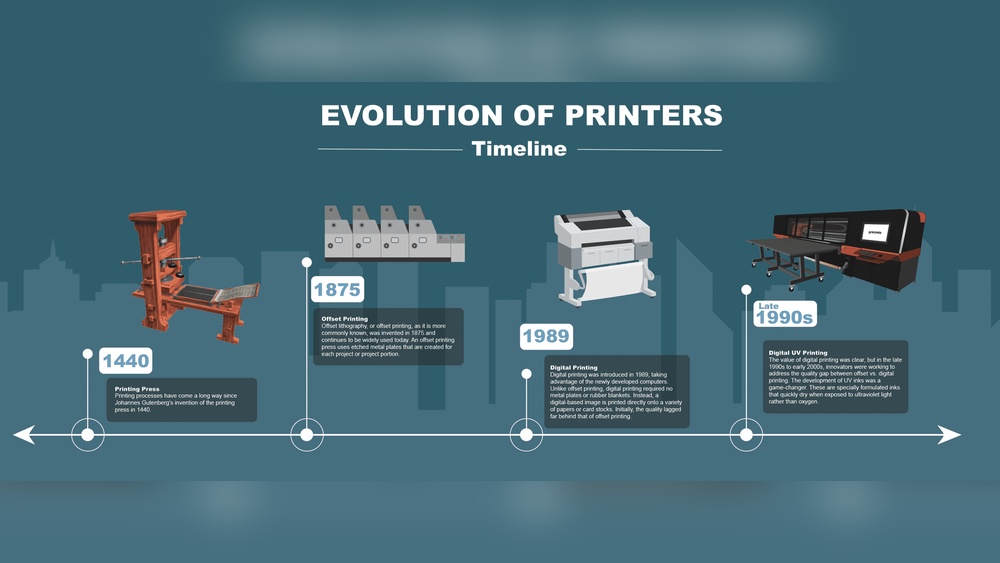
When it comes to printing, you might be wondering which method suits your needs best: digital press or offset press. Choosing the right option can save you time, money, and frustration.
Whether you’re printing a few flyers or a large batch of brochures, understanding the differences can help you make a smart decision. You’ll discover how each press works, their pros and cons, and which one fits your project perfectly. Keep reading to find out which printing method will give you the best results every time.
Digital Press Basics
Digital press technology has changed how printing works. It uses digital files to print images directly onto paper or other materials. This method skips the need for printing plates. It allows for faster setup and quicker prints. Digital presses suit short runs and fast turnaround jobs.
Understanding digital press basics helps to see its benefits and limits. These presses work differently from traditional offset presses. They offer flexibility and customization that many businesses prefer.
How Digital Press Works
Digital presses print images by sending data directly from a computer. They use toner or liquid ink to create the image on paper. The process is similar to a home inkjet or laser printer but on a larger scale. No plates are made, which reduces setup time. The press prints each page one at a time. This allows for easy changes between prints.
Key Features Of Digital Press
Digital presses provide quick print starts and low setup costs. They can print variable data, meaning each page can be different. Color accuracy is good but can vary by machine. They support a wide range of paper types and weights. Digital presses need less space and maintenance than offset presses.
Common Uses For Digital Printing
Short print runs like brochures and flyers often use digital printing. Personalized marketing materials benefit from digital’s variable data capabilities. Proofs and samples print quickly and cheaply. Small businesses use digital presses for business cards and postcards. Event programs and menus also commonly use this method.

Credit: polysmarts.com
Offset Press Basics
Offset printing has been a popular method for many years. It produces sharp, high-quality prints. This method suits large print runs well. It uses plates to transfer images onto paper. The process is reliable and efficient.
Understanding how offset presses work helps to see their strengths. Here are the basics you need to know.
How Offset Press Works
Offset printing uses metal plates. The image to print is etched on these plates. Ink sticks only to the image areas. The plates transfer the ink to a rubber blanket. This blanket then presses the image onto paper. This indirect method protects the plates. It also gives a smooth print finish.
Key Features Of Offset Press
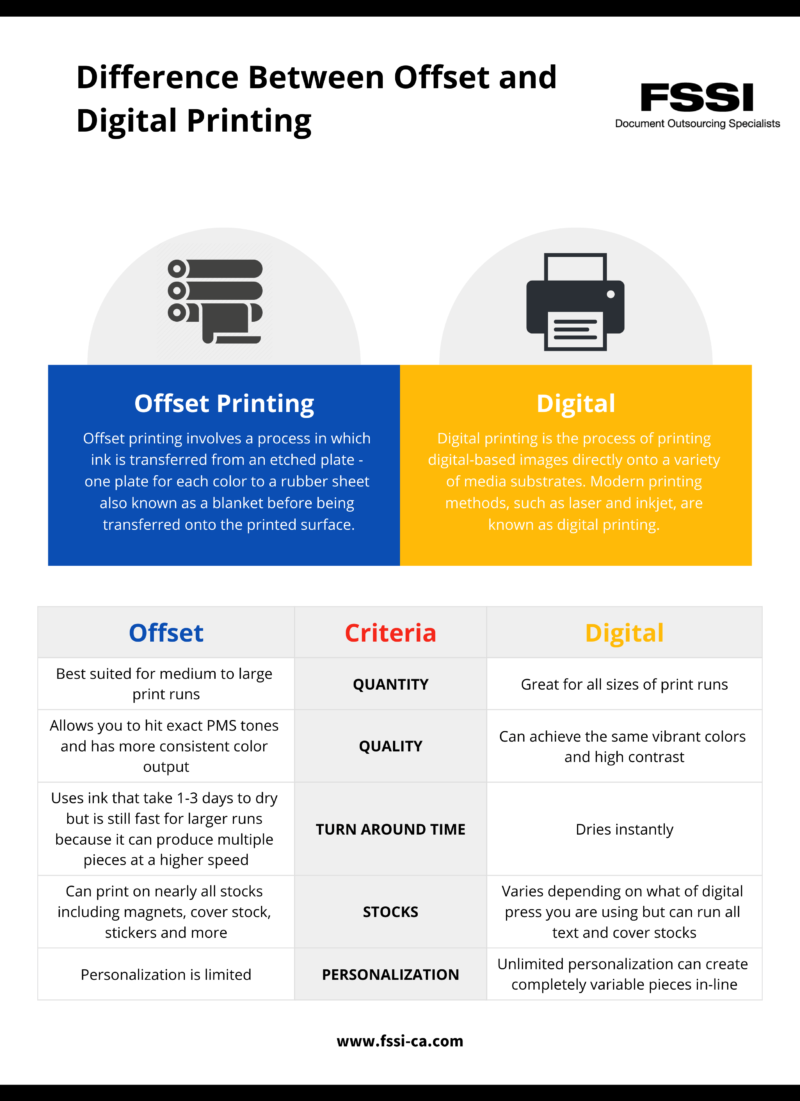
Offset presses can print thousands of copies quickly. They offer consistent color quality. The machines handle many paper types and sizes. They work well with thick or thin paper. The setup time is longer than digital printing. But the cost per page drops with volume. This makes offset printing cost-effective for large jobs.
Common Uses For Offset Printing
Offset printing is common in producing books and magazines. It is also used for brochures and flyers. Businesses use it for business cards and stationery. Packaging materials often use offset printing too. It is the choice for jobs needing sharp images. Large volume jobs benefit the most from offset presses.
Cost Differences
Cost differences play a big role in choosing between digital and offset printing. Each method has unique expenses that affect the total price. Understanding these costs helps decide the best option for a project.
Below, we explore the setup and production costs, compare the cost per print, and explain when each method saves money.
Setup And Production Costs
Offset printing requires creating plates for each color. This setup takes time and money. The initial cost is higher because of plate making and machine setup.
Digital printing skips the plate process. It uses digital files directly, which lowers setup costs. Setup is faster and cheaper, especially for small runs.
Cost Per Print Comparison
Offset printing has a low cost per print as the quantity grows. The more prints made, the cheaper each one becomes.
Digital printing costs stay steady regardless of quantity. Each print costs about the same, making it less cost-effective for large runs.
When Each Method Saves Money
Digital printing saves money on small orders and quick jobs. It suits short runs and variable data printing well.
Offset printing is better for large orders. It cuts costs when printing thousands of copies. Bulk jobs make offset printing cheaper overall.
Print Quality Comparison
Print quality is a key factor when choosing between digital and offset printing. Both methods have their strengths and suit different needs. Comparing print quality helps you pick the right option for your project.
This section breaks down the differences in color accuracy, detail, and surface finish options. These details show how each press handles the final look of your print.
Color Accuracy And Consistency
Offset printing offers excellent color accuracy. It uses plates that apply ink uniformly. This results in consistent colors across large print runs.
Digital printing uses toner or inkjet technology. Colors may vary slightly from print to print. It suits shorter runs or projects needing quick changes.
Detail And Resolution
Offset printing produces sharp and clear images. It handles fine details well, especially on textured paper. This makes it ideal for high-resolution images.
Digital presses have improved detail over time. They work well for most images but may lose some sharpness on very fine lines. Good for everyday printing needs.
Surface And Finish Options
Offset printing supports many surface options. You can use glossy, matte, or specialty papers easily. It also allows for coatings like UV or varnish.
Digital printing offers fewer surface choices. It works best on standard papers. Some digital presses now support special finishes but options remain limited.
Turnaround Time
Turnaround time is a key factor in choosing between digital press and offset press. It affects how quickly you get your printed materials. Fast turnaround can save money and meet tight deadlines.
Speed Of Digital Press
Digital presses print directly from a digital file. They need little setup time. Printing can start almost immediately after sending the file. This makes digital press ideal for small jobs or urgent prints. You can often get prints the same day or next day.
Offset Press Production Time
Offset presses need plates and setup for each job. This setup can take several hours or more. Once set, the press runs very fast for large jobs. Offset printing suits big orders but takes longer to start. Expect a delay before printing begins.
Impact On Deadlines
Digital press helps meet tight deadlines easily. It allows quick changes and reprints without extra cost. Offset press works best when there is enough time for setup. It saves money on large runs but risks delays. Choose based on your project timeline and size.

Credit: blog.gotprint.com
Customization And Flexibility
Customization and flexibility are key factors in choosing between digital and offset printing. Both methods offer unique benefits that suit different project needs. Understanding these aspects helps select the right printing process.
Variable Data Printing
Digital printing allows variable data printing with ease. Each printed piece can have unique text or images. This is ideal for personalized marketing materials or invitations. Offset printing does not support this without extra costs. Digital printing saves time and money for customized runs.
Short Runs Vs Long Runs
Digital presses handle short print runs efficiently. They require minimal setup and quick turnaround times. Offset presses excel with long runs because setup costs spread over many copies. For large quantities, offset printing becomes more cost-effective. Print volume is a major factor in choosing the method.
Design Adjustments On The Fly
Digital printing offers fast design changes. It allows quick edits even during the print job. This flexibility suits projects needing frequent updates or corrections. Offset printing needs new plates for design changes. This process takes more time and increases costs.
Environmental Impact
Printing affects the environment in many ways. Choosing between digital and offset printing means considering how each method impacts nature. The focus lies on waste, energy use, and sustainability efforts. Understanding these factors helps make greener choices.
Waste And Resource Use
Offset printing creates more waste during setup. It needs plates, chemicals, and large paper sheets. Digital printing uses less paper and produces less waste. It prints only what is needed without extra materials.
Energy Consumption
Offset presses use a lot of energy in preparation and operation. Digital presses consume less power overall. They work faster and require less time to print. This leads to lower energy use per print job.
Sustainability Practices
Both methods are adopting eco-friendly steps. Offset printers use recycled paper and vegetable-based inks. Digital printing supports on-demand printing, reducing leftovers. Choosing presses that follow green standards supports the planet.
Credit: www.fssi-ca.com
Maintenance And Setup
Maintenance and setup play a big role in printing quality and cost. Both digital and offset presses need care to work well. Their maintenance and setup needs vary a lot. Understanding these differences helps choose the right press for your needs.
Routine Maintenance Needs
Digital presses require less daily upkeep. Cleaning print heads and replacing ink cartridges are common tasks. Offset presses need more frequent cleaning of rollers and plates. They also demand regular lubrication of moving parts. Skipping maintenance on offset presses can cause print defects.
Setup Complexity
Digital presses have a simple setup process. You just upload the file and start printing. Offset presses need more steps. Setting up plates, inks, and alignment takes time and skill. This setup can delay printing, especially for short runs.
Operator Skill Requirements
Digital presses are easier to operate. Basic computer skills are enough. Offset presses need skilled operators. They must know how to mix inks and adjust the press. Poor skills can lead to wasted materials and poor prints.
Choosing The Right Press
Choosing the right press affects your print job’s success. Each press type suits different needs. Understanding these needs helps you select the best option.
Consider the size, budget, and timeline. These factors guide your decision between digital and offset presses.
Project Size And Volume
Small runs fit well with digital presses. They print quickly and handle short jobs easily. Large volumes benefit from offset presses. They offer faster printing for many copies. Offset presses also lower cost per piece as quantity grows.
Budget Considerations
Digital presses have lower setup costs. Good for small budgets or test prints. Offset presses require more setup but cost less per unit on large orders. Calculate total expenses before deciding. Avoid overspending on unnecessary features.
Quality And Deadline Priorities
Offset presses provide high-quality prints and color accuracy. Ideal for detailed images and brand colors. Digital presses have improved quality but may vary by machine. Need fast turnaround? Digital presses deliver quicker results without setup delays.
Frequently Asked Questions
What Is The Main Difference Between Digital And Offset Press?
Digital press prints directly from a digital file, while offset press uses plates. Digital is faster for small jobs; offset suits large runs.
Which Printing Method Is Cheaper For Small Quantities?
Digital printing is more cost-effective for small runs. Offset printing becomes cheaper with large volume orders.
How Does Print Quality Compare Between Digital And Offset?
Offset printing usually offers sharper images and richer colors. Digital printing quality is good but may vary with materials.
Can Digital And Offset Presses Print On The Same Materials?
Offset presses can print on many materials including paper and cardboard. Digital presses work best on standard paper but some handle other surfaces.
Which Printing Method Is Faster For Producing Prints?
Digital printing is faster because it skips plate making. Offset printing takes longer due to setup but prints large volumes quickly.
Conclusion
Choosing between digital press and offset press depends on your needs. Digital presses work best for small jobs and quick turnaround. Offset presses suit large runs with consistent quality. Cost and time matter in making your choice. Both methods have strengths that fit different projects.
Think about your budget, timing, and print volume. This helps you pick the right press for success.