Ps5 Slim Digital 825Gb Vs 1Tb Better: Ultimate Storage Showdown

Ps5 Slim Digital 825Gb Vs 1Tb Better

Are you torn between choosing the PS5 Slim Digital 825GB and the 1TB version? Picking the right console can make a big difference in your gaming experience.

You want enough space for your favorite games, smooth performance, and value for your money. This guide will help you understand the real differences so you can make the best choice for your setup. Keep reading to find out which model fits your gaming needs perfectly.

Ps5 Slim Digital Models

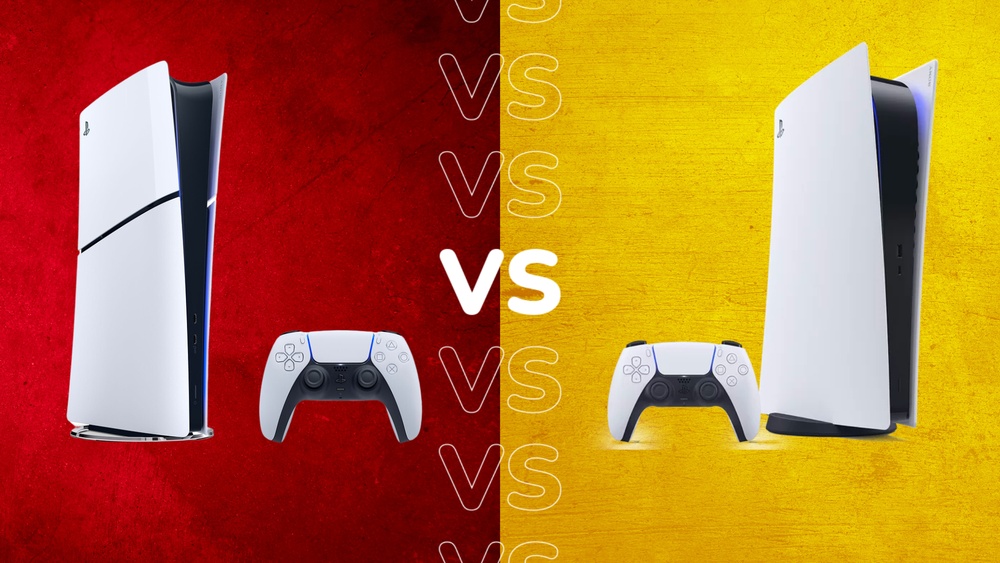
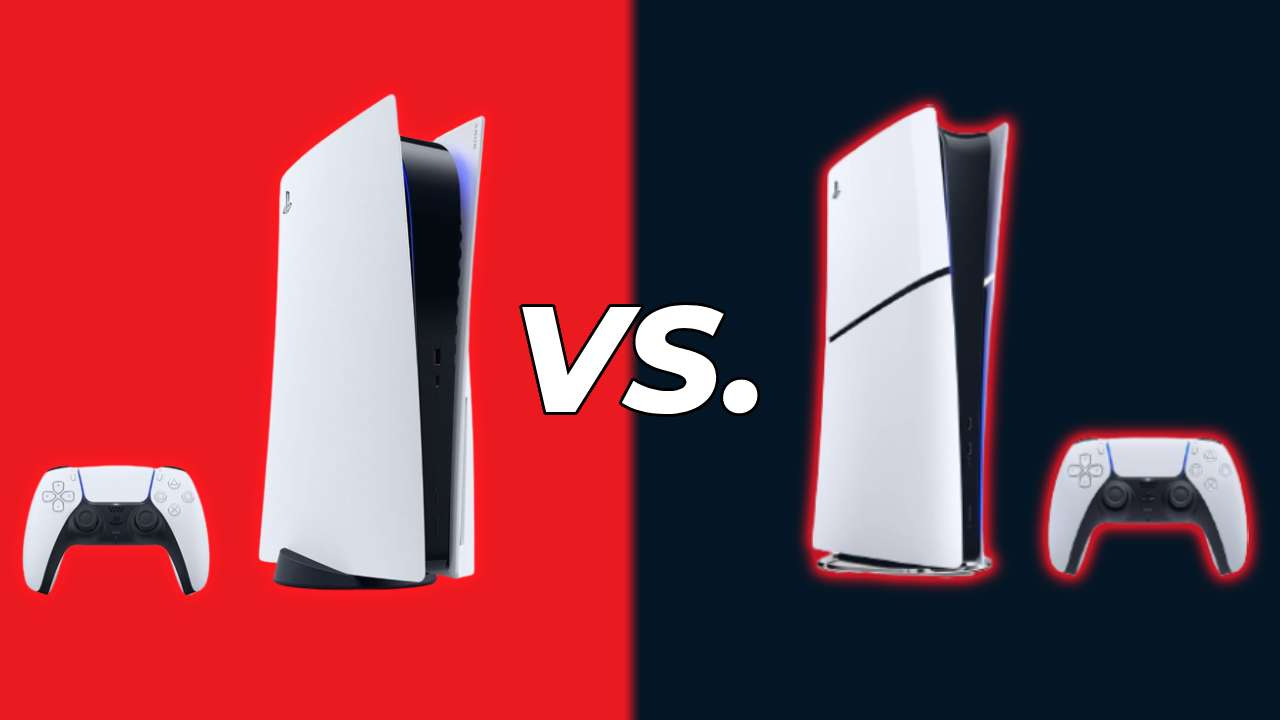
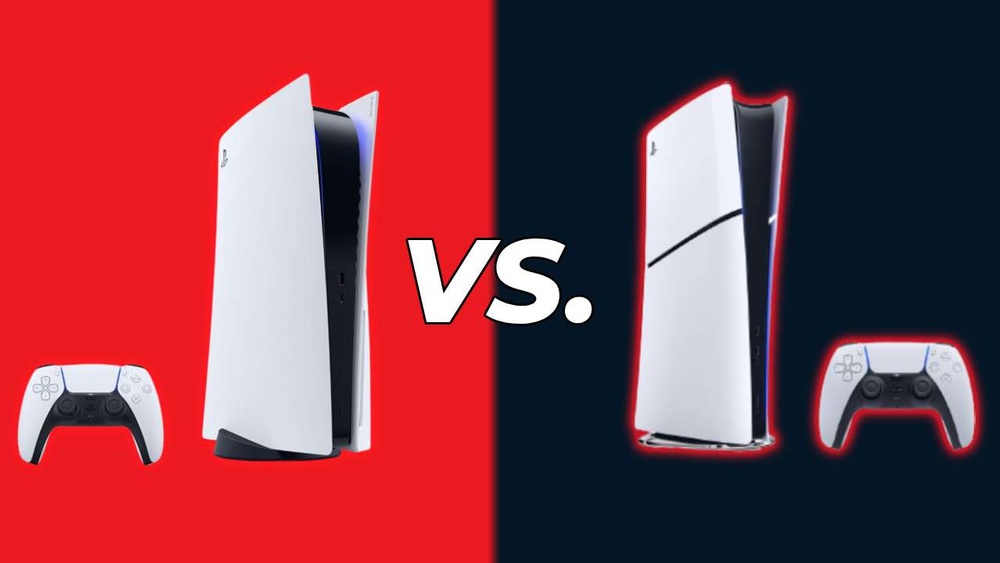
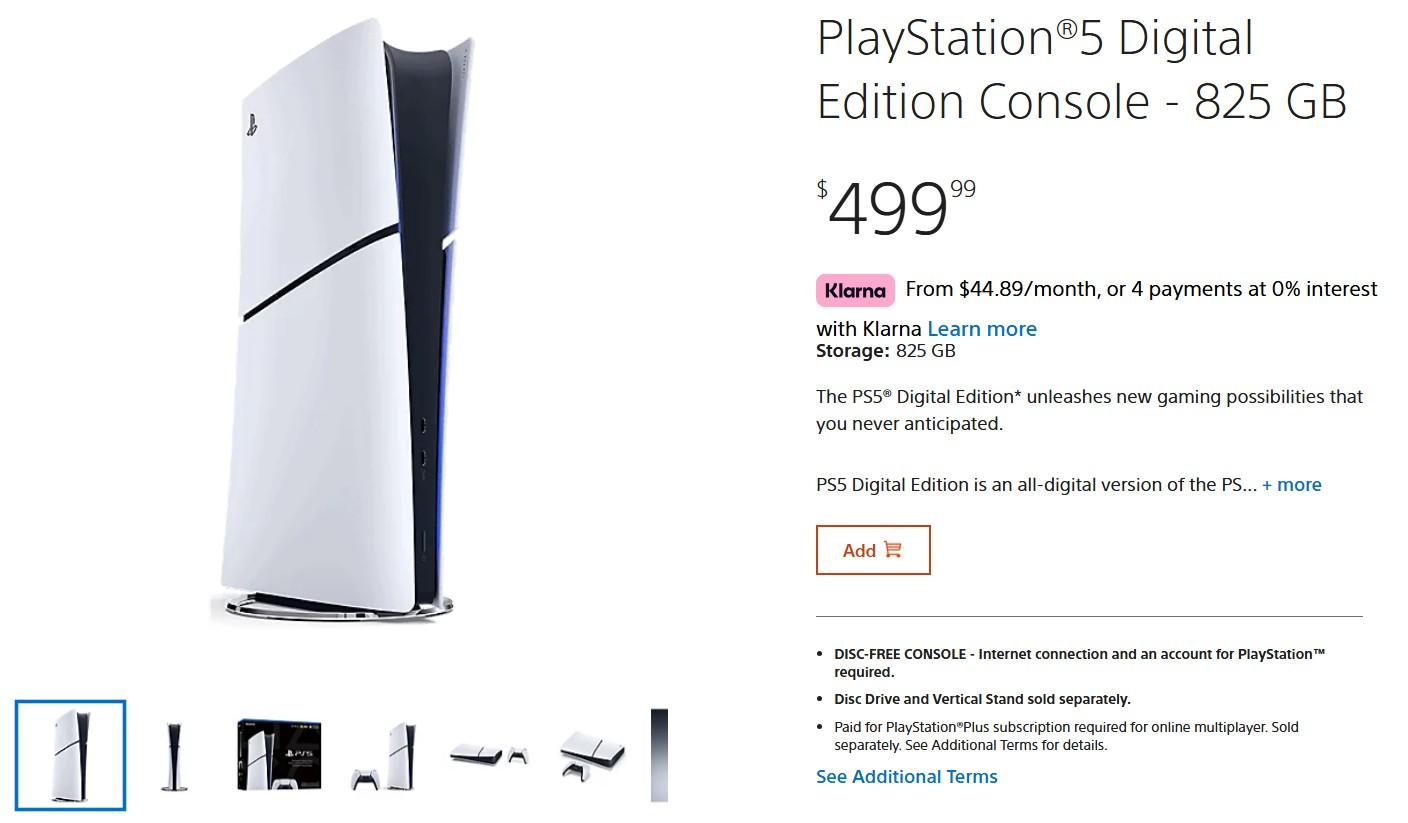
The PS5 Slim Digital Models offer a compact and sleek version of the popular PlayStation 5. These models focus on a digital-only experience, removing the disc drive. This design suits players who prefer downloading games directly.

The PS5 Slim aims to maintain strong performance while reducing size. It provides two storage options: 825GB and 1TB. Choosing between them depends on how much space you need for games and apps.

Design And Build

The PS5 Slim Digital has a smaller and lighter build than the original PS5. It fits better in tight spaces and looks less bulky. The white panels are smooth and curved, giving a modern look.

Without the disc drive, the device is more symmetrical. The console feels solid and well-made. Cooling vents remain efficient to keep the system cool during long play sessions.

Key Features

Both the 825GB and 1TB models use the same custom AMD CPU and GPU. This means gameplay and graphics quality are equal. The main difference is storage capacity.

The 1TB model holds more games and apps without needing external storage. Both models support ultra-fast SSD loading speeds. They also include Wi-Fi 6, Bluetooth 5.1, and HDMI 2.1 support.

Each model supports PlayStation Plus and PlayStation Now services. Players can enjoy digital-only gaming with fast downloads and updates. The PS5 Slim Digital Models blend power with a smaller footprint.
Ps5 Slim Digital 825Gb Vs 1Tb Better: Ultimate Storage Showdown

Credit: www.vgchartz.com

Storage Capacity Comparison

Choosing between the PS5 Slim Digital 825GB and 1TB models means thinking about storage. Storage size affects how many games and apps fit on the console. This section compares their storage to help you decide which suits your needs.

825gb Vs 1tb: What’s Available

The PS5 Slim Digital offers two main storage options: 825GB and 1TB. The 825GB model has slightly less space than the 1TB version. Both use fast SSD technology for quick game loading. The difference is mainly in the total capacity available.

Usable Storage Space

Not all storage on either model is free for games. The system software takes some space. On the 825GB model, about 667GB remains usable. The 1TB model offers around 870GB for games and apps. This means more room for downloads on the 1TB version.

Impact On Game Library

The size of your storage limits your game library size. The 825GB model may hold about 10 to 15 large games. The 1TB can fit a few more, roughly 12 to 18. Smaller libraries mean more frequent game deletions. Larger storage lets you keep more games installed.

Performance And Speed

The performance and speed of a gaming console matter a lot. They affect how smooth games run and how fast the system responds. For the PS5 Slim Digital, comparing the 825GB and 1TB models reveals some important details. Both versions offer strong performance, but there are slight differences worth noting.

Load Times

Load times show how quickly games start or switch between scenes. Both PS5 Slim models use a custom SSD designed for fast loading. The 1TB version has a slightly larger storage, but the speed remains nearly the same. Players will notice quick load times on either model. Games launch fast and transitions happen smoothly without long waits.

Data Transfer Rates

Data transfer rates measure how fast data moves between the SSD and the system. Both PS5 Slim versions use high-speed NVMe SSDs. The 825GB and 1TB models offer similar transfer speeds. This means game assets load quickly, reducing lag or stuttering. Fast data transfer helps keep gameplay fluid and responsive.

Price And Value

The price and value of the PS5 Slim Digital 825GB versus the 1TB model are important to consider. Both offer great gaming experiences but come with different costs and storage options. Understanding these differences helps buyers choose the right console for their needs and budget.

Cost Differences

The 825GB version usually costs less than the 1TB model. This makes it a budget-friendly choice for many gamers. The price gap reflects the smaller storage size. Buyers pay more for the extra 175GB in the 1TB version. This difference can affect decision-making depending on how much storage is needed.

Value For Gamers

The 1TB model offers more storage for game downloads and updates. This means fewer worries about deleting games to free space. The 825GB model still holds plenty of games but may need more management. Gamers who play many titles or large games might find the 1TB better value. Casual players or those who stream games might find the 825GB enough for their needs.

Expandability Options

Expandability options matter a lot for PlayStation 5 users. Storage can fill up fast with new games and updates. The PS5 Slim Digital 825GB and 1TB models offer ways to increase storage. This section explains how you can expand storage on both versions.

External Storage Compatibility

Both PS5 Slim models support external USB drives. You can use external hard drives or SSDs to store PS4 games. PS5 games cannot run directly from external drives but can be moved there to save space.

External drives must be USB 3.0 or faster for best performance. Plugging in a compatible drive is simple and quick. This option helps keep your game library ready without deleting files.

Upgrading Internal Storage

The PS5 Slim allows internal storage upgrades via NVMe SSDs. Adding an M.2 SSD increases the main storage capacity. Both the 825GB and 1TB models can use this upgrade option.

Sony requires specific SSD specs for compatibility. Make sure to check size, speed, and cooling requirements. Installing an internal SSD can free up space and improve load times.

Ps5 Slim Digital 825Gb Vs 1Tb Better: Ultimate Storage Showdown

Credit: nordic.ign.com

Which Storage Size Fits Your Needs

Choosing the right storage size for your PS5 Slim Digital matters. It affects how many games you can keep and how fast your console runs. Both 825GB and 1TB options have their strengths. Understanding your gaming habits helps you pick the best fit.

Think about how often you play and the types of games you like. Storage size plays a big role in making your experience smooth and fun.

Casual Vs Hardcore Gamers

Casual gamers play less often and try fewer games. For them, 825GB usually works well. It holds many popular titles and some extra apps. They don’t need huge space for big game libraries.

Hardcore gamers play daily and own many games. They need more space for large files and frequent downloads. The 1TB option gives room for many games without deleting old ones. It helps keep everything ready to play anytime.

Digital Download Trends

More players prefer digital downloads over physical discs. Digital games take up more space since all files stay on the console. Games are also growing bigger with updates and new content.

Choosing 1TB helps manage these larger files and saves time. It avoids the need to delete games often. The 825GB still works for smaller libraries but may require more management.

Ps5 Slim Digital 825Gb Vs 1Tb Better: Ultimate Storage Showdown

Credit: www.reddit.com

Frequently Asked Questions

What Is The Main Difference Between Ps5 Slim Digital 825gb And 1tb?

The main difference is storage size. The 1TB model offers 175GB more space for games and apps.

Does The 1tb Ps5 Slim Digital Load Games Faster Than 825gb?

No, both have the same SSD speed. Game loading times are nearly identical on both models.

Can I Expand Storage On Both Ps5 Slim Digital Versions?

Yes, both models support external storage via USB or M. 2 SSD expansion slots.

Which Ps5 Slim Digital Is Better For Casual Gamers?

The 825GB version is enough for casual gamers who play fewer games and download less content.

Is The Price Difference Worth For The 1tb Ps5 Slim Digital?

The extra cost mainly buys more storage. It’s worth it if you download many games regularly.

Conclusion

Choosing between the PS5 Slim Digital 825GB and 1TB depends on your needs. Storage size matters if you download many games or apps. The 1TB model offers extra space for larger libraries. The 825GB version suits casual players with fewer downloads.

Both versions deliver smooth gameplay and fast loading times. Think about your gaming habits before deciding. Either way, you get a quality console that fits modern gaming. Simple choice, based on how much space you want.

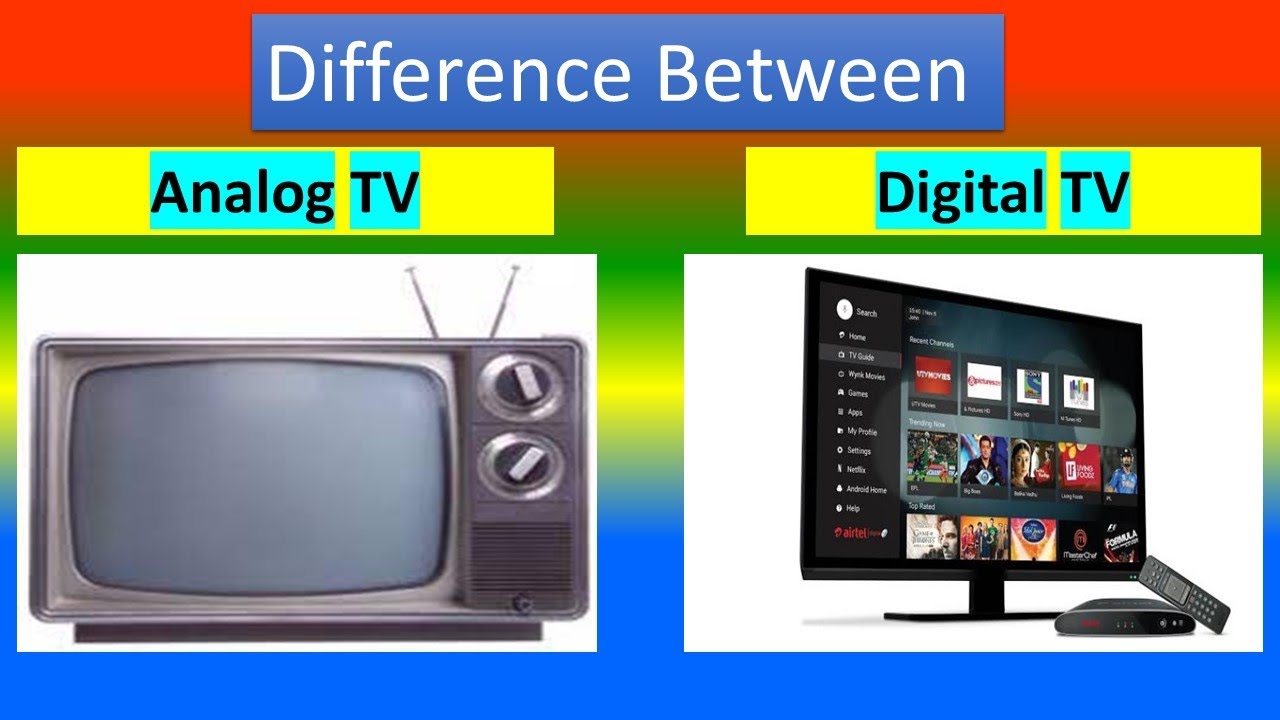
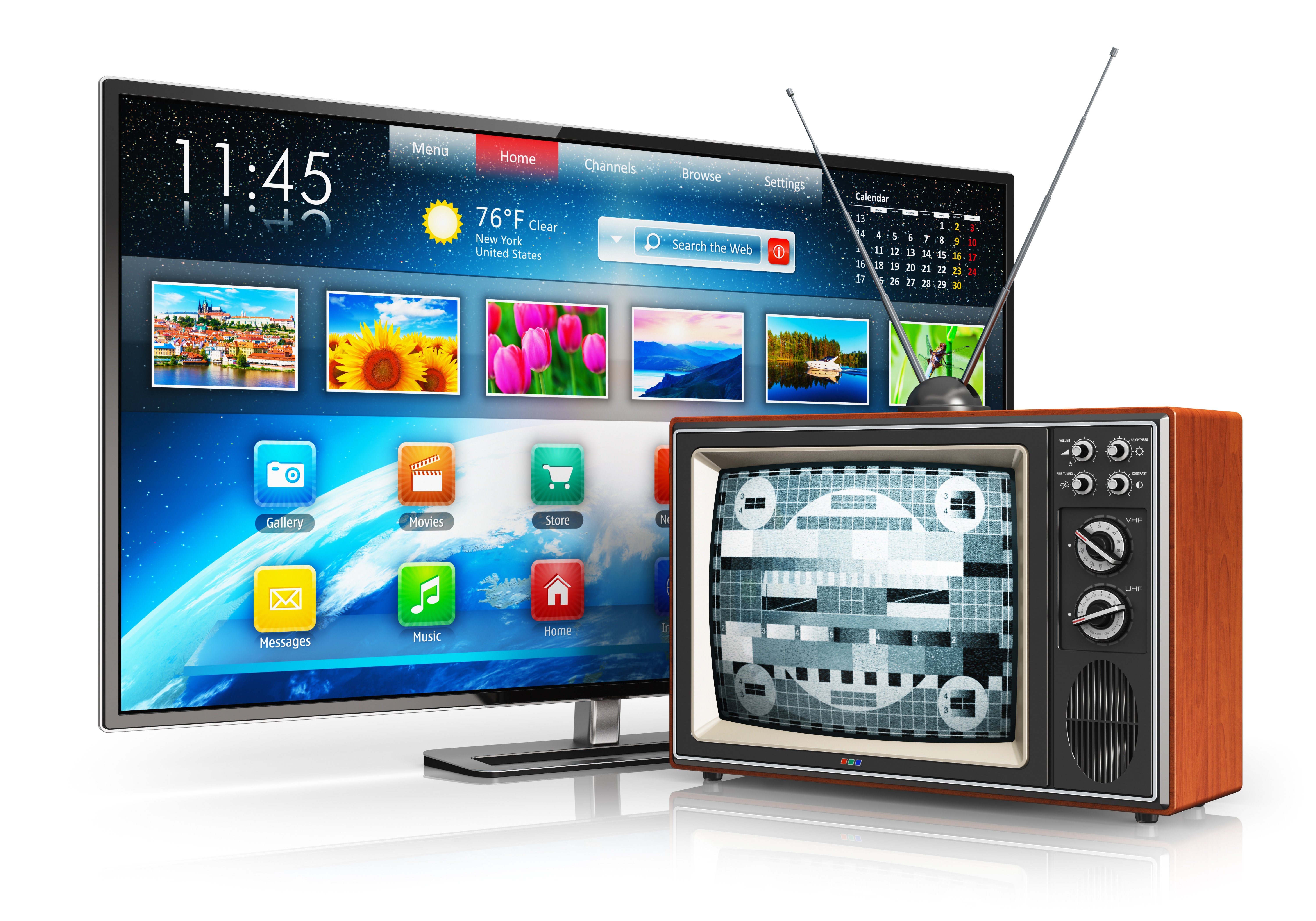
Digital Vs Analogue TV: Ultimate Comparison You Need Today

Digital Vs Analogue Tv

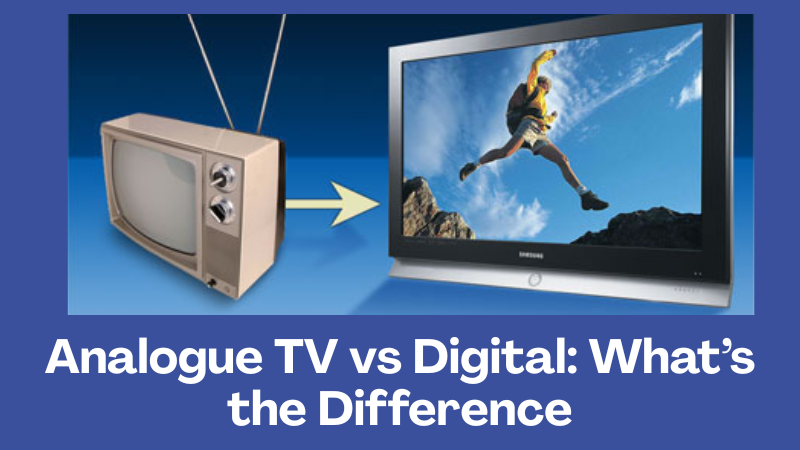
Are you still watching TV the old-fashioned way, or have you made the switch to digital? Understanding the difference between digital and analogue TV can completely change your viewing experience.

You might think all TVs are the same, but the truth is, how your TV delivers images and sound affects everything—from picture quality to the channels you can access. You’ll discover the key differences that impact what you see on your screen.

By the end, you’ll know exactly which type suits your needs and how to get the most out of your TV time. Ready to find out what’s really behind the screen? Keep reading.

Digital Tv Basics

Digital TV has changed the way we watch television. It uses signals that carry data differently than older systems. Understanding the basics helps you see why it matters.

This section explains how digital TV works, the types available, and its key benefits.

How Digital Signals Work

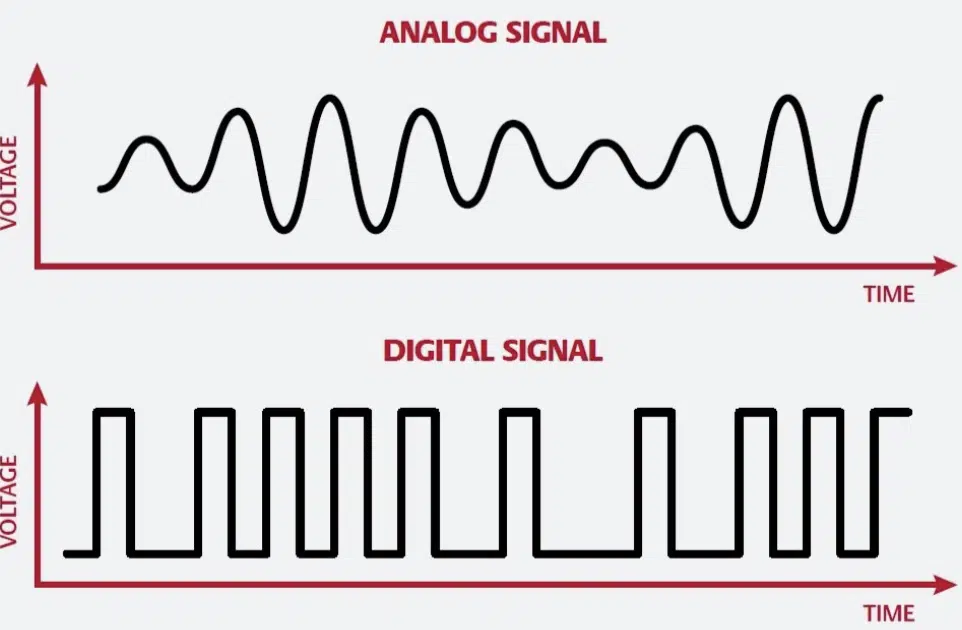
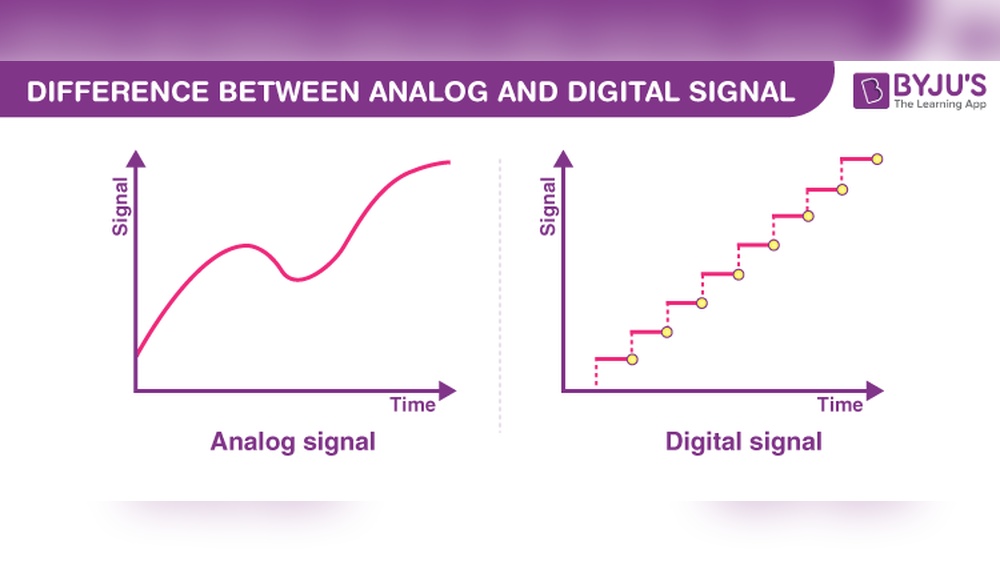
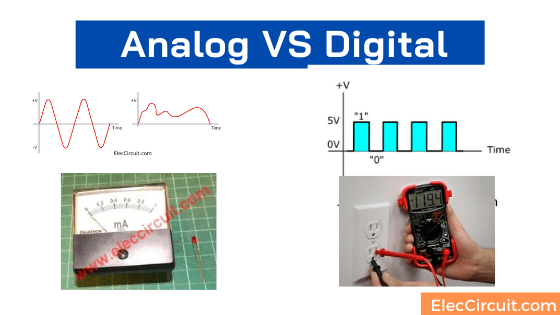
Digital TV sends information as binary code, using 0s and 1s. These signals carry pictures, sound, and data more clearly. The digital signals travel through air, cable, or satellite.

The TV then decodes these signals into images and sound you see on screen. This process reduces interference and improves quality.

Types Of Digital Tv

There are several kinds of digital TV. The main types include cable, satellite, and over-the-air broadcasts. Each type uses different technology to deliver signals.

Cable TV sends digital signals through wires directly to your home. Satellite TV beams signals from satellites in space. Over-the-air digital TV uses local broadcast towers to send signals.

Benefits Of Digital Broadcasting

Digital TV provides sharper images and clearer sound than analogue. It also offers more channels and extra features like electronic guides.

The signal is more stable, reducing static or snow on the screen. Digital broadcasting uses less bandwidth, which helps deliver more content efficiently.

Digital Vs Analogue TV: Ultimate Comparison You Need Today

Credit: www.lripl.com

Analogue Tv Fundamentals

Analogue TV was the first way people watched television at home. It uses continuous signals to send pictures and sounds. This system changed how people shared news and entertainment worldwide.

Understanding analogue TV basics helps explain how older TVs worked. It also shows why digital TV replaced it over time.

How Analogue Signals Function

Analogue TV sends signals as waves. These waves carry pictures and sounds in a continuous flow. The TV converts these waves into images and audio you can see and hear.

The signal strength can change over distance. This change can cause fuzziness or static on the screen. That is why the picture may look unclear sometimes.

Common Analogue Formats

There are several formats for analogue TV. NTSC, PAL, and SECAM are the main types. Each format works in different regions around the world.

NTSC is common in North America and parts of Asia. PAL is used mostly in Europe and Australia. SECAM appears in France and some parts of Africa.

Limitations Of Analogue Tv

Analogue TV has limits in picture and sound quality. The image can be blurry or flicker. Sound may also have static or noise.

It cannot carry as much information as digital TV. This limits the number of channels and features. Interference from weather or obstacles can disrupt the signal.

Picture And Sound Quality

Picture and sound quality are the heart of any TV experience. They shape how you enjoy shows, movies, and sports. Digital and analogue TV deliver these qualities very differently. Understanding these differences helps you know what to expect from each type.

Resolution Differences

Analogue TV shows images with lower resolution. The picture can appear blurry or fuzzy. Digital TV offers higher resolution images. It delivers clear and sharp visuals. Details stand out better on digital screens. This difference is very clear on larger TVs.

Audio Clarity And Options

Analogue TV sound often has static and noise. Audio may sound muffled or unclear. Digital TV provides clear and crisp sound. It supports multiple audio channels and surround sound. This adds depth and richness to the audio experience. Digital sound feels more natural and immersive.

Impact On Viewing Experience

Clear images and sound make watching more enjoyable. Digital TV reduces interference and signal loss. This means fewer interruptions during your show. The vivid picture and rich sound keep you engaged longer. Analogue TV can sometimes cause eye strain or fatigue. Digital technology supports a more comfortable and fun viewing time.

Digital Vs Analogue TV: Ultimate Comparison You Need Today

Credit: www.youtube.com

Equipment And Compatibility

Equipment and compatibility play a big role in choosing between digital and analogue TV. Different devices are needed to receive and display each signal type. Knowing the gear helps avoid problems and ensures smooth viewing.

Older TVs may not work with new broadcasts without extra tools. Newer sets often come ready for digital signals. Understanding these differences saves time and money.

Digital Tv Tuners And Receivers

Digital TVs use special tuners to decode signals. These tuners convert digital data into images and sound. Most modern TVs have built-in digital tuners. External digital receivers or set-top boxes can also be used. These boxes connect to older TVs to provide digital signal access. Digital tuners support higher quality video and audio. They also allow access to more channels.

Analogue Tv Devices

Analogue TVs use older tuners that process continuous signals. These devices receive signals in waves, not digital codes. Analogue sets are less common today and often lack features. They cannot display high-definition content. Many broadcasters have stopped analogue transmissions. Analogue devices usually need a digital converter box for current broadcasts.

Compatibility With Modern Technology

Digital TV equipment works well with modern devices. They connect easily to smart TVs, computers, and streaming boxes. Digital signals support features like subtitles and interactive menus. Analogue equipment struggles with new tech. It lacks the ability to connect to internet-based services. Compatibility issues limit analogue TVs in today’s market. Choosing digital equipment ensures better future use.

Signal Reception And Coverage

Signal reception and coverage play a big role in choosing between digital and analogue TV. Both types deliver TV signals differently, affecting how well you can watch your favorite shows. Understanding these differences helps you pick the best option for your home.

Range And Signal Strength

Analogue TV signals travel over longer distances without losing much quality. This means you can get a clear picture even far from the broadcast tower. Digital TV signals need stronger signals to work well. If the signal is weak, the picture can freeze or disappear. Digital signals use error correction to fix some problems but still need good strength.

Interference And Signal Loss

Analogue signals suffer from static and ghosting when interference happens. This makes the picture blurry but still watchable. Digital signals either work perfectly or not at all. Interference causes digital TV to lose the signal completely or show a frozen picture. Digital signals are less affected by small interference but fail with bigger problems.

Urban Vs Rural Reception

In cities, digital TV works well because towers are close. Buildings can block signals but many options exist to improve reception. Rural areas often get better analogue signals due to their longer range. Digital signals in rural zones may be spotty. You might need a bigger antenna or a signal booster to watch digital TV far from towers.

Cost Considerations

Cost plays a big role when choosing between digital and analogue TV. Understanding the different expenses helps you plan your budget better. Both options have unique costs tied to setup, maintenance, and service fees.

Initial Setup Expenses

Analogue TVs often need only a basic antenna to start. This keeps initial costs low. Digital TVs require a digital tuner or a set-top box. Sometimes, you must upgrade your antenna for better reception. Digital setups can cost more upfront but offer clearer picture quality.

Maintenance And Upgrades

Analogue TVs usually need fewer upgrades over time. Their technology is simpler and older. Digital TVs may need regular software updates or hardware upgrades. These keep the TV compatible with new channels and features. Maintenance costs for digital TVs can add up over the years.

Subscription And Service Fees

Analogue TV often works without monthly fees. It relies on free-to-air broadcasts. Digital TV may require subscriptions for premium channels or streaming services. These fees vary depending on the provider. Digital TV offers more content but can mean ongoing costs.

Content Availability And Features

Content availability and features differ greatly between digital and analogue TV. These differences impact what viewers can watch and how they interact with TV services.

Digital TV offers a wide range of options and functions. Analogue TV stays more basic and limited. This section explains key differences in channel variety, interactive services, and on-demand options.

Channel Variety

Digital TV provides many more channels than analogue TV. You get access to local, national, and international stations easily. The channels often include high-definition (HD) broadcasts. Analogue TV usually offers fewer channels with lower picture quality. The digital signal carries more data, allowing extra channels without signal loss.

Interactive Services

Digital TV supports interactive services that let viewers engage with content. You can access program guides, vote in polls, or get extra information about shows. Some digital TVs allow features like pausing live TV or recording programs. Analogue TV lacks these interactive options. It delivers a simple, one-way broadcast with no viewer control.

On-demand And Streaming Options

Digital TV often includes on-demand libraries and streaming app access. This lets viewers watch shows and movies anytime they want. Many digital platforms offer catch-up TV for missed episodes. Analogue TV does not support on-demand or streaming. You must watch shows only as they broadcast live.
Digital Vs Analogue TV: Ultimate Comparison You Need Today

Credit: blog.imon.net

Future Trends And Developments

The world of television keeps evolving. New technologies change how we watch shows and movies. Digital TV has brought many changes, and more are on the way. Analogue TV is slowly fading, making room for newer tech. This section explores what the future holds for both types of TV.

Digital Tv Innovations

Digital TV continues to improve picture and sound quality. Ultra-high-definition (UHD) and 4K are becoming common in homes. Smart TVs connect to the internet, offering apps and streaming. Interactive features let viewers choose camera angles or pause live events. Artificial intelligence helps personalize content recommendations. These innovations make watching TV more fun and easy.

Decline Of Analogue Broadcasting

Many countries have stopped analogue TV signals. It uses more bandwidth and offers lower quality than digital. Broadcasters prefer digital for better service and more channels. Older TVs need converters to receive digital signals. Analogue’s end means fewer limits on programming and clearer images. The shift benefits viewers and broadcasters alike.

Emerging Technologies

Virtual reality (VR) and augmented reality (AR) may change TV watching. They offer immersive experiences beyond traditional screens. 5G networks support faster streaming and less buffering. Cloud-based services store shows online for easy access. These technologies create new ways to enjoy content anytime. The future of TV looks interactive and highly accessible.

Frequently Asked Questions

What Is The Main Difference Between Digital And Analogue Tv?

Digital TV sends signals as data, while analogue TV uses continuous signals. Digital provides clearer pictures and sound. Analogue can have fuzzier images and noise.

Why Is Digital Tv Better Than Analogue Tv?

Digital TV offers better picture and sound quality. It supports more channels and interactive features. Analogue TV is limited and can have signal problems.

Can I Watch Digital Tv On An Analogue Tv Set?

No, analogue TVs cannot decode digital signals directly. You need a digital converter box to watch digital channels on analogue TVs.

Does Digital Tv Use More Internet Data Than Analogue Tv?

No, digital TV does not use internet data unless streaming online. Traditional digital TV uses broadcast signals, not internet data.

Is Analogue Tv Still Available In The United States?

Most US areas stopped analogue TV broadcasts in 2009. Digital TV replaced analogue for better quality and more channels. Some special services may still use analogue signals.

Conclusion

Digital TV offers clearer pictures and more channels than analogue. Analogue TV uses older technology and has lower picture quality. Digital signals are less likely to have interference or noise. Analogue signals may sometimes lose quality or break up. Choosing digital or analogue depends on your needs and equipment.

Most places now support digital TV for better viewing. Think about signal quality, channel options, and device compatibility. Digital TV suits modern homes and tech users best. Analogue may still work for simple setups or older TVs. Both have pros and cons worth considering carefully.

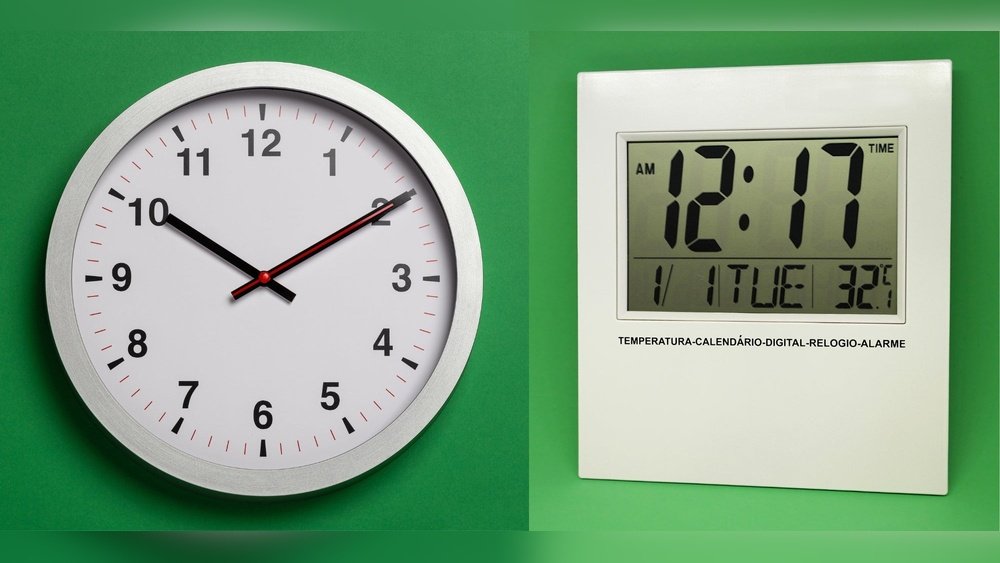
Digital Time Vs Analog: Which Is More Accurate and User-Friendly?

Digital Time Vs Analog

Have you ever stopped to think about why you prefer a digital clock over an analog one, or vice versa? Your choice might say more about how you see time and organize your day than you realize.

Whether you rely on the clear numbers of a digital display or the classic look of an analog face, understanding the differences can help you make smarter decisions about how you track your time. Keep reading to discover which type suits your lifestyle best and how it can impact your daily routine.

Digital Time Vs Analog: Which Is More Accurate and User-Friendly?

Credit: www.youtube.com

Accuracy In Timekeeping

Accuracy in timekeeping is key for clocks. It ensures you know the exact time. Both digital and analog clocks aim to keep time precisely. Yet, their methods and results differ.

Mechanics Behind Analog Clocks

Analog clocks rely on gears and springs. A tiny weight or a spring moves the hands. The balance wheel swings back and forth. This swinging controls the speed of the clock. The gears turn the hands to show time. Slight friction or dust can slow it down. These mechanical parts wear out over time. This can cause the clock to lose or gain seconds.

Digital Clock Technology

Digital clocks use electronic circuits and quartz crystals. The quartz vibrates at a steady frequency. This steady pulse helps count seconds accurately. Electronics translate these pulses into numbers on the screen. Digital clocks often sync with radio signals. This keeps them very accurate. They usually show time in clear digits. No moving parts mean less chance of error.

Factors Affecting Precision

Several things affect clock accuracy. Temperature changes can affect analog clock springs. Humidity and dust also impact mechanical parts. Digital clocks can lose accuracy if power is unstable. Quartz crystals may slightly change frequency with heat. Battery life can affect digital clock performance. Signal loss can cause digital clocks to drift. Regular maintenance helps keep analog clocks precise. Replacing batteries often keeps digital clocks accurate.

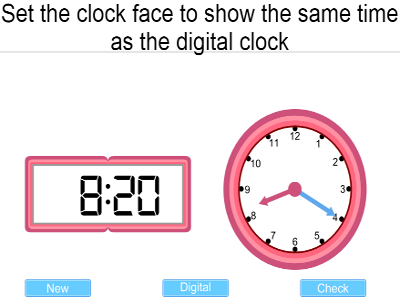
Digital Time Vs Analog: Which Is More Accurate and User-Friendly?

Credit: www.teacherled.com

Ease Of Reading

Reading time quickly and accurately matters in daily life. The ease of reading depends on how the time is shown. Digital and analog clocks offer different experiences. Each style has its strengths and challenges for users.

Visual Clarity Of Digital Displays

Digital clocks show numbers clearly and directly. The large digits make it easy to read the exact time at a glance. No need to guess or interpret. Bright LED or LCD screens enhance visibility. The contrast between numbers and background helps eyes focus. Even small displays can be clear and readable.

Interpreting Analog Faces

Analog clocks use hands on a round dial. It takes a moment to understand where each hand points. Reading hours and minutes requires interpreting positions. Some people find this natural and fast. Others may struggle, especially with unfamiliar designs. The clock face’s style and markings affect how easy it is to read.

Impact Of Lighting And Environment

Lighting affects both digital and analog clocks. Digital displays can glow and stay visible in the dark. Bright sunlight can cause glare on some screens. Analog clocks rely on the environment’s light. Shadows or dim light make the hands hard to see. The choice between digital and analog depends on where the clock is used.

User Experience

User experience plays a big role in choosing between digital and analog time displays. Each type offers different benefits and challenges. Understanding these differences helps users pick what fits their daily needs.

Setting And Adjusting Time

Digital watches often have buttons to set the time. This makes adjusting precise and quick. Some models even adjust automatically for daylight savings or time zones. Analog watches use a crown to move the hands. This can feel slower and less exact. Some people enjoy the tactile feel of turning the crown. Others find digital setting easier and faster.

Battery Life And Power Sources

Analog watches usually have longer battery life. They often use small batteries that last for years. Some analog watches are mechanical and don’t need batteries. Digital watches tend to use more power. Features like backlighting and alarms drain the battery faster. Many digital watches need new batteries every one to two years. Solar-powered digital watches offer a good balance by charging in light.

Durability And Maintenance

Analog watches have fewer electronic parts. This can make them more durable in rough conditions. Mechanical analog watches need regular winding or servicing. Digital watches have screens that can crack if dropped. They may also stop working if exposed to water. Some digital models are built tough with water resistance. Both types need care, but analog watches often require more maintenance.

Design And Style Preferences

Design and style play a big role in choosing between digital and analog watches. People pick watches based on how they look and feel on the wrist. Each style offers unique features that suit different tastes and lifestyles.

Aesthetic Appeal Of Analog Watches

Analog watches have a classic and timeless look. Their round faces and moving hands create a sense of tradition. Many people find them elegant and suitable for formal occasions. The craftsmanship of analog watches often shows in their intricate details. Leather or metal straps add to their refined style.

Modern Look Of Digital Displays

Digital watches offer a sleek and futuristic appearance. Their clear numbers and bright screens make them easy to read. The design fits well with casual and sporty outfits. Digital displays often look clean and simple. They appeal to people who prefer a modern, no-fuss style.

Customization Options

Digital watches often allow more customization. Users can change screen colors and layouts. Many models include options to add apps and widgets. Analog watches offer limited customization, mainly through strap changes. Both types let wearers express personal style in different ways.

Practical Applications

Understanding the practical uses of digital and analog clocks helps choose the right one. Each type has strengths that suit different needs and settings. This section explores where each style fits best.

Use In Professional Settings

Digital clocks show time clearly at a glance. This makes them popular in offices and factories. They reduce errors in time reading. Analog clocks fit well in formal places like boardrooms. They add a classic touch and help track time visually during meetings.

Suitability For Kids And Elderly

Kids often find analog clocks helpful to learn time. The moving hands make it easier to understand hours and minutes. Elderly people may prefer digital clocks for their clear numbers. Digital displays avoid confusion and help with quick reading.

Integration With Smart Technology

Digital clocks easily connect with smart home systems. They can sync with phones and alarms automatically. Analog clocks rarely offer smart features but can have modern designs. Some smart analog clocks combine classic looks with digital functions.

Digital Time Vs Analog: Which Is More Accurate and User-Friendly?

Credit: www.youtube.com

Frequently Asked Questions

What Is The Main Difference Between Digital And Analog Clocks?

Digital clocks show time with numbers, while analog clocks use hands on a dial. Digital is easier to read quickly, analog shows time more visually.

Which Clock Type Is More Accurate, Digital Or Analog?

Digital clocks are generally more accurate because they use electronic timekeeping. Analog clocks can be less precise due to mechanical parts.

Why Do Some People Prefer Analog Over Digital Clocks?

Analog clocks offer a classic look and help visualize time passing. Some find reading an analog clock a useful skill.

Can Digital Clocks Work Without Electricity Or Batteries?

No, digital clocks need power from batteries or electricity to display time. Analog clocks can work mechanically without power.

Are Digital Clocks Better For Learning To Tell Time?

Digital clocks show exact numbers, making them easier for beginners. Analog clocks help understand time concepts like hours and minutes better.

Conclusion

Digital and analog clocks each have their own strengths and uses. Digital clocks show time clearly and quickly. Analog clocks help you understand time’s flow better. Choosing between them depends on your needs and style. Both types keep you on track every day.

Time is important, and these clocks help you manage it well. Whether digital or analog, the best clock is the one you prefer. Simple, easy, and reliable—that’s what matters most.

Analog Sound Vs Digital Sound: Ultimate Audio Showdown Explained

Analog Sound Vs Digital Sound

Have you ever wondered why some music feels warmer and more natural, while other tracks sound sharper and more precise? The secret lies in the way sound is created and captured.

When you dive into the world of audio, you’ll come across two main types: analog sound and digital sound. Understanding the differences between them can change how you experience music, movies, and even your favorite podcasts. By the end of this article, you’ll know which sound type suits your ears best—and why it matters for your listening pleasure.

Ready to discover the real story behind analog and digital sound? Let’s get started.

Analog Sound Vs Digital Sound: Ultimate Audio Showdown Explained

Credit: routenote.com

Analog Sound Basics

Analog sound is the original way we capture and hear audio. It uses continuous signals to reproduce sound waves. This creates a natural and warm listening experience. Understanding analog sound basics helps to appreciate its unique qualities.

Many audio enthusiasts prefer analog for its richness. The technology dates back over a century. It forms the foundation of sound recording and playback.

How Analog Sound Works

Analog sound captures sound waves as continuous electrical signals. These signals vary smoothly over time. They represent the exact shape of the original sound wave.

Microphones convert sound waves into electrical signals. These signals then move through wires or tapes. Speakers change the signals back into sound waves we hear.

Common Analog Devices

Common analog devices include vinyl record players and cassette tapes. Turntables use a needle to read grooves on vinyl records. Cassette players use magnetic tape to store audio signals.

Older radios and tape recorders also rely on analog technology. These devices are known for their simple, direct sound process.

Advantages Of Analog Audio

Analog audio offers a warm, full sound quality. It captures subtle details that digital may miss. Many listeners find analog sound more natural and pleasant.

There is no digital conversion, so sound stays pure. Analog also avoids the harshness sometimes heard in digital audio. It provides a smooth listening experience without sharp edges.

Analog Sound Vs Digital Sound: Ultimate Audio Showdown Explained

Credit: saloonstudioslive.com

Digital Sound Fundamentals

Digital sound is a way to store and play audio using numbers. It changes sound waves into tiny pieces of data. These pieces can be saved, copied, and shared easily. Digital sound is everywhere—from music players to smartphones.

This section explains how digital sound works and why it is popular. It also covers common digital audio formats and the benefits of digital audio.

How Digital Sound Is Created

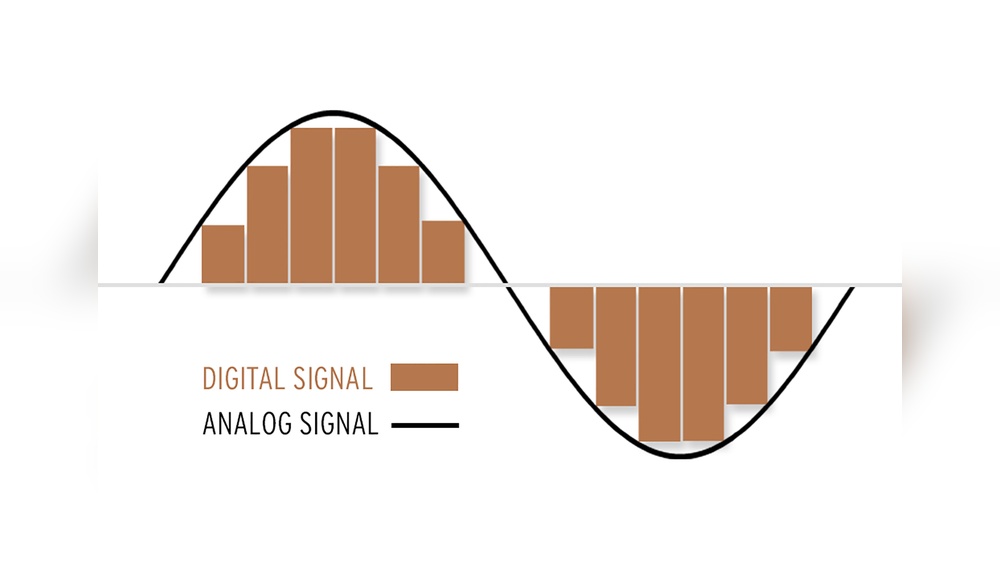
Digital sound starts with recording real sounds. A microphone captures sound waves and turns them into electrical signals. An analog-to-digital converter (ADC) changes these signals into numbers.

These numbers represent the sound’s loudness at many points in time. This process is called sampling. The more samples taken each second, the clearer the sound.

The numbers are stored as digital data. This data can be edited, saved, or sent over the internet. When played back, the digital data is converted back to sound.

Popular Digital Audio Formats

Digital sound can be stored in many formats. Some are designed for high quality, others for small file size. Common formats include MP3, WAV, and AAC.

MP3 is popular because it makes files smaller without losing much sound quality. WAV files keep all sound details but take more space. AAC is used by many streaming services for good quality and small files.

Choosing a format depends on the purpose. For example, WAV is good for editing, while MP3 is best for sharing.

Benefits Of Digital Audio

Digital audio is easy to copy without losing quality. It does not wear out like tapes or records. Files can be stored on many devices and shared worldwide.

It allows for quick editing and mixing of sounds. Digital sound works well with computers and modern technology. It also supports many users at once, like in streaming music.

Overall, digital sound offers convenience, flexibility, and consistent quality.

Sound Quality Comparison

Sound quality is a key factor in choosing between analog and digital audio. Both offer unique experiences. Understanding their differences helps you pick the right sound for your needs.

This section compares the warmth, clarity, and noise levels of analog and digital sound.

Warmth And Depth In Analog

Analog sound often feels warm and rich. It captures subtle nuances and natural tones. This warmth comes from how analog records sound waves continuously. Listeners may notice a full, smooth texture in music. This depth creates an emotional connection to the audio.

Clarity And Precision In Digital

Digital sound offers clear and precise audio. It translates sound into exact numbers, reducing errors. Digital files reproduce music as it was recorded. This precision helps in hearing every detail. High-quality digital audio can sound clean and sharp.

Noise And Distortion Levels

Analog sound may have background noise and slight distortion. Tape hiss or vinyl crackles are common. These elements add character but can distract. Digital audio usually has less noise and distortion. It produces a cleaner listening experience. Yet, some find digital sound less natural.

Recording And Playback

Recording and playback form the core of sound capture and reproduction. They shape how we experience music, podcasts, and all audio forms. The way sound is recorded and played back differs between analog and digital systems. Each method offers distinct qualities and challenges.

Analog Recording Techniques

Analog recording captures sound as continuous waves. Devices like tape recorders and vinyl cutters store these waves on physical media. The process captures every nuance of the original sound. Tape saturation adds warmth and slight distortion. It creates a natural, rich sound favored by many artists. Analog recording requires careful handling to avoid noise and degradation.

Digital Recording Methods

Digital recording converts sound into numbers called bits. It samples sound waves many times per second. These samples get stored as digital files on hard drives or memory cards. Digital methods allow easy editing and copying without quality loss. They provide cleaner sound with less noise. Digital files can be compressed to save space. The process offers consistency and flexibility for producers.

Playback Equipment Differences

Analog playback uses devices like turntables and tape decks. These machines read physical grooves or magnetic tape to recreate sound. They often add subtle warmth to the audio. Digital playback uses CD players, computers, or smartphones. These devices decode digital files into sound waves. Digital playback tends to be clearer and more precise. Quality depends on the digital-to-analog converter used. Both playback types offer unique listening experiences.

Storage And Durability

Storage and durability play key roles in how sound recordings last over time. Different formats affect how long audio can be kept without losing quality. Understanding these factors helps in choosing the best way to save and preserve sound.

Analog Media Lifespan

Analog media includes vinyl records, tapes, and cassettes. These physical items can last for decades if stored properly. Dust, heat, and humidity cause damage and degrade sound quality. Over time, analog media wears out from repeated use. Scratches and tape hiss reduce the listening experience.

Digital File Longevity

Digital files store sound as data on hard drives, CDs, or cloud servers. These files do not lose quality no matter how often played. Digital formats can be copied and backed up easily. However, digital storage devices can fail or become outdated. Regular backups and format updates keep digital files safe.

Impact On Audio Preservation

Analog sound captures a warm, natural feel but needs careful handling. Digital sound offers clear, consistent quality and easier preservation. For long-term storage, digital files provide more security. Archiving important recordings often combines both methods for best results.

Analog Sound Vs Digital Sound: Ultimate Audio Showdown Explained

Credit: unison.audio

Cost And Accessibility

Cost and accessibility play a big role in choosing between analog and digital sound. Both options offer unique experiences, but their price and availability vary a lot. Understanding these differences helps many people decide what suits their needs and budget.

Price Of Analog Gear

Analog equipment often costs more than digital tools. Vintage record players, tape machines, and analog synthesizers require high-quality parts. These parts are expensive to make and maintain. Repairs and upgrades add to the cost. Many analog devices are rare or handmade, which raises prices further. The price can be a barrier for beginners or casual users.

Digital Audio Affordability

Digital audio tools are usually cheaper and easier to find. Software programs and apps provide many features at a low price. Computers and mobile devices can run these programs without extra gear. Digital tools often include free updates and support. This makes digital sound a budget-friendly option for many people. It opens the door to music and sound creation for all skill levels.

Availability For Consumers

Analog devices are less common in stores and online. Their limited production means fewer options for buyers. Digital sound tools are widely available worldwide. Online marketplaces, app stores, and electronics shops carry many choices. Easy access to digital tools helps users start quickly. Consumers can try many products before buying. This availability supports learning and experimentation with sound.

User Experience And Preferences

User experience and preferences shape how people enjoy sound. Both analog and digital sound have unique qualities that affect listening. People’s choices depend on habits, opinions, and trends in audio use.

Listening Habits

Many listeners prefer analog for its warm, natural tone. Vinyl records and cassette tapes offer a tactile, hands-on experience. Digital sound suits those who value convenience and clarity. Streaming music or using MP3s fits busy lifestyles. People choose based on daily routines and device access.

Audiophile Opinions

Audiophiles often praise analog for its depth and richness. They argue vinyl captures more detail and emotion. Some find digital sound too clean or sterile. Others appreciate digital for its precision and lack of noise. Preferences vary widely among sound experts and enthusiasts.

Trends In Audio Consumption

Digital formats dominate modern listening habits. Streaming platforms grow fast and offer vast libraries. Vinyl sales have surged, showing a love for analog charm. Portable devices favor digital for ease and size. Trends reflect both nostalgia and technological progress.

Future Of Analog And Digital Sound

The future of analog and digital sound holds exciting possibilities. Both forms have unique strengths that will shape audio technology. Advances in technology continue to enhance sound quality and user experience. The audio world is evolving, blending tradition with innovation.

Technological Innovations

New technology improves sound clarity and depth. Digital sound benefits from better compression and higher resolution. Analog sound gains from improved materials and design. These innovations make listening richer and more natural. Sound devices become smaller and more efficient too.

Hybrid Audio Systems

Hybrid systems combine analog warmth with digital precision. They deliver the best of both worlds in one device. Musicians and audiophiles appreciate this blend for its flexibility. These systems adapt easily to different listening styles. Hybrid audio is becoming more popular for home and studio use.

Predictions For Audio Industry

The audio industry will see more integration of analog and digital tech. Streaming and vinyl sales both grow, showing diverse listener preferences. Smart devices will offer better sound customization. Audio gear will be more affordable and accessible. The future promises sound experiences that suit every listener.

Frequently Asked Questions

What Is The Main Difference Between Analog And Digital Sound?

Analog sound uses continuous waves to capture audio. Digital sound converts audio into numbers for storage and playback.

Which Sound Type Offers Better Audio Quality?

Analog sound provides warm and natural tones. Digital sound delivers clear and precise audio with less noise.

How Does Analog Sound Get Recorded?

Analog sound is recorded using tapes or vinyl that store continuous sound waves. This process captures sound in its natural form.

Is Digital Sound Easier To Edit And Share?

Digital sound is easier to edit, copy, and share. It can be processed quickly using computers and software.

Which Sound Format Lasts Longer Without Quality Loss?

Digital sound maintains quality over time without degradation. Analog sound can lose quality with each playback or copy.

Conclusion

Analog and digital sound each have clear strengths and uses. Analog offers warmth and depth that many enjoy. Digital provides clarity and ease of use. Choosing depends on your needs and preferences. Both types shape how we experience music today.

Understanding their differences helps you appreciate sound better. Keep exploring and find what suits your ears best. Sound is a personal journey, not just technology.

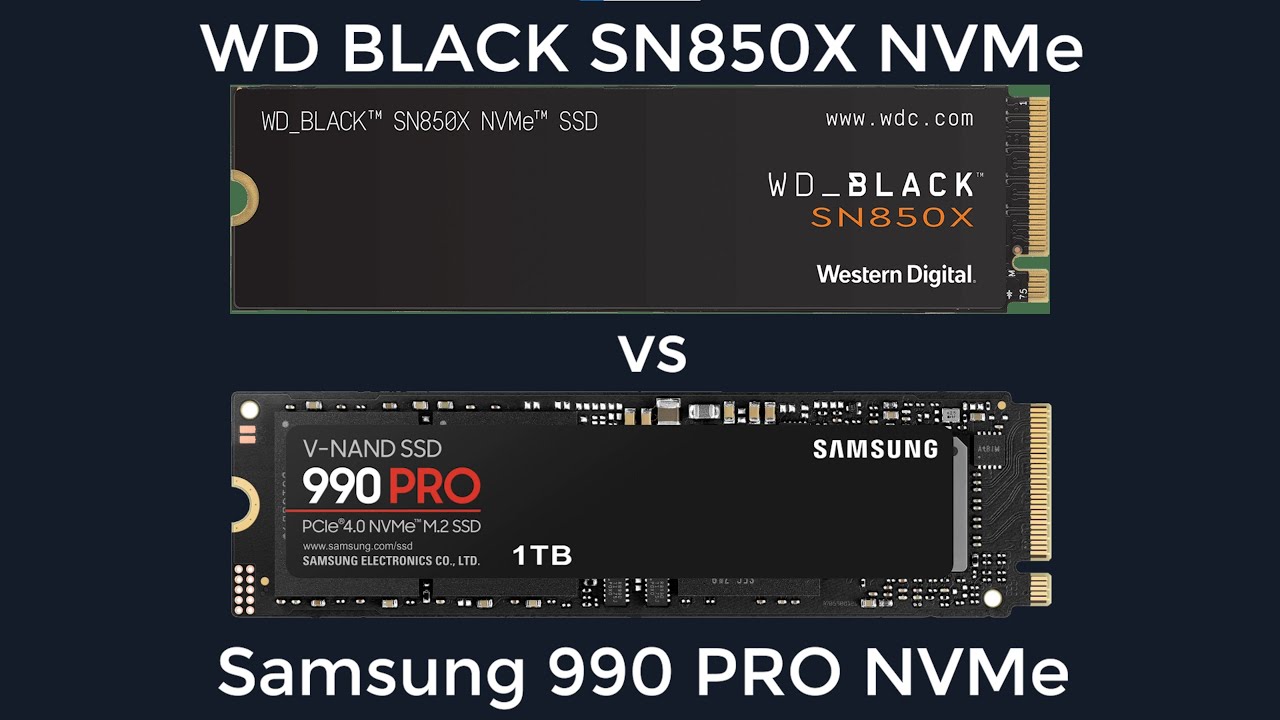
Western Digital Vs Samsung SSD: Ultimate Speed and Reliability Showdown

Western Digital Vs Samsung Ssd

When it comes to choosing an SSD for your computer, you want the best speed, reliability, and value for your money. But with top brands like Western Digital and Samsung competing for your attention, making the right choice can be confusing.

Which one will give you faster performance? Which brand offers better durability? And most importantly, which SSD fits your needs and budget? Keep reading to uncover the key differences between Western Digital and Samsung SSDs, so you can make a smart decision that boosts your device’s performance without any regrets.

Western Digital Vs Samsung SSD: Ultimate Speed and Reliability Showdown

Credit: www.mbreviews.com

Ssd Technology Basics

Understanding SSD technology helps in choosing the right drive. SSDs store data using flash memory. This method makes them faster than traditional hard drives. They have no moving parts, which reduces noise and heat. Also, SSDs consume less power, making laptops last longer on battery.

Two popular SSD brands are Western Digital and Samsung. Both use solid-state technology but differ in design and features. Knowing how SSDs work and their key metrics helps in comparing these brands.

How Ssds Work

SSDs use NAND flash memory to store data. This memory holds information even without power. Data is stored in cells grouped in blocks. The SSD controller manages reading and writing data. It also handles error correction and wear leveling. This process extends the SSD’s life and keeps it fast.

Unlike hard drives, SSDs do not use spinning disks. This absence makes them quicker in accessing files. SSDs can instantly read data from any location. This speed boosts overall computer performance.

Key Performance Metrics

Speed is a main factor when choosing SSDs. It includes read and write speeds, measured in megabytes per second. Higher speeds mean faster file transfers and loading times. Another metric is input/output operations per second (IOPS). It measures how many tasks the SSD can handle each second. Higher IOPS indicate better multitasking ability.

Durability also matters. It is measured by TBW (terabytes written), showing how much data can be written over the SSD’s life. A higher TBW means longer lifespan. Lastly, look at the drive’s capacity. Choose a size that fits your storage needs. These metrics help compare Western Digital and Samsung SSDs effectively.

Western Digital Vs Samsung SSD: Ultimate Speed and Reliability Showdown

Credit: www.gamingpcbuilder.com

Brand Profiles

Choosing between Western Digital and Samsung SSDs starts with understanding their brand profiles. Both brands have strong reputations in storage technology. Each offers unique strengths and a wide range of products. This section breaks down what makes each brand stand out.

Western Digital Overview

Western Digital has been a leader in data storage for decades. The company offers hard drives, SSDs, and external storage solutions. Its SSDs focus on reliability and value. Western Digital targets both everyday users and professionals. The brand emphasizes durability and consistent performance. It also offers a variety of SSD types, including SATA and NVMe. Western Digital SSDs often come with solid warranties. The company supports its products with good customer service.

Samsung Overview

Samsung is a top player in electronics and memory technology. It produces some of the fastest SSDs available today. Samsung SSDs are known for speed and innovation. The brand uses advanced V-NAND technology for better performance. Samsung offers a broad range of SSDs, from budget to high-end models. Its drives are popular among gamers and creative professionals. Samsung also provides excellent software for managing SSD health. The brand is trusted for quality and cutting-edge features.

Speed Comparison

Speed plays a major role in choosing an SSD. Faster drives improve everyday tasks and boost system performance. Western Digital and Samsung offer strong contenders in this field. Comparing their speeds helps decide which suits your needs better.

Both brands use advanced technology, but their performance varies in different tests. Speed tests often measure two main types: sequential and random. Each type tells a different story about drive performance.

Sequential Read And Write Speeds

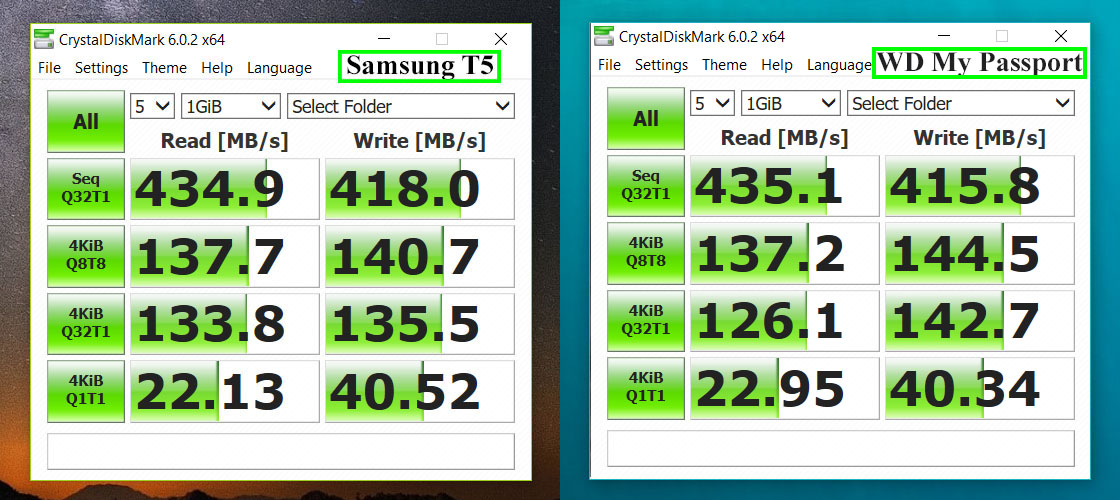
Sequential speeds show how fast large files move. This test copies big data blocks in order. Samsung SSDs generally deliver higher sequential read speeds, often exceeding 3500 MB/s. Western Digital matches closely but sometimes falls a bit behind.

Write speeds also matter for saving files. Samsung’s write speeds are strong, typically around 3000 MB/s. Western Digital’s write speeds are slightly lower but still fast enough for most users. Both brands handle large file transfers well.

Random Read And Write Speeds

Random speeds measure how quickly the SSD handles small files. These speeds affect app loading and multitasking. Samsung usually leads in random read speeds with higher IOPS numbers. Western Digital performs well but often lags slightly.

Random write speeds impact how fast new data saves in small chunks. Samsung drives tend to keep an edge here too. Western Digital’s random write speeds are solid but not as high as Samsung’s. Both provide smooth everyday performance.

Reliability Factors

Reliability is a key factor when choosing an SSD. It affects how long the drive lasts and how safe your data stays. Both Western Digital and Samsung focus on making their SSDs reliable. Let’s explore the main elements of reliability for these brands.

Durability And Endurance

Durability means how well the SSD can handle wear and tear. Endurance refers to how many times data can be written and erased before the drive fails. Western Digital SSDs offer solid endurance ratings, suitable for everyday use and some heavy workloads. Samsung SSDs often score higher in endurance tests, especially their Pro series. This means Samsung drives may last longer under intense use.

Error Correction And Data Protection

Error correction is crucial for keeping your data safe. Western Digital uses advanced error correction codes to fix data errors automatically. Samsung also employs strong error correction technologies. These help prevent data loss and maintain drive health. Both brands include features like power loss protection to save data during sudden shutdowns. These safeguards improve overall data security and reliability.

Product Lineup

Both Western Digital and Samsung offer a wide range of SSDs. Each brand focuses on different needs and uses. Understanding their product lineup helps pick the right SSD for your device. Below, we explore their main models and what sets them apart.

Western Digital Ssd Models

Western Digital has several SSD series. The WD Blue line suits everyday users. It balances speed and price for casual computing. WD Black targets gamers and creators. These drives deliver higher speed and durability. WD Green offers budget-friendly options for basic tasks. For professionals, WD Red SSDs support NAS systems. They provide reliability for constant data access.

Samsung Ssd Models

Samsung’s SSD lineup includes popular series like the 870 EVO. This model fits most users with fast read and write speeds. The 980 PRO is for gamers and professionals. It uses NVMe technology for ultra-fast performance. Samsung also offers the 970 EVO Plus, known for reliability. The T7 series is portable and compact, ideal for data on the go. Samsung’s models focus on performance and broad compatibility.

Western Digital Vs Samsung SSD: Ultimate Speed and Reliability Showdown

Credit: www.youtube.com

Pricing And Value

Choosing between Western Digital and Samsung SSDs means weighing price against what you get. Pricing and value matter most for many buyers. Both brands offer reliable drives but differ in cost and benefits. Understanding these differences helps pick the best SSD for your needs.

Cost Per Gigabyte

Western Digital SSDs usually cost less per gigabyte. This makes them a good choice for budget-conscious buyers. Samsung drives tend to be pricier but offer higher performance. You pay more for faster speeds and advanced tech. If storage size is your top priority, Western Digital gives more space for less money.

Warranty And Support

Samsung SSDs often come with longer warranties than Western Digital. Samsung offers up to 5 years on many models. Western Digital typically provides 3 to 5 years depending on the drive. Customer support from both is reliable and responsive. A longer warranty adds peace of mind for your investment.

User Experience

User experience plays a big role in choosing between Western Digital and Samsung SSDs. It covers how easy the drive is to install and how well it works with your device. It also looks at the software and firmware tools that come with each SSD. These tools help keep the drive running smoothly and improve performance over time.

Installation And Compatibility

Both Western Digital and Samsung SSDs are easy to install. They fit in most laptops and desktops using standard connectors. Western Digital offers models for different needs, including SATA and NVMe types. Samsung also provides a wide range of SSDs, known for their compact design and solid build.

Compatibility is strong for both brands. They work with Windows, Mac, and Linux systems. Drivers and support are usually built-in or available on their websites. This makes setup quick and hassle-free for most users.

Software And Firmware Features

Western Digital provides a user-friendly dashboard for drive health and performance checks. It includes tools for firmware updates and data backup. The software helps keep the SSD in good condition with easy-to-use features.

Samsung’s Magician software is known for its clear interface and useful tools. It offers performance optimization, firmware updates, and secure erase options. The software supports advanced features like over-provisioning to extend drive life.

Both brands regularly release firmware updates. These updates fix bugs and improve speed and reliability. Users can update their SSDs quickly through the provided software.

Use Case Recommendations

Choosing the right SSD depends on how you use your computer. Western Digital and Samsung offer great options. Each brand suits different needs. Understanding these can help you pick the best SSD.

Below are recommendations based on common use cases. This will guide you to the right choice for your tasks.

Gaming And High Performance

Samsung SSDs often deliver faster speeds. This means quicker game loading and better performance. Their NVMe drives handle large files smoothly. Western Digital also has strong options but focuses more on balanced performance. For serious gamers, Samsung’s top models can improve gameplay experience. Western Digital suits casual gamers who want good speed at a lower cost.

Everyday Computing

Western Digital SSDs shine in daily tasks like browsing and streaming. They offer reliable speed for everyday use. Samsung drives work well too but may be pricier. Western Digital’s value models provide good storage and speed. Ideal for students, office work, and home use. These SSDs keep your system responsive without overspending.

Professional Workloads

Samsung SSDs excel in heavy workloads like video editing and data analysis. Their high read/write speeds reduce waiting time. Western Digital offers models with large capacities and solid reliability. Professionals who need fast data transfer and durability find Samsung a strong choice. Western Digital suits those who want large storage with steady performance. Both brands serve professionals well but differ in speed and price.

Frequently Asked Questions

Which Ssd Brand Is Faster, Western Digital Or Samsung?

Samsung SSDs generally offer faster read and write speeds than Western Digital. This makes them better for tasks needing high speed. But speed depends on the specific model and use.

Are Western Digital Ssds More Affordable Than Samsung?

Western Digital SSDs often cost less than Samsung models with similar storage. This makes WD a good choice for budget buyers. Prices vary based on size and features.

How Reliable Are Western Digital And Samsung Ssds?

Both brands make reliable SSDs that last for years with normal use. Samsung has a strong reputation for durability. Western Digital also offers solid warranty and support.

Which Ssd Brand Has Better Software And Features?

Samsung provides advanced software for drive management and data security. Western Digital also has useful tools but they are simpler. Software needs depend on user preference.

Can I Use Western Digital Or Samsung Ssd For Gaming?

Yes, both brands offer SSDs that improve gaming load times. Samsung’s higher speed models are popular among gamers. Western Digital drives also provide smooth game performance.

Conclusion

Choosing between Western Digital and Samsung SSDs depends on your needs. Both brands offer reliable and fast storage options. Samsung tends to lead in speed and innovation. Western Digital provides good value and solid performance. Consider your budget and device compatibility.

Either choice will improve your computer’s speed and storage. Think about what matters most to you. Storage size, price, and warranty are key factors. Both SSDs are trusted by many users worldwide. Your decision will boost your digital experience. Simple and smart.

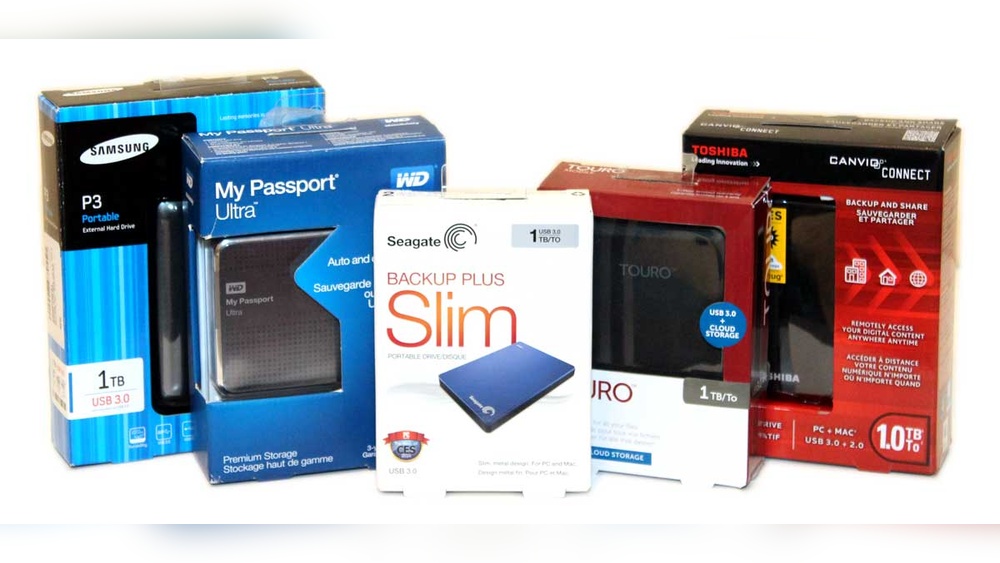
External Hard Disk Western Digital Vs Seagate: Ultimate Showdown

External Hard Disk Western Digital Vs Seagate

Choosing the right external hard disk can be confusing, especially when you’re stuck between two big names: Western Digital and Seagate. You want your data safe, your backups reliable, and your storage fast.

But which brand delivers the best value for your needs? This article will help you cut through the noise and make a clear choice. Keep reading to discover which external hard disk suits your lifestyle and tech demands perfectly. Your files deserve the best protection—let’s find out which option gives you just that.

External Hard Disk Western Digital Vs Seagate: Ultimate Showdown

Credit: www.youtube.com

Brand Histories

Both Western Digital and Seagate are well-known brands in the external hard disk market. Their histories show strong experience in data storage technology. Understanding their backgrounds helps to see why many users trust their products.

Western Digital Background

Western Digital started in 1970 in California. It began as a company making memory chips. Over time, it shifted focus to hard drives. Western Digital grew fast by buying other storage companies. This helped it offer many types of storage products. It is known for reliable and durable hard drives. Many people use Western Digital drives for personal and business needs.

Seagate Background

Seagate was founded in 1979. It is one of the first companies to make hard drives. Seagate quickly became a leader in the data storage field. The company worked hard to improve drive speed and capacity. It made hard drives smaller and more efficient. Seagate also bought other companies to expand its technology. Today, Seagate is a top choice for many users worldwide.

External Hard Disk Western Digital Vs Seagate: Ultimate Showdown

Credit: www.pretzellogix.net

Design And Build Quality

The design and build quality of an external hard disk impact both its appearance and performance. A well-built drive lasts longer and protects data better. Western Digital and Seagate focus on sturdy designs but use different materials and styles.

Materials And Durability

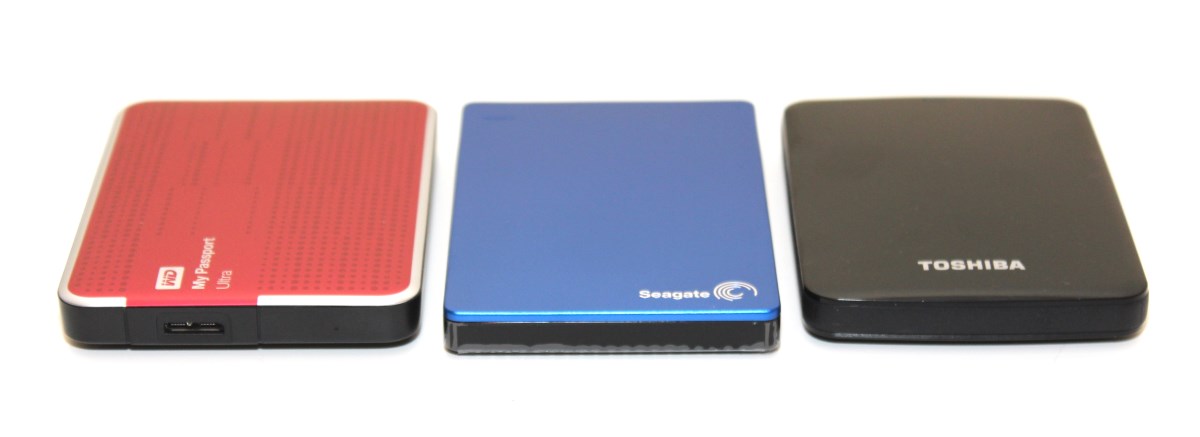
Western Digital external drives often use hard plastic cases with a smooth finish. This material resists scratches and minor drops. Some models have rubber edges to absorb shocks. Seagate drives tend to use a mix of metal and plastic. The metal parts add strength and a premium feel. Both brands create products that handle daily wear well. Seagate may feel more solid due to metal use. Western Digital focuses on lightweight but durable plastic.

Portability And Size

Western Digital drives usually have compact designs. They fit easily in bags or pockets. Their slim shape makes them easy to carry. Seagate drives come in various sizes. Some are thin and light, while others offer more space but are bulkier. Both brands offer portable options for travelers and casual users. Western Digital’s smaller models suit users who want light gear. Seagate’s larger models are good for those needing extra storage on the go.

Performance Comparison

Choosing between Western Digital and Seagate external hard disks often depends on performance. This section compares key factors that affect daily use. Speed and reliability are crucial for storage devices. Understanding these helps pick the right drive for your needs.

Speed And Data Transfer Rates

Western Digital and Seagate drives offer competitive speeds. Both brands provide USB 3.0 and USB 3.1 options. These ensure faster data transfers than older USB versions.

Western Digital drives generally have steady transfer speeds around 120 MB/s. Seagate models can reach similar speeds, often slightly higher in burst transfers. The difference is minimal for most users.

Drive speed also depends on the model and capacity. Larger drives sometimes show slower write speeds. Both brands optimize firmware to maintain speed consistency.

Reliability And Lifespan

Reliability is key for protecting stored data. Western Digital drives have a good reputation for durability. Many users report consistent performance over years.

Seagate drives also perform well but sometimes show higher failure rates in certain models. Warranty periods are similar, usually two to three years.

Both brands include built-in features to protect data. Shock resistance and error recovery tools improve lifespan. Proper care extends drive life regardless of brand.

Storage Options

Storage options are key when choosing between Western Digital and Seagate external hard disks. Both brands offer various sizes and features to meet different needs. Understanding their capacity and expandability helps pick the right device.

Capacity Ranges

Western Digital external drives come in sizes from 500GB to 5TB. This range suits casual users and professionals alike. Seagate offers similar options, starting at 1TB and going up to 5TB or more. Both brands provide enough space for documents, photos, videos, and backups.

Small capacity drives suit basic tasks. Larger capacities help store high-resolution videos or large files. Choose based on your storage needs and budget.

Expandable Features

Western Digital drives often support easy upgrades with additional drives or cloud storage. Some models connect smoothly to network systems, allowing shared access. Seagate also offers expandable options, such as compatibility with NAS systems and external docks.

Expandable features add flexibility. They let users increase storage without replacing the entire drive. This benefit matters for growing data needs or team projects.

Compatibility And Connectivity

Compatibility and connectivity are vital for any external hard disk. They ensure the device works smoothly with your computer or other gadgets. Western Digital and Seagate offer various options in these areas. Understanding their differences helps you pick the right drive.

Operating System Support

Both Western Digital and Seagate drives support major operating systems. They work with Windows, macOS, and Linux. Some drives come pre-formatted for Windows. You might need to reformat for other systems. This is simple and well explained in user guides. Both brands also support plug-and-play features. This means you can start using them quickly.

Interface Types And Ports

Western Digital and Seagate offer several interface options. USB 3.0 is the most common. It provides fast data transfer. USB-C is also available on many newer models. This port is reversible and supports quicker speeds. Some drives include USB 2.0 for older devices. Both brands also have models with Thunderbolt ports. Thunderbolt offers very high-speed connections but is less common. Choosing the right interface depends on your device’s ports and speed needs.

External Hard Disk Western Digital Vs Seagate: Ultimate Showdown

Credit: www.youtube.com

Software And Security Features

Choosing an external hard disk means considering more than just storage size. Software and security features play a key role in protecting your data. Both Western Digital and Seagate offer unique tools and options. These help users back up files and keep information safe.

Backup Solutions

Western Digital provides WD Backup software for easy file saving. It allows scheduled backups to run automatically. Users can choose specific folders or entire drives. Seagate offers Seagate Toolkit, which also supports automatic backups. Both tools support Windows and Mac systems. This makes securing data simple and fast.

Encryption And Password Protection

Western Digital uses hardware encryption to protect data. It requires a password to access files. This prevents unauthorized use if the drive is lost. Seagate includes Secure Drive software with AES 256-bit encryption. It locks data behind a password as well. Both brands help keep sensitive information private. This builds trust and confidence in their products.

Price And Warranty

Price and warranty play a big role in choosing an external hard disk. Both affect the overall value and user experience. Understanding the cost and warranty can help you pick the best option. Western Digital and Seagate offer different pricing and warranty plans. Knowing these details lets you make an informed choice.

Cost Comparison

Western Digital external hard disks usually have a slightly higher price. This is because they focus on durability and design. Seagate drives tend to be more affordable. They often offer more storage for less money. Both brands have models for basic use and professional needs. Prices vary by storage size and speed. Checking current deals can save you money.

Warranty And Customer Support

Western Digital offers a warranty period from two to five years. Their customer support is known for quick responses and helpful solutions. Seagate provides a similar warranty length, mostly between one and five years. Their support team is available online and by phone. Both brands provide software for drive management and recovery. Warranty coverage ensures repairs or replacements if issues arise.

User Reviews And Feedback

User reviews provide valuable insight into Western Digital and Seagate external hard disks. They reveal real experiences from everyday users. These opinions help others decide which brand fits their needs better.

Both Western Digital and Seagate have a large user base. Feedback varies from praise to complaints. Understanding common themes in reviews shows the strengths and weaknesses of each brand.

Common Praises

Many users praise Western Digital for its reliable performance. The drives often work smoothly without frequent issues. People appreciate the simple setup and user-friendly software.

Seagate users highlight fast data transfer speeds. The design is compact and easy to carry. Many find Seagate drives offer good storage space for the price.

Both brands receive compliments for durable build quality. Users feel confident storing important files without worry. Customer support is also praised for helpful responses.

Frequent Complaints

Some Western Digital users report occasional drive failures after months of use. A few mention slow transfer speeds with large files. Others find the software interface confusing at times.

Seagate users often complain about noise during operation. Some drives have reported overheating issues. Several customers experience drive recognition problems on certain computers.

Both brands face criticism for limited warranty periods. A few users wish for more consistent product quality. Some reviews mention difficulties with data recovery after crashes.

Best Use Cases

Choosing the right external hard disk depends on how you plan to use it. Western Digital and Seagate offer different strengths. Each brand fits specific needs better. Knowing their best use cases helps you decide.

For Gamers

Gamers need fast storage for large game files. Western Digital offers high-speed drives with solid performance. Its drives handle frequent read and write tasks well. Seagate also provides reliable options with good capacity. Both brands support quick game loading and saving. Gamers benefit from drives that do not lag or slow down.

For Professionals

Professionals require secure and large storage for files. Western Digital drives have strong data protection features. They suit video editors and photographers well. Seagate drives offer high capacity for big projects. Their fast transfer speeds help save time. Both brands provide reliable backup solutions. Professionals need dependable drives for daily work.

For Casual Users

Casual users want simple and affordable storage. Western Digital drives are easy to use and durable. Seagate offers budget-friendly models with enough space. Both brands give enough speed for normal tasks. Casual users store photos, videos, and documents. They value plug-and-play features and portability.

Frequently Asked Questions

What Are The Main Differences Between Western Digital And Seagate?

Western Digital offers quieter drives, while Seagate focuses on speed. WD tends to have better reliability, and Seagate often provides more storage options.

Which Brand Has Better External Hard Drive Durability?

Western Digital drives generally last longer due to better build quality. Seagate drives are good but may have higher failure rates in some models.

How Do Wd And Seagate Compare In Storage Capacity?

Seagate offers larger maximum storage sizes than Western Digital. WD covers most common sizes well, but Seagate leads for very high capacities.

Which External Hard Drive Is Faster, Wd Or Seagate?

Seagate external hard drives usually have faster data transfer speeds. Western Digital drives prioritize stable speed and quieter operation over raw speed.

Are Western Digital Or Seagate Drives Better For Backup Purposes?

Western Digital drives are popular for reliable, consistent backups. Seagate drives work well but may need careful monitoring to avoid data loss.

Conclusion

Choosing between Western Digital and Seagate depends on your needs. Both brands offer reliable external hard disks with good storage options. Western Digital often focuses on durability and quiet operation. Seagate tends to provide faster performance and competitive pricing. Consider what matters more: speed, price, or build quality.

Check reviews and compare models before buying. Either way, you get solid storage for your files. Pick the one that fits your budget and requirements best. Simple and clear choices lead to the right external hard disk for you.

Digital Twin Vs Simulation: Key Differences You Need to Know

Digital Twin Vs Simulation

Have you ever wondered how businesses predict the future of their products or processes without risking time and money? That’s where digital twins and simulations come into play.

But what exactly sets them apart, and which one is right for your needs? Understanding the key differences can save you from costly mistakes and help you make smarter decisions. Keep reading to discover how digital twins and simulations work, why they matter, and how you can choose the best tool to boost your success.

Digital Twin Vs Simulation: Key Differences You Need to Know

Credit: www.simularge.com

Digital Twin Basics

Digital twins are changing how we understand and manage systems. They provide a real-time, virtual copy of a physical object or process. This helps businesses make smarter decisions and improve performance.

Understanding the basics of digital twins helps you see their value. Below, we explain what a digital twin is, its core parts, and where it is commonly used.

What Is A Digital Twin

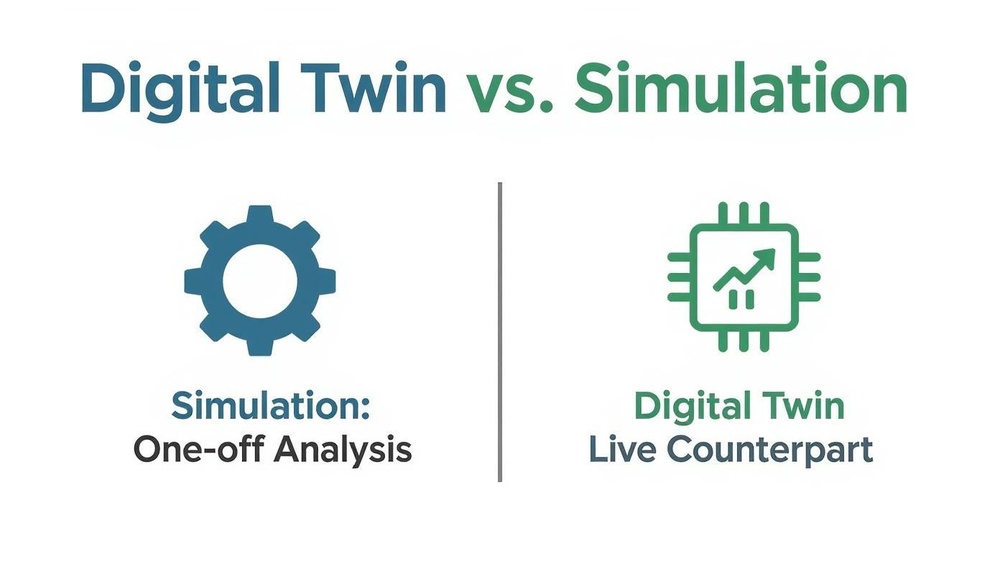
A digital twin is a virtual model of a real-world object or system. It uses data from sensors to mirror the physical object’s condition and behavior. This model updates in real time, showing changes as they happen.

Unlike simple simulations, digital twins connect directly to their physical counterparts. This connection allows continuous monitoring and analysis. The digital twin reflects any changes or issues instantly.

Core Components

Digital twins have three main parts: the physical object, the digital model, and data connections. Sensors on the physical object collect data like temperature, speed, or pressure. This data flows to the digital model.

The digital model processes this data to mimic the real object’s state. Software tools analyze the data and predict future outcomes. Together, these parts create a live, interactive copy of the object.

Common Applications

Digital twins are used in many industries. In manufacturing, they monitor machines to prevent breakdowns. In smart cities, they help manage traffic and energy use.

Healthcare uses digital twins to simulate patient conditions for better treatment. Even in aerospace, digital twins track aircraft systems for safety and maintenance. These examples show how versatile digital twins can be.

Simulation Essentials

Simulation is a powerful tool used to imitate real-world processes. It helps people study how systems behave without physical trials. Simulations save time and reduce costs by predicting outcomes in a virtual space.

This section covers the basics of simulation. You will learn what simulation means, the different types, and common uses. Understanding these points will clarify how simulation works and why it matters.

What Is Simulation

Simulation is a method to create a digital model of a real system. It mimics the behavior and responses of that system over time. This allows testing and analysis without interacting with the physical object.

It uses mathematical models and algorithms to represent real processes. Users can change variables and observe effects quickly. Simulations help predict results and support decision-making.

Types Of Simulations

There are several types of simulations based on purpose and method. Discrete event simulation focuses on events happening at specific times. Continuous simulation models systems changing over time smoothly.

Agent-based simulation uses individual entities to study complex interactions. Monte Carlo simulation relies on random sampling to understand uncertainty. Each type serves different needs and scenarios.

Typical Use Cases

Simulations are common in many fields. Engineers test product designs before building physical prototypes. Healthcare professionals simulate surgeries to improve techniques and outcomes.

Businesses use simulation for supply chain management and risk assessment. Urban planners model traffic flow and city growth. Simulations also train pilots and operators safely.

Data Integration

Data integration plays a crucial role in both digital twins and simulations. It defines how these tools use information to create models and predictions. Understanding the differences in data handling helps to choose the right approach for a project.

Real-time Data In Digital Twins

Digital twins rely heavily on real-time data. Sensors and devices feed live information into the digital model. This allows the twin to mirror the current state of the physical object or system. Changes happen instantly, making the digital twin a dynamic and accurate representation. This real-time data helps with monitoring, predicting, and optimizing performance continuously.

Static Vs Dynamic Data In Simulations

Simulations mostly use static or pre-set data. The inputs are fixed before the simulation runs. This data does not update during the process. The simulation shows possible outcomes based on those initial conditions. It lacks the continuous feedback loop seen in digital twins. Simulations are useful for testing theories or designs without real-time updates.

Digital Twin Vs Simulation: Key Differences You Need to Know

Credit: innovateenergynow.com

Interactivity And Feedback

Interactivity and feedback play a key role in both digital twins and simulations. They allow users to engage with models actively. Users can make changes and see how systems respond. This interaction helps improve understanding and decision-making.

Both digital twins and simulations provide feedback, but they do so differently. Digital twins offer real-time data and updates from physical systems. Simulations often run scenarios that predict future outcomes based on set inputs.

Continuous Feedback Loops

Digital twins use continuous feedback loops to stay accurate. They collect data from sensors on real objects constantly. This data updates the digital model instantly. The model reflects the current state of the physical system.

Feedback helps detect problems early. It allows quick adjustments to improve performance. Continuous loops keep the digital twin synchronized with the real world. This makes it a powerful tool for monitoring and control.

Scenario Testing In Simulations

Simulations let users test many what-if scenarios. They change variables and see possible results. This helps predict how systems behave under different conditions. Scenario testing is useful for planning and risk assessment.

Simulations do not always use real-time data. They focus on exploring future possibilities. This makes them excellent for training and design experiments. Users learn how changes might impact the system before applying them.

Accuracy And Complexity

Accuracy and complexity are key factors in comparing digital twins and simulations. Both aim to replicate real-world systems but differ in detail and depth. Understanding these differences helps choose the right tool for specific needs.

Model Fidelity In Digital Twins

Digital twins offer high model fidelity. They create a near-exact copy of the physical asset. This includes real-time data and precise behavior patterns. The model updates continuously with live information. This accuracy helps detect issues early and optimize performance. Digital twins handle complex systems with many variables. This complexity allows detailed analysis and better decision-making.

Simplification In Simulations

Simulations often use simplified models. They focus on key elements rather than every detail. This reduces computing power and speeds up results. Simulations test different scenarios quickly and easily. Although less detailed, they still provide useful insights. Simplification helps users understand broad trends without overwhelming data. Simulations work well for learning and planning stages.

Digital Twin Vs Simulation: Key Differences You Need to Know

Credit: www.harmony-at.com

Technology And Tools

Technology and tools form the backbone of digital twins and simulations. Both depend on advanced software to create virtual models. These models help in analyzing real-world systems and predicting outcomes. The choice of software impacts accuracy and usability. Understanding the platforms used for each can clarify their differences and strengths.

Software Platforms For Digital Twins

Digital twin platforms focus on connecting virtual models with real-time data. These platforms integrate sensors and IoT devices to mirror physical assets. Popular options include Siemens MindSphere, GE Predix, and PTC ThingWorx. They allow continuous monitoring and updates to reflect actual conditions. This real-time link supports better decision-making and maintenance.

These platforms often support 3D visualization and advanced analytics. They also provide tools for data management and system integration. This makes digital twins useful for industries like manufacturing, energy, and smart cities. The platforms prioritize syncing virtual and physical worlds closely.

Simulation Software Options

Simulation software creates virtual experiments to test theories or designs. It uses mathematical models to predict how systems behave under different conditions. Common tools include ANSYS, MATLAB, and Simulink. These programs help engineers and scientists run tests without physical prototypes.

Simulation software is flexible and can model various systems, from mechanical to financial. It focuses on scenarios rather than real-time data. This approach aids in understanding system behavior and optimizing performance before actual deployment. Simulations support design, training, and risk assessment tasks.

Benefits And Limitations

Digital twins and simulations both help us understand complex systems. Each has its own benefits and limits. Knowing these can guide better choices for projects and decisions.

Strengths Of Digital Twins

Digital twins create real-time copies of physical objects or systems. They gather live data for accurate updates and predictions. This helps spot problems early and reduce downtime. Digital twins improve decision-making by showing current conditions and trends. They support continuous monitoring and can adapt to changes quickly. These models also help with testing changes without risk. Teams use digital twins to enhance performance and lower costs.

Limitations Of Simulations

Simulations use models to imitate real-world processes or events. They often rely on fixed assumptions and past data. This can limit accuracy in changing environments. Simulations may miss real-time variations and unexpected factors. They require detailed input, which can be hard to gather. Some simulations take a long time to run or need powerful computers. Results depend on model quality and may not fully reflect reality.

Industry Examples

Digital twins and simulations serve distinct purposes in various industries. Both technologies help companies improve processes and reduce risks. Exploring real-world examples clarifies their different uses and benefits.

Many industries adopt digital twins and simulations to optimize designs and operations. These examples highlight practical applications and outcomes.

Digital Twins In Manufacturing

Manufacturers use digital twins to monitor machines in real time. This allows them to predict failures before they happen. Digital twins also help improve production efficiency. They create virtual copies of factory equipment. Engineers can test changes digitally, saving time and cost. This technology reduces downtime and increases product quality.

Simulations In Aerospace

Aerospace relies heavily on simulations for safety and design. Simulations test aircraft performance under extreme conditions. Pilots train using flight simulators to handle emergencies safely. Simulations also help design new aircraft parts. They reduce the need for expensive physical prototypes. This method speeds up innovation and ensures safety standards.

Cross-industry Use Cases

Both digital twins and simulations appear in healthcare, energy, and smart cities. Hospitals use digital twins to track patient health and optimize treatments. Energy companies simulate grid behavior to prevent outages. Smart cities model traffic flow to reduce congestion. These tools improve decision-making and resource management across sectors.

Choosing Between Them

Deciding between a digital twin and simulation depends on your project needs. Digital twins mirror real systems in real time, while simulations test scenarios without live data. Each offers unique benefits for planning and problem-solving.

Decision Factors

Choosing between a digital twin and a simulation depends on your project needs. Digital twins create a live, real-time model of an object or system. Simulations run scenarios based on set data without real-time updates. Think about whether you need ongoing data or just predictions. Also, consider how detailed the model must be. Digital twins suit ongoing monitoring and adjustments. Simulations work well for testing ideas before building.

Cost And Resource Considerations

Digital twins often need more investment upfront. They require sensors, data connections, and powerful software. Simulations usually cost less to set up but might need experts to build models. Maintenance for digital twins can add to expenses. Simulations can be reused with less cost for new tests. Your budget and available skills should guide your choice. Choose what fits your resources and goals.

Future Trends

Digital twins grow stronger with better sensors and data tools. They will become more common in factories, cities, and healthcare. Simulations keep improving with faster computers and AI help. Both will blend more in the future. Choosing one now means planning for upgrades. Think about how your needs might change over time. Stay open to combining both for best results.

Frequently Asked Questions

What Is The Main Difference Between Digital Twin And Simulation?

A digital twin is a real-time virtual copy of a physical object. Simulation tests scenarios without live data. Digital twins update continuously; simulations do not.

How Does A Digital Twin Improve Decision Making?

A digital twin shows real-time data and performance. It helps spot issues early and plan fixes. This reduces downtime and saves money.

Can Simulation Predict Future Outcomes Effectively?

Simulation models different conditions to forecast results. It helps test ideas before applying them. Yet, it lacks live data updates like digital twins.

Which Industries Benefit Most From Digital Twins?

Manufacturing, healthcare, and smart cities use digital twins. They improve efficiency and reduce errors. Any field with complex systems gains value.

Is Simulation Better For Testing Than Digital Twins?

Simulation is ideal for early-stage testing and training. It helps explore many “what-if” scenarios safely. Digital twins focus more on real-time monitoring and control.

Conclusion

Digital twins and simulations both help us understand systems better. Digital twins create a live copy of real objects or processes. Simulations test ideas in a virtual world without real risks. Each has its strengths depending on the goal. Digital twins offer real-time data and insights.

Simulations allow safe experiments and predictions. Choosing between them depends on your needs and resources. Both tools improve decision-making and save time. Use them wisely to enhance your projects and plans. Simple, clear, and effective approaches work best.

Ps5 Digital Vs Slim: Ultimate Comparison for Gamers 2026

Ps5 Digital Vs Slim

Are you trying to decide between the PS5 Digital and the PS5 Slim? It’s a choice that can feel confusing, especially when both promise great gaming experiences.

But which one truly fits your needs and lifestyle? By the end of this article, you’ll know exactly which PlayStation suits you best—saving you time, money, and frustration. Keep reading, because the right console can change how you play, connect, and enjoy your games.

Let’s dive in and make this decision easy for you.

Design And Build

The design and build of a gaming console shape the player’s experience. Both the PS5 Digital and the PS5 Slim offer unique styles that suit different tastes and spaces. Understanding their design helps buyers choose the right console for their setup.

Each model has distinct features in size, weight, color, and finish. These differences affect how the console fits in your living room or gaming station. Let’s explore these details to see what sets each console apart.

Size And Weight Differences

The PS5 Digital is larger and heavier than the PS5 Slim. It measures about 15.4 inches tall and weighs around 9.9 pounds. This size gives it a bold and futuristic look but takes more space.

The PS5 Slim is smaller and lighter. It stands roughly 11.3 inches tall and weighs close to 7.7 pounds. This compact size fits better in tight spaces and is easier to move.

Small size means the Slim is simpler to place on shelves or inside entertainment centers. The Digital edition demands more room but offers a unique presence.

Color And Finish Options

Both consoles feature a sleek two-tone design with white and black panels. The PS5 Digital uses a matte finish that reduces fingerprints and glare. This helps the console look clean and modern.

The PS5 Slim also has a matte finish but with a slightly softer texture. This finish gives a smooth feel and blends well with other devices.

Neither model offers many color options, focusing instead on a classic look. The white and black design matches most home decor and gaming setups.

Performance And Hardware

The performance and hardware of the PS5 Digital and PS5 Slim define how well each console runs games. Both models aim to provide smooth gameplay and fast loading times. Understanding their processor, GPU, RAM, and storage helps you see what each console offers. This section breaks down these details clearly.

Processor And Gpu Specs

The PS5 Digital and PS5 Slim share the same main processor. Both use an AMD Ryzen Zen 2 CPU with 8 cores at 3.5 GHz. This CPU delivers strong performance for modern games. The graphics processing unit (GPU) also remains similar in both models. They use AMD RDNA 2 technology, offering 10.28 teraflops of power. This supports high-quality visuals and smooth frame rates. Neither model compromises on raw power for gaming.

Ram And Storage Variations

Both consoles come with 16 GB of GDDR6 RAM. This memory size allows for quick data access and better game performance. Storage size varies more noticeably. The PS5 Digital includes an 825 GB SSD, which loads games fast. The PS5 Slim also has an 825 GB SSD, but it may offer different storage expandability options. Both support external drives to increase space. This helps store more games without slowing down performance.

Digital Vs Disc Capabilities

The digital and disc versions of the PS5 differ mainly in how they handle games. These differences affect what games you can play and how you access them. Understanding these points helps you choose the best option for your needs.

Game Library Access

The PS5 Digital Edition only plays games downloaded from the PlayStation Store. You cannot use physical discs. This means your game library depends on digital purchases and downloads.

The PS5 Slim, which includes a disc drive, supports both physical and digital games. You can buy discs from stores or download games online. This flexibility lets you build a larger game collection in different ways.

Backward Compatibility

Both the Digital Edition and the Slim support backward compatibility. They can play many PS4 games, letting you enjoy older titles on the new console.

The Slim’s disc drive allows you to use physical PS4 discs directly. The Digital Edition requires digital versions of these games. This can be important if you have a collection of PS4 discs.

Ps5 Digital Vs Slim: Ultimate Comparison for Gamers 2026

Credit: vklaw.gr

User Interface And Features

The user interface and features of the PS5 Digital and Slim models shape the gaming experience. Both models offer smooth navigation and quick access to games and apps. The layout is clean and easy to use, letting players find what they want fast.

Features like the Control Center provide shortcuts to important tools. This helps players switch between games, check notifications, and manage downloads without leaving the game. Both models share this design, keeping the experience consistent.

Controller Compatibility

Both PS5 Digital and Slim support the DualSense controller. This controller has advanced haptic feedback and adaptive triggers. It makes gameplay more immersive and realistic. Players can use older controllers like the DualShock 4 on both models. This allows easy transition from PS4 to PS5.

Exclusive Features

The PS5 Digital and Slim have the same exclusive software features. Features like the 3D audio technology create a surround sound feel. The Game Help feature offers hints during gameplay without pausing the game. Both models support fast loading times thanks to the custom SSD. These features make the user experience richer and smoother.

Price And Value

Price and value play a big role in choosing between the PS5 Digital and Slim models. Understanding the costs helps buyers pick the best option for their budget and needs. Both consoles offer great features, but their prices and long-term value differ.

Initial Cost Comparison

The PS5 Digital costs less than the Slim model at launch. It lacks a disc drive, which lowers the price. The Slim version includes a disc drive and has a slightly higher price. Buyers pay more upfront for the Slim but get physical game support.

Choosing between them depends on how you want to play. Digital-only users save money initially. Those who prefer physical games invest more from the start.

Long-term Investment

The Digital version may cost more over time due to game purchases. Digital games can be more expensive than physical copies. The Slim model allows buying used or discounted discs, saving money long term.

The Slim also offers flexibility for sharing or trading games. Digital licenses are tied to one account and cannot be shared easily. Consider how you plan to use games before deciding.

Ps5 Digital Vs Slim: Ultimate Comparison for Gamers 2026

Credit: www.theshortcut.com

Gaming Experience

Gaming experience defines how players enjoy their favorite games. It covers speed, graphics, and online interaction. Both the PS5 Digital and PS5 Slim offer strong gaming experiences but differ in some key ways. Understanding these differences helps you choose the right console for your play style.

Load Times And Performance

Both PS5 Digital and PS5 Slim use the same powerful SSD. This means games load very fast on both models. Players spend less time waiting and more time playing. The CPU and GPU are also similar, delivering smooth graphics and high frame rates. Games run without lag or stutter on both consoles. Cooling systems keep the Slim quiet during intense play sessions. Overall, performance is almost identical, making gaming seamless on either device.

Multiplayer And Online Play

Both consoles support the same multiplayer features and online services. Players can join online matches, chat with friends, and download updates quickly. The network hardware is consistent, providing stable connections. Online gameplay feels smooth and responsive with either PS5 version. Multiplayer communities thrive equally on both, ensuring fun and competitive play. The choice does not affect online capabilities or social gaming features.

Storage Expansion Options

Storage space matters a lot for any gamer. Both the PS5 Digital and the PS5 Slim have ways to add more storage. This lets you keep more games and apps without deleting old ones. Let’s explore the options available for expanding storage on these consoles.

External Drives Support

Both PS5 Digital and PS5 Slim support external drives. You can connect USB hard drives or SSDs to expand space. This is useful for storing PS4 games and media files. PS5 games need to be stored on the internal drive or approved SSDs. External drives offer a simple way to add more room without opening the console. Just plug in and use.

Internal Upgrade Possibilities

The PS5 Slim offers the option to upgrade internal storage. It has an M.2 SSD slot for adding faster, larger drives. This allows more PS5 games to install directly on the console. The PS5 Digital also supports internal upgrades but requires careful installation. Both models need compatible SSDs that meet Sony’s speed rules. Upgrading internal storage takes more effort but provides better game performance.

Energy Efficiency And Noise

Energy efficiency and noise are important for a good gaming experience. Both PS5 Digital and PS5 Slim focus on using less power. They also aim to keep noise low during gameplay. This helps players stay focused and enjoy their games without distractions.

Power Consumption

The PS5 Slim uses less electricity than the PS5 Digital. It has smaller parts and a new design. This helps save energy when playing or in rest mode. The PS5 Digital still uses more power, but it is efficient compared to older consoles. Lower power use means less heat and lower electric bills.

Cooling And Fan Noise

The PS5 Slim has a better cooling system. Its fans run quietly and only speed up when needed. The PS5 Digital’s fans can get louder during heavy gaming. The slim design allows air to flow better, reducing fan noise. Quiet fans make long gaming sessions more comfortable.

Which Model Suits Different Gamers

Choosing between the PS5 Digital and PS5 Slim depends on your gaming style and needs. Each model offers different features that suit different types of players. Knowing what fits your habits helps you enjoy gaming more.

This guide helps you find the best PS5 model for your gaming life.

Casual Vs Hardcore Gamers

Casual gamers play games for fun and relaxation. The PS5 Digital suits them well. It offers easy access to games without discs. Downloading games saves shelf space and reduces clutter. The digital model is usually less expensive, which helps casual players save money.

Hardcore gamers want the best performance and flexibility. The PS5 Slim with a disc drive fits them better. They can buy physical games, trade, or borrow discs. The disc drive also supports 4K Blu-ray movies, adding value. Hardcore gamers often prefer owning physical copies and collecting game discs.

Collectors And Media Users

Collectors enjoy owning game cases and special editions. The PS5 Slim suits collectors because it plays physical discs. Displaying games on a shelf feels rewarding. Some collectors value rare game editions only available on disc.

Media users often use their consoles for more than gaming. The PS5 Slim supports 4K Blu-ray playback, making it a better media center. Users who watch movies or listen to music on their console benefit from this feature. The digital model lacks this disc support, limiting media options.

Ps5 Digital Vs Slim: Ultimate Comparison for Gamers 2026

Credit: www.trustedreviews.com

Frequently Asked Questions

What Are The Main Differences Between Ps5 Digital And Slim?

PS5 Digital has no disc drive, while the Slim model usually includes one. The Slim is smaller and quieter but both have similar performance.

Is The Ps5 Slim Better Than The Digital Edition?

PS5 Slim offers a disc drive and is more compact. The Digital edition is cheaper but only plays digital games.

Can I Play Physical Games On The Ps5 Digital?

No, the PS5 Digital does not support physical discs. You must buy games online from the PlayStation Store.

Which Ps5 Version Is Best For Budget Buyers?

The PS5 Digital edition is cheaper and suits those who prefer digital games. The Slim may cost more but offers more features.

Does Ps5 Slim Load Games Faster Than Digital?

Both PS5 versions have the same internal hardware, so game loading speeds are nearly identical. Differences come from game format, not console type.

Conclusion

Choosing between the PS5 Digital and Slim depends on your needs. The Digital version suits those without discs. The Slim offers a smaller size and disc drive. Both deliver great performance and graphics. Consider your budget and game preferences. Either way, you get a solid gaming experience.

Pick what fits your style and setup best. Gaming fun awaits with either choice.

Digital Signal Vs Analog Signal: Key Differences Explained Clearly

Digital Signal Vs Analog Signal

Have you ever wondered why your phone call sounds clear, but the old radio sometimes crackles? The answer lies in the difference between digital and analog signals.

Understanding these two types of signals can help you make smarter choices about your devices and technology. You’ll discover what sets digital signals apart from analog ones, how each affects the quality of your audio and video, and why it matters in your everyday life.

Keep reading to unlock the secrets behind the signals that power your world.

Digital Signal Vs Analog Signal: Key Differences Explained Clearly

Credit: controlbyte.tech

Signal Basics

Signals carry information from one place to another. They are the foundation of communication systems. Understanding the basics of signals helps explain how devices like phones and radios work.

Signals come in two main types: analog and digital. Each type has unique features and uses.

What Is An Analog Signal

An analog signal is continuous. It changes smoothly over time. It can take any value within a range. Examples include sound waves and light intensity. These signals represent real-world information naturally.

Analog signals can be seen on graphs as smooth curves. They vary without sudden jumps. Devices like old radios and vinyl records use analog signals.

What Is A Digital Signal

A digital signal has discrete values. It uses numbers, usually zeros and ones. These values represent information in steps, not continuously. Digital signals are easy to store and process.

Computers and modern phones use digital signals. They convert real-world data into digital form. This helps in error checking and improving signal quality.

Waveform Characteristics

Waveform characteristics define how signals carry information. They help distinguish digital signals from analog ones. Understanding these traits is key to grasping their uses and behaviors. Two main aspects stand out: the type of signal and its amplitude and frequency patterns.

Continuous Vs Discrete Signals

Analog signals are continuous. They change smoothly over time, with no breaks. This means they can have any value at any moment. Digital signals are discrete. They have specific values, usually just two: 0 and 1. These values switch sharply from one to the other. This makes digital signals easier to store and process. Continuous signals show natural variations. Discrete signals show step-like changes.

Amplitude And Frequency Patterns

Amplitude is the signal’s strength or height. Analog signals vary in amplitude smoothly and often change in complex ways. Digital signals have fixed amplitude levels, typically high or low. Frequency refers to how often the signal repeats. Analog waves can have many frequencies mixed. Digital signals use a constant frequency or clock signal. The patterns in amplitude and frequency affect signal quality and clarity. Analog signals can degrade with noise. Digital signals resist noise better due to clear amplitude steps.

Signal Transmission

Signal transmission is the process of sending information from one point to another. It is essential in communication systems like phones, radios, and computers. Both digital and analog signals carry data, but they do it differently. Understanding how these signals transmit helps to see their strengths and weaknesses.

Noise And Interference Effects

Noise is unwanted disturbance that affects signal quality. Analog signals are more vulnerable to noise. The signal can become weak or distorted over long distances. Digital signals use binary code, which resists noise better. Even if some bits change, error-checking can fix them. This makes digital signals clearer and more reliable.

Signal Range And Strength

Analog signals lose strength as they travel. This causes fading and reduces the signal range. Amplifiers can boost the analog signal but may also increase noise. Digital signals keep their strength better over distances. Repeaters regenerate the signal without adding noise. This allows digital signals to travel farther and stay strong.

Digital Signal Vs Analog Signal: Key Differences Explained Clearly

Credit: www.youtube.com

Data Representation

Data representation is the way information is shown in signals. It defines how data is encoded and transmitted. Understanding this helps grasp the difference between analog and digital signals.

Analog signals represent data with continuous waves. These waves change smoothly over time, matching the original information. Digital signals use discrete values. They represent data as a series of bits, like 0s and 1s.

Analog Encoding Methods

Analog encoding changes data into continuous signals. It uses variations in amplitude, frequency, or phase. Amplitude modulation (AM) changes the wave’s height. Frequency modulation (FM) changes the wave’s speed. Phase modulation (PM) shifts the wave’s starting point. These methods make the signal carry information smoothly.

These analog methods are simple and work well with natural signals. They can be affected by noise, causing distortion. Noise reduces the signal quality during transmission.

Digital Encoding Techniques

Digital encoding turns data into binary numbers. It uses patterns of 0s and 1s to show information. Common methods include Non-Return to Zero (NRZ) and Manchester encoding. NRZ keeps voltage high or low for bits. Manchester combines clock and data signals into one wave.

Digital encoding resists noise better than analog. It allows error detection and correction. This keeps data clearer over long distances. Digital signals are easier to store and process with computers.

Advantages And Disadvantages

Understanding the advantages and disadvantages of digital and analog signals helps in choosing the right technology. Each type has unique strengths and weaknesses. Knowing these can guide better decisions in communication and electronics.

Benefits Of Digital Signals

Digital signals carry data as binary code. This makes them less sensitive to noise and interference. As a result, they provide clearer and more reliable communication.

They allow easy data storage and transfer. Digital signals can be compressed to save space and bandwidth. This leads to faster and more efficient communication systems.

Error detection and correction are possible with digital signals. This improves the accuracy of data transmission. Digital technology also supports encryption for secure communication.

Limitations Of Analog Signals

Analog signals represent data in continuous waves. They are more prone to distortion and noise. This leads to lower signal quality over long distances.

Analog signals cannot be easily compressed. This makes data storage and transfer less efficient. Signal degradation happens every time the signal is copied or transmitted.

Analog systems lack advanced error correction. This increases the chance of data loss or corruption. They are also harder to encrypt and secure compared to digital signals.

Digital Signal Vs Analog Signal: Key Differences Explained Clearly

Credit: crossroadenergy.com

Applications In Technology

Digital and analog signals play a big role in many technologies today. Each type of signal fits different needs. Understanding their applications helps us see how devices work.

Both signals transmit information, but their methods differ. This difference affects where and how they are used in technology.

Use In Communication Systems

Digital signals are common in modern communication systems. They carry data in binary form, using ones and zeros. This method makes communication clear and reliable.

Analog signals transmit information as continuous waves. They are often used in traditional radio and television broadcasts. Analog signals can vary smoothly but are more prone to noise.

Many mobile phones and internet systems use digital signals. These signals reduce errors and improve security. Analog signals still work in some older or simple systems.

Role In Audio And Video Devices

Audio and video devices use both signal types. Digital signals help in devices like CDs, DVDs, and streaming services. They give high quality and easy editing.

Analog signals are used in older audio devices such as vinyl records and cassette tapes. They provide a natural sound but can degrade over time.

Modern devices often convert analog signals to digital for better processing. This conversion allows for clearer sound and picture quality.

Conversion Between Signals

Signals must often change forms to work with different devices. Conversion between analog and digital signals helps this process. This change lets devices send, store, or display data properly. Each type of conversion has its own methods and tools.

Analog-to-digital Conversion

Analog-to-digital conversion changes continuous signals into digital data. This process uses a device called an ADC (Analog-to-Digital Converter). The ADC measures the analog signal at regular time steps. Each measurement is then turned into a number.

The result is a digital signal made of many numbers. This digital signal can be stored on computers or sent over networks. This method is common in music, video, and sensor data.

Digital-to-analog Conversion

Digital-to-analog conversion changes digital data back into a continuous signal. A DAC (Digital-to-Analog Converter) performs this change. It takes the numbers and creates a smooth signal that matches the original.

This process is important for devices like speakers and old TVs. It allows digital information to become sound or images that humans can perceive. The quality depends on how well the DAC works.

Frequently Asked Questions

What Is The Main Difference Between Digital And Analog Signals?

Digital signals use discrete values, while analog signals use continuous waves. Digital signals are easier to store and process.

Which Signal Type Is Better For Long-distance Communication?

Digital signals are better for long-distance because they resist noise and interference. Analog signals lose quality over long distances.

How Do Digital Signals Represent Information?

Digital signals represent information using binary code, with zeros and ones. This makes data clear and easy to read.

Can Analog Signals Be Converted To Digital Signals?

Yes, analog signals can be converted to digital using an ADC (Analog-to-Digital Converter). This process helps in digital processing.

Why Are Digital Signals Preferred In Modern Electronics?

Digital signals offer higher accuracy and reliability. They work well with computers and modern devices.

Conclusion

Digital and analog signals both play important roles in technology. Digital signals use clear, separate values like 0s and 1s. Analog signals change smoothly and can show more detail. Each type has strengths and fits different needs. Choosing the right signal depends on your device and purpose.

Understanding these basics helps you make better tech choices. Simple but key differences make all the difference.

Analog Electronics Vs Digital Electronics: Ultimate Comparison Guide

Are you curious about the difference between analog electronics and digital electronics? Whether you’re a student, hobbyist, or just someone interested in how devices work, understanding these two types of electronics is key.

You might wonder which one is better or why both exist. This article will clear up the confusion by breaking down the basics in a simple way. By the end, you’ll see how each type affects the gadgets you use every day—and why knowing the difference can make a big impact on your projects or decisions.

Keep reading to discover the surprising facts that make analog and digital electronics truly unique.

Analog Electronics Vs Digital Electronics: Ultimate Comparison Guide

Credit: www.eleccircuit.com

Basics Of Analog Electronics

Analog electronics deals with signals that change continuously over time. These signals represent real-world information like sound, light, and temperature. Understanding analog electronics helps us control and use these natural signals in devices.

It uses electrical quantities like voltage and current to carry information. The behavior of these signals is smooth and varies without sudden jumps. This makes analog electronics ideal for many everyday applications.

Signal Characteristics

Analog signals have infinite possible values within a range. They are continuous and can vary in amplitude and frequency. This allows them to represent natural phenomena accurately. Noise and distortion can affect these signals, causing small errors.

Common Components

Analog circuits use components like resistors, capacitors, and inductors. Transistors and diodes help control signal flow. Amplifiers increase signal strength without changing its shape. Filters remove unwanted parts of the signal.

Applications And Use Cases

Analog electronics appear in radios, microphones, and speakers. They power sensors that measure temperature and pressure. Analog circuits also play a role in audio and video equipment. Many medical devices rely on analog signals for accurate readings.

Analog Electronics Vs Digital Electronics: Ultimate Comparison Guide

Credit: www.electricaltechnology.org

Basics Of Digital Electronics

Digital electronics forms the foundation of modern technology. It deals with signals that have only two states: on and off. These states are easy to detect and process. This simplicity helps digital devices work fast and accurately.

Understanding digital electronics starts with knowing how data is represented and processed. It also involves learning about the main parts that build digital circuits. Finally, digital electronics finds use in many everyday devices and systems.

Binary Signal Representation

Digital electronics uses binary signals to represent data. Binary means two states: 0 and 1. These states correspond to off and on signals. This system is reliable because it resists noise and errors. Binary signals make it easy to store and manipulate data.

Key Components

Digital circuits use several key components. Logic gates perform basic operations like AND, OR, and NOT. Flip-flops store bits of information. Multiplexers select data from multiple sources. Microprocessors and microcontrollers control complex tasks. Each component plays a specific role in processing digital signals.

Applications And Use Cases

Digital electronics is everywhere. Computers, smartphones, and tablets rely on digital circuits. Digital cameras capture images in binary form. Home appliances use digital controllers for better efficiency. Even cars use digital systems for safety and performance. These applications show the importance of digital electronics in daily life.

Key Differences Between Analog And Digital

Analog and digital electronics differ in many important ways. These differences affect how devices work and perform. Understanding these key points helps choose the right technology for each use.

Signal Processing

Analog electronics use continuous signals. These signals vary smoothly over time. Digital electronics use discrete signals. They process data in binary form, using zeros and ones. Analog signals represent real-world phenomena directly. Digital signals convert information into coded sequences for processing.

Accuracy And Noise

Analog systems can be less accurate. Noise and interference often affect signal quality. Small changes can cause errors in output. Digital systems handle noise better. They use error detection and correction techniques. Digital signals maintain accuracy over long distances and time.

Complexity And Design

Analog circuits are often simpler in design. They use fewer components for basic tasks. Digital circuits can be more complex. They require logic gates and microprocessors. Digital designs offer flexibility and easy modification. Analog designs may need more tuning for precision.

Advantages Of Analog Electronics

Analog electronics offer several benefits that make them useful in many applications. They work with signals in a natural and continuous way. This helps in tasks where smooth and real-time data is important. Below are some key advantages of analog electronics.

Continuous Signal Handling

Analog electronics process signals that change smoothly over time. This allows them to handle a wide range of values without gaps. Such continuous signals are important in audio and video devices. They capture natural sounds and images more accurately. This ability makes analog circuits ideal for real-world data.

Simplicity In Some Designs

Some analog circuits use fewer components than digital ones. This can make their design simpler and cheaper. Basic tasks like amplification or filtering can be done easily with analog parts. This simplicity reduces size and power use in certain devices. It also speeds up the development process.

Real-world Signal Compatibility

Analog electronics work directly with real-world signals like sound, light, and temperature. They do not need to convert these signals into numbers first. This direct compatibility saves time and avoids errors from conversion. It helps in applications such as sensors and audio equipment. Analog systems provide a natural way to interact with the environment.

Advantages Of Digital Electronics

Digital electronics offers many benefits over analog electronics. It uses binary signals, which are easier to manage and control. This makes digital devices more reliable and efficient. Many modern technologies depend on digital electronics to work smoothly and accurately.

Noise Immunity

Digital signals resist noise better than analog signals. Noise can distort analog signals and cause errors. Digital signals have clear high and low states. This makes it easier to detect and correct errors. Devices using digital electronics work well even in noisy environments.

Data Storage And Processing

Digital electronics can store large amounts of data efficiently. It allows quick data processing and easy access. Computers and smartphones use digital circuits to handle complex tasks. This helps in accurate calculations and fast information retrieval.

Flexibility And Integration

Digital circuits are flexible and easy to modify. Designers can update software without changing hardware. Digital devices can combine many functions in one chip. This integration saves space and reduces cost. It also helps create smaller and smarter gadgets.

Challenges And Limitations

Understanding the challenges and limitations of analog and digital electronics helps in choosing the right technology. Each type has its own issues that affect performance and design. These difficulties can impact how devices work in real life.

Analog Issues

Analog circuits often face noise and signal distortion. Small changes in voltage can cause big errors. Components like resistors and capacitors may drift over time. This drift affects circuit accuracy and stability. Analog devices also consume more power in some cases. They can be bulky, making miniaturization hard. Temperature changes can alter the performance of analog parts. Repairing analog circuits can be complex and time-consuming.

Digital Issues

Digital electronics rely on discrete signals but face limitations too. High-speed digital circuits create electromagnetic interference. This interference can disrupt nearby devices. Digital devices often require complex programming and debugging. Errors in code can cause system failures. Power consumption increases with faster processors and more features. Digital circuits may produce heat that needs cooling. Data loss can occur due to signal degradation over long distances.

Choosing Between Analog And Digital

Choosing between analog and digital electronics depends on several key factors. Each type offers unique benefits and fits different needs. Understanding these differences helps in making the right choice for any project or device.

Application Requirements

Consider what the device must do. Analog electronics work best with continuous signals, such as sound or light. They capture real-world information smoothly. Digital electronics process data in binary form, ideal for computers and modern gadgets. Choose based on whether the application needs smooth signal handling or precise digital control.

Cost Considerations

Analog components often cost less for simple tasks. They need fewer parts and less power. Digital circuits may require more complex chips and software. This can increase the price. However, digital devices can be cheaper for mass production. Balance cost against the benefits each type offers for your budget.

Performance Needs

Analog electronics excel in real-time, high-fidelity signal processing. They provide natural, continuous output without delay. Digital electronics offer accuracy, noise resistance, and easy data storage. They perform well in complex computations and control systems. Match the performance type to your project’s demands for best results.

Future Trends In Electronics

The world of electronics is changing fast. Both analog and digital electronics evolve to meet new needs. Innovations shape how devices work and interact. Understanding future trends helps us see what lies ahead in this field.

Hybrid Systems

Hybrid systems combine analog and digital parts. They use the strengths of each type. This mix offers better performance and flexibility. Many devices now use hybrid designs for better results. These systems can handle complex tasks with less power.

Advancements In Technology

New materials and tools improve electronic components. Smaller chips and faster processors become common. Technology advances allow more precise analog signals. Digital circuits grow more efficient and reliable. These changes push the limits of what electronics can do.

Emerging Applications

Electronics find new uses in health, transport, and homes. Wearable devices track health with both analog sensors and digital data. Smart cars use mixed electronics for safety and control. Home automation blends analog and digital for comfort and energy savings.

Analog Electronics Vs Digital Electronics: Ultimate Comparison Guide

Credit: learn.sparkfun.com

Frequently Asked Questions

What Is The Main Difference Between Analog And Digital Electronics?

Analog electronics work with continuous signals, while digital electronics use discrete signals. Analog signals vary smoothly, and digital signals switch between fixed values.

Which Electronics Type Is Better For High Precision Measurements?

Digital electronics provide higher accuracy and less noise in measurements. Analog signals may lose quality due to signal distortion.

How Do Analog And Digital Circuits Handle Noise?

Analog circuits are more sensitive to noise and signal loss. Digital circuits can correct errors, making them more noise-resistant.

What Are Common Uses Of Analog Electronics Today?

Analog electronics are used in audio devices, radios, and sensors. They handle real-world signals like sound and light smoothly.

Why Is Digital Electronics Preferred In Modern Devices?

Digital electronics offer easier data storage, processing, and communication. They support complex computing and are more reliable over time.

Conclusion

Analog and digital electronics each have clear strengths and uses. Analog suits tasks needing smooth, continuous signals. Digital works best with clear, precise data and easy storage. Choosing depends on your project’s needs and goals. Both types shape modern technology in unique ways.

Understanding their differences helps you pick the right option. Each plays a vital role in electronics today. The choice is yours.