
When it comes to choosing the best sound quality for your movies, games, or music, you might have come across two popular terms: PCM and Dolby Digital. But which one truly makes your listening experience better?
You probably want clear, immersive audio without any confusion about what’s behind the scenes. This article will help you understand the key differences between PCM and Dolby Digital, so you can make the right choice for your setup. Keep reading to discover how each format affects your sound and which one suits your needs best.
Basics Of Pcm Audio
Understanding the basics of PCM audio helps clarify how sound is stored and played. PCM stands for Pulse Code Modulation. It is a method used to convert analog sound into digital form. This process is crucial for digital audio in many devices.
PCM audio is widely used because it preserves sound quality well. It acts as the foundation for many audio formats. Knowing how PCM works can help you choose the right audio system or format.
What Is Pcm
PCM means Pulse Code Modulation. It changes sound waves into digital signals. This process uses numbers to represent the sound’s loudness at each moment. PCM does not compress the audio, so it keeps the original quality.
How Pcm Works
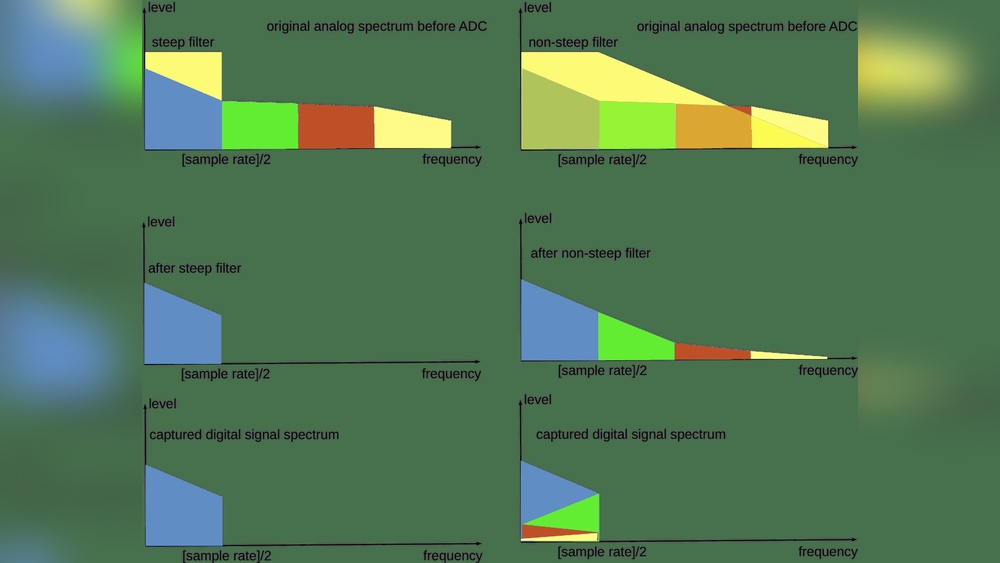
PCM captures sound by sampling the wave at fixed times. Each sample gets a number that shows its amplitude. These numbers are then stored as digital data. The faster the sampling, the better the sound quality.
During playback, the digital numbers convert back to sound waves. This conversion helps speakers produce clear audio. PCM is simple yet effective in keeping sound accurate.
Common Uses Of Pcm
PCM is found in CDs, DVDs, and Blu-ray discs. It is also used in professional audio recording. Many streaming services use PCM for high-quality sound. Devices like TVs and gaming consoles rely on PCM for clear audio output.

Credit: www.jakelectronics.com
Essentials Of Dolby Digital
Dolby Digital is a popular sound technology. It improves the way we hear audio. Many devices and media use it for clear, rich sound. Understanding its basics helps to see why it is so common.
This section explains what Dolby Digital is, how it works, and where it is used. The goal is to give a simple and clear idea about this audio format.
What Is Dolby Digital
Dolby Digital is a type of audio coding. It compresses sound to save space. At the same time, it keeps good sound quality. It supports multiple audio channels for surround sound. This means sound can come from many directions. It creates a more real and immersive experience.
How Dolby Digital Works
Dolby Digital uses compression to reduce audio size. It removes sounds that are less important to human ears. This saves data without big quality loss. It supports up to 5.1 channels, including a subwoofer channel. This helps produce deep bass sounds. The technology decodes audio signals and sends them to speakers. The result is clear sound with a sense of space.
Common Uses Of Dolby Digital
Dolby Digital is widely used in movies and TV shows. It is common in DVDs and Blu-ray discs. Streaming platforms also use it for better audio quality. Many home theater systems support Dolby Digital. It is also found in video games and cinemas. This technology brings realistic and engaging sound to many devices.
Audio Quality Comparison
Audio quality plays a key role in choosing between PCM and Dolby Digital. Both formats deliver sound differently. Understanding their strengths helps pick the best for your needs. This section breaks down their audio quality side by side.
Sound Clarity And Fidelity
PCM offers raw, uncompressed sound. It keeps every detail intact. This means clearer and more natural audio. Dolby Digital compresses sound to save space. This can cause slight loss in clarity. Still, Dolby Digital sounds good on most systems. PCM shines in setups focused on pure sound quality.
Channel Support And Surround Sound
Dolby Digital supports up to 5.1 channels. It creates a rich surround sound experience. You hear sounds from multiple directions. PCM can support many channels too. But it usually carries stereo or simple surround sound. For home theaters, Dolby Digital often gives a better immersive feel.
Bitrate And Compression Effects
PCM uses high bitrate with no compression. This means larger file sizes but higher quality. Dolby Digital uses compression to reduce bitrate. This saves storage and bandwidth. Compression may add slight audio artifacts. Most people do not notice these in casual listening. PCM is ideal when quality is the top priority.

Credit: recoverit.wondershare.com
File Size And Storage
File size and storage play a big role when choosing between PCM and Dolby Digital audio formats. The amount of space an audio file takes affects how many files you can store. It also impacts how fast you can move or stream the files. Understanding these differences helps you decide the best option for your needs.
Uncompressed Vs Compressed Audio
PCM is an uncompressed audio format. It stores raw sound data exactly as it is recorded. This results in very large file sizes. Dolby Digital compresses audio, reducing file size by removing some data. Compression keeps good sound quality but uses much less space.
Impact On Storage Space
PCM files need more storage space because they hold full data. A single minute of PCM audio can be hundreds of megabytes. Dolby Digital files are smaller and fit easily on devices with limited space. Choosing Dolby Digital saves storage and allows more audio files.
Streaming And Bandwidth Considerations
PCM’s large file size requires more bandwidth to stream smoothly. This can cause buffering or slow loading on slower internet. Dolby Digital’s smaller files use less bandwidth, making streaming easier. It is better for online videos, movies, and music streaming.
Compatibility And Device Support
Compatibility and device support are key factors when choosing between PCM and Dolby Digital audio formats. Different devices handle these formats in unique ways. This affects sound quality, playback options, and ease of use.
Understanding hardware needs and software support helps make the best choice. It also ensures a smooth experience across various platforms and devices.
Hardware Requirements
PCM audio is uncompressed and needs more storage space. It demands more from your hardware to process large files. Devices with advanced audio chips handle PCM well.
Dolby Digital compresses audio to reduce file size. It requires less power and works on many basic devices. Most TVs, soundbars, and receivers support Dolby Digital natively.
Software And Media Player Support
PCM is widely supported by media players and software. It plays well on PCs, mobile devices, and streaming apps. Its simplicity makes it easy to decode.
Dolby Digital needs specific decoders built into players. Many media players include Dolby Digital support. It works smoothly with DVDs, Blu-rays, and streaming services.
Home Theater And Gaming Systems
Home theater systems often prefer Dolby Digital for surround sound. It delivers immersive audio with less data. Most gaming consoles use Dolby Digital for in-game sound.
PCM is common in high-end home audio setups. Audiophiles like it for its pure, uncompressed sound. Some gaming setups support PCM for better stereo quality.
Use Cases For Pcm And Dolby Digital
PCM and Dolby Digital serve different roles in audio technology. Understanding their use cases helps choose the right format for each need. Both formats have strengths suited to specific settings and devices.
Professional Audio And Studio Settings
PCM is the preferred choice in studios. It offers pure, uncompressed sound quality. Producers and engineers rely on PCM for mixing and mastering tracks. The format captures every audio detail without loss. Dolby Digital is less common here, due to its compression and data loss.
Home Entertainment Systems
Dolby Digital shines in home theaters. It provides surround sound with fewer data requirements. This format enhances movies and TV shows with rich audio effects. PCM is still used but mostly for stereo audio. Dolby Digital supports multiple channels, creating a more immersive experience.
Broadcast And Streaming Platforms
Streaming services often use Dolby Digital. It balances sound quality and file size for faster delivery. TV broadcasts rely on Dolby Digital for clear audio on limited bandwidth. PCM appears in high-quality streams but requires more data. Dolby Digital adapts better to varied internet speeds and devices.
Pros And Cons Summary
Understanding the pros and cons of PCM and Dolby Digital helps you pick the right audio format. Each format has its strengths and weaknesses. These affect sound quality, file size, and device compatibility.
Below is a clear summary of the advantages and limitations of both formats. This will guide you in choosing the best option for your needs.
Advantages Of Pcm
PCM offers uncompressed audio, giving the purest sound quality. It captures every detail without losing data. This makes it ideal for music lovers and professionals.
It works well with most devices and software. PCM is simple and widely supported, so playback issues are rare.
The format is easy to edit and process in audio production. This flexibility benefits content creators and sound engineers.
Advantages Of Dolby Digital
Dolby Digital compresses audio to save space without major quality loss. This helps when storage is limited, like on DVDs or streaming.
It supports surround sound, creating an immersive listening experience. This is great for movies, games, and home theaters.
The format is compatible with many modern devices and systems. It allows easy playback on TVs, consoles, and soundbars.
Limitations Of Each Format
PCM files are large due to no compression. This can use much storage and bandwidth.
It lacks built-in support for surround sound channels. PCM is mainly stereo or simple multi-channel audio.
Dolby Digital compresses audio, which may reduce sound quality slightly. Audiophiles might notice this difference.
Compression can cause artifacts or sound distortion in complex audio scenes.
Some older or basic devices may not support Dolby Digital playback.

Credit: community.firecore.com
Choosing The Right Format
Choosing the right audio format matters for the best sound experience. Both PCM and Dolby Digital have strengths. Your choice depends on several factors. Understanding these helps pick the right format for your needs.
Factors To Consider
Sound quality is key. PCM offers uncompressed, clear audio. Dolby Digital compresses audio but keeps good quality. Device compatibility matters. Some devices support only one format. Storage space is another point. PCM files are larger. Dolby Digital saves space with compression. Consider your setup and use case. This guides your format choice.
Future Trends In Audio Technology
Audio tech evolves fast. Formats like Dolby Digital improve with new features. Surround sound and immersive audio grow popular. PCM remains a standard for high quality. Streaming services often use compressed formats. Expect better compression with less quality loss soon. Staying updated helps keep your audio current.
Recommendations For Different Users
For audiophiles, PCM is best for pure sound. Those with limited storage may prefer Dolby Digital. Home theaters benefit from Dolby’s surround sound. Casual listeners find little difference in daily use. Gamers should check their console’s supported formats. Match format to your device and needs for best results.
Frequently Asked Questions
What Is The Difference Between Pcm And Dolby Digital?
PCM is uncompressed audio, while Dolby Digital is compressed. PCM offers higher sound quality but needs more space. Dolby Digital saves space with slight quality loss.
Which Audio Format Is Better For Movies, Pcm Or Dolby Digital?
Dolby Digital is better for movies due to surround sound support. PCM works well for stereo but lacks advanced surround features. Dolby Digital enhances the movie-watching experience.
Can Pcm And Dolby Digital Be Used Together?
Yes, some devices can switch between PCM and Dolby Digital. The choice depends on the audio source and playback equipment. Users select the best format for their setup.
Does Pcm Require More Storage Than Dolby Digital?
PCM uses more storage because it is uncompressed audio. Dolby Digital compresses audio, reducing file size significantly. This makes Dolby Digital ideal for limited storage.
Is Dolby Digital Compatible With All Home Theater Systems?
Most modern home theaters support Dolby Digital playback. Older systems may only support PCM or stereo formats. Check your device specs to confirm compatibility.
Conclusion
Choosing between PCM and Dolby Digital depends on your needs. PCM offers uncompressed, high-quality sound. Dolby Digital compresses audio but saves space. If sound clarity is key, PCM works well. For smaller file sizes and surround sound, Dolby Digital fits better.
Both formats have strengths for different uses. Think about your device and listening style. This helps you pick the right audio format easily.