
Are you confused about the difference between content marketing and digital marketing? You’re not alone.
Many people use these terms interchangeably, but they actually mean different things—and knowing the difference can make a big impact on your business. Imagine having a clear strategy that helps you reach your audience more effectively and grow your brand faster.
Keep reading, because understanding how content marketing and digital marketing work together will give you the edge you need to stand out and succeed.
Content Marketing Basics
Content marketing is a key part of digital marketing. It focuses on creating and sharing useful information. This helps attract and keep a clear group of people. The goal is to build trust and interest in a brand or product. Understanding the basics of content marketing is important to use it well.
Content marketing is not about selling directly. It is about providing value through stories, tips, or advice. This way, people feel connected and want to learn more.
Purpose And Goals
The main goal of content marketing is to engage people. It aims to solve problems or answer questions. This builds trust and loyalty over time. Another goal is to increase brand awareness. Content helps people remember a brand or product. It also supports other marketing efforts, like SEO and social media.
Common Content Types
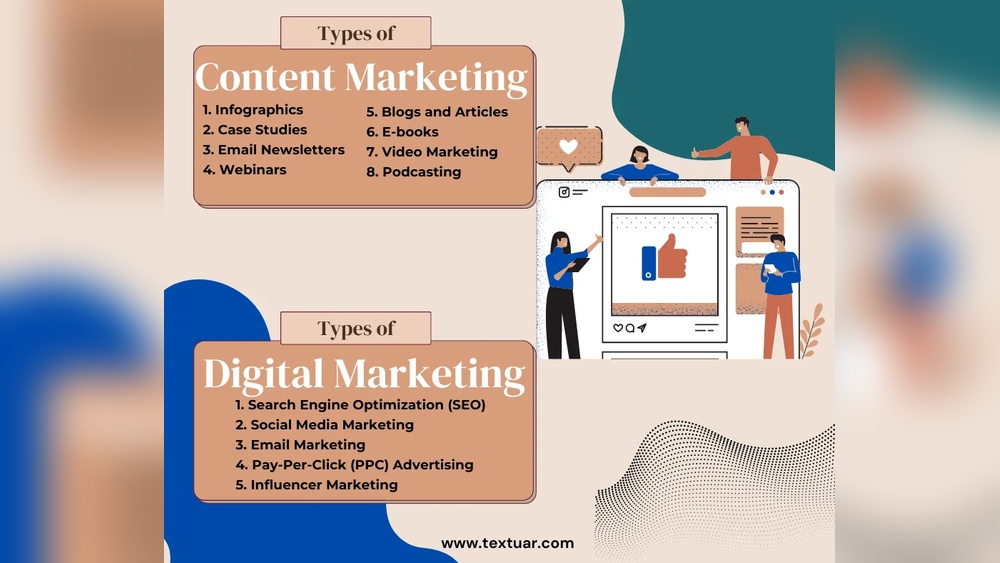
Content marketing uses many forms of content. Blogs and articles are popular for sharing detailed info. Videos explain concepts quickly and keep viewers interested. Infographics show data in a simple and visual way. Social media posts help reach a wider audience fast. Email newsletters keep regular contact with interested people.
Target Audience Focus
Content marketing always starts with the target audience. It is important to know their needs and interests. Content must speak directly to them and their challenges. This makes the content more useful and engaging. Understanding the audience helps create the right tone and style. It also guides where and how to share the content.

Credit: sparktoro.com
Digital Marketing Essentials
Digital marketing is a broad field that uses the internet and electronic devices. It helps businesses connect with customers in many ways. Understanding the essentials of digital marketing is key to using it well.
This section explains the main parts of digital marketing. It shows how it works and why it matters for any business.
Scope And Channels
Digital marketing covers many areas. It includes websites, social media, email, and search engines. Each channel offers different ways to reach people. Businesses can choose channels that fit their goals and audience.
Popular channels include Facebook, Instagram, Google, and YouTube. Websites and mobile apps also play a big role. These channels help brands stay visible and connect with customers anytime.
Techniques And Tools
Various techniques help digital marketing succeed. Search engine optimization (SEO) improves website ranking. Pay-per-click (PPC) ads bring quick traffic. Content marketing shares useful information to attract users.
Tools like Google Analytics track results. Email marketing software sends personalized messages. Social media management tools schedule posts and monitor engagement. These tools make campaigns easier and more effective.
Audience Reach And Targeting
Digital marketing reaches a global audience. Businesses can target people by age, location, interests, and behavior. This precise targeting saves money and improves results.
Custom audiences receive messages that fit their needs. Retargeting shows ads to people who visited a site before. This keeps brands in mind and encourages actions like buying or signing up.
Core Differences
The core differences between content marketing and digital marketing lie in their focus and methods. Both aim to attract customers but use different strategies. Understanding these differences helps businesses choose the best approach for their goals.
Content marketing centers on creating useful and relevant material. Digital marketing covers a wider range of activities, including ads, emails, and social media.
Strategic Approach
Content marketing builds trust by sharing helpful information. It focuses on educating and engaging the audience over time. Digital marketing uses multiple channels to reach potential customers quickly. It often aims for fast results through targeted campaigns.
Content Vs Promotion
Content marketing creates valuable articles, videos, and guides. The goal is to provide answers and solve problems. Digital marketing promotes products through ads, emails, and social posts. It pushes messages to encourage immediate action.
Short-term Vs Long-term Impact
Content marketing grows audience loyalty and brand reputation slowly. Its effects last longer as people keep returning for useful content. Digital marketing delivers fast visibility and sales boosts. Its impact may fade once the campaign ends.
Integration Opportunities
Content marketing and digital marketing offer many ways to work together. Combining both can create stronger campaigns. Integration helps reach more people and build trust. It also makes marketing efforts clearer and more focused.
Using content in digital ads, social media, and emails connects with audiences better. This blend increases engagement and keeps messages consistent. Marketers can use data from digital tools to improve content quality. The result is a smarter, more effective marketing approach.
Combining Strategies
Content marketing feeds digital marketing with valuable material. Blogs, videos, and infographics support ads and social posts. Digital channels spread content quickly and widely. This combination keeps the audience interested and engaged. Marketers can plan campaigns that use both methods together. It saves time and resources while increasing impact.
Maximizing Roi
Integrated campaigns show better returns on investment. Digital tools track user behavior and content performance. Marketers see what works and adjust strategies fast. This reduces wasted budget and increases sales chances. Using content and digital marketing together helps focus spending. It creates more leads, conversions, and loyal customers.
Case Studies
Many brands succeed by mixing content and digital marketing. A company used blog posts with paid ads to boost traffic. Another brand combined social media content with email marketing. Both saw higher engagement and sales growth. These examples prove integration improves marketing results. It helps brands connect with audiences in many ways.
Choosing The Right Strategy
Choosing the right marketing strategy is key to business success. Each method serves different purposes and targets various audiences. Understanding your needs will help pick the best approach. Content marketing and digital marketing often overlap but have unique strengths. Evaluating your goals, budget, and how you measure success guides your choice.
Business Goals Alignment
Align your marketing strategy with clear business goals. Content marketing suits brands aiming to educate and build trust. Digital marketing fits companies wanting quick reach and engagement. Define what you want to achieve first. Grow your audience, increase sales, or boost brand awareness. The strategy should match these aims closely.
Budget Considerations
Budget plays a major role in choosing a strategy. Content marketing often requires time and effort but costs less in ads. Digital marketing may need higher spending on paid campaigns. Decide how much you can invest regularly. Balance cost with expected return on investment. Small budgets might favor content marketing for steady growth.
Measuring Success
Tracking results helps refine your marketing efforts. Content marketing success shows in engagement, shares, and website visits. Digital marketing success is measured by clicks, conversions, and ad performance. Use clear metrics that reflect your goals. Regularly analyze data and adjust your strategy accordingly. This keeps your marketing effective and efficient.

Credit: umbrex.com

Credit: www.theknowledgeacademy.com
Frequently Asked Questions
What Is The Main Difference Between Content Marketing And Digital Marketing?
Content marketing focuses on creating and sharing useful content to attract an audience. Digital marketing uses online tools and channels to promote products or services broadly.
How Does Content Marketing Fit Into Digital Marketing Strategies?
Content marketing is a key part of digital marketing. It helps build trust and engage customers through blogs, videos, and social media posts.
Can Digital Marketing Succeed Without Content Marketing?
Digital marketing can work without content marketing, but results may be weaker. Quality content helps attract and keep customers interested.
Which Marketing Type Is Better For Small Businesses?
Content marketing is often better for small businesses with limited budgets. It builds brand awareness slowly and creates loyal customers over time.
How Do Content Marketing And Digital Marketing Measure Success?
Content marketing measures success by engagement, shares, and leads. Digital marketing tracks clicks, conversions, sales, and overall online traffic.
Conclusion
Content marketing and digital marketing work closely but serve different purposes. Content marketing focuses on creating helpful and valuable materials. Digital marketing uses various online tools to reach wider audiences. Both are important for growing a business in today’s world.
Choosing the right mix depends on your goals and needs. A strong strategy often blends both approaches. This way, you can attract and keep customers effectively. Understanding their differences helps you plan smarter and achieve better results.