
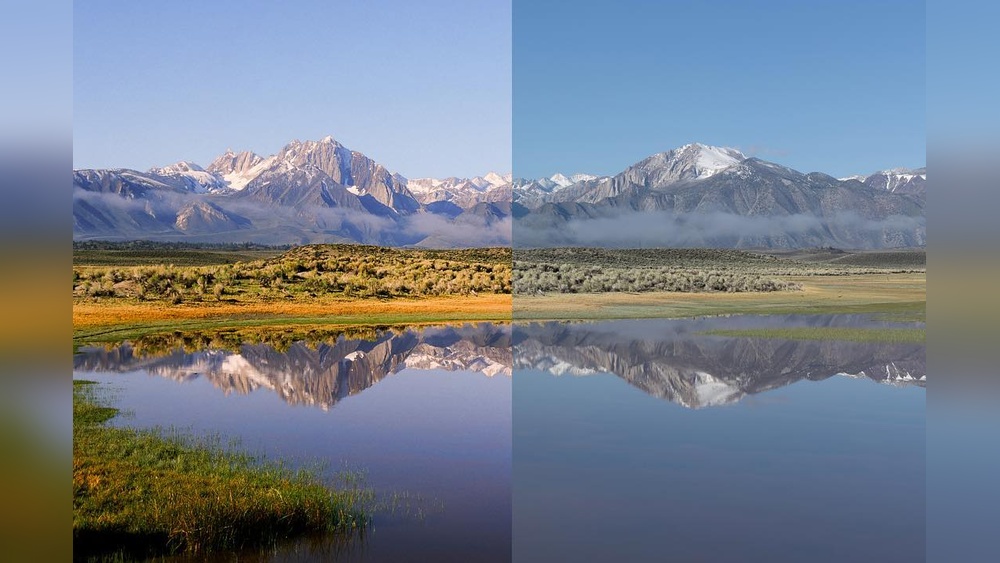
Are you torn between choosing film photos or digital for your next shoot? You’re not alone.
Both have their unique charm, but which one truly fits your style and needs? Imagine holding a tangible photo with rich textures or instantly seeing your shot on a screen—each offers a very different experience. By the end of this article, you’ll have a clear understanding of the real differences, helping you make the best choice for your photography.
Keep reading to discover what works for you.
Film Photos: Classic Appeal
Film photos hold a timeless charm that digital images often lack. They bring a sense of nostalgia and warmth that many photographers appreciate. The look and feel of film photos connect us to a different era of photography. Each frame has its own story, shaped by the unique qualities of film.
Grain And Texture
Film grain adds character to photos. It creates a soft, organic texture that digital photos struggle to replicate. Grain varies depending on the film type and shooting conditions. This texture can enhance the mood and depth of an image. It gives photos a handcrafted, artistic vibe.
Color Rendition
Film delivers colors in a way that feels natural and rich. The hues often appear warmer and more subtle than digital colors. Each film brand has its own color signature, adding variety to photos. This unique color palette makes film photos stand out. It captures the atmosphere of the scene beautifully.
Dynamic Range
Film can capture a wide range of light and shadow. It handles highlights and shadows smoothly, preserving details. This dynamic range helps create balanced, lifelike images. Film images often show more depth in bright and dark areas. This quality adds to the classic look of film photos.
Tactile Experience
Handling film is a physical, hands-on experience. Loading a roll, winding the film, and developing it connects you to the process. The anticipation of waiting for prints adds excitement. Holding a printed photo feels special and personal. This tactile aspect makes film photography more engaging and memorable.

Credit: www.youtube.com
Digital Photos: Modern Precision
Digital photos offer clear and sharp images with high precision. They capture moments exactly as they appear. This modern technology allows photographers to control many aspects of the image. It helps create pictures that are both detailed and vibrant.
The ease of use and speed make digital photography popular for many users. Every click can be checked instantly. Adjustments can be made on the spot. This level of control and accuracy makes digital photos a preferred choice today.
Resolution And Sharpness
Digital cameras capture images with high resolution. More pixels mean more detail in the photo. This sharpness helps in printing large pictures without losing quality. Fine textures and small objects appear clear and crisp. The result is a clean, polished image every time.
Color Accuracy
Digital sensors record colors very precisely. They can reproduce true-to-life shades. This accuracy ensures that photos look natural and vibrant. White balance settings help avoid unwanted color tints. The colors in digital photos closely match the real scene.
Low-light Performance
Digital cameras perform well in low light. Higher ISO settings brighten photos without much noise. This feature allows shooting in dim places without flash. Night scenes and indoor photos come out clear and detailed. It helps capture moments that film might miss.
Instant Feedback
Digital photography provides immediate image review. Photographers can check each shot on the camera screen. Mistakes can be fixed right away by retaking the photo. This instant feedback saves time and film costs. It also helps learn and improve photography skills quickly.
Comparing Image Quality
Image quality is a key factor in choosing between film and digital photography. Both have strengths and weaknesses that affect the final picture. Understanding these differences helps you pick the right tool for your style and needs.
Detail And Clarity
Film captures details differently than digital sensors. Film can show fine grain and texture, which adds character. Digital photos often have sharper lines and clearer edges. High-resolution digital cameras can reveal tiny details that film might miss. However, the organic look of film grain appeals to many photographers.
Color Depth And Tone
Film offers rich color depth with smooth tonal transitions. It naturally blends colors in a way that feels warm and soft. Digital cameras capture vibrant colors with high accuracy. They allow easy adjustments to color tone after shooting. Film’s color tends to be more subtle, while digital colors are often brighter and more precise.
Contrast And Exposure
Film handles contrast with gentle shifts between light and shadow. It can preserve details in bright and dark areas better than some digital sensors. Digital cameras give more control over exposure settings. They produce images with higher contrast and clearer highlights. Film’s exposure latitude creates a classic look that many find appealing.
Longevity And Preservation
Film negatives can last for decades if stored properly. They do not degrade quickly and can be reprinted many times. Digital files rely on storage devices that may fail or become outdated. Backing up digital photos is essential to avoid loss. Film offers a physical archive, while digital requires constant maintenance for preservation.

Credit: www.infinibandta.org
Workflow And Convenience
Choosing between film photos and digital affects how you work and how easy the process feels. Each method has a unique way of handling shooting, editing, storing, and sharing images. Understanding these differences helps in picking the right tool for your needs.
Shooting Process
Film cameras require careful setup before taking a shot. You need to load film and plan each picture. Digital cameras show images immediately on a screen. This helps you adjust settings quickly. Digital shooting allows many photos without extra cost. Film photography demands patience and thinking before pressing the button.
Editing Flexibility
Digital photos can be edited easily with software. You can change colors, crop, and fix mistakes fast. Film photos need scanning to edit digitally. Some photographers prefer darkroom editing, but it takes time. Digital editing offers more control and quick results. Film editing is slower and less flexible.
Storage And Sharing
Digital images save on memory cards or computers. You can back them up and share online instantly. Film photos must be developed before sharing. Physical photos take space and can fade over time. Digital storage is easy and takes less room. Sharing digital photos is fast and simple.
Cost And Accessibility
Film photography costs more for film rolls and developing. Cameras can be cheaper but ongoing costs add up. Digital cameras have higher upfront prices but no film costs. Editing software may require payment. Digital photography is more accessible for many people. Film offers a unique feel but at extra cost.
Emotional And Artistic Impact
The emotional and artistic impact of film photos versus digital images shapes how we see and feel about pictures. Each method offers a different experience that affects mood, creativity, and storytelling. These differences influence the connection between the viewer and the image.
Nostalgia And Mood
Film photos often bring a sense of nostalgia. The soft tones and grain create a vintage feel. This mood can evoke memories and emotions from the past. Digital photos tend to be sharper and clearer. They capture moments as they are, offering a more modern and crisp look.
Creative Limitations
Film photography has limits like fixed frames and no instant review. These limits push photographers to think carefully before shooting. Digital photography offers freedom with unlimited shots and instant feedback. This can encourage experimentation but may reduce thoughtful planning.
Unique Imperfections
Film images show small flaws like grain, light leaks, and color shifts. These imperfections add character and charm. Digital photos are usually perfect and clean. Sometimes, this perfection can feel less personal or less artistic.
Visual Storytelling
Film photos tell stories through texture and tone. Each frame feels crafted and deliberate. Digital images tell stories with clarity and detail. They allow quick sharing and editing to enhance the narrative. Both forms create powerful visual stories in their own way.

Credit: fstoppers.com
Choosing The Right Medium
Choosing between film photos and digital photography depends on many factors. Each medium offers unique advantages and challenges. Understanding these can help you pick the right tool for your needs.
Purpose And Style
Film photos have a classic, timeless feel. They add warmth and texture to images. Digital photos are sharp and versatile. They work well for editing and fast sharing. Your style and project type influence the best choice. Portraits or artistic shots might suit film. Events or commercial work often favor digital.
Budget Considerations
Film photography requires buying rolls of film and paying for development. Costs can add up quickly over time. Digital cameras need a larger initial investment. After that, taking photos costs very little. Think about how often you shoot. Choose the option that fits your budget best.
Skill Level
Film cameras teach patience and careful planning. You see results only after developing the film. Digital cameras show images instantly. They allow quick learning and easy corrections. Beginners might prefer digital for practice. More experienced photographers may enjoy film’s challenge.
Future Trends
Digital photography dominates today’s market. New technology improves image quality and speed. Film has a niche but steady interest. Some artists and collectors value its uniqueness. Both mediums can coexist. Watch how innovations shape photography’s future.
Frequently Asked Questions
What Are The Main Differences Between Film Photos And Digital?
Film photos capture images on physical film, while digital photos use electronic sensors. Film offers a classic, grainy look; digital provides sharp, clear images instantly.
Which Is Cheaper: Shooting With Film Or Digital Cameras?
Digital cameras are cheaper over time because you don’t buy film or pay for developing. Film costs add up with each roll and processing.
How Does Image Quality Compare Between Film And Digital?
Film photos have a unique texture and color depth. Digital images are usually sharper and easier to edit or share online.
Can Film Photos Be Edited Like Digital Ones?
Film photos can be scanned and edited on a computer, but editing is less flexible than with digital files. Digital images allow easy, quick adjustments.
Why Do Some Photographers Still Prefer Film Over Digital?
Film offers a nostalgic feel and a slower, thoughtful shooting process. Many enjoy its artistic qualities and the surprise of developing photos later.
Conclusion
Both film and digital photography offer unique benefits. Film gives a classic, artistic feel with rich textures. Digital provides quick results and easy editing options. Choosing depends on your style and needs. Some enjoy the slow, thoughtful process of film.
Others prefer the speed and flexibility of digital. Either way, both can capture beautiful moments. Try both to see what fits you best. Photography is about creativity and enjoyment. Keep exploring and have fun with your photos.