

A car smells like oil most often because of a small leak dripping onto hot engine parts, where the heat vaporizes the fluid and creates a distinct, burning scent. This smell usually comes from a worn valve cover gasket, a loose oil filter, or spilled oil from a recent change that hasn’t yet burned off. When you notice this odor, you should check your oil levels and look for visible wet spots under the vehicle.
Why your car smells like oil
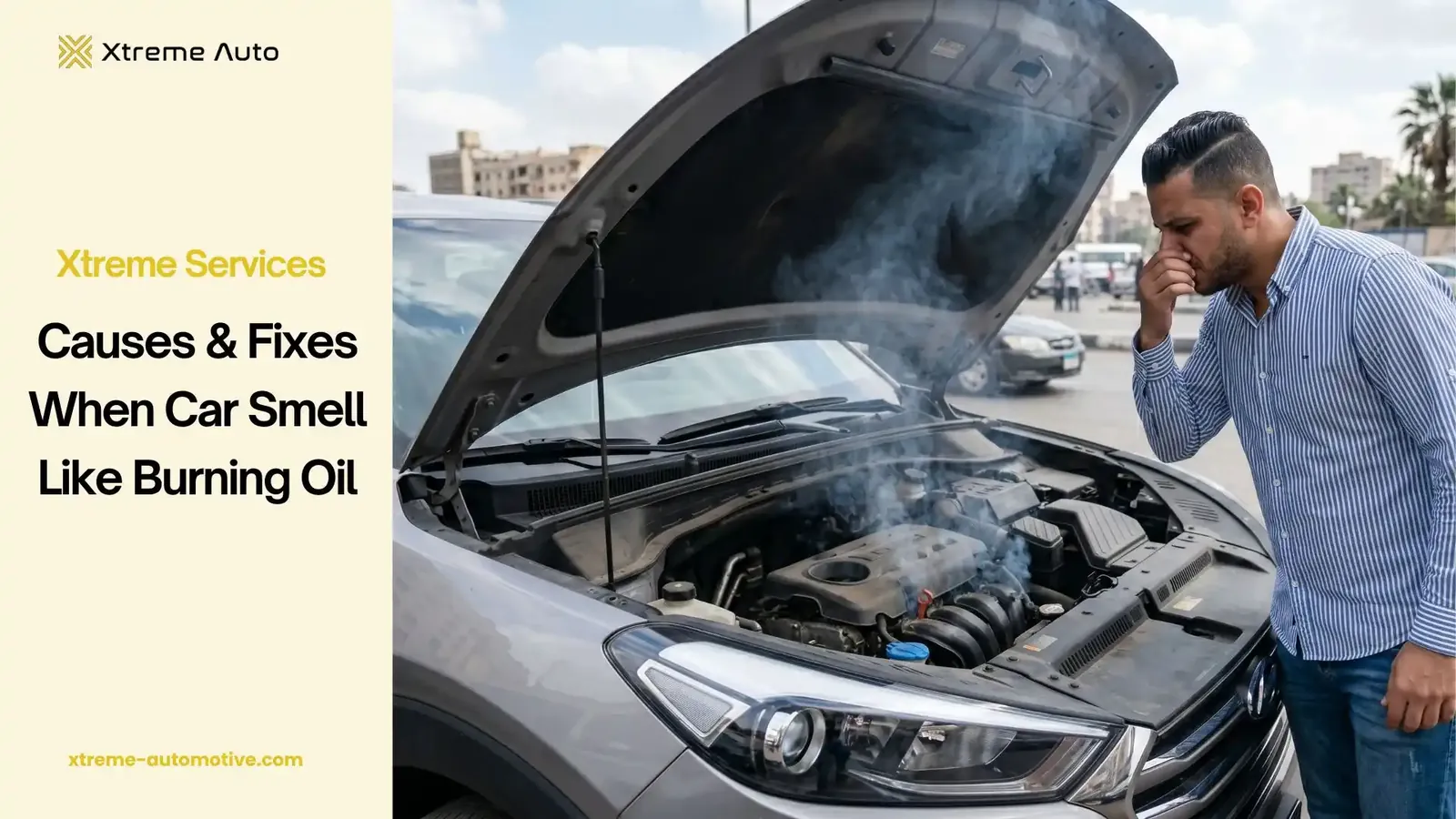
The following table breaks down the most frequent reasons your car might have this odor. If you see smoke, stop driving immediately and consult a professional mechanic.
| Component | Why it smells | What to look for |
|---|---|---|
| Valve cover gasket | Leaks onto hot exhaust | Oil residue on engine top |
| Oil filter | Loose or damaged seal | Wetness around the filter |
| Oil fill cap | Loose or missing seal | Oil splatter near cap |
| Exhaust manifold | Oil dripping onto metal | Smoke from the hood |
| Oil pan gasket | Drips onto frame/exhaust | Puddles under the car |
Valve cover gasket failure
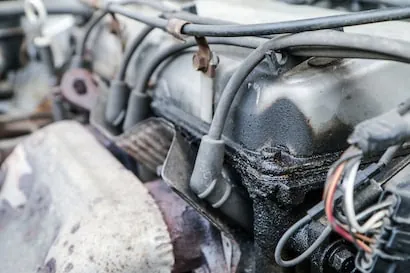
A valve cover gasket seals the top of the engine, but over time, the rubber hardens and cracks, allowing oil to escape. This failure is common in older vehicles where heat cycles have degraded the material. If the oil drips onto the hot exhaust manifold, it creates an immediate burning smell that often enters the cabin through the air vents.
- Look for dark, wet oil streaks running down the side of the engine block.
- Check for a burning smell that gets stronger after the engine reaches operating temperature.
- Watch for small, dark spots appearing on your driveway after the car has been parked.
If you see oil pooling in the spark plug wells, this is a sign that the gasket is failing internally. For most modern vehicles, this repair requires removing the top engine cover to access the bolts. If you aren’t comfortable working with engine internals, contact a certified technician to replace the gasket and clean the surrounding area.
Loose or damaged oil filter
An oil filter that isn’t tightened correctly or has a faulty rubber gasket will leak oil under pressure. This often happens after a service if the old gasket stayed stuck to the engine block, creating a “double gasket” scenario that forces oil out. The oil then drips down onto the hot exhaust pipe or the underside of the engine, producing a sharp, chemical smell.
- Check the area directly below the oil filter for fresh, wet oil droplets.
- Verify that the filter is hand-tight and not loose enough to move by hand.
- Inspect the underside of the car for a trail of oil leading back to the filter.
If you find the filter is loose, tighten it slightly by hand. If it remains loose or continues to leak, the gasket may be pinched.
Oil fill cap issues

The oil fill cap prevents oil from splashing out of the top of the engine while the vehicle is in motion. If the cap is loose, missing, or has a cracked rubber seal, oil will spray out onto the hot valve cover or exhaust manifold. This is a simple issue to identify because you’ll often see oil splatter or misting on the plastic engine cover.
- Ensure the cap is screwed on fully and clicks into place if it has a locking mechanism.
- Check the rubber O-ring under the cap for cracks or signs of dry rot.
- Wipe away any existing oil residue to see if the smell returns after a short drive.
If the cap feels loose even when tightened, the threads on the cap or the valve cover may be worn. Replacing the cap is an inexpensive fix that often solves the smell immediately.
Spilled oil after service
Sometimes, the smell of burning oil is simply the result of a recent maintenance mistake where oil was spilled during a refill. Even a small amount of oil on the exhaust pipes will produce a strong odor until it completely burns away. This usually stops after 20 to 50 miles of driving once the residual oil has evaporated from the hot metal.
- Check the area around the oil fill hole for signs of overflow or drips.
- Look for oil on the exhaust manifold or the heat shield near the engine.
- Clean any visible spills with a degreaser to stop the smell from circulating.
If the smell persists after cleaning the area and driving for a few days, the leak is likely coming from a failing gasket rather than a spill. If you can’t find the source, a professional can perform a pressure test to locate the exact point of the leak.
Other potential sources
- Oil pressure sensor: This small part can fail and leak oil through its electrical connector, causing a persistent burning scent.
- PCV valve: A clogged positive crankcase ventilation valve builds up pressure in the engine, forcing oil out through seals.
- Transmission fluid: While not engine oil, burnt transmission fluid has a similar, albeit sweeter, smell and indicates a leak near the transmission housing.
How to identify your oil leak
You can usually tell if a leak is serious by the size and frequency of the spots on your driveway. If you see a puddle larger than three inches in diameter after a short time, you shouldn’t drive the vehicle.
A small, occasional drop may just be a minor weep from a gasket, but a constant flow requires immediate attention to prevent engine damage. If the oil light on your dashboard turns on, pull over and turn off the engine, as this indicates a loss of pressure that could destroy the engine.
Related guides
- Can You Use Oil Based Primer Over Latex Paint? The Fix in 2026
- How to Fix a Hole in a Gun Stock: Step-by-Step Repair Guide in 2026
Frequently asked questions
Is it safe to drive with an oil smell?
It isn’t safe if the smell is accompanied by smoke or if your oil pressure light is on. If there’s only a faint odor without smoke, you can drive short distances to a mechanic, but you must check your oil level first. Always ensure the oil is within the safe range on the dipstick.
How do I check my oil level?
Park on flat ground, wait for the engine to cool for 10 minutes, and pull out the dipstick. Wipe the dipstick clean, reinsert it fully, and pull it out again to see where the oil line sits. If the oil is below the “add” or “minimum” mark, you must add oil before driving.
Why is my car smoking from the hood?
Smoke from the hood means oil is hitting a very hot part of the engine, usually the exhaust manifold. This is a fire hazard because oil is flammable. Stop the car in a safe place, turn off the engine, and call for roadside assistance to avoid the risk of an engine fire.
How long does a burning smell last after an oil change?
A burning smell caused by a spill during an oil change should fade within 20 to 50 miles of driving. If the smell remains strong after this distance, it’s likely that a gasket was damaged or the filter wasn’t tightened correctly. Don’t assume the smell will just go away.
Does a car smell like oil mean I need a new engine?
No, a smell rarely means the entire engine needs replacement. Most oil leaks are caused by inexpensive rubber seals or gaskets that have worn out over time. Identifying the leak early prevents low oil levels, which is what actually leads to major engine damage.
What happens if I ignore an oil leak?
Ignoring a leak leads to low oil levels, which causes metal-on-metal friction inside the engine. This friction leads to overheating, internal component damage, and potential engine failure. It’s much cheaper to replace a leaking gasket than it’s to repair or replace a damaged engine.
Conclusion
Start by checking your oil level using the dipstick to ensure you have enough fluid to drive safely. If the level is normal and you see no smoke, look for wet spots around the oil filter and fill cap. If you find heavy leaks or see smoke while driving, stop the car immediately and call a qualified mechanic to prevent permanent damage to your engine.