
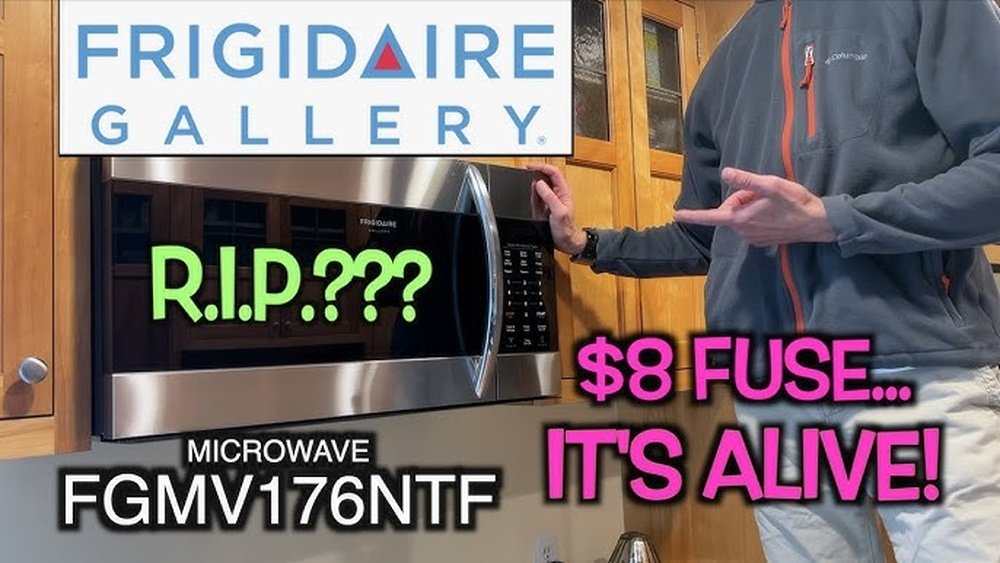
When your Frigidaire microwave suddenly stops heating, sparks, or refuses to turn on, it can disrupt your kitchen routine significantly. These appliances are staples in most households, used for everything from reheating leftovers to defrosting ingredients. Understanding the most common Frigidaire microwave problems can help you troubleshoot effectively, potentially saving you the cost and hassle of an immediate replacement.
Many issues stem from simple causes that can be fixed with basic maintenance or minor repairs, while others might indicate a more complex internal fault requiring professional attention.
This guide will walk you through the most prevalent issues homeowners encounter with Frigidaire microwaves. We’ll explore the symptoms, likely causes, and potential solutions for each problem, empowering you to diagnose and, where possible, resolve these common frustrations. From a malfunctioning turntable to a mysteriously silent appliance, we cover the spectrum of Frigidaire microwave quirks.
Key Takeaways
- No Power: Often caused by a tripped circuit breaker, faulty outlet, or a problem with the power cord or door interlock switch.
- Not Heating: Frequently linked to a faulty magnetron, diode, capacitor, or transformer. The door seals and interlock switches also play a crucial role.
- Sparks or Arcing: Usually a result of metal objects inside, a damaged interior coating (mica sheet), or a faulty stirrer fan or waveguide cover.
- Turntable Not Rotating: Can be due to a misaligned tray, a broken roller ring, a faulty turntable motor, or debris in the turntable support.
- Display Issues: Problems with the control panel, touchpad, or internal display board can lead to a blank or malfunctioning screen.
- Loud Noises: Humming, buzzing, or grinding noises often point to issues with the cooling fan, stirrer fan, or the magnetron.
- Automatic Shut-off: May indicate overheating, a faulty door switch, or a problem with the main control board.

Credit: www.youtube.com
No Power To The Frigidaire Microwave
One of the most frustrating Frigidaire microwave problems is when it simply refuses to power on. You press the start button, and nothing happens, no lights, no display, no sound. This can leave you wondering if the entire appliance has failed.
Check The Power Source
Before assuming a major appliance failure, always start with the most basic checks.
- Circuit Breaker: Microwaves draw a significant amount of power. It’s common for them to trip a circuit breaker, especially if other high-draw appliances are on the same circuit. Locate your home’s electrical panel and check if the breaker for the microwave’s circuit is in the “off” or middle position. If it is, reset it by flipping it fully to “off” and then back to “on.” If it trips again immediately, there might be a short circuit in the microwave or the wiring, and you should consult an electrician.
- Power Outlet: Ensure the microwave is plugged securely into the outlet. Try plugging another small appliance, like a lamp or toaster, into the same outlet to verify that the outlet itself is working. If the outlet is dead, the problem lies with the outlet or its dedicated circuit, not the microwave.
- Power Cord: Inspect the microwave’s power cord for any visible damage, such as cuts, fraying, or kinks. A damaged cord can prevent power from reaching the unit or pose a safety hazard. If the cord is damaged, it will need to be replaced by a qualified technician.
Faulty Door Interlock Switch
The door interlock switch is a critical safety component in all microwave ovens. It prevents the microwave from operating when the door is open and also signals the control board when the door is properly closed. If one or more of these switches fail, the microwave may not receive the signal that the door is shut, and thus, will not power on.
Microwaves typically have two or three interlock switches. They are often the first components to fail and can be a common culprit for a “no power” issue. Diagnosing these requires a multimeter to test for continuity when the door is closed and when it’s open. If a switch doesn’t register continuity correctly, it needs replacement. Warning: Always unplug the microwave before attempting to access or test internal components.
Internal Fuse
Like any electrical appliance, microwaves have an internal fuse designed to protect the unit from power surges or electrical faults. If this fuse blows, the microwave will lose all power. A blown fuse is often a symptom of a larger underlying problem, such as a faulty magnetron or a short circuit elsewhere in the appliance. Simply replacing the fuse without identifying and fixing the root cause will likely result in the new fuse blowing as well. Testing and replacing an internal fuse requires disassembling the microwave and should only be done by someone with electrical experience.
Frigidaire Microwave Not Heating
Perhaps the most common and problematic Frigidaire microwave issue is when it runs, the turntable spins, the light comes on, but it fails to heat food. This can be particularly baffling, as the appliance seems to be functioning normally.
The Magnetron: The Heart Of The Microwave
The magnetron is the component responsible for generating the microwaves that heat your food. It’s a high-voltage vacuum tube that converts electrical energy into microwave radiation. If the magnetron fails, the microwave will not heat.
Symptoms of a failing magnetron can include:
- No heating at all.
- Intermittent heating.
- Unusual humming or buzzing noises coming from the unit when it’s supposed to be heating.
- Flashes or sparks inside the cooking cavity (though this can also indicate other issues).
Replacing a magnetron is a complex and potentially dangerous repair. It involves working with very high voltages (even when unplugged, capacitors can retain a charge), so it’s generally recommended to have this done by a professional.
High-voltage Diode And Capacitor
The magnetron requires a very high voltage to operate, typically around 4,000 to 5,000 volts. This voltage is supplied by a high-voltage transformer, which then steps down to the magnetron via a high-voltage diode and a high-voltage capacitor.
- High-Voltage Diode: This component acts as a rectifier, converting AC voltage from the transformer into DC voltage needed by the magnetron. If the diode fails (often by shorting), it can prevent the magnetron from receiving power or cause the transformer to overheat.
- High-Voltage Capacitor: This stores the high voltage from the transformer and delivers it in pulses to the magnetron. A faulty capacitor (either open or shorted) will prevent proper operation.
Both the diode and capacitor work in conjunction with the transformer. If either fails, the microwave will likely stop heating. Warning: These components store a lethal electrical charge. Never attempt to test or replace them without proper knowledge and safety precautions, including ensuring the microwave is unplugged and the capacitor has been safely discharged.
Faulty High-voltage Transformer
The high-voltage transformer is responsible for stepping up the household voltage (e.g., 120V) to the very high voltage required by the magnetron. If the transformer fails, it can lead to a lack of heating. Symptoms might include a loud humming noise when the microwave is turned on, or a complete lack of heating. Like the magnetron, transformer replacement is a complex repair due to the high voltages involved.
Door Seal And Interlock Switches
While we mentioned interlock switches for the “no power” issue, they are also crucial for heating. If the door isn’t closing properly, or if one or more of the safety interlock switches are faulty, the microwave’s control board might detect the door as being open, preventing the magnetron from engaging.
This is a safety feature to ensure microwaves are contained within the oven cavity.
Inspect the door gasket for any damage, wear, or debris. Ensure the door latches are engaging correctly. If the switches are suspected, they can be tested with a multimeter.

Credit: www.youtube.com
Frigidaire Microwave Sparks Or Arcs
Seeing sparks or arcing inside your microwave is alarming and can be a sign of serious internal damage or misuse. It’s crucial to stop the microwave immediately if this occurs to prevent further damage or a potential fire.
Metal Objects Inside
The most common cause of sparking is accidentally placing metal objects inside the microwave cavity. This includes aluminum foil, metal utensils, dishes with metallic trim, twist ties, or even certain types of ceramic dishes. Metal reflects microwaves, causing electrical energy to build up and arc between the metal object and the microwave walls or other metal components.
Pro Tip: Always ensure all food containers and wraps are microwave-safe. If unsure, err on the side of caution and remove any metallic elements.
Damaged Mica Sheet Or Waveguide Cover
The waveguide cover is typically a thin, rectangular piece of mica or a similar material located on the inside wall of the cooking cavity. Its purpose is to protect the waveguide (the channel that directs microwaves from the magnetron into the cavity) from food splatters. Over time, this cover can become dirty, degraded, or damaged.
If the mica sheet is dirty, greasy, or has holes, it can cause arcing. Food particles can accumulate on it, becoming superheated and igniting, or the material itself can break down. A damaged waveguide cover needs to be replaced with a new, microwave-safe one.
Ensure you get the correct part for your Frigidaire model.
Stirrer Fan Or Motor Issues
Many microwaves have a stirrer fan (often located behind the waveguide cover) or a rotating antenna designed to distribute microwaves evenly throughout the cavity. If this fan is damaged, obstructed, or its motor is failing, it can lead to uneven microwave distribution and potentially cause arcing. A damaged stirrer fan can also sometimes manifest as a loud grinding noise.
Internal Component Failure
Less commonly, sparking can be a symptom of internal component failure, such as a faulty magnetron or issues with the high-voltage components (diode, capacitor, transformer). If you’ve ruled out external causes like metal objects or a dirty waveguide cover, an internal electrical fault is more likely.

Credit: www.appliancepartspros.com
Turntable Not Rotating
A properly rotating turntable ensures food is heated evenly by exposing all sides to the microwaves. If your Frigidaire microwave’s turntable has stopped spinning, your food might end up with hot spots and cold areas.
Misaligned Or Dirty Tray
The simplest explanation is often the correct one. The glass tray might be slightly out of place on its roller guide, or debris might be preventing it from seating correctly. Remove the tray and the roller ring, clean both, and then carefully reposition them. Ensure the central shaft is aligned with the notch in the tray.
Broken Roller Ring Or Support
The roller ring is a circular piece with small wheels that supports the glass tray and allows it to rotate smoothly. If one or more of the wheels on the ring are broken or missing, or if the ring itself is cracked, the tray may not spin correctly or might wobble. Similarly, the support mechanism or the motor shaft it connects to could be damaged.
Faulty Turntable Motor
Beneath the cooking cavity, there’s a small electric turntable motor that drives the rotation. If this motor fails, the turntable will stop spinning. You might hear a faint humming sound from the motor if it’s trying to work but can’t turn the tray, or it might be completely silent.
Replacing the turntable motor is usually a straightforward repair that involves accessing the bottom of the microwave. However, you’ll need to ensure you purchase the correct replacement motor for your specific Frigidaire model.
Debris In The Support Mechanism
Occasionally, small food particles or other debris can fall into the cavity and jam the turntable’s rotation mechanism or the motor shaft. A thorough cleaning of the cavity and the support area can sometimes resolve this.
Frigidaire Microwave Display Or Control Panel Issues
Problems with the display screen or the touchpad can make operating your microwave difficult, if not impossible.
Blank Display
A blank display can be caused by several factors:
- Power Issue: As mentioned earlier, check the circuit breaker and power outlet.
- Internal Fuse: A blown internal fuse will result in no power to any component, including the display.
- Faulty Control Board: The main control board (also known as the power control board or main PCB) is the “brain” of the microwave. If it fails, the display may go blank.
- Loose Connection: A wire or connector leading to the display panel might have become loose.
Unresponsive Touchpad Or Buttons
If the display is on but the touchpad or buttons don’t respond when pressed, it usually indicates a problem with the control panel assembly itself.
- Dirt and Grime: Food debris can get lodged under the membrane of a touchpad, preventing it from registering presses. Try cleaning the control panel thoroughly with a damp cloth and mild detergent.
- Damaged Membrane: The conductive pathways within the touchpad membrane can wear out or become damaged over time, leading to unresponsive areas.
- Faulty Control Board: Similar to a blank display, a malfunctioning control board can also cause the touchpad to stop working.
Replacing a control panel or touchpad assembly can be a relatively simple repair, but it requires carefully disassembling the microwave’s housing to access the component.
Garbled Or Flickering Display
A garbled, flickering, or partially lit display often points to an issue with the display board itself or its connection to the main control board. Sometimes, this can be caused by voltage fluctuations or a failing component on the display assembly.
Loud Noises During Operation
Unusual noises coming from your Frigidaire microwave can be disconcerting and often signal an impending component failure.
Humming Or Buzzing
A low hum or buzz is normal during microwave operation, as it’s the sound of the magnetron and transformer working. However, if this sound becomes excessively loud, or if it occurs when the microwave isn’t supposed to be heating (e.g., just when the timer is running), it could indicate:
- Failing Magnetron: A worn-out magnetron can produce a louder, more aggressive hum.
- Faulty Transformer: The high-voltage transformer can also become noisy as it ages or if it’s under stress.
- Cooling Fan Issues: The cooling fan is essential for preventing overheating of internal components like the magnetron. If the fan motor is failing, it can cause a loud humming or buzzing noise.
Grinding Or Rattling
A grinding, rattling, or clanking noise usually points to a mechanical issue:
- Cooling Fan Obstruction: Something might be obstructing the blades of the cooling fan, causing it to rattle or grind.
- Stirrer Fan Problems: As mentioned previously, issues with the stirrer fan or its motor can also produce grinding sounds.
- Turntable Motor: A failing turntable motor might make grinding noises as it struggles to turn.
- Loose Components: Internal components or mounting screws could have become loose over time, causing vibrations and rattling.
Microwave Shuts Off Unexpectedly
If your Frigidaire microwave starts its cycle and then abruptly stops before the timer is up, it can be due to a few reasons.
Overheating Protection
Most microwaves have a built-in thermal cutout switch or overheat protection. If the internal temperature of the microwave exceeds a safe limit, this switch will trip, cutting power to prevent damage. This can happen if:
- The cooling fan is not working properly, leading to inadequate heat dissipation.
- The microwave is being used for excessively long cycles without a break.
- There’s a blockage in the air vents, preventing proper airflow.
Allow the microwave to cool down for at least 15-20 minutes before attempting to use it again. If the problem persists, investigate the cooling fan and vents.
Faulty Door Switch
A malfunctioning door interlock switch can also cause the microwave to shut off unexpectedly. If a switch becomes intermittent, it might signal to the control board that the door has been opened, even when it’s closed, triggering an automatic shutdown.
Control Board Malfunction
The main control board manages all the functions of the microwave. If it’s experiencing an internal fault or a short circuit, it can lead to erratic behavior, including unexpected shutdowns.
Frigidaire Microwave Troubleshooting Table
Here’s a quick reference table for common Frigidaire microwave problems and their likely causes: