
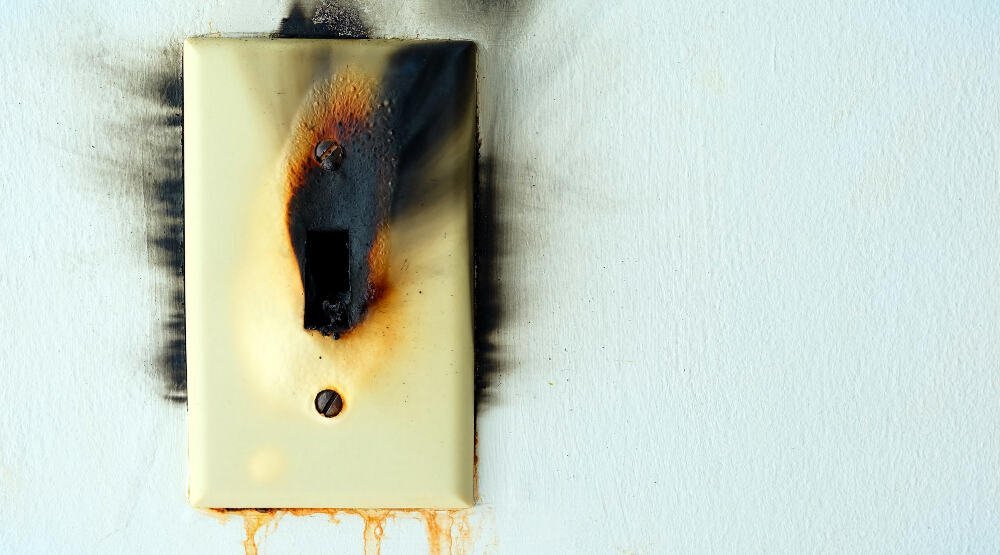
An overheated electrical component is the most frequent reason why a house smells like fish, as the plastic insulation in wires and switches often releases a strong, pungent odor when it reaches high temperatures. This smell is a clear warning sign from your home that you should investigate immediately to prevent fire hazards. If you notice this scent, check your outlets, light switches, and appliances for signs of melting or scorching.
Why your house smells like fish
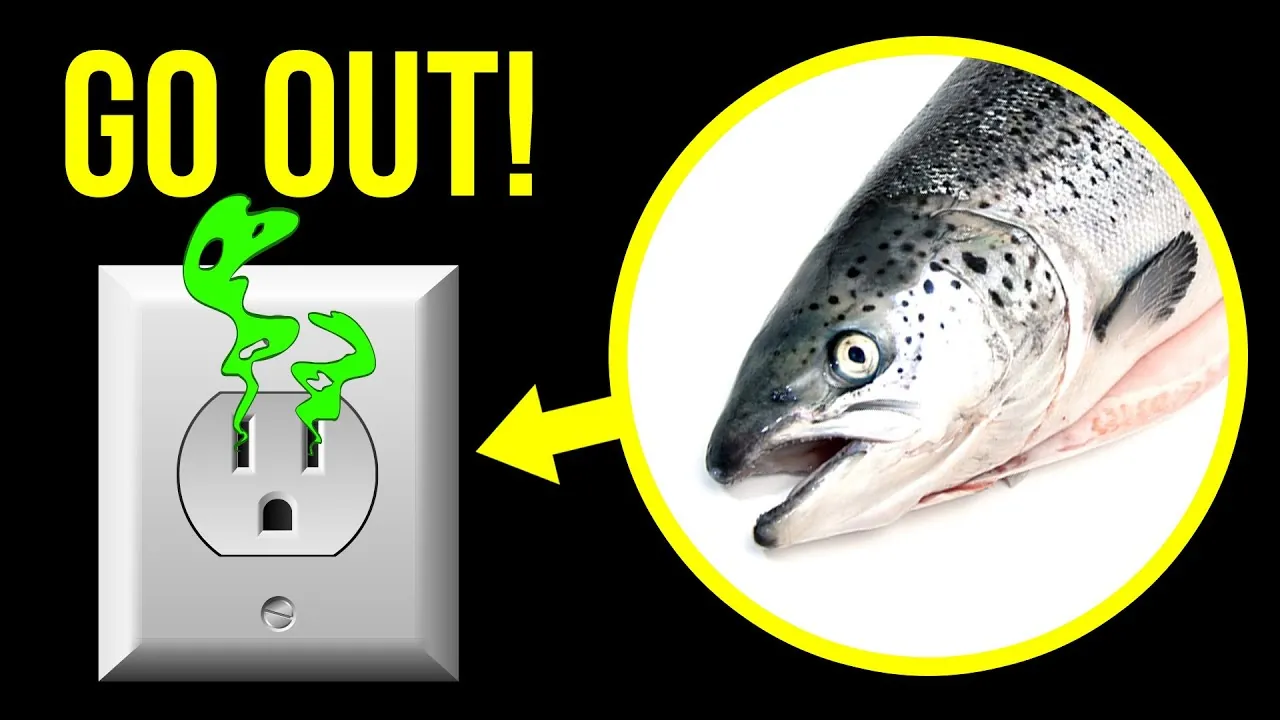
Identifying the source of the smell requires a systematic approach. Many people search for a food-based cause, but electrical issues are often the culprit when the smell is sharp and chemical.
| Cause | How common | How to confirm it | Fix it yourself? |
|---|---|---|---|
| Overheated wiring | Very common | Check switches for heat | No |
| Burning plastic | Common | Inspect nearby plastic items | Yes |
| HVAC issues | Occasional | Check filter and vents | Yes |
| Dead rodents | Occasional | Look in wall voids | No |
| Plumbing vents | Rare | Check drain traps | Yes |
| Dirty appliances | Rare | Clean internal components | Yes |
Overheated electrical wiring and components
The most dangerous cause is an electrical fault, specifically when plastic insulation begins to melt. This happens because high resistance or a loose connection generates intense heat, which breaks down the chemical compounds in the wire casing. Don’t touch electrical components; instead, look for visible signs of discoloration, melting, or charring on switch plates and outlet covers.
Don’t attempt to repair electrical wiring yourself unless you’re a qualified professional. Turning off the power at the main breaker panel is the only safe immediate step to stop the heat buildup. Call a licensed electrician to inspect the circuit, as they can identify if the issue is a loose connection or a failing component.
If you smell this odor, assume it’s an emergency and treat it as a potential fire risk. This isn’t for those who lack experience with high-voltage systems. If you have an older home, the risk increases due to aging wire insulation that becomes brittle over time.
Burning plastic or synthetic materials
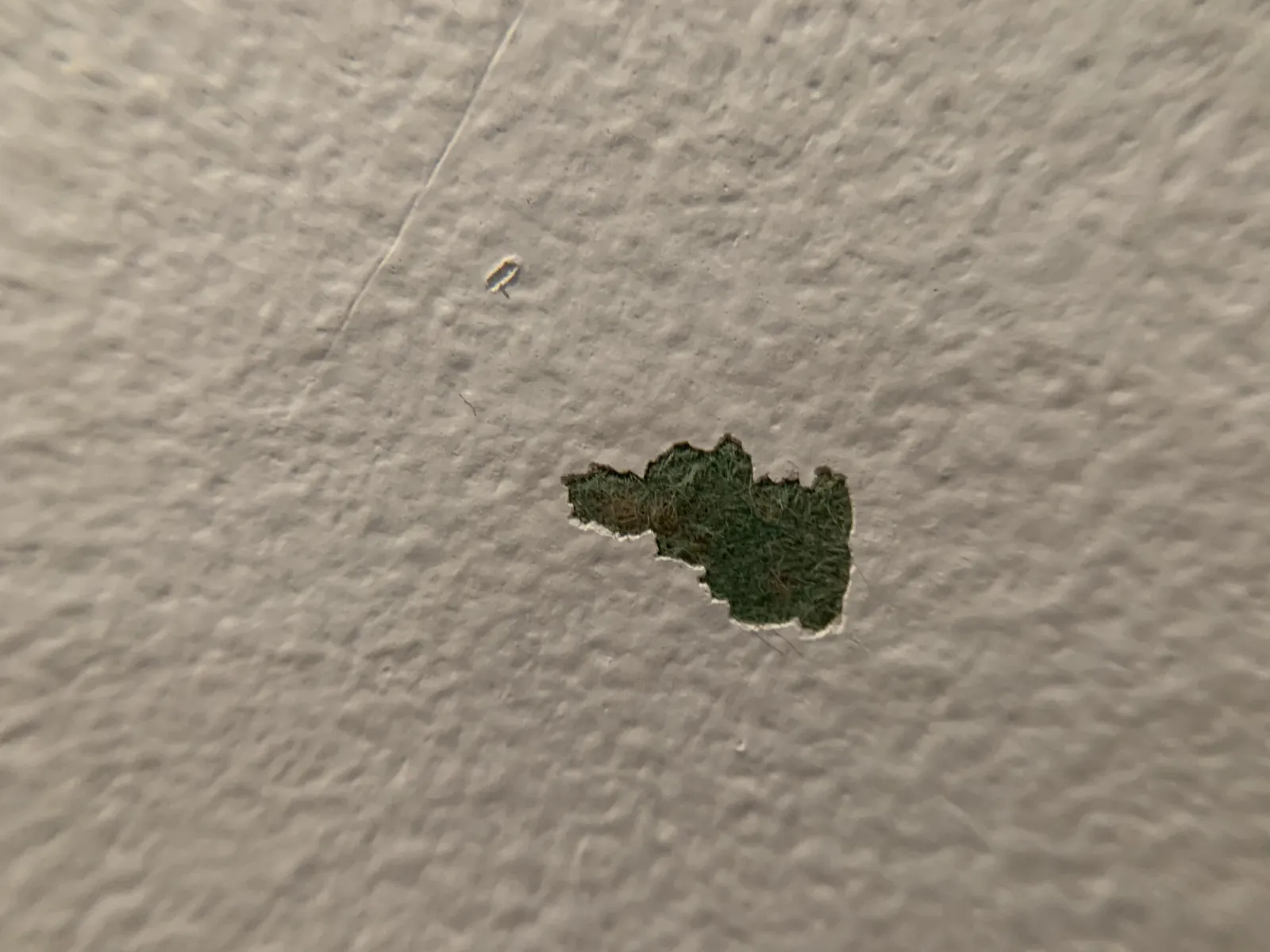
Sometimes, a plastic item left too close to a heat source will create a smell that mimics burning fish. This typically happens when a plastic container or a synthetic fabric accidentally rests against a space heater, a light bulb, or the back of a range. You can tell this apart from an electrical fire by the localized nature of the smell; it will be much stronger in one specific spot rather than spreading through the entire room or ventilation system.
Check the area around all active heat sources and lamps for any melting plastic. If you find a melted item, remove it once the area has cooled completely. Ensure that all heating appliances have at least 3 feet of clearance from curtains, furniture, and plastic objects to prevent this from recurring. This is a simple fix that requires only moving the items and ensuring proper ventilation.
HVAC system and ventilation issues
An HVAC system can distribute odors throughout the entire home if the unit itself is the source. Dust buildup on heating elements or a failing fan motor often creates a distinct, sharp smell as the components run. You can verify this by turning off the thermostat and smelling the air directly at the supply vents. If the odor persists only when the heat is running, the problem is likely within the furnace or air handler.
Routine maintenance is essential for preventing these odors. Change your air filters based on usage and the manufacturer’s instructions to ensure airflow remains consistent and to reduce the amount of debris settling on the heating coils, as recommended by the United States Environmental Protection Agency.
If the filter is clean but the smell remains, the blower motor or the heat exchanger may require professional cleaning. Never try to disassemble the internal furnace cabinet; if the smell comes from deep inside the unit, contact an HVAC technician for a full inspection.
Rare and unlikely causes
Dead rodents: A decaying animal inside a wall or crawl space produces a pungent, fishy ammonia scent that lingers for weeks.
Plumbing vent leaks: A dry P-trap in a floor drain or a cracked vent pipe allows sewer gases to enter the home. These gases often have a sharp, fish-like quality. If the odor intensifies when the wind blows or during heavy rain, your vent stack is likely blocked or compromised.
Dirty appliances: Accumulation of burnt food or grease on the heating elements of an oven creates this smell during use. Wipe elements with a damp cloth once cooled.
Water quality: High levels of minerals or bacteria in hot water create odors when the tap runs. If the smell only appears with hot water, flush your water heater tank to remove sediment buildup.
What a professional fix involves

Fixing a fishy smell often requires a technician, especially when the root cause involves hidden electrical circuits or complex HVAC systems. An electrician will typically charge for a service call and an hourly rate, which varies depending on the complexity of the wiring fault. Before hiring anyone, ask for a clear breakdown of the diagnostic process and ensure they’re licensed to perform work in your area.
If the issue is in your HVAC unit, the cost depends on whether the technician needs to replace parts like a blower motor or simply perform a deep cleaning. You can check the manufacturer’s website for your unit to see if there are specific maintenance steps for your model.
Always request an itemized quote before work begins. If you’re unsure about the cost, compare the price against the total value of the appliance or the necessity of the repair for your home’s safety.
Related guides
Frequently asked questions
Is it safe to stay in the house if it smells like fish?
No, you should treat the smell of fish as a potential electrical fire hazard and turn off power to the affected area immediately. If the smell is strong or accompanies smoke, leave the building and call emergency services to ensure your home is free from fire risks.
How long does a fishy smell last if it’s just a dirty appliance?
The smell will usually fade within 1-2 hours after you have thoroughly cleaned the appliance and allowed the room to ventilate. If the odor continues for more than a few hours after cleaning, the cause is likely not the appliance and you should investigate the electrical system.
Does it matter if the smell only happens when the heat is on?
Yes, it indicates that the source is likely within your HVAC system, such as dust burning on the coils or a failing motor. If the smell persists even when the system is off, the issue is more likely to be an electrical fault in your home’s wiring.
What happens if I ignore a fishy smell in my home?
Ignoring the smell can lead to a house fire, as the odor is often caused by plastic insulation melting under high heat. Once the insulation fails completely, it can cause a short circuit or ignite surrounding materials, creating a dangerous situation that’s much more expensive to repair.
Can a plumbing issue cause a fishy smell?
Yes, a dry P-trap or a leak in your sewer vent pipe can allow odors to enter your living space. You can fix this by pouring water into floor drains to fill the trap, but if the smell remains, you may need a plumber to check for vent blockages.
How can I tell if the smell is electrical?
The odor is likely electrical if it’s sharp, chemical, and doesn’t have a clear source like a trash can or food. You can confirm this by checking for warm wall plates or switches, which indicate that the electrical components behind them are overheating and potentially failing.
Conclusion
If you can’t locate the source of the odor, don’t ignore your intuition. It’s best to call a licensed electrician to inspect your wiring before you head to bed. They’ll quickly identify any hidden risks, ensuring your home stays safe and comfortable for everyone who lives there.