
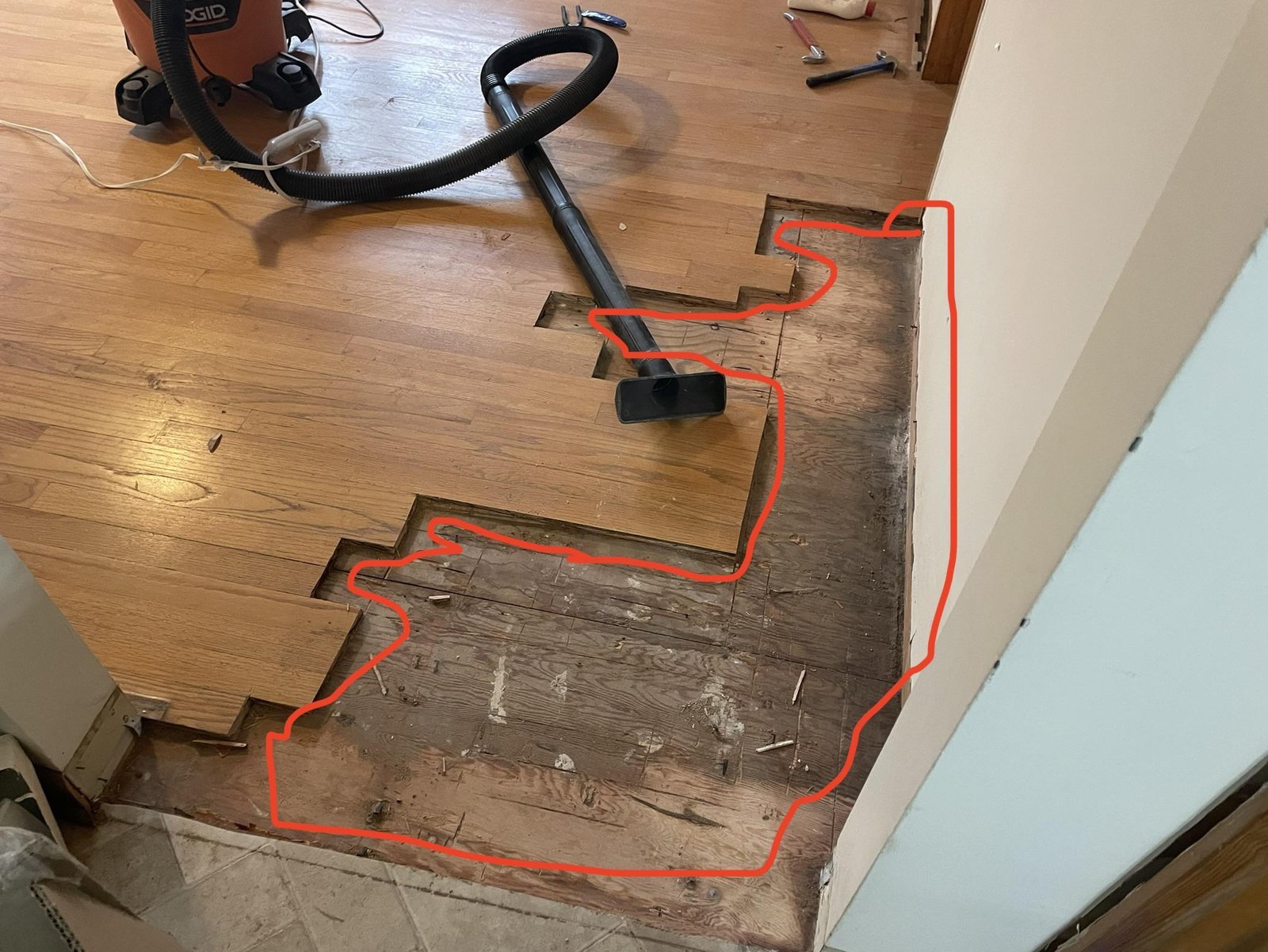
Cat urine contains urea, which breaks down into ammonia and other compounds that cling to carpet, wood, concrete and drywall long after the spot dries. These crystals release odor again whenever humidity rises, so wiping away the visible stain doesn’t remove the smell. The odor comes from three things: cat urine itself, hidden accidents you can’t see, or something else entirely that smells like ammonia. Finding which one you have is the first step to fixing it. House smells like cat pee usually means one of these three sources, and each one needs a different response.
Find why your house smells like cat pee
Start with your cat. Watch where it urinates outside the litter box, then check corners, behind furniture and along baseboards. Urine often soaks past the carpet into the padding underneath, where surface cleaning never reaches it. If the smell gets stronger in damp weather or after rain, the urine is probably deep in the floor or walls.
Use a high-intensity UV flashlight to confirm the source. If the spot glows a bright, neon yellow, you have found a fresh or surface-level accident. If the area remains dark but the odor persists, the urine has likely saturated the subfloor, requiring professional extraction.
Many owners mistake a persistent ammonia scent for a recurring accident when it’s actually a lingering chemical reaction. If you have scrubbed the area and the smell returns within 48 hours, stop cleaning and start checking for moisture leaks. Mold often mimics the sharp scent of cat urine.
If the scent is localized to a single, small spot, use an enzymatic cleaner specifically formulated for uric acid. If the odor covers a wide area or persists after three treatments, replace the affected padding entirely. Surface sprays can’t reach the bottom of the fibers where bacteria thrive.
Use your nose and your eyes
The fastest check is to follow the scent with your nose while the room is closed up for at least four hours. This allows odors to concentrate, making it easier to pinpoint the exact origin. Look for subtle discoloration or damp spots on carpets, rugs, and floorboards. A blacklight in a completely darkened room can reveal old urine, which often glows a distinct neon yellow or greenish hue.
Press a clean, white paper towel firmly against any suspicious area for ten seconds. If the towel picks up a yellow tint or smells sharply of ammonia, you have identified the source. Don’t rely on your eyes alone; deep-set stains in padding often remain invisible until you apply this pressure test.
If you can’t find a wet spot but the smell persists, look beyond the cat. Mold, mildew, or a dead rodent in a wall cavity can mimic the sharp scent of ammonia. Check your houseplants; some varieties, like certain types of lilies or ferns, produce a pungent, earthy odor when overwatered. Sewer gas from a neglected floor drain or a dry P-trap also creates a similar chemical stench.
If the odor is uniform across the entire room rather than concentrated in one spot, the issue is likely your HVAC system or a structural leak rather than a pet. Treating these non-biological issues with enzyme-based pet cleaners will fail to neutralize the smell. If the scent doesn’t dissipate after a deep clean, pivot your investigation to the ventilation ducts or the home’s plumbing seals.
Clean the real stain

If you find a cat urine spot, blot it immediately with paper towels or an old towel. Press down firmly and repeat until no more moisture comes up. Don’t rub, because rubbing pushes urine deeper into the carpet and padding. Then apply an enzymatic cleaner made for pet urine and let it sit for the time the label says—usually ten to fifteen minutes—before blotting again and letting the area dry completely.
Enzymatic cleaners break down the organic compounds in urine that cause the smell. Ordinary household cleaners, soap, and vinegar don’t remove those crystals. Ammonia-based cleaners are particularly dangerous because they smell like urine to a cat, which encourages it to mark the same spot again.
If you can still smell the odor after the carpet dries, the urine has likely soaked into the padding or subfloor. In this case, surface cleaning is insufficient. You must use a blacklight to find the exact perimeter of the stain. If the glow extends beyond the area you treated, you’re dealing with a deep-set accident.
You must rent a professional-grade carpet extractor or replace the affected padding to stop the cycle. If you ignore the subfloor, the scent will persist indefinitely, triggering your cat to return to that specific location every time it feels stressed or territorial.
When the smell keeps coming back
Urine that has soaked into carpet padding, subflooring, or drywall needs more than a surface treatment. You may need to lift the carpet, treat the padding and subfloor directly, or replace the padding entirely. Concrete floors can hold urine in their pores, so they may need a specialized sealant after cleaning. Drywall that has absorbed urine usually has to be cut out and replaced.
If the smell remains, apply the “nose test” at different heights. If the odor is stronger near the floor, the source is likely the padding or subfloor. If the smell is constant at nose level, check the baseboards or wall cavities. A common mistake is using enzyme cleaners on top of heavy-duty floor wax or polyurethane, which prevents the cleaner from reaching the urine. You must strip the finish first, or the enzymes will never penetrate the wood.
If the smell continues after thorough cleaning, or if you can’t find the source at all, stop treating and call a professional. A carpet cleaner with pet-odor equipment, a plumber for sewer-gas issues, or a mold remediation service can find causes that aren’t safe or practical for a homeowner to handle. Never cut into walls or floors to chase a smell you can’t locate.
Related guides
- How to Remove Solid Stain From Wood Deck: Step-by-Step Guide in 2026
- How to Remove a Screw With No Head Using Pliers or Extractors in 2026
Frequently asked questions
Can I use vinegar to remove cat urine smell?
No. Vinegar doesn’t break down uric acid crystals, and its smell can linger. Use an enzymatic cleaner labeled for pet urine instead.
Why does the smell come and go?
Urine residues can release odor when humidity rises. The odor often gets stronger on damp days or after the room gets warm.
Is it safe to use a blacklight?
Yes. A blacklight is safe for home use and can reveal old urine stains in a darkened room, though some other substances also glow.
What if I can’t find the spot?
Check behind furniture, under beds, along baseboards and inside closets. If you still find nothing, the source may be mold, a dead rodent or sewer gas — call a professional.
Does the smell mean my cat is sick?
Not always, but urinating outside the box can signal a medical issue. If your cat starts having accidents, take it to a veterinarian.
How long does the smell last without treatment?
It can last for months or even years, because urine residues remain until they’re broken down or removed.
Will steam cleaning remove the odor?
No. Heat and moisture can set the stain and increase the release of odor, making the smell worse.
Can cat urine smell come from something other than my cat?
Yes. Mold, mildew, sewer gas and some building materials can produce a similar ammonia-like odor.
Do this first
Follow the smell to its source, then treat a real urine spot with an enzymatic cleaner and let it dry completely. Use a blacklight in a pitch-black room to reveal hidden stains that are invisible to the naked eye. These spots will glow a distinct neon yellow or green under UV light.
Expect the odor to fade over several days as the area dries. If the smell persists after cleaning, or you can’t locate the source, contact a carpet cleaner, plumber, or mold specialist rather than continuing to treat blindly.
Most people waste money by saturating the carpet surface while the liquid has already soaked into the subfloor or padding. If the scent remains sharp after two full drying cycles, stop applying chemicals. You’re likely fighting a structural issue that requires professional extraction rather than topical cleaning.