
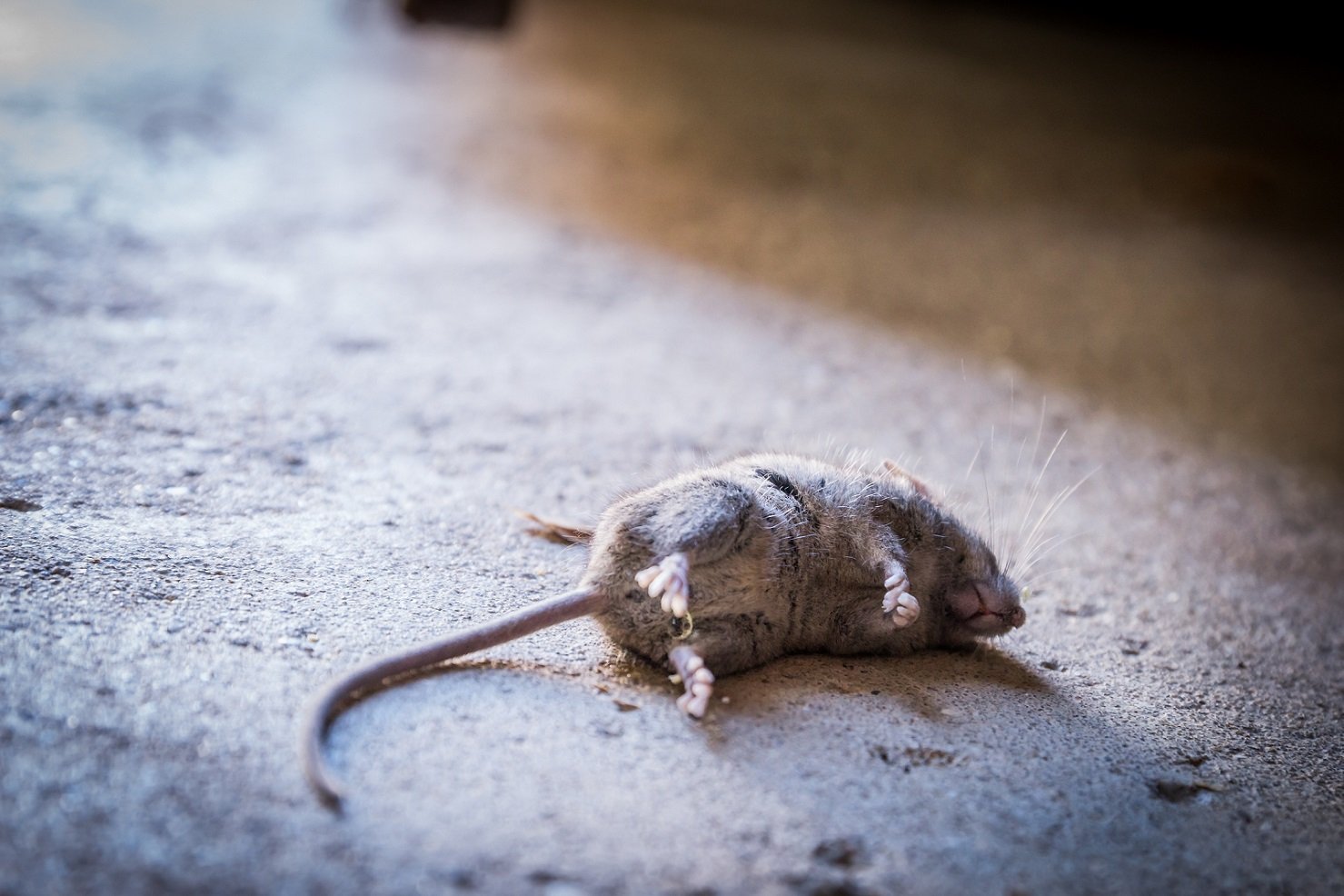
A house smells like dead mouse when a mouse dies inside walls, ceilings, floor voids, or behind appliances and begins to rot. The stench comes from gases released as tissues break down, and it usually grows stronger over days before fading as the body dries out. You can’t always see the animal, so the smell itself is often the only clue.
Find the source of a house that smells like a dead mouse
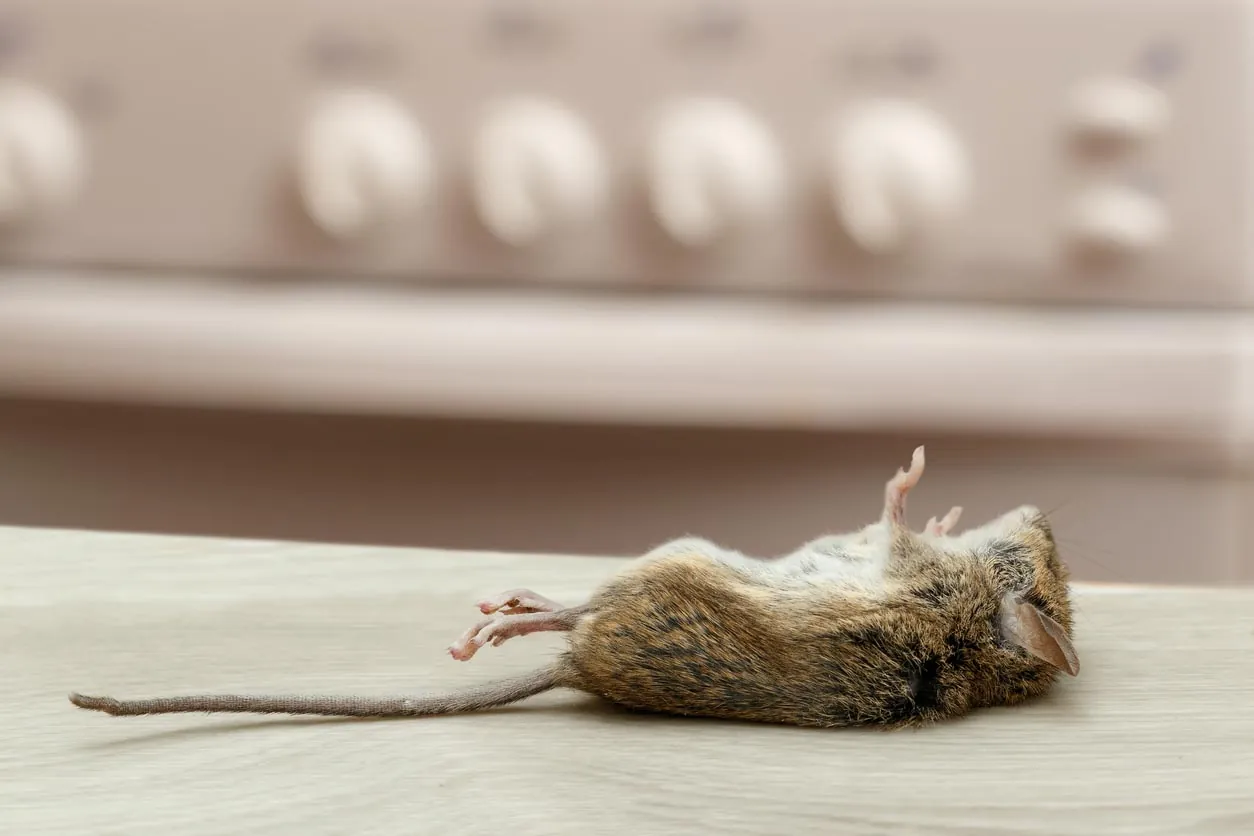
The odor usually points to one of a few places inside a home. Matching where it’s strongest helps you decide what to check first.
| Where the smell is strongest | Likely cause | What it usually means |
|---|---|---|
| One room or corner | Mouse died behind baseboards or furniture | Body is close to the surface |
| Throughout the house | Mouse died inside wall cavities or ductwork | Body is hidden behind finished surfaces |
| Near kitchen cabinets or appliances | Mouse died behind the fridge, stove, or dishwasher | Body is near food and warmth |
| Stronger near vents or returns | Mouse died in the HVAC system or ducts | Airflow spreads the odor |
| Stronger upstairs or downstairs | Mouse died in an attic, crawl space, or ceiling void | Body is above or below living areas |
Check the room where it’s strongest
Start in the room where the odor hits you first. Follow your nose along walls, corners, and the floor, moving slowly so you don’t lose the trail. Look for droppings, grease marks along baseboards, or a small dark spot where the body lies.
If the smell is worse near a vent, turn the system off for an hour and see whether the odor fades. If the scent dissipates while the fan is still, the carcass is likely inside your ductwork. If the smell persists, the source is trapped within the wall cavity or subfloor near that register.
Don’t cut into drywall or pull out heavy appliances unless you’re prepared to repair what you open. Most homeowners make the mistake of tearing out walls before confirming the location, which often leads to expensive structural damage. If you can’t pinpoint the exact source within three feet, hire a professional to avoid unnecessary demolition.
Look in wall and ceiling voids
A mouse that dies inside a wall or ceiling often smells strongest right at the spot where the body rests, even though you can’t see it. Press gently along the wall and sniff at different heights; the spot with the sharpest odor is usually closest to the source.
You can shine a flashlight through any existing gaps, such as around pipes or under baseboards, but don’t drill holes just to look. Opening finished surfaces turns a smell problem into a repair problem, and a hidden body can be hard to reach once the wall is open.
If the odor is faint and dissipates after three days, the carcass is likely small or dehydrated. If the scent remains pungent for over a week, the mouse is likely trapped in a damp area, which accelerates decomposition. In that case, use a borescope camera through existing electrical outlet boxes to confirm the location before cutting any drywall.
Check behind appliances and under cabinets
Kitchens attract mice, and a body behind the refrigerator, stove, or dishwasher can fill a room with a persistent, nauseating odor within 48 hours. Pull the appliance out only if you can do so without straining your back or disconnecting gas or water lines you can’t safely reconnect. If you lack a shut-off valve, leave the unit in place and use a borescope camera to inspect the rear gaps.
Shine a high-lumen flashlight underneath and behind these units, specifically checking the floor void beneath cabinets where baseboards meet the floor. If you find droppings or nesting material but no body, the animal likely died deep inside the wall cavity. In this case, you must wait it out, as the smell will dissipate naturally in two weeks. Don’t seal the gap until the scent is gone, or you risk trapping the odor permanently.
Wait it out or remove it
If you find the body and can reach it, wear gloves, place it in a sealed plastic bag, and put it in an outdoor trash can. Wash the area with soap and water, then leave a window open to air the room out.
If the body is behind a wall or ceiling you can’t open safely, the catch is that the smell will last until the remains dry out — how long that takes depends on the size of the mouse, the temperature, and how much airflow reaches the spot, so check the area daily until the odor fades. In the meantime, keep the room ventilated and avoid using strong air fresheners, which only cover the smell and can make it harder to tell when it’s gone.
Decide what to do next
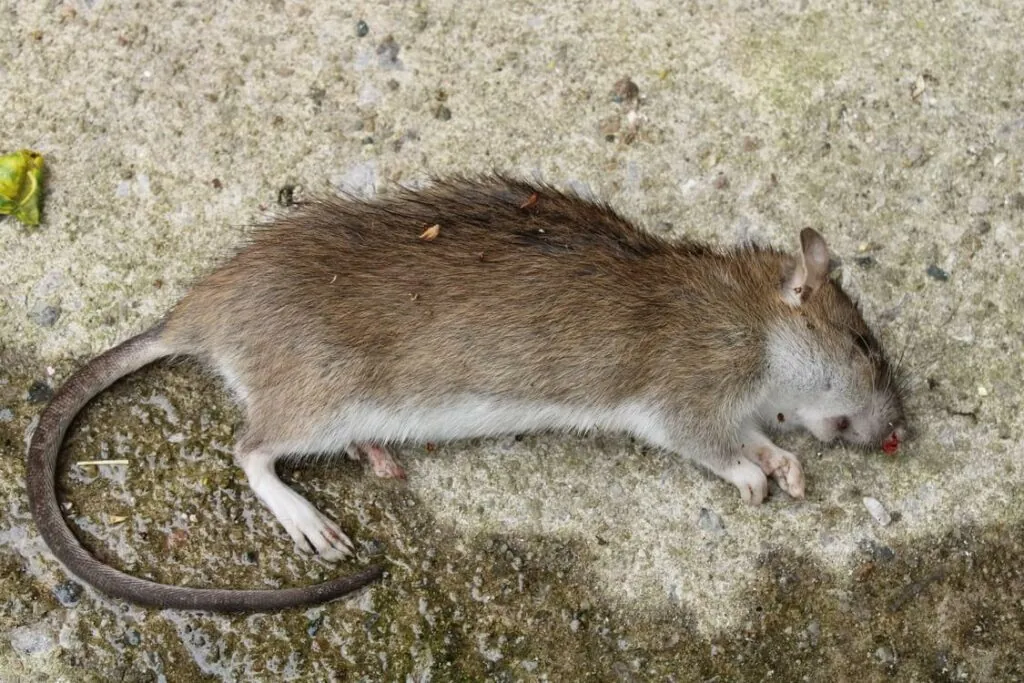
The right choice depends on what you found and what you’re willing to open. If you can see and reach the body, remove it yourself with heavy-duty gloves and a double-sealed plastic bag. Dispose of the bag in an outdoor bin immediately to prevent lingering odors.
If the smell is confined to one wall but you can’t see the source, you can either wait for it to dry out or cut a small inspection hole. Most carcasses desiccate within two to three weeks, ending the smell naturally. If you can’t wait, cut a four-inch square in the drywall. Remember that cutting means patching, sanding, and painting afterward. Only open the wall if you’re prepared for that repair.
If the odor is strong throughout the house, comes from your HVAC ducts, or you can’t locate it at all, call a pest control professional. They use specialized thermal imaging to find the source without tearing up your home. Attempting to guess the location by punching holes in multiple walls often costs more in drywall repair than the professional service fee itself.
Related guides
- How to Remove a Screw With No Head Using Pliers or Extractors in 2026
- Dog Smells Like Fish From Back End: Causes and Solutions
Frequently asked questions
How long does a dead mouse smell last?
It usually lasts one to two weeks, assuming average indoor temperature and normal airflow; a larger mouse or a warm, sealed room can make it last longer, while cool, drafty conditions shorten it.
Can the smell make me sick?
The odor itself is unpleasant but not usually dangerous, though droppings and urine nearby can carry germs, so wear gloves and wash your hands after any cleanup.
Will air fresheners get rid of it?
No — they only mask the odor and can make it harder to notice when the source has dried out; ventilation and removing the body work better.
Should I cut open the wall?
Only if you’re ready to patch and paint afterward; otherwise wait for the body to dry out or call a professional who can locate it without opening finished surfaces.
Does the smell mean there are more mice?
Often yes — one mouse usually means others have been inside, so check for droppings and entry gaps after the odor is gone.
What if I never find the body?
The smell will fade on its own as the remains dry out; keep the area ventilated and check daily until it’s gone.
Do this first
Follow the smell to the room where it’s strongest, look for droppings or a visible body, and remove anything you can reach with gloves and a sealed bag. Expect the odor to fade within about a week or two once the source is gone or dried out.
If you find a carcass in a wall void, don’t cut into the drywall unless you’re certain of the location. Most people make the mistake of guessing based on the scent, which often travels through studs and tricks the nose. This error leads to unnecessary repairs and wasted time.
If the smell is sharp and ammonia-like, you’re likely dealing with a nesting site. If the odor is heavy and sweet, a body is present. If you can’t find the source or the smell spreads through the vents, stop and call a professional.