
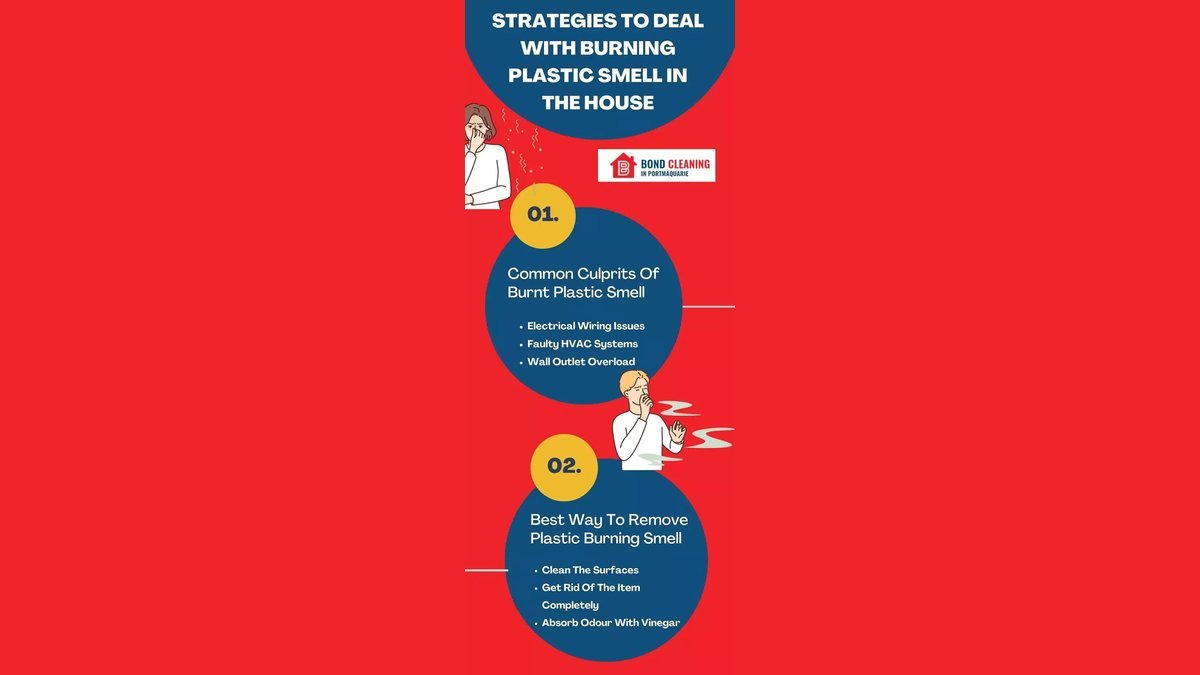
If your house smells like burnt rubber, leave the building and call emergency services from outside if you see smoke or flames. If nothing is visible, shut off power at the breaker and find the source before anything else.
Find the source fast
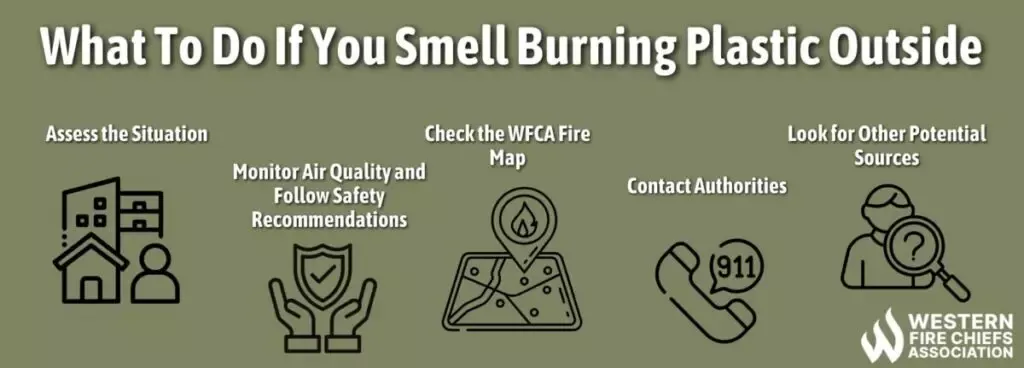
Do these now, in order, each in under two minutes:
-
Look for smoke, sparks, or flames anywhere in the home. Scan baseboards and ceiling fixtures first, as electrical arcs often leave faint, dark soot trails before a fire ignites.
-
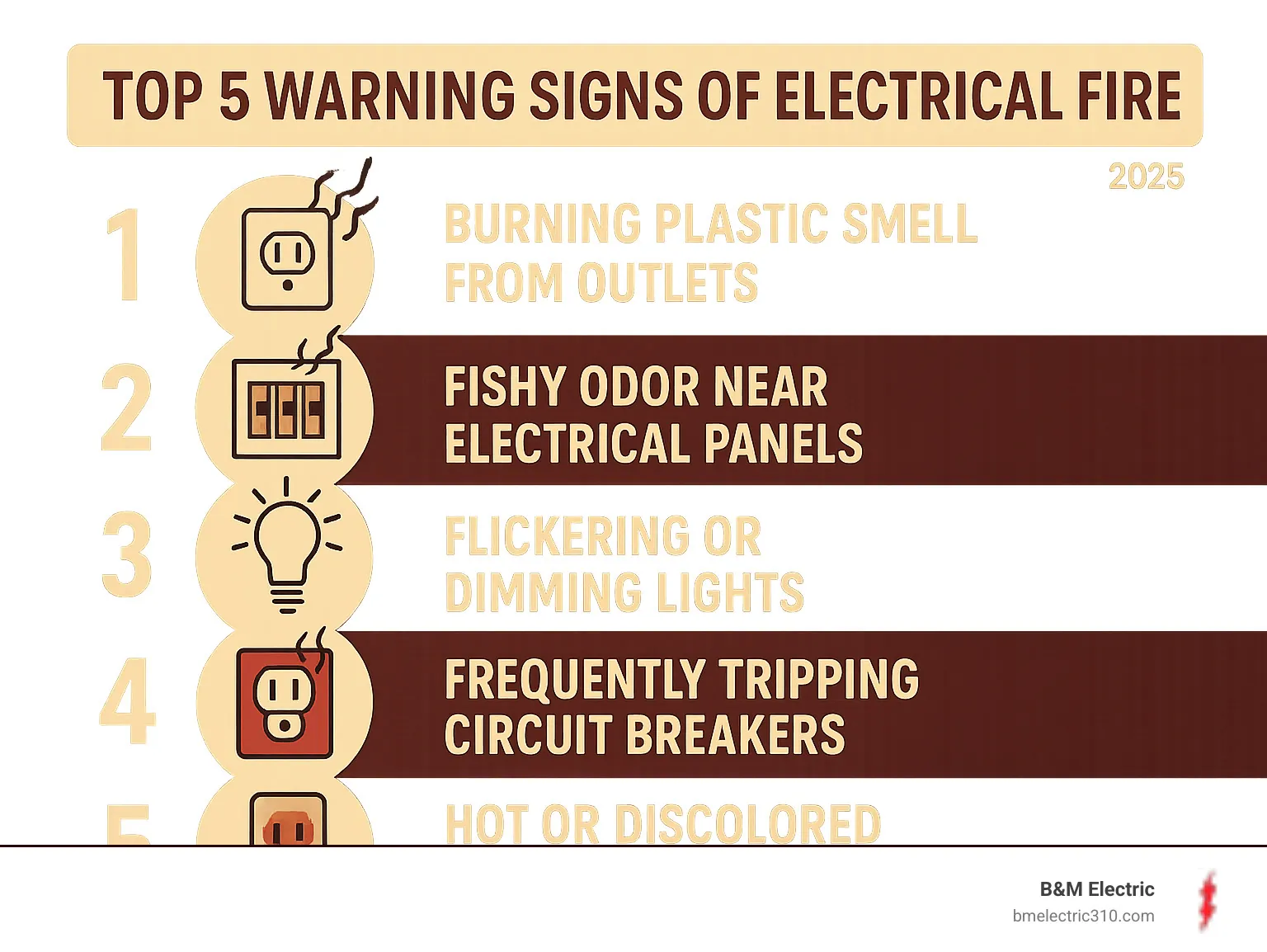
Feel outlet and switch covers near the smell for heat. If a plastic plate feels warm to the touch, don’t remove it. The heat indicates a loose connection or a short circuit behind the wall that could flare into a fire the moment you disturb the wiring.
-
Unplug anything that was running when the smell started. If the odor dissipates within seconds, you have isolated the faulty device. If the smell persists, the issue is likely within your fixed wiring.
-
Check the HVAC air filter and vents for a hot or melting odor. A clogged filter forces the blower motor to work harder, eventually burning out the internal windings.
-
If you can’t find the source, turn off the main breaker and leave. If the smell remains after the power is cut, evacuate immediately; the source may be a gas leak or a smoldering fire hidden deep within the wall cavities.
Safety: Inside a mains-powered machine, the parts behind the outer cover can hold a dangerous electrical charge even after it has been unplugged — that’s why they sit behind a cover. Opening the housing, or testing or replacing anything behind it, is a job for a qualified technician, never a home repair.
What causes a house to smell like burnt rubber
A burnt rubber smell in the home usually means something is overheating or melting. Electrical wiring insulation is the most common cause, followed by an appliance motor or belt, and then an HVAC part such as a blower motor. Plastic and rubber parts give off that sharp, sulfurous odor when they break down under heat.
A single overloaded circuit can melt wire insulation behind a wall without any visible flame at first. If the smell persists after you turn off all major appliances, check your circuit breaker panel for a tripped switch or a warm-to-the-touch plastic casing. A breaker that feels hot indicates a localized electrical fault that requires an immediate call to a licensed electrician.
An appliance with a seized motor or a slipping rubber belt can smell the same way, and the odor can drift through the house before you find the machine. If the smell intensifies near a specific unit, unplug it immediately. Don’t attempt to restart the device to confirm the source, as a shorted motor can spark a fire in seconds.
Dust burning off a heater after months of non-use smells different—more like scorched dust than rubber—so treat any true rubber odor as electrical until proven otherwise. If the scent disappears after ten minutes of heater operation, it’s likely just seasonal debris. If the acrid, chemical smell remains, shut the system down and inspect the blower motor for obstructions.
Check these first
Feel outlets and switches
Touch the faceplate near the smell with the back of your hand. Warm is normal after heavy use; hot or soft plastic means stop.
Unplug recent appliances
Remove anything that was on when the smell began. A cord that’s warm along its length or a plug that smells burnt points to that device.
Check the HVAC filter
Pull the filter and smell it. A hot, rubbery scent from the filter or the nearest vent means the blower motor or belt is the likely source.
Look at the breaker panel
Open the panel door and sniff around it. A sharp odor at the panel itself means a breaker or bus bar is overheating.
Sniff each room
Close interior doors for ten minutes, then open one at a time. The room where the smell is strongest holds the source.
Fix the most likely cause
If an appliance cord or plug smells hot, unplug it immediately and discard the unit. Don’t attempt a DIY repair on internal wiring, as charred insulation indicates a permanent failure of the safety shielding. If the smell originates from an outlet or switch with nothing plugged in, leave that circuit off at the breaker until an electrician inspects the junction box. Loose wire nuts or oxidized connections behind the faceplate often create localized heat that can ignite wall studs.
If your HVAC filter or vent carries the odor, turn the system off at the thermostat and the breaker. Replace the filter, but don’t restart the unit until a technician verifies the blower motor isn’t overheating. A motor drawing too much current will produce a distinct, acrid burning smell that precedes a total system burnout.
The sign the fix has held is that the smell doesn’t return within 48 hours of normal operation. If the odor reappears, treat the situation as a recurring electrical fault rather than a fluke. Never reset a tripped breaker more than once.
If a breaker trips again after the first reset, the circuit is physically compromised and requires professional diagnostic testing. Continuing to force power through a compromised circuit risks an electrical fire behind your drywall, where smoke detectors may not trigger until the fire has already gained significant structural hold.
Stop here and call someone
Call a licensed electrician if the smell comes from an outlet, switch, breaker panel, or anywhere inside a wall. Never open an outlet, switch, or breaker panel yourself. An electrician will most likely check the circuit you already turned off, so tell them which breaker you tripped and what you unplugged.
If the smell persists after you kill the power, the issue is likely a smoldering wire buried deep within your wall cavity. Professionals use thermal imaging cameras to locate these hidden hot spots without tearing apart your drywall. If you smell burning plastic but the breaker hasn’t tripped, don’t wait for a fire to start. Assume the circuit is overloaded and call for help immediately.
Call an HVAC technician if the odor comes from a vent or the furnace cabinet. Don’t remove furnace panels or reach inside the unit. A burning smell here often indicates a failing blower motor or a stuck relay switch. If the smell is metallic or resembles ozone, shut down the thermostat immediately to prevent a motor burnout.
Call the fire department from outside the home if you see smoke, hear arcing, or can’t find the source after shutting off power. Leave the door closed behind you to starve a potential fire of oxygen.
Related guides
- Dog Smells Like Fish From Back End: Causes and Solutions
- How to Remove Gorilla Glue From Wood: A Simple Step-by-Step Fix in 2026
- How to Fix Nail Gun Not Shooting Nails: Troubleshooting Guide in 2026
Frequently asked questions
Can a burnt rubber smell be harmless?
Yes, if it comes from dust on a heater used for the first time in months, but treat it as electrical until you check.
Why does only one room smell like burnt rubber?
The source is probably in that room — an outlet, appliance, or HVAC vent serving that space.
How long should I air out the house?
Until the source is found and fixed; open windows only after you’re sure there’s no fire.
Is it safe to keep using the appliance?
No. Unplug it and don’t use it again until it’s checked or replaced.
What happens if I ignore it?
Overheating wiring can start a fire inside a wall with no warning.
Does it matter if the smell comes and goes?
Yes. An intermittent odor often means a loose connection that heats up under load.
If you see smoke or flames, get everyone outside and call emergency services. Don’t go back inside.
Conclusion
Once you’ve addressed the immediate danger, it’s a good idea to schedule a professional inspection for your home’s electrical system. Don’t ignore these warning signs, as they’re often early indicators of aging wires or failing appliances. You’ll feel much safer knowing your living space is truly secure for the future.