
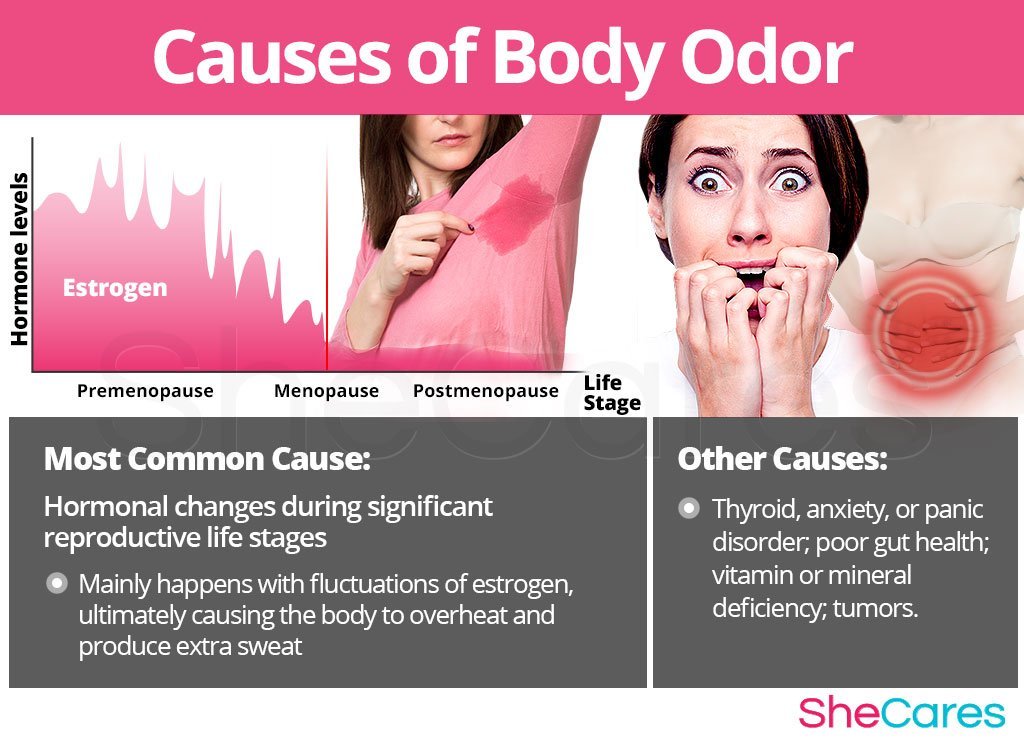
It’s common to feel concerned when you notice your body odor changed suddenly, as your scent is often a reliable indicator of internal health and external habits. While most shifts in perspiration or breath are linked to minor lifestyle adjustments, identifying the root cause requires a systematic review of your daily routines, diet, and physical state. Because our bodies rely on a complex ecosystem of bacteria and chemical processes, even small changes can manifest as noticeable variations in how we smell to ourselves and others.
Key Takeaways
- Monitor your diet, as strong-smelling foods like garlic, onions, and cruciferous vegetables significantly influence sweat composition.
- Check your hydration levels; dehydration can concentrate body fluids and intensify existing odors.
- Review your current medications or supplements, as these can alter metabolic pathways and systemic scent.
- Maintain consistent hygiene practices using antibacterial soaps to manage the bacteria that break down sweat.
- Consult a healthcare professional if you experience persistent, unexplained, or fruity-smelling odors, as these can signal underlying metabolic conditions.
Why Has My Body Odor Changed?
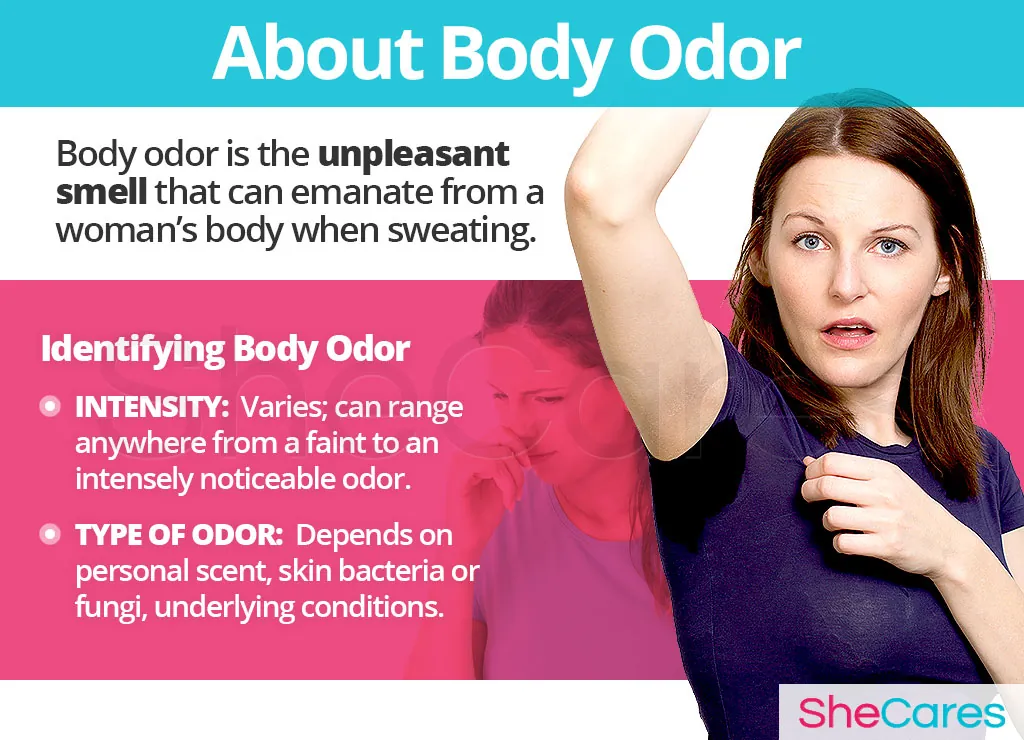
The most frequent reasons for an altered scent profile are typically benign but require attention to detail. Your skin microbiome—a collection of bacteria living on your epidermis—interacts with the compounds in your sweat to produce body odor. When your internal chemistry shifts due to hormones, stress, or dietary intake, the byproduct of this bacterial breakdown changes as well. Understanding these triggers is the first step in restoring your baseline scent.
Common Dietary Triggers
What you consume is often the primary culprit. Sulfur-rich foods, processed meats, and high-sugar items can alter the way your pores excrete waste.
| Food Category | Potential Effect | Recommended Action |
|---|---|---|
| Cruciferous Veggies | Increases sulfur compounds | Increase water intake |
| Processed Meats | Alters sweat pH | Reduce weekly consumption |
| High-Sugar Foods | Promotes yeast growth | Limit refined sweeteners |
| Spicy Ingredients | Increases thermogenesis | Monitor for 48 hours |
Is It A Medical Concern?
While most changes are harmless, certain scents may indicate a need for medical consultation. A sudden shift to a fruity or acetone-like smell on the breath or skin can be a sign of diabetic ketoacidosis, a serious condition where the body processes fats for energy instead of glucose. Persistent, ammonia-like odors might suggest issues with kidney or liver function, where the body struggles to process nitrogenous waste effectively.
Pro Tip: Keep a two-week log of your symptoms and dietary intake to provide your doctor with concrete data if you decide to seek professional advice.
The Role Of Stress And Hormones
When you’re under chronic stress, your body activates the apocrine glands, which produce a thicker, protein-rich sweat. This type of perspiration is particularly attractive to bacteria, leading to a more pungent odor than the watery sweat produced during exercise.
Hormonal fluctuations, such as those seen during puberty, menstruation, pregnancy, or menopause, also play a massive role in changing your natural scent profile. These hormonal shifts alter the chemical composition of your sweat, making it essential to adjust your hygiene routine during these transitional periods.
Impact Of Medication And Supplements

Many common over-the-counter and prescription drugs list increased sweating or altered body odor as a potential side effect. Medications such as antidepressants, blood pressure pills, and specific antibiotics can change how your body processes compounds, leading to an unfamiliar scent.
Furthermore, high-dose vitamin supplements, specifically those containing choline or certain B vitamins, are known to produce distinct odors in some individuals. If you recently started a new regimen, review the pharmacological side effects listed by the manufacturer to see if your change in scent is a documented reaction.
Troubleshooting Your Hygiene Routine
Sometimes, the issue isn’t what is happening inside your body, but what is happening on the surface of your skin. If you have recently switched detergents, deodorants, or body washes, your skin barrier may be reacting to new surfactants or fragrances.
- Switch to fragrance-free, hypoallergenic cleansers to reduce skin irritation.
- Ensure your laundry detergent is thoroughly rinsed from your clothing to prevent bacterial buildup.
- Use antiperspirants instead of simple deodorants if you need to physically block sweat production.
- Wash gym clothes immediately after use to prevent the growth of odor-causing bacteria in synthetic fabrics.
Environmental And Lifestyle Factors
Your living environment and daily habits contribute significantly to your overall scent. High humidity levels can trap moisture against the skin, encouraging bacterial proliferation. Similarly, wearing non-breathable synthetic fabrics like polyester or nylon can prevent sweat from evaporating, leading to a “musty” smell.
Opting for natural, moisture-wicking materials like cotton or merino wool can help maintain a more neutral odor profile throughout the day. Lifestyle modifications such as increasing your daily water intake can also help dilute the concentration of odorous compounds in your sweat.
Managing Body Odor Effectively
If you’re looking for ways to manage a change in body odor, focus on both internal and external strategies. Hygiene is paramount, but it must be balanced with skin health. Avoid harsh scrubbing, which can strip away healthy oils and cause your skin to overproduce sebum—a substance that bacteria thrive on.
| Method | Frequency | Expected Result |
|---|---|---|
| Antibacterial soap | Daily | Reduced bacteria count |
| Breathable fabrics | Every day | Improved moisture control |
| Hydration | Constant | Diluted sweat concentration |
| Diet adjustment | Ongoing | Lowered sulfur levels |
When To See A Doctor

You should seek professional medical advice if the change in body odor is accompanied by other physical symptoms. Look for signs like unexplained weight loss, night sweats, fever, or a persistent change in skin texture or color.
If you have attempted to adjust your diet and hygiene for more than three weeks without improvement, a primary care physician can perform a diagnostic assessment to rule out underlying infections, metabolic disorders, or glandular imbalances. Never ignore a persistent, fishy, or chemical-like smell, as these are often indicators that your internal systems require a clinical evaluation.
Warning: Don’t attempt to mask persistent or systemic odors with excessive cologne or perfume, as this can lead to skin irritation and may hide symptoms that require medical attention.
Related guides
Frequently Asked Questions
Could my diet be causing the smell?
Yes, certain foods are notorious for altering body odor. High intake of garlic, onions, curry, and red meat introduces volatile compounds into your bloodstream, which are then released through your pores. If you notice a change, try eliminating these specific items for one week to see if your scent returns to normal.
Does stress really make me smell worse?
Yes, stress triggers the apocrine glands, which are located primarily in your armpits and groin. Unlike the sweat from your eccrine glands—which is mostly water—apocrine sweat contains proteins and fats. When bacteria on your skin break down these proteins, they create a much stronger, more noticeable odor than the sweat produced during regular physical exercise.
Why does my sweat smell like ammonia?
An ammonia-like smell often indicates that your body is breaking down protein for energy rather than carbohydrates. This can happen if you’re on a very low-carbohydrate diet, such as the keto diet, or if you’re exercising at a very high intensity. It can also occasionally signal an issue with kidney function, so it’s worth tracking if the smell persists.
Can medications change my scent?
Yes, many medications change your body chemistry. Drugs that affect your nervous system, hormone levels, or metabolic rate can lead to changes in sweat composition. If you suspect a new medication is the cause, check the patient information leaflet for “sweating” or “odor” as listed side effects and discuss your findings with your prescribing physician.
Should I use clinical-strength deodorant?
Clinical-strength antiperspirants are effective if you’re dealing with excessive moisture, as they contain higher concentrations of aluminum salts to block sweat ducts. However, if your odor is coming from bacteria rather than sweat volume, an antibacterial wash or a product containing benzoyl peroxide might be more effective at neutralizing the odor-causing organisms on your skin.
Conclusion
Identifying the cause of a change in your body odor is a process of elimination that begins with your daily habits and moves toward medical evaluation. Start by adjusting your diet and hygiene, then monitor your results closely over the next fourteen days. If the issue persists or is accompanied by other symptoms, schedule an appointment with your primary care provider to rule out any underlying health conditions.