
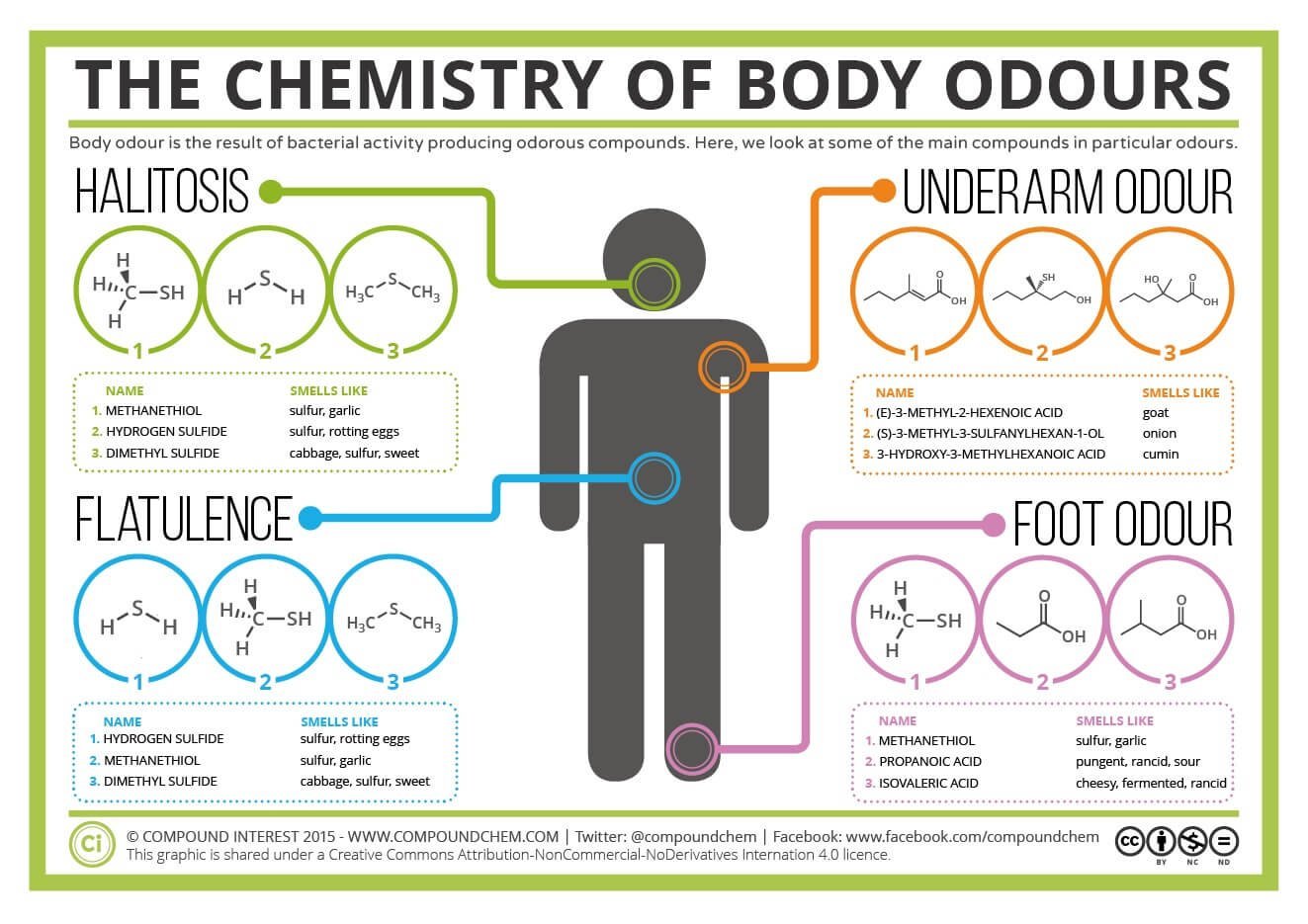
Understanding the biological and environmental factors that contribute to body odor causes is the first step toward managing your personal hygiene effectively. While many people worry that their scent is abnormal, most variations are simply the result of natural skin bacteria interacting with sweat. By identifying the specific triggers for your situation—ranging from dietary choices to underlying medical conditions—you can implement targeted strategies to regain confidence and comfort in your daily life.
Key Takeaways
- Bacteria thrive in moist environments, making regular cleansing of high-sweat areas essential.
- Certain foods, such as garlic, onions, and red meat, can influence the chemical composition of your perspiration.
- Choosing breathable, natural fabrics like cotton or bamboo helps moisture evaporate faster than synthetic alternatives.
- Antiperspirants and deodorants function differently; understanding the distinction helps in selecting the right product.
- Persistent or sudden changes in odor should be evaluated by a healthcare professional to rule out metabolic issues.
Why Does Body Odor Happen?
Body odor isn’t typically caused by sweat itself. Eccrine glands, which cover most of your body, produce a clear, odorless fluid primarily composed of water and salt meant to regulate temperature.
The distinct smell associated with body odor occurs when bacteria that naturally live on your skin break down the proteins found in sweat produced by apocrine glands. These glands are concentrated in your underarms, groin, and scalp. When these bacteria metabolize the nutrient-rich sweat, they produce waste products that emit a pungent smell, which is the primary driver of most body odor concerns.
What Are Common External Triggers?
External factors often dictate the intensity and quality of your scent. Lifestyle habits, hygiene routines, and environmental exposures play a significant role in how bacteria interact with your skin.
Dietary Influences on Scent
Your diet has a direct impact on the chemical compounds excreted through your pores. When you consume foods with high sulfur content or pungent oils, your body breaks them down and releases the byproducts through sweat and breath.
| Food Category | Potential Impact | Recommended Adjustment |
|---|---|---|
| Alliums | Garlic/Onion sulfur compounds | Reduce intake or cook thoroughly |
| Red Meat | Amino acid buildup | Limit consumption to 2-3 times weekly |
| Cruciferous Veggies | Broccoli/Cabbage sulfur | Increase water intake after eating |
| Processed Foods | Additives and preservatives | Prioritize whole, fresh ingredients |
Clothing and Fabric Choices
Synthetic fabrics like polyester and nylon are designed to be moisture-wicking in a way that traps sweat against the skin. This creates a perfect, damp breeding ground for odor-causing bacteria. To combat this, prioritize natural fibers that allow for better airflow.
- Cotton: Highly breathable and absorbent.
- Bamboo: Naturally moisture-wicking and soft.
- Linen: Excellent for warm weather ventilation.
- Merino Wool: Naturally antimicrobial and odor-resistant.
Warning: Avoid wearing the same synthetic workout gear for extended periods after exercise, as the trapped moisture encourages rapid bacterial growth that’s difficult to wash out of plastic-based fibers.
Are Medical Issues Involved?
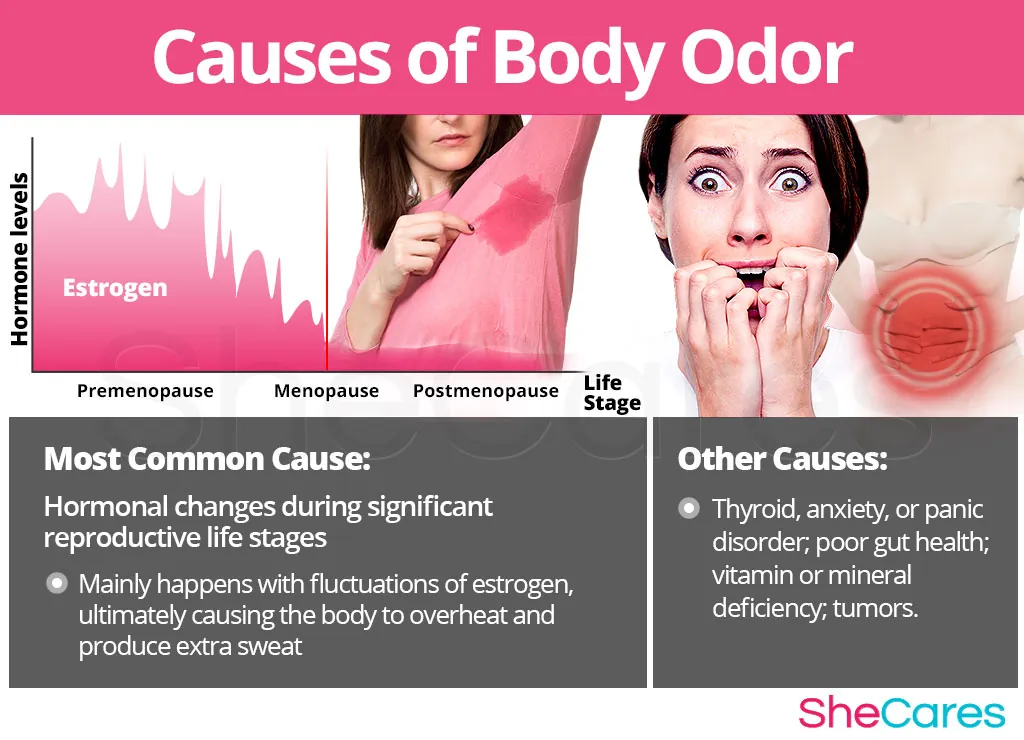
While most body odor is benign, persistent or sudden changes in your scent profile can indicate a health condition. Metabolic disorders, such as trimethylaminuria, prevent the body from breaking down specific compounds, leading to a distinct, fish-like odor. Additionally, hormonal fluctuations during puberty, pregnancy, or menopause can alter the activity of your apocrine glands, potentially increasing the frequency or intensity of body odor.
When to See a Doctor
If you notice a sudden, inexplicable shift in your body odor that doesn’t resolve with improved hygiene, it’s advisable to consult a physician. They can check for underlying concerns such as kidney or liver dysfunction, which can sometimes manifest through skin-based odors. According to the National Institute of Diabetes and Digestive and Kidney Diseases, certain metabolic conditions require professional diagnostic testing to confirm the cause.
How to Manage Odor Daily
Effective management relies on a two-pronged approach: reducing the bacterial load on your skin and controlling the moisture levels in high-sweat zones.
Hygiene Best Practices
Regular washing with antibacterial soap can significantly reduce the bacterial population on your skin. Focus specifically on the armpits and groin, as these areas host the highest density of apocrine glands. Ensure you dry these areas completely after showering, as moisture is the catalyst for bacterial activity.
Pro Tip: Apply your antiperspirant at night before bed rather than in the morning; this allows the active ingredients to plug the sweat ducts while your sweat glands are less active, providing better protection throughout the following day.
Product Selection Strategies
When choosing products, understand the difference between deodorants and antiperspirants. Deodorants are designed to mask scent or alter the skin’s pH to make it less hospitable to bacteria, while antiperspirants contain aluminum-based compounds that physically block sweat ducts.
| Product Type | Primary Function | Best Use Case |
|---|---|---|
| Deodorant | Neutralizes odor/bacteria | Daily use for mild sweat |
| Antiperspirant | Blocks sweat production | High-activity or excessive sweating |
| Clinical Strength | Higher concentration formula | Chronic or heavy perspiration |
Lifestyle Changes for Odor Control
Beyond topical treatments, small adjustments to your daily routine can yield significant results in odor management. Staying hydrated helps dilute the concentration of chemicals in your sweat, making it less likely to produce a strong smell. Furthermore, maintaining a healthy weight can reduce skin folds, which are natural hotspots for bacteria and moisture accumulation. Consistent laundering of your clothing—especially using hot water for gym clothes—is also vital to remove lingering bacteria that may have embedded themselves in the fabric fibers.
Related guides
Frequently Asked Questions
Can stress cause body odor?
Yes, stress causes the body to activate apocrine glands, which produce a thicker, protein-rich sweat. When bacteria on your skin break down this specific type of sweat, it often results in a stronger, more noticeable odor than the sweat produced during physical exercise. This is a common physiological response that can be managed by identifying and mitigating stress triggers in your daily life.
Does shaving help with odor?
Shaving or trimming underarm hair can reduce the surface area available for bacteria to cling to. Hair traps sweat and provides a structure that harbors odor-causing microbes. By removing the hair, you make it easier for soap to reach the skin and for antiperspirants to be applied effectively, which often results in a reduction of persistent odor issues.
Are natural deodorants effective?
Natural deodorants typically rely on ingredients like baking soda, essential oils, or arrowroot powder to neutralize scent and absorb moisture. They don’t contain aluminum, so they don’t stop sweat. Their effectiveness varies significantly between individuals based on personal chemistry. If you have sensitive skin, natural options may be less irritating, but they may require more frequent application throughout the day.
How much does professional treatment cost?
For those with severe, medically diagnosed hyperhidrosis, professional treatments like prescription antiperspirants, Botox injections, or iontophoresis might be recommended. The typical range for these treatments varies widely, from $25 to $1,500 per session depending on the method and whether it’s covered by insurance. Always consult a dermatologist to discuss the most appropriate and cost-effective approach for your specific needs.
Is body odor inherited?
Genetics play a significant role in how much you sweat and the composition of your sweat. Some people are genetically predisposed to produce more sweat or to have a skin microbiome that favors odor-producing bacteria. While you can’t change your genetics, understanding that your body odor may have a biological component can help you focus on consistent management strategies rather than feeling frustrated by your unique physiology.
Conclusion
To begin addressing your specific body odor concerns, audit your current hygiene routine and identify one dietary or clothing habit you can modify this week. Whether it’s switching to natural fiber shirts or adjusting your application of antiperspirant, consistent, small changes are the most effective way to improve your comfort and confidence over the long term.