
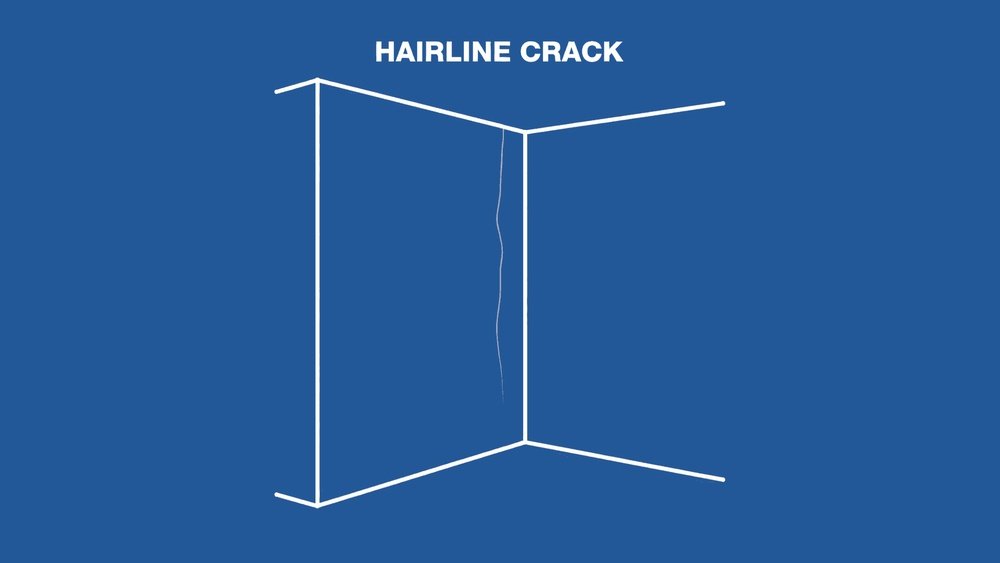
The subtle presence of hairline cracks in walls can be a source of anxiety for homeowners. Often dismissed as minor imperfections, these fine fissures can sometimes signal underlying issues that, if left unaddressed, could lead to more significant structural problems. Understanding when a hairline crack is merely a cosmetic annoyance and when it warrants professional attention is crucial for maintaining the integrity and value of your home. This article will guide you through the common causes of hairline cracks, help you distinguish between benign and concerning signs, and provide actionable advice on how to deal with them effectively, ensuring your home remains a safe and sound investment.
Key Takeaways
- Hairline cracks are often normal, especially in newer homes, due to settling and material expansion/contraction.
- Cracks wider than 1/8 inch, actively growing, or accompanied by other symptoms are cause for concern.
- Common causes include building settlement, moisture fluctuations, poor construction, and temperature changes.
- Location matters: Cracks around windows, doors, or foundations may indicate structural stress.
- Early detection and repair are key to preventing minor issues from becoming major problems.
- Professional assessment is recommended for any crack that causes doubt or exhibits worrying signs.
Understanding Hairline Cracks: When Are They Normal?
The construction and lifespan of a home involve constant, subtle movements. Materials like wood, concrete, and drywall naturally expand and contract with changes in temperature and humidity. Furthermore, newly constructed buildings undergo a process called building settlement, where the foundation and structure gradually adjust to the weight of the building and the surrounding soil. These natural processes can manifest as fine lines on interior and exterior walls, often referred to as hairline cracks.
Generally, hairline cracks that are thin, stable, and do not exhibit significant widening over time are considered normal. They typically appear as very fine lines, often barely visible, and are usually superficial. These cracks are more common in:
- Newer homes: As the structure settles, minor cracking is almost inevitable.
- Areas with significant temperature or humidity swings: For example, cracks might appear or become more noticeable during seasonal changes.
- Plaster walls: Plaster is more prone to developing fine cracks than drywall due to its composition and application.
In my experience, many homeowners panic at the first sight of a wall crack, but it’s essential to approach it with a balanced perspective. Most of these fine lines are simply the building “breathing” and settling into its environment. The key is to differentiate these benign occurrences from signs of more serious issues.
The Science Behind Normal Cracking
Several physical phenomena contribute to the formation of hairline cracks that are considered normal:
- Thermal Expansion and Contraction: Building materials, such as concrete, brick, wood, and drywall, expand when heated and contract when cooled. This constant change in size, driven by daily and seasonal temperature fluctuations, creates internal stresses within the materials. When these stresses exceed the material’s tensile strength, fine cracks can form. This is particularly evident in larger structures or in areas exposed to direct sunlight.
- Moisture Content Changes: Wood framing, in particular, can absorb and release moisture, leading to expansion and contraction. As lumber dries out after construction or due to changes in ambient humidity, it can shrink, causing plaster or drywall to crack along the seams or where it’s fastened.
- Building Settlement: The ground beneath a foundation can shift over time due to soil consolidation, changes in moisture content (drought or heavy rain), or seismic activity. This movement can cause the foundation to settle unevenly, putting stress on the building’s structure and leading to cracks in walls, ceilings, and even floors. While significant settlement is a serious issue, minor, uniform settlement often results in superficial hairline cracks.
- Drying Shrinkage: New concrete and mortar mixtures contain water. As they cure and dry, they shrink slightly. This shrinkage can create internal stresses that result in fine cracks appearing as the material hardens.
:max_bytes(150000):strip_icc()/repair-cracks-in-plaster-walls-1822837-C-a87b2447927047cabaab69415aee6f98.jpg)
Credit: www.thespruce.com
Identifying Concerning Cracks: What To Look For
While hairline cracks can be normal, certain characteristics indicate that a crack might be a symptom of a more serious underlying problem. Vigilance and careful observation are key to distinguishing between a minor cosmetic issue and a structural concern.
Key indicators that a crack is NOT normal include:
- Width: Cracks wider than 1/8 inch (about 3mm) are generally considered more serious. If you can easily fit a coin into the crack, it’s a sign that the material has moved or separated significantly.
- Progression: Cracks that are actively growing or widening over time are a red flag. Monitor cracks by placing a piece of tape across them and marking the ends. If the tape breaks or the crack extends beyond the tape over weeks or months, it indicates ongoing movement.
- Pattern: Diagonal cracks, especially those that run from the corners of windows or doors upwards or downwards, often suggest structural stress. Horizontal cracks in foundation walls can indicate pressure from the soil outside. Stair-step cracks in brickwork can also point to foundation issues.
- Location: Cracks that appear in multiple locations, especially if they are interconnected, or those originating from structural elements like beams, columns, or foundations, warrant closer inspection.
- Associated Symptoms: Cracks accompanied by other signs of distress, such as sticking doors or windows, uneven floors, bulging walls, or water seepage, are almost always indicative of a problem beyond superficial settlement.
A Visual Guide To Crack Types
To help homeowners better identify concerning cracks, here’s a breakdown of common crack types and what they might signify:
- Vertical Cracks:
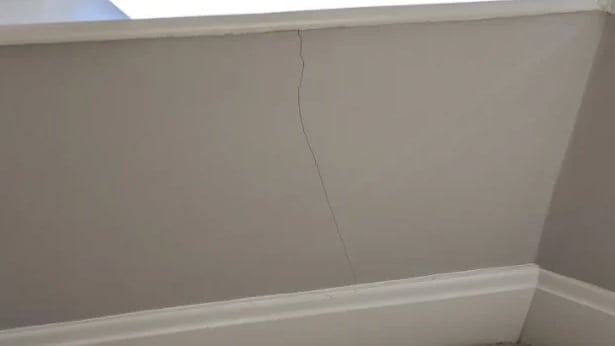
- Normal: Thin, straight vertical cracks in drywall are often due to joint tape shrinkage or minor settling.
- Concerning: Wide vertical cracks, especially near corners or over large spans, could indicate foundation issues or structural stress.
- Horizontal Cracks:
- Normal: Very fine horizontal cracks might appear due to plaster expansion/contraction.
- Concerning: Horizontal cracks in foundation walls are a significant concern, often indicating hydrostatic pressure or improper structural support. In upper walls, they can suggest issues with load-bearing elements.
- Diagonal Cracks:
- Normal: Very fine, short diagonal cracks might occur due to minor settling.
- Concerning: Diagonal cracks, especially those extending from window or door frames, are commonly linked to foundation settlement or structural shifting.
- Stair-Step Cracks:
- Normal: Extremely fine stair-step cracks in mortar joints might be due to minor drying shrinkage.
- Concerning: Wider stair-step cracks in brick or block walls are a strong indicator of foundation movement or differential settlement.
- Cracks Around Openings:
- Normal: Minor hairline cracks extending from the corners of windows and doors can occur due to the stress concentration around these openings during settling.
- Concerning: If these cracks are wide, growing, or accompanied by sticking doors/windows, they can signal more significant structural stress.
Credit: www.geobear.com
Common Causes Of Wall Cracks
Understanding the root causes of wall cracks is essential for effective diagnosis and repair. These causes can range from simple environmental factors to more complex structural issues.
1. Building Settlement
As mentioned, building settlement is a primary culprit for cracks, especially in the first few years of a home’s life. The weight of the building compresses the soil beneath it, causing a gradual sinking. When this settlement is uneven, it creates stresses that can lead to cracks.
- Factors influencing settlement: Soil type, soil moisture content, drainage around the foundation, and the quality of the initial construction all play a role.
- Repair: Minor settlement cracks may be cosmetic. However, significant or ongoing settlement may require foundation repair, such as underpinning or soil stabilization.
2. Moisture Fluctuations
Water is a powerful force that can significantly impact building materials.
- Expansion and Contraction: Wood framing absorbs moisture and swells, then shrinks as it dries. This movement can push against drywall or plaster, causing cracks. High humidity can cause paint to blister, and subsequent drying can lead to cracks in the underlying material.
- Water Damage: Leaking pipes, roof leaks, or poor drainage can saturate walls, weakening plaster and drywall and leading to cracks and deterioration. This is particularly concerning if you see efflorescence (a white, powdery residue) on masonry, indicating water penetration.
- Repair: Address the source of moisture first. This might involve fixing leaks, improving ventilation, or enhancing exterior drainage. Then, repair the damaged wall sections.
3. Temperature Changes
Similar to moisture, temperature changes cause materials to expand and contract.
- Seasonal Cycles: Significant temperature shifts between seasons can exacerbate minor cracks.
- Direct Sunlight: Walls exposed to direct sunlight experience greater temperature fluctuations, increasing the likelihood of thermal cracking.
- Repair: While difficult to prevent entirely, using flexible fillers and paints can help accommodate minor movement. For larger issues, insulation and proper building envelope design are key.
4. Poor Construction Or Materials
Sometimes, cracks are a direct result of how the house was built or the quality of the materials used.
- Improper Drywall Installation: If drywall panels are not adequately supported, or if joints are not taped and mudded correctly, cracks can form along the seams.
- Substandard Plastering: In older homes, plaster applied too thinly or over improperly prepared lath can lead to cracking.
- Concrete Issues: Cracks in concrete foundations or slabs can result from improper mixing, inadequate curing, or insufficient reinforcement.
- Repair: This often requires professional assessment and repair, potentially involving re-doing sections of drywall, plaster, or concrete work.
5. Environmental Factors
- Vibrations: Heavy traffic nearby, construction, or even seismic activity can cause vibrations that lead to cracking.
- Tree Roots: Large tree roots growing near the foundation can exert pressure, leading to foundation movement and cracks.
- Repair: Addressing environmental factors might involve landscaping changes, vibration dampening measures, or, in severe cases, structural reinforcement.

Credit: buckeyebasementsolutions.com
When To Call A Professional
While DIY repairs are often sufficient for minor hairline cracks, there are clear scenarios where professional expertise is indispensable. Relying on a qualified professional ensures that the underlying cause is correctly identified and addressed, preventing future damage and potential safety hazards.
You should consult a professional if you observe any of the following:
- Wide or Deep Cracks: Any crack exceeding 1/8 inch in width, or one that appears deep and penetrates the wall material, warrants expert evaluation.
- Active or Growing Cracks: If a crack is clearly widening, lengthening, or showing signs of new growth, it indicates ongoing movement that needs professional diagnosis.
- Diagonal or Stair-Step Cracks: These patterns, particularly in brickwork or around openings, strongly suggest structural or foundation issues.
- Horizontal Cracks in Foundation Walls: This is a critical warning sign of significant pressure on the foundation.
- Multiple Interconnected Cracks: A network of cracks can indicate widespread stress within the building’s structure.
- Cracks Accompanied by Other Issues: Sticking doors/windows, sagging floors, bulging walls, or water intrusion alongside cracks are serious indicators.
- Unease or Uncertainty: If you are simply unsure about the severity of a crack or its potential implications, it is always best to err on the side of caution and seek a professional opinion.
Who To Call?
The type of professional you need depends on the suspected cause of the crack:
- Structural Engineer: For complex structural issues, foundation problems, or widespread cracking, a structural engineer can provide an unbiased assessment and design appropriate repair solutions.
- Foundation Repair Specialist: If the diagnosis points to foundation settlement or damage, a specialized contractor can implement repairs like underpinning, crack injection, or stabilization.
- General Contractor or Reputable Handyman: For minor, superficial cracks that have been assessed and deemed non-structural, a skilled contractor can perform the necessary repairs, such as patching, filling, and repainting.
- Home Inspector: If you are buying or selling a property and want a general assessment of the home’s condition, including wall cracks, a home inspector can be valuable.
Example Case Study: The Millers’ Home Foundation
The Miller family noticed several diagonal cracks appearing around their newly installed picture window. Initially, they considered filling them, but the cracks seemed to widen slightly each month. Concerned, they hired a structural engineer. The engineer’s assessment revealed that the soil beneath that corner of the house had poor compaction, leading to uneven settlement. The solution involved targeted foundation underpinning to stabilize the affected area. After the underpinning was completed, the cracks were professionally repaired and have not reappeared, saving the Millers from potential future structural damage.
Repairing Hairline Cracks: Diy Vs. Professional
The approach to repairing hairline cracks depends largely on their cause and severity. Minor, non-structural cracks can often be addressed with DIY methods, while more significant issues require professional intervention.
Diy Repair Methods For Minor Cracks
For hairline cracks that are deemed cosmetic and stable, several DIY methods can effectively restore the wall’s appearance.
- Cleaning and Preparation:
- Gently clean the crack to remove any dust, debris, or loose paint. A soft brush or vacuum cleaner attachment works well.
- If the crack is slightly wider than a hairline, you might need to widen it slightly with a putty knife or a utility knife to create a better surface for the filler to adhere to. This is sometimes called “veining” the crack.
- Wipe the area with a damp cloth and allow it to dry completely.
- Filling the Crack:
- Spackling Compound/Wall Putty: For very fine cracks in drywall or plaster, a lightweight spackling compound is often sufficient. Apply it with a flexible putty knife, pressing it gently into the crack. Smooth the surface flush with the wall.
- Caulk: For cracks that might experience slight movement (e.g., near window or door frames), an acrylic latex caulk is a good choice. It remains flexible after drying. Apply a bead of caulk into the crack, then smooth it with a damp finger or cloth.
- Joint Compound (Mud): For slightly wider or deeper hairline cracks, or those in drywall joints, joint compound might be necessary. Apply it carefully with a putty knife, ensuring it fills the crack completely.
- Sanding and Finishing:
- Once the filler or caulk is completely dry (check product instructions for drying times), lightly sand the area smooth using fine-grit sandpaper (e.g., 120-220 grit). Be careful not to over-sand, which can create a depression.
- Wipe away the dust with a tack cloth or damp cloth.
- Priming and Painting:
- Apply a coat of primer over the repaired area. This seals the filler and ensures a uniform finish when you paint.
- Once the primer is dry, paint the wall to match the surrounding area. You may need to paint the entire wall from corner to corner to avoid noticeable patches.
When Professional Repair Is Necessary
As discussed earlier, professional repair is crucial for cracks that indicate structural problems.
- Diagnosis: Professionals will first diagnose the root cause. This might involve visual inspection, using specialized tools, or even recommending a structural engineer.
- Structural Repairs: This could involve foundation stabilization, reinforcement of structural elements, or addressing water intrusion issues. These are complex jobs requiring specialized skills and equipment.
- Specialized Filling Techniques: For larger cracks or those in concrete, professionals might use epoxy injection or polyurethane foam injection. These methods not only fill the crack but can also bond the material back together, restoring structural integrity.
- Plaster and Stucco Repair: Repairing extensive damage to plaster or stucco requires specific techniques and materials to ensure a seamless and durable finish.
- Cost Consideration: While DIY repairs are inexpensive, professional repairs can range from a few hundred dollars for minor crack sealing to thousands for major foundation work. However, the cost of professional repair is often far less than the cost of addressing the damage caused by neglecting a serious issue.
Data Insight: According to HomeAdvisor, the average cost to repair foundation cracks ranges from $500 to $2,500, with some complex repairs exceeding $5,000. This highlights the potential financial implications of ignoring significant cracking.
Maintenance Tips To Prevent Future Cracks
Preventing cracks is always better than repairing them. Regular maintenance can significantly reduce the likelihood of developing new cracks and help identify potential issues early.
- Monitor Humidity Levels: Maintain consistent indoor humidity levels, ideally between 30% and 50%, using humidifiers or dehumidifiers as needed. This minimizes wood expansion and contraction.
- Ensure Proper Drainage: Keep gutters clean and ensure downspouts direct water away from the foundation. Grade the soil around your house so it slopes away from the foundation.
- Regular Inspections: Periodically inspect your home’s interior and exterior walls, paying attention to areas around windows, doors, and the foundation. Look for new cracks or changes in existing ones.
- Address Leaks Promptly: Fix any plumbing leaks, roof leaks, or issues with exterior cladding immediately to prevent water damage to walls.
- Manage Landscaping: Keep large trees and shrubs a reasonable distance from the foundation to prevent root damage.
- Seal Exterior Cracks: Seal any cracks or gaps in the exterior walls, particularly around windows and doors, to prevent water penetration.
Frequently Asked Questions
What Is The Difference Between A Hairline Crack And A Structural Crack?
A hairline crack is typically very fine, often less than 1/16th of an inch wide, and usually superficial. It doesn’t compromise the structural integrity of the wall and is often caused by normal building settlement, material expansion/contraction, or drying shrinkage. A structural crack, on the other hand, is usually wider (often over 1/8th inch), deeper, and indicates movement or stress within the building’s foundation or structural elements. These cracks can compromise the safety and stability of the home and require professional attention.
How Often Should I Inspect My Walls For Cracks?
It’s advisable to conduct a visual inspection of your walls at least twice a year, typically in the spring and fall, coinciding with seasonal temperature and humidity changes. Pay close attention after significant weather events, such as heavy rains, droughts, or seismic activity. Regular monitoring allows you to catch developing issues early.
Can I Repair Hairline Cracks Myself?
Yes, minor, stable hairline cracks that are purely cosmetic can often be repaired effectively using DIY methods. This typically involves cleaning the crack, filling it with spackling compound or acrylic caulk, sanding smooth, priming, and painting. However, if you are unsure about the cause or severity of the crack, it’s always best to consult a professional first.
What Happens If I Ignore A Crack In My Wall?
Ignoring a crack can have varying consequences depending on its cause. If it’s a benign hairline crack, ignoring it might simply mean living with a minor cosmetic imperfection. However, if the crack is a symptom of a larger issue like foundation settlement or water damage, ignoring it can lead to worsening structural damage, increased repair costs, potential safety hazards, and a decrease in your home’s value. Water intrusion through cracks can also lead to mold growth and compromised insulation.
Is Plaster Or Drywall More Prone To Cracking?
Both plaster and drywall can crack, but they do so for slightly different reasons and exhibit cracks differently. Plaster, especially older plaster applied over lath, is more prone to developing a network of fine, random cracks due to its inherent brittleness and the potential for lath movement or deterioration. Drywall (gypsum board) is more prone to cracking along seams if the tape and joint compound are not applied correctly, or where panels meet due to framing movement. However, modern plaster systems and well-installed drywall are quite durable. The underlying causes of stress, such as settlement or moisture, are the primary drivers for cracking in both materials.
The presence of cracks in your home’s walls, whether hairline or more significant, should never be entirely dismissed. While many fine fissures are a normal part of a building’s life cycle, they serve as important indicators of the home’s structural health.
By understanding the common causes, recognizing the warning signs of serious issues, and knowing when to seek professional help, you can effectively manage and repair wall cracks. Regular maintenance and prompt attention to any signs of distress will ensure your home remains a secure, stable, and valuable asset for years to come.