

Dealing with a space that has become unpleasant is a common homeowner challenge, and when you find that your basement smells bad, it usually points to an issue with moisture, stagnant air, or organic decay. Addressing these odors requires a systematic approach to identify the source, neutralize the scent, and implement long-term prevention strategies to ensure your home remains fresh and healthy.
Key Takeaways
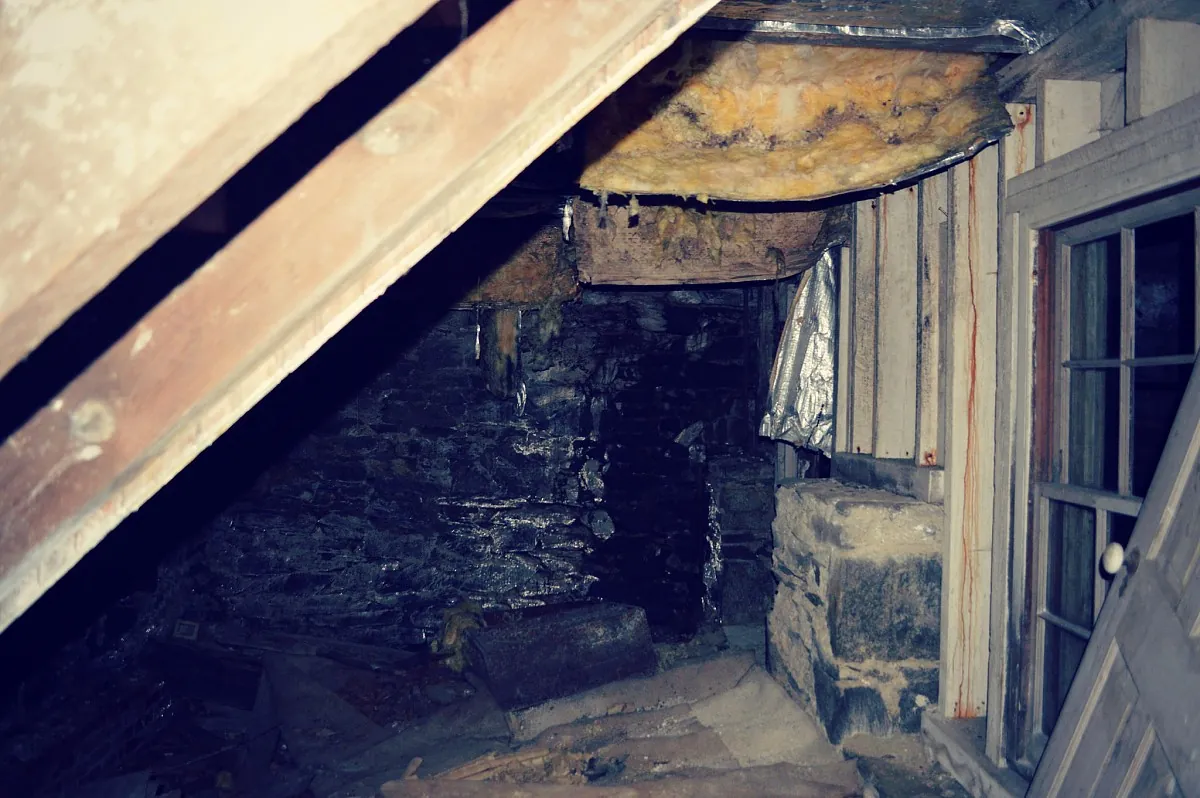
- Identify the source of the odor, which is most frequently excess humidity or mold growth.
- Clean all surfaces using a mix of mild soap and water or specialized anti-mold cleaners.
- Improve ventilation by using dehumidifiers and cleaning out floor drains.
- Check for plumbing leaks or sewer line breaches that may cause persistent, foul smells.
- Seal cracks in the foundation to prevent moisture intrusion from the surrounding soil.
Why Does My Basement Smell?
The most common reason for a basement to develop an odor is excessive moisture. Basements are naturally prone to dampness due to their location below ground level, where they’re susceptible to groundwater seepage and condensation. When moisture levels remain high, it creates the ideal environment for mold and mildew to thrive, which releases musty, earthy odors. Other culprits include stagnant water in floor drains, decaying organic matter trapped in carpets, or even small animal intrusions.
Common Sources of Basement Odors
| Source Category | Typical Odor Profile | Primary Cause |
|---|---|---|
| Biological Growth | Musty, damp, earthy | High humidity, mold, mildew |
| Plumbing Issues | Rotten eggs, sewage | Dry P-traps, sewer line leaks |
| Structural Issues | Damp, metallic, or chemical | Foundation cracks, soil seepage |
| Household Items | Stale, dusty, or rotting | Old cardboard, wet carpet, trash |
Addressing Moisture and Humidity
Managing the moisture content in your basement is the most effective way to eliminate odors. If your basement feels clammy or smells like a damp basement, your relative humidity is likely above 60 percent.
The United States Environmental Protection Agency recommends keeping indoor humidity levels between 30 and 50 percent to discourage mold growth. Use a high-quality dehumidifier to actively pull moisture from the air, ensuring you empty the reservoir regularly or connect it to a floor drain for continuous operation.
Pro Tip: Always position your dehumidifier in the center of the room or near the area with the most airflow to maximize its coverage and efficiency.
Troubleshooting Your Floor Drains
A common, yet often overlooked, source of foul basement odors is a dry floor drain. Every floor drain should have a P-trap, which is a U-shaped pipe designed to hold a small amount of water. This water acts as a seal, preventing sewer gases from rising into your basement.
If the water in this trap evaporates, the barrier is broken, allowing unpleasant smells to enter. To fix this, simply pour a quart of water into the drain to refill the trap. If the smell persists, you may have a blockage further down the pipe that requires professional cleaning.
Inspecting for Plumbing Leaks

If you notice a sharp or persistent chemical or sewage-like odor, you may have a plumbing failure. Inspect all exposed pipes, looking for signs of corrosion, dampness around joints, or active drips. Even a slow, pinhole leak can soak into concrete or insulation, creating a breeding ground for bacteria. Furthermore, check the base of your basement toilet or laundry sink. If the wax ring or sealant has failed, sewage gases can leak into the room.
Plumbing Maintenance Checklist
- Check all exposed pipe joints for moisture or oxidation.
- Examine the laundry tub drain for hair or soap scum buildup.
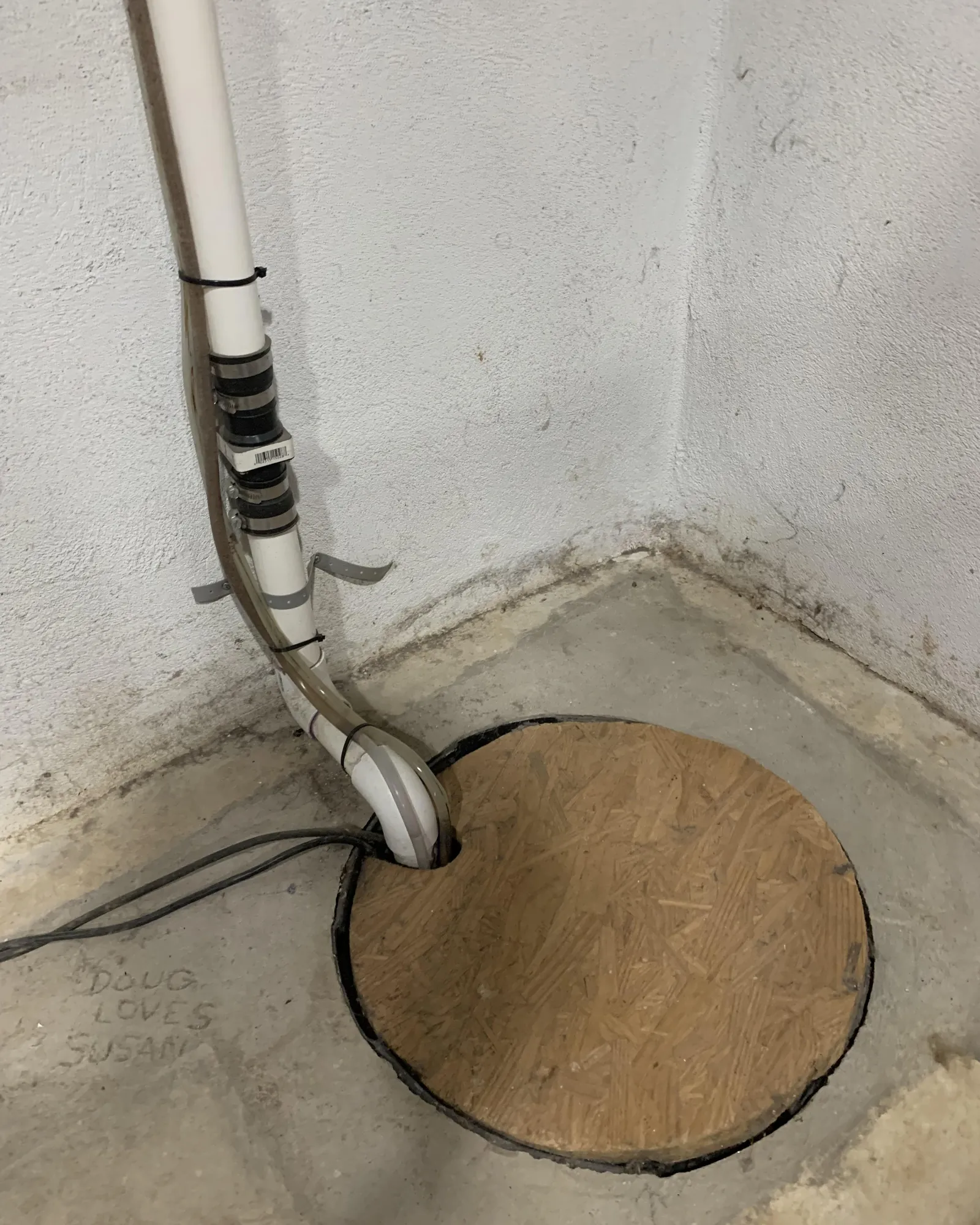
- Verify that the sump pump pit is covered and not emitting odors.
- Inspect the hot water heater for signs of leaks or rust.
Cleaning and Neutralizing Odors
Once you have addressed the source of the moisture or the leak, you must clean the area to remove the lingering smell. Avoid using heavy perfumes or scented sprays, as these only mask the odor rather than eliminating it. Instead, use cleaners that break down the organic compounds causing the smell.
Recommended Cleaning Supplies
- White distilled vinegar for killing mold spores on non-porous surfaces.
- Baking soda for absorbing odors from carpets and fabric.
- Enzymatic cleaners designed to break down organic matter in floor drains.
- Hydrogen peroxide for sanitizing surfaces affected by mildew.
Managing Organic Material Storage
Basements are often used for storage, but cardboard boxes and old textiles are moisture magnets. Cardboard absorbs humidity from the air, which encourages mold to grow on the paper fibers. Once mold establishes itself in cardboard, it will continue to smell even if the basement is dried out.
Replace all cardboard storage with airtight plastic bins. If you have carpet in your basement, consider replacing it with hard flooring like vinyl or sealed concrete, as carpets are notoriously difficult to fully clean if they have ever been exposed to significant moisture.
Foundation and Exterior Maintenance
Sometimes the smell is coming from the outside in. If your basement smells bad because of constant water seepage, you need to look at your exterior drainage. Ensure that your gutters are clean and that the downspouts direct water at least six feet away from your foundation.
If water pools against your exterior walls, it will eventually seep through the concrete, bringing soil odors and dampness into your living space. Grading the soil away from your foundation is a critical step in keeping the basement dry and odor-free.
External Drainage Solutions
- Install gutter extensions to move water away from the house.
- Clear debris from window wells to prevent water buildup.
- Repair cracks in the foundation wall using hydraulic cement.
- Apply a waterproof sealant to the interior basement walls.
Troubleshooting Persistent Odors
If you have addressed the humidity, checked the drains, and cleaned the space, but the smell remains, you might be dealing with trapped odors in insulation or wall cavities. In some cases, rodents or insects may have died in inaccessible areas.
If you suspect an animal issue, it may be necessary to have a professional pest control service inspect the perimeter of your home. Additionally, if the smell is strictly musty, consider having a professional perform a mold assessment to see if there’s an infestation behind the drywall.
How Much Does Remediation Cost?
The price to address basement odors varies significantly based on the root cause and the severity of the issue. Simple fixes like purchasing a dehumidifier or cleaning drains typically cost between $150 and $450. If you require professional plumbing repairs or basement waterproofing, you should expect to pay between $1,200 and $7,500 depending on the scope of the work. Mold remediation services generally range from $1,500 to $6,000 for a standard basement area.
Related guides
Frequently Asked Questions
Can I use bleach to remove basement odors?
Bleach is generally not recommended for porous surfaces like wood or drywall because it only kills surface mold and doesn’t penetrate deep enough to stop root growth. It can also be hazardous to your health when used in poorly ventilated areas. Instead, use a specialized mold-killing cleaner or a mixture of vinegar and water to effectively neutralize mold spores and odors.
Why does my basement smell worse when it rains?
When it rains, the water table around your foundation rises, increasing hydrostatic pressure. This force pushes moisture through microscopic cracks in your concrete walls and floor. This process, known as capillary action, brings soil gases and damp, musty air into your basement. Improving your exterior drainage and sealing foundation cracks can significantly reduce these weather-related odors.
Is a musty basement dangerous to my health?
A musty smell usually indicates the presence of mold, which can trigger allergic reactions, asthma attacks, or irritation in the eyes, skin, and throat. While not all mold is toxic, prolonged exposure to high concentrations of mold spores isn’t healthy for anyone. If you notice persistent respiratory symptoms when you spend time in the basement, it’s important to address the mold issue immediately.
Should I use an ozone generator?
Ozone generators are sometimes marketed for odor removal, but they can be harmful to humans, pets, and even indoor plants if used incorrectly. They work by oxidizing organic materials, but they don’t solve the underlying moisture problem causing the smell. Because of the safety risks involved with high levels of ozone, it’s generally better to focus on source removal and ventilation instead.
How do I know if my basement has a sewer leak?
A sewer leak is usually accompanied by a very distinct, pungent rotten egg odor that doesn’t go away with ventilation. You might also notice damp spots near floor drains or toilets, or hear gurgling sounds when you flush or use a sink. If you suspect a sewer line breach, call a licensed plumber immediately, as this can pose serious health risks and structural damage.
Warning: Never mix cleaning products, especially bleach and ammonia, as this creates toxic gases that are extremely dangerous to inhale in confined basement spaces.
Conclusion
To resolve your basement issues, start by purchasing a reliable hygrometer to measure your current humidity levels, as this will confirm if moisture is indeed the primary culprit. Once you have a baseline reading, prioritize cleaning out your floor drains and ensuring that your dehumidifier is running effectively. By systematically eliminating the source of the dampness today, you’ll prevent the odor from returning.