
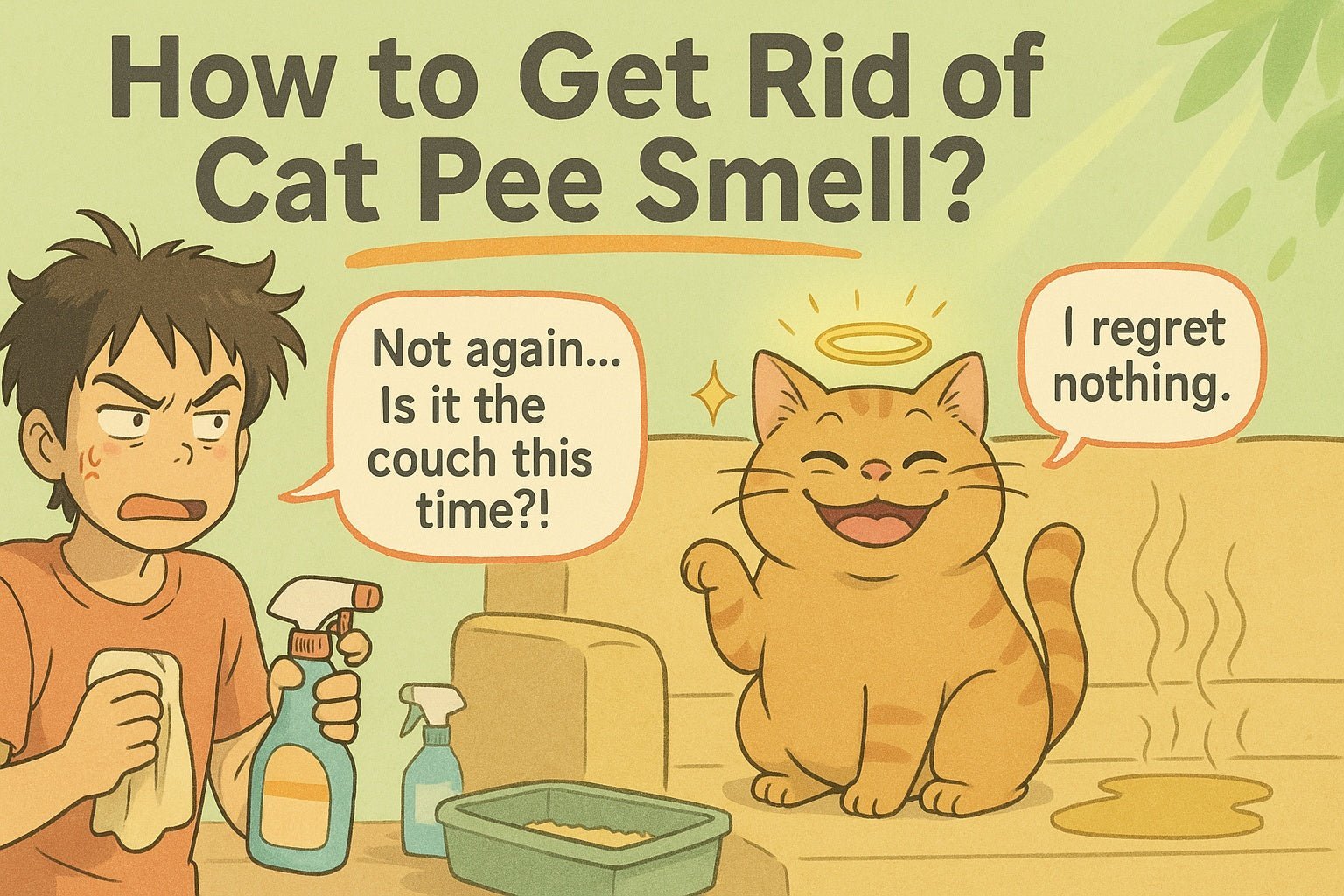
Opening a basement and catching that sharp ammonia tang is one of the most frustrating smells a homeowner can face. If your basement smells like cat pee, the first instinct is usually to look for the litter box or a hidden accident—but the odor often has nothing to do with a pet. Cat urine contains urea, which bacteria break down into ammonia, and several basement problems produce that same chemical signature. Mold growing on damp drywall, certain types of sewer gas, decomposing organic matter, and even old pet stains trapped under carpet padding can all create a nearly identical stench. Finding the real source is the only way to get rid of it for good.
Key Takeaways
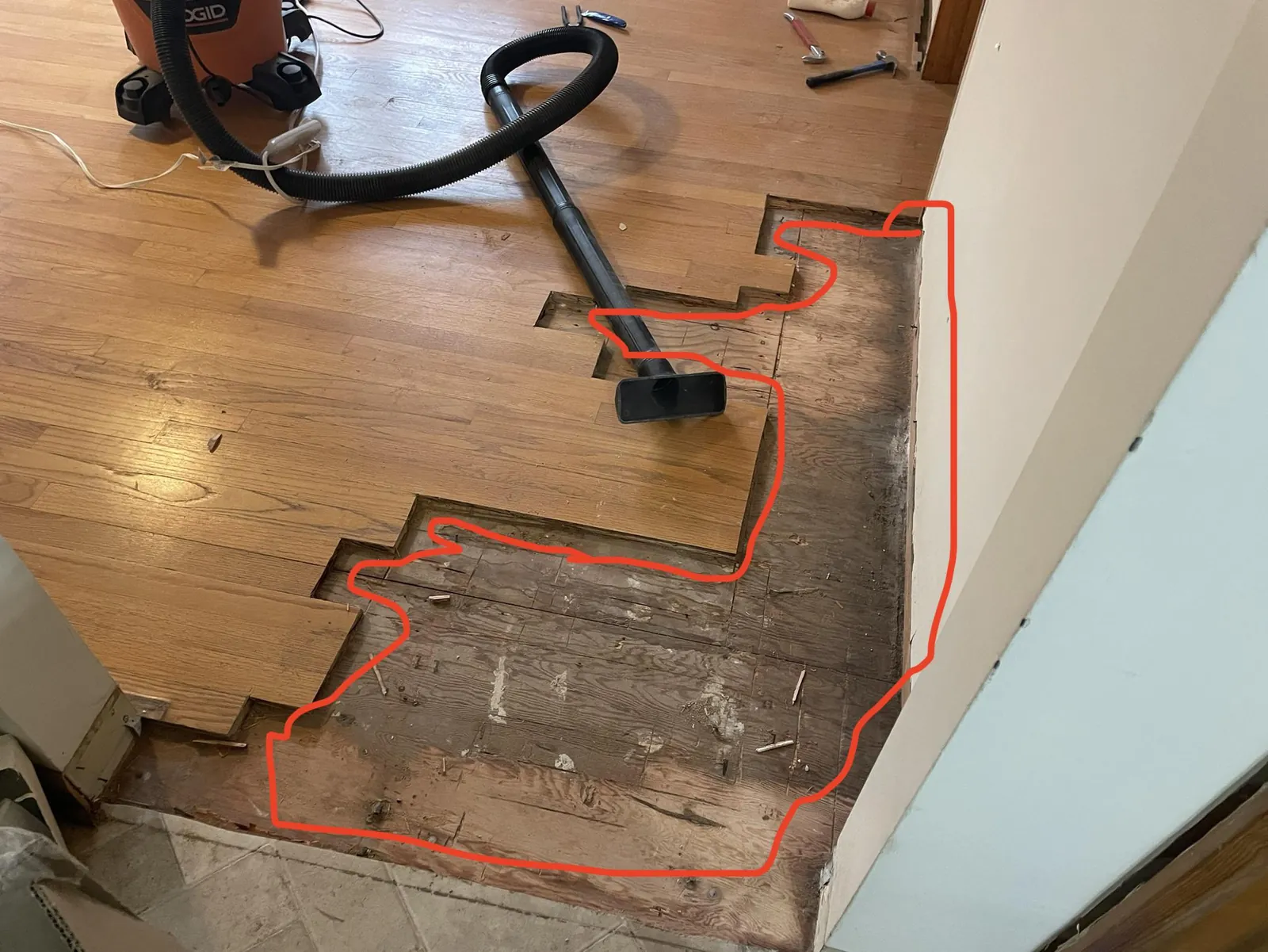
- Check for hidden pet stains under carpet, padding, and behind baseboards before assuming the smell is structural.
- Test for mold and sewer gas if no cat has ever lived in the house; both can mimic urine odor.
- Use an enzymatic cleaner on confirmed urine stains, not just soap or bleach, which can set the smell.
- Run a dehumidifier to keep basement humidity below 60 percent and stop mold-related odors from returning.
- Call a plumber if you smell sewer gas near floor drains, or an electrician if the odor smells like burning near outlets.
Common Causes That Smell Like Cat Urine
Hidden Pet Stains
Even if your cat no longer uses the basement, old accidents can linger for years. Urine soaks through carpet into the padding and subfloor, where it crystallizes. Humidity reactivates those crystals and releases the ammonia smell all over again. Look for discoloration on carpet edges, baseboards, and the underside of stored boxes.
Mold and Mildew
Certain molds growing on damp drywall, insulation, or concrete emit microbial volatile organic compounds that smell strikingly like cat urine. A musty basement with recent water intrusion, condensation on pipes, or a history of flooding is a prime suspect. Unlike pet stains, mold odor usually gets worse after rain or when the HVAC fan runs.
Sewer Gas
Dry floor drains, cracked sewer lines, or a failed wax ring under a basement toilet can release sewer gas into the room. Some components of sewer gas produce an ammonia-like note that people mistake for cat pee. The smell is often strongest near drains, sump pits, or washing machine hookups.
Decomposing Organic Matter
Dead rodents, insects, or bird nests trapped in wall voids or crawl spaces release putrescine and cadaverine as they break down. In a confined basement, that decay can smell sharp and urine-like, especially in warm weather.
Electrical Issues
Overheating wire insulation, failing ballasts, or melting plastic near outlets can release an acrid odor. It’s less common than the causes above, but if the smell seems to come from a specific wall, switch, or appliance, treat it as a potential fire hazard and shut off power to that area.
Where to Look First
Start with the floor. Pull back carpet corners and check the padding underneath. Lift storage boxes and inspect the concrete behind them. Look at baseboards and the bottom of drywall for staining or soft spots.
Check floor drains and the sump pit for standing water or dry traps. Sniff around the water heater, furnace, and washer, since leaks from any of these can feed mold growth. If you have a basement bathroom, inspect the toilet base and shower caulk for failed seals.
How to Confirm the Source
Black Light Inspection
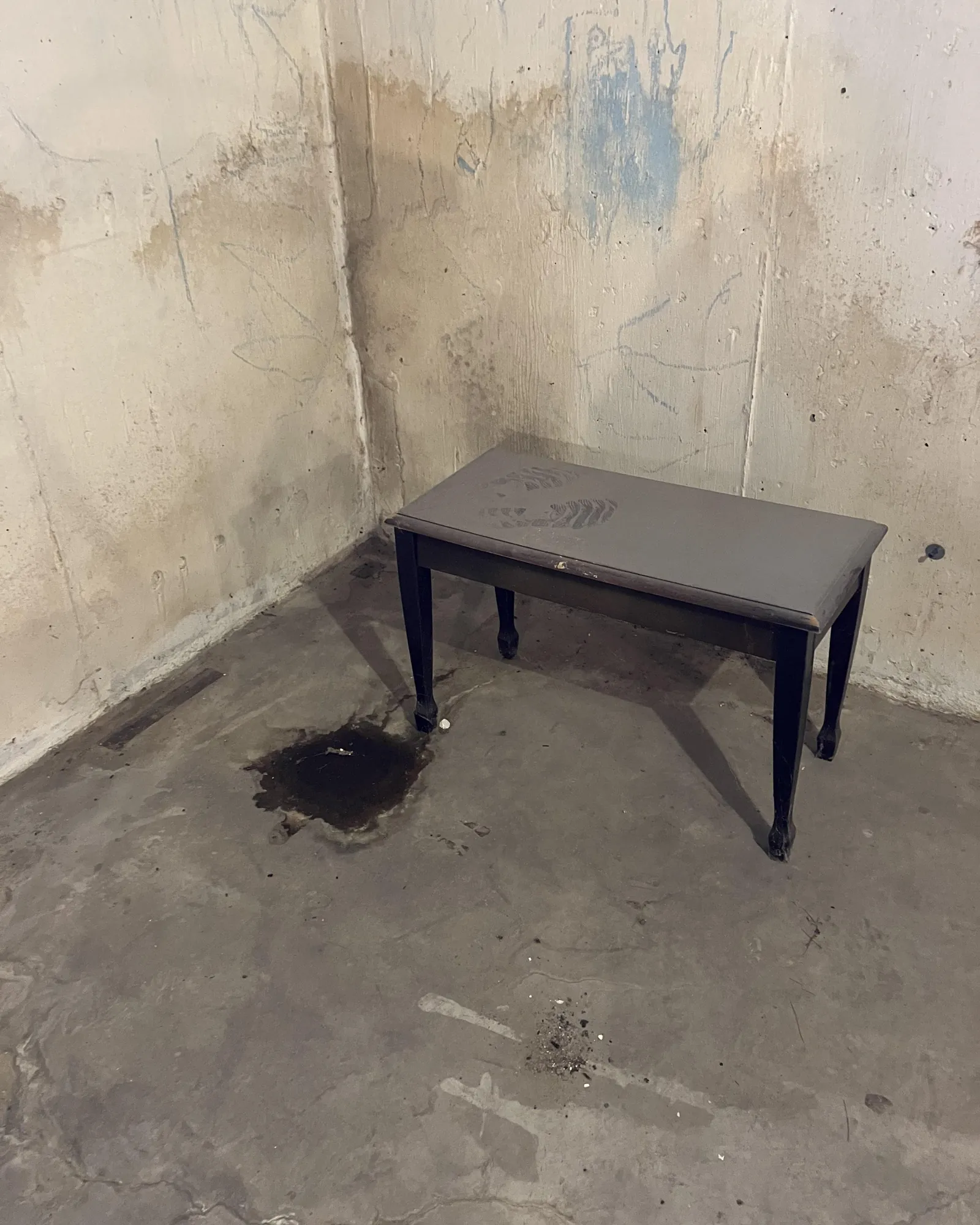
Cat urine fluoresces under ultraviolet light. Turn off all basement lights and scan floors, walls, and stored items with a black light. Urine stains typically glow yellow-green. This works best on carpet and concrete, though some cleaners and detergents also fluoresce, so confirm any hits with a sniff test.
Moisture Meter
Pinless moisture meters read dampness behind drywall and under flooring without making holes. Readings above normal baseline levels suggest a leak or condensation problem that could be feeding mold. If you find wet materials, the odor is likely microbial rather than from urine.
Sewer Gas Check
Pour water down every basement floor drain to refill dry P-traps. If the smell fades within a day or two, a dry trap was probably the culprit. If it persists, a plumber can smoke-test the drain line to find cracks or venting problems.
Cleaning Steps That Actually Work
Step 1: Remove the Source
Discard saturated carpet, padding, or cardboard boxes. You can’t deodorize padding that has absorbed urine; it must be replaced. Bag contaminated items and remove them from the house immediately.
Step 2: Clean Hard Surfaces
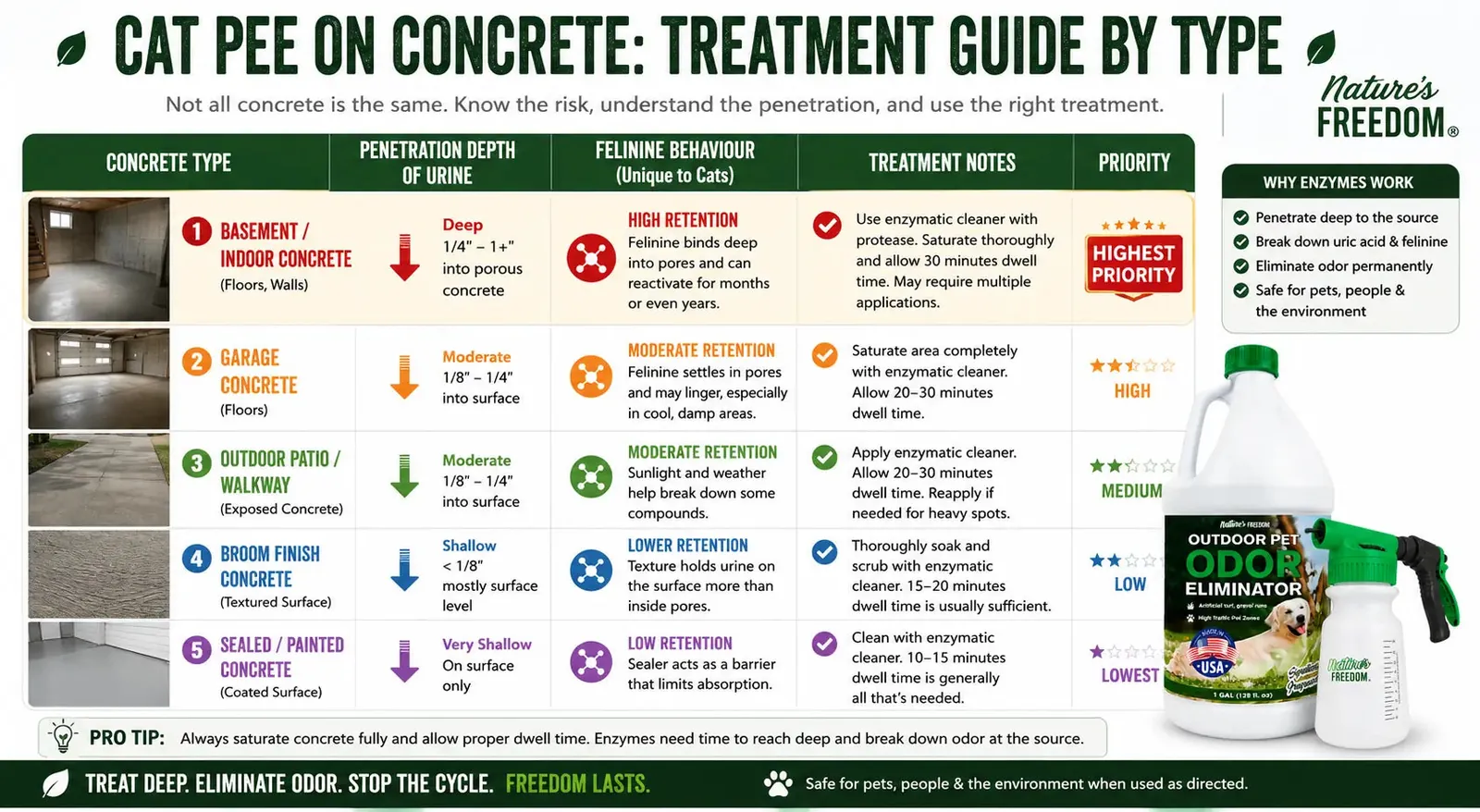
Scrub concrete floors with a trisodium phosphate (TSP) solution or a concrete cleaner, then rinse and let dry completely. For walls, use a mild detergent and water. Avoid bleach on urine stains; bleach can react with ammonia and create irritating fumes without eliminating the odor source.
Step 3: Apply an Enzymatic Cleaner
Enzymatic cleaners break down uric acid crystals rather than masking them. Saturate the affected area fully, then let it air dry. Reapply if the smell returns after the first treatment. Nature’s Miracle and Rocco & Roxie are widely available brands formulated for pet stains.
Step 4: Dry the Space
Set up fans and a dehumidifier. Run the dehumidifier until basement humidity stays below 60 percent. Dampness is what reactivates old stains and fuels mold, so moisture control is non-negotiable.
Step 5: Seal Concrete if Needed
If the odor persists after cleaning, a concrete sealer can block residual odors from migrating upward. Apply only after the floor is completely dry and clean.
Products to Consider
| Product Type | What It Does | Typical Use |
|---|---|---|
| Enzymatic cleaner | Breaks down uric acid | Confirmed urine stains on carpet or concrete |
| Black light | Reveals dried urine stains | Locating hidden accidents |
| Dehumidifier | Removes air moisture | Preventing mold reactivation |
| Moisture meter | Detects damp building materials | Finding hidden leaks |
| Concrete sealer | Blocks odor migration | Sealed basement floors after cleaning |
When to Call a Professional
Plumber
Call a plumber if the smell concentrates near floor drains, the sump pit, or a basement bathroom, and pouring water into drains doesn’t help. A sewer line camera inspection or smoke test can locate breaks that aren’t visible.
Mold Remediator
If mold covers more than ten square feet, or if you find it inside walls and insulation, hire a certified remediator. Disturbing large mold colonies without containment can spread spores through the house.
Electrician
If the odor smells acrid or burning and seems tied to a specific outlet, switch, or appliance, turn off the circuit and call an electrician. Electrical odors can indicate overheating wiring and a fire risk.
Prevention: Keep the Smell From Coming Back
- Keep basement humidity between 30 and 50 percent with a dehumidifier.
- Fix plumbing leaks and foundation seepage within 24 to 48 hours.
- Pour water into unused floor drains monthly to keep traps filled.
- Store items on plastic shelving off the floor, not in cardboard boxes on concrete.
- Clean the litter box daily if cats use the basement, and replace box liners regularly.
- Inspect washer hoses, water heater connections, and sump pump operation every season.
Pro Tip: If you find one urine stain, assume there are more. Cats return to spots that still smell like urine to them, even when humans can’t detect it anymore. Treat the whole area, not just the visible spot.
Warning: Never mix bleach with ammonia-based cleaners or urine. The combination creates chloramine gas, which is toxic and can cause serious respiratory irritation.
Cost Estimates
| Task | Typical Cost Range |
|---|---|
| Enzymatic cleaner (one gallon) | $20–$45 |
| Black light flashlight | $15–$35 |
| Dehumidifier for basement | $150–$400 |
| Moisture meter | $25–$100 |
| Plumber drain inspection | $150–$350 |
| Mold remediation (small area) | $500–$1,500 |
| Carpet and padding replacement | $2–$8 per square foot |
Related guides
- How to Remove Solid Stain From Wood Deck: Step-by-Step Guide in 2026
- How to Remove Mold From Wood Furniture: A Step-by-Step Guide in 2026
- How to Remove JB Weld: Proven Removal and Cleaning Methods in 2026
Frequently Asked Questions
Can mold really smell exactly like cat pee?
Yes. Some molds release gases during growth that produce an ammonia-like odor very similar to cat urine, especially in damp basements with drywall or insulation.
Will bleach get rid of the smell?
No. Bleach can react with urine to create irritating fumes, and it doesn’t break down uric acid crystals. An enzymatic cleaner works better for pet stains.
How do I tell if it’s sewer gas or cat urine?
Sewer gas odor is usually strongest near floor drains, sump pits, or toilets. Pouring water into dry drains often solves it quickly. Cat urine odor tends to concentrate on carpets, baseboards, or stored items.
Does a black light always find cat urine?
Not always. Some detergents and cleaners also fluoresce under UV light, so a glow should be confirmed by smell and location before treating it as urine.
How long does it take to get rid of the smell?
Minor surface stains may clear in a day or two with enzymatic cleaner and drying. Deep subfloor contamination or mold can take weeks and may require removing flooring or drywall.
Conclusion
If you can’t find the source after checking floors, drains, and walls, your next step is to buy a black light and a moisture meter, or call a plumber for a sewer gas inspection.