
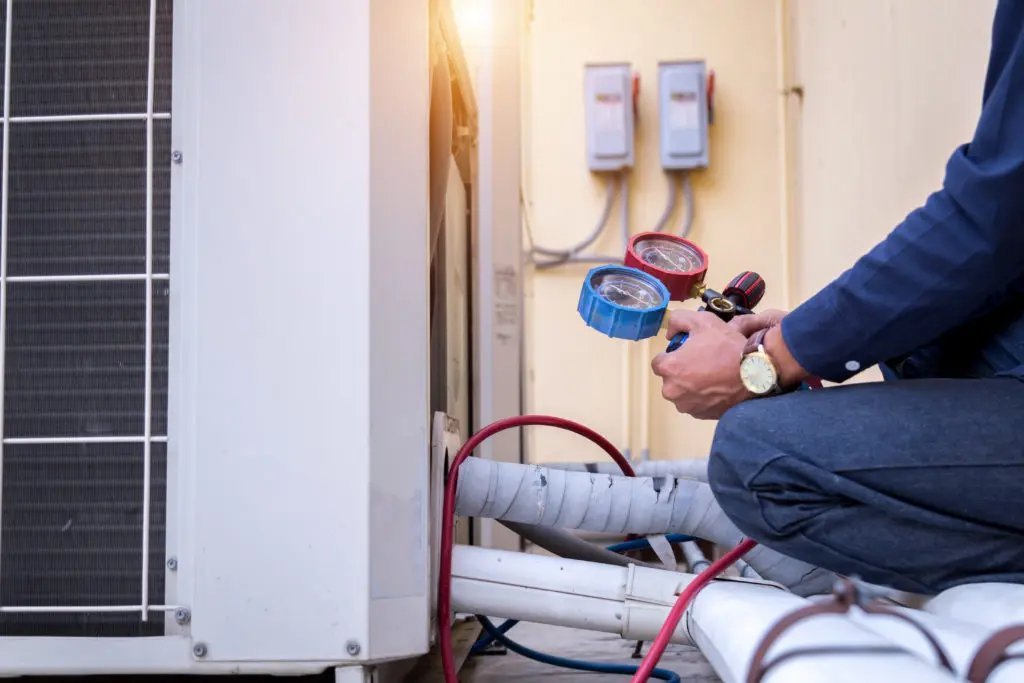
When an ac smells like feet, it’s usually because mold or mildew has grown on the cooling coils or in the drain pan. This odor happens when moisture trapped in the system mixes with dust and organic matter, creating a breeding ground for fungi. The buildup often occurs if the unit doesn’t dry out completely between cycles or if the drainage path is blocked, causing water to sit stagnant inside the housing.
Why your unit smells like feet
Understanding the source of the smell helps you decide whether you can fix it or need a professional. The following table highlights why your unit might produce this specific scent.
| Cause | What it is | Typical sign |
|---|---|---|
| Dirty Evaporator Coil | Dust and mold accumulation | Musty smell when running |
| Clogged Drain Line | Standing water in pan | Standing water near unit |
| Dirty Air Filter | Trapped debris and moisture | Weak airflow with odor |
| Dead Pests | Decomposing organic matter | Strong, sharp, rotting scent |
| Ductwork Mold | Fungi inside air vents | Odor throughout the home |
Dirty evaporator coils
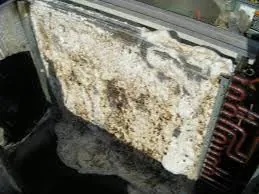
The evaporator coil is a series of metal tubes that absorb heat from your indoor air. When warm air passes over these cold coils, moisture condenses and drips into a tray. If the coil is coated in thick dust, that moisture stays trapped, which leads to the growth of mold and mildew. This is the most frequent reason for a sour, foot-like odor in residential systems.
- Reduced heat transfer efficiency makes the system run longer.
- Mold spores can circulate throughout your living space.
- Coils become harder to clean the longer the buildup sits.
You can check the coil condition by removing the front panel or filter access cover. If the metal fins look gray or fuzzy instead of clean, they need professional cleaning. Don’t attempt to scrub these delicate fins yourself, as they bend very easily and can restrict airflow, reducing the efficiency of your system. Call an HVAC technician to perform a professional coil cleaning if you see visible debris or mold.
Clogged drain lines
The drain line is a narrow pipe designed to carry condensation away from your unit to the outside. If this pipe gets blocked by algae or slime, water backs up into the drain pan. This standing water quickly develops a foul, swampy smell that’s often described as dirty socks or old gym shoes. The Environmental Protection Agency notes that moisture control is the primary way to prevent mold growth in ventilation systems.
- Water may leak onto your floor or ceiling.
- The system might shut down automatically to prevent water damage.
- High indoor humidity levels often accompany the bad smell.
Check your drain pan for standing water or slimy buildup. If you see water sitting in the pan, the line is obstructed. You can sometimes flush a clear drain line with a cup of distilled white vinegar, but if the blockage is solid or deep in the pipe, you must call a professional. Never pour harsh chemicals or bleach into the line, as these can corrode your plumbing or the drain pan itself.
Dirty air filters
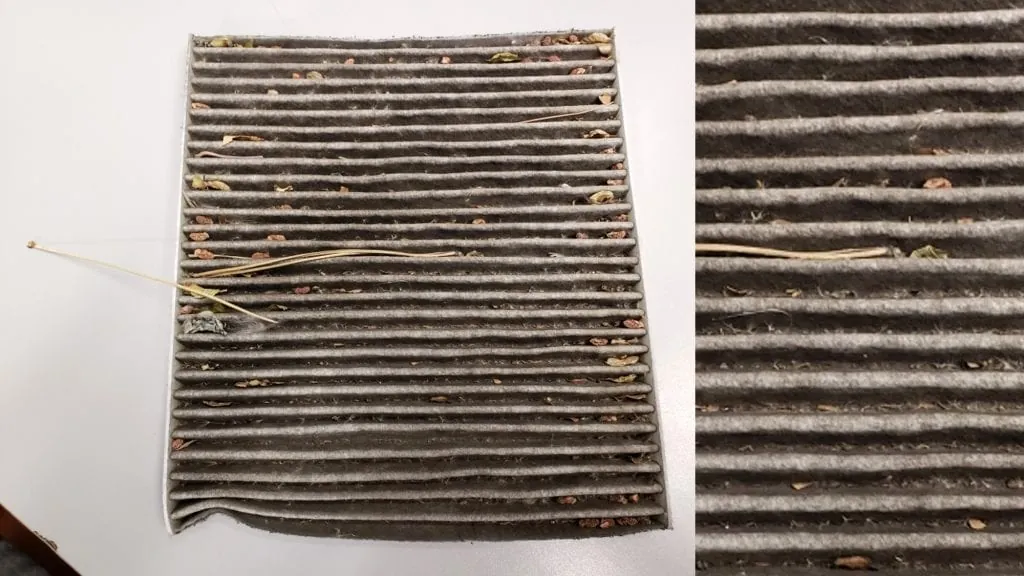
A dirty air filter forces the system to work harder to pull air through the restricted mesh. When the filter is clogged with dust, hair, and skin cells, it holds onto moisture more effectively. This creates a perfect environment for bacteria and mold to thrive right in the path of your airflow. Replacing the filter is the simplest way to see if the odor is just surface-level contamination.
- Improved airflow increases the cooling capacity of the unit.
- Fresh filters catch more dust before it reaches the coils.
- System strain is reduced, which can lower your monthly energy costs.
Inspect your filter by pulling it out of the return slot. If it looks gray, blocked with dust, or feels damp, throw it away and install a new one immediately. If the smell persists after 24 hours of running the unit with a clean filter, the problem is likely deeper inside the cooling coils or the blower assembly.
Decomposing pests
Small animals like mice or insects sometimes find their way into the ductwork or the blower housing and die there. As the body decomposes, it creates a very strong, distinct odor that can mimic the smell of old, sweaty feet. This is more common in units that have been sitting idle for several months, such as after a long winter season.
- The smell is often strongest when the fan first turns on.
- You might hear scratching sounds before the smell becomes noticeable.
- Small debris or nesting materials may appear near the air intake.
If you suspect a pest issue, look near the external vents or the blower intake for signs of nesting. Don’t reach into the unit to remove debris, as you risk injury from sharp metal edges or electrical components. If you find animal remains or nests, stop using the system and contact a professional pest control service or an HVAC technician to safely sanitize the area.
Other potential sources
- Ductwork buildup: Dust and pet dander trapped in your ducts can hold moisture. This requires a professional duct cleaning service to remove properly without damaging the ventilation system.
- Insulation decay: Older insulation inside the unit can break down and trap odors. If the smell is constant, a technician should inspect the internal liner for moisture damage.
Choosing the right fix
Deciding how to address the smell depends on where the contamination is located and your comfort level with basic maintenance. If you notice a dirty filter, change it immediately; this solves the issue for most users. If the filter is clean and the smell remains, check the drain pan for standing water. If the pan is empty but the smell is strong, the issue is likely inside the coils or ducts.
If you have a modern system, check your owner’s manual for the specific filter size and replacement schedule. If you use a high-MERV filter, you may need to change it more frequently to prevent moisture buildup, whereas standard filters depend on your specific usage. If you still smell the odor after replacing the filter and checking the drain, stop trying to clean it yourself. Professional service is required for deep cleaning or duct inspection.
Related guides
- How to Remove Mold From Wood Furniture: A Step-by-Step Guide in 2026
- How to Remove Solid Stain From Wood Deck: Step-by-Step Guide in 2026
- Can You Cut MDF With a Table Saw: Tips for Clean Results in 2026
Frequently asked questions
How long does an ac smell last after cleaning?
The smell should disappear within 24 to 48 hours of cleaning the coils or changing the filter. If the odor continues after two days of consistent operation, mold may still be present in the ducts or the blower assembly, which requires a professional to evaluate and sanitize.
Is it safe to run an ac that smells like feet?
Running the unit is generally safe for the machine, but it isn’t healthy for your indoor air quality. The smell indicates that mold or bacteria are circulating through your home, which can irritate your eyes, nose, and throat. You should stop using the unit until you address the cause.
Can a dirty air filter cause a smell?
Yes, a dirty air filter is a common cause of odors because it traps dust and organic matter that hold moisture. When these materials get damp, they promote bacterial growth. Replacing the filter with a clean one often removes the smell if the contamination hasn’t yet reached the cooling coils.
Does the smell go away on its own?
No, the smell won’t go away on its own because it’s caused by physical debris or standing water. Mold and mildew will continue to grow as long as the source of moisture and organic food remains in the unit. You must remove the debris or clear the drain to stop it.
How often should I clean the drain line?
You should check your drain line for clogs at the start of each cooling season. If you live in a humid climate, checking it every three months is safer to prevent algae buildup. If you notice water pooling near the unit, you should clear the line immediately.
What happens if I ignore the smell?
Ignoring the smell allows mold and bacteria to spread further into your ductwork and onto the evaporator coils. This makes the eventual repair much more expensive and difficult. Additionally, standing water can eventually leak and cause significant damage to your walls, floors, or ceiling.
Conclusion
Start by replacing your air filter and checking the drain pan for any standing water. If the air smells fresh after the filter change, your issue is resolved. If the odor persists or you find standing water that doesn’t drain, stop using the system and call a licensed HVAC technician to inspect the coils and the drainage system.