
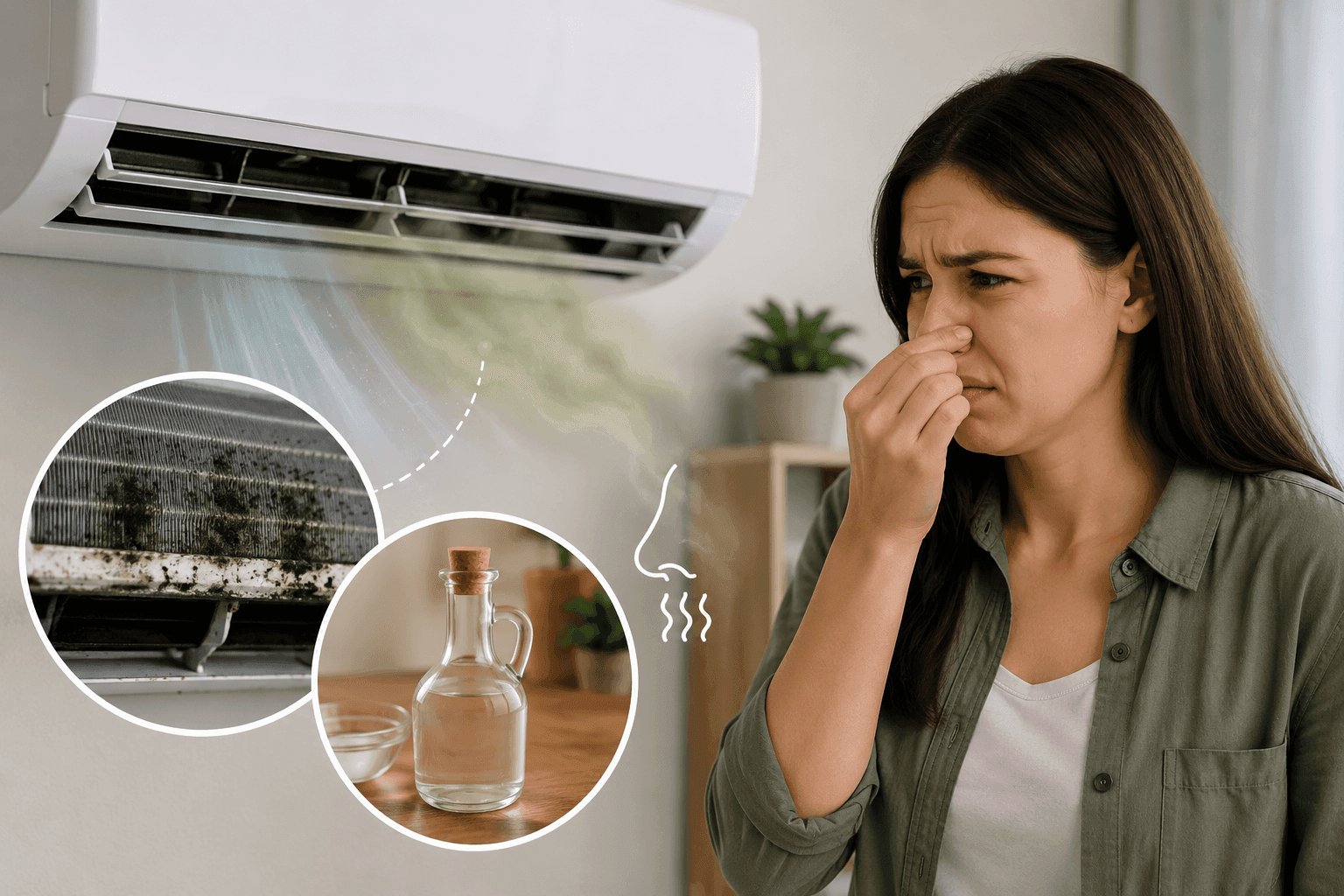
The vinegar-like odor in an AC system is often caused by the off-gassing of chemical compounds from the breakdown of materials or residues within the unit. This acidic odor happens when moisture trapped inside the unit creates a breeding ground for microorganisms. These biological contaminants release organic compounds as they grow, which then travel through your vents and into your home air. Addressing this buildup is the primary way to stop the smell and improve your indoor air quality.
Common causes of vinegar smells

You can identify the source of the odor by checking the common areas where moisture collects in your system. This table helps you match the smell to the most likely problem area.
| Problem Area | Why it smells | Typical sign |
|---|---|---|
| Evaporator Coils | Bacterial growth | Musty, sour air |
| Drain Pan | Standing water | Vinegar or rotten odor |
| Air Filters | Trapped dust/moisture | Damp, sour scent |
| Air Ducts | Mold or mildew | Sour, earthy smell |
If the vinegar scent hits you immediately upon startup but fades after ten minutes, the issue is likely stagnant water in the drain pan. If the smell persists constantly, the issue may be related to chemical residues or environmental factors affecting the evaporator coils.
Many homeowners mistakenly spray chemical cleaners into the intake vents to mask the odor. This costs you dearly, as these harsh agents often corrode the delicate aluminum fins of the coil. Instead, check the condensate line for a clog. If water drips freely outside, the system is clear. If no water exits, use a wet-dry vacuum at the exterior drain port to pull out the blockage. This simple step usually resolves the smell without needing a professional service call.
Dirty evaporator coils
The evaporator coils are the cold metal pipes inside your indoor unit that cool the air. Because they stay cold while the air around them is warm, condensation forms on their surface constantly. If dust or debris settles on this wet surface, it restricts airflow and reduces the efficiency of the heat exchange process.
- Reduced airflow through the indoor unit.
- Visible dark buildup on the metal fins.
- Cooling performance that feels weaker than normal.
- Musty or sour smell appearing only when the fan is on.
If you see heavy debris on the coils, you should schedule a professional cleaning. A technician uses specific cleaning agents to remove debris and buildup from the aluminum fins. Attempting to scrub these yourself often leads to bent fins, which permanently restricts airflow and forces your compressor to work harder.
Clogged condensate drain pan
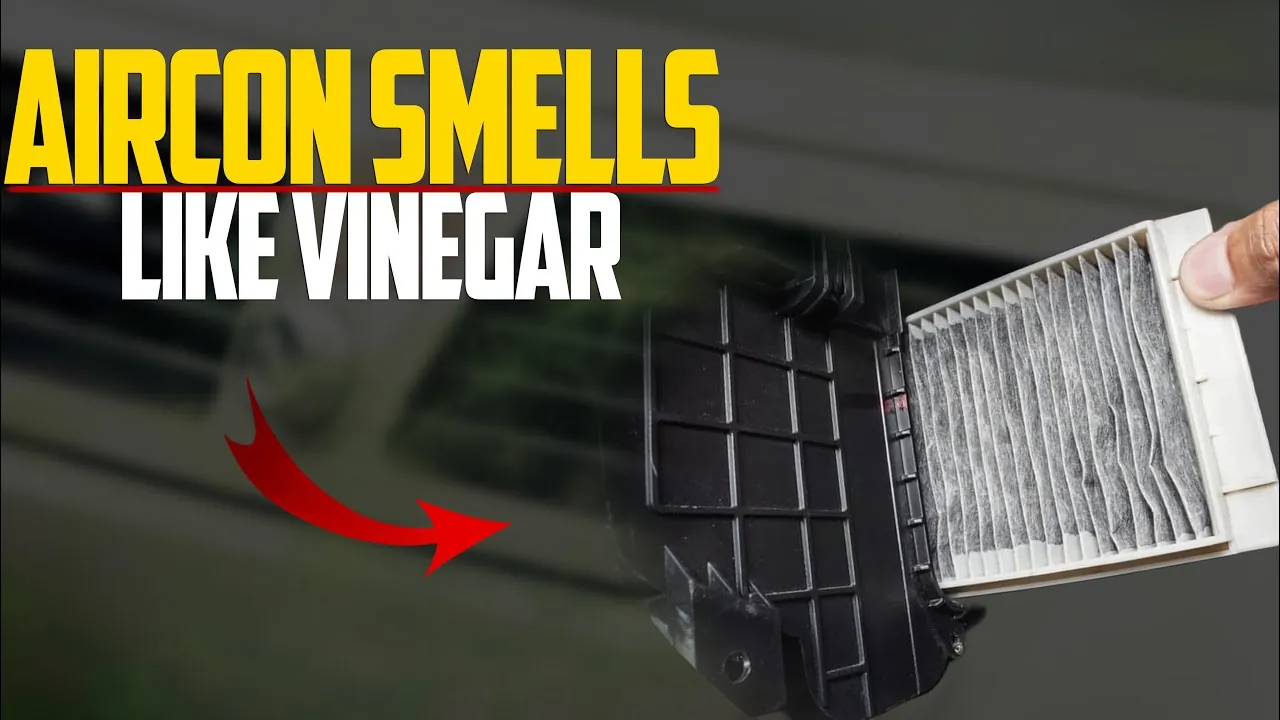
The drain pan sits directly beneath the evaporator coils to catch the water that drips off them during operation. If the drain line becomes blocked by slime or debris, water stays in the pan instead of flowing out to the drain pipe. This standing water can become stagnant and develop unpleasant odors as organic material accumulates in the dark, damp environment.
- Standing water visible in the pan.
- Slime or algae growth along the drain edges.
- Water dripping inside the unit housing.
- Odor that persists even when the cooling cycle stops.
You can check the drain pan by looking for a small plastic or metal tray under the indoor unit. If you see standing water, the line is likely plugged. According to the Environmental Protection Agency, maintaining clean drain pans is essential to prevent biological growth that affects air quality.
Saturated air filters
Air filters capture dust and pet dander, but they also absorb moisture from the air when they get too dirty. When a filter becomes saturated with moisture and organic particles, it can start to produce a sour, acidic odor as the trapped material begins to break down. This is the easiest problem to fix and is often the first step in troubleshooting any indoor air smell.
- Filter appears gray or dark.
- Visible dampness or wet spots on the filter material.
- Odor that’s strongest near the return vent.
- Reduced fan noise or air output.
If you find that your filter is damp, replace it immediately with a clean one of the same size. If the smell continues after changing the filter, the source is likely deeper inside the cooling coils or the drain system.
Moldy air ducts
Air ducts can harbor mold if there’s a leak in the system or if high humidity levels persist inside your home. While the vinegar smell is usually linked to the indoor unit, mold in the ductwork will circulate sour odors to every room in the house. This is a complex issue because ducts are difficult to access and clean thoroughly without specialized tools.
- Musty smell present in multiple rooms.
- Visible dust buildup inside the vent covers.
- Odor that increases during high humidity days.
If you suspect mold in your ducts, don’t attempt to spray cleaning chemicals into them yourself. This can spread mold spores further or damage the duct lining. You should hire a professional duct cleaning service to inspect the system and determine if professional remediation is necessary.
Determining your next steps

To decide whether you can handle the issue or need a pro, consider the location of the smell and the difficulty of access. If the smell is isolated to the air filter or a visible drain pan, you can often solve it by replacing the filter or clearing the drain line. If the smell persists after these steps, the bacteria are likely deep on the evaporator coils or inside the ductwork.
- If you see standing water or slime in the drain pan, clear the line or call a pro.
- If the air filter is damp or dirty, replace it and observe the air for 24 hours.
- If the smell remains after changing the filter and checking the pan, stop and call a professional.
These issues aren’t usually combined; usually, the problem is either a dirty filter or a dirty coil. Picking one solution usually solves the problem without needing to perform all of them.
Related guides
- Dog Smells Like Fish From Back End: Causes and Solutions
- How to Fix Nail Gun Not Shooting Nails: Troubleshooting Guide in 2026
Frequently asked questions
Can I spray bleach into my ac to kill the smell?
Don’t spray bleach or other harsh chemicals into your unit. Bleach can corrode the aluminum coils and damage the plastic drain pan, leading to leaks or permanent system failure. Professional technicians use specialized, non-corrosive foaming cleaners that are specifically designed for the delicate materials found inside your air handler.
How long does it take for the smell to go away?
The smell should fade within 24 to 48 hours after you replace a dirty filter or clear a clogged drain. If the odor is still present after two days of regular operation, the bacteria are likely deeper in the system, and you should call a professional service technician for a deep cleaning.
Is it safe to run my ac if it smells like vinegar?
It’s generally safe to run the unit if the smell is faint, but it indicates that bacteria or mold are growing inside. You should address the cause quickly to prevent the growth from spreading. If the smell is very strong, turn the unit off to avoid breathing in the spores until it’s cleaned.
Does a vinegar smell mean my ac is broken?
A vinegar smell doesn’t mean the mechanical parts of your ac are broken, but it does mean the system is dirty. The cooling process is likely still working, but the biological buildup on the coils or in the drain pan is polluting the air that flows into your home.
How often should I clean my ac to prevent odors?
You should replace your air filter every 1 to 3 months depending on your usage and environment. For the evaporator coils and drain pan, a professional inspection and cleaning once a year before the start of the cooling season is the best way to prevent odors and maintain system efficiency.
What happens if I ignore the vinegar smell?
Ignoring the smell allows bacteria and mold colonies to grow larger, which will eventually clog your drain line and cause water to overflow into your home. Over time, heavy buildup on the coils will also restrict airflow, causing your system to run longer to cool the house and increasing your monthly energy bills.
Conclusion
Check your air filter first to see if it’s wet or dirty, as this is the most common cause of the odor. If the smell clears up after you install a new filter, your system is likely fine. If the smell returns or stays the same, contact a local heating and cooling professional to perform a deep cleaning of the evaporator coils and drain system.