

You can fix a septic tank smells bad situation by checking your roof vents for blockages or ensuring your tank has enough water to create a proper seal. The most common cause is a dry p-trap in a floor drain or a blocked vent pipe that prevents sewer gases from escaping safely above your roof. You should address this quickly to stop gases from entering your living space.
Causes of a septic tank that smells bad
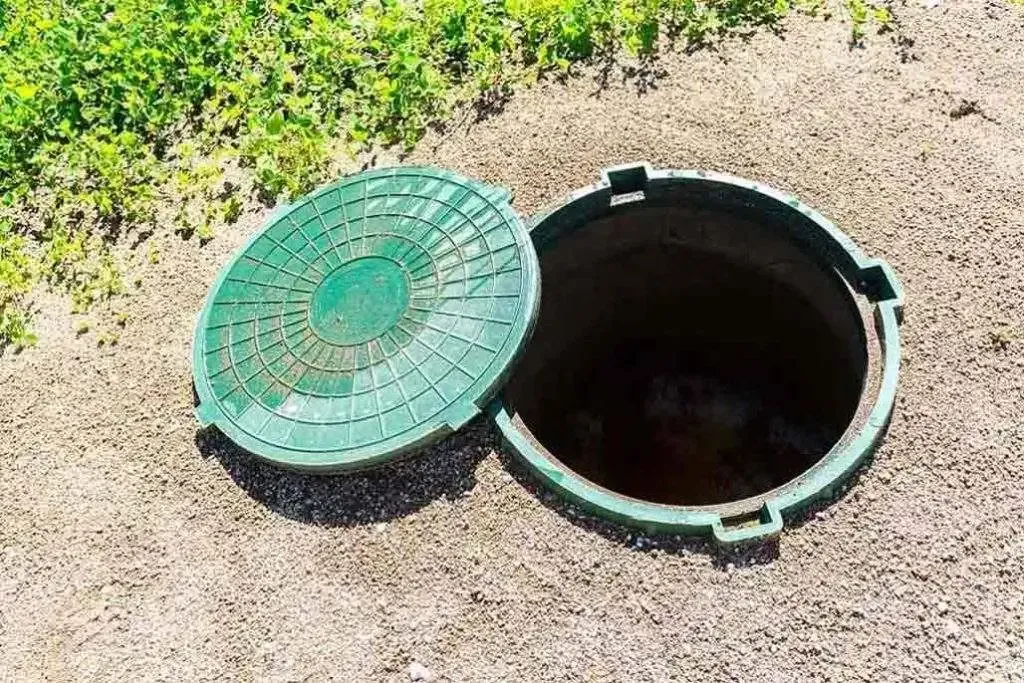
When you notice a foul scent, it often means the plumbing system isn’t venting correctly. Your home uses vent pipes to move sewer gases out through the roof. If these pipes become clogged with leaves, bird nests, or ice, the gas has nowhere to go but back down into your drains. This is common after long periods of heavy rain or cold weather.
Another frequent cause is a dry p-trap. Every sink, shower, and floor drain has a curved pipe designed to hold a small amount of water. This water acts as a barrier that stops sewer gas from rising into your home. If a drain in a basement or guest bathroom isn’t used for a long time, the water evaporates. Once the water is gone, the seal is broken.
Finally, the septic tank itself may be full or the filter might be clogged. If the tank hasn’t been pumped in 3 to 5 years, the solid waste level can rise above the outlet pipe. This prevents the system from draining properly and forces odors back toward the house. You can check the EPA septic system maintenance guide for general information on how septic systems function and the importance of regular maintenance.
Clear your plumbing vent pipes
If your sink drains are slow and you smell gas, your roof vents are likely blocked. You should climb onto the roof to inspect the pipe openings. Remove any debris, such as leaves or nests, that might be stopping airflow. If you see ice buildup, pour a small amount of warm water down the pipe to melt it.
This fix is for people who are comfortable working on a roof. If you don’t have the right ladder or feel unsafe at heights, don’t attempt this. Contact a professional plumber instead. You’ll know this worked if the smell disappears within a few hours and your sink drains start moving faster. If the odor stays, the blockage is likely deeper in the main line.
Refill all dry drain traps
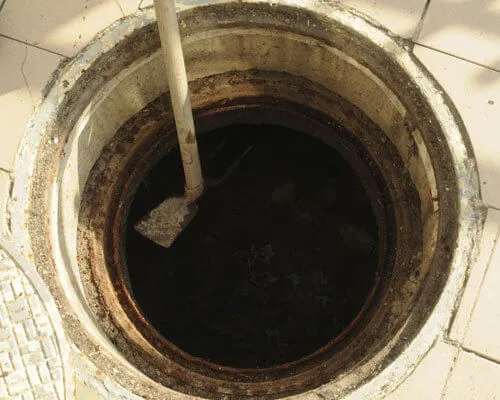
A dry p-trap is a common mistake that’s simple to solve. Find every drain in your home, including those in guest bathrooms, utility rooms, and basements. Pour about 1 quart of water into each drain to fill the trap. If the drain hasn’t been used for months, add a teaspoon of vegetable oil on top of the water to slow down future evaporation.
This step is for anyone with a drain that sits unused for more than a month. It’s a safe, quick way to restore the gas barrier. You’ll know it worked if the smell fades almost instantly. If the scent returns the next day, the leak might be in a cracked pipe joint rather than a dry drain.
Inspect the septic tank filter
If your internal drains are fine, the issue is likely at the tank. Locate the access lid of your septic tank in the yard and open it carefully. Look for the outlet filter, which is a screen designed to keep solids inside the tank. If it’s covered in thick sludge, spray it off with a garden hose until the water flows clearly again.
This is for homeowners who have easy access to their tank lids. If your tank is buried deep or you don’t have the right tools to move the heavy lid, hire a licensed septic contractor. They have the equipment to pump the tank and clean the filter safely. Don’t try to enter the tank yourself, as the gases inside can be deadly.
Avoid harmful DIY habits
Don’t use harsh chemical cleaners. These products kill the beneficial bacteria that break down waste, which actually makes the smell worse over time. If you use bleach or strong acids, you risk killing the beneficial bacteria that break down waste, which can reduce the efficiency of your septic system.
Don’t flush septic additives. Many commercial products claim to fix odors, but they often do nothing or can damage the tank’s natural biological balance. If you see a bottle promising to “restore” a system, keep it off your property.
Don’t ignore a wet patch in your yard. If the ground over your tank is soggy or smells strongly, the system is failing and needs an immediate professional inspection. A single day of delay can turn a simple pump-out into a total drain field replacement.
Don’t seal your floor drains. Some people cover unused drains with tape or heavy mats. This traps gases that eventually find their way through other, less obvious cracks. Instead, pour a cup of water into the trap monthly to maintain the seal.
Prevent future system odors

Managing your septic health depends on how much waste your household produces daily. A larger family puts more stress on the system than a single person, which changes how often you need maintenance. Use the following guide to compare your current habits against the recommended actions to keep your home odor-free.
| If you’re doing this | Do this instead | Why |
|---|---|---|
| Ignoring unused drains | Pour water monthly | Keeps the p-trap seal full |
| Using chemical openers | Use a sink plunger | Protects helpful tank bacteria |
| Waiting for smells | Pump every 3-5 years | Prevents solids from clogging pipes |
| Planting trees near tank | Move plants 10 feet away | Roots damage pipes and lids |
Related guides
- Dog Smells Like Fish From Back End: Causes and Solutions
- 7 Best Digital Picture Frames for Your Home Photo Display in 2026
Frequently asked questions
How often should a septic tank be pumped?
A standard septic tank should be pumped every 3 to 5 years. This duration assumes a household of four people using a 1,000-gallon tank. If your household has more people or a smaller tank, you may need to pump it every 2 years. Contact your local health department to get the specific guidelines for your property’s soil type and tank capacity.
Can I fix a septic smell with baking soda?
No, baking soda won’t fix a septic odor because it can’t clear a blockage or restore a broken p-trap seal. While it might mask a scent in a sink drain for a few minutes, it does nothing to address the sewer gas escaping from your pipes. Focus on finding the source of the leak instead of trying to cover the smell.
Why does my house smell only when it rains?
Your house smells during rain because the change in air pressure forces sewer gases to stay low or enter through cracks. If your vent pipes are partially blocked, the rain can seal the opening, pushing the gas back down into your home. Check your roof vents for debris if you notice the smell occurs mostly during stormy weather.
Is it safe to open the septic tank lid?
No, it isn’t safe to open the septic tank lid yourself due to the risk of dangerous gases and accidental falls. Septic tanks contain high levels of methane and hydrogen sulfide, which can be toxic. Only a licensed professional with proper safety gear and training should open or inspect the inside of a septic tank.
How do I know if my septic system is failing?
You know your system is failing if you see standing water in your yard or hear gurgling sounds in your toilets. These signs indicate that the tank is full or the drain field is saturated and can’t process more liquid. If you see these symptoms, stop using water immediately and call a licensed septic service professional to evaluate the system.
How long does it take for a smell to go away?
A smell will go away within 1 to 2 hours after you fix the specific issue. If you refilled a dry p-trap or cleared a roof vent, the remaining gas in the room should dissipate once the air is replaced. If the odor stays longer, you may still have a broken pipe or a leak that requires a professional inspection.
Conclusion
If the unpleasant odor lingers after you’ve checked these areas, don’t hesitate to call a local plumber. They’ll have the right tools to inspect your pipes for hidden cracks or deeper clogs. It’s better to be safe than sorry, so you shouldn’t wait if the problem doesn’t clear up soon.