

Deep cleaning with an enzymatic cleaner is the most effective way to remove odors when a carpet smells like dog, as these products break down the organic proteins causing the scent. If the smell persists after a thorough cleaning, the issue likely sits deep within the carpet pad or the subfloor beneath. Addressing the source directly is the only way to stop the odor from returning, as surface treatments won’t reach deep-seated pet accidents.
Why your carpet smells like dog

| Odor source | Primary cause | Typical indicator |
|---|---|---|
| Surface fibers | Trapped pet dander | Visible hair and dust |
| Carpet backing | Dried urine crystals | Concentrated yellow spots |
| Carpet pad | Absorbed liquid waste | Lingering, heavy ammonia scent |
| Subfloor | Deep moisture seepage | Odor intensifies with humidity |
If you can smell the odor only when standing directly over the carpet, the source is likely trapped in the fibers. If the scent hits you the moment you walk through the doorway, the contamination has reached the pad or subfloor.
Many homeowners mistakenly attempt to mask these deep odors with heavy enzymatic sprays. This often fails because surface cleaners can’t penetrate the dense weave of the backing to reach the pad. If the smell remains after a professional steam cleaning, the padding is permanently saturated and must be replaced. Applying more liquid cleaner to a saturated pad only feeds mold growth, which creates a secondary, mustier odor that’s far harder to remove than the original stain.
Surface fiber contamination
Surface contamination occurs when loose pet hair, dander, and saliva sit in the top layer of the carpet pile. This is common in homes with high-shedding breeds where maintenance is infrequent. These odors are usually light and disappear once the fibers are vacuumed and treated with a mild fabric refresher.
- Removes loose dander that holds onto scents.
- Prevents buildup of oils from a dog’s coat.
- Allows deeper cleaning products to penetrate effectively.
Use a high-efficiency particulate air (HEPA) vacuum to capture fine dander that standard vacuums often blow back into the air. If you see visible hair clumps, vacuum the area twice in different directions to ensure the fibers are lifted.
Carpet backing and pile issues
The carpet backing often traps urine salts that become reactivated by humidity or heat. This creates a cycle where the smell fades when the room is dry but returns sharply when it rains or during the summer.
- Neutralizes uric acid crystals found in urine.
- Breaks down the protein structure of pet waste.
- Prevents the odor from becoming permanent in the synthetic fibers.
Apply an enzymatic cleaner specifically designed for pet accidents. Follow the instructions on the bottle regarding saturation levels, as the liquid must reach the base of the fibers to be effective. If the carpet is synthetic, a dwell time of 10 to 15 minutes is usually sufficient for the enzymes to start digesting the organic matter.
Carpet pad saturation
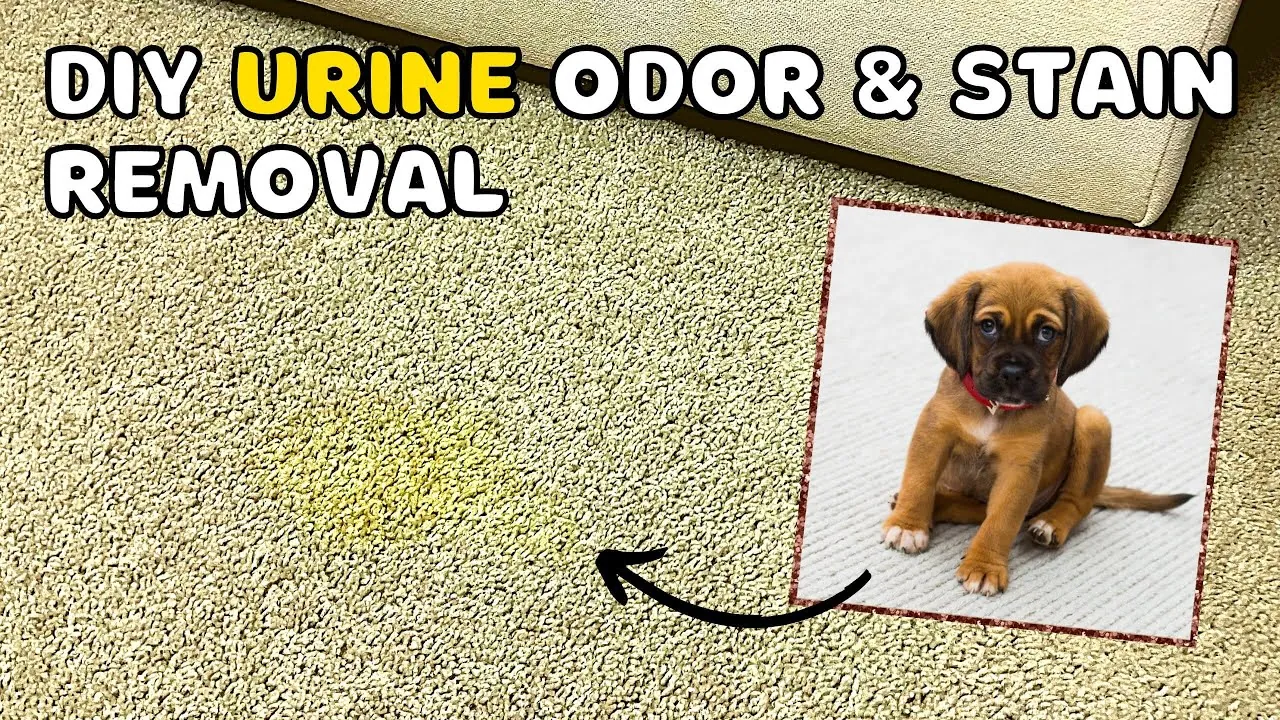
The carpet pad acts like a sponge, absorbing liquid waste that travels through the carpet backing and into the foam. Once the pad is soaked, it’s nearly impossible to clean from the top because the moisture can’t be fully extracted by home machines.
- Holds onto odor-causing bacteria for months.
- Requires professional extraction to remove deep moisture.
- Often necessitates pad replacement if the saturation is extensive.
If the odor remains strong after two professional cleanings, the pad is likely compromised. You can test this by pressing a white paper towel firmly into the carpet; if it comes up discolored or carrying a strong scent, the pad is saturated. At this point, home remedies will fail, and you should contact a professional carpet restoration service to assess if the pad requires removal.
Subfloor and structural damage
Subfloors, especially wood or plywood, are porous and absorb liquids that leak past the carpet pad. This creates a long-term odor source that can’t be reached without pulling up the flooring.
- Causes the wood to warp or buckle over time.
- Requires a specialized sealer to block odors permanently.
- Often needs subfloor sanding or replacement in severe cases.
If you smell a sharp, musty odor that persists even after replacing the carpet and pad, the subfloor is the likely culprit. You should hire a flooring specialist to inspect the wood for dark stains or rot. Don’t attempt to sand or seal the subfloor yourself if you lack the proper equipment, as improper handling can release mold spores or cause permanent structural damage.
Other common odor contributors
-
Damp dog bedding: If your dog sleeps near the carpet, the scent from their bed often transfers to the floor fibers. Wash all bedding in hot water weekly to break down the natural oils that cause this lingering musk. If the odor persists after washing, your pet may be suffering from a skin infection that requires a veterinarian’s intervention.
-
HVAC air filters: Dust and pet hair trapped in your ventilation system can circulate odors throughout the room, making the carpet smell even when it’s clean. Check your filters regularly based on your usage, and always consult your owner’s manual for the recommended replacement schedule. If you see visible gray buildup on the intake side, replace the filter immediately to prevent the system from blowing trapped particles back into the carpet fibers.
-
Dirty grooming tools: Storing brushes or shampoos on the floor leaves behind residues that act like magnets for dirt. Keep these items in a sealed bin.
How to determine the source
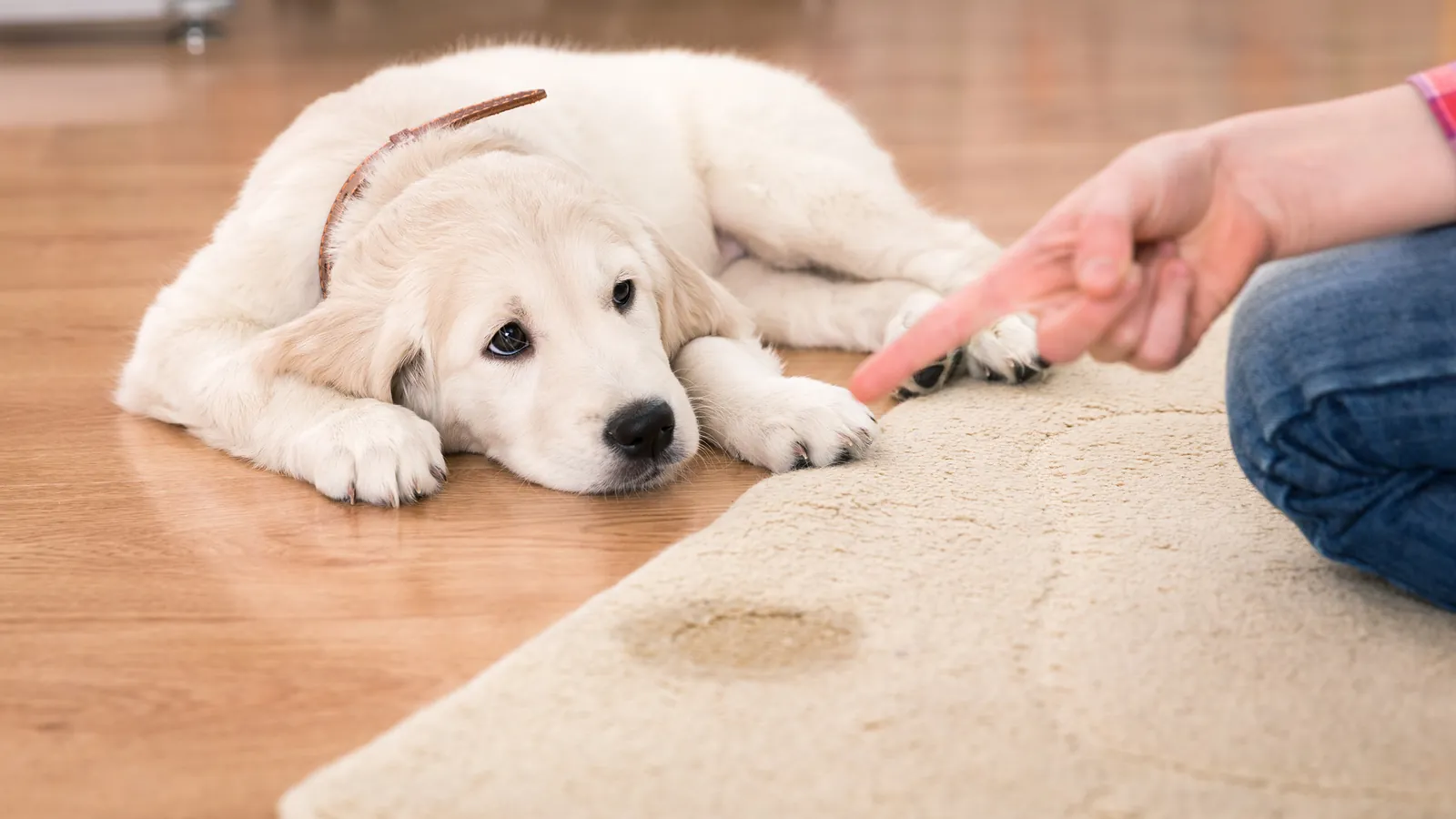
Deciding how to address the smell depends on the intensity and location of the odor. If the smell is localized to one small area, start with an enzymatic cleaner and a deep vacuuming session. If the smell covers a large room or persists after multiple cleanings, the issue is likely deeper than the surface.
If you can trace the odor to a specific spot, treat it as a surface or backing issue first. If the smell is pervasive across the entire carpet, check your home ventilation and air filters. Combining these methods is often necessary, but remember that the pad is the most common point of failure. If the pad is damaged, no amount of surface cleaning will permanently remove the scent.
Related guides
- How to Remove Solid Stain From Wood Deck: Step-by-Step Guide in 2026
- How to Remove JB Weld: Proven Removal and Cleaning Methods in 2026
- Dog Smells Like Fish From Back End: Causes and Solutions
Frequently asked questions
Does vinegar remove dog smells from carpet?
Vinegar helps neutralize some odors, but it doesn’t break down the proteins in pet urine. For lasting results, use an enzymatic cleaner instead, as vinegar may only mask the scent temporarily while leaving the underlying organic material intact.
How long does it take for enzymatic cleaners to work?
Most enzymatic cleaners require 10 to 15 minutes of dwell time to begin breaking down organic waste. Always check the manufacturer’s label on the bottle, as some concentrated formulas may require longer periods to penetrate deep carpet piles.
Is it safe to use steam cleaners on pet odors?
Steam cleaning can set urine odors permanently if you don’t use an enzymatic pre-treatment first. The heat from the steam can bond the proteins to the carpet fibers, making the smell much harder to remove later.
Why does the smell get worse when it’s humid?
High humidity causes the dried urine salts in your carpet to rehydrate, releasing the trapped odor molecules into the air. This is a clear sign that the waste has penetrated deep into the carpet backing or the pad beneath.
Can I just use baking soda to fix the smell?
Baking soda only absorbs surface odors and won’t reach the deep-seated bacteria in the carpet pad. Use it only for light, fresh odors; for pet accidents, it isn’t a sufficient solution.
Does professional cleaning always work?
Professional cleaning is highly effective, but it can’t fix a saturated carpet pad or a contaminated subfloor. If the smell remains after a professional service, the pad likely needs to be replaced to eliminate the odor source.
Conclusion
Start by vacuuming the area thoroughly to remove loose hair and dander. If the smell remains, apply an enzymatic cleaner to the affected spot and wait for it to dry completely. If the odor is still strong after 48 hours, you should contact a professional carpet cleaner to inspect the pad and subfloor for deep contamination.