

Excess moisture trapped in your cabin air filter or air conditioning system is the most common reason why a car smells like vinegar. When water sits on the evaporator core, it creates a damp environment where mold and bacteria thrive. This organic growth releases a sharp, acidic odor into the cabin whenever you turn on the fan. Other sources include old spills or battery acid leaks, but the climate control system remains the primary culprit in most modern vehicles.
Why your car smells like vinegar

If you notice a consistent scent, identifying the root cause helps you decide if you can fix it yourself or if you need help. The following table highlights the common areas that trap moisture or harbor odors.
| Source | Best For | Typical Sign |
|---|---|---|
| Cabin Air Filter | Trapping debris and mold | Musty, vinegar-like air |
| AC Evaporator | Cooling the interior air | Sharp smell at startup |
| Floor Carpets | Holding liquid spills | Sour, damp fabric scent |
| Car Battery | Powering electrical systems | Pungent, rotten egg smell |
| Sunroof Drains | Moving water away | Wet spots on headliner |
Cabin Air Filter
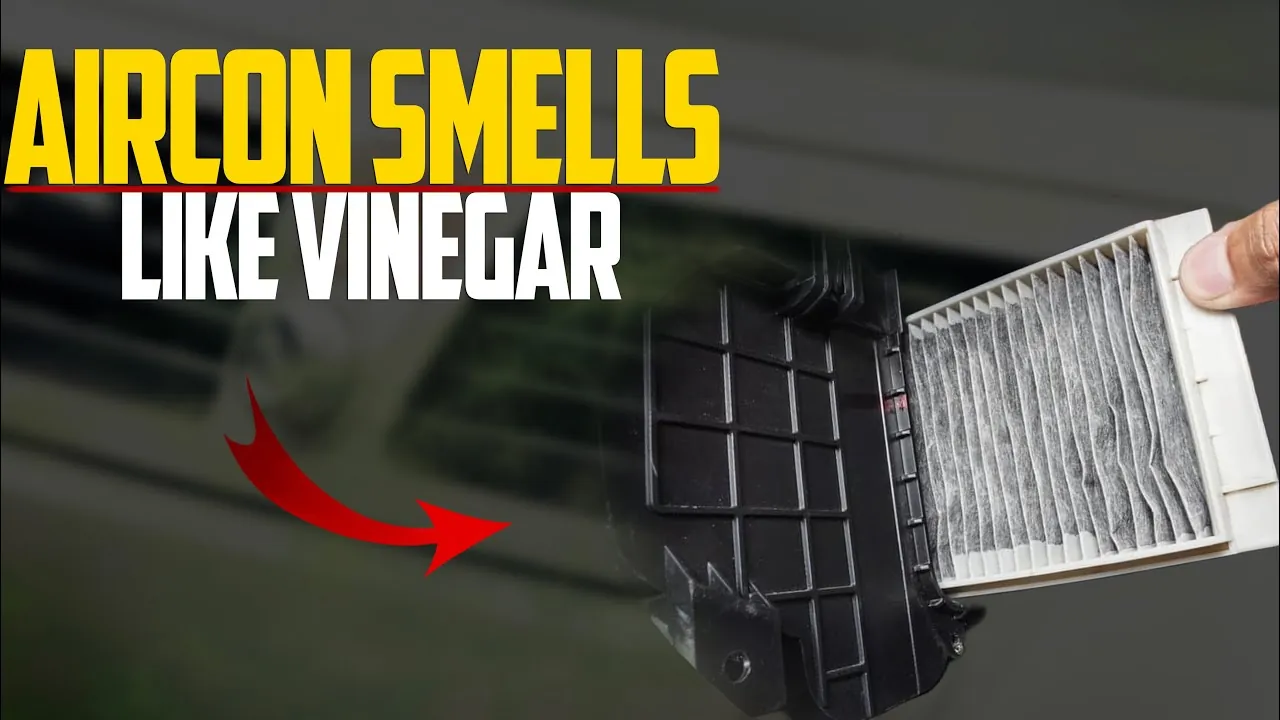
A dirty cabin air filter is the first thing to check because it acts as a collection point for dust, leaves, and moisture. When this filter gets wet from rain or high humidity, it becomes a breeding ground for mildew. If the filter looks dark, feels damp, or has visible spots, it’s likely the source of the sour smell.
- Removes airborne particles before they enter the cabin.
- Prevents debris from clogging the evaporator core.
- Reduces odors trapped within the ventilation system.
To check the filter, locate the access panel behind your glove box or under the hood near the windshield. If the filter is clogged, replace it with a new one that matches your vehicle’s specific dimensions. If you live in a humid climate, check this filter based on your usage and consult your owner’s manual to prevent moisture buildup before it leads to persistent mold growth.
Air Conditioning Evaporator
The air conditioning evaporator is a small metal radiator hidden deep inside your dashboard. As it cools the air, it pulls moisture out of the atmosphere, which normally drains away through a small tube under the car. If this drain tube gets blocked by debris, the water sits in the housing and turns into a sour-smelling pool of stagnant liquid.
- Cools the air entering the interior cabin.
- Condenses humidity from the outside air supply.
- Directs excess water through an external drain.
You can often test the drain by parking on a dry surface and running the AC for 10 minutes. If you don’t see a puddle of water under the car, the drain is likely blocked. According to the United States Environmental Protection Agency, mold growth requires moisture, so clearing this blockage is the only way to stop the smell at the source.
Wet Carpets and Upholstery

Spilled liquids like soda, milk, or coffee can seep into the padding under your floor mats and create a sharp, vinegar-like smell as they ferment. Even if the surface of the carpet feels dry to the touch, the foam padding underneath may still hold significant amounts of moisture. This issue is common in older vehicles where window seals might leak during heavy rain.
- Absorbs spills and external water leaks.
- Provides insulation for the vehicle floor.
- Hides deep, trapped sources of organic decay.
If you suspect a spill, press a dry paper towel firmly into the carpet padding to check for hidden dampness. If the towel comes up wet, you must remove the moisture immediately with a wet-dry vacuum. If you can’t pull the carpets up to dry the padding, you’ll likely need a professional detailing service to prevent permanent damage to the floor pan.
Car Battery Leakage
A leaking battery can produce a sharp, acidic odor that mimics the smell of vinegar or ammonia. This happens when the battery case develops a hairline crack or the alternator overcharges the unit, causing the internal electrolyte to vent gases. This is a serious safety concern, as battery acid is corrosive and can damage the paint and metal components in your engine bay.
- Stores chemical energy for starting the engine.
- Powers lights and accessories when the engine is off.
- Regulates voltage levels for the entire electrical system.
If you smell this odor near the front of the car, open the hood and look for white, crusty deposits around the battery terminals. If you see signs of leaking fluid or significant corrosion, don’t attempt to clean it yourself. Acidic burns are a real risk, so have a qualified technician replace the battery and inspect your alternator for damage.
Other Potential Odor Causes
- Sunroof Drains: When these tubes clog, water leaks into the headliner or down the door pillars, causing a musty smell that lingers near the roof.
- Engine Coolant: A leaking heater core inside the dashboard can release a sweet, syrupy scent that some people mistake for vinegar when it begins to break down.
- Old Cleaning Products: Residual vinegar-based cleaning solutions used on interior plastics can leave a lingering acidic smell if they weren’t wiped away completely.
Deciding on the Right Fix
Your choice depends on where the smell is strongest and what you can safely access. If the smell is only present when the AC is running, the issue is almost certainly the evaporator drain or the cabin filter. If the smell is constant even when the car is off, you should look for wet carpets or a leaking battery.
If you find a wet cabin filter, replace it yourself. If you find a blocked AC drain, ask a technician to clear it. If the smell is coming from the engine bay or involves battery corrosion, stop using the vehicle and contact a mechanic immediately to avoid chemical exposure. These issues are rarely combined; usually, fixing the single main source will remove the odor entirely.
Related guides
- How to Remove Gorilla Glue From Wood: A Simple Step-by-Step Fix in 2026
- Can You Use Oil Based Primer Over Latex Paint? The Fix in 2026
Frequently asked questions
How long does it take for a cabin filter to cause a smell?
It typically takes 3 to 6 months of exposure to high humidity for mold to grow on a cabin filter. If you park in a shaded, damp area, the process happens faster than it would for a car kept in a dry garage.
Is it safe to drive my car if it smells like vinegar?
It’s safe to drive as long as the smell comes from the air vents and not the battery. If the scent is coming from the engine bay or the battery area, the fumes can be toxic or indicate a fire risk, so you should stop driving.
Can I use a spray to kill the mold in the vents?
You can use an aerosol odor eliminator made for cars, but it only masks the smell for 2 to 4 weeks. These sprays don’t remove the physical mold, so the scent will return until you replace the filter or clear the drain.
Why does the smell only happen when the AC turns on?
The smell appears because the fan forces air across the damp, moldy evaporator core. This happens because the AC system is the only part of the car that intentionally collects moisture during normal operation.
How much does it cost to fix an AC drain clog?
Clearing an AC drain is inexpensive relative to the alternative, depending on how much of the dashboard the mechanic must remove to access the tube. This is a labor-heavy task that requires specialized tools to avoid breaking plastic clips.
What happens if I ignore the vinegar smell?
Ignoring the smell allows mold to spread throughout the ventilation ducts, making the cleanup process much more expensive later. If the moisture is from a leak, you also risk rust and electrical shorts in your vehicle’s wiring harness.
Conclusion
Start by replacing your cabin air filter, as this is the most common and easiest fix. If the smell persists after you install the new filter, check the floor carpets for dampness. If the interior is dry and the smell remains, take your vehicle to a professional mechanic to have the AC drain and evaporator core inspected for deeper mold issues.