
Bacteria buildup on the back of the tongue is the most common reason why a tongue smells bad. This is usually harmless and rarely signals a serious medical problem. You can confirm this by gently scraping the back of your tongue with a clean spoon and checking if the coating on the spoon has an unpleasant odor. Most cases respond well to simple daily cleaning routines.
What your tongue smells reveal about your health
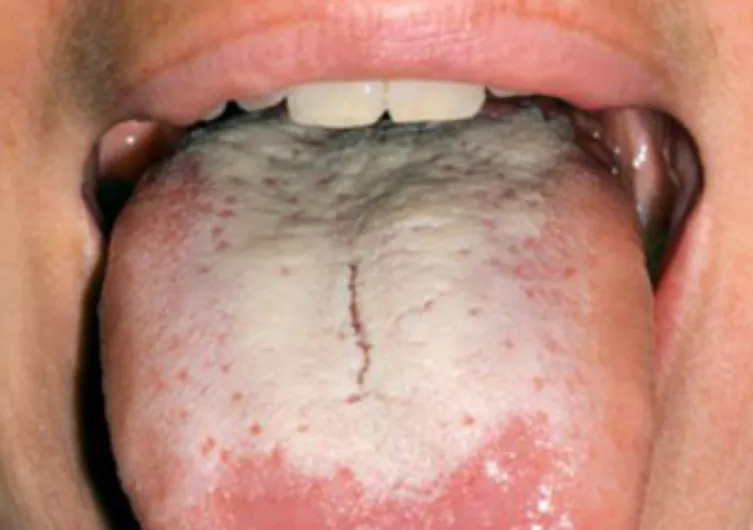
When you check your mouth, you might notice different signs that point to specific causes. The table below helps you match your symptoms to a likely source.
| What you notice | What it usually means | What to do first |
|---|---|---|
| White or yellow coating | Bacteria buildup | Brush your tongue |
| Dry, sticky mouth | Low saliva flow | Drink more water |
| Red, sore patches | Fungal infection | See your dentist |
| Metallic or sour taste | Acid reflux | Check your diet |
| Bleeding gums | Gum disease | Floss your teeth |
| Thick mucus in throat | Post-nasal drip | Use saline rinse |
Most people make the mistake of scraping only the tip of the tongue. This misses the back third, where the highest concentration of odor-causing bacteria resides. If you gag while cleaning, try breathing through your nose to suppress the reflex.
If your tongue remains white despite daily brushing, look for a textured pattern. A smooth, shiny tongue often signals a vitamin B12 deficiency rather than simple debris. In that case, oral hygiene won’t solve the underlying issue. If you notice a persistent metallic taste that lingers after brushing, track your intake of acidic foods like coffee or citrus. If the taste remains constant regardless of your diet, consult a doctor to rule out medication side effects or systemic health concerns.
Bacteria trapped on the tongue surface
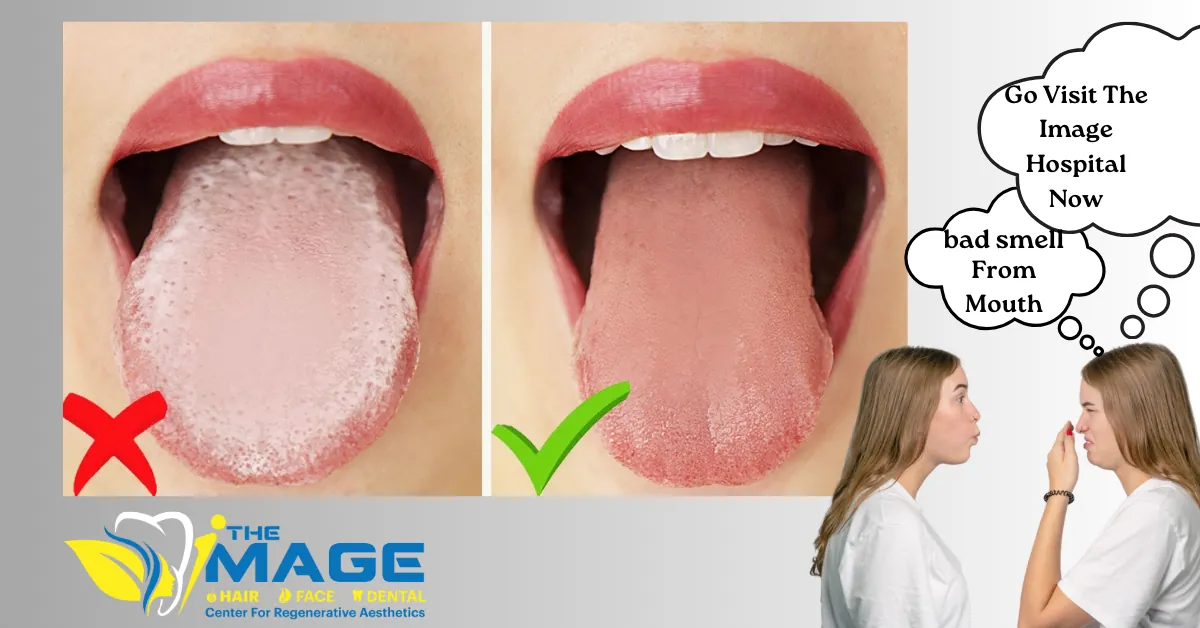
The primary cause of bad breath from the tongue is the accumulation of food particles and dead cells. These materials get trapped in the tiny crevices, known as papillae, found on the surface of your tongue. Bacteria feed on this debris and produce volatile sulfur compounds, which create an unpleasant smell. This is most common in the morning because saliva production slows down significantly while you sleep.
To confirm if this is the cause, look in a mirror and stick your tongue out as far as you can. If you see a visible white or yellowish film toward the back, bacteria are likely the culprit. The fix is simple: use a dedicated tongue scraper or a soft toothbrush to gently clean the surface every morning and night.
Don’t scrub too hard, as this can irritate the delicate tissue. You’ll know it worked when the film disappears and your breath feels fresher after your morning routine. If you continue to see a thick coating despite daily brushing, it might indicate a need for better hydration or a change in your oral hygiene products.
Dry mouth and reduced saliva flow
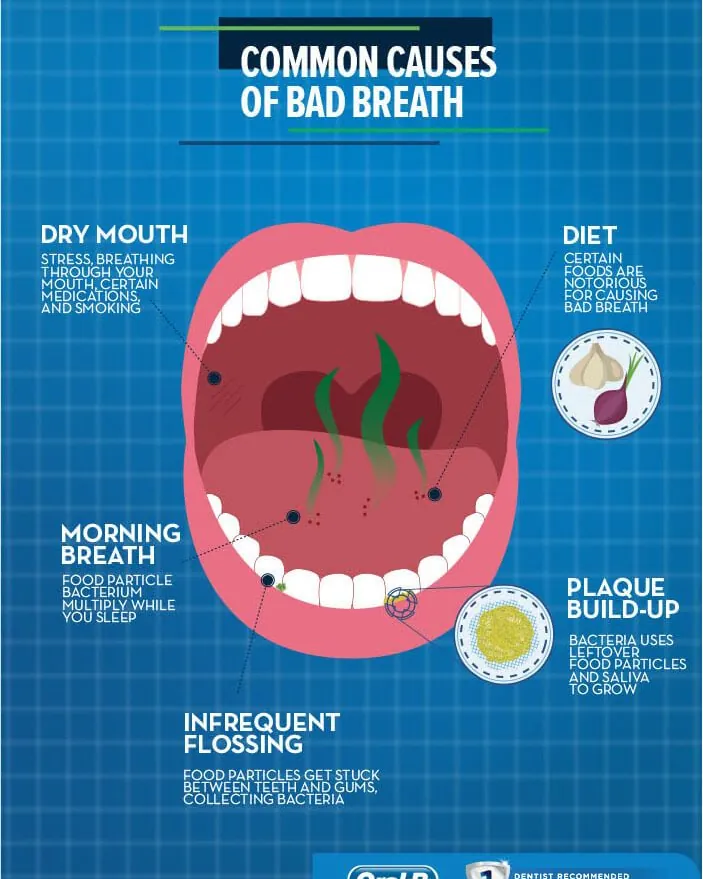
Saliva is your mouth’s natural cleaner, as it washes away food particles and neutralizes acids. When your mouth becomes dry, bacteria thrive because they aren’t being rinsed away, leading to a noticeable odor. This often happens if you breathe through your mouth while sleeping, take certain medications, or don’t drink enough water throughout the day.
You can tell if dryness is the issue if your tongue feels sticky or looks unusually dry and pale. The American Dental Association explains how xerostomia affects oral health by reducing the protective benefits of saliva. To fix this, increase your water intake to at least 2 liters per day if you’re an average adult.
If you wake up with a dry mouth, try using a humidifier in your bedroom at night. If you notice your mouth is dry even after drinking plenty of water, it might be a side effect of a prescription medicine. In that case, ask your doctor if an alternative medication is available.
Underlying health and digestive issues
Sometimes the smell originates from deeper in the body, such as the throat or the stomach. Post-nasal drip, where mucus drains down the back of the throat, provides a constant food source for bacteria. Acid reflux can also bring stomach acids into the mouth, leaving a bitter smell and taste. These issues differ from simple tongue buildup because the smell often persists even after thorough tongue cleaning.
If you suspect this cause, pay attention to whether you also have a sore throat, frequent heartburn, or a persistent need to clear your throat. If you have acid reflux, avoid eating large meals within 3 hours of going to bed.
For post-nasal drip, a saltwater gargle can help clear the mucus. If the smell is accompanied by frequent heartburn or difficulty swallowing, you should stop trying to treat it at home. These symptoms suggest a digestive or respiratory issue that requires a professional diagnosis.
When to see a professional
You should stop trying to manage this at home if the situation doesn’t improve after two weeks of consistent, rigorous oral hygiene. Professional help is mandatory if you notice signs that go beyond simple bacteria buildup.
Persistent white patches that don’t scrape off with a soft toothbrush indicate a potential fungal infection like oral thrush. If you can wipe the white layer away but see raw, red tissue underneath, you’re likely dealing with an inflammatory issue rather than a fungal one.
Sores or lumps on your tongue that last longer than 14 days should be evaluated by a healthcare professional. Don’t wait to see if they resolve on their own, as early detection for oral cancers significantly improves survival rates.
Severe pain or swelling that hinders your ability to eat or speak suggests an abscess. If your bad breath persists despite a professional dental cleaning, the root cause is likely systemic or gastrointestinal rather than oral. In these cases, a primary care physician must investigate underlying metabolic issues. Ignoring these indicators often leads to permanent tissue damage that requires invasive surgical intervention.
Related guides
Frequently asked questions
Can bad breath be cured permanently?
Yes, most cases are managed permanently by improving your daily oral hygiene habits. If the smell is caused by bacteria, brushing your tongue twice daily and flossing will resolve it. If the cause is a medical condition like acid reflux, the odor will stop once the underlying health issue is treated.
How long should I scrape my tongue?
You should spend about 10 to 15 seconds scraping your tongue each morning. Use light pressure, starting from the back and moving toward the front. If you press too hard, you risk damaging the surface of your tongue, which can lead to soreness and make the odor worse over time.
Is it safe to use a spoon to clean my tongue?
It’s safe to use a clean metal spoon if you don’t have a dedicated tongue scraper. Hold the spoon with the rounded edge facing down and pull it gently across the surface. Ensure the spoon is clean before use to avoid introducing new bacteria into your mouth.
Does mouthwash help with tongue odor?
Mouthwash provides temporary relief by masking the smell, but it doesn’t remove the bacteria trapped on the tongue. You must physically remove the coating with a scraper or brush to see long-term results. Use an alcohol-free mouthwash to prevent further drying of your mouth, which can worsen the smell.
Why does my tongue smell bad after eating?
Certain foods like garlic, onions, and dairy can leave a temporary odor on the tongue. This usually fades within a few hours as the food particles are cleared by your saliva. If the smell remains for a long time after eating, it suggests that food particles are stuck in the tongue’s crevices.
How much water should I drink to prevent dry mouth?
Aim for at least 2 liters of water daily, though your specific needs depend on your activity level and the climate you live in. If you feel thirsty or your mouth feels sticky, increase your intake. Proper hydration ensures your body produces enough saliva to keep your tongue clean throughout the day.
Conclusion
Good oral health starts with consistent habits. By cleaning your tongue daily and staying hydrated, you can address the vast majority of concerns regarding mouth odor. If you remain unsure, a quick visit to your dentist will provide the clarity you need.