
You can fix the problem when your towels smell bad by washing them in hot water with one cup of white vinegar instead of liquid detergent. This scent usually comes from trapped moisture and skin oils that feed bacteria inside the fabric fibers. Once you remove these residues, the fresh smell returns to your bathroom linens.
Why your towels smell musty
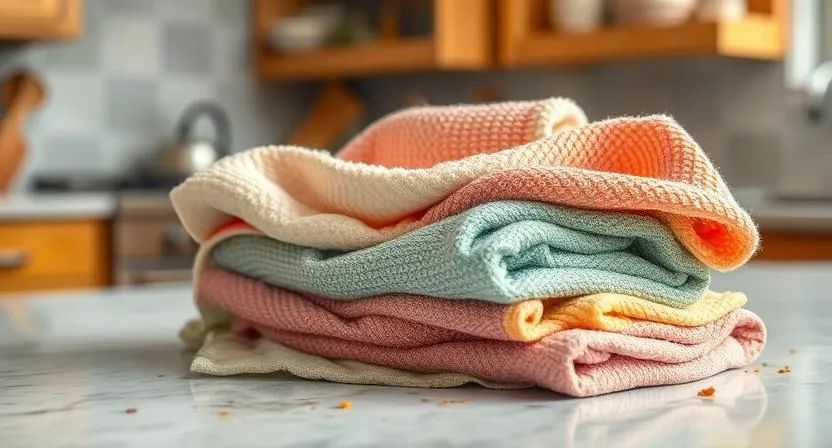
The main reason for this issue is the buildup of body oils, dead skin cells, and soap scum that stay trapped in the towel fibers. When you use too much detergent, it doesn’t rinse away completely and instead creates a film that attracts dirt and bacteria. This organic matter provides a perfect food source for microorganisms that thrive in dark, damp environments like a bathroom.
If you leave a damp towel in a pile or on a hook without enough airflow, you create a breeding ground for these microbes. The Environmental Protection Agency notes that mold and mildew grow quickly when surfaces remain wet, and this moisture is often the primary trigger for the musty scent you notice.
You should always ensure your laundry dries completely between uses. If the room lacks proper ventilation, the fabric stays damp for too long, which allows the bacteria to multiply rapidly. This isn’t just about hygiene; it’s about keeping the environment dry enough to prevent bacterial growth.
Use vinegar to strip away residue
You can neutralize odors by running a wash cycle with only white vinegar. Set your washing machine to the hottest water temperature the fabric care label allows. Add one cup of white vinegar directly into the drum or the bleach dispenser. Don’t add any laundry detergent or fabric softener during this cycle.
The acid in the vinegar breaks down the mineral buildup and soap residue that traps the bacteria. After the cycle finishes, check the towels. If they still smell slightly like vinegar, don’t worry; that scent disappears once they’re fully dry.
If you notice the smell persists after drying, repeat the process one more time. This method is safe for most cotton towels, but if you have delicate or decorative towels with embroidery, check the manufacturer’s care instructions first to ensure the hot water doesn’t damage the fibers.
Try a baking soda deep clean
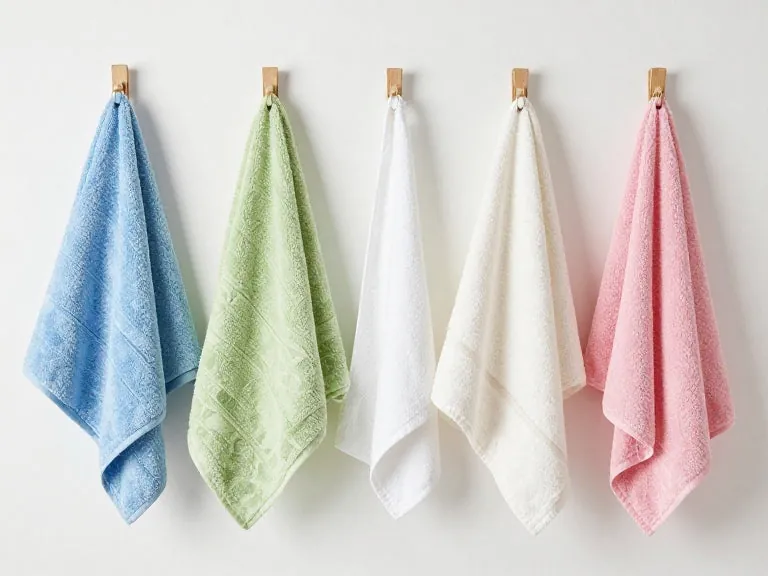
If vinegar doesn’t fully solve the issue, use baking soda to lift stubborn smells. This method works best for towels that have been neglected for a long time or are heavily saturated with soap buildup. Start by washing the towels in hot water with one cup of baking soda. Don’t add any detergent or other cleaning products to this specific load.
Once that cycle finishes, run a second cycle immediately using one cup of white vinegar. This dual-step process cleans the fibers thoroughly by first neutralizing the odor with baking soda and then stripping away the remaining film with the vinegar. Always dry the towels on a high-heat setting immediately after the second cycle ends.
If you leave them wet in the washer for more than an hour, the dampness will start the smell all over again. This process isn’t for people who need a quick, single-step fix, as it requires two full wash cycles to complete properly.
Adjust your drying and storage habits
Proper airflow is the most important factor in keeping odors away after you have cleaned your towels. If you live in a humid climate, your towels will stay wet longer than average, which means you must hang them in a way that exposes every part of the fabric to air. Never fold a damp towel over a hook, as the folded layers trap moisture in the center.
Instead, spread the towel out flat on a drying rack or a wide towel bar. If you use a dryer, ensure the towels are 100% dry before you fold them and put them away in a closet.
Even a tiny amount of hidden moisture will turn into a musty smell within a few hours. If your bathroom has a fan, leave it running for at least 20 minutes after your shower to clear out the steam. This simple change prevents the humidity from settling into your clean fabrics.
Habits that make laundry odors worse
Using too much liquid detergent leaves a sticky film that traps dirt and creates a breeding ground for bacteria. If you see white streaks on dark clothes or feel a slimy residue after a cycle, you have used too much. Scale back to two tablespoons per load, regardless of what the bottle suggests.
Adding fabric softener coats fibers in a waxy layer that prevents water from penetrating, effectively locking in body oils and odors. If your towels lose their absorbency or feel stiff, stop using softener immediately. Replace it with a half-cup of white vinegar in the rinse cycle to strip away buildup.
Leaving wet laundry in the washer for more than thirty minutes invites mold spores to germinate. If you can’t move clothes to the dryer immediately, leave the door wide open. Overloading the machine prevents water circulation. If you can’t fit your hand inside the drum alongside the clothes, the load is too large.
Preventing future smell buildup

You can keep your towels fresh by changing how you handle them after every single use. The goal is to move moisture away from the fibers quickly so that bacteria can’t settle in.
| If you’re doing this | Do this instead | Why |
|---|---|---|
| Using liquid softener | Use half a cup of vinegar | Vinegar rinses away buildup |
| Hanging towels folded | Spread them out flat | Airflow dries fibers faster |
| Washing in cold water | Wash in hot water | Hot water helps dissolve oils and detergent |
| Storing in a closed closet | Air dry completely first | Humidity traps odors inside |
Related guides
Frequently asked questions
How often should I wash my towels?
You should wash your towels after every three to four uses to keep bacteria levels low. If you live in a very humid area or find that your towels stay damp for more than 12 hours, you should wash them more often. Always make sure they’re completely dry before you put them in the laundry basket to prevent the spread of odors.
Can I use bleach to remove the smell?
Yes, you can use bleach, but only on white cotton towels to avoid permanent fabric damage. Chlorine bleach is very effective at killing bacteria, but it will ruin the color of dyed towels. If you have colored towels, stick to the vinegar and baking soda methods mentioned above to ensure the fabric stays soft and the color remains bright.
How long do towels last?
Most high-quality cotton towels last for a significant period with regular use and proper care.
Is it safe to mix vinegar and baking soda?
No, you shouldn’t mix them in the same wash cycle because they react to create a foam that cancels out their cleaning power. The reaction between the acid in the vinegar and the base in the baking soda neutralizes both, creating water, carbon dioxide, and sodium acetate, which significantly reduces their individual cleaning effectiveness. Always use them in separate cycles for the best results.
Why do my towels smell after one use?
Your towels likely smell because they aren’t drying fast enough or they have a heavy layer of old soap residue. If the soap isn’t removed, it traps body oils that begin to break down and smell the moment they get wet again. Ensure your bathroom is well-ventilated and reduce your detergent usage to fix this issue.
How much vinegar should I use?
You should use exactly one cup of white vinegar for a standard full load of towels. If you’re washing a smaller load, you can reduce this to half a cup. Don’t exceed these amounts, as using too much vinegar can leave a strong scent that requires an extra rinse cycle to remove from the fabric.
Conclusion
To keep your linens feeling soft and clean, try to hang them up immediately after every use. Proper airflow prevents dampness from building up, so you won’t have to worry about unwanted odors returning. It’s a simple habit that’ll save you time and keep your bathroom smelling wonderful all week long.