
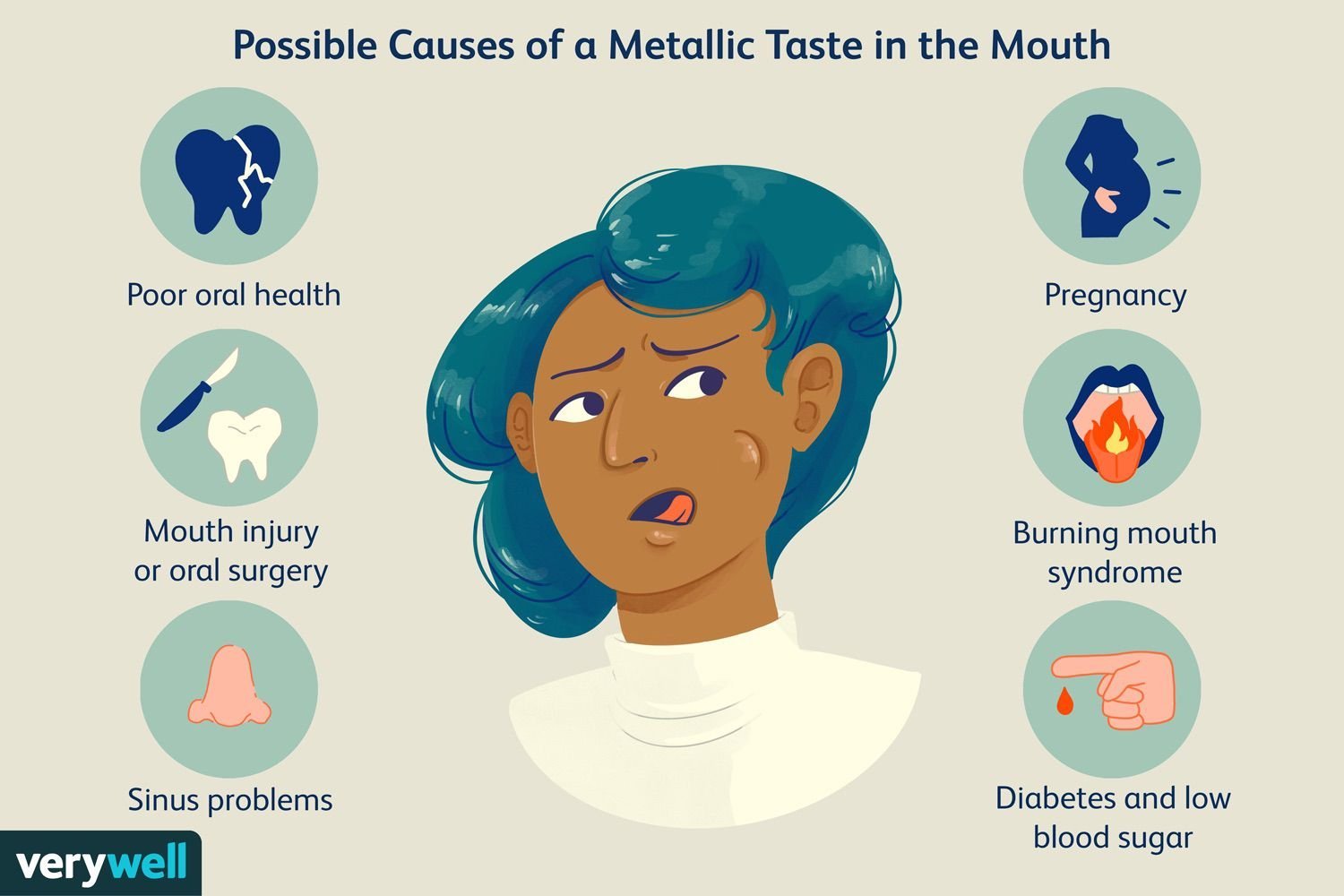
A mouth smells like blood most often because of localized gum inflammation, minor tissue trauma, or an underlying infection within the oral cavity. While this scent is distinct and metallic, it usually originates from bacteria breaking down proteins in blood or from the iron content in the blood itself. Identifying the source requires checking for visible bleeding, swelling, or lingering pain near your teeth or tongue. If the smell persists without an obvious cause, you should consult a dentist for a professional exam.
Why your mouth smells like blood

| Potential Cause | What it involves | Common sign to look for |
|---|---|---|
| Gingivitis | Swollen or red gums | Bleeding during flossing |
| Periodontitis | Deep gum pockets | Loose teeth or bad breath |
| Oral trauma | Cuts or cheek bites | Visible sores or ulcers |
| Dry socket | Post-extraction healing | Intense pain after surgery |
| Sinus infection | Drainage into throat | Post-nasal drip sensation |
Gingivitis
Gingivitis is the most frequent cause of a metallic scent, resulting from plaque buildup that irritates the gums. It primarily affects people who don’t floss daily or have irregular brushing habits.
- Inflammation triggers capillaries in the gums to leak small amounts of blood into your saliva.
- Bacteria thrive in the presence of these blood proteins, which creates a noticeable, iron-like smell.
- The gums often appear bright red or puffy rather than a healthy, firm pink.
If you notice your gums bleed when you brush, you likely have early-stage gum disease. You can check your status by gently running floss between your teeth; if the thread comes out stained pink or red, you have active bleeding. This is rarely an emergency, but it requires consistent daily care to resolve. If you’re looking for ways to manage this, the American Dental Association provides clear guidance on identifying symptoms and when to schedule a professional cleaning.
Periodontitis
Periodontitis happens when untreated gingivitis progresses, causing the gums to pull away from the teeth and form deep, bacteria-filled pockets. This condition is more serious than simple inflammation and often requires professional intervention to stop further bone loss.
- Deep pockets trap food and bacteria, which release sulfur compounds and blood-based odors.
- The metallic smell is often accompanied by a persistent bad taste in the mouth.
- Chronic infection in these pockets causes the tissue to bleed much more easily than healthy tissue.
If your gums feel tender or you notice teeth shifting position, you need a professional evaluation. This isn’t a condition you can treat at home with mouthwash or increased brushing alone. Because this involves potential bone damage, a dentist must perform a physical probe of the gum pockets to measure their depth. If you have been ignoring bleeding for more than six months, seek a professional diagnosis to prevent the need for surgical treatment later.
Oral tissue trauma
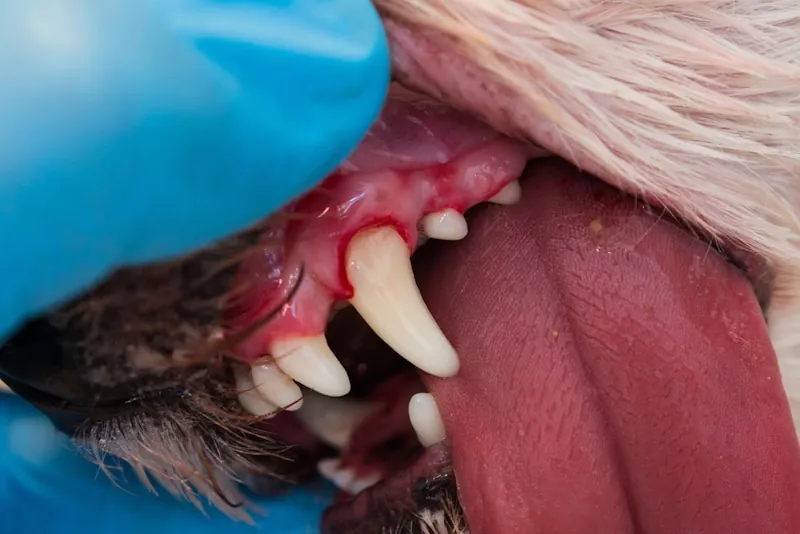
Trauma occurs when you accidentally bite your tongue, cheek, or lip, creating a localized wound that bleeds into the mouth. It suits people who have recently experienced a slip or accidental injury, rather than those with chronic gum issues.
- A fresh cut creates an immediate metallic taste and smell as iron from the blood hits your tongue.
- The scent typically fades within 24 to 48 hours as the wound clots and begins to heal.
- Larger cuts may continue to weep small amounts of blood, keeping the scent present during the healing window.
If you have a clear, visible cut, the best approach is to keep the area clean with warm salt water rinses. If the bleeding doesn’t stop after 20 minutes of firm, direct pressure with a sterile gauze pad, you should visit an urgent care clinic. This is the only time this specific issue requires outside help, as most minor mouth cuts heal rapidly without any special medical treatment.
Dry socket
A dry socket is a painful complication that happens after a tooth extraction when the protective blood clot is dislodged. It’s a specific issue for those who have had a recent dental surgery, typically occurring within 3 to 5 days after the procedure.
- The exposed bone and nerves create a distinct, foul odor that’s far stronger than simple blood.
- Constant, throbbing pain that radiates toward the ear is the primary indicator of this condition.
- The lack of a clot leaves the socket open to food debris and saliva, which exacerbates the smell.
If you have had a tooth pulled recently and the pain is increasing rather than decreasing, you must call your oral surgeon immediately. This isn’t a standard recovery symptom and requires a medicated dressing to protect the bone. Trying to treat this with over-the-counter pain medication is a mistake that often leads to prolonged discomfort and a slower recovery time.
Other potential sources
- Sinus Infections: Persistent post-nasal drip can drain blood-tinged mucus into the back of the throat, creating a metallic smell that you perceive as coming from your mouth.
- Dry Mouth: A lack of saliva prevents the natural cleansing of the mouth, which allows minor blood from microscopic gum tears to linger longer and smell stronger.
- Medications: Certain blood thinners or supplements can alter the way your body processes iron, sometimes causing a metallic taste that mimics the smell of blood.
Determining the cause

You can usually identify the source by looking for the location of the smell and the presence of blood. If the smell is constant and you see red on your toothbrush, focus on your gum health by improving your flossing technique.
If the smell appeared suddenly after an injury, treat the wound directly and wait for it to heal. If you feel intense, localized pain that prevents you from eating or sleeping, you should always assume the issue requires professional care. These conditions generally don’t combine, meaning you usually only have one active source to address at a time.
Related guides
Frequently asked questions
Is it dangerous if my mouth smells like blood?
It isn’t usually dangerous, but it’s a sign of an underlying issue that needs attention. Persistent bleeding or metallic odors should be evaluated by a dentist to rule out infections like periodontitis. If the bleeding is heavy or follows a major surgery, contact a healthcare provider immediately.
How long does the metallic smell last after a tooth extraction?
The metallic smell should fade within 3 to 5 days as the initial clot stabilizes and the wound begins to close. If the smell becomes stronger or persists beyond one week, you should visit your dentist to check for a dry socket or an infection.
Can a sinus infection cause my mouth to smell like blood?
Yes, a sinus infection can cause a metallic smell if mucus drainage contains traces of blood from irritated nasal passages. This scent often originates in the back of the throat rather than from the teeth or gums. If you have fever or congestion, treat the sinus infection first.
Does flossing every day stop the smell?
Daily flossing will significantly reduce the smell if it’s caused by gingivitis or trapped food particles. By removing the plaque that causes gum irritation, you stop the bleeding that creates the metallic odor. Most people see a reduction in bleeding within 10 to 14 days of consistent flossing.
What happens if I ignore the smell of blood?
Ignoring the smell often allows minor inflammation to become a chronic condition like periodontitis, which can lead to tooth loss. Early intervention with a dental cleaning is inexpensive compared to the cost of treating advanced gum disease. Never wait for the pain to become severe before seeking professional advice.
Does mouthwash hide the smell of blood?
Mouthwash only masks the odor for a short time and doesn’t fix the cause of the bleeding. If you rely on mouthwash to cover the scent, you may be ignoring an infection that requires cleaning or medication. Always address the source of the bleeding instead of simply covering the smell.
Conclusion
Start by checking your gums for signs of redness or swelling and observing if bleeding happens during your regular brushing routine. If you see healthy pink gums and no signs of injury, schedule a routine dental cleaning to remove hidden plaque. If you notice severe pain, loose teeth, or bleeding that doesn’t stop after applying pressure, stop your home routine and call a dentist immediately.