
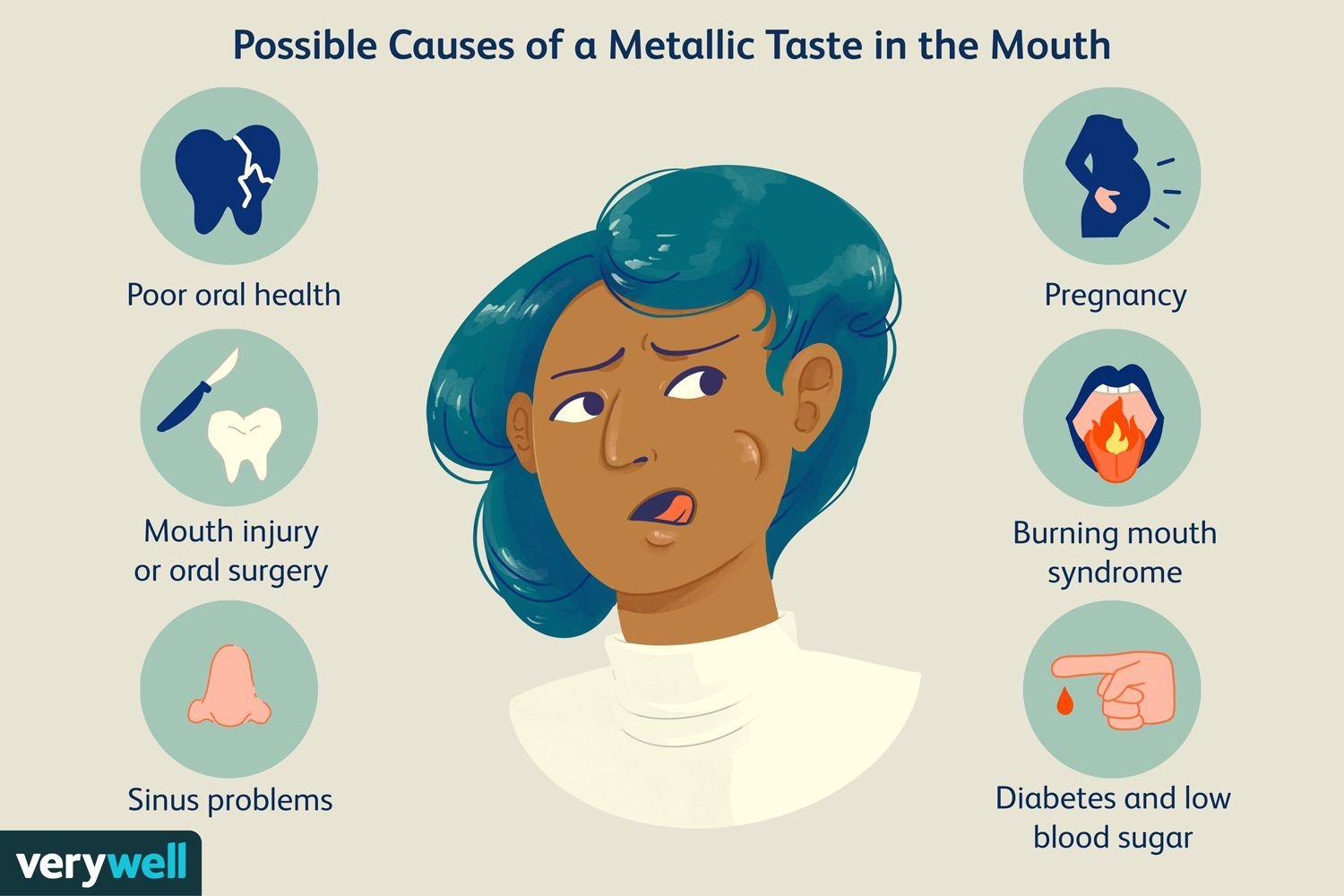
A common reason why you might notice that your mouth tastes like metal is a change in your body’s chemistry, often linked to medication side effects, oral health issues, or dietary deficiencies. This metallic sensation, medically known as dysgeusia, occurs when taste buds are irritated or when nerve signals to the brain are disrupted. While it’s rarely a sign of an emergency, it can be a persistent nuisance that changes how you experience food and drink every day.
Why your mouth tastes like metal
Finding the right cause starts with looking at your daily habits and health history. This table shows common sources of this taste and what they usually mean for your health.
| Cause | Likely Reason | Typical Example |
|---|---|---|
| Medications | Chemical side effects | Antibiotics or blood pressure pills |
| Oral Hygiene | Gum inflammation | Gingivitis or tooth decay |
| Supplements | Mineral processing | Zinc or iron tablets |
| Sinus Issues | Post-nasal drip | Chronic sinus infections |
| Dental Work | Metal oxidation | Old silver amalgam fillings |
Medication side effects
Many prescription and over-the-counter drugs contain chemical compounds that can alter your perception of taste. If you start a new treatment and notice a change, check your medication leaflet for “dysgeusia” or “taste disturbance” listed as a common side effect.
- Antibiotics, specifically clarithromycin or metronidazole, are frequent triggers for this sensation.
- Blood pressure medications like ACE inhibitors can change how your tongue interacts with salt and minerals.
- Antihistamines or antidepressants often cause dry mouth, which intensifies any metallic flavor present.
- Lithium and some gout medications are well-documented for this specific sensory shift.
If you take a daily pill, the taste may be strongest shortly after your dose or when your mouth is dry. You can track this by keeping a log of when the taste appears relative to when you take your medicine. If the taste becomes unbearable, talk to your doctor about switching to a different drug class.
Oral health problems
Poor oral hygiene creates an environment where bacteria thrive, leading to gum disease that often leaves a metallic or bitter taste in your mouth. When gums are inflamed, they may bleed or harbor bacteria that produce sulfur compounds, which the tongue interprets as a metallic, copper-like flavor.
- Gingivitis causes pockets to form between the teeth and gums where food debris hides.
- Periodontitis, a more severe stage of gum disease, can lead to a persistent bad taste.
- Tooth decay or an abscessed tooth may cause a localized metallic sensation near the infected area.
- Ill-fitting dentures or partials can trap bacteria, causing a similar, localized taste issue.
To manage this, ensure you’re brushing twice daily and flossing once. If you see blood when you floss, that’s a sign of inflammation that needs professional care. The National Institute of Dental and Craniofacial Research provides guidance on how gum disease develops and why it affects your mouth’s overall health. If your gums remain red or swollen after two weeks of consistent cleaning, see a dentist.
Nutritional and vitamin deficiencies
Your body needs specific vitamins and minerals to maintain healthy nerve function and taste bud regeneration. A lack of certain nutrients can disrupt these processes, leading to a strange, metallic phantom taste.
- Vitamin B12 deficiency can impact the nerves responsible for sending taste signals to your brain.
- Zinc deficiency is a known cause of taste distortion, as zinc is essential for proper enzyme function in taste buds.
- Iron deficiency, or anemia, often presents with a metallic taste alongside fatigue and pale skin.
- Low copper levels, though rare, can also contribute to sensory changes in the mouth.
If you suspect a deficiency, don’t start high-dose supplements without blood work. Too much zinc can actually lead to a copper deficiency, making the problem worse. A doctor can run a simple blood test to check your levels and determine if a supplement is actually necessary for your specific case.
Sinus and respiratory infections
When you have a sinus infection, the mucus draining into your throat can carry bacteria and inflammatory cells that affect your sense of taste. This is why many people report a metallic or “swampy” flavor when they’re congested or recovering from a cold.
- Chronic sinusitis blocks your nasal passages, which are closely linked to your sense of taste.
- Post-nasal drip carries fluid directly onto the back of your tongue, intensifying the flavor.
- Allergic rhinitis can cause similar inflammation, resulting in a persistent, unpleasant metallic sensation.
If you have a fever, thick colored mucus, or facial pain, these are signs that an infection is present. Most of these cases resolve as the infection clears, but if the taste persists for more than a few weeks after your cold is gone, see an ear, nose, and throat specialist.
Other potential factors
- Chemical Exposure: Working with heavy metals like lead or mercury can lead to a metallic taste, which is a sign of potential poisoning and requires immediate medical attention.
- Pregnancy: Hormonal changes during the first trimester often cause “dysgeusia,” where pregnant people report a strong metallic taste, especially when eating meat.
- Neurological Conditions: Rare conditions affecting the nerves that carry taste information, such as Bell’s palsy or early-stage nerve damage, may present as a metallic phantom taste.
Choosing the right approach

Deciding how to fix this depends on what triggered the taste in the first place. If you recently started a new medication, your doctor is the one to consult for a potential adjustment. If you have visible plaque, red gums, or haven’t seen a dentist in more than six months, your oral health is the primary area to address.
If you feel tired or notice changes in your skin, ask a general practitioner for a blood panel to rule out vitamin deficiencies. These paths aren’t mutually exclusive; you might need to improve your dental habits while also checking your vitamin levels. Pick the one that matches your most recent change in health or lifestyle.
Related guides
Frequently asked questions
Can a metallic taste be a sign of a serious illness?
It’s rarely a sign of a life-threatening emergency, but it can indicate underlying issues like kidney or liver problems. If the taste is accompanied by confusion, severe fatigue, or a sudden change in how you think or speak, you should seek medical attention promptly to rule out systemic health conditions.
Does drinking more water help remove the metallic taste?
Yes, staying hydrated helps by washing away bacteria and preventing dry mouth, which often makes the taste feel stronger. Aim for at least 2 liters of water per day, assuming average activity levels, to keep your mouth moist and help your saliva naturally neutralize the metallic sensation in your mouth.
How long does a metallic taste last after taking antibiotics?
The taste usually lasts only as long as you’re taking the medication, typically 7 to 14 days, depending on your specific prescription. If the taste persists for more than three days after you finish your full course of pills, contact your doctor to discuss whether a different treatment is needed.
Is it safe to use mouthwash to stop the taste?
It’s safe for short-term relief, but avoid mouthwashes with high alcohol content, which can dry out your mouth and make the metallic taste worse over time. Use an alcohol-free, fluoride-based rinse to help manage your oral hygiene and provide temporary relief from the unpleasant flavor.
What happens if I ignore a metallic taste in my mouth?
If you ignore it, you may miss a sign of an easily treatable issue like a vitamin deficiency or early gum disease. While the taste itself isn’t dangerous, the underlying cause could worsen, potentially leading to tooth loss or chronic health issues if left unaddressed for several months or years.
Does smoking cause a metallic taste?
Smoking is a common cause of taste distortion because the chemicals in tobacco smoke coat your tongue and deaden your taste buds. If you smoke, you’ll likely notice that your sense of taste improves significantly within a few weeks of quitting, as your mouth heals and nerve function returns to normal.
Conclusion
Start by tracking your symptoms in a notebook for three days, noting when the taste appears and what you have eaten or taken. If you notice a clear pattern linking the taste to a specific pill or time of day, bring this log to your next appointment. If you experience swelling, severe pain, or bleeding gums, schedule a visit with your dentist immediately.