

A standard 1.25-inch diameter wood closet rod can safely support between 15 and 25 pounds per foot of length, provided the supports are spaced no more than 32 inches apart. If you’re curious about the weight capacity of a wood closet rod in your own home, you must account for the wood species, the rod thickness, and the quality of the wall mounting hardware.
These limits change based on whether you’re using solid hardwood like oak or a softer wood like pine. The way the rod is attached to the wall also changes the total capacity significantly. This article covers how to assess your specific rod and ensure it stays secure under the weight of your clothing.
How much weight wood closet rods hold
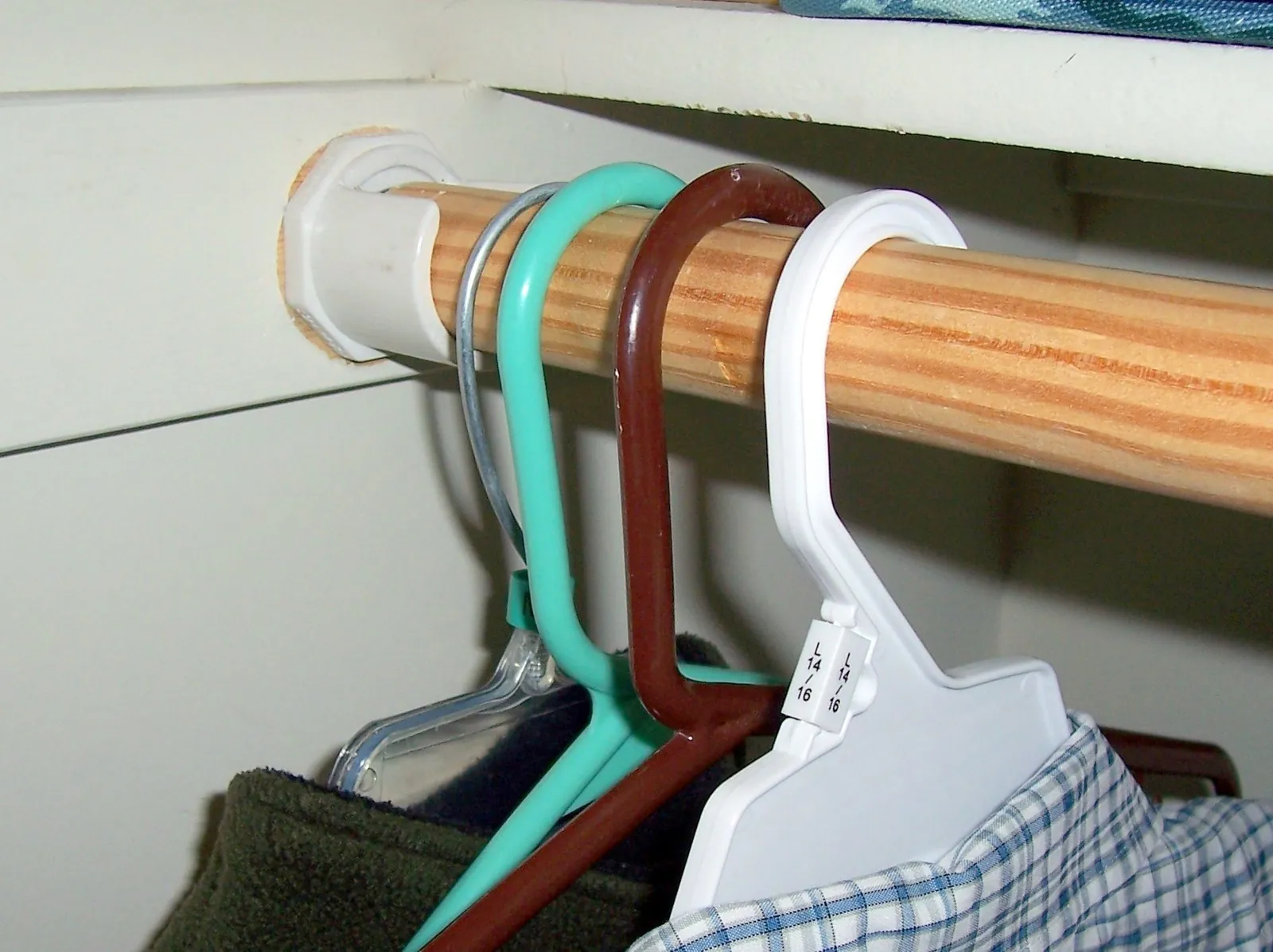
Many homeowners type this search because they notice a sagging rod or want to reorganize their storage. This page is written for the person installing or reinforcing a closet rod in a standard residential home. It assumes you’re working with typical closet depths of 24 inches and standard wall construction.
If you’re a professional contractor building heavy-duty retail displays, you should consult architectural load-bearing standards rather than residential DIY guides. This article serves the DIY enthusiast who needs to know if their current setup is safe for a full wardrobe. We assume you’re using standard wood dowels sold at home improvement stores. If you have custom-milled timber or unique shelf-integrated systems, those items require manufacturer-specific data to determine their true limits.
A standard 1 1/4-inch diameter wood dowel will sag under a four-foot span if loaded with heavy winter coats. If your span exceeds 32 inches, install a center support bracket to prevent permanent bowing.
Most people mistakenly mount rods directly into drywall without anchors, which causes the hardware to tear out under weight. If you can’t find a wall stud, use toggle bolts instead of plastic screw anchors. Toggle bolts distribute weight across a larger surface area behind the wall.
Factors that change your weight capacity
The species of wood is the primary factor in how much stress a rod can take before it bends or snaps. Hardwoods like oak or maple are significantly stronger than softwoods like pine or fir. You can usually identify the wood type by the weight of the rod and the grain pattern; denser, heavier wood generally supports more weight.
The length of the unsupported span is the second critical factor. If the distance between your mounting brackets exceeds 32 inches, the rod will begin to sag even with light clothing. A shorter span, such as 24 inches, increases the weight capacity because the rod has less leverage to bend in the middle.
The thickness of the rod matters more than almost any other variable. A rod with a 1.5-inch diameter is exponentially stronger than a 1-inch rod because of the way wood resists bending.
Wall mounting hardware is the most common point of failure. If your rod is supported by plastic brackets screwed into drywall without anchors, it will fail regardless of the wood strength. Always ensure the screws penetrate the wooden studs behind the drywall. Using wall fastener guidelines from the Consumer Product Safety Commission helps confirm that your mounting method is secure enough for heavy loads.
Installing your closet rod properly
- Measure the total width of your closet and mark the spots for your brackets, keeping them no more than 32 inches apart.
- Use a stud finder to locate the center of the wooden wall studs behind your drywall where you plan to mount the brackets.
- Drill pilot holes into the studs using a drill bit slightly smaller than the diameter of your mounting screws.
- Secure the brackets to the wall using screws that are at least 2.5 inches long to ensure they bite deep into the stud.
- Cut your wood rod to length so that it fits snugly between the brackets with about 1/8 inch of play on each side.
- Place the rod into the brackets and push down firmly to ensure it’s seated correctly.
- Check for movement by pushing up on the center of the rod; if it wobbles, tighten the mounting screws.
- Add a center support bracket if the rod feels flexible when you add a few heavy winter coats.
The difference between a job that holds and one that fails is the connection to the wall stud. If you mount a bracket into hollow drywall, the weight of a single heavy coat can pull the hardware right out of the wall.
Capacity by rod configuration
| Rod Setup | Max Load Per Foot | Typical Span | Risk Level |
|---|---|---|---|
| 1-inch pine | 10 lbs | 24 inches | High |
| 1.25-inch oak | 20 lbs | 32 inches | Low |
| 1.5-inch hardwood | 30 lbs | 48 inches | Low |
| Wall-to-wall fixed | 25 lbs | 32 inches | Very Low |
| Flange-mounted | 25 lbs | 32 inches | Low |
Choose your rod based on the total weight of your curtains rather than aesthetics alone. If your fabric exceeds 20 pounds, avoid pine rods entirely. Pine lacks the structural density to resist bowing over time, leading to eventual center-point failure.
For spans exceeding 32 inches, always install a center support bracket. Without this, even hardwood rods will sag under their own weight. If you notice the rod bowing, check the mounting hardware first. Loose screws in drywall often mimic a rod failure.
Always test the rigidity of the bracket before hanging the full weight. If the bracket shifts under firm hand pressure, your connection point is insufficient for the intended load.
Getting the best performance from your rod
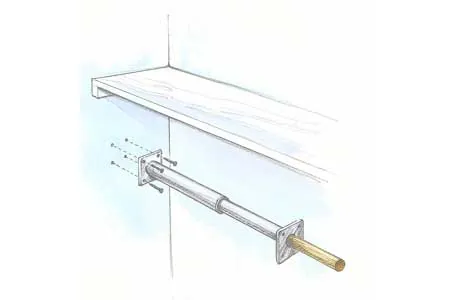
Preparation and mounting
Experienced installers always use a level to ensure the rod is perfectly horizontal. A rod that’s tilted will cause clothes to slide toward one side, creating uneven stress that leads to early failure. Always pre-drill your holes to prevent the wood studs from splitting when you drive the screws in.
Ongoing maintenance
Check the tightness of your mounting screws every six months, especially if the closet is in a high-traffic area. Changes in humidity can cause the wood to expand and contract, which may loosen the screws over time. If you notice the rod beginning to bow in the middle, add a middle support bracket immediately to stop the damage.
Common problems and solutions
Rod bowing occurs when the total weight of your garments exceeds the span’s structural capacity. If you notice a dip larger than a quarter-inch, install a center support bracket immediately to prevent permanent warping. For heavier loads, limit the span to 24 inches between supports.
Bracket failure often stems from using plastic drywall anchors in high-traffic areas. If the hardware wiggles, move the mount to the nearest wall stud. Use 2-inch wood screws to ensure a bite that won’t pull loose under pressure.
If your rod spins, the tension or set screw has lost its grip. Tighten the existing hardware first. If the rotation persists, apply a small drop of thread-locking adhesive to the screw threads before resetting it.
Wood cracking usually signals that the material is too brittle for the current load. Replace the rod with a solid hardwood option rather than a hollow dowel. Always check the grain direction to ensure it runs parallel to the floor.
Rules for safe installation
Local building codes often specify how closet hardware should be anchored to ensure the safety of the structure. While there’s no single national code for closet rods, the International Residential Code (IRC) requires that all shelf and rod systems be securely fastened to wall framing. If you’re renting your home, check your lease agreement before drilling into walls, as some landlords restrict structural modifications.
If you’re mounting a rod for heavy items like leather jackets or tool bags, you must use steel mounting hardware. Wood brackets are prone to splitting under heavy, long-term stress. If you feel unsure about finding the studs or drilling into your wall, hire a licensed handyman to ensure the brackets are anchored into the structural framing of the house.
True costs of closet storage
The financial cost of a rod is low, usually ranging from $10 to $30 for a high-quality hardwood dowel. The real cost is the time required to properly find the studs and install the hardware. If you fail to hit the studs, the cost of repairing torn drywall and patching the wall will far exceed the price of the rod itself.
You can save money by choosing pine, but you’ll spend more on extra brackets to keep it from sagging. Hardwood rods cost more upfront but often require fewer supports, which makes for a cleaner look and a more reliable storage solution. Always compare the price of the rod against the cost of the hardware, as the brackets are often what make the project expensive.
Keeping your rod in shape
After the installation, the best way to maintain your rod is to keep the weight distributed evenly across the span. Don’t hang all your heavy winter coats on one side, as this creates a localized weight that can snap even a strong rod. If you notice the rod beginning to sag, it’s telling you that the span is too wide or the wood is too thin.
You can fix a sagging rod by adding a center support bracket, which effectively cuts your span in half. If you move your clothes and the rod doesn’t return to its original straight shape, the wood has been permanently damaged. Replace it immediately, as a bowed rod will eventually fail completely and could damage your clothes or the closet floor when it drops.
When to avoid using wood
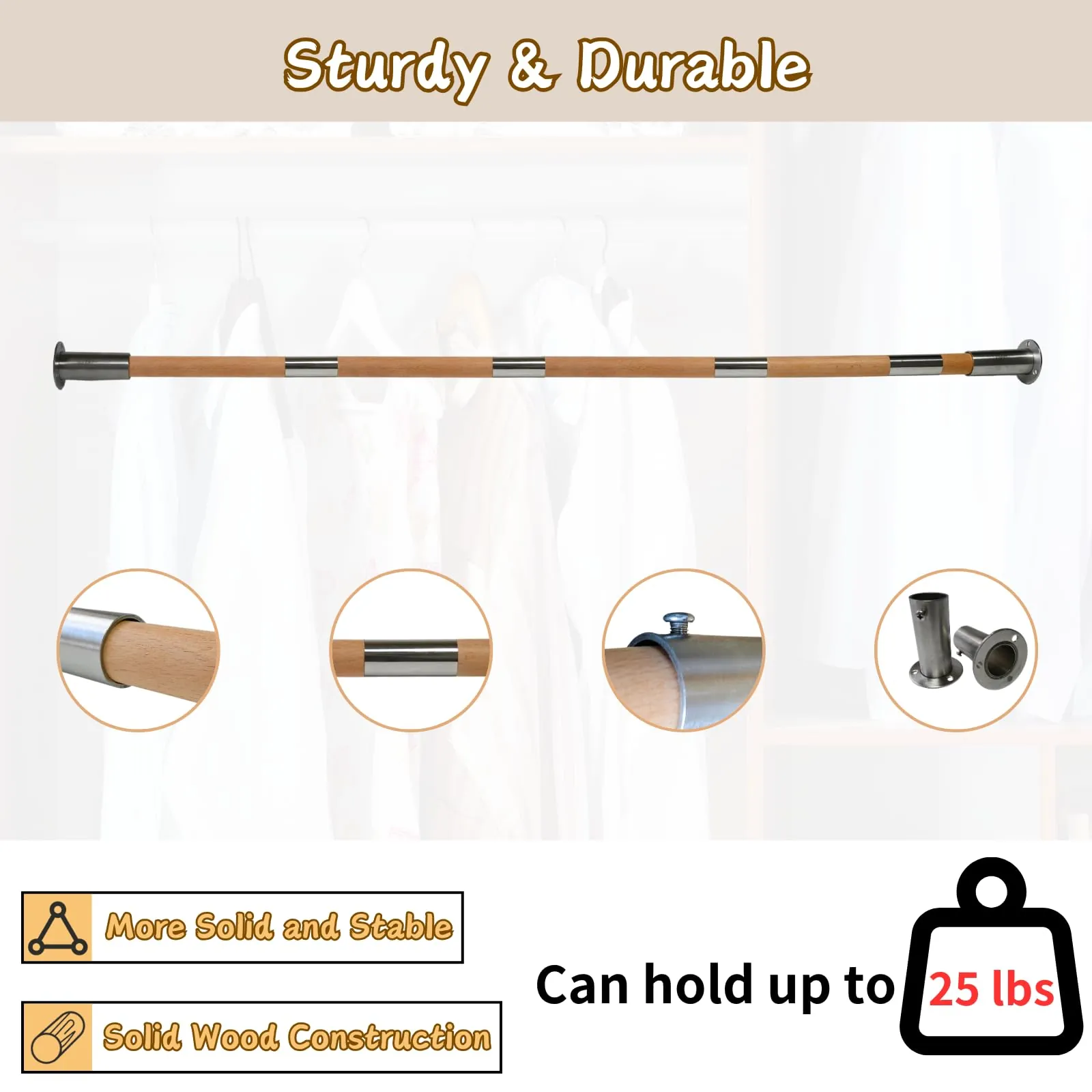
If you’re storing heavy equipment or extremely dense fabrics, a wood rod is the wrong choice. Wood will always sag over time when under constant, heavy pressure. In these cases, a steel closet rod is the better option because it doesn’t bend under weight in the same way that wood does.
Avoid using wood in high-humidity areas like laundry rooms or bathrooms. The moisture will cause the wood to expand, lose its strength, and eventually rot. Use a stainless steel or powder-coated metal rod in these environments. If you’re unsure if your closet is too humid, look for signs of mildew or dampness on the walls before you commit to a wooden installation.
A common mistake is assuming that a thick wooden dowel is stronger than a thin metal pipe. In reality, steel maintains its structural integrity at half the diameter of wood. If your span exceeds four feet, wood will inevitably bow regardless of the thickness. If you must use wood for aesthetic reasons, install a center support bracket to halve the load. If the rod is already sagging, replace it immediately before the mounting hardware pulls away from the wall.
Related guides
Frequently asked questions
How much weight can a wood closet rod hold?
A standard 1.25-inch wood rod holds about 15 to 25 pounds per foot when supported every 32 inches. Your exact capacity depends on the wood species and the quality of the wall mounting. If your rod is thinner than 1.25 inches, decrease this estimate by 30 percent.
Why is my wood closet rod sagging?
Your rod is sagging because the distance between the supports is too large or the rod is too thin for the weight. A span wider than 32 inches allows the wood to bend under the pressure of your clothing. Add a center support bracket to stop the sagging immediately.
Is it safe to use plastic brackets for a wood rod?
Plastic brackets are generally safe for light loads, but they often fail under the weight of a full closet. Metal brackets are much stronger and provide a more secure connection to the wall studs. If you have heavy items, always swap plastic brackets for metal ones.
How long should my closet rod span be?
The maximum safe span for a standard wood closet rod is 32 inches between supports. If you exceed this distance, the rod will begin to bow in the center. For heavier clothing loads, keep the span closer to 24 inches to ensure the rod stays straight.
Does the wood species matter for weight capacity?
The species of wood is a major factor in how much weight the rod can support without bending. Oak, maple, and ash are dense hardwoods that handle significantly more weight than softwoods like pine. Always choose the densest wood available if you plan to hang heavy items.
What happens if I mount a rod into drywall only?
A rod mounted into drywall only will likely fail, as the weight of the clothes will pull the anchors out of the wall. Always locate the wooden studs behind the drywall and screw the brackets directly into them. This is the only way to ensure the rod stays up.
Conclusion
Start by checking the distance between your current brackets to see if they meet the 32-inch limit. If the rod is already sagging, install a center support bracket into a wall stud to reinforce the middle. Stop the project if you can’t find a stud or if the wall feels soft.