

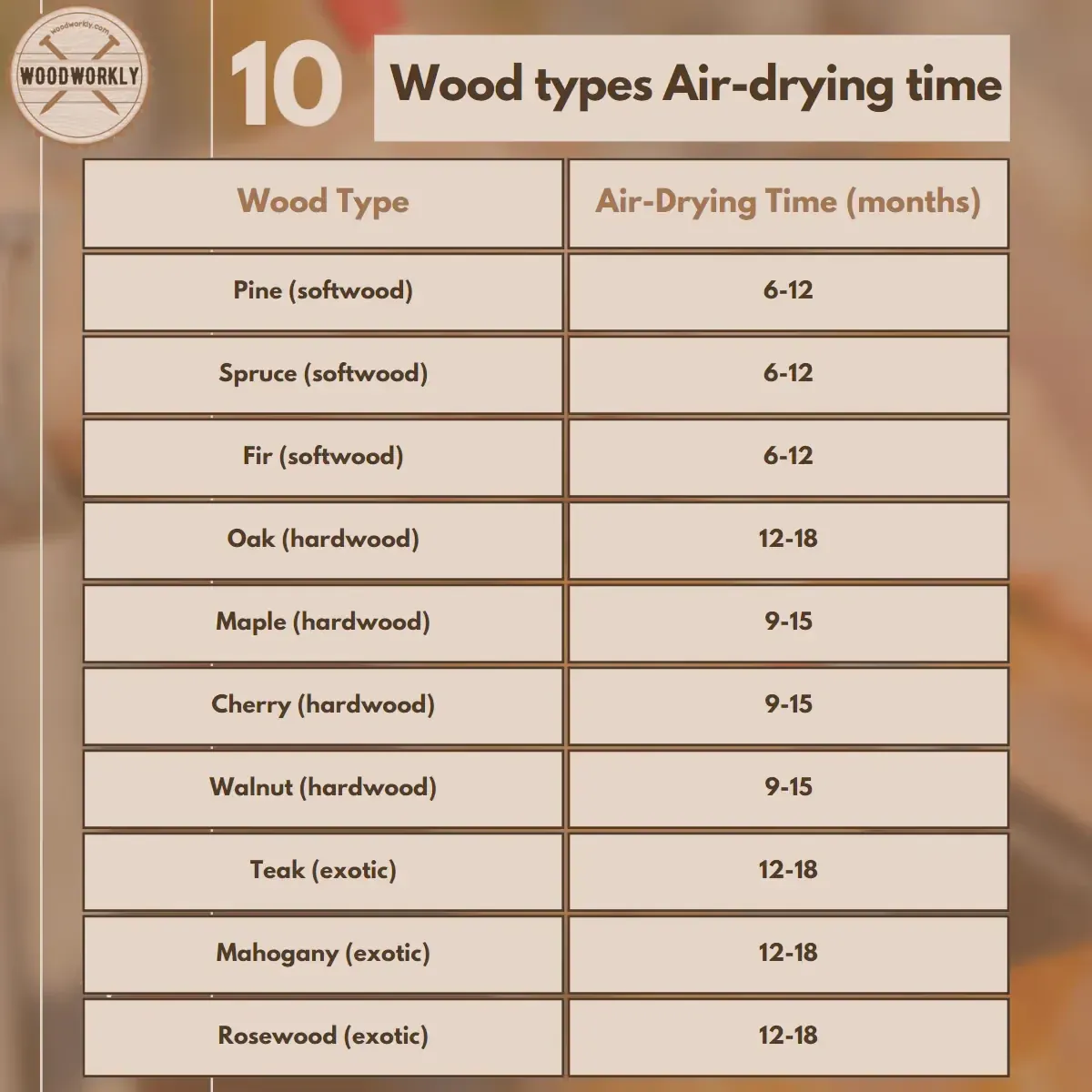
It takes 6 to 12 months for wet wood to dry enough for burning when stored in a breezy, outdoor location. Drying for less time leaves too much moisture, which creates excessive smoke and makes the wood difficult to light. The exact time depends on the species, initial moisture, and climate, as softwoods dry faster than dense hardwoods like oak that often need a full year.
Drying time based on wood use
The drying process depends on how you handle the logs and where you place them. You can use this table to estimate how your specific wood might behave under different conditions.
| How you use it | How often | What tells you it’s due |
|---|---|---|
| Stacking for winter | 6-12 months | Moisture meter reads under 20% |
| Burning green wood | Don’t do | Thick, black smoke appears |
| Storing in shed | 4-8 months | Ends of logs show cracks |
| Drying small kindling | 2-4 months | Wood feels light to hold |
| Air drying outdoors | 6-12 months | Bark peels away easily |
Stack your wood in a single row to maximize airflow. If you stack logs in a double row, the interior wood will trap moisture and invite rot. Keep the stack at least six inches off the ground using pallets or pressure-treated lumber to prevent moisture wicking from the soil.
If you live in a humid climate, add three months to these estimates. You know the wood is ready when the weight drops significantly and the color fades to a dull gray. A common mistake is stacking wood against the side of your house. This creates a bridge for termites and traps dampness against your siding, which can lead to costly structural repairs.
If you need to burn wood sooner, bring your logs inside three days before use. Place them near a heat source to drive out the final surface moisture. If the wood hisses or bubbles at the ends while burning, it’s still too wet. Stop burning it immediately to prevent dangerous creosote buildup in your chimney.
What happens if you skip seasoning
Skipping the seasoning process leads to immediate issues with combustion and long-term damage to your heating equipment. When you burn wood with a moisture content above 20%, the energy from the fire is wasted on evaporating the water inside the log rather than heating your home. This process prevents the fire from reaching the temperatures needed for a clean burn.
The first sign of burning wet wood is a fire that hisses or pops loudly. This sound is steam escaping from the ends of the logs. Because the fire can’t get hot enough, it produces a large amount of thick, white smoke instead of clean heat. This smoke isn’t just water vapor; it contains unburned wood gases and particles that quickly turn into creosote.
Creosote is a sticky, flammable substance that builds up inside your chimney or flue. Burning wet wood significantly increases the amount of creosote buildup, which creates a serious fire hazard. Over a few months of regular use, this buildup can restrict airflow, causing smoke to back up into your living space.
If you’re unsure if your wood is ready, strike two logs together. Seasoned wood produces a sharp, hollow ring, while green wood makes a dull, heavy thud. If you hear a thud, don’t burn it. Burning that wood will force you to clean your chimney more frequently and significantly increases the risk of a dangerous chimney fire.
If you continue to ignore these signs, the long-term impact on your stove or fireplace is severe. The acidic condensation from the wet smoke corrodes metal flues and can cause cracks in masonry liners. You’ll also notice that your glass stove doors become covered in a dark, stubborn soot that’s difficult to clean.
Many people mistakenly believe that burning a very hot fire will “burn off” the moisture in green wood. This is a costly error. A hot fire only accelerates the release of creosote-heavy gases before the wood has a chance to dry, coating your flue in a thick, glass-like glaze that even professional brushes struggle to remove.
Eventually, the efficiency of your heating system drops so low that you spend more on fuel to get less warmth. If you’re unsure about the safety of your chimney, check with a certified professional to inspect it for heavy creosote accumulation before your next fire.
Signs your wood is ready
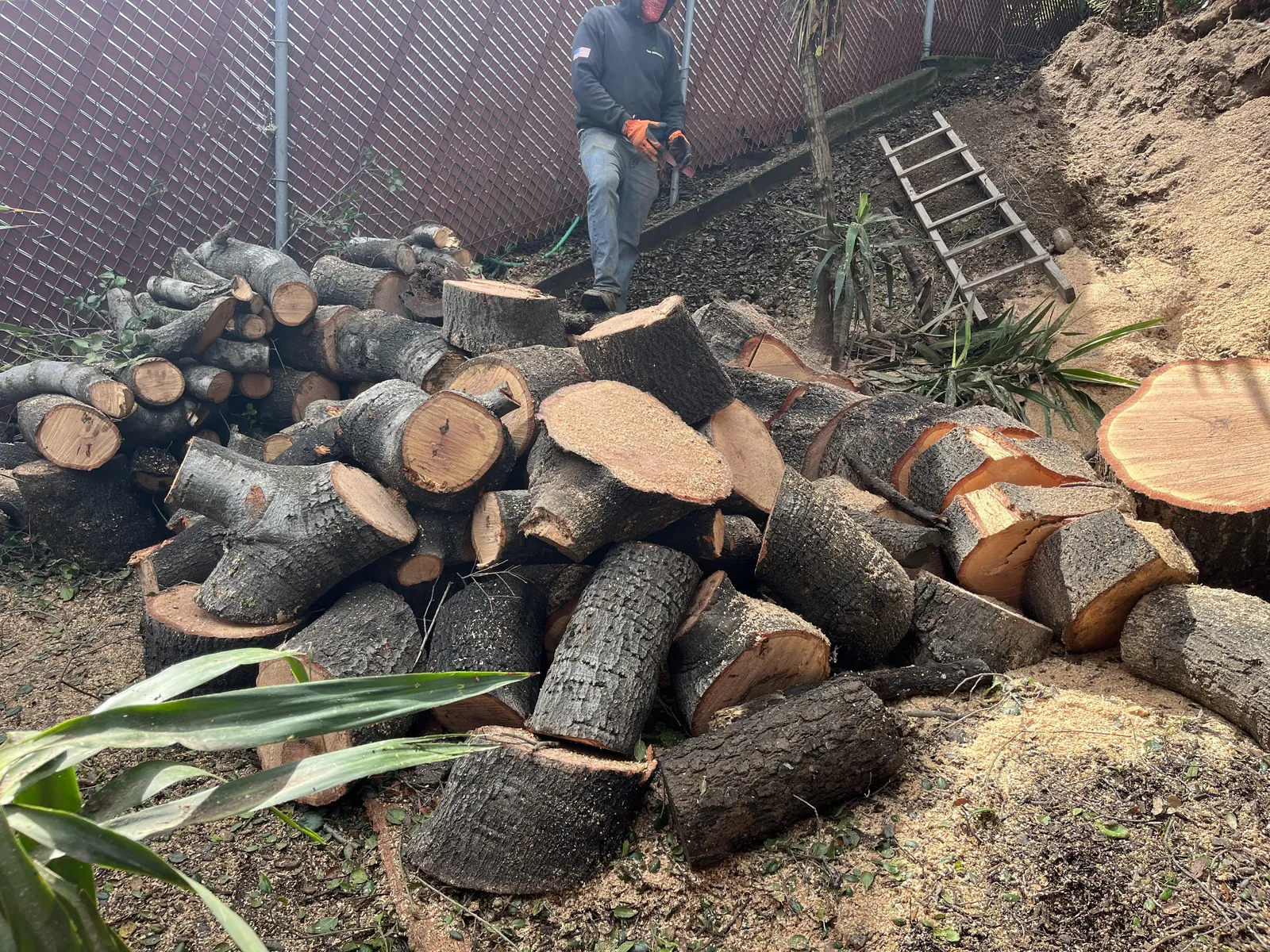
Weight is your most reliable gauge. A seasoned log should weigh roughly 20% to 25% less than a green piece of the same species and volume. If a log feels surprisingly light, like a piece of balsa, it’s likely ready for the hearth.
Check the ends for radial cracks, often called checks. These occur as the wood fibers shrink during the drying process. If you see cracks extending from the center toward the bark, the moisture has successfully escaped.
The bark tells a similar story. On green wood, the bark is tightly adhered to the cambium layer. If the bark slips off easily or has already begun to shed on its own, the wood has reached the end of its drying cycle.
Listen to the sound when you strike two logs together. A dull, heavy thud indicates the wood is still saturated with internal moisture. A sharp, hollow “clack” means the wood is dry and resonant.
Always test by splitting a log first. A moisture meter pressed against the outer bark will give you a false reading. You must drive the pins into the freshly exposed, interior face of the wood. If the meter reads above 20%, the wood will smolder, create excessive creosote in your chimney, and fail to produce meaningful heat.
If you’re unsure, apply the “clink” test. If you strike two pieces together and they sound like dense, wet sponges, set them aside for another season. Only the sharpest, most hollow sounds indicate wood ready for a clean, efficient burn.
Effort required for proper drying
Preparing wood for your fire requires physical space and consistent effort, though it doesn’t demand technical skills. You need a flat, sunny, and well-ventilated area to create your woodpile. The goal is to maximize airflow around every single log. If you stack the wood directly on the ground, the bottom layers will absorb moisture from the soil and rot instead of drying.
You must build a base using pallets or scrap lumber to keep the wood off the earth. When stacking, leave small gaps between the logs to allow the wind to pass through the pile. This is the most important step for speeding up the drying process.
If you live in a rainy area, you should cover only the top of the stack with a tarp or a shed roof. Never wrap the sides of the pile in plastic, as this traps moisture and creates a perfect environment for mold and decay.
The cost of this process is measured in your own time and labor. Splitting the wood into smaller pieces before you stack it’s a major factor in how quickly it dries. Smaller logs have more surface area exposed to the air, which cuts down the wait time significantly.
If you split logs into a diameter of four to six inches, they will typically reach a burnable state in six to twelve months. Anything larger than eight inches in diameter will likely remain too wet for a clean burn, even after two full seasons of drying. If the wood feels heavy or sounds dull when you strike two pieces together, it still contains too much water.
If you’re buying wood, ask the supplier if it has been “kiln-dried” or “seasoned.” Seasoned wood is ready to burn immediately, but you should still test a few pieces with a moisture meter to ensure they meet your needs. Aim for a reading below 20 percent. If your meter shows 25 percent or higher, the wood will hiss, smoke, and create dangerous creosote buildup in your chimney.
Habits to extend your supply
Split wood smaller to accelerate the seasoning process. Aim for pieces roughly three to four inches in diameter. This size maximizes surface area, allowing moisture to escape significantly faster than larger rounds. If you’re burning wood that feels heavy or sounds dull when struck, it’s still too damp to provide efficient heat.
Elevate your entire pile at least four inches off the ground using pressure-treated lumber or metal racks. Contact with soil wicks moisture directly into the fibers, which promotes fungal decay and rot. If you lack a rack, lay down a base of sacrificial scrap wood to create a permanent air gap.
Orient your stacks North-South to intercept prevailing winds. This positioning ensures that air flows through the gaps between logs rather than hitting a solid wall. Leave at least six inches of space between rows to prevent stagnant, humid pockets from forming in the center of your supply.
Follow a strict first-in, first-out rotation. Place new deliveries at the back of your storage area and pull from the front. If you mix old and new wood, you’ll inevitably burn green logs that create creosote buildup in your chimney. This simple habit prevents the costly mistake of wasting fuel on wood that produces more smoke than actual warmth.
Related guides
Frequently asked questions
How long does it take for oak wood to dry?
Oak typically requires 12 to 24 months to dry properly due to its high density. You should confirm the moisture level with a meter before burning, as oak retains water much longer than softwoods. In very humid environments, you may need to wait closer to two years.
Is it safe to burn wood that isn’t fully dry?
Burning wet wood is unsafe because it creates excessive creosote, a primary cause of chimney fires. You should only burn wood that has been seasoned until it reaches a moisture content below 20%. This ensures your fireplace maintains high temperatures without dangerous soot buildup.
How can I tell if my wood is dry without a meter?
You can tell if wood is dry by checking for cracks on the ends and loose bark. Two pieces of dry wood will make a sharp, hollow sound when struck together, unlike the dull thud of wet wood. Avoid wood that feels damp or cold to the touch.
Can I dry wood faster in a shed?
You can dry wood faster in a shed if the structure has open sides to allow for constant airflow. A shed protects logs from rain and snow while letting wind pull out moisture. Avoid fully enclosed sheds, as trapped humidity will prevent the wood from drying.
Does the species of wood change the drying time?
Wood species affect drying time because trees have varying levels of density and natural oils. Softwoods like pine often dry in 6 to 9 months, while dense hardwoods like oak can take twice as long. Always allow your densest wood the longest time to season.
How much moisture should be in firewood?
Firewood should contain less than 20% moisture to burn cleanly and efficiently. You can confirm this by using a moisture meter on a fresh, split surface of the log. If the reading is higher than 20%, the wood is still too green to burn.
Conclusion
Start by splitting your wood into smaller, manageable pieces to increase the surface area exposed to the air. You should see the wood become lighter in weight and develop visible cracks on the ends as it dries over the coming months. If you notice a persistent hissing sound or thick, dark smoke when you start a fire, stop using that batch immediately and switch to a drier supply.