

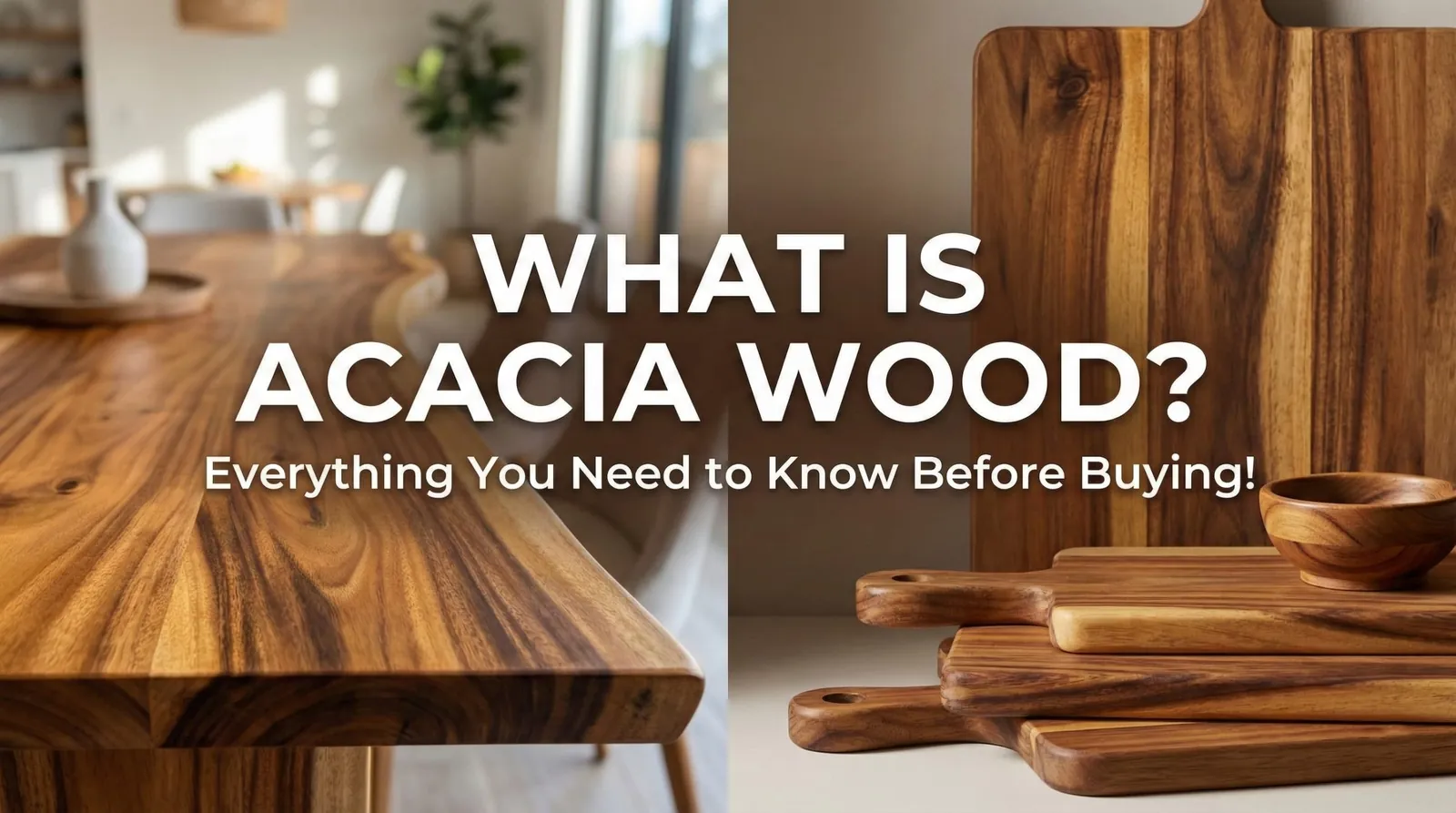
Acacia wood ranks as a exceptionally durable and dense material, making it a premier choice for both indoor furniture and heavy-duty outdoor applications. When evaluating how hard this timber is, it consistently outperforms many common softwoods and even rivals several popular hardwoods, providing a reliable surface that resists dents, scratches, and the general wear and tear of a busy household. Its natural properties allow it to withstand significant pressure without compromising its structural integrity, which is why you’ll frequently find it used in high-traffic items like cutting boards, dining tables, and outdoor patio sets.
Key Takeaways
- Acacia wood consistently ranks high on the Janka hardness scale, typically falling between 1,700 and 2,300 lbf depending on the specific species.
- Its inherent density makes it naturally resistant to rot, fungal decay, and insect infestations, reducing the need for aggressive chemical treatments.
- The tight grain structure of acacia allows it to take finishes and stains exceptionally well, though its natural oils may require specialized primers for long-term adhesion.
- Regular maintenance, such as applying food-grade mineral oil or high-quality wood wax, is essential to prevent drying and cracking in fluctuating humidity.
- Acacia is a sustainable and fast-growing resource, often harvested within 10 to 15 years, making it an environmentally conscious choice for furniture production.
Understanding Acacia Wood Hardness
To understand how hard acacia wood actually is, one must look at the Janka hardness test, which measures the force required to embed a steel ball halfway into a piece of wood. Acacia isn’t a single species but a genus containing over 1,000 varieties, though the most common commercial types, such as Acacia mangium or Acacia koa, demonstrate remarkable strength.
Most domestic hardwoods like white oak or black walnut fall in the 1,000 to 1,500 lbf range, whereas acacia often sits comfortably above this threshold. This superior structural density ensures that your furniture remains stable even under constant use.
Why Density Matters in Furniture
The primary benefit of high-density wood is its resistance to physical impact. If you drop a heavy kitchen utensil or slide a ceramic plate across an acacia surface, the wood is significantly less likely to suffer deep gouges compared to pine or cedar.
This durable surface quality makes it a favorite for families with children or pets. Furthermore, the internal cellular structure of acacia is tightly packed, which minimizes the amount of moisture it absorbs, thereby reducing the likelihood of warping when exposed to environmental changes.
Comparing Acacia to Other Woods
When shopping for furniture, it’s helpful to visualize how acacia stacks up against common competitors. The following table highlights the Janka hardness ratings of various popular woods to provide a clear benchmark for your purchasing decisions.
| Wood Type | Janka Hardness (lbf) | Primary Usage |
|---|---|---|
| Pine (Softwood) | 400 – 800 | Construction framing, shelving |
| Black Walnut | 1,010 – 1,100 | Fine cabinetry, furniture |
| White Oak | 1,300 – 1,400 | Flooring, heavy furniture |
| Acacia | 1,700 – 2,300 | Cutting boards, outdoor furniture |
| Hickory | 1,800 – 2,000 | Tool handles, flooring |
Is Acacia Hard Enough for Floors?
Because of its high hardness rating, acacia is a stellar candidate for residential flooring. It stands up well to the constant traffic of a busy household and the weight of heavy furniture legs. However, because acacia is a naturally oily wood, the installation process requires specific attention to detail.
You must ensure that the subfloor is properly prepared and that the finish applied is compatible with the wood’s high oil content. When properly installed, an acacia floor provides a resilient foundation that can last for decades with minimal refinishing requirements.
Managing Seasonal Movement
Even the hardest woods react to humidity. While acacia is dense, it isn’t immune to expansion and contraction. During the winter months, when indoor heating dries the air, acacia can lose moisture and shrink slightly.
Conversely, in the humid summer, it may absorb moisture and expand. To mitigate this, maintain a consistent indoor humidity level between 35% and 55% using a humidifier or dehumidifier. This proactive approach prevents the development of small gaps or surface checks in your flooring or furniture.
Maintenance for Long-Term Durability
Although acacia is physically hard, it requires consistent care to maintain its aesthetic appeal and structural health. The natural oils that make it rot-resistant can dissipate over time, especially if the piece is left outdoors in direct sunlight.
To prevent the wood from becoming brittle, you should apply a protective coating regularly. For indoor furniture, a simple application of wax or oil once or twice a year is usually sufficient. For outdoor pieces, look for UV-resistant sealants that protect against sun-induced bleaching.
Best Practices for Cleaning
Avoid using harsh chemicals or abrasive scrubbers on acacia wood. These can strip away the protective finish and damage the wood’s natural grain. Instead, use a soft, damp cloth and a mild soap solution for regular cleaning.
If you’re cleaning a cutting board, ensure it’s thoroughly dried immediately after washing to prevent water from soaking into the fibers. Following the USDA Food Safety and Inspection Service guidelines for kitchen hygiene is a smart way to keep your wood surfaces sanitary and long-lasting.
The Role of Grain in Durability
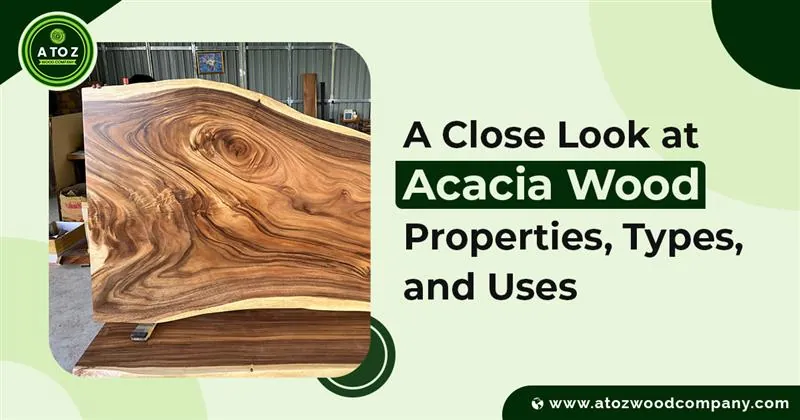
The grain pattern of acacia is often interlocking, which contributes significantly to its overall hardness and impact resistance. This interlocking structure makes the wood much harder to split or crack during manufacturing.
When you look at a piece of acacia, you’ll notice a vibrant, swirling grain that isn’t only beautiful but also functional. This complex grain architecture prevents the wood from splintering along a single line, which is a common failure point in more uniform, straight-grained woods like pine or poplar.
How Hard Is Acacia Wood in Outdoor Use?
When used outdoors, acacia’s hardness is its greatest asset. It naturally resists the elements, including rain, wind, and even fungal growth, without needing the heavy chemical pressure treatments required for softer woods. This makes it a popular choice for patio chairs, benches, and dining sets.
However, even the hardest wood will eventually turn a silvery-gray color if left untreated in the sun. This is a cosmetic change caused by UV radiation, not a sign of structural failure. If you prefer the original, rich brown hue, you must commit to an annual maintenance schedule involving light sanding and re-oiling.
Common Myths About Acacia Hardness
There’s a common misconception that because acacia is hard, it’s also heavy and difficult to work with. While it’s certainly denser than many softwoods, it isn’t as difficult to machine as some exotic hardwoods like Ipe. Experienced woodworkers often find that acacia responds well to sharp, high-speed steel tools.
Another myth is that acacia never needs maintenance because it is “naturally rot-resistant.” While true that it resists decay better than most, it still requires a protective barrier to maintain its appearance and prevent surface cracking caused by environmental stressors.
Selecting Quality Acacia Pieces
When buying acacia furniture, look for pieces that have been kiln-dried. This process removes excess moisture in a controlled environment, which stabilizes the wood and reduces the risk of warping after you bring the furniture into your home.
Check the joints and fasteners; high-quality acacia furniture should be constructed with mortise-and-tenon or dovetail joints rather than relying solely on staples or glue. A well-constructed joint is just as important as the hardness of the wood itself when determining the longevity of your investment.
Signs of High-Quality Construction
- Weight: The piece should feel substantial and solid, not light or hollow.
- Finish: The surface should be smooth to the touch, with no rough patches or exposed grain fibers.
- Consistency: The color should be relatively uniform, though natural variations are expected and add to the beauty.
- Hardware: High-quality furniture uses rust-resistant, stainless steel, or brass hardware for outdoor longevity.
Troubleshooting Common Issues
Even with its high hardness, acacia can develop minor issues if neglected. Below is a guide to identifying and addressing the most frequent problems owners encounter.
| Problem | Potential Cause | Recommended Solution |
|---|---|---|
| Surface Cracks | Extreme humidity fluctuations | Apply a wood wax to seal moisture |
| Dull Appearance | UV exposure or dry air | Apply a high-quality wood oil |
| Sticky Residue | Over-application of oils | Wipe with a damp cloth and mild soap |
| Wobbly Legs | Loose fasteners or uneven floor | Tighten screws and add leveling pads |
When to Call a Professional
If your acacia furniture suffers from deep structural cracks or severe warping, it may be time to consult a professional furniture restorer. While you can handle minor scratches with sanding and oiling, deep structural issues often require specialized clamps and wood fillers that match the specific color of the acacia species. Attempting to fix a major structural failure without the right equipment can lead to further damage, effectively ruining the piece.
Sustainability and Environmental Impact
Acacia is often cited as a highly sustainable choice. Because many species grow rapidly, they can be harvested in a relatively short timeframe compared to slow-growing hardwoods like oak or mahogany. This makes it an environmentally friendly alternative for those who want the look and feel of high-end wood without the negative impact on old-growth forests. When purchasing, look for certifications such as the Forest Stewardship Council (FSC) label, which ensures the wood was harvested from responsibly managed forests.
Related guides
Frequently Asked Questions
Is acacia wood too hard to cut?
Acacia is hard, but it’s certainly not impossible to cut with standard woodworking tools. If you’re a DIY enthusiast looking to build with acacia, ensure your saw blades are sharp and made of high-quality carbide steel. Because of its density, it can dull blades faster than pine, so keep a sharpening stone or spare blades on hand to maintain clean, safe cuts throughout your project.
Will acacia wood scratch easily?
Acacia is highly resistant to scratching compared to softwoods, but no wood is truly scratch-proof. While it can withstand the daily abuse of kitchen utensils and household items, heavy objects with sharp metal edges can still leave marks. Using felt pads under furniture legs and coasters on tabletops is a simple, effective way to maintain the pristine surface of your acacia wood items for many years.
Does acacia wood need special oil?
You don’t necessarily need a proprietary brand, but you should use a food-safe, high-quality mineral oil or a specialized wood wax for items like cutting boards. For furniture, a penetrating oil finish or a polyurethane sealant works well to protect the surface. Avoid vegetable-based oils like olive or canola, as these can go rancid over time, leading to unpleasant odors and a sticky surface.
Can acacia wood be left outside year-round?
Yes, acacia is one of the best wood choices for year-round outdoor use due to its natural density and resistance to moisture. However, to keep it looking its best, it’s advisable to cover your furniture during the harsh winter months or store it in a shed. This protects the finish from extreme temperature swings and heavy snow, which can cause even the toughest wood to crack.
How do I know if my acacia is genuine?
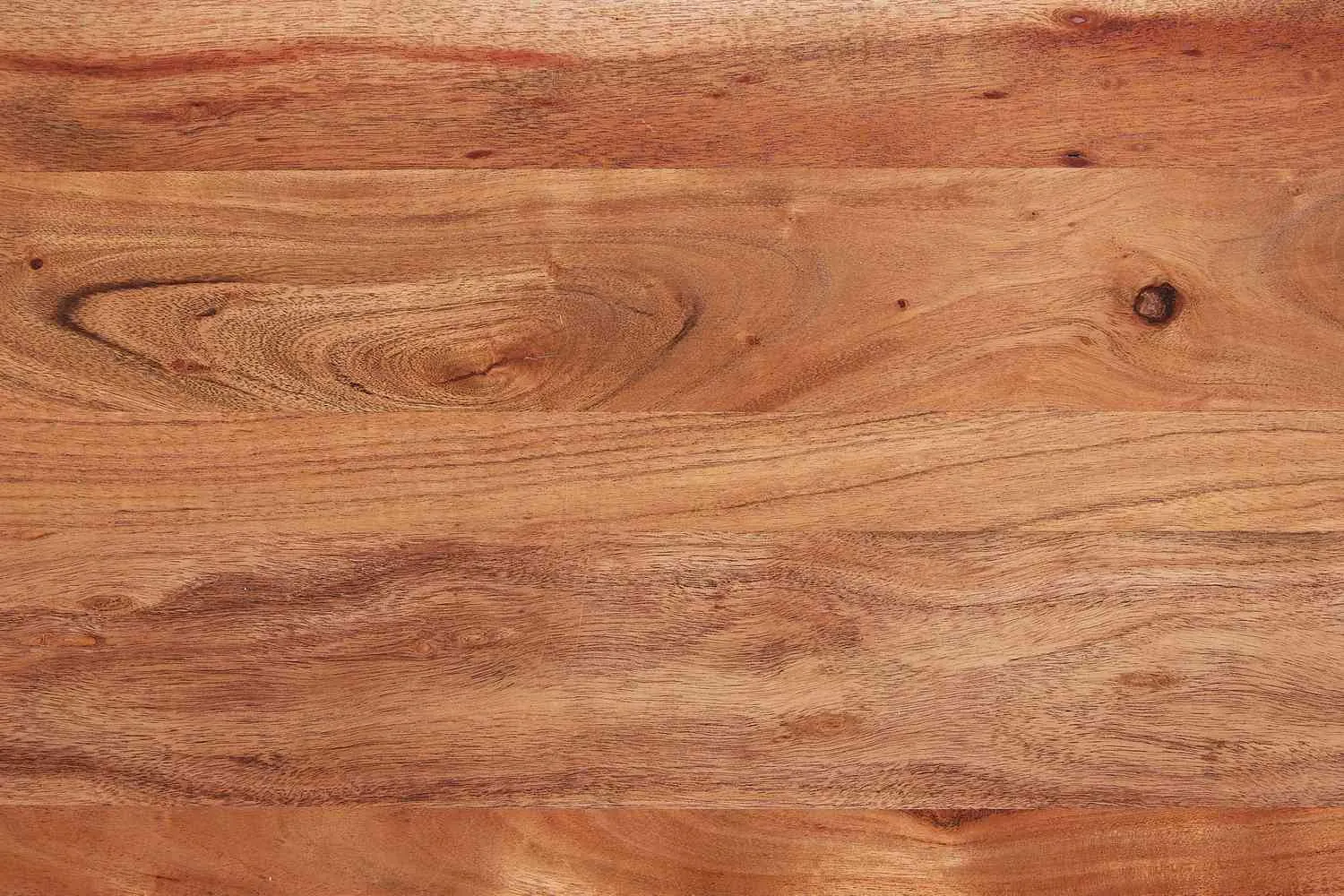
Genuine acacia wood is characterized by its distinct, swirling grain patterns and color variations, which range from light amber to deep mahogany. If you see a piece of furniture that looks perfectly uniform in color or has a “painted” grain pattern, it may be a veneer or a different wood species altogether. Authentic acacia should feel dense, heavy, and have a unique, natural tactile quality.
Conclusion
Choosing acacia wood provides you with a robust, long-lasting material that bridges the gap between aesthetic beauty and industrial-grade toughness. By understanding its specific needs—specifically the importance of humidity control and regular oiling—you can ensure your furniture remains a centerpiece of your home for years to come. Start by inspecting your current acacia pieces for any signs of dryness and apply a light coat of conditioning oil this weekend to preserve that signature luster and structural strength.