

You should stop using any electrical appliance that smells like smoke immediately and turn off the power at the main breaker to prevent a fire. If you smell burning plastic, rubber, or electrical insulation, your home has a potential fire hazard that requires your full attention. Don’t attempt to use the device again until you have identified the source and confirmed it’s safe to operate.
Immediate steps for safety
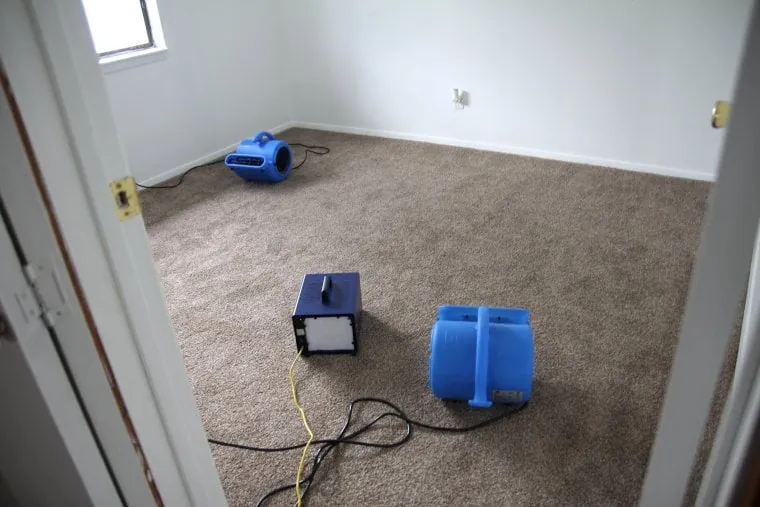
If you find that your house smells like smoke, follow these steps to secure your home:
Turn off the main electrical breaker for the room or appliance that smells like burning. If you can’t identify the specific circuit, flip the main power switch for the entire house. Don’t touch any switches that feel hot to the touch, as they may spark or melt under your hand.
Open windows and doors to vent the air and clear any toxic smoke or fumes. Keep a fire extinguisher nearby while you locate the source of the odor. Move all people and pets to a safe area outside the home immediately.
If the smell persists after the power is off, call a qualified electrician or fire professional. If you see visible flames or thick, black smoke, evacuate the property and call 911 from a neighbor’s house. Never re-enter the building until a professional confirms it’s safe.
Safety: Inside a mains-powered machine, the parts behind the outer cover can hold a dangerous electrical charge even after it has been unplugged — that’s why they sit behind a cover. Opening the housing, or testing or replacing anything behind it, is a job for a qualified technician, never a home repair.
Identifying why your house smells like smoke
The mechanism behind a burning smell usually involves high resistance in an electrical circuit or the overheating of mechanical parts. When wires are loose, corroded, or overloaded, they create a condition called arcing. This generates intense heat that melts the plastic insulation surrounding the wire, which releases a sharp, chemical odor. If you smell smoke, it means the material is already degrading and could easily ignite nearby dust or fabric.
Mechanical parts, such as motors in fans or vacuums, can also cause this if they’re blocked by debris. When a motor can’t spin freely, it draws more current than the circuit can handle, causing the internal coils to overheat. This smell is often muskier and more consistent than the acrid scent of melting plastic.
You should check the Consumer Product Safety Commission guidelines on home fire prevention to learn about the origins of these common household hazards. If you can’t find a clear source, the issue might be hidden inside a wall or behind an appliance panel, which requires professional diagnostic tools.
Check these, cheapest first
Start your investigation by checking the most accessible areas before moving to larger appliances.
Inspect all light switches
Check for warm plastic plates or dark marks around the switches. A warm switch indicates a loose connection behind the wall, which is a significant fire risk. If you see discoloration, don’t touch the switch again and keep the circuit breaker for that room in the off position.
Check your power strips
Look for melted plastic or charred prongs on any plugged-in power strips. These items are often overloaded by too many devices, leading to internal overheating. If you notice any melting, replace the strip immediately and never attempt to repair a damaged power cord or outlet with tape.
Examine your exhaust fans
Check your bathroom or kitchen exhaust fans for dust buildup or restricted movement. A motor that struggles to turn will overheat quickly, creating a localized burning smell. If the blades don’t spin easily by hand when the power is off, the motor is likely failing.
Look at your HVAC vents
Check your furnace vents for debris or signs of melting around the heat exchanger. If the filter is clogged, the system works harder and can overheat. If you notice the smell only when the heat turns on, the issue is likely within the furnace unit itself.
Test your kitchen appliances
Smell the back and top of your toaster, microwave, and oven for lingering odors. Food debris inside these units can char during use, creating a temporary smoke smell. If the smell remains after you clean the interior, the internal wiring might be damaged from age or heavy use.
The fix for common odors
The repair for a burning smell depends entirely on what is causing the heat. If the smell comes from an appliance, the most likely cause is a buildup of dust or a failing motor.
For dust, simply unplug the device and use compressed air to clear the intake vents. If the smell remains after cleaning, the internal components have likely reached their thermal limit and suffered permanent damage. In this case, the appliance should be retired to prevent a fire hazard.
If the smell comes from an outlet or switch, the problem is a loose wire connection that must be tightened or replaced. You’ll see the fix is effective if the burning odor disappears and the faceplate remains cool to the touch during normal use.
If the smell returns within a week after a minor fix, it indicates a deeper fault in your home’s wiring. This is a sign that the electrical system is struggling under current loads and needs a professional inspection to avoid a serious electrical fire.
When this stops being a DIY job

You must stop your investigation and call a licensed electrician if you can’t identify the smell or if the odor persists after you have turned off the power to a specific room. Electrical work inside walls or breaker panels carries a high risk of shock and fire if handled incorrectly.
A professional will use a thermal imaging camera to detect hidden hot spots behind walls that you can’t see. If you touch a wall and feel a localized warm spot, stop immediately. Heat indicates a high-resistance connection that could ignite nearby insulation.
When you call the electrician, tell them exactly which devices were running when the smell started and if you noticed any flickering lights or tripped breakers. This information helps them pinpoint the faulty circuit much faster, saving you time and reducing the risk of a repeat incident.
If the smell is fishy, it’s likely burning phenolic resin from an outlet or circuit board. If it smells like ozone, you may have an arcing issue. Treat both as emergencies.
Related guides
Frequently asked questions
Can a burning smell go away on its own?
No, a burning smell never goes away on its own because it indicates a physical problem like melting insulation or motor failure. If the smell disappears, it usually means the device has stopped working entirely or the heat source has damaged the connection enough to break the circuit.
Is it safe to stay in the house if I smell smoke?
No, it isn’t safe to stay inside if you smell smoke until you have located and stopped the cause. If the odor is strong or you see visible haze, evacuate the house immediately and call the fire department to ensure there’s no hidden fire behind your walls.
How long does it take for a burning smell to clear?
The smell typically clears within 15 to 30 minutes once the power is cut and the room is properly ventilated. If the odor lingers longer than this, it suggests that the burnt material is still hot or that the source of the fire is still active and smoldering nearby.
What happens if I ignore a burning smell?
Ignoring the smell leads to a high risk of an electrical fire that can spread rapidly through walls and insulation. Even if the device seems to work, the internal damage continues to worsen, which can cause a sudden, dangerous arc that ignites nearby furniture or structural wood in the home.
Does it matter if the smell is faint?
Yes, a faint smell is just as dangerous as a strong one because it often represents the early stage of an electrical fire. Even a small amount of melting plastic indicates that a connection is failing and generating enough heat to reach the ignition point of nearby household materials.
How do I know if it’s the wiring or the appliance?
You can test this by turning off the circuit breaker for that specific area and seeing if the smell stops. If the smell continues even with the breaker off, the source is likely outside or in a different circuit; if it stops immediately, the fault is within the appliances on that line.
Conclusion
If you can’t pinpoint the exact cause of the odor, don’t take any chances with your family’s safety. It’s best to call a licensed electrician to inspect your wiring and outlets. They’ll help you find hidden issues, so you won’t have to worry about a sudden fire starting in your walls.