
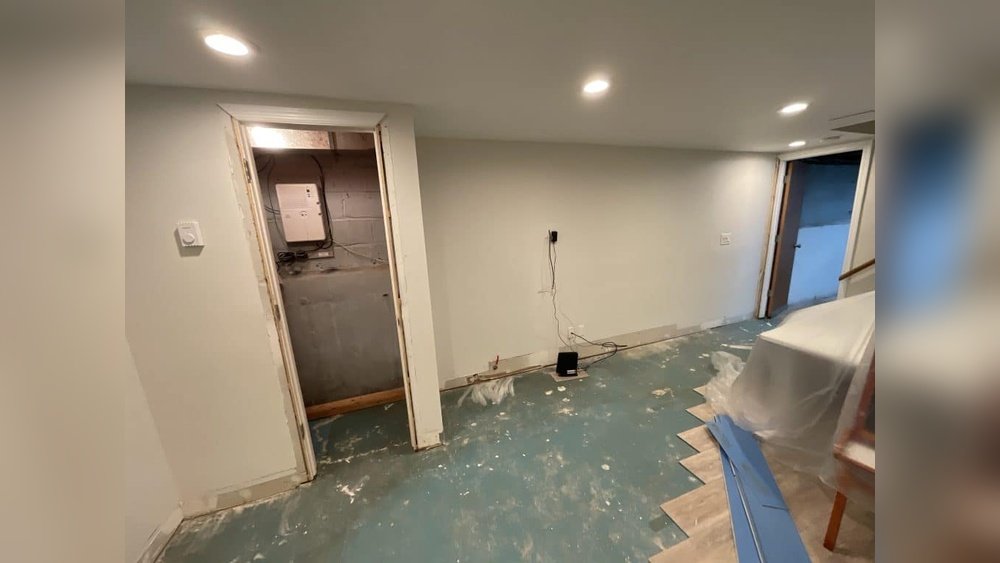
The gentle spiderweb of hairline cracks appearing on your walls can be a source of considerable anxiety for homeowners. Are these innocuous signs of a settling house, or do they portend a more significant structural issue? Understanding the difference between normal, minor wall imperfections and potentially serious problems is crucial for maintaining your home’s integrity and value.
This guide aims to demystify hairline cracks, helping you assess their significance and determine when it’s time to call in a professional.
Key Takeaways
- Hairline cracks are often normal: Minor settlement, temperature fluctuations, and material expansion/contraction commonly cause small, thin cracks.
- Location matters: Cracks near windows, doors, or in areas of structural stress are more concerning than those in the middle of a wall.
- Crack characteristics are key: Observe the width, length, pattern, and whether the crack is active (growing) or stable.
- Plaster vs. Drywall: Different materials have different failure modes and crack appearances.
- Professional assessment is vital: When in doubt, or if cracks exhibit worrying signs, consult a structural engineer or experienced contractor.
- Prompt repair prevents escalation: Addressing minor cracks can prevent them from becoming larger, more expensive issues.
Understanding What Causes Hairline Cracks In Walls
Walls, whether constructed from traditional plaster and lath or modern drywall, are not static structures. They are subjected to various environmental and physical stresses throughout their lifespan. These stresses, combined with the natural properties of building materials, can lead to the formation of small fissures.
The Natural Process Of House Settling
Every building undergoes a period of settlement, especially during its first few years. This occurs as the foundation compacts the soil beneath it and the structural components of the house adjust to the weight they bear. This gradual movement, though often imperceptible, can translate into tiny stresses within the wall materials, leading to hairline cracks. Think of it like a new pair of shoes that need a little breaking in; the house needs time to find its equilibrium. These settlement cracks are typically thin, often appearing near corners, around window and door frames, or where different building materials meet.
Environmental Factors: Temperature And Humidity
Materials expand when heated and contract when cooled. Similarly, they absorb moisture and expand, and release it to contract. Walls are constantly exposed to these changes. Significant fluctuations in temperature and humidity can cause the various components of your walls, wood framing, drywall, plaster, paint, to expand and contract at different rates. This differential movement creates internal stresses. Over time, these stresses can exceed the tensile strength of the paint or the wall material itself, resulting in fine cracks. These are particularly common in areas with extreme seasonal climate changes or in rooms with significant temperature variations, like attics or basements.
Material Properties And Age
The materials used in wall construction have inherent properties that influence their susceptibility to cracking. Drywall, composed of gypsum plaster sandwiched between paper or fiberglass, is relatively brittle. While it offers a smooth finish, it can crack along seams or where fasteners are placed if not installed or finished perfectly. Plaster and lath, an older method, involves applying plaster over wooden strips (lath). This system is more flexible than drywall but can develop cracks if the lath shrinks or expands unevenly, or if the plaster itself becomes brittle with age. As buildings age, materials can also degrade, becoming more prone to cracking under normal stress.
Minor Impact Or Stress
Even minor events can contribute to hairline cracks. A door being slammed with unusual force, a heavy object being dropped nearby, or even vibrations from nearby construction or heavy traffic can send shockwaves through a structure. These impacts can create localized stress points that manifest as small cracks.
While not indicative of major structural failure, these events highlight the sensitivity of wall materials to external forces.
:max_bytes(150000):strip_icc()/repair-cracks-in-plaster-walls-1822837-C-a87b2447927047cabaab69415aee6f98.jpg)
Credit: www.thespruce.com
Identifying Different Types Of Wall Cracks
Not all cracks are created equal. The appearance, location, and behavior of a crack provide crucial clues about its origin and potential severity. Differentiating between minor cosmetic issues and more significant structural concerns is paramount.
Hairline Cracks: The Innocent Bystanders
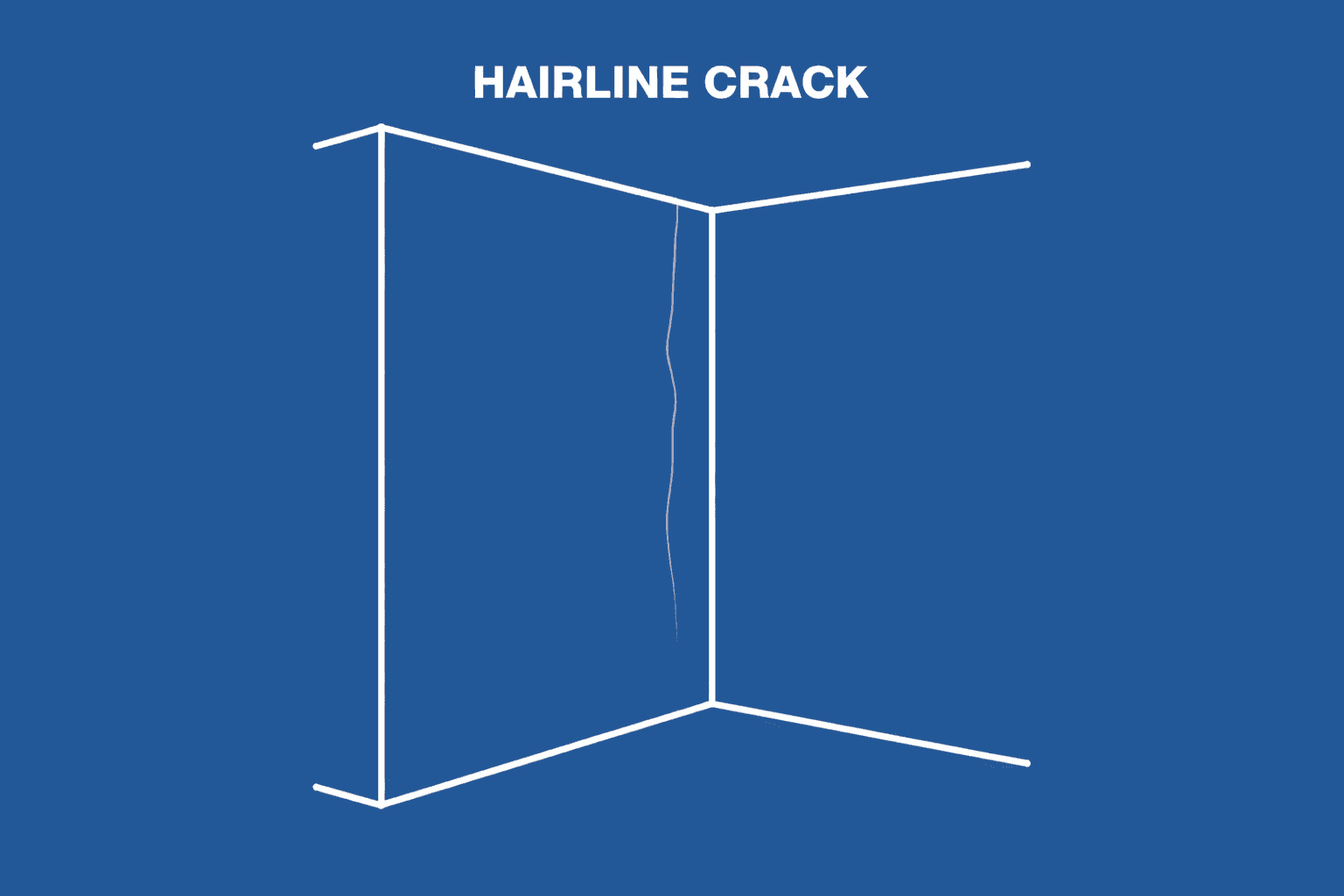
These are the most common type of wall cracks and are usually less than 1/16th of an inch wide. They are often superficial, appearing in the paint layer or the top skim coat of plaster or drywall. Hairline cracks are typically straight or follow the lines of the wall, such as along seams or corners. They rarely indicate a structural problem. Their presence is often attributed to the normal settling of a house, minor temperature-related expansion and contraction, or imperfections in the finishing process.
Lath Cracks (plaster Walls)
In older homes with plaster and lath walls, you might see cracks that follow the pattern of the underlying wooden lath. These cracks occur because the lath expands and contracts with humidity changes, and the plaster, being less flexible, cracks along these lines of movement. These cracks are generally not a structural concern, but they can be more challenging to repair seamlessly than drywall cracks.
Settlement Cracks: Signs Of A Shifting Foundation
These cracks are often wider than hairline cracks and can appear diagonally, typically running from the corner of a window or door opening upwards or downwards. They can also be wider at one end than the other. Settlement cracks are a direct result of the foundation shifting or the house settling unevenly. While some minor settlement is normal, significant or rapidly widening settlement cracks can indicate a more serious foundation issue that requires professional attention.
Stress Cracks: Related To Structural Load
These cracks can appear in areas where the wall is under significant structural load, such as above wide openings or in load-bearing walls. They might be wider than hairline cracks and can indicate that the framing or structural support is not adequately handling the weight. These require careful evaluation by a professional.
Cracks From Water Damage
Water is a pervasive enemy of building materials. If a crack is accompanied by discoloration, staining, or dampness, it is likely due to a water issue. Water can weaken drywall, plaster, and the underlying framing, leading to sagging, crumbling, and cracking. The source of the water (e.g., a leaky pipe, roof leak, or poor drainage) must be identified and fixed before repairing the wall damage.

Credit: buckeyebasementsolutions.com
When Hairline Cracks Become A Concern: Warning Signs
While most hairline cracks are harmless, certain characteristics can transform them from minor annoyances into indicators of potentially serious underlying issues. Vigilance and careful observation are key to distinguishing between the two.
Width And Depth
The most obvious indicator is the width of the crack. If a crack exceeds 1/8th of an inch (approximately 3mm), it warrants closer inspection. Cracks that are deep enough to feel a significant indentation with your fingernail, or where you can see through to the other side of the wall, are also cause for concern. These wider or deeper fissures suggest more significant stress or material failure than simple surface imperfections.
Crack Patterns And Location
The pattern and location of cracks are critical. A single, isolated hairline crack in the middle of a wall is usually insignificant. However, a series of interconnected cracks, or cracks that form a stair-step pattern along the mortar joints of brickwork (if applicable), can suggest structural movement. Cracks that appear symmetrically on opposite walls or ceilings can also indicate larger-scale settling. Pay special attention to cracks that radiate from corners of doors and windows, as these are common stress points.
Active Vs. Stable Cracks
A crucial factor is whether a crack is active or stable. A stable crack is one that has not changed in size or appearance over a period of months or even years. An active crack, on the other hand, is one that is visibly growing wider, longer, or deeper. To monitor this, you can place a small piece of tape across the crack, marking the ends and date. If the tape breaks or the crack extends beyond the tape, it is active and requires immediate professional assessment.
Associated Signs Of Damage
Look for any associated signs of damage around the crack. This includes:
- Peeling or bubbling paint: This can indicate moisture issues or movement behind the surface.
- Sagging ceilings or walls: This is a clear sign of structural distress.
- Doors or windows that are difficult to open or close: This suggests the frame is warping due to foundation or structural movement.
- Visible mold or mildew: This points to moisture problems that need addressing.
- Cracks in adjacent areas: If you see cracks appearing in multiple locations simultaneously, it suggests a widespread issue.
Credit: mainmark.co.uk
The Role Of Building Materials: Drywall Vs. Plaster
The type of wall material significantly influences how cracks form and what they signify. Understanding the properties of drywall and plaster can help you better interpret the cracks you observe.
Drywall (gypsum Board)
Drywall is the most common interior wall finish in modern construction. It consists of gypsum plaster pressed between two thick sheets of paper.
- Seam Cracks: These occur along the taped and mudded joints between drywall panels. They often result from improper taping, drying shrinkage of the joint compound, or minor structural movement. These are typically hairline and can be repaired relatively easily.
- Nail Pops/Screw Pops: As wood framing expands and contracts with humidity, it can push the drywall fasteners (nails or screws) outward. This creates a small bulge or crack around the fastener head. These are common and usually cosmetic.
- Impact Cracks: Drywall is susceptible to cracking from direct impacts. These cracks can be sharp and localized.
- General Surface Cracks: Brittle by nature, drywall can develop fine surface cracks due to general stress or aging.
Plaster And Lath
This older construction method uses thin strips of wood (lath) nailed to wall studs, with multiple layers of plaster applied over the lath to create a smooth, hard surface.
- Lath Movement Cracks: As mentioned earlier, the wooden lath expands and contracts. This movement can cause the plaster to crack along the lines of the lath. These are often fine, irregular cracks.
- Plaster Deterioration: Over time, the plaster itself can become brittle and chalky, leading to fine, powdery cracks.
- Larger Plaster Cracks: If the lath has significantly warped or detached, or if there’s been substantial structural movement, larger, more significant cracks can develop in the plaster. These may show crumbling plaster.
Comparison of Crack Behavior:
| Feature | Drywall | Plaster and Lath |
|---|---|---|
| **Common Cracks** | Seam cracks, nail/screw pops, impact cracks | Lath movement cracks, surface powdering |
| **Width** | Typically hairline, can be wider with impact | Often hairline, can be wider with lath issues |
| **Pattern** | Along seams, around fasteners, sharp lines | Irregular, follows lath lines, can be spiderweb |
| **Repair Ease** | Generally easier, requires filling and sanding | Can be more complex, requires patching |
| **Structural Risk** | Less prone to subtle structural indication | Wider cracks can indicate lath/stud issues |
Repairing Hairline Cracks: Diy Vs. Professional
The decision to repair hairline cracks yourself or hire a professional depends on the perceived cause, the extent of the damage, and your own DIY skill level. For minor, cosmetic cracks, DIY solutions are often effective.
Diy Repair For Minor Cracks
For simple hairline cracks that you’ve identified as non-structural and stable, several DIY methods can restore a smooth finish.
- Clean the Area: Thoroughly clean the crack and the surrounding area to remove any dust, dirt, or loose paint. A damp cloth or a soft brush works well.
- Widen Slightly (Optional): For very fine cracks, you can gently use a utility knife or a putty knife to slightly widen the crack into a “V” shape. This helps the filler material adhere better.
- Apply Filler: Use a spackling compound or joint compound specifically designed for drywall or plaster repair. Apply it with a putty knife, pressing it firmly into the crack.
- Smooth and Level: Scrape off any excess compound, ensuring the surface is smooth and level with the wall.
- Sand: Once the compound is completely dry (follow product instructions), lightly sand the area with fine-grit sandpaper until it is flush with the wall.
- Prime and Paint: Apply a coat of primer to seal the repaired area, then paint to match the rest of the wall.
Pro Tip: For cracks in plaster walls, consider using a plaster repair compound as it offers better compatibility with the existing material.
When To Call A Professional
There are several scenarios where calling a professional is the wisest course of action.
- Worrying Crack Characteristics: If cracks are wider than 1/8th inch, actively growing, diagonal, or follow a stair-step pattern.
- Multiple Cracks: If you notice numerous cracks appearing simultaneously across different areas of the house.
- Associated Damage: If cracks are accompanied by sagging, water stains, or issues with doors and windows.
- Structural Concerns: If you suspect the cracks are related to foundation movement, framing issues, or other structural problems.
- Lack of Confidence: If you are unsure about the cause or how to properly repair the crack, it’s better to err on the side of caution.
Professionals, such as structural engineers or experienced general contractors, have the expertise to diagnose the root cause of significant cracks. A structural engineer can assess the foundation and overall building integrity, while a contractor can advise on and perform necessary repairs to the wall structure itself.
Case Studies: Real-world Examples Of Wall Cracks
Examining real-world scenarios can provide valuable context for understanding wall cracks. These examples illustrate how different causes lead to distinct crack appearances and outcomes.
Case Study 1: The New Build Settlement
Scenario: A homeowner in a newly constructed house (1 year old) noticed several thin, hairline cracks appearing along the corners of living room windows and doors, as well as a few faint lines running vertically in the center of some walls.
Analysis: The house was still undergoing its initial settling period. The weight of the structure was compacting the soil beneath the foundation, causing minor, uniform movement. The cracks around openings were typical stress points where the drywall met the framing. The faint vertical lines were likely due to slight shrinkage of the drywall joint compound as it fully cured.
Resolution: The homeowner monitored the cracks for six months. Since they did not widen or change, they were deemed cosmetic. The homeowner then followed a DIY repair process: cleaning, filling with spackling compound, sanding, priming, and painting. The repairs held perfectly, and no further cracks appeared. This is a classic example of normal house settling.
Case Study 2: The Leaky Roof And Sagging Ceiling
Scenario: An older home developed a significant crack in the ceiling of the master bedroom, accompanied by visible sagging. The crack was about 1/4 inch wide and had darkened edges.
Analysis: Upon investigation, it was discovered that a slow leak from the roof had been seeping into the ceiling joists and drywall for an extended period. The moisture had weakened the drywall and the framing, causing it to sag under its own weight and eventually crack. The dark edges indicated water staining.
Resolution: This required professional intervention. First, the roof leak was repaired. Then, a contractor assessed the damage. The sagging drywall was removed, and the damaged joists were reinforced. New drywall was installed, taped, mudded, sanded, primed, and painted. This case highlights how moisture can exacerbate even minor structural issues, turning a potential hairline crack into a significant problem.
Case Study 3: The Humid Basement Wall
Scenario: A homeowner in a region with high humidity noticed fine, irregular cracks appearing on the plaster walls of their basement. The cracks felt slightly rough to the touch and were accompanied by a faint musty smell.
Analysis: The high humidity in the basement was causing the wooden lath behind the plaster to expand and contract significantly. The relatively inflexible plaster could not accommodate this constant movement, resulting in numerous fine, web-like cracks. The musty smell indicated the high moisture levels contributing to the problem.
Resolution: While the cracks themselves weren’t immediately a structural threat, the underlying humidity issue needed addressing. The homeowner installed a dehumidifier in the basement and ensured proper ventilation. Once the humidity levels stabilized, the fine cracks were repaired using a flexible caulk designed for plaster, followed by painting. This demonstrated how environmental factors can create persistent cracking issues.
Frequently Asked Questions
What Is The Maximum Width For A Crack To Be Considered ‘normal’?
Generally, a crack less than 1/16th of an inch (about 1.5 mm) is considered a hairline crack and is often normal, especially in new construction or older homes experiencing minor settling. If the crack is wider than 1/8th of an inch (about 3 mm), or if you can easily fit a coin into it, it warrants closer inspection by a professional.
Can Hairline Cracks Be A Sign Of Foundation Problems?
Yes, they can be, although not always. Diagonal cracks, stair-step cracks in brickwork, or cracks that appear symmetrically on opposite walls are more likely to indicate foundation issues. Isolated hairline cracks, particularly those running horizontally or vertically in the middle of a wall, are less likely to be related to foundation problems. Always consider the crack’s pattern, width, and location in conjunction with other signs like doors sticking or uneven floors.
How Long Does It Take For A House To Stop Settling And For Cracks To Stabilize?
The most significant settling usually occurs within the first 1-3 years after construction. However, minor settling and associated cracking can continue intermittently for much longer, especially in response to significant environmental changes (droughts, heavy rains) or nearby construction. Cracks related solely to initial settling typically stabilize within this early period. If cracks continue to appear or widen years later, other factors may be at play.
Is It Safe To Live In A House With Hairline Cracks?
For the vast majority of hairline cracks that are cosmetic and stable, yes, it is perfectly safe to live in your home. These are common and often do not indicate any compromise to the structural integrity of the building. However, if you notice any of the warning signs mentioned previously (significant width, active growth, associated damage), it’s prudent to have the situation evaluated by a qualified professional to ensure there isn’t an underlying safety concern.
Can I Just Paint Over Hairline Cracks?
While you can paint over them, it’s not the recommended long-term solution. Painting over a crack without proper filling and preparation will only mask the issue temporarily. The crack will likely reappear through the paint as the underlying cause (settling, movement, etc.) persists. For a lasting repair, cracks should be filled with an appropriate patching compound, sanded smooth, primed, and then painted. This ensures a durable and aesthetically pleasing finish.
The appearance of hairline cracks in your walls doesn’t automatically signal disaster. Often, they are simply the wall’s way of responding to the natural processes of a building, settling, adapting to environmental shifts, and the inherent properties of its materials.
By carefully observing the characteristics of these cracks, their width, pattern, location, and whether they are actively changing, you can make an informed initial assessment. For minor, stable, cosmetic cracks, DIY repair is often a straightforward and effective solution. However, any crack exhibiting worrying signs, such as significant width, active growth, or association with other structural distress, warrants the expertise of a professional.
Addressing potential issues promptly, whether through your own efforts or professional help, is key to maintaining the beauty and structural soundness of your home for years to come.