

When your sweat smells like onions, it’s usually because bacteria on your skin are breaking down the compounds in your perspiration. This happens when sweat, which is naturally odorless, interacts with common skin microbes. While diet and hygiene play roles, the scent is often caused by the conversion of odorless secretions into sulfur-containing molecules. This process is a standard biological reaction rather than a sign of a serious illness for most people.
Why sweat smells like onions
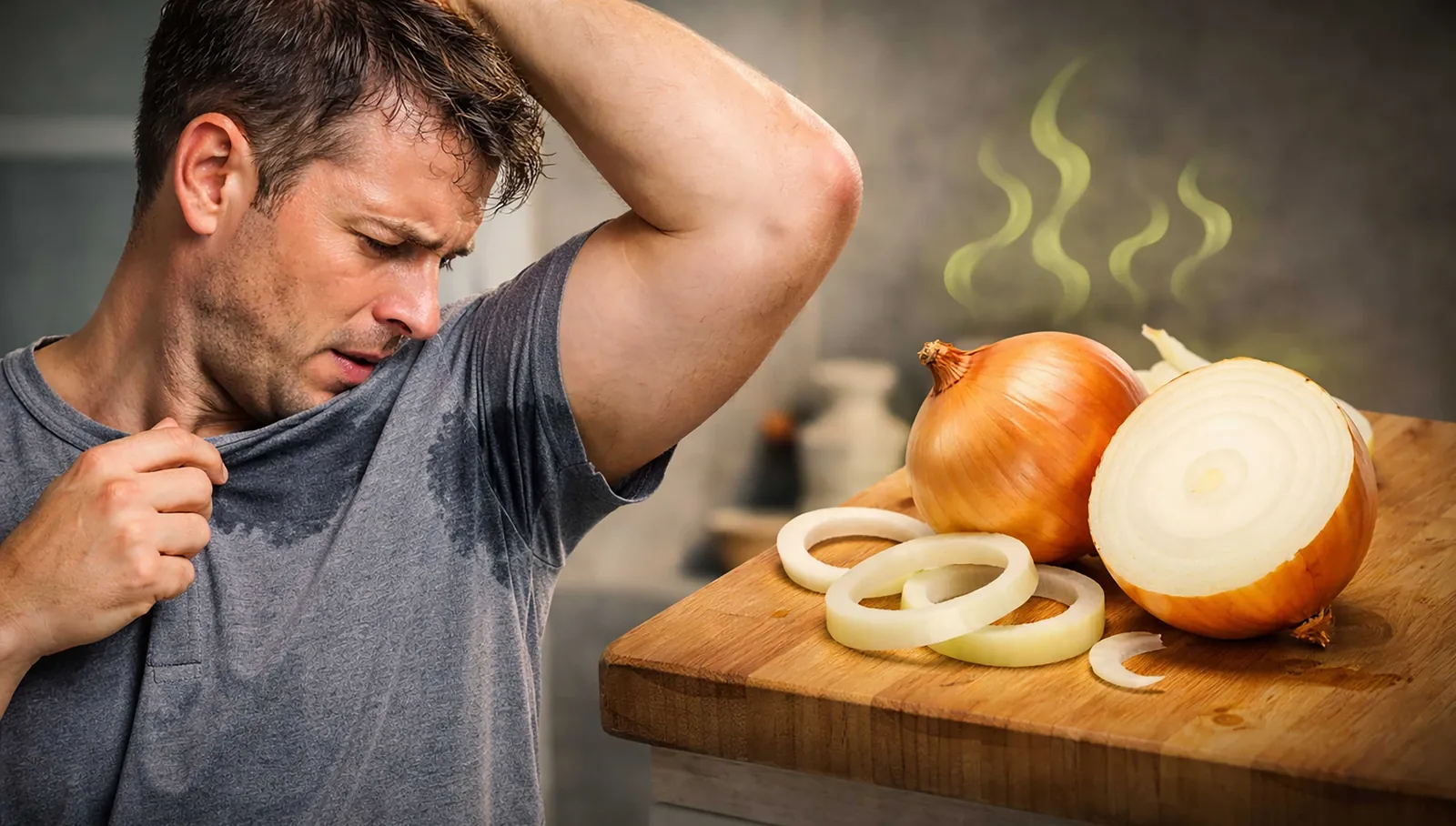
Your body chemistry shifts for specific reasons, and identifying them helps you pinpoint the root cause of the smell.
| Factor | What it does | Example |
|---|---|---|
| Diet | Adds sulfur compounds | Eating raw onions or garlic |
| Hygiene | Feeds skin bacteria | Skipping a daily shower |
| Medication | Alters sweat chemistry | Taking certain antibiotics |
| Hormones | Increases sweat volume | Going through puberty or pregnancy |
| Stress | Triggers apocrine glands | Having a high-pressure workday |
Dietary influence on sweat
What you eat directly impacts the chemical makeup of your sweat. Sulfur-rich foods, such as onions, garlic, and cruciferous vegetables like broccoli, contain compounds that your body processes and eventually releases through your pores. When these compounds reach the skin’s surface, they create that distinct, sharp odor.
- Sulfur compounds break down during digestion and enter the bloodstream.
- The body excretes these molecules through sweat glands across the torso and limbs.
- The smell intensifies as the compounds react with the air and skin bacteria.
If you eat a large meal containing heavy amounts of garlic or onions, you might notice the scent for up to 48 hours. If you want to test this, try removing these specific items from your diet for three days to see if the odor fades.
Bacterial activity on skin
Bacteria are the primary cause of body odor. Your body has two main types of sweat glands: eccrine and apocrine. Apocrine glands, found mostly in the armpits and groin, produce a thicker, protein-rich sweat that attracts bacteria. These microbes feast on the proteins and lipids, producing waste products that smell like onions, vinegar, or sulfur.
- Skin microbes thrive in warm, moist areas where sweat accumulates easily.
- Regular washing removes the buildup of these bacteria and their waste products.
- Antiperspirants reduce the moisture that bacteria need to survive and multiply.
If you notice the smell, it’s usually a sign that bacteria are colonizing your skin folds. Using an antibacterial soap can help lower the bacterial count on the skin surface. According to the NHS guidance on body odor, keeping these areas clean and dry is the most effective way to manage the scent.
Hormonal and stress factors
Hormones and stress levels change how much and what kind of sweat your body produces. During times of high stress, your body activates apocrine glands, which release a more pungent sweat than the watery sweat produced by eccrine glands. This is a natural “fight or flight” response, but it can lead to a more noticeable odor than normal physical exertion.
- Stress-induced sweat contains more fats and proteins for bacteria to consume.
- Hormonal fluctuations during puberty or menopause can increase sweat gland activity.
- Changes in body chemistry during pregnancy can also alter your natural scent.
If you’re experiencing high stress, you may notice the odor even if you haven’t been physically active. If the odor is accompanied by night sweats or unexplained weight loss, it’s time to see a doctor.
When to see a professional
Most cases of body odor are easily managed at home, but some signs indicate a need for medical advice. If you notice a drastic change in your body odor that doesn’t go away with improved hygiene, it could be a sign of a metabolic issue or a thyroid problem. A doctor can perform blood tests to rule out conditions like trimethylaminuria or diabetes.
- Seek advice if the odor is accompanied by pain, redness, or skin irritation.
- Consult a professional if the smell is new and can’t be linked to diet or stress.
- Ask a doctor if you have other symptoms like fever or unexplained fatigue.
If you have tried changing your diet and improving your hygiene for two weeks with no result, schedule an appointment with your primary care provider. They can assess whether your body chemistry requires medical intervention.
Other potential causes
Some factors are less obvious but still impact how you smell throughout the day. These items can contribute to the issue if you’re sensitive to them.
- Clothing material: Synthetic fabrics like polyester trap sweat and bacteria against your skin, whereas natural fibers like cotton allow the skin to breathe.
- Dehydration: When you don’t drink enough water, your sweat becomes more concentrated, which can make any existing odors much stronger and more noticeable.
- Weight: Carrying extra weight in skin folds can create warm, damp environments that are perfect for bacterial growth, leading to a persistent onion-like smell.
How to choose the right approach

Deciding how to manage the smell depends on your daily habits and your body’s specific needs. If the odor follows a heavy meal, the cause is dietary, and waiting for the food to clear your system is the best approach. If the smell is persistent, focus on your hygiene routine by using antibacterial soap and wearing natural, breathable fabrics.
If you’re under high stress, prioritize relaxation techniques to lower your cortisol levels, which helps reduce the activity of your apocrine glands. These approaches can be combined; you don’t have to pick just one. If you have tried these changes and the odor remains constant, it’s time to speak with a healthcare provider to rule out deeper medical issues.
Related guides
Frequently asked questions
Does sweat always smell like onions?
No, sweat itself is odorless. The onion-like smell is a byproduct of bacteria on your skin breaking down proteins and fats found in your sweat. If your sweat has a strong scent, it’s usually because the environment on your skin is allowing these bacteria to multiply and produce waste.
Can drinking more water stop the smell?
Yes, staying hydrated can help by diluting your sweat, making it less concentrated and less pungent. Aim for at least 2 liters of water daily, though your needs may vary based on your activity level and the climate you live in. Proper hydration helps your body process and flush out waste products efficiently.
Is it safe to use strong antiperspirants?
Yes, most people can safely use over-the-counter antiperspirants to block sweat ducts. However, if you have sensitive skin, look for products labeled as hypoallergenic or fragrance-free. If you experience redness, burning, or itching after application, stop using the product immediately and rinse the area with cool water.
Why does my sweat smell worse after eating certain foods?
Your body breaks down sulfur compounds from foods like onions and garlic, and some of these molecules are released through your sweat. This is a normal process that happens once the food is digested. The smell typically fades within 48 hours once the compounds have been fully processed and removed.
Does my clothing choice matter?
Yes, synthetic fabrics like polyester and nylon trap moisture and heat against your skin, which encourages bacterial growth. Switching to natural, breathable fabrics like cotton or linen allows your sweat to evaporate more easily. This reduces the amount of moisture available for bacteria to feed on, which lowers body odor.
What happens if the smell doesn’t go away?
If you have improved your hygiene and diet for two weeks but the smell persists, you should see a doctor. A persistent, strong odor can sometimes be a sign of an underlying medical condition, such as a metabolic disorder or a hormonal imbalance, which requires a professional diagnosis and treatment plan.
Conclusion
Start by adjusting your daily hygiene routine and monitoring your diet for three days to see if the scent decreases. If you notice significant skin irritation or if the odor is accompanied by other unexplained symptoms, stop your home treatments. At that point, contact your primary care physician to discuss your concerns and get a professional assessment of your body chemistry.