

A condition where sweat smells like fish is often caused by a metabolic disorder known as trimethylaminuria, which prevents the body from breaking down certain compounds. This scent occurs when the body excretes excess trimethylamine through sweat, breath, and urine rather than converting it into a different, odorless substance. While most cases are genetic, some people experience temporary changes in body odor due to diet, bacterial imbalances on the skin, or specific health issues that require medical evaluation.
Why sweat smells like fish
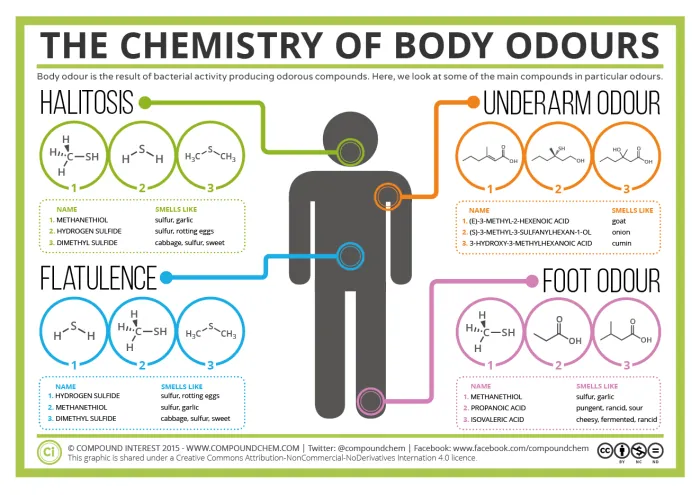
Several factors can influence how your sweat interacts with your skin microbiome and your internal chemistry. This table outlines the primary triggers that may lead to an unexpected fishy scent.
| Cause | Best for identifying | Example |
|---|---|---|
| Trimethylaminuria | Chronic genetic conditions | Inherited metabolic trait |
| Bacterial overgrowth | Skin surface issues | Excessive skin bacteria |
| Dietary intake | Short-term odor changes | High choline consumption |
| Hormonal shifts | Life stage changes | Menopause or puberty |
| Medication side effects | Chemical body reactions | Specific prescription drugs |
Trimethylaminuria
This is a rare metabolic disorder that limits the body’s ability to break down trimethylamine, a compound found in many foods. People with this condition often notice a fishy odor that isn’t easily removed by standard hygiene practices. It’s a lifelong condition for many, though symptoms can fluctuate based on the amount of certain foods consumed.
- Excessive excretion of trimethylamine through sweat and breath.
- Persistent odor that remains even after frequent washing.
- Symptoms that typically appear in childhood or during puberty.
- Sensitivity to foods high in choline, such as eggs and legumes.
If you suspect this condition, you should consult a doctor to discuss genetic testing for metabolic disorders through a clinical lab. A healthcare provider can order specific urine tests to measure the ratio of trimethylamine to its oxide form. If the ratio is high, they will guide you on dietary adjustments to manage the odor effectively.
Bacterial skin imbalances
Skin surface bacteria can break down proteins and fats in your sweat, creating odors that differ from your usual scent. When specific bacteria thrive on the skin, they produce waste products that can mimic a fishy or ammonia-like smell. This isn’t a metabolic issue but rather an external one related to the skin’s natural flora.
- Increased bacterial count in moist areas like armpits or feet.
- Changes in scent profile after heavy exercise or sweating.
- Odors that worsen when wearing synthetic, non-breathable fabrics.
- Improvement in smell after using specialized antibacterial cleansers.
If your odor changes only after wearing specific clothing, try switching to natural fibers like cotton or bamboo. These materials allow better airflow and reduce the moisture that bacteria need to grow. If you have sensitive skin, avoid harsh soaps that might disrupt your skin’s protective barrier, as this can sometimes allow unwanted bacteria to grow more easily.
Dietary influences

Certain foods contain high levels of choline, carnitine, or lecithin, which are precursors to trimethylamine in the digestive system. If your body can’t process these compounds efficiently, the excess is released through your pores. This is most common when you consume large quantities of these specific nutrients over a short period.
- High intake of saltwater fish or crustacean shellfish.
- Large portions of eggs, liver, or kidney meats.
- Consumption of legumes like soybeans or kidney beans.
- Supplements containing high doses of choline or carnitine.
If you notice a correlation between your diet and body odor, try keeping a food diary for 7 days. Note what you eat and when the odor appears to see if a specific food is the trigger. If the odor continues despite removing these foods, it’s time to stop experimenting and see a primary care physician.
Hormonal and medication factors
Hormones play a significant role in how your sweat glands function and the composition of your sweat. During times of significant hormonal change, such as puberty, pregnancy, or menopause, your baseline body odor may change temporarily. Additionally, certain medications can be excreted through the sweat glands, causing a distinct chemical smell that isn’t related to your diet or hygiene.
- Medications that alter sweat production or composition.
- Hormonal fluctuations affecting sweat gland activity.
- Changes in body chemistry during pregnancy or menopause.
If you recently started a new medication and noticed a change in your body odor, don’t stop taking the drug without talking to your doctor. Instead, write down the name of the drug and the date you started it. Your doctor can determine if the odor is a known side effect or if your dose needs to be adjusted.
Other potential triggers
- Kidney or Liver Issues: When internal organs struggle to filter waste, toxins may be released through the skin. This requires a professional blood panel to rule out organ stress.
- Poor Hygiene: While rare as a sole cause for a fishy smell, a buildup of dead skin cells and trapped sweat can harbor odor-causing bacteria.
- Diabetes: High blood sugar can sometimes lead to ketones in the sweat, which may be perceived as a sharp or chemical odor by some individuals.
Choosing the right path

Deciding how to address this issue depends on whether the smell is persistent or situational. If the odor is constant and present regardless of your diet or hygiene, it points toward a potential metabolic issue that requires a doctor’s assessment.
If the smell happens only after eating specific foods or wearing certain clothes, it’s likely a manageable external or dietary factor. You can usually combine dietary changes with better hygiene practices, but medical testing is necessary if you suspect a genetic metabolic disorder.
Related guides
Frequently asked questions
Is a fishy smell in sweat a sign of a serious illness?
It’s usually a sign of a metabolic or dietary issue rather than an acute medical emergency. However, if the smell is new, persistent, and accompanied by other symptoms like fatigue or changes in urine color, you should see a doctor to rule out underlying kidney or liver dysfunction.
Can I get rid of the smell with a stronger deodorant?
Deodorants only mask or reduce surface odors and can’t change your internal body chemistry. If the smell is metabolic, deodorants will have limited success because the scent is being excreted from your pores along with your sweat. They’re best used for managing surface-level bacterial odors.
How long does it take for dietary changes to work?
You should notice a difference within 3 to 5 days of reducing your intake of high-choline foods. If the odor is caused by diet, your body needs a few days to clear the existing compounds from your system. If the smell persists after a week, diet is likely not the cause.
Is it safe to use antibacterial soap every day?
Using antibacterial soap daily can strip your skin of healthy oils and disrupt your natural microbiome. This can sometimes make the odor worse by encouraging more aggressive bacteria to colonize the skin. Stick to gentle, pH-balanced cleansers unless a doctor specifically recommends an antibacterial product for a diagnosed skin condition.
Does drinking more water help?
Drinking water helps your kidneys flush out waste products, which may reduce the concentration of compounds in your sweat. While it won’t cure a genetic metabolic disorder, proper hydration is an essential part of general health and can help your body process substances more efficiently.
What happens if I ignore the smell?
Ignoring the smell may lead to social anxiety or emotional distress if the odor is persistent. If the cause is a metabolic disorder like trimethylaminuria, ignoring it means you miss the chance to manage it through diet, which is the most effective way to improve your daily quality of life.
Conclusion
Start by tracking your diet and hygiene habits for one week to see if the odor changes with specific triggers. If the fishy scent remains constant regardless of these changes, schedule an appointment with your primary care physician to discuss metabolic testing. Don’t attempt to treat this with home remedies or excessive supplements, as these can mask the underlying cause and delay necessary medical care.