
When your heat pump blows cold air, especially during the colder months when you expect cozy warmth, it can be a deeply unsettling experience. This seemingly paradoxical behavior can leave homeowners confused and concerned about their comfort and energy bills.
A heat pump’s primary function is to transfer heat, moving it from one place to another. In winter, it extracts heat from the outside air (even when it’s cold) and brings it inside. In summer, it reverses the process, removing heat from your home and expelling it outdoors.
So, when you feel a chill instead of warmth, it signals a disruption in this essential process.
Understanding why a heat pump might feel cold is crucial for diagnosing the problem and finding a swift solution. It’s not always a sign of a major malfunction; sometimes, it’s a simple setting adjustment or a minor issue. However, it can also indicate more significant mechanical or electrical problems that require professional attention.
This article will explore the common reasons behind a heat pump blowing cold air, offer troubleshooting steps, and guide you on when to call for expert help, ensuring your home remains comfortable year-round.
Key Takeaways
- Thermostat Settings: Incorrect thermostat settings, such as the emergency heat mode or fan settings, are common culprits for a heat pump blowing cold air.
- Defrost Cycle: Heat pumps in cold climates periodically enter a defrost cycle to remove ice buildup from the outdoor unit, which temporarily blows cooler air.
- Refrigerant Issues: Low refrigerant levels or leaks can impair the heat pump’s ability to absorb and transfer heat effectively, leading to cold air.
- Airflow Problems: Restricted airflow due to dirty filters, blocked vents, or fan motor issues prevents the heat pump from circulating warm air properly.
- Outdoor Unit Issues: Problems with the outdoor unit, such as ice buildup, a malfunctioning fan, or damaged components, can halt heat absorption.
- Electrical Malfunctions: Tripped breakers, faulty wiring, or issues with the capacitor or compressor can cause the heat pump to stop heating.
- Auxiliary Heat: If the heat pump can’t generate enough heat on its own, it relies on auxiliary heat (often electric resistance coils), which might feel less warm or take longer to heat up.
- Professional Diagnosis: For complex issues like refrigerant leaks or compressor problems, professional HVAC technicians are essential for safe and effective repairs.

Credit: coldfactor.com
Common Reasons For A Heat Pump Blowing Cold Air
When your heat pump behaves unexpectedly, it’s usually due to one or a combination of factors. These can range from simple user errors to more complex mechanical failures. Understanding these common causes is the first step toward resolving the issue and restoring comfortable temperatures in your home.
Thermostat Settings And Malfunctions
The thermostat is the brain of your HVAC system, controlling when and how it operates. Misconfigured settings are remarkably common reasons for a heat pump blowing cold air, especially after a power outage or a change in seasons.
- Incorrect Mode: The most frequent issue is the thermostat being set to the wrong mode. If it’s accidentally set to “Cool” instead of “Heat,” it will, of course, blow cool air. Similarly, if it’s in “Fan Only” mode, it will circulate air without heating it.
- Emergency Heat Engaged: Heat pumps have an “Emergency Heat” or “Emergency Heat ON” setting. This mode is designed to activate when the primary heat pump system is not functioning optimally, typically in very cold temperatures. It usually engages electric resistance heating strips, which are less efficient and produce air that feels less intensely hot than the heat pump’s output. If this mode is accidentally engaged, the air might feel cool or only slightly warm.
- Fan Settings: The thermostat’s fan setting can also play a role. If the fan is set to “On,” it will continuously circulate air, even when the heating system isn’t actively running. This can lead to feeling cool air when the system is in a rest cycle or during the defrost mode. Setting the fan to “Auto” ensures it only runs when the heating or cooling system is actively engaged.
- Calibration Issues: Older or malfunctioning thermostats can also be a problem. If the thermostat is not accurately reading the indoor temperature, it might incorrectly signal the heat pump to turn on or off, or not reach the desired temperature.
The Defrost Cycle In Action
Heat pumps operate by extracting heat from the outside air. In colder climates, this process can lead to frost or ice accumulating on the outdoor unit’s coils. To maintain efficiency, heat pumps have an automatic defrost cycle. This is a normal and essential function, but it can be mistaken for a malfunction.
During the defrost cycle, the heat pump temporarily reverses its operation, acting like an air conditioner. It sends warm refrigerant to the outdoor coils to melt the ice. This means that for a period of 5 to 15 minutes, the system will blow cooler air from the indoor vents.
- How to Identify: You might notice the outdoor unit fan stops running, and the indoor vents blow air that feels cooler than usual, or even cold. After the cycle, the system will automatically return to heating mode.
- Frequency: The defrost cycle typically kicks in when outdoor temperatures drop below freezing (around 25-40°F or -4 to 4°C) and humidity is present. It can occur several times a day.
- Potential Problems: While the defrost cycle is normal, if it runs too frequently or for too long, it could indicate an issue with the defrost control board, a low refrigerant charge, or a dirty outdoor coil that impedes heat transfer.
Refrigerant Leaks And Low Levels
Refrigerant is the lifeblood of any heat pump system. It’s the substance that absorbs heat from the outside air and releases it inside (or vice versa). If the refrigerant level is low, or if there’s a leak, the heat pump cannot efficiently transfer heat.
- How it Affects Performance: Low refrigerant means the system can’t absorb enough heat from the outside air. Consequently, the air blown into your home will be much cooler than expected, or even cold. The system may also struggle to reach your desired temperature, leading to longer run times and increased energy consumption.
- Signs of Low Refrigerant:
- Icing on Outdoor Coils: A common symptom of low refrigerant is excessive ice buildup on the outdoor unit’s coils, even outside of the normal defrost cycle.
- Reduced Heating Capacity: The most direct sign is simply not getting enough heat.
- Hissing Noises: Refrigerant leaks can sometimes produce audible hissing sounds.
- High Energy Bills: The system works harder to compensate for the lack of heat transfer, leading to higher electricity usage.
- Addressing Refrigerant Issues: Refrigerant leaks are not a DIY fix. They require a certified HVAC technician to locate the leak, repair it, and recharge the system with the correct amount and type of refrigerant. Handling refrigerants without proper certification is illegal and dangerous.
Airflow Restrictions
Proper airflow is critical for any HVAC system to function efficiently. If air cannot move freely through the system, the heat pump cannot effectively deliver heated air into your home. Several factors can restrict airflow:
- Dirty Air Filters: This is by far the most common cause of airflow problems. A clogged air filter chokes off the air supply to the indoor unit (air handler). This not only reduces heating and cooling but can also cause the evaporator coil to freeze up, further hindering performance.
- Recommendation: Check and replace your air filter regularly, typically every 1-3 months, depending on the filter type and household conditions (pets, allergies, etc. ).
- Blocked Vents and Registers: Furniture, curtains, or other obstructions placed in front of supply or return vents can impede airflow. Ensure all vents are clear and open.
- Ductwork Issues: Leaky, collapsed, or poorly insulated ductwork can significantly reduce the amount of conditioned air reaching your rooms. Over time, ductwork can become damaged or disconnected.
- Fan Motor Problems: The blower motor in the indoor air handler is responsible for pushing air through the system. If this motor is failing or has failed, airflow will be significantly reduced or stopped altogether, leading to cold air or no air movement.
- Dirty Evaporator Coil: Even with a clean filter, the indoor evaporator coil can become dirty over time. This buildup acts like another filter, restricting airflow and reducing heat transfer efficiency.
Outdoor Unit Problems
The outdoor unit of a heat pump is exposed to the elements and can be susceptible to various issues that impact its ability to gather heat.
- Ice Buildup: As mentioned with the defrost cycle, excessive ice on the outdoor coils is a major problem. If the defrost cycle isn’t working correctly, or if there’s a significant issue like low refrigerant, the ice can become so thick that it blocks airflow and prevents the unit from absorbing heat.
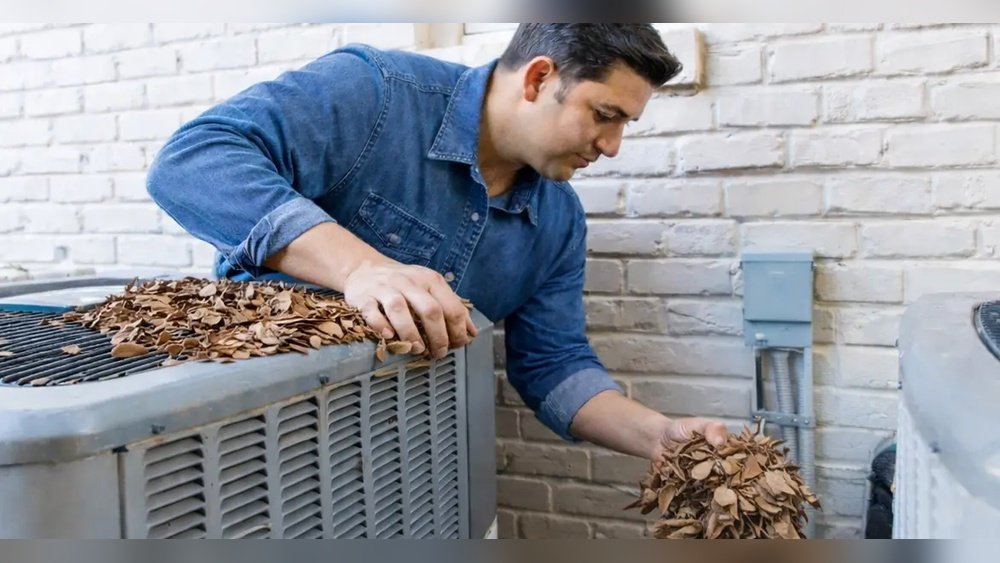
- Obstructed Airflow: Anything blocking the airflow around the outdoor unit, such as overgrown vegetation, debris, or snow accumulation, will prevent it from efficiently drawing in outside air to extract heat. Keep the area around the outdoor unit clear.
- Outdoor Fan Motor Failure: The fan in the outdoor unit is crucial for drawing air across the coils. If this fan motor fails, the unit cannot effectively transfer heat, and the system will likely shut down or blow cool air.
- Contactor Issues: The contactor is an electrical switch that controls power to the outdoor unit’s compressor and fan. If it malfunctions, the outdoor unit may not turn on at all.
Electrical Malfunctions
Heat pumps are complex systems with numerous electrical components. A failure in any of these can cause the system to stop heating or blow cold air.
- Tripped Circuit Breaker: The most basic electrical issue is a tripped breaker. This can happen due to an overload, short circuit, or power surge. Check your electrical panel and reset any tripped breakers. If a breaker trips repeatedly, it indicates a more serious electrical problem that needs professional diagnosis.
- Faulty Capacitor: Capacitors help start and run the motors in the heat pump (compressor and fan motors). A weak or failed capacitor can prevent these motors from starting or running correctly, leading to a lack of heating.
- Compressor Failure: The compressor is the heart of the heat pump. If the compressor fails, the entire system will stop working, and you’ll likely get no heat at all, or only air moved by the indoor fan. Compressor failures are often expensive to repair.
- Wiring Issues: Loose or damaged wiring connections can disrupt the flow of electricity to various components, causing intermittent or complete system failure.
Auxiliary Heat Not Engaging Or Malfunctioning
Most heat pumps are paired with a secondary or auxiliary heat source, often electric resistance heating strips located in the indoor air handler. This backup system is designed to kick in when:
- The outdoor temperature drops too low for the heat pump to efficiently extract heat.
- The heat pump is in its defrost cycle.
- The thermostat calls for heat and the heat pump cannot meet the demand quickly enough.
If the auxiliary heat fails to engage or is not working correctly, the air coming from your vents will be significantly cooler than expected, especially during very cold weather.
- Reasons for Auxiliary Heat Failure:
- Thermostat Settings: The thermostat may not be programmed correctly to engage auxiliary heat when needed.
- Wiring Issues: Problems with the wiring connecting the thermostat to the auxiliary heat strips.
- Tripped Safety Switch: A safety switch within the air handler might have tripped, preventing the electric heat from operating.
- Burned-out Heating Elements: The electric resistance elements themselves can burn out over time.
- Difference in Heat: It’s important to note that auxiliary heat (especially electric resistance) typically produces air that is not as hot as the air from a functioning heat pump in milder temperatures. It might feel only “warm” rather than “hot,” which can sometimes be mistaken for a problem if the homeowner isn’t aware of the difference.
Credit: www.comfortprosnc.com
Troubleshooting Steps For A Cold Heat Pump
Before calling a professional, there are several troubleshooting steps you can take yourself. These simple checks can often resolve the issue or at least help you provide better information to your HVAC technician.
1. Check Your Thermostat Settings
This is the easiest and most common fix.
- Mode: Ensure your thermostat is set to Heat. Verify it’s not accidentally set to Cool, Fan Only, or Off.
- Temperature: Make sure the set temperature is higher than the current room temperature. If it’s set too low, the system won’t call for heat.
- Fan Setting: Set the fan to Auto. If it’s set to On, it will circulate air constantly, potentially blowing cool air when the heating cycle isn’t active.
- Emergency Heat: If your thermostat has an “Emergency Heat” or “EM Heat” setting, ensure it’s not engaged unless there’s a true emergency and the main heat pump is not working. If it is engaged, switch it back to Auto or Heat mode.
2. Inspect The Air Filter
A dirty air filter is a major cause of reduced airflow and can lead to the evaporator coil freezing, which severely impacts heating.
- Locate: Find your air filter. It’s usually located in the return air duct near the indoor unit (furnace or air handler).
- Inspect: Pull out the filter and hold it up to a light source. If you can’t see light through it, or if it’s visibly clogged with dust and debris, it needs replacing.
- Replace: Install a new filter of the correct size and MERV rating. Mark the date of replacement to help you remember for the future.
3. Check For Ice On The Outdoor Unit
If you suspect the defrost cycle is malfunctioning or there’s another issue causing ice buildup:
- Visual Inspection: Carefully look at the outdoor unit’s coils. If they are covered in a thick layer of ice, this is a problem.
- Clear Obstructions: Ensure there are no leaves, branches, snow, or other debris blocking the airflow around the outdoor unit. Trim back any overgrown vegetation.
- Allow Defrost: If there’s minor icing, you can try turning the thermostat setting to Off for about 30 minutes to allow the system to enter a passive defrost mode (if the outdoor temperature is above freezing). Do not try to chip away ice with sharp objects, as this can damage the coils.
4. Verify Vents And Registers
Ensure that warm air can actually reach your living spaces.
- Open Vents: Make sure all supply and return air vents in your home are open and not blocked by furniture, rugs, or curtains.
- Listen for Airflow: Feel the air coming from the supply vents. Is it weak? Is there no air at all? This can indicate an airflow problem.
5. Check Your Circuit Breakers
An electrical issue could be preventing the system from running correctly.
- Locate Panel: Find your main electrical panel.
- Identify Breakers: Look for breakers labeled “Furnace,” “Air Handler,” “Heat Pump,” or similar.
- Reset: If a breaker is tripped (usually in the middle position or “Off”), switch it completely to the “Off” position and then back to “On.”
- Caution: If a breaker trips again immediately or frequently, do not keep resetting it. This indicates a serious electrical fault that requires professional attention.
6. Listen For Unusual Noises
Strange sounds can offer clues about the problem.
- Hissing: Could indicate a refrigerant leak.
- Grinding or Squealing: Often points to a failing motor (fan or compressor).
- Buzzing: May signal an electrical issue, like a faulty capacitor or relay.
When To Call A Professional Hvac Technician
While basic troubleshooting can solve some issues, many heat pump problems require specialized knowledge, tools, and safety precautions. It’s crucial to know when to stop DIY efforts and contact a qualified professional.
Complex Electrical Issues
Problems like faulty capacitors, malfunctioning contactors, or issues with the control board often require diagnostic tools and electrical expertise. Attempting to repair these yourself can be dangerous due to the high voltages involved.
Refrigerant Leaks And Handling
Refrigerant is a hazardous substance. It requires EPA certification to handle legally and safely. If you suspect a refrigerant leak (indicated by icing, hissing sounds, or a significant drop in heating performance), a technician must:
- Safely recover any remaining refrigerant.
- Locate and repair the leak using specialized equipment.
- Evacuate the system to remove air and moisture.
- Recharge the system with the precise amount of the correct refrigerant type.
This is not a job for a homeowner.
Compressor Problems
The compressor is the most expensive component of a heat pump. Diagnosing and repairing compressor issues requires advanced knowledge and specialized tools. If the compressor has failed, replacement is often the only option, and this is a significant repair.
Air Handler Or Blower Motor Issues
If you suspect the indoor fan motor is failing or has failed, it needs professional diagnosis and replacement. A technician can determine if it’s a motor issue, a capacitor problem, or something else preventing the fan from working.
System Not Heating At All
If you’ve checked the thermostat, filter, and breakers, and there’s still no heat, especially during very cold weather, it’s time to call a pro. This could indicate a serious issue with the reversing valve, compressor, or a critical electrical component.
Intermittent Problems
If your heat pump works sometimes but not others, it can be tricky to diagnose. A technician has the experience to identify the root cause of intermittent failures, which could be related to failing electrical components, temperature sensors, or control board issues.
Safety Concerns
Any time you smell burning odors, hear loud or unusual noises, or suspect a gas leak (if your system has a gas furnace backup), immediately turn off the system at the breaker and call for professional service. Your safety is paramount.

Credit: www.lombardienergy.com
Understanding Heat Pump Efficiency And Cold Weather Performance
Heat pumps are renowned for their energy efficiency, often delivering more heat energy than the electrical energy they consume. However, their efficiency and heating capacity are directly influenced by the outdoor temperature.
How Outdoor Temperature Affects Heat Pumps
- Above 40°F (4°C): Heat pumps operate at peak efficiency and capacity. They can easily extract sufficient heat from the outside air to warm your home comfortably.
- Between 25°F and 40°F (-4°C to 4°C): Efficiency begins to decrease slightly, but most modern heat pumps can still provide adequate heat. The system may enter defrost cycles more frequently.
- Below 25°F (-4°C): The ability of the heat pump to extract heat from the air diminishes significantly. The air it *can* extract and transfer is cooler, and the unit works much harder. This is when auxiliary heat becomes increasingly important.
The Role Of Auxiliary Heat
When the outdoor temperature drops to a point where the heat pump can no longer efficiently heat your home on its own (often referred to as the balance point), the auxiliary heat source automatically engages.
- Balance Point: This is the outdoor temperature at which the heat generated by the heat pump equals the heat loss from the building. Below this point, the auxiliary heat must supplement or take over. For many heat pumps, this balance point is around 30-40°F (-1 to 4°C), but it varies depending on the unit’s efficiency and your home’s insulation.
- Auxiliary Heat Type: Most commonly, this is electric resistance heat, which directly converts electricity into heat. While effective, it’s much less energy-efficient than the heat pump’s operation and can lead to higher electricity bills. Some systems may use a gas furnace as auxiliary heat, offering a more efficient backup in very cold climates.
- Perceived Warmth: Air from electric auxiliary heat strips is typically hotter than air from a heat pump operating in very cold weather. However, the *energy cost* is much higher. If your heat pump is struggling in cold weather and the auxiliary heat isn’t kicking in, the air might feel cooler than you expect.
Cold Climate Heat Pumps
Advancements in technology have led to the development of cold climate heat pumps. These units are specifically designed to operate more efficiently and effectively at much lower temperatures than traditional models.
- Enhanced Technology: They often feature variable-speed compressors and advanced refrigerants that allow them to extract heat even from sub-zero outdoor temperatures.
- Reduced Reliance on Auxiliary Heat: Cold climate heat pumps can maintain their heating capacity at lower outdoor temperatures, significantly reducing or even eliminating the need for less efficient auxiliary heat in many regions.
- Installation Considerations: If you live in a region with consistently very cold winters, investing in a cold climate heat pump can offer substantial energy savings and improved comfort compared to a standard heat pump.
Maintenance Tips To Prevent Future Issues
Regular maintenance is key to ensuring your heat pump operates efficiently and reliably, minimizing the chances of it blowing cold air unexpectedly.
Regular Filter Changes
As emphasized earlier, this is the single most important maintenance task you can perform.
- Frequency: Check your filter monthly and replace it as needed, typically every 1-3 months.
- Impact: Prevents airflow restrictions, reduces strain on the fan motor, improves indoor air quality, and helps prevent coil freezing.
Annual Professional Tune-ups
Schedule at least one professional inspection and tune-up per year, ideally before the peak heating or cooling season. A qualified HVAC technician will:
- Clean Coils: Clean both the indoor evaporator coil and the outdoor condenser coil.
- Check Refrigerant Levels: Ensure the system is properly charged