
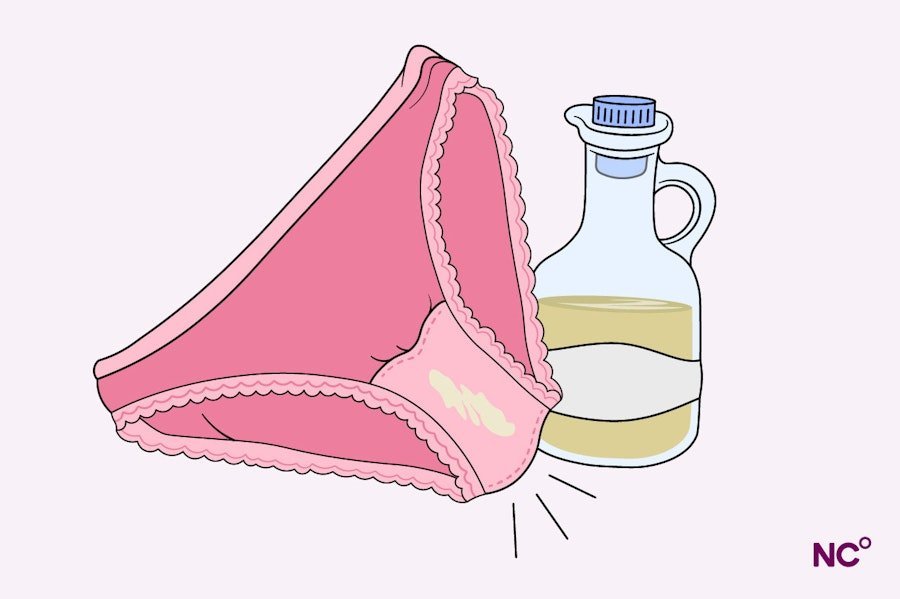
It’s common to feel concerned when you notice that your discharge smells like urine, as changes in intimate health often signal that your body is attempting to communicate an underlying issue. While some variation in scent is normal due to diet, hydration, or hormonal shifts, a persistent ammonia-like odor can be a symptom of various conditions ranging from simple dehydration to bacterial imbalances or urinary tract infections. Understanding the potential causes and knowing when to seek professional medical advice is essential for maintaining your reproductive and urinary wellness.
Key Takeaways
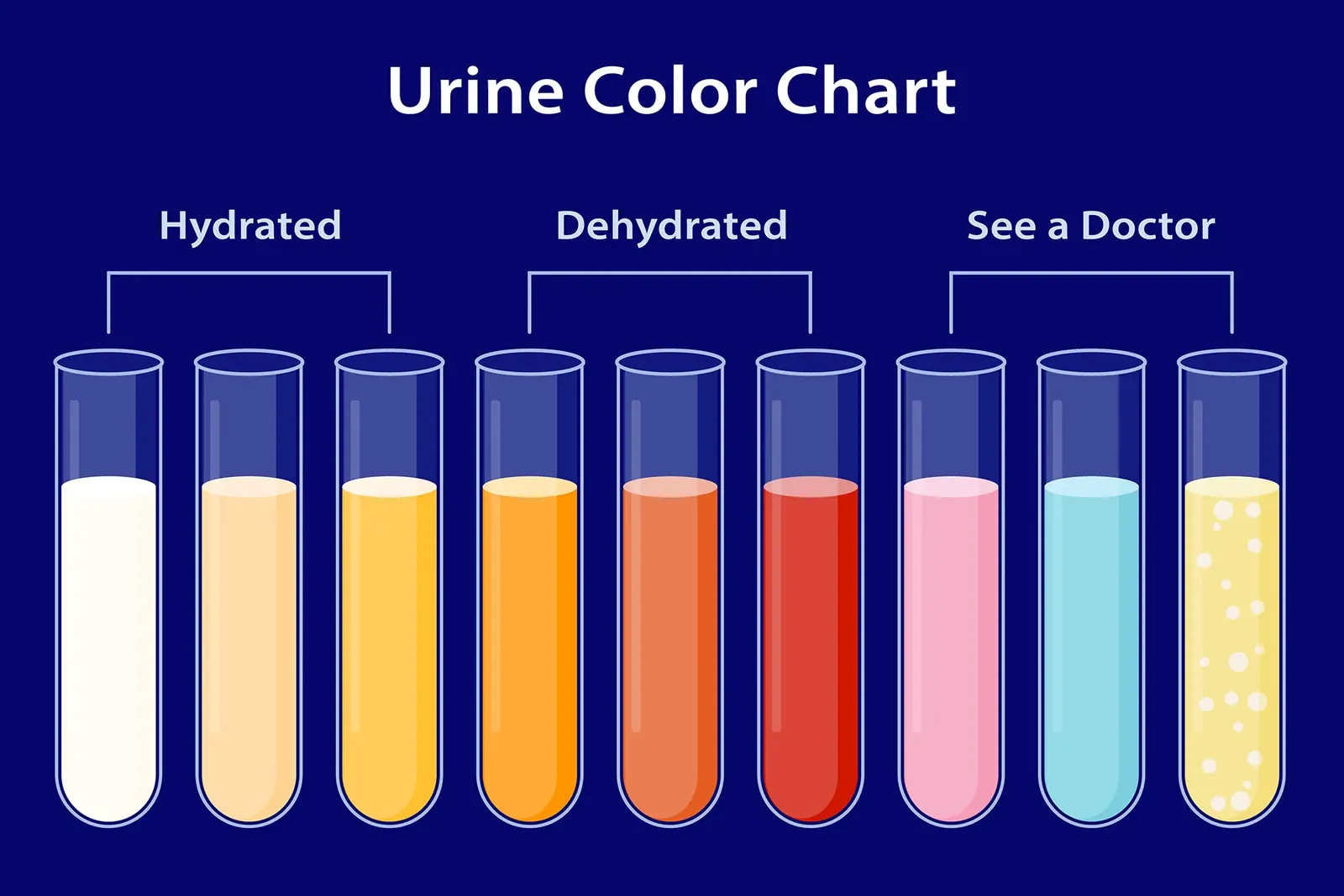
- Dehydration is the most frequent cause of concentrated urine, which can cling to clothing and mimic a discharge odor.
- Bacterial Vaginosis (BV) often produces a fishy scent, but some individuals report a chemical or pungent smell that can be mistaken for ammonia.
- Urinary tract infections (UTIs) frequently alter the composition of urine, resulting in a stronger, sharper scent that may linger on underwear.
- Poor hygiene or the use of harsh soaps can disrupt the natural pH balance, leading to odor issues.
- Always consult a healthcare provider if you experience pain, fever, or unusual colored discharge alongside the smell.
Is Dehydration the Primary Culprit?
When you don’t consume enough fluids, your kidneys produce more concentrated urine. This concentrated liquid contains a higher percentage of waste products and ammonia, which is significantly more pungent than dilute urine. If you’re wearing underwear that absorbs small amounts of moisture throughout the day, that moisture can evaporate and leave behind a concentrated odor that mimics the smell of discharge.
Hydration levels play a critical role in your body’s ability to flush out toxins. If your urine is dark yellow or amber, it’s a clear sign that you need to increase your water intake. Drinking 64 to 100 ounces of water daily is a standard recommendation for most adults to ensure healthy kidney function and neutral-smelling waste.
| Factor | Effect on Odor | Action Needed |
|---|---|---|
| Low Water Intake | Increases concentration | Increase fluid intake |
| High Protein Diet | Increases ammonia excretion | Balance with fiber |
| Caffeine/Alcohol | Causes mild dehydration | Limit intake |
When Is It a Urinary Infection?
A urinary tract infection (UTI) occurs when bacteria enter the urinary tract, causing an inflammatory response.
Because the urethra and the vaginal opening are in close proximity, it’s very common for people to confuse the scent of infected urine with vaginal discharge. If you feel a stinging sensation or notice that your urine is darker than usual, the smell might not be coming from your discharge at all, but rather from the urine itself.
Clinical intervention is almost always required for a UTI, as these infections rarely resolve on their own and can lead to kidney complications if left untreated.
Understanding Bacterial Vaginosis
Bacterial Vaginosis (BV) is a common condition caused by an imbalance in the natural bacteria living in the vagina. While BV is most often associated with a “fishy” odor—especially after sexual activity—some individuals report a sharp, chemical, or ammonia-like smell.
- Gardnerella vaginalis is the most common bacteria involved in this imbalance.
- Thin, grayish-white discharge is a hallmark symptom of this condition.
- Avoid using scented soaps or douches, as these can further disrupt your natural flora.
Microbiome health is delicate. If you suspect BV, a doctor can perform a simple swab test to confirm the diagnosis and prescribe appropriate antibiotics or topical treatments.
The Role of Personal Hygiene

Sometimes, the scent you perceive isn’t a medical condition but a result of environmental factors. Sweat glands in the groin area, known as apocrine glands, produce a specific type of sweat that can interact with bacteria on the skin, creating an odor that smells remarkably like urine.
- Wear loose-fitting, breathable cotton underwear.
- Change out of wet gym clothes immediately after exercising.
- Wash the external genital area with warm water only, avoiding scented body washes.
Warning: Never use scented sprays, perfumes, or harsh chemical wipes near the vaginal area. These products can cause severe irritation, allergic reactions, and may actually worsen the odor by killing the “good” bacteria that keep your pH balanced.
Common Dietary Influences
What you eat directly impacts the chemical composition of your sweat and urine. Certain foods contain high levels of sulfur or nitrogen, which can lead to a more intense odor when processed by the body.
| Food Category | Potential Odor Impact | Recommended Adjustment |
|---|---|---|
| Asparagus | Strong, sulfurous scent | Consume in moderation |
| Coffee/Caffeine | Increases ammonia scent | Replace with herbal tea |
| Garlic/Onions | High sulfur content | Reduce intake if sensitive |
Metabolic processing can vary greatly from person to person. If you notice the smell appears specifically after a heavy meal or a high-protein snack, try keeping a food diary for one week to see if a pattern emerges.
Could It Be Menopause?
As estrogen levels drop during perimenopause and menopause, the tissues of the vagina become thinner, drier, and less acidic. This change, known as atrophic vaginitis, can alter the natural bacterial environment and make the area more susceptible to odors that may be perceived as urine-like.
Pro Tip: Using a water-based vaginal moisturizer or a doctor-prescribed estrogen cream can help restore tissue health and reduce both dryness and associated odors.
Medical Causes for Discharge That Smells Like Urine
While less common, other factors can contribute to an unusual scent. These may include:
- Diabetes: High blood sugar can lead to sweet-smelling or fruity urine, which some people misidentify as ammonia.
- Kidney Issues: If your kidneys aren’t filtering waste effectively, toxins can build up, resulting in a distinct, pungent smell.
- Forgotten Tampon: A misplaced or forgotten hygiene product can cause a strong, unpleasant odor as bacteria accumulate.
When to See a Doctor

You should prioritize a visit to your gynecologist or primary care physician if you notice any of the following “red flag” symptoms:
- Discharge that’s green, yellow, or clumpy (like cottage cheese).
- Severe itching or burning in the genital area.
- Pelvic pain or discomfort during intercourse.
- Fever, chills, or lower back pain.
- Odor that persists for more than a week despite improved hygiene.
Related guides
Frequently Asked Questions
Is it normal for discharge to have any smell?
Yes, it’s perfectly normal for healthy vaginal discharge to have a mild, musky, or slightly acidic scent. This is a sign of a healthy, acidic pH balance maintained by beneficial bacteria. However, this smell shouldn’t be overpowering, foul, or fishy. If the odor is strong enough to be detected through your clothing, it’s worth investigating further.
Can tampons cause a urine-like smell?
Yes, if a tampon is left in for too long, it can trap bacteria and moisture, leading to a strong, unpleasant odor. Always ensure you’re changing your tampons every four to eight hours. If you accidentally leave one in for a prolonged period and notice a foul smell, remove it immediately and monitor for signs of infection, such as fever or pain.
Will drinking more water stop the smell?
If the smell is caused by concentrated urine due to dehydration, increasing your water intake will likely resolve the issue within 24 to 48 hours. When you’re well-hydrated, your urine becomes more dilute and less pungent. If you have significantly increased your fluid intake and the odor persists, the cause is likely related to a bacterial imbalance or infection rather than hydration.
Can birth control affect vaginal odor?
Yes, hormonal contraceptives can alter your vaginal pH and mucus consistency, which may influence your natural scent. While this is usually harmless, any sudden or drastic change in odor should be discussed with your healthcare provider. They can determine if the change is a benign side effect of your current medication or an indication of an infection that needs treatment.
Is an ammonia smell a sign of pregnancy?
Sometimes, hormonal shifts during early pregnancy can heighten your sense of smell, making normal odors seem much stronger. Additionally, pregnancy can cause more frequent urination and changes in vaginal discharge. While an ammonia smell isn’t a classic sign of pregnancy, it’s common to notice changes in your body’s natural scent during this time due to increased hormones.
Conclusion
If you find that the smell persists despite drinking plenty of water and maintaining excellent hygiene, schedule an appointment with your healthcare provider for a routine pelvic exam. They can perform a quick diagnostic test to rule out infections or imbalances. Addressing these concerns early is the most effective way to restore your comfort and ensure your reproductive health remains in optimal condition.